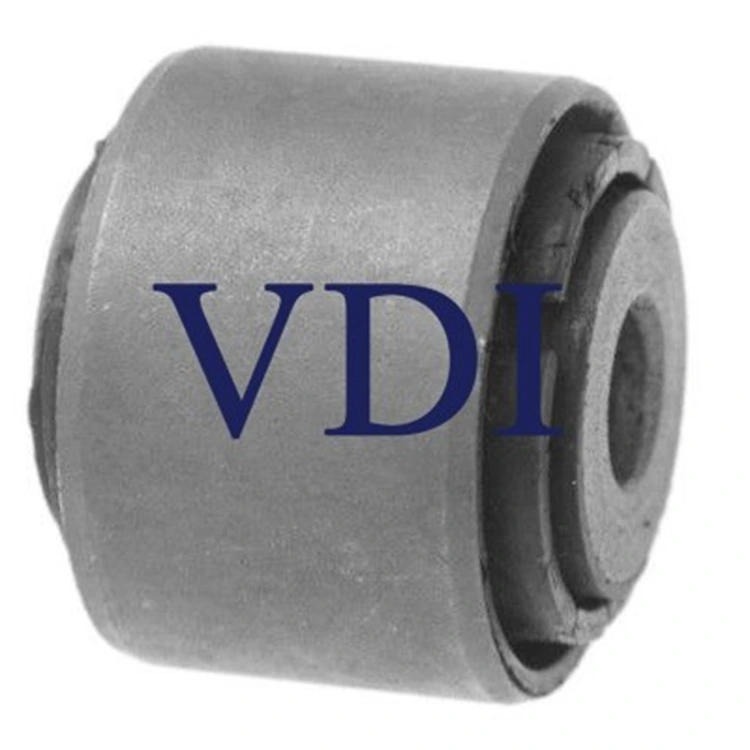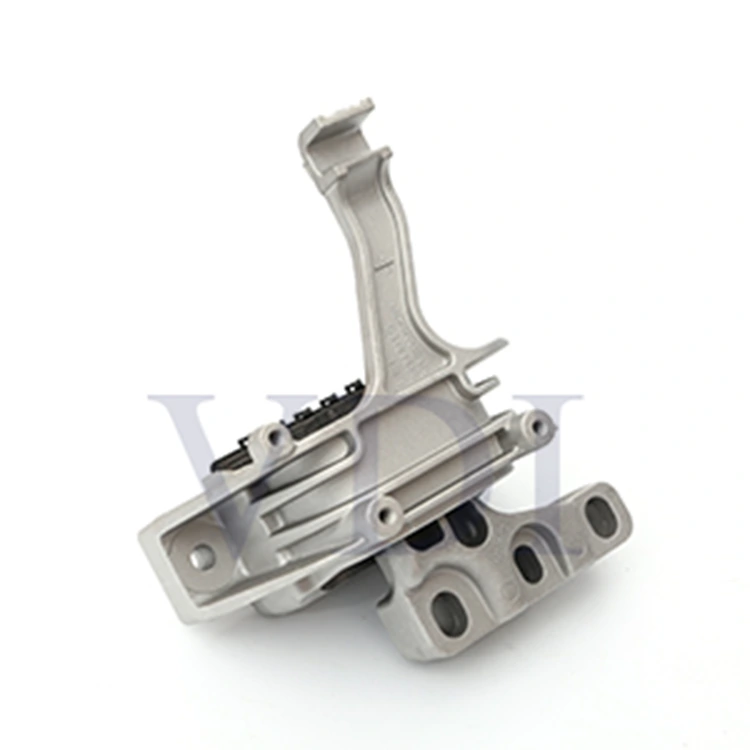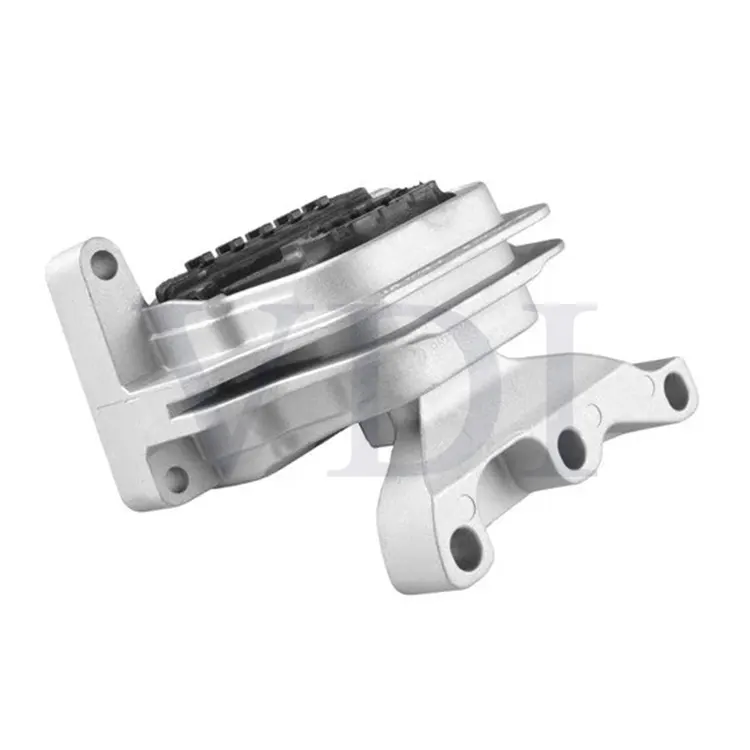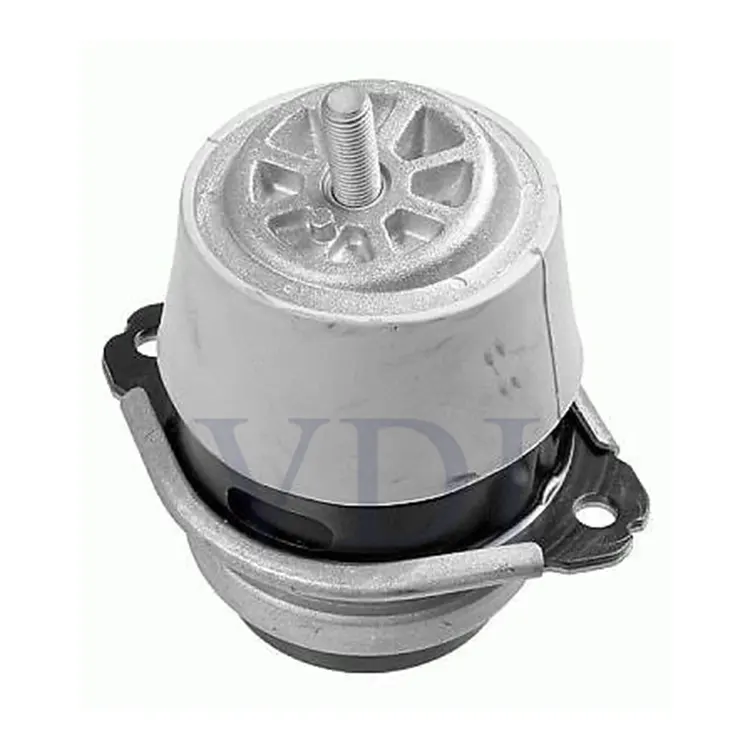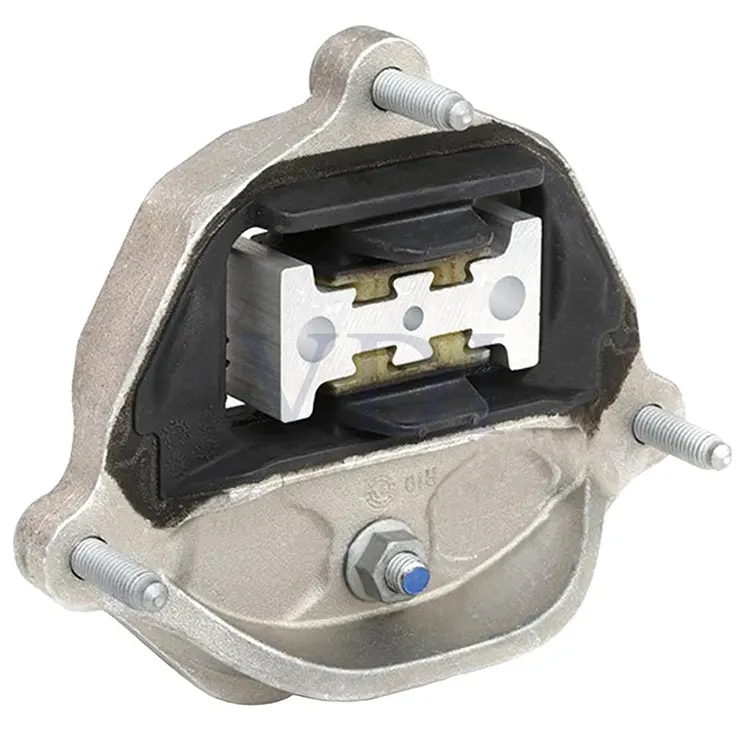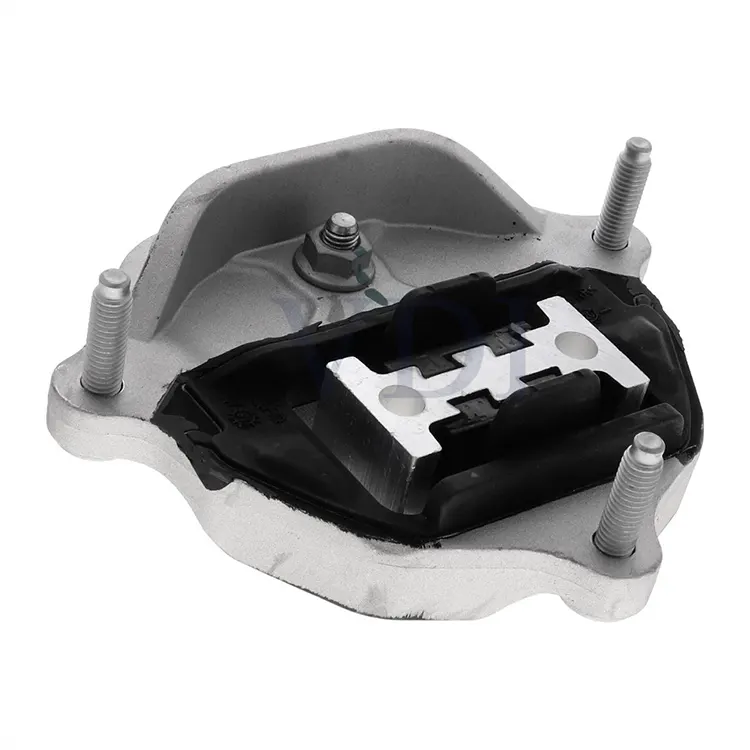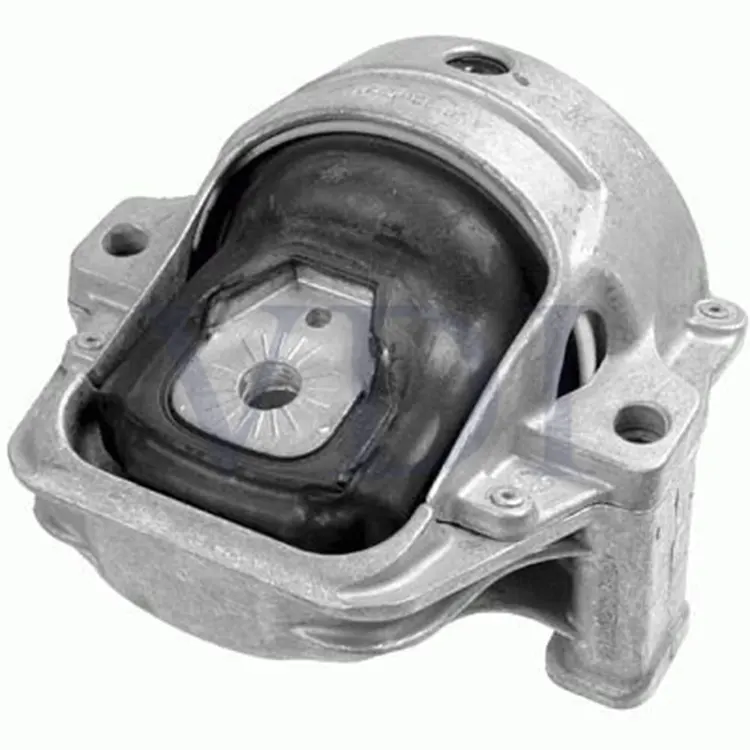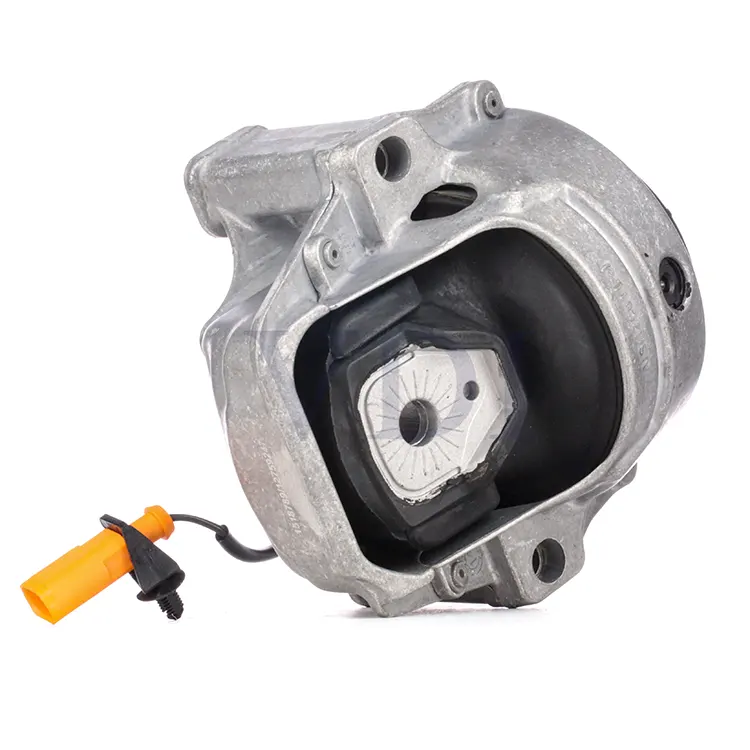

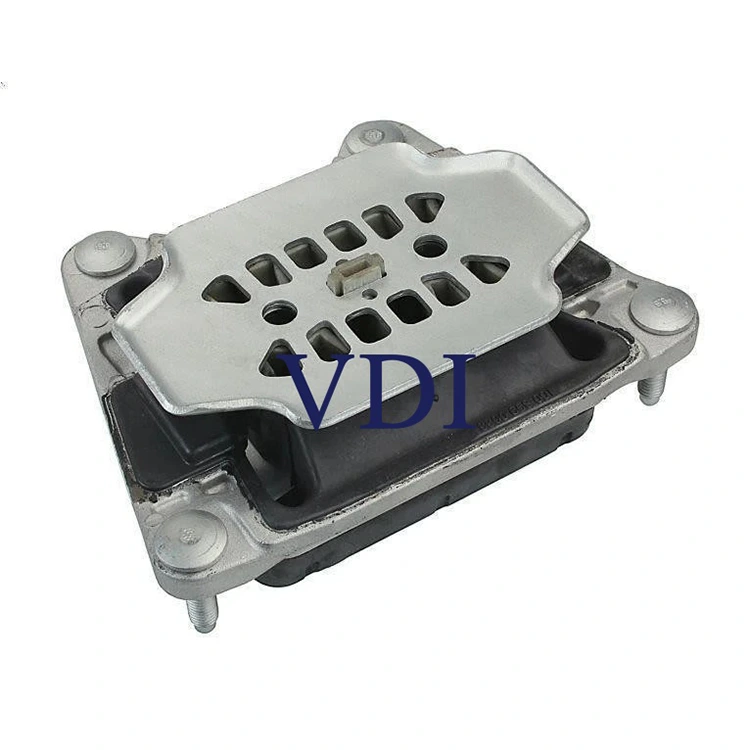
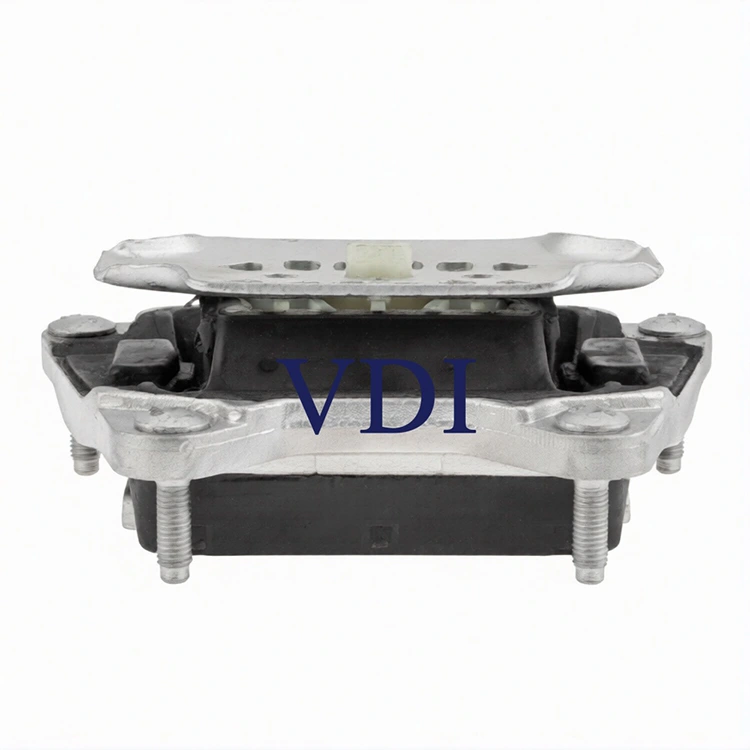
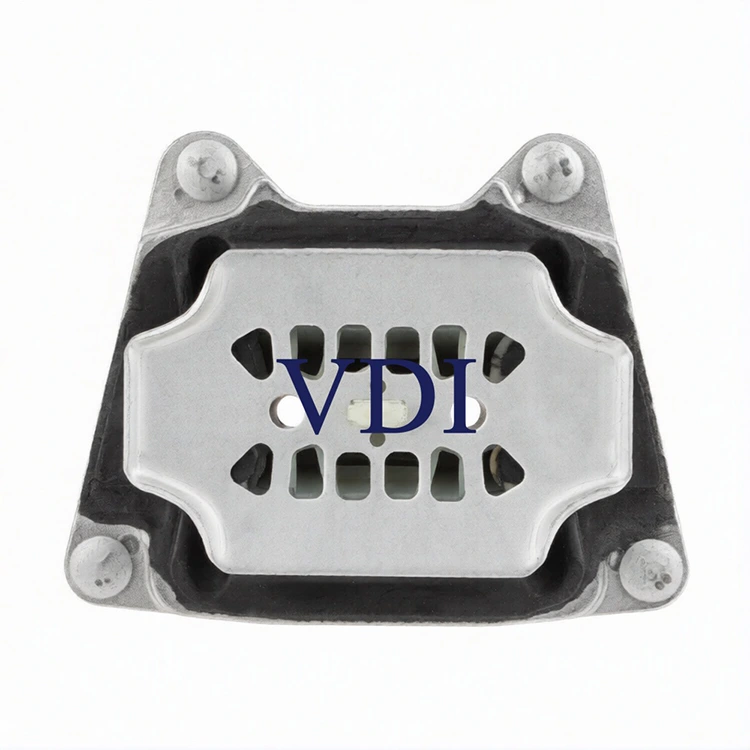
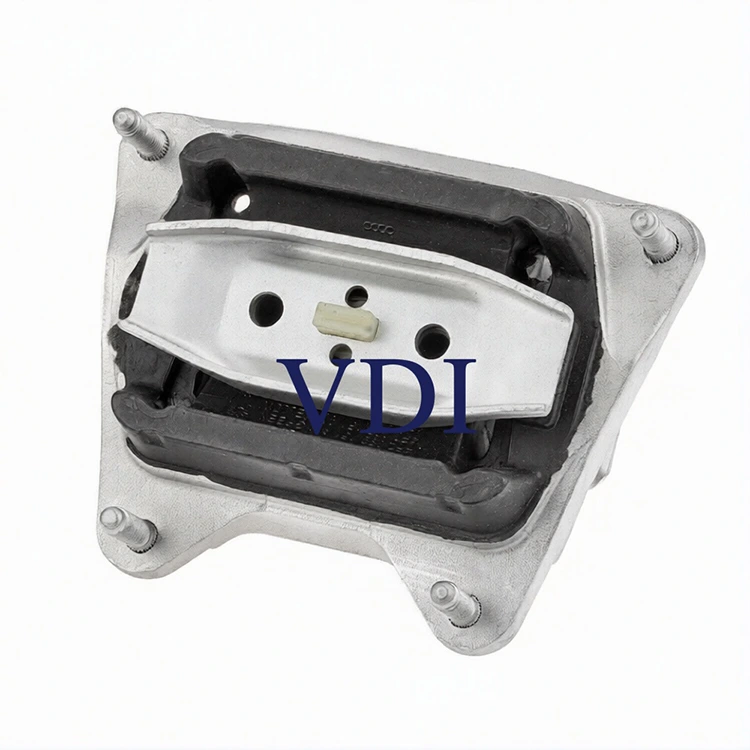
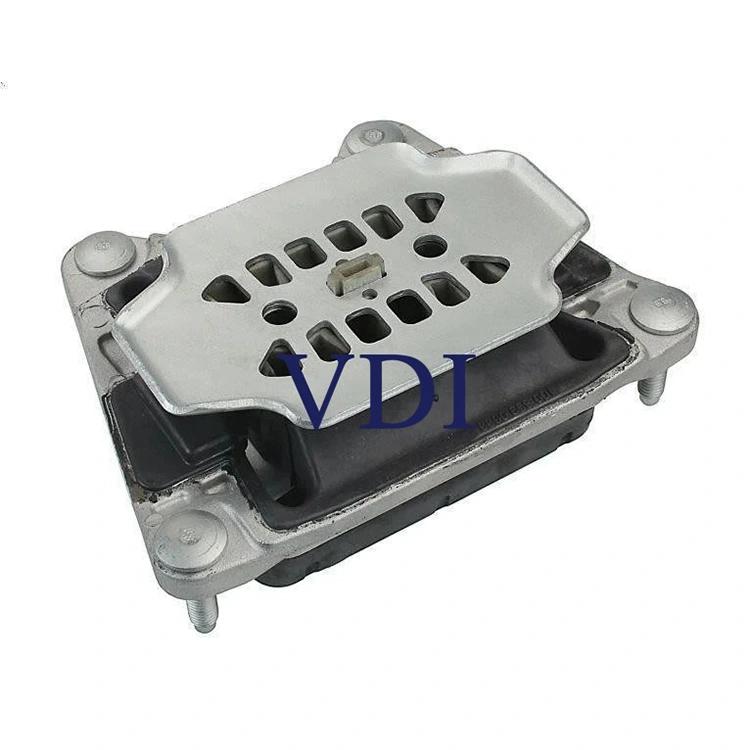
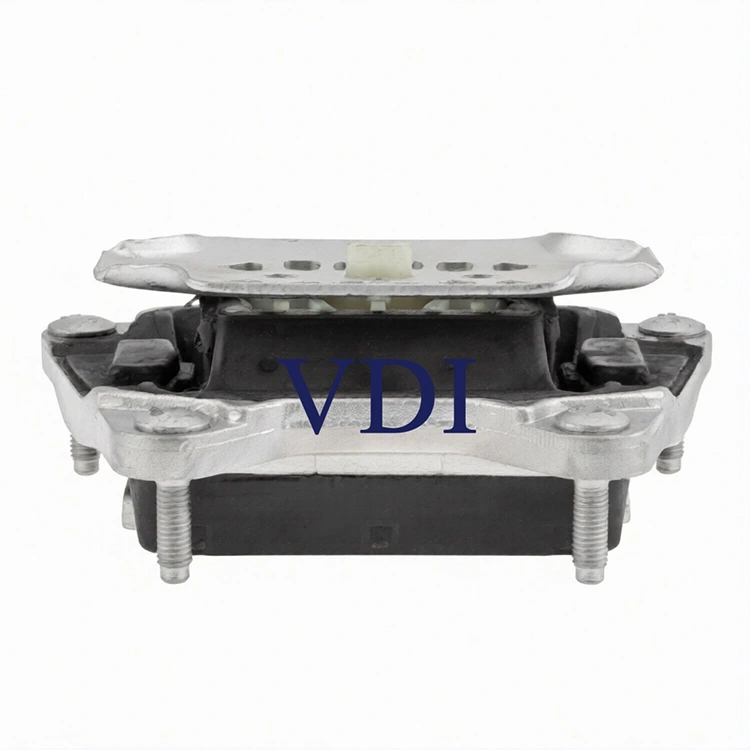
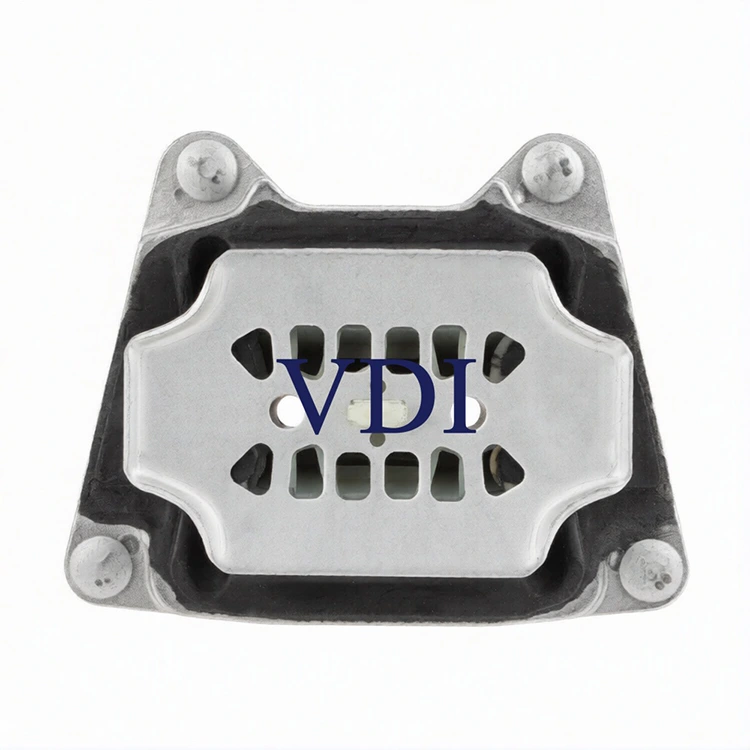
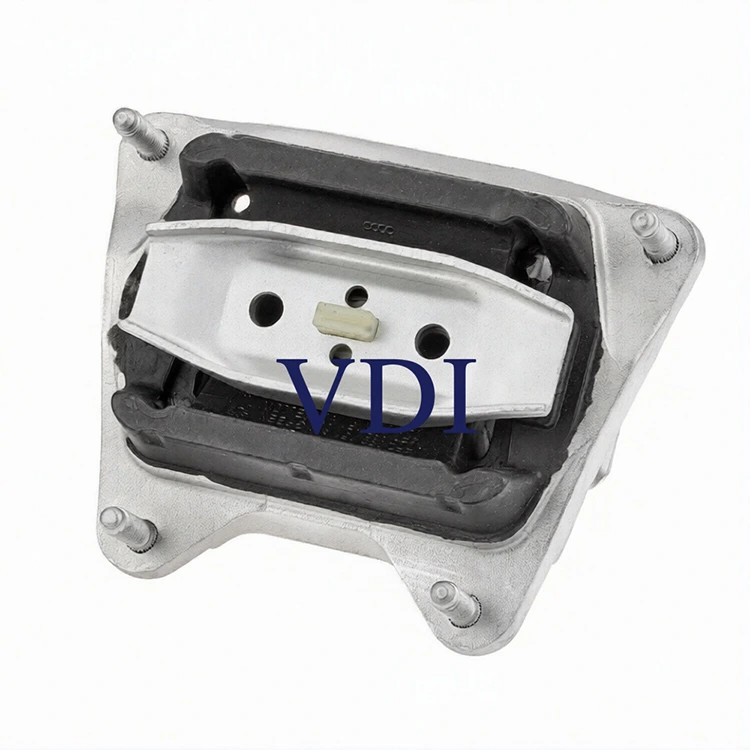
Transmission Mount 4F0399151AM eliminates abnormal vibrations at idle or while driving, restoring a smooth, like-new ride; absorbs mechanical shock during gear shifts for seamless gear changes without jerking; and effectively cuts off powertrain vibration paths to significantly reduce cabin noise.
Replacement NO:
4F0 399 151 AF
4F0 399 151 AG
Fit to:
AUDI C6 2004-2011
1. Transmission Mount 4F0399151AM is made from high-purity imported natural rubber, delivering exceptional elasticity and tear resistance for far greater durability than standard synthetic rubber compounds.
2. Precision-tuned durometer (hardness) rating strikes the perfect balance between vibration-damping comfort and rigid structural support.
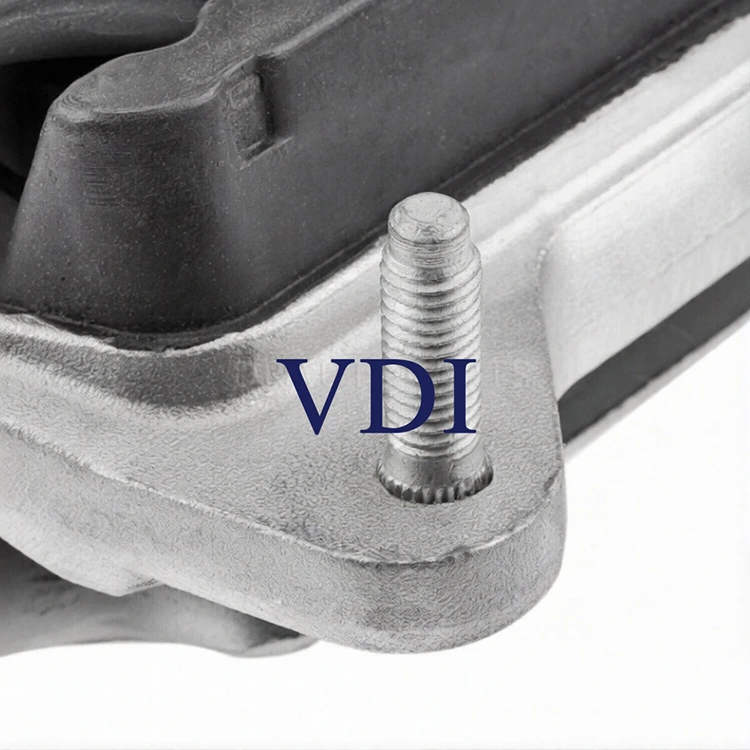
3. Reinforced heavy-gauge steel bracket offers industry-leading tensile and torsional strength for maximum durability.
4. Vacuum heat-vulcanized bonding between metal and rubber creates an extremely strong bond that resists separation even under high pressure.
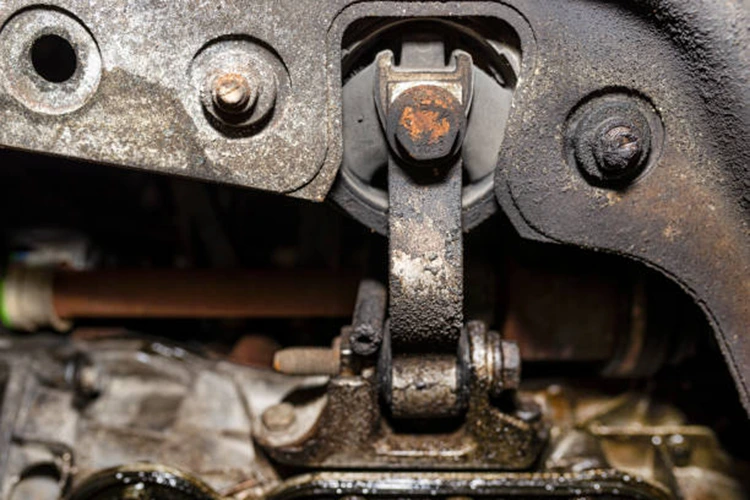
1. What Is a Transmission Mount
A transmission mount (also called a gearbox mount) is a vibration-dampening bracket that secures the transmission to the vehicle's chassis or subframe. It consists of two main components: a metal bracket and a rubber (or polyurethane) bushing bonded together.
Its two primary functions are: (1) physically locking the transmission in the correct position to maintain precise driveline geometry, and (2) absorbing vibration and shock generated during gear changes, acceleration, and deceleration — preventing these forces from entering the cabin.
Most vehicles carry one to two transmission mounts. Front-wheel-drive cars with transversely mounted engines typically have a rear transmission mount, sometimes with an additional side support. The transmission mount works in coordination with engine mounts to support the entire powertrain assembly.
2. Types of Transmission Mounts
There are three common types, each suited to different use cases:
|
Type |
Construction |
Vibration Isolation |
Durability |
Best For |
|
Solid Rubber |
Rubber bushing + steel bracket |
Excellent (OEM standard) |
Moderate — degrades with heat |
Daily driving, comfort priority |
|
Hydraulic |
Fluid-filled (glycol), tuned damping |
Superior, frequency-specific |
Lower — fluid can leak over time |
Premium sedans, high NVH standards |
|
Polyurethane |
High-durometer urethane bushing |
Poor — more NVH transmitted |
High — heat and wear resistant |
Track use, precise shift feel |
Buying tip: For everyday use, choose a solid rubber mount matching original equipment (OEM) spec. Polyurethane mounts improve shift feel but increase cabin vibration. Hydraulic mounts offer the best ride quality but have more complex construction and shorter service life.
3. Common Causes of Failure
Natural Aging (Most Common)
Rubber oxidizes and breaks down over time. Combined with the constant vibration load of the drivetrain, most mounts begin to degrade between 60,000 and 100,000 miles (approximately 100,000 to 160,000 km). Proximity to the exhaust system accelerates rubber deterioration through sustained heat exposure.
Collision or Impact
Even a minor front-end collision or repeated impacts from potholes and curbs can damage the structural integrity of a mount — without any visible external cracking. The metal-rubber bond may separate internally. Any significant impact warrants a mount inspection.
Improper Installation
After transmission rebuilds or replacements, an incorrectly torqued or misaligned mount creates localized stress concentrations, dramatically shortening its service life. This is a key area to verify on vehicles with unclear service history.
Corrosion
Vehicles operated in snowy, salted, or coastal environments are prone to metal bracket corrosion. Rust progressively weakens the mount's structural integrity. Owners in northern or coastal regions should inspect mounts for corrosion at every service interval.
Note: When one engine mount fails, its load transfers to the transmission mount, accelerating its wear. Always inspect the transmission mount when replacing engine mounts.
4. Symptom Recognition
The following symptoms are listed by frequency and severity. The more symptoms present, the more advanced the mount degradation.
|
Symptom |
Description |
Severity |
|
Clunking or banging noise |
Audible bang when shifting D/R or during hard acceleration/braking. Transmission shifting without support collides with surrounding components. |
HIGH |
|
Excessive vibration under load |
Noticeable shaking in steering wheel, seat, or floor — especially at low speeds or on inclines. |
HIGH |
|
Rough or hesitant gear changes |
Shift linkage geometry changes as transmission moves. Manual shifts feel stiff or long; automatics develop more pronounced shudder. |
MEDIUM |