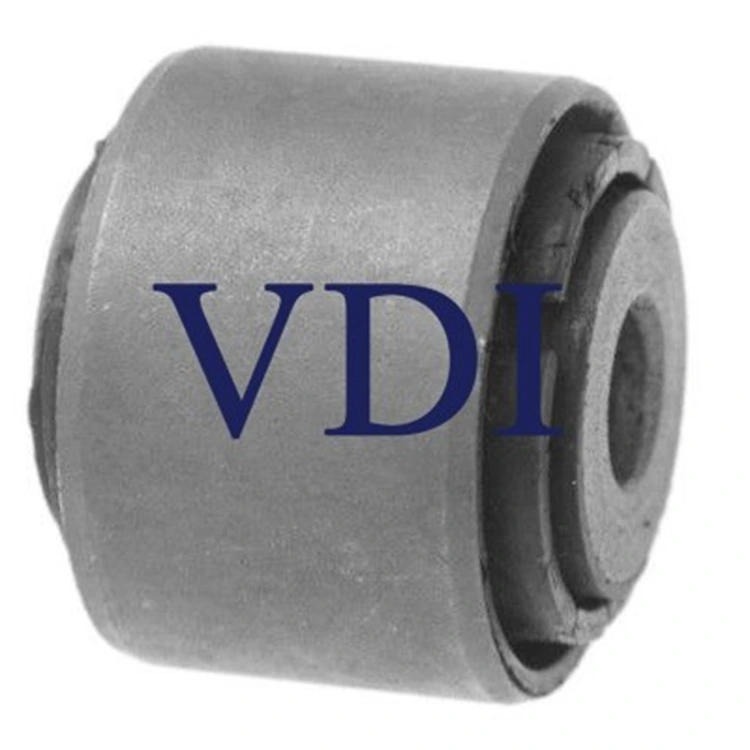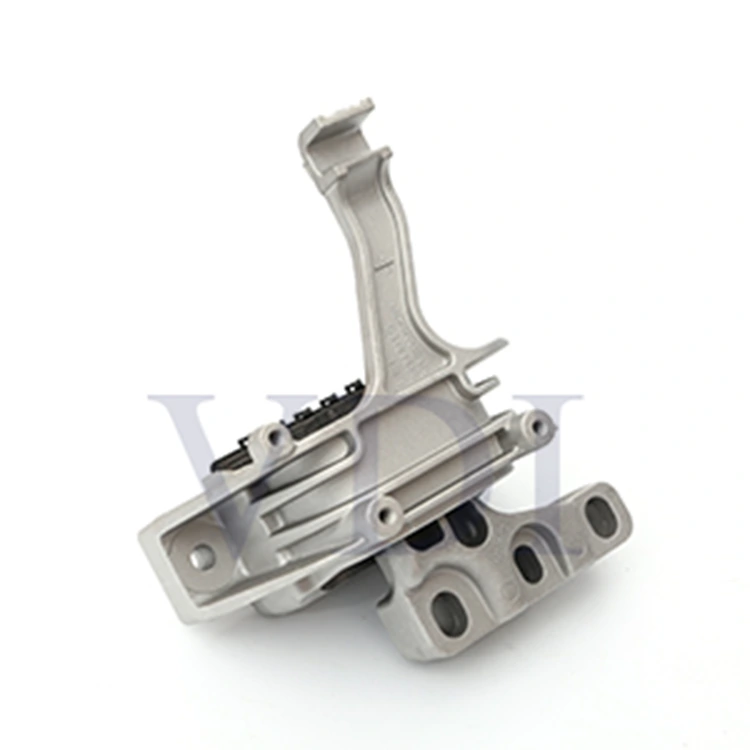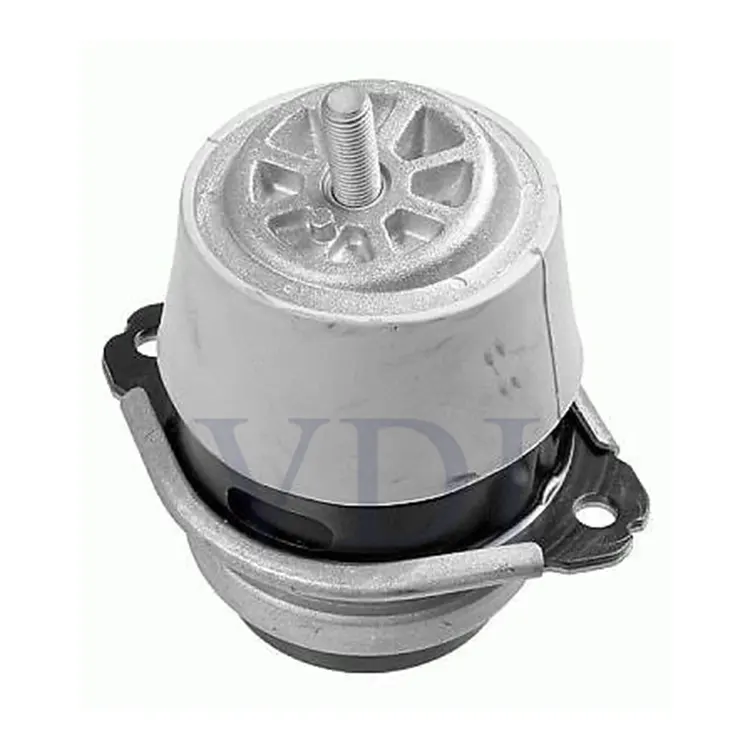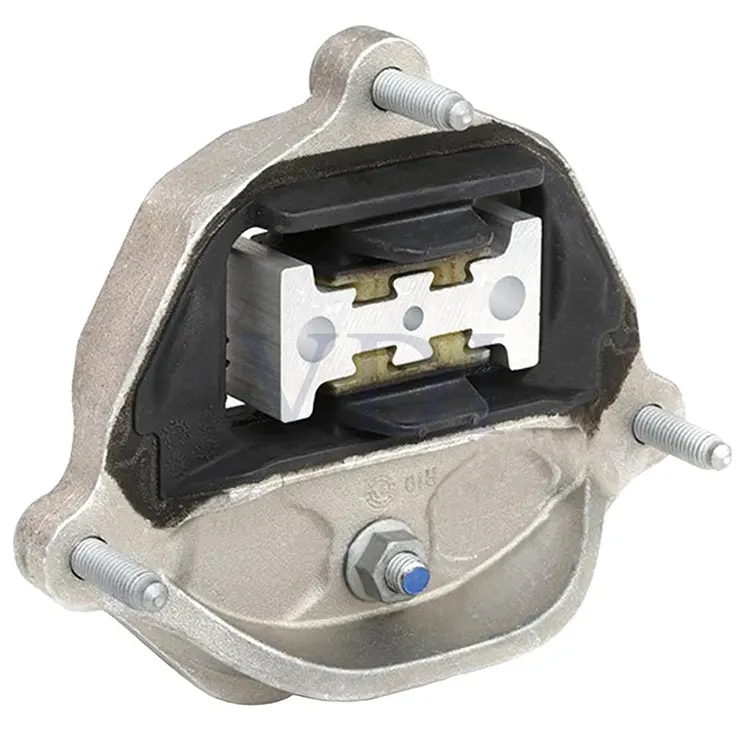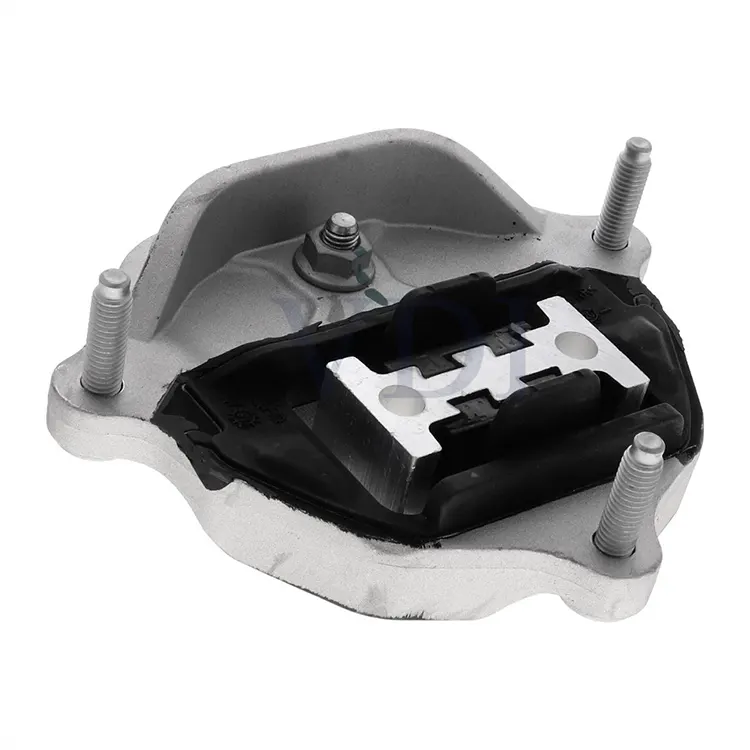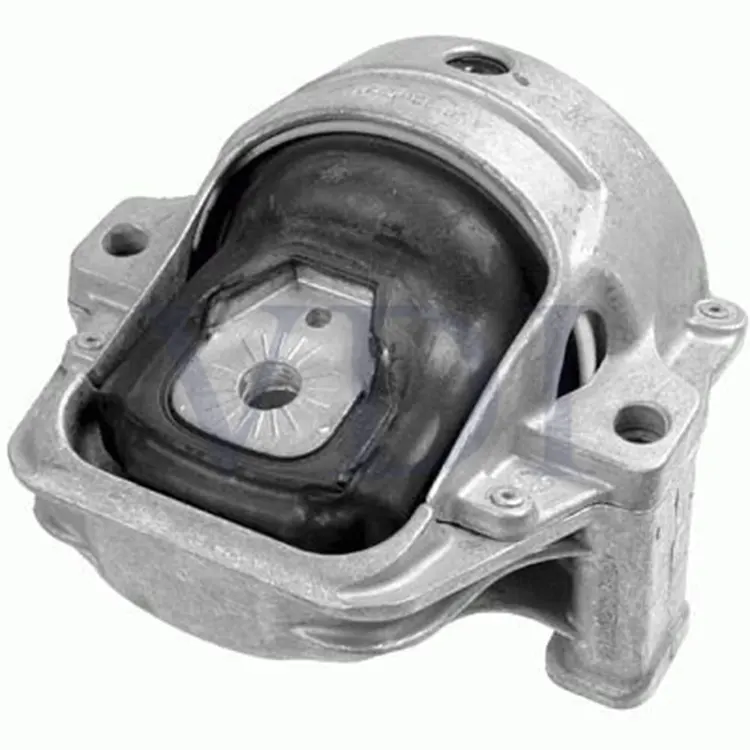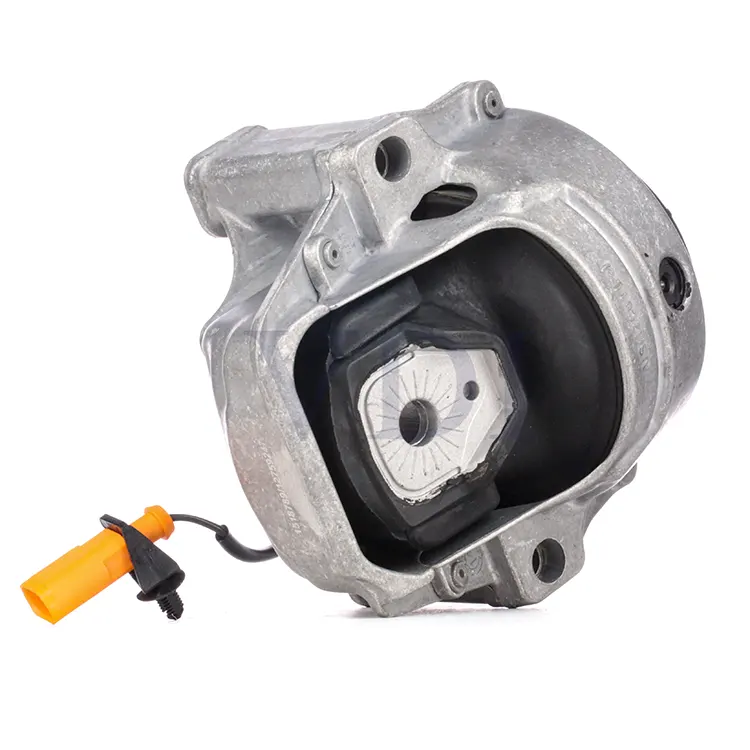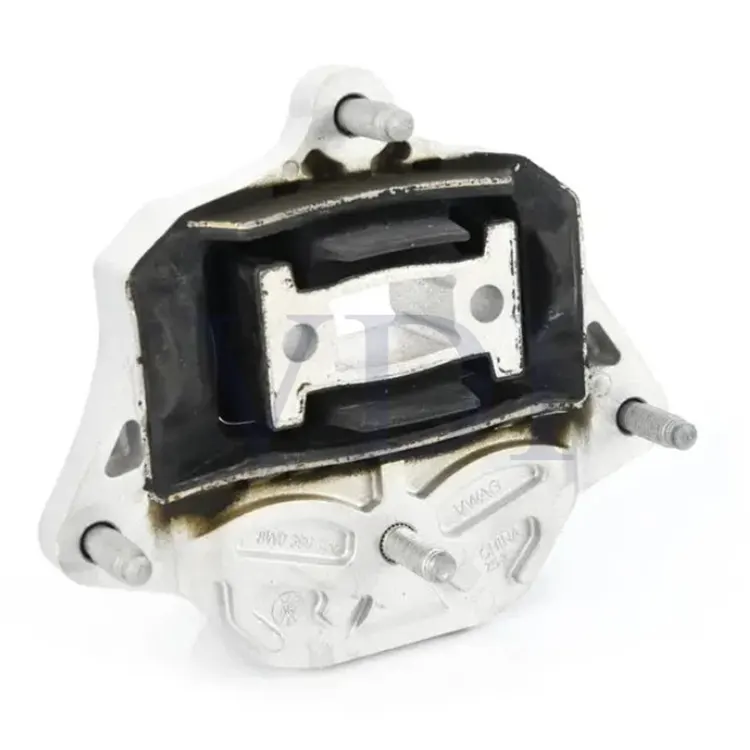

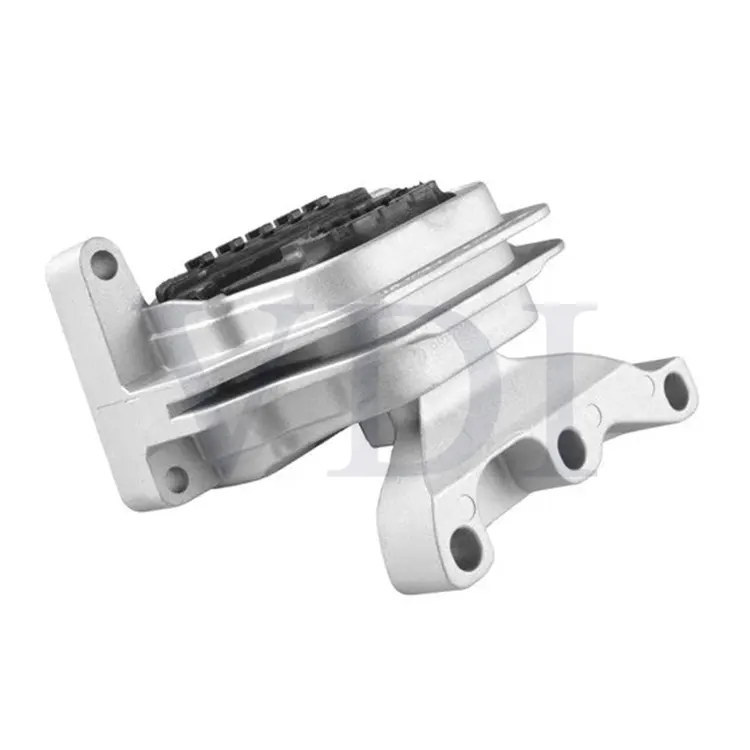
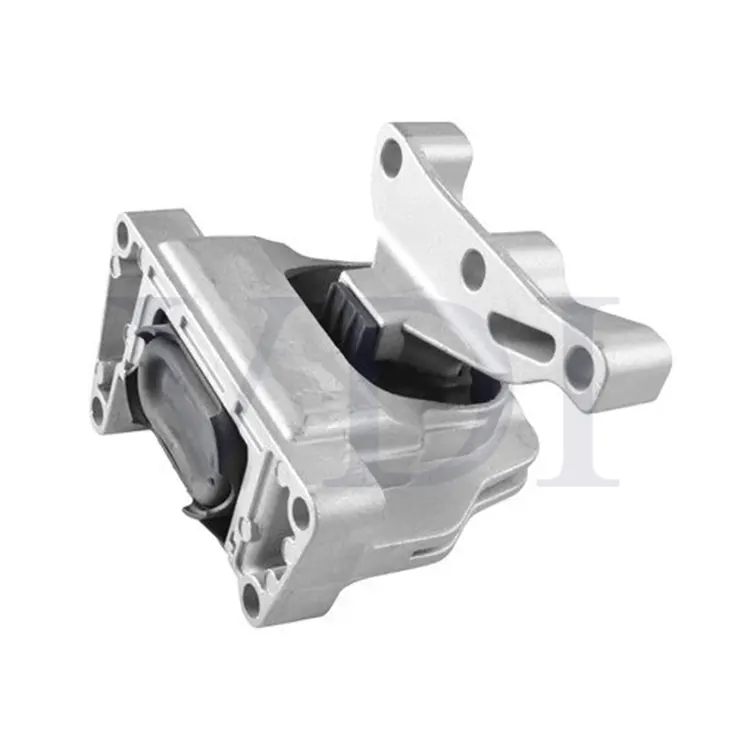
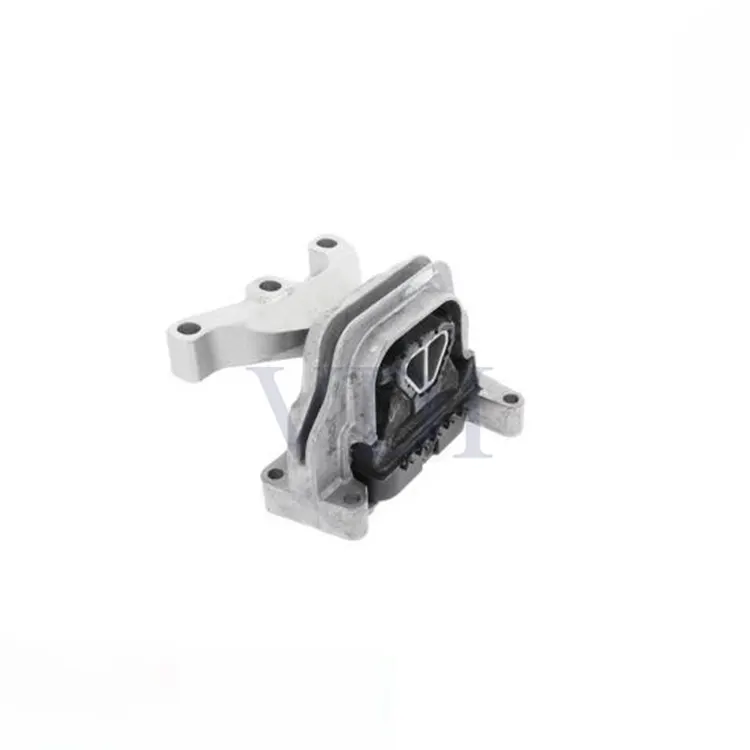
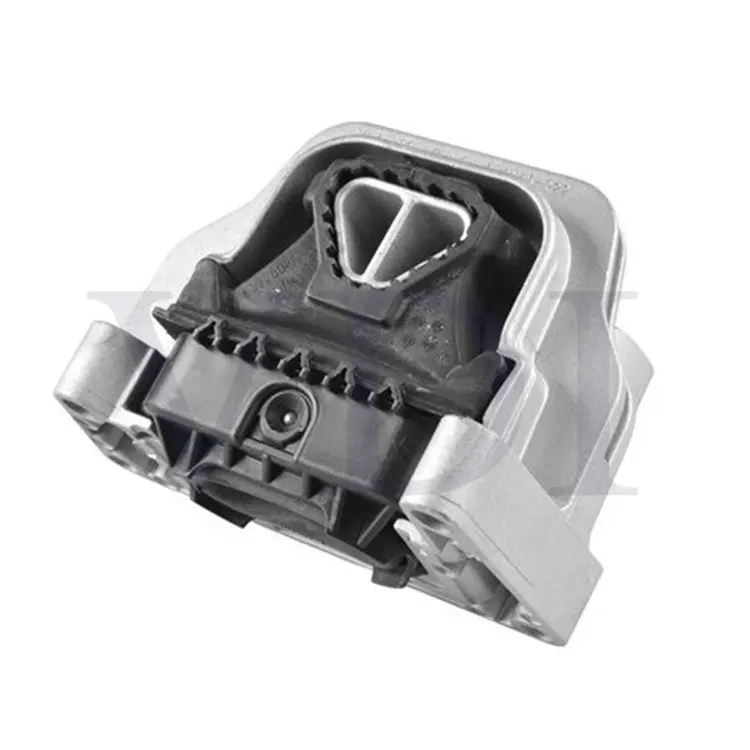
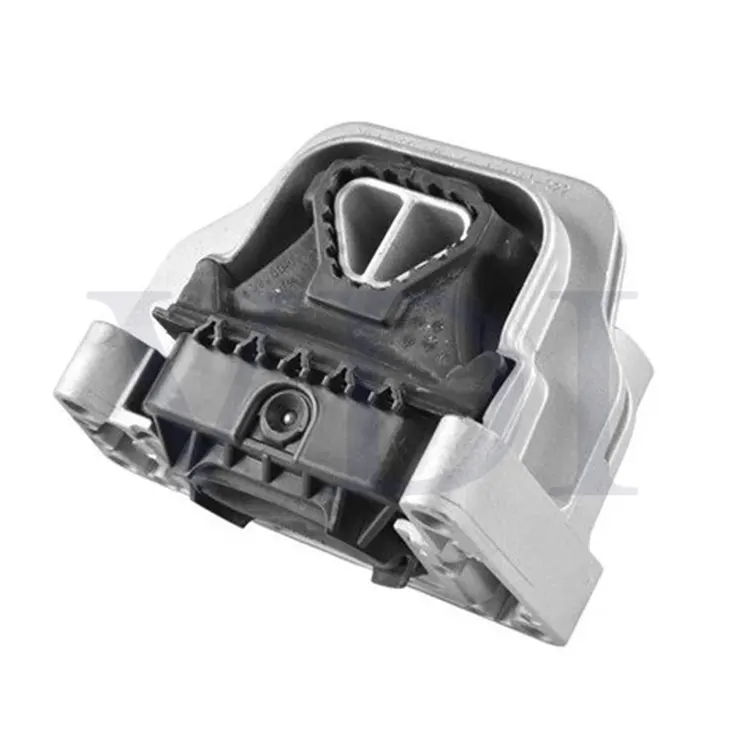
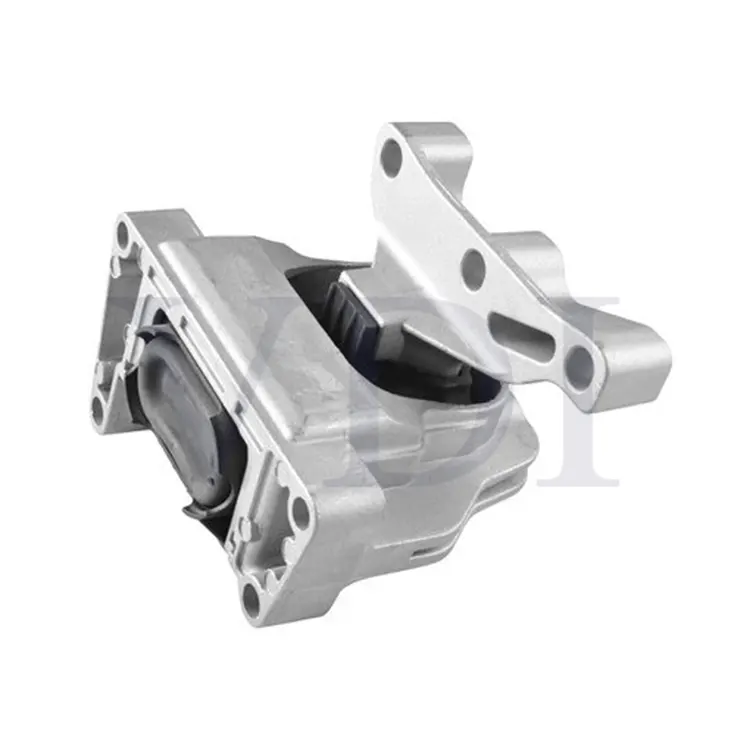
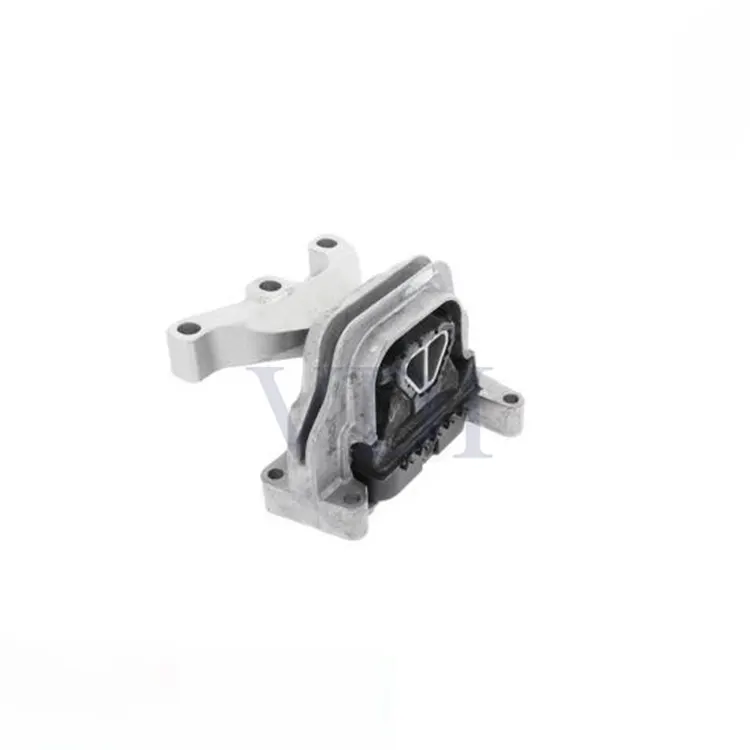
The VDI automotive Engine Mount 6C0199262A is designed for a precise fit to reduce engine vibration, enhance vehicle handling, and provide a smoother driving experience through durable materials, ensuring long-lasting performance and stability.
Replacement NO:
· 6C0 199 262 E
Fit to:
· AUDI A1
· VW polo
· Improved Safety: Stronger Engine Mount 6C0199262A ensures safer driving by preventing engine looseness and potential risks.
· High-Strength Support: Built with premium steel or alloy for durable engine support under heavy loads.
· All-Weather Reliability: Performs reliably in extreme weather and rough roads — a dependable Engine Mount in any condition.
· Less Maintenance: Reduces engine vibration wear, lowering repair costs and minimizing trips to the shop.
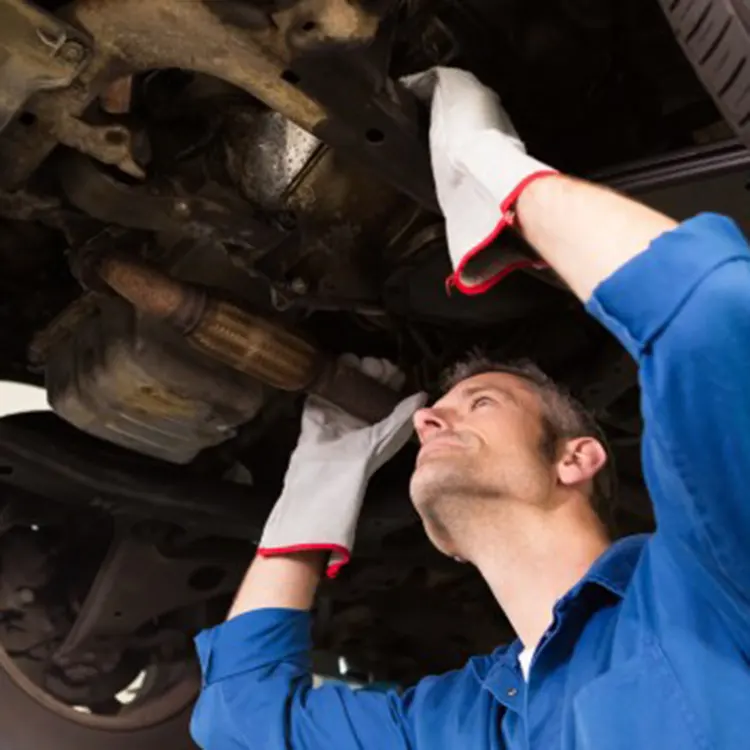
1.Preparation:
Safety First: Before starting the installation, ensure the vehicle is parked on a flat surface, the parking brake is engaged, and the engine is turned off. Always wear appropriate safety gear such as gloves and safety glasses.
Tools Required: A jack, jack stands, a wrench set, a pry bar, a torque wrench, and possibly a ratchet socket set.
Lift the Vehicle: Use a jack to lift the car off the ground. Secure the vehicle with jack stands to ensure safety during the process. Never rely solely on the jack.
2.Locating the Engine Mounts:
Identify Mount Points: Engine mounts are typically located between the engine and the chassis. They are rubber or rubber-metal composites designed to absorb engine vibrations and secure the engine in place.
Check for Clearance: Ensure there is enough space to work around the engine mount. You may need to remove some components (like air filters, intake tubing, or exhaust components) to gain better access.
3.Removing the Old Engine Mount:
Support the Engine: Before removing the old mount, use a jack or engine support bar to secure the engine. This ensures the engine stays in place while you remove the mount.
Loosen the Fasteners: Use the appropriate wrench or socket to remove the bolts securing the old engine mount to the engine and chassis. Keep the bolts for reinstallation if they are in good condition.
Remove the Old Mount: Once all bolts are removed, carefully pry the old mount free from its position. Be cautious of any additional wiring or components that may be in the way.
4.Installing the New Engine mount :
Position the New Engine mount 6C0199262A: Place the new Engine mount 6C0199262A in its designated position. Make sure the mount is correctly aligned with the engine and the chassis.
Secure the Mount: Reinstall the bolts and tighten them using a wrench or ratchet socket. It's essential to follow the recommended torque specifications for the specific mount and engine model. Over-tightening or under-tightening can lead to issues later.
Check Alignment: Ensure the engine is positioned correctly before fully tightening the bolts. If the engine is not aligned properly, it can cause unnecessary stress on the mount and affect the engine's performance.
5.Reinstalling Other Components:
Reassemble Parts: If any components (e.g., intake tubing, exhaust parts, or air filters) were removed to access the mount, carefully reinstall them. Ensure that all connections are tight and secure.
Double-check Wiring: Inspect any wiring or hoses that may have been disconnected or moved during the installation. Ensure there is no interference or strain on these components.
6.Lower the Vehicle:
Remove the Jack and Stands: Once the Engine mount 6C0199262A is securely installed, slowly lower the vehicle using the jack, then remove the jack stands.
Test the Mount: Start the engine and check for any unusual vibrations, noises, or misalignments. If everything seems in order, the installation is complete.
7.Final Inspection:
Check for Leaks: Ensure there are no oil, coolant, or other fluid leaks around the Engine mount 6C0199262A area after installation.
Drive Test: It’s a good idea to take the vehicle for a short drive to ensure that the mount is functioning correctly and that the engine operates smoothly without excessive vibrations.
Tips for Success:
· Use High-Quality Engine mount 6C0199262A: When replacing the engine mount, always opt for high-quality aftermarket parts. Poor-quality mounts can lead to premature failure.
· Torque Specs Matter: Always follow the manufacturer’s recommended torque specifications for the bolts during reinstallation. Incorrect torque can damage the engine mount or the surrounding components.
· Professional Help: If you are uncertain or uncomfortable performing this task, consider seeking assistance from a professional mechanic.
This guide provides a step-by-step overview of how to replace an Engine mount 6C0199262A.
Maintaining your engine mounts is essential to ensure the smooth operation of your engine and prevent unnecessary vibrations, noise, and potential damage to other vehicle components. Here's a maintenance guide to help you extend the life of your engine mounts and keep your vehicle running smoothly.
1.Regular Inspections:
Visual Check: Regularly inspect the engine mounts for signs of damage, such as cracks, tears, or excessive wear. Look for any visible signs of fluid leaks, especially oil or coolant, as this can deteriorate the rubber material of the mounts.
Check for Vibration Issues: Pay attention to unusual vibrations or noise while driving, especially during acceleration or deceleration. If the engine is shaking more than usual, it might be a sign that the engine mount is failing.
Check for Alignment: Misalignment or movement of the engine can also be a sign of a failing mount. If the engine is shifting or you notice excessive play, it may be time for a replacement.
2.Monitor Performance:
Rough Shifting or Drivetrain Vibration: If you're experiencing rough gear shifts or abnormal drivetrain vibrations (especially while idling in gear), these could be symptoms of a damaged or worn engine mount. Over time, a compromised mount can cause the engine to shift out of alignment, affecting the transmission and suspension system.
Engine Noise: A deteriorating engine mount may result in increased engine noise or knocking sounds. This can occur when the engine is not properly secured, causing it to move too much during operation.
3.Protect from Environmental Damage:
Heat and Chemical Exposure: Engine mount 6C0199262A is exposed to high temperatures, engine fluids, and road contaminants. Ensure that your Engine mount 6C0199262A is not coming into direct contact with excessive oil, coolant, or other chemicals, as these can degrade the rubber components of the mount.
Road Salt and Moisture: In areas with harsh winters, road salt and moisture can lead to corrosion, which could weaken metal components in the engine mount. Clean the mount area regularly to prevent buildup.
4.Preventative Maintenance:
Lubricate the Mounts (if applicable): Some engine mounts may require periodic lubrication. If your vehicle manufacturer recommends lubrication, use the correct type of grease and follow the maintenance schedule.
Install Upgraded Mounts (if needed): For performance vehicles or if you are frequently driving in rough conditions, consider upgrading to heavy-duty or performance-engineered mounts. These are designed to handle higher stress and provide better vibration damping.
5.Signs That Indicate Replacement:
While engine mounts are designed to last for a long time, they do eventually wear out. Here are signs that indicate it's time to replace your engine mount:
Excessive Engine Movement: If you notice that the engine moves more than usual when you accelerate, brake, or shift gears, it could mean the mount has worn out.
Engine Misalignment: If your engine seems tilted or uneven, it’s likely a sign that the engine mount is no longer providing the proper support.
Loud Noises or Clunking Sounds: If you hear clunking, banging, or knocking sounds when the vehicle is in gear, this is often a sign that the engine is shifting or making contact with other components due to a failed mount.
Increased Engine Vibrations: Excessive vibrations during acceleration or deceleration can indicate that the engine mount has failed or is failing.
6.Professional Inspections:
Routine Checks by a Mechanic: Even if you inspect your engine mounts regularly, it’s a good idea to have a professional mechanic check them during routine service intervals. Mechanics can often identify subtle signs of wear that may not be immediately obvious.
Diagnostic Tools: Some mechanics may use diagnostic tools to check the condition of the engine mounts. If you're unsure about the health of your mounts, a professional inspection is highly recommended.
7.Importance of Quality Replacement Parts:
OEM or High-Quality Aftermarket Parts: Always opt for high-quality replacement engine mounts (OEM or reputable aftermarket brands: VDI Engine mount 6C0199262A) to ensure optimal performance. Poor-quality mounts will degrade quickly and may cause further damage to your engine and other components.
8.Prevent Future Damage:
Drive Smoothly: Hard accelerations, rapid decelerations, and rough driving can put unnecessary strain on your engine mounts. Drive smoothly to reduce the wear and tear on your engine mounts.
Avoid Overloading the Vehicle: Excess weight can increase the strain on the engine mounts. Avoid overloading your vehicle, especially if you frequently carry heavy cargo or tow large loads.
By following these simple maintenance steps, you can prolong the life of your engine mounts and improve the overall performance and comfort of your vehicle. Regular inspections, addressing signs of wear early, and using quality parts for replacements are key to ensuring that your engine mounts continue to perform effectively.
Engine mounts are essential components in a vehicle’s drivetrain, designed to secure the engine in place while reducing vibrations and preventing excessive movement. Over time, engine mounts can wear out, leading to several common issues that can affect the comfort, performance, and safety of your vehicle. Below, we will discuss some of the common symptoms of bad engine mounts, along with practical solutions.

1.Vibrations and Shaking
· Problem: One of the most common complaints related to worn engine mounts is excessive vibrations and shaking. Many car owners report this issue, especially when the car is idling or accelerating. A frequent question asked is, "Misfire sounds more likely?" However, it’s more likely that the issue is due to worn engine mounts. As mounts deteriorate, they allow the engine to move more than normal, leading to noticeable vibrations. These vibrations are often felt in the cabin or through the steering wheel.
· Solution: If you experience vibrations, it’s a good idea to check the engine mounts. Worn mounts can cause excessive engine movement, leading to increased vibrations. Replacing the engine mounts with high-quality, OEM-grade replacements will restore engine stability and eliminate unwanted shaking.
2.Noise During Acceleration or Gear Shifting
· Problem: Another sign of bad engine mounts is unusual noises, such as clunking or knocking sounds when accelerating or shifting gears. A common description from car owners is: "There was some sound coming from the engine when accelerating after stopping the car completely." This sound is caused by the engine shifting more than it should, as the mounts can no longer absorb the engine's vibrations effectively.
· Solution: If you hear clunking or knocking sounds during acceleration or when shifting gears, the issue could be the engine mounts. Worn or damaged mounts fail to secure the engine properly, allowing it to move or shift during these actions. Replacing the damaged mounts should fix the noise and restore smooth operation.
3.Excessive Engine Movement
· Problem: One of the most visible signs of a failing engine mount is visible engine movement, especially when shifting from Park to Drive. A common question from car owners is: "What does the engine do when shifting from Park to Drive?" If the engine moves excessively when shifting gears, this is a strong indication that the mounts are damaged or worn out.
· Solution: If you notice the engine shifting when moving from Park to Drive, it's time to replace the faulty engine mounts. This issue can cause misalignment in the drivetrain and affect the transmission system’s performance. Replacing the engine mounts will stop the engine from moving excessively and restore proper vehicle handling.
Conclusion:
Engine mounts play a critical role in maintaining vehicle stability by absorbing vibrations and preventing excessive engine movement. If you experience symptoms like vibrations, unusual noises, or visible engine movement, it’s crucial to check your engine mounts. Replacing worn or damaged mounts with high-quality parts will not only improve driving comfort but also prevent further damage to the vehicle’s drivetrain. Regular inspections and timely replacements will ensure your car runs smoothly and efficiently for years to come.
Our Engine mount 6C0199262A is made from high-quality materials and undergo rigorous durability testing to ensure long-term stability and reliability. We offer a 12-month warranty on all products and commit to taking responsibility for any issues that arise during usage.