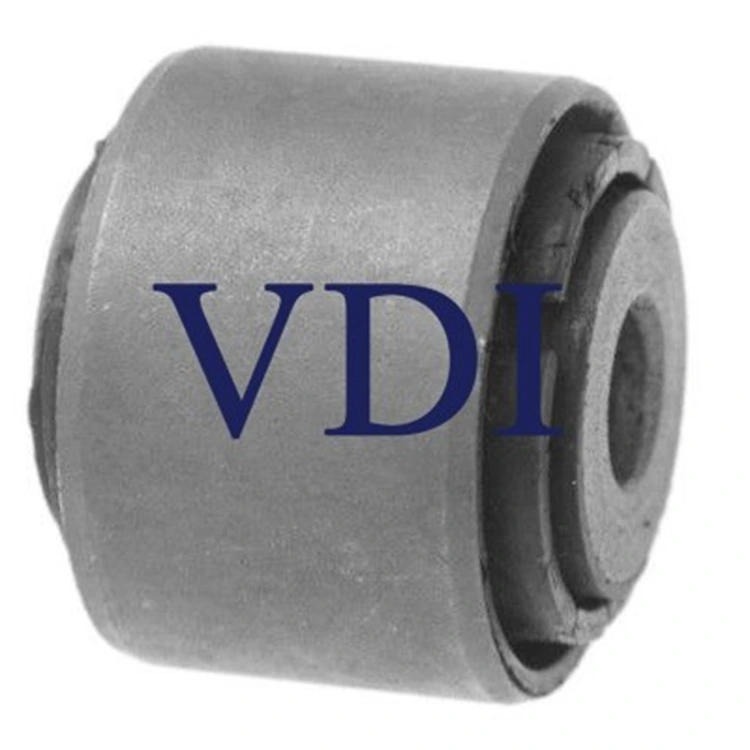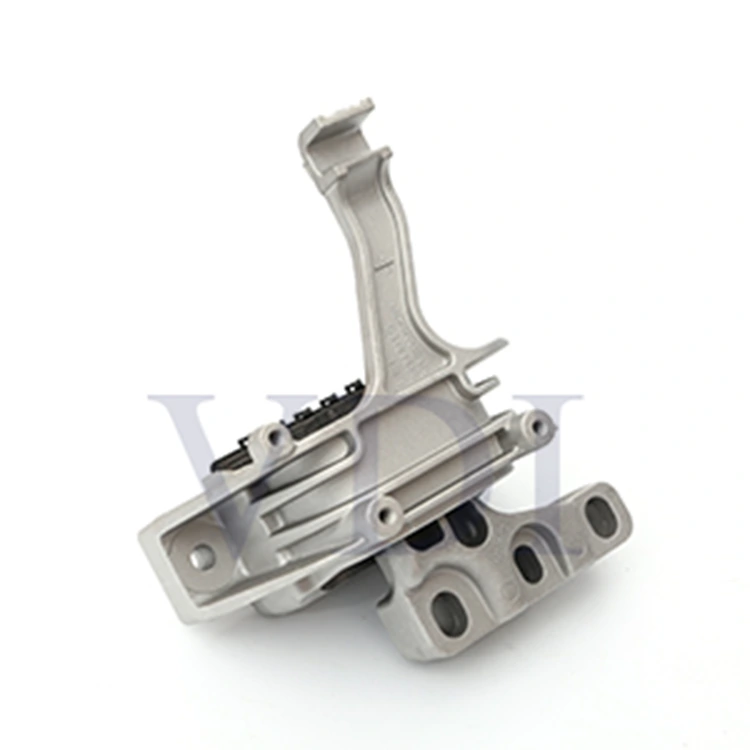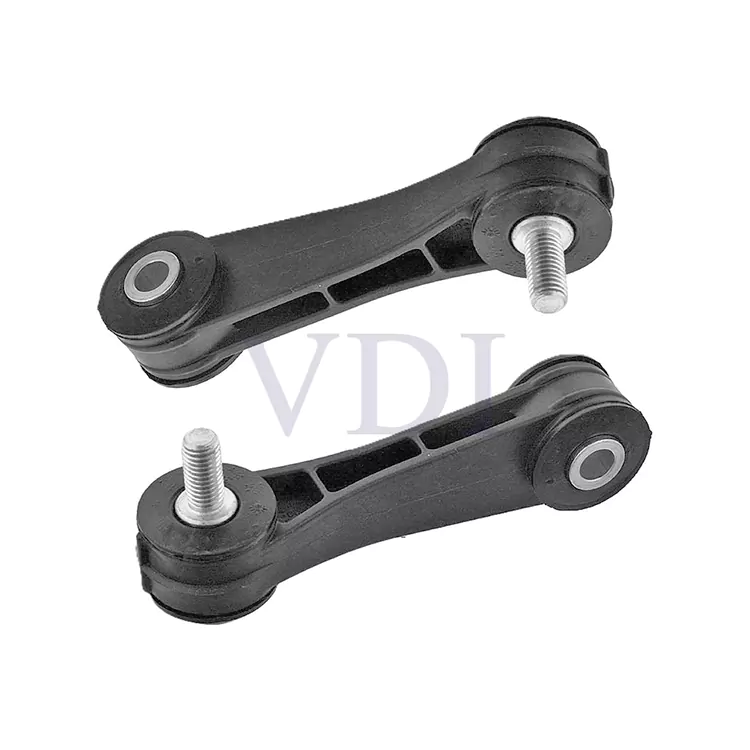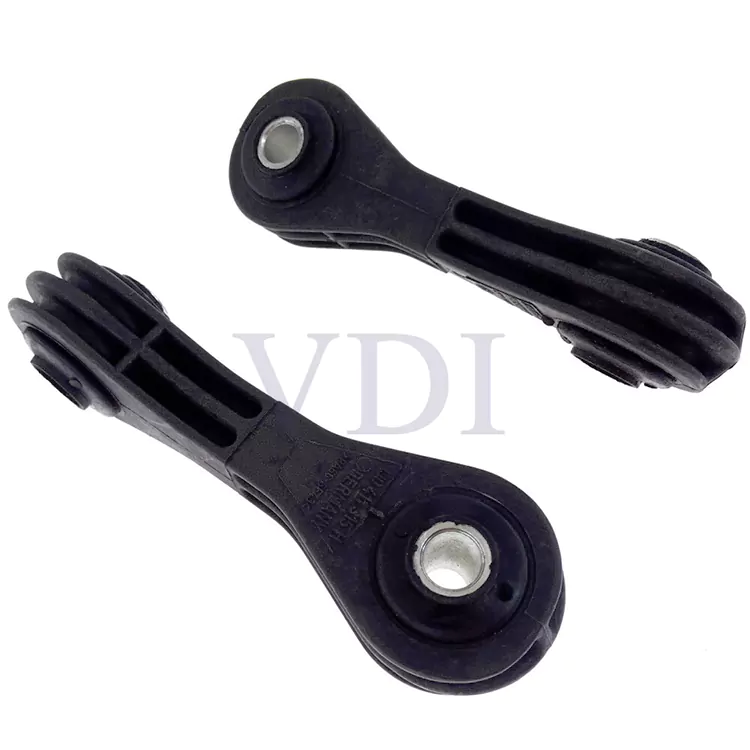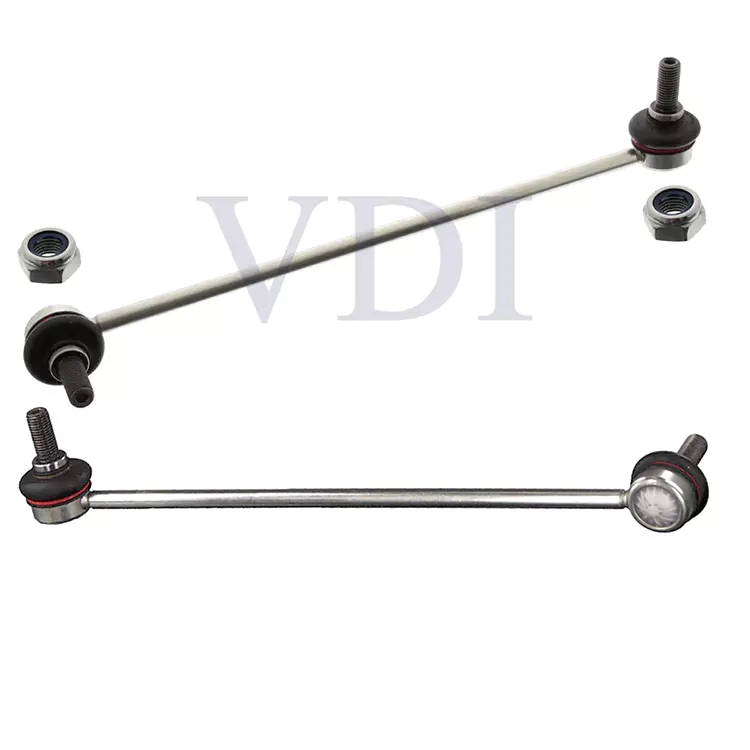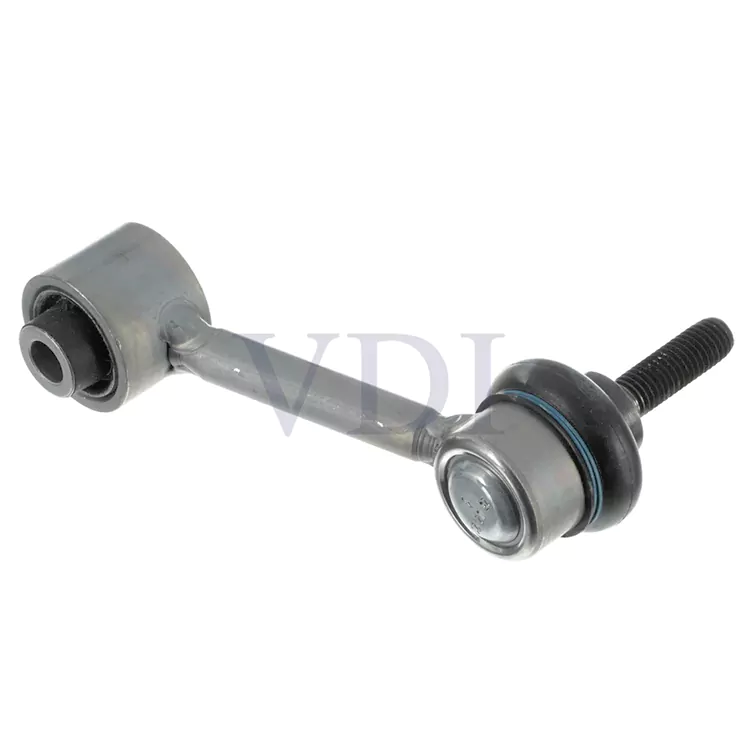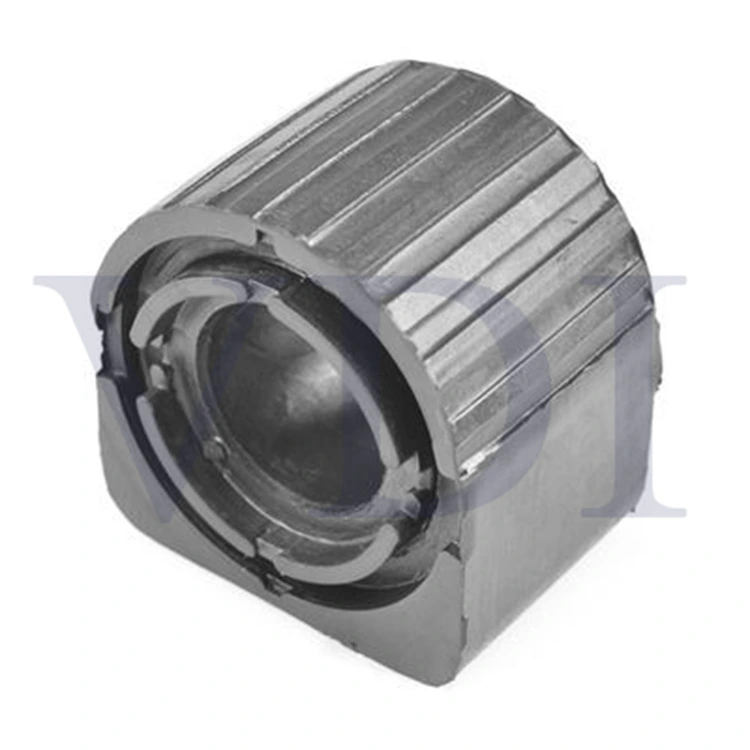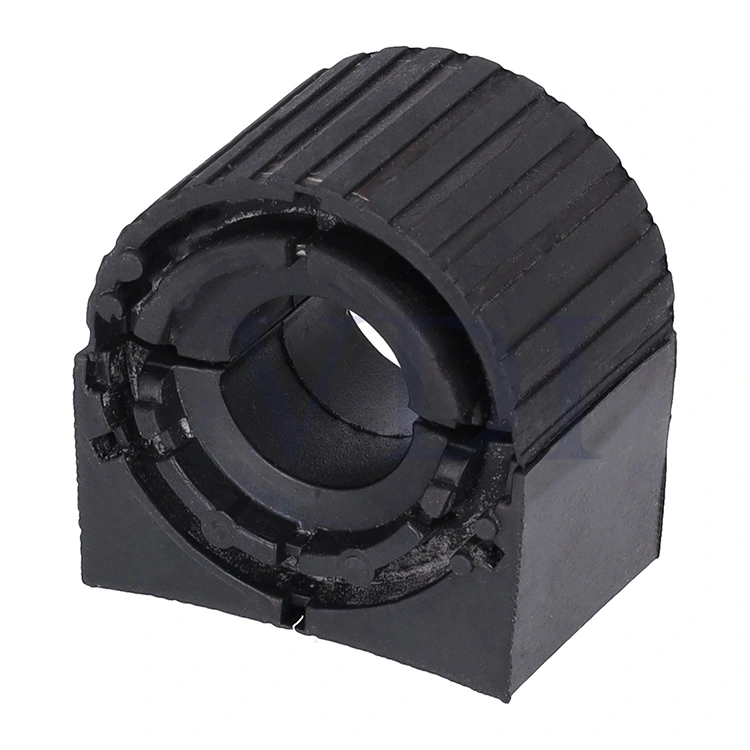

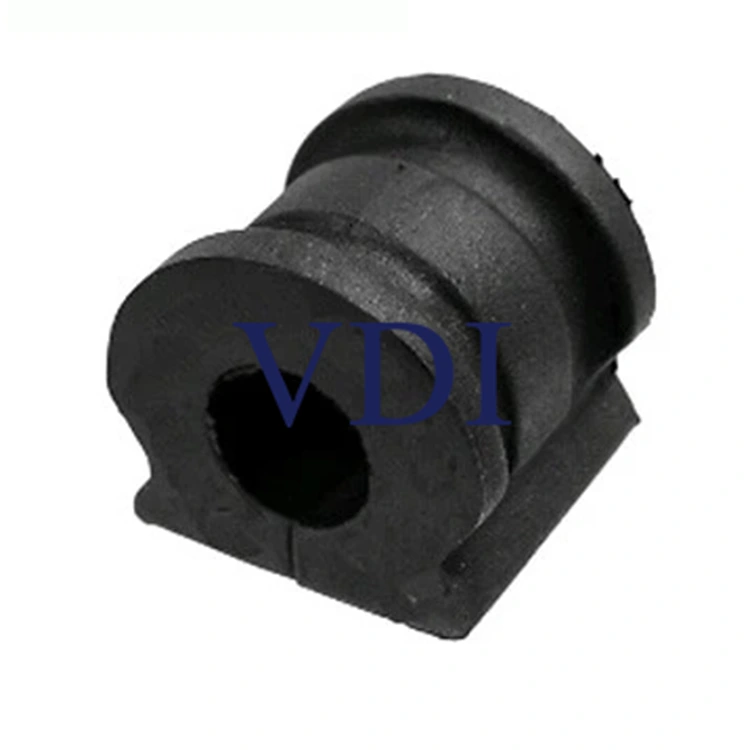
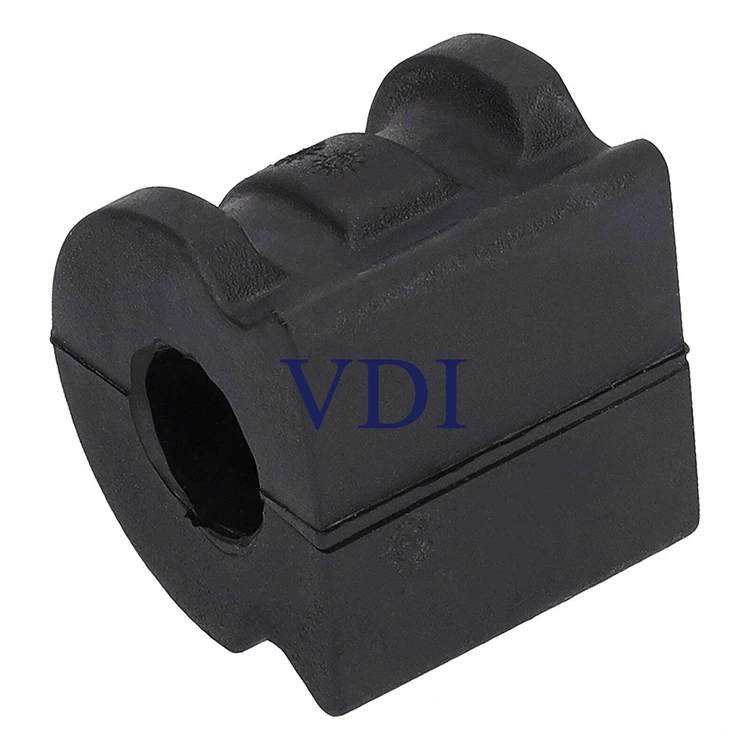
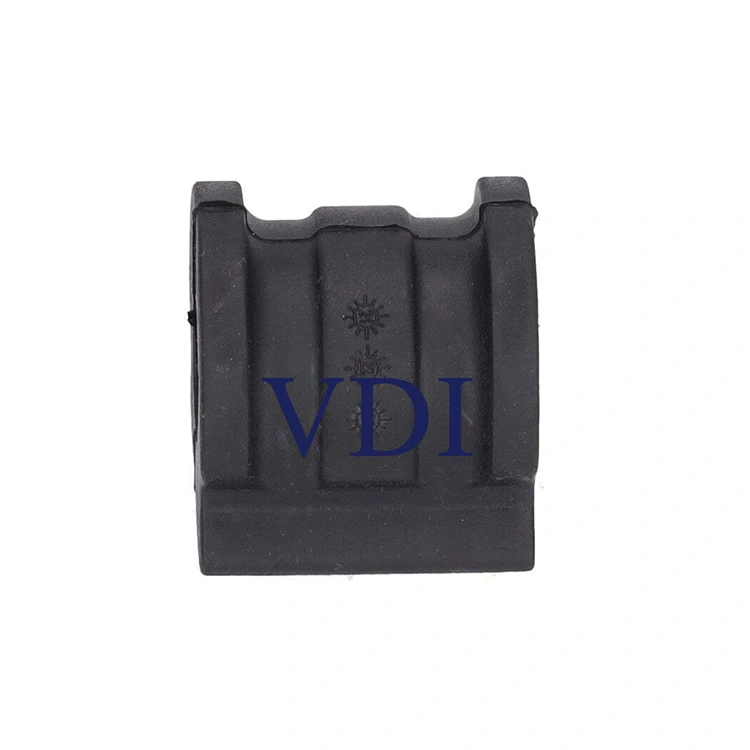
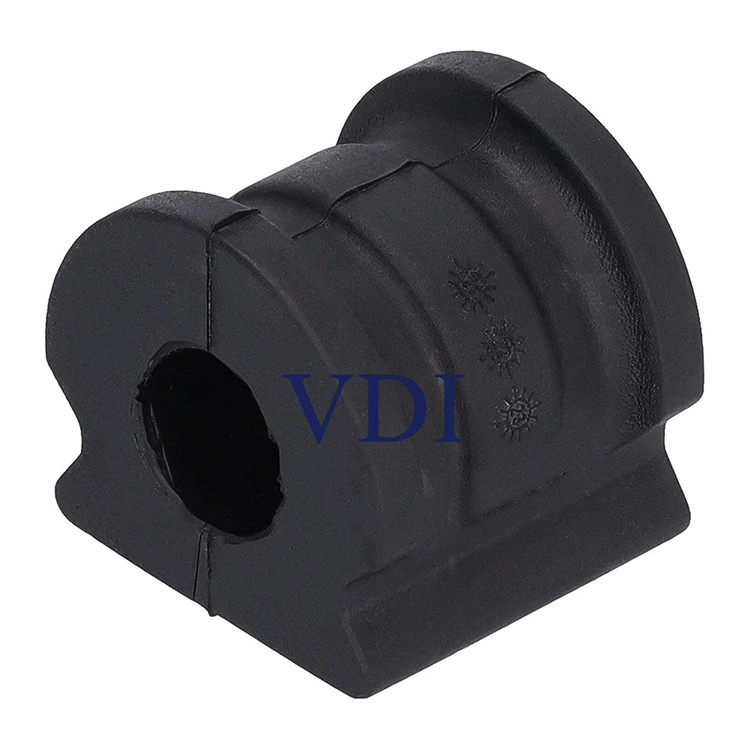
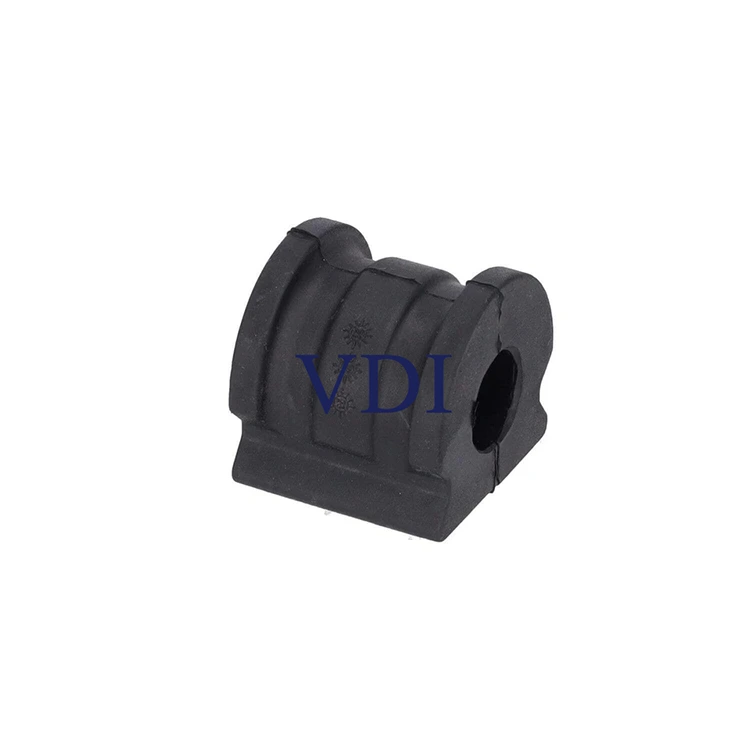
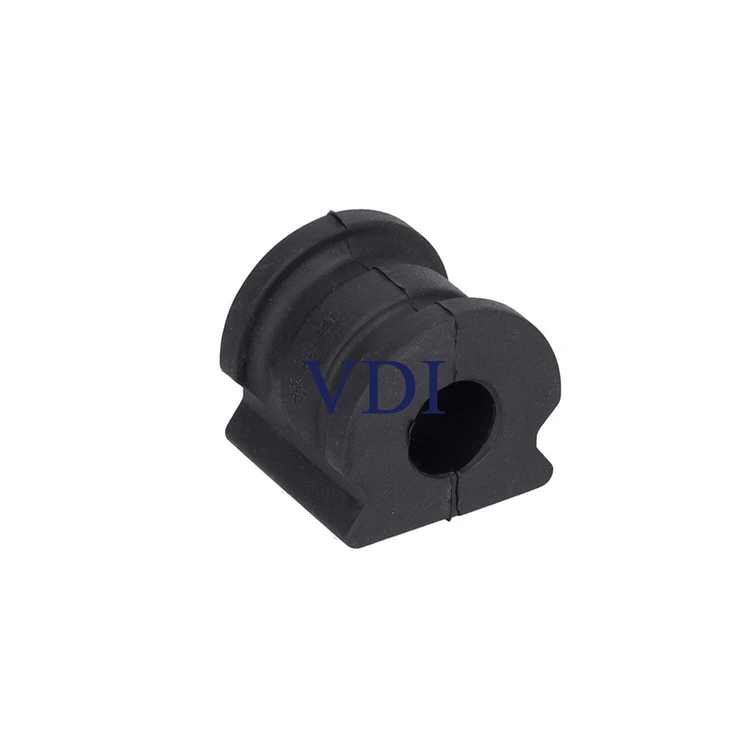
Sway Bar Bushing 6Q0411314F is reverse-engineered from genuine OEM components to precisely replicate their durometer, geometry, and damping characteristics—ensuring 100% OEM-spec compliance. It delivers OEM-level ride comfort while avoiding the harshness commonly found in most aftermarket polyurethane bushings.
Fit to:
VW POLO V
SKODA FABIA
● Sway Bar Bushing 6Q0411314F helps prevent premature wear in electric and hybrid vehicles—specifically engineered for their higher curb weights.
● It effectively reduces “clunking” noises and suspension rattles commonly experienced in high-mileage fleet vehicles.
● Even under heavy loads and harsh operating conditions, it maintains precise suspension geometry for consistent handling and durability.
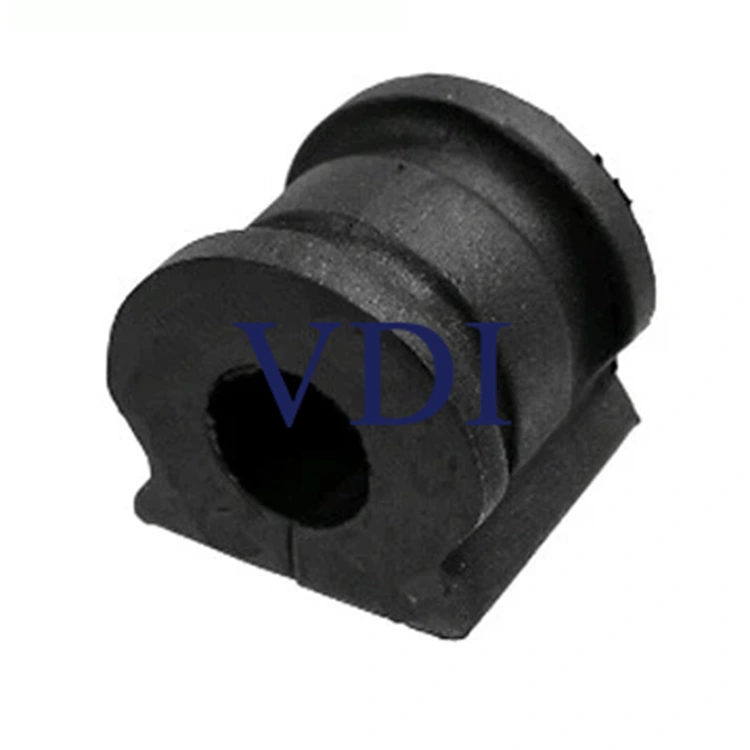
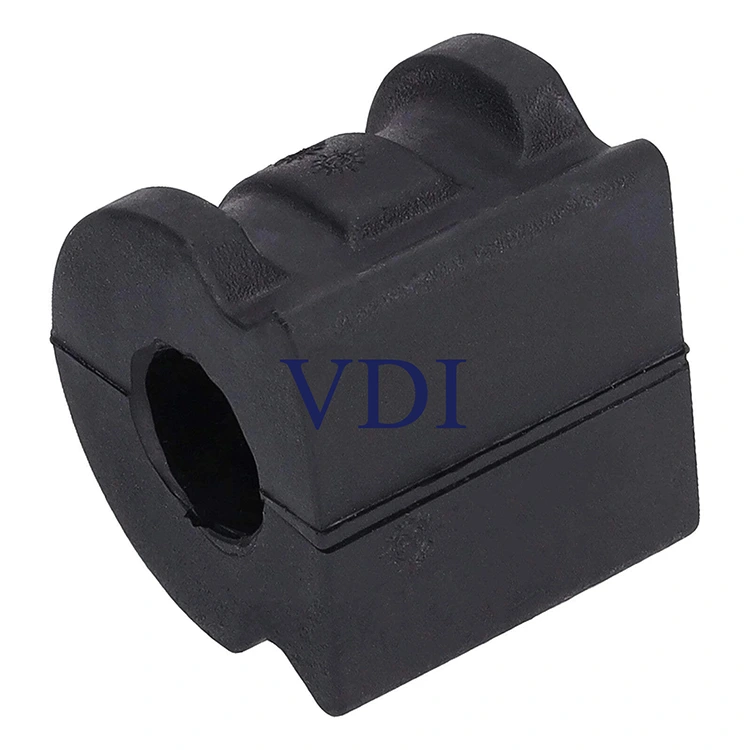
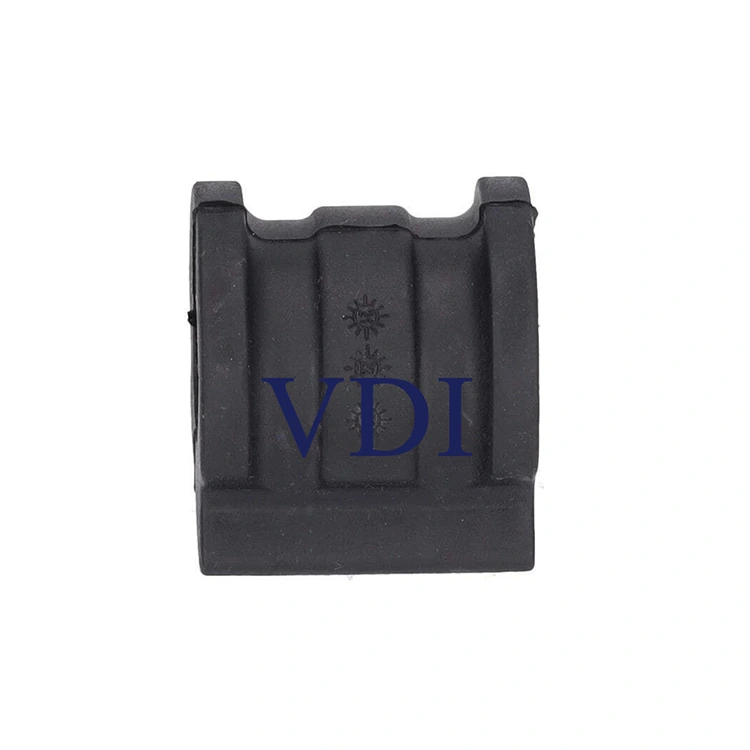
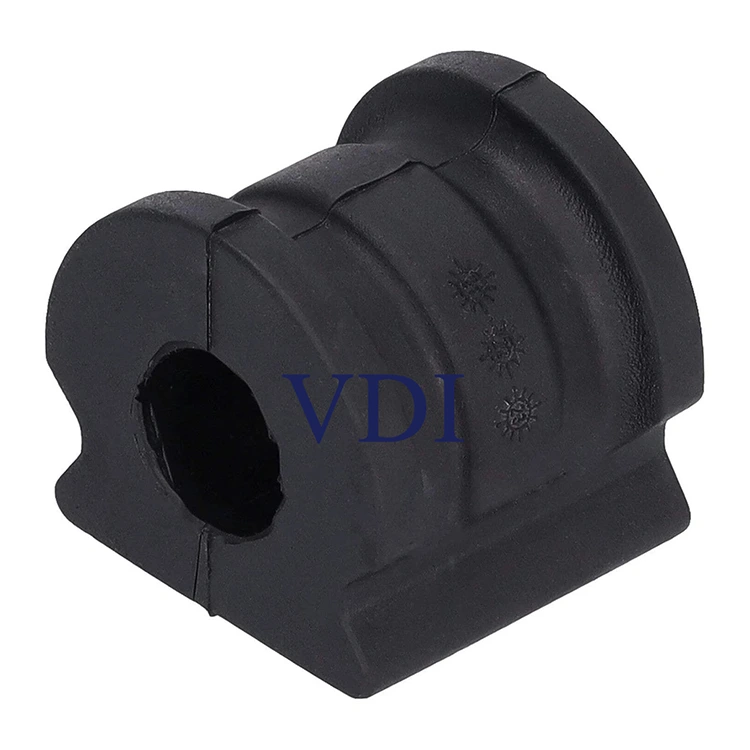
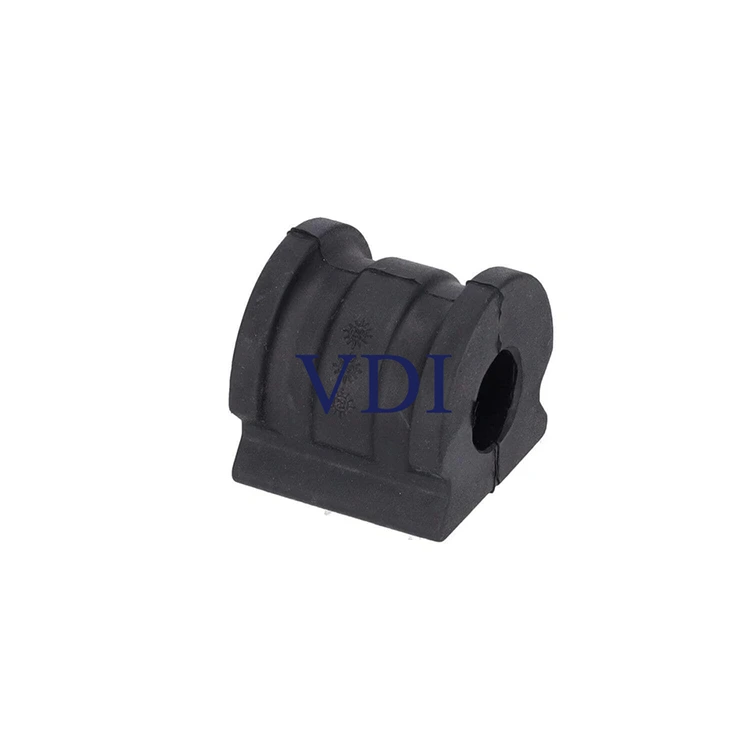
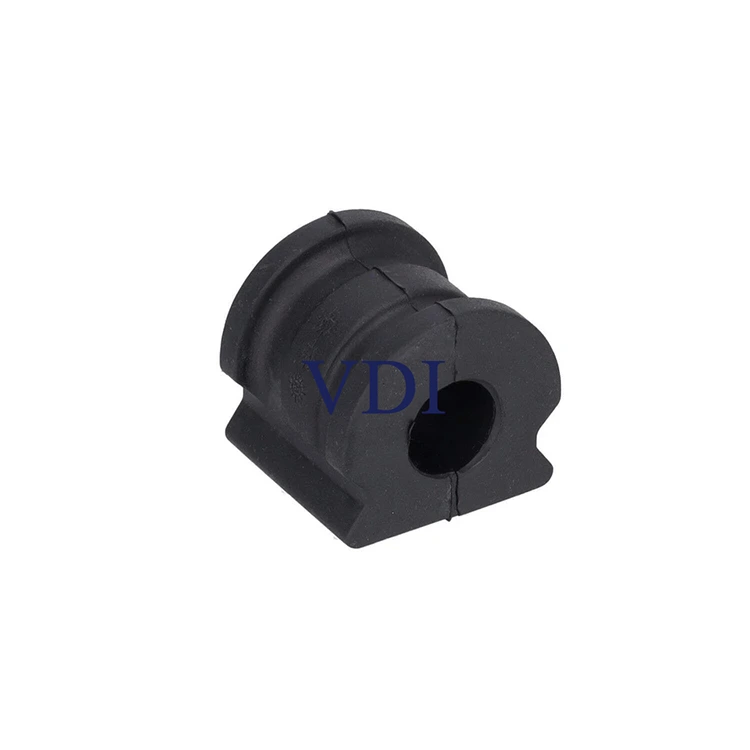
Sway bar bushings are small elastomeric components located between the sway bar—also known as the anti-roll bar—and the vehicle’s frame or subframe. In most production vehicles, these bushings are made from natural rubber, although some performance or aftermarket variants use polyurethane. The VDI Sway Bar Bushing 6Q0411314F is of high quality and priced significantly lower than comparable products of the same quality. You may want to consider it.
Their primary function is mechanical and straightforward: they allow the sway bar to rotate freely as the suspension moves up and down, while simultaneously absorbing high-frequency vibrations transmitted through the chassis. During cornering, they help maintain consistent contact between the bar and its mounting points, contributing to balanced lateral load distribution. As a result, the vehicle exhibits reduced body roll, more predictable handling behavior, and fewer impact noises reaching the passenger cabin.
Like all rubber parts, however, bushings degrade over time. When they harden, crack, or lose their shape due to age or environmental stress, the sway bar can no longer perform as intended. Drivers may notice increased body lean in turns, a vague or loose feeling in the steering, or a delayed response when changing direction. In extreme situations—such as an abrupt evasive maneuver—diminished roll control can affect overall vehicle stability, though rollover risk is influenced by many other factors beyond just the bushings.
Under normal driving conditions, most rubber sway bar bushings remain functional for approximately 50,000 to 100,000 miles (80,000–160,000 km). However, this interval can be significantly shortened by several factors:
● Frequent operation on rough or unpaved roads
● Prolonged exposure to extreme temperatures (both high and low)
● Contact with road salt in winter climates
● Exposure to petroleum-based fluids from engine, transmission, or power steering leaks, which cause rubber to swell and deteriorate
Worn bushings often reveal themselves through observable or audible symptoms:
● Noise: Clunking, squeaking, or creaking sounds during low-speed suspension compression (e.g., driving over speed bumps) or slow turns. These noises typically arise when the rubber has degraded enough to allow metal-to-metal contact between the sway bar and its bracket.
● Handling changes: Increased body roll, reduced steering precision, sluggish turn-in response, or uneven tire wear patterns.
● Visual inspection: Cracks, tears, bulging, or gaps between the rubber and its metal housing. Rubber that appears oily, feels unusually hard or brittle, or shows permanent deformation should be considered failed.
If any of these conditions are present, the bushings should be inspected and replaced as needed. Delaying replacement may lead to accelerated wear on adjacent components, such as sway bar end links or shock absorber mounts, due to uncontrolled movement and impact loading.
While bushings are wear items, their service life can often be extended with simple maintenance practices:
1.Regular inspection: Check bushings during routine service intervals, such as oil changes or tire rotations. Look for signs of separation, cracking, or misalignment. Also note any nearby fluid leaks—even minor drips can compromise rubber integrity over time. A yearly check, or every 60,000 miles, is a reasonable baseline; more frequent inspection is advisable in harsh driving environments.
2.Gentle cleaning: If the area accumulates mud, dust, or road salt, rinse it with mild soapy water and a soft brush. Avoid aggressive cleaning methods, such as high-pressure washers, degreasers, or strong solvents, as these can strip protective compounds from the rubber and accelerate aging.
3.Minimize unnecessary stress: Avoid routinely overloading the vehicle beyond its rated capacity, as extra weight increases constant stress on the suspension. Address any fluid leaks promptly, since hydrocarbons in automotive oils and greases are particularly damaging to rubber. When replacement is necessary, selecting bushings that meet OEM material specifications—including anti-ozonant additives and proper rubber-to-metal bonding—helps ensure long-term performance.
It’s worth noting that polyurethane bushings, while more resistant to deformation under load, tend to transmit more road vibration and may require periodic maintenance on certain designs. For most daily-driven passenger vehicles, high-quality rubber bushings offer a more balanced compromise between durability and ride comfort.
In regions with heavy winter salting or severe cold, some technicians recommend adding rubber boots or shields over the bushing area to limit direct exposure to corrosive elements.
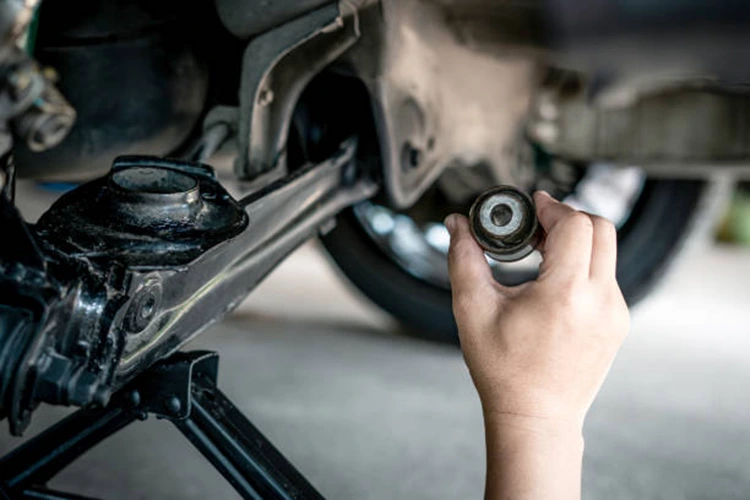
Replacing sway bar bushings is generally a straightforward task for someone with basic mechanical skills and common hand tools. The job typically takes one to two hours. For first-time installers, consulting the vehicle’s service manual or seeking guidance from an experienced person is advisable.
A few key points to remember:
● Always measure the sway bar diameter (common sizes include 21 mm and 23 mm, though this varies by model) to ensure proper fit.
● Use genuine or verified OEM-equivalent parts.
● Standard rubber bushings must be installed dry—do not apply grease, oil, or silicone-based lubricants, as these can cause swelling and premature failure.
● Support the vehicle securely on rated jack stands; never rely solely on a hydraulic jack.
● After installation, torque mounting bolts to the manufacturer’s specification (typically 18–33 ft-lbs or 25–45 Nm for most passenger cars).
● If other suspension components were disturbed during the process, a wheel alignment may be necessary.
With consistent attention and timely replacement, quality rubber sway bar bushings can provide reliable performance for many miles, helping maintain the vehicle’s intended handling characteristics and ride quality. For accurate part selection and installation procedures, always refer to the official service documentation for your specific vehicle.Welcome to order the VDI Sway Bar Bushing 6Q0411314F.
We provide comprehensive after-sales service and professional technical support to ensure you receive fast, reliable solutions whenever issues arise. Our expert team is always ready to assist you with installation guidance, fitment verification, quality inspection, and more—delivering a first-class customer experience at every step. Whether you need pre-purchase consultation or post-purchase support specifically for Sway Bar Bushing 6Q0411314F, we’re here to respond promptly and professionally, keeping your business running smoothly.