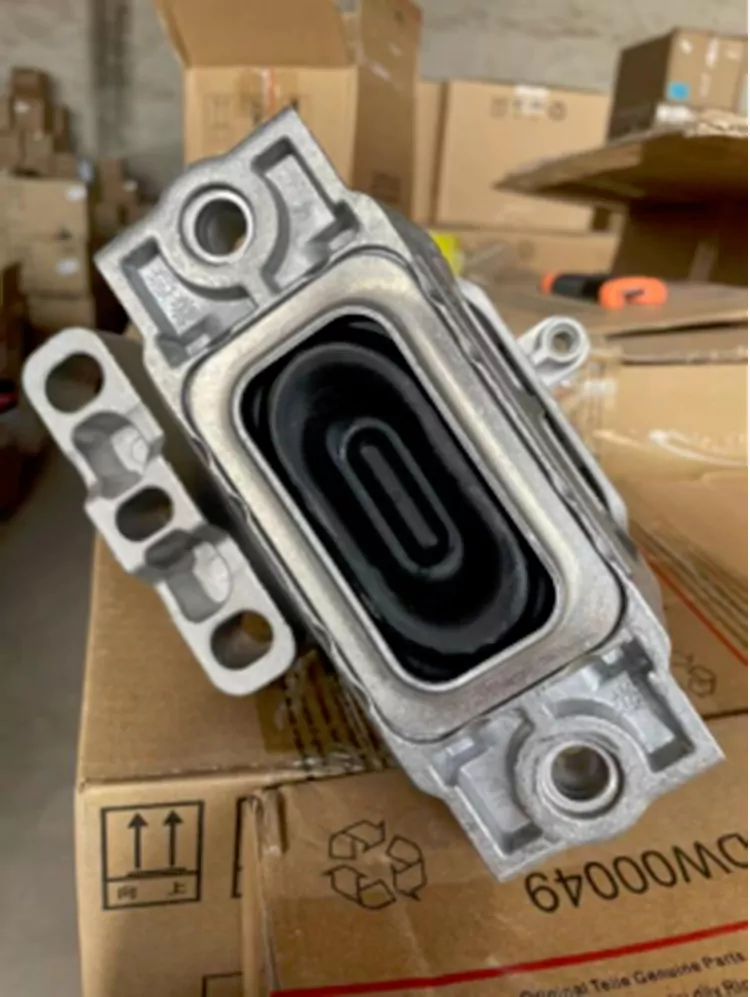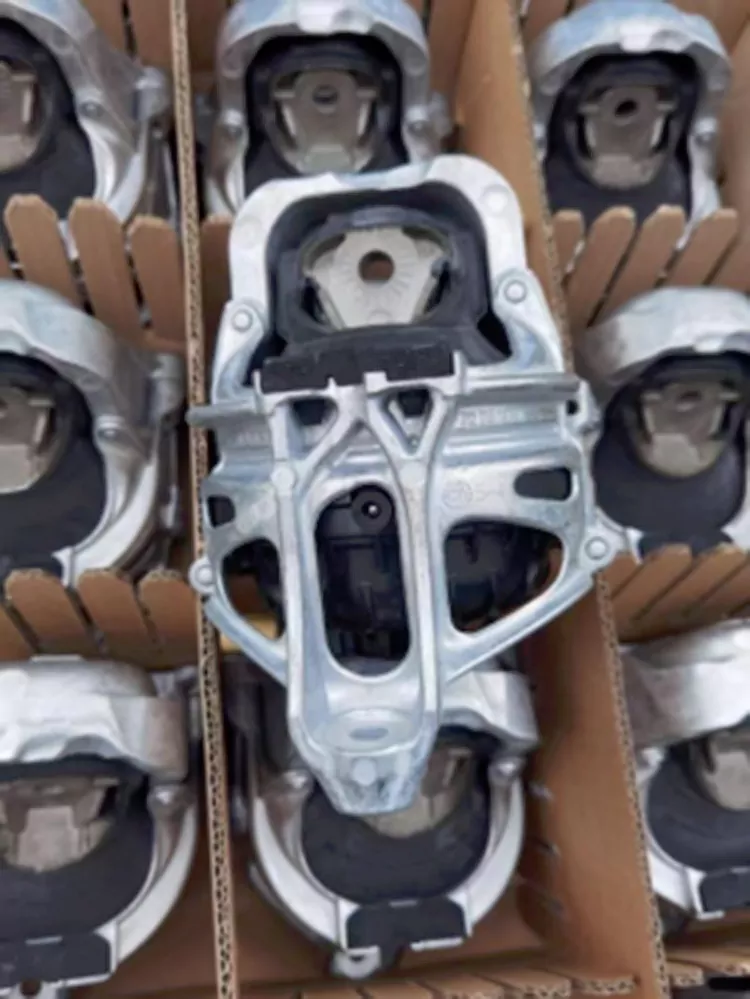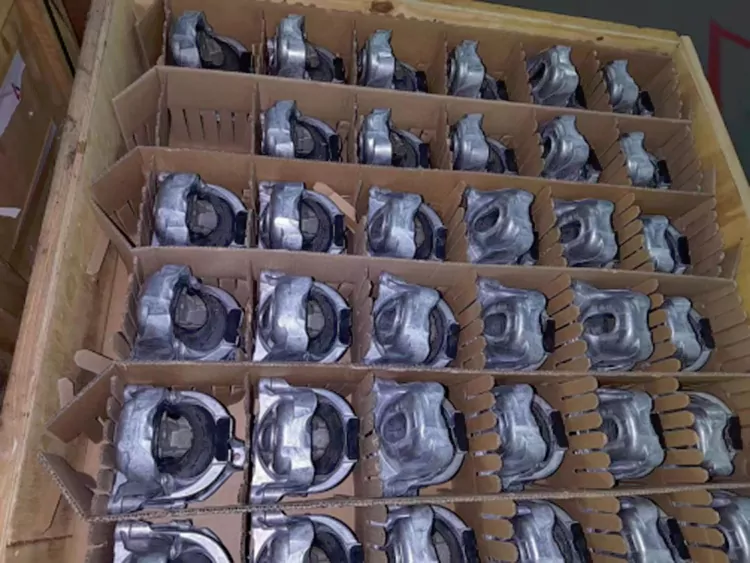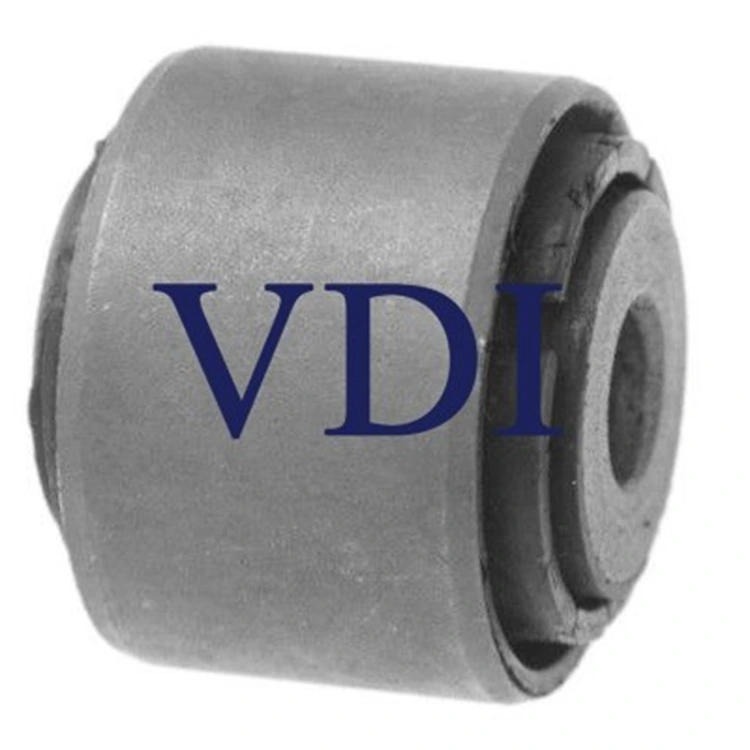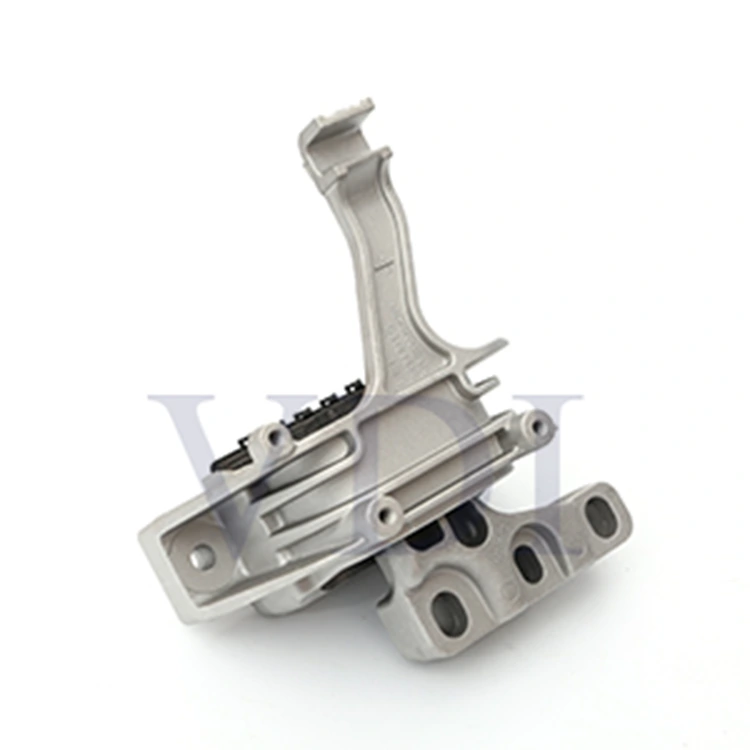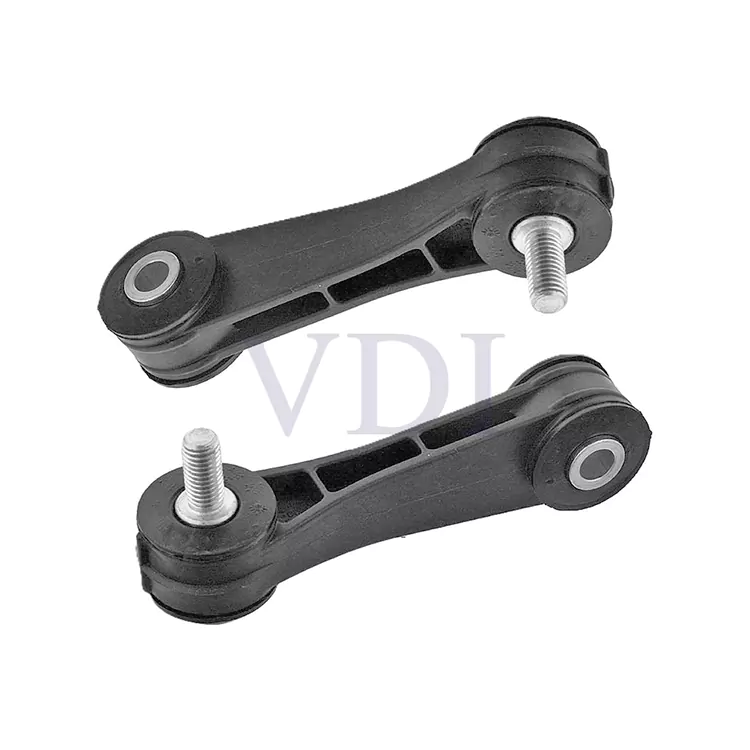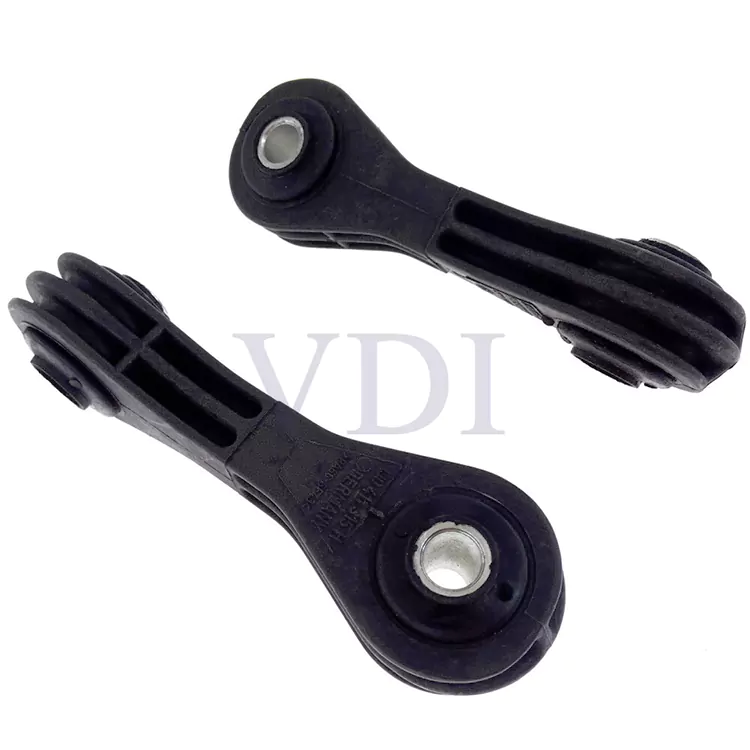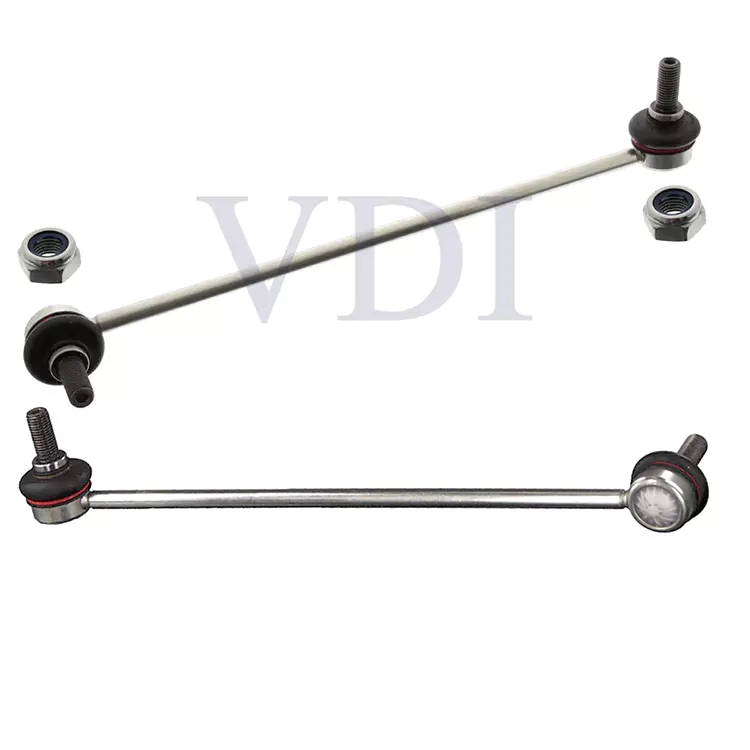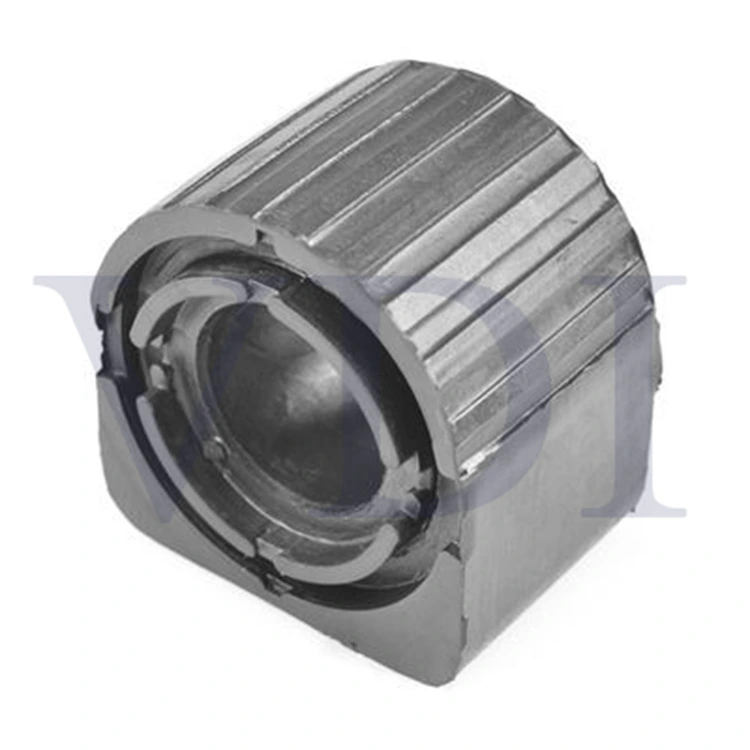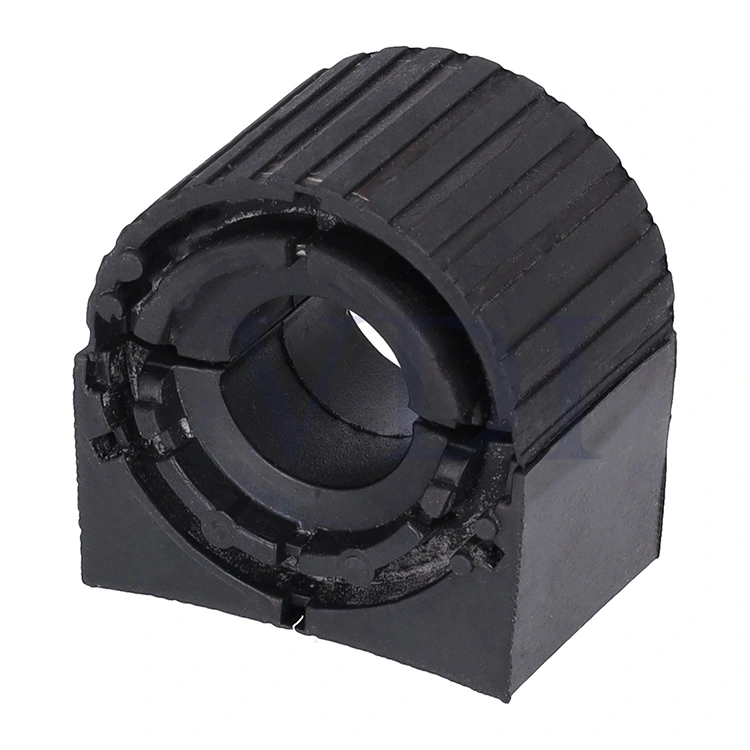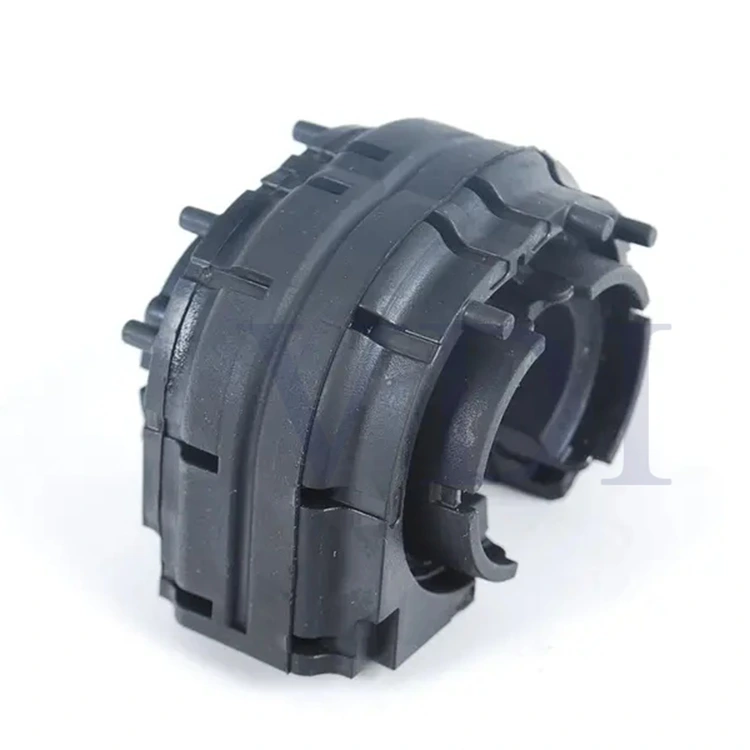


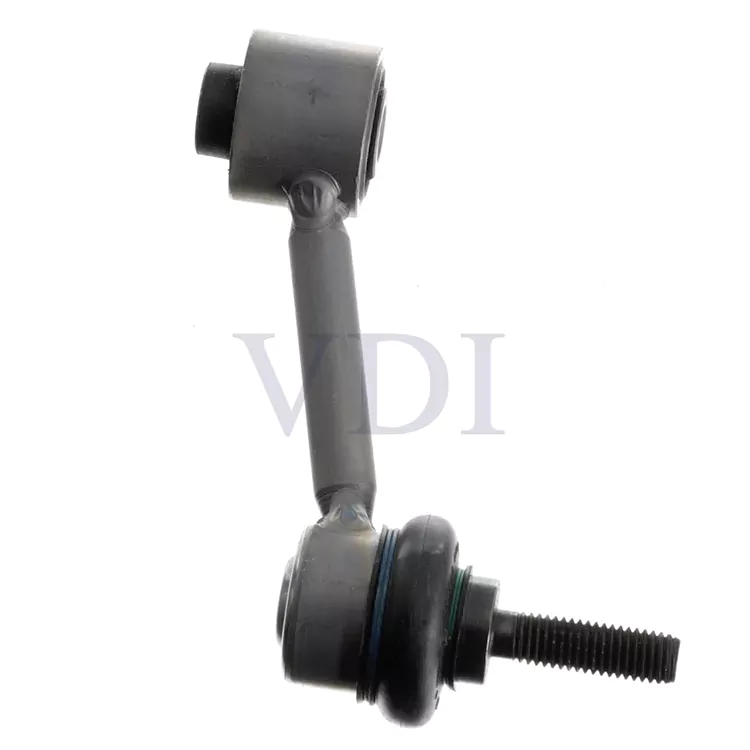

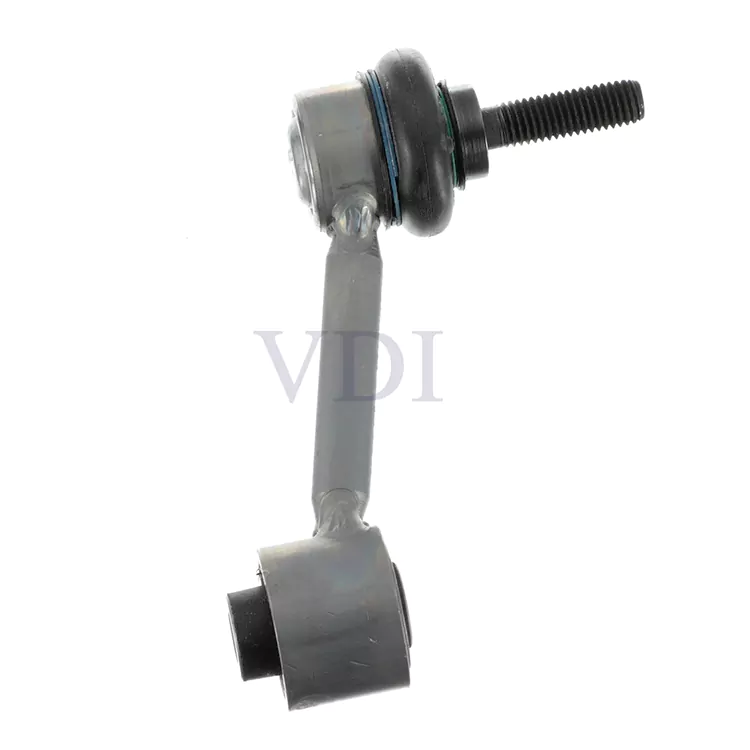
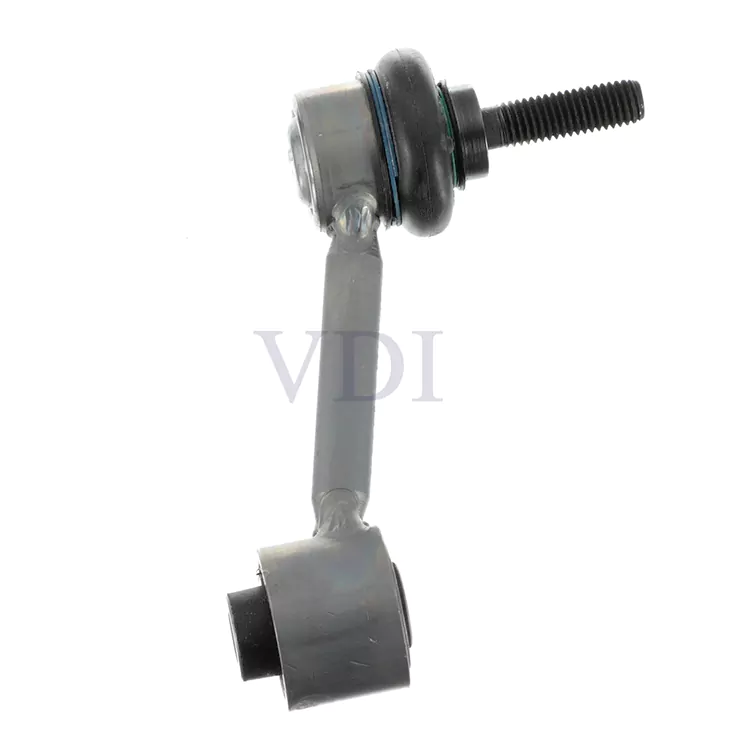
The Stabilizer link 1K0505465 features a precision-fit design that enhances suspension alignment. It reduces suspension noise, delivering a quieter and more comfortable driving experience. Additionally, it improves handling for both everyday driving and high-performance driving scenarios.
Replacement NO:
1K0 505 465 C
1K0 505 465 D
1K0 505 465 G
1K0 505 465 H
1K0 505 465 J
1K0 505 465 K
1K0 505 465 L
1K0 505 465 R
Fit to:
AUDI A1/A3/Q3/TT
VW BEETLE/EOS/CC B7
GOLF V/VI/SHARAN
JETTA III/IV/SAGITAR
PASSTA B6/B7/CC
SCIROCCO III
TOURAN/TIGUAN
SKODA OCTAVIA I/II
SUPERB II/YETI
SEAT ALTEA /LEON
ALHAMBRA
TOLEDO III
● The VDI Stabilizer link 1K0505465 is manufactured using high-quality materials to ensure long-term reliability.
● It helps maintain proper suspension geometry, reducing tire wear and extending tire lifespan.
● A cost-effective solution for enhancing suspension performance.
1. What Sway Bar Links Actually Do
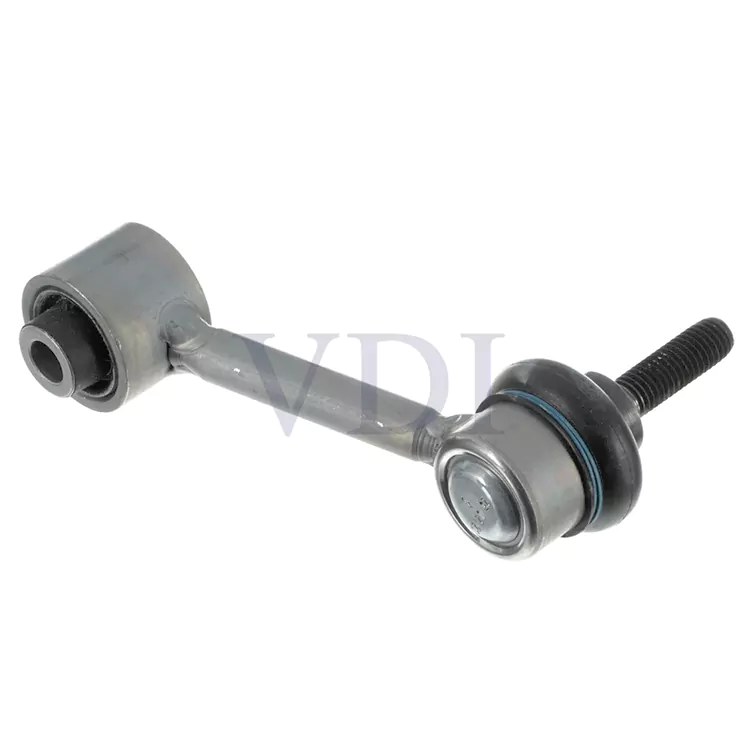
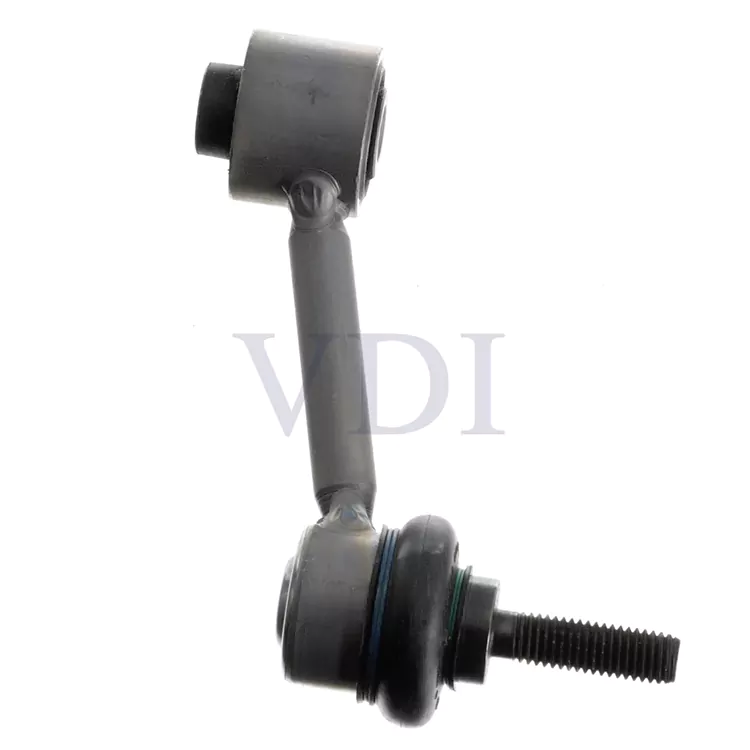
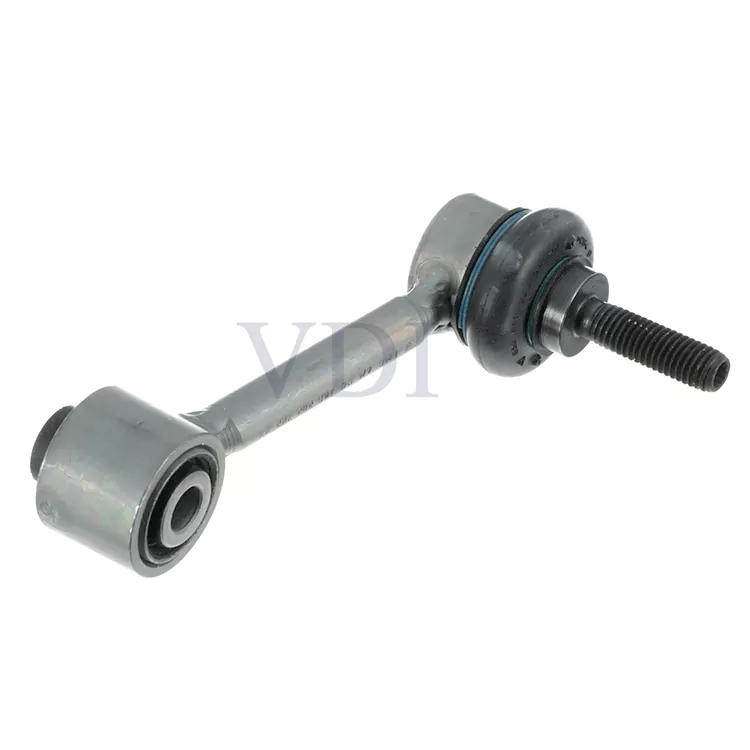
The stabilizer link (also known as sway bar link, drop link, or anti-roll bar link)—such as the high-quality and widely used Stabilizer link 1K0505465—connects the sway bar to the control arm or strut. Its main function is to transfer lateral forces during cornering, reduce body roll, improve handling stability, and maintain tire contact with the road.
Classic bad sway bar link symptoms everyone searches:
● Clunking noise over speed bumps or potholes
● Rattling when turning
● Steering feels loose or wanders
● Car leans way too much in turns
2. Setup – Do This Wrong and You’ll Be Doing the Job Again Next Month
(Exactly how dealership techs and ASE masters do it)
Car position:
● Lift the car so wheels hang completely free (unloaded suspension)
● Do NOT final-tighten with the car sitting on the ground yet
New parts check:
● Make sure you have driver-side vs passenger-side (many are NOT universal)
● Boots must be perfect, ball joints tight with zero play
Tools you can’t skip:
● Thin wrench or Allen key to hold the center stud
● Quality torque wrench
● Never spin the nut with an impact alone – one person MUST lock the stud with a wrench or you’ll instantly wreck the new link.
3. Step-by-Step – Foolproof Method (Works on 99% of Cars & Trucks)
|
Step |
What to Do |
Pro Tip |
|
1 |
Pull the old links |
Loosen sway bar end first to keep bar from twisting |
|
2 |
Clean the mounting spots |
Wire brush until shiny – rust is the enemy |
|
3 |
Drop the new link in |
Hand-align only – never beat it with a hammer |
|
4 |
Run the nuts on finger-tight |
Just snug |
|
5 |
Lower car completely to the ground |
THIS IS THE MAKE-OR-BREAK STEP |
|
6 |
Torque to spec (see chart) |
One smooth pull – no second-guessing |
The Golden Rule Every DIY Video Forgets:
Torque at ride height (car sitting flat on its tires). This single step stops 90% of come-backs.
4. Real-World Torque Specs (Most-Searched Vehicles 2025)
|
Vehicle |
Upper (Sway Bar Side) |
Lower (Control Arm/Strut) |
Notes |
|
Chevy, GMC, Ford FWD |
45–55 N·m |
45–55 N·m |
Nuts reusable once |
|
VW/Audi MQB (Golf, A3, Q3, etc.) |
65 N·m + 90° (some 50 + 90°) |
40–50 N·m |
Upper MUST have new nut + angle method |
|
Older VW/Audi |
50 N·m + 90° |
50 N·m + 90° |
New nuts both ends |
|
Toyota, Honda, Mazda, Subaru |
40–50 N·m |
40–50 N·m |
Some come with thread locker from factory |
|
BMW F30/F32/G20/G30 |
65–70 N·m |
65–70 N·m |
Always new self-locking nuts |
|
Mercedes C-Class, E-Class, GLC |
60 N·m + 90° |
60 N·m |
Upper uses torque + angle |
Always confirm with your factory service manual – one year or option package can change everything.
5. Quick Checks After the Job
● Visual inspection: The VDI Stabilizer link 1K0505465 is free of distortion, and the dust cover is not compressed.
● Bounce each corner hard – dead silent
● Full steering lock left and right – no contact
● Drive over bumps and take a few corners – should feel factory-tight again
6. Top 4 Mistakes That Fill Shops with Repeat Customers
|
Mistake |
Result |
|
Torquing while lifted |
Bushings crushed → clunk returns in weeks |
|
Reusing old nuts |
They back off → link gone at 70 mph |
|
No wrench holding the stud |
New link ruined in 30 seconds |
|
Forcing it in with a hammer |
Instant failure waiting to happen |
Do it once, do it right: hold the stud, torque on the ground, use new hardware. Your car will thank you for the next 100,000 miles.
Grab VDI upgraded sway bar links – heavier duty, zero noise, perfect fit.
1. The Role of Sway Bar End Links
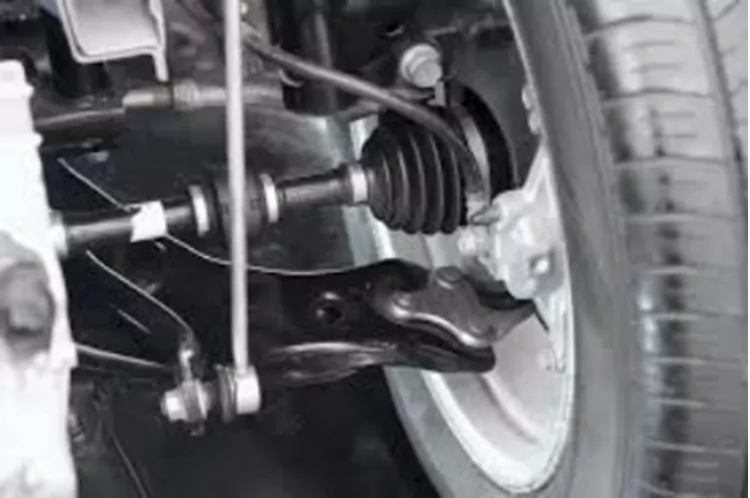
Sway bar end links (stabilizer bar links) link the sway bar directly to the lower control arm or strut mount. They channel cornering loads to minimize chassis roll, sharpen turn-in response, stabilize the ride, and maximize tire traction across all wheels. Red Flag: Faulty end links erode control and spike rollover odds in panic stops or dodges – critical for taller rides like crossovers.
2. Practical Check-Up Timeline (Tailored to Your Drive)
|
Usage Type |
Recommended Inspection Cadence |
|
Standard suburban/highway use |
Biennial or 25,000-mile intervals |
|
Abuse from bumps, dirt roads, hauling, corrosive environments |
Yearly or 12K miles |
|
High-mileage work vehicles (taxis, services) |
Tied to every routine maintenance |
Insider Hack: Glance at end links opportunistically during alignments, suspension tweaks, or undercarriage cleans.
3. Foolproof Detection Methods (Lift-Based + Drive Test) (Hoist the vehicle, let suspension droop naturally)
A. Surface-Level Scan
● Seals split, brittle, or absent (contaminants chew through fast)
● Rod pitting from rust or stud heads worn smooth
● Bushing material extruded or detached from sleeves
B. Manual Play Check (The Universal "Rock" Test) Rock the link vigorously:
● Sound: Firm resistance, no give
● Problem: Noticeable shift (>1mm) or gritty “click” = immediate replacement
C. Real-World Audio Cue Ease over undulations at low speed:
● Distinct “pop” or chatter under the car = end link failure signature
4. Non-Negotiable Replacement Triggers Pull the trigger on new ones for:
● Detectable slop in the spherical joint
● Compromised boot integrity (leaks spell doom)
● Degraded, shrunken, or burst bushings
● Twisted rod or surface corrosion
● Vague steering or pronounced lean tied to link condition
OEM Rule: Always replace both sides (left + right) at the same time for balanced handling. Recommended to purchase Stabilizer link 1K0505465
5. Essential Service Protocols
Lube-Free Design
● Factory-sealed and non-greasable – added fluids compromise the seal and dilute grease
Irreparable by Nature
● No patches, no realignments, no bushing swaps – discard and renew
Ride-Height Torquing Only
● Secure fasteners solely at operational suspension load (vehicle planted)
● Elevated torquing induces bushing preload and guarantees quick degradation
6. Selection Criteria for Reliability
● Require metal materials and geometric structures equivalent to the original manufacturer, recommend VDI Stabilizer Link 1K0505465.
● Verify ISO/TS 16949 adherence (top Google query for auto quality)
● Bypass dirt-cheap generics – joint strength is non-optional for crash avoidance
NHTSA Caution: "End link breakdown rarely strands you, but it undermines lateral control in evasive driving – amplifying tip-over threats on elevated platforms."
7. Core Takeaways – The Essential Do's
1. Schedule checks proactively in tough conditions
2. Validate with hands-on + on-road diagnostics
3. Pair replacements for equilibrium
4. Torque grounded, skip additives, new fittings always
5. Invest in proven brands like Stabilizer Link 1K0505465—safety is non-negotiable.
A universal blueprint for techs, shops, and enthusiasts. Deploy it for flawless service every time.
Opt for VDI sway bar end links – superior durability, seamless performance.
If you’ve noticed a clunking noise over bumps or your SUV leans hard in corners, you might be wondering:“Is it safe to drive with a bad stabilizer link?”
The short answer—backed by mechanics and real-world experience—is:
“Dangerous? No. Should be replaced? Yes.”
—A genuine sharing
While a broken or worn stabilizer link won’t leave you stranded on the side of the road, it’s not something to ignore( The high-quality VDI Stabilizer Link 1K0505465 will have a longer lifespan compared to standard ones). Here’s why.
A damaged stabilizer link compromises your vehicle’s handling in critical ways:
● Reduced stability during cornering – Your car will lean more, especially at higher speeds.
● Vague or loose steering feel – Makes lane changes and emergency maneuvers less predictable.
● Increased stress on other suspension parts – Like control arms, bushings, and even tires.
And while many assume it’s “just an annoyance,” there’s a real safety edge case that few talk about.
“The loose link flopping around can—and I have seen them—puncture the tire. Which on a moving vehicle is absolutely a massive safety issue.”
—As one mechanic warned
Yes—a dangling stabilizer link can swing into your tire during turns or over bumps, causing a sudden blowout at speed. That’s not just inconvenient—it’s potentially catastrophic.
You don’t need to panic—but don’t delay. Replace the link as soon as possible if you notice:
● Audible clunking or rattling from the suspension
● Excessive body roll in curves
● Visible damage: torn boot, bent rod, or loose ball joint
If the link is completely detached and swinging freely, do not drive the vehicle. Tow it to a shop.
To avoid comebacks and ensure safety:
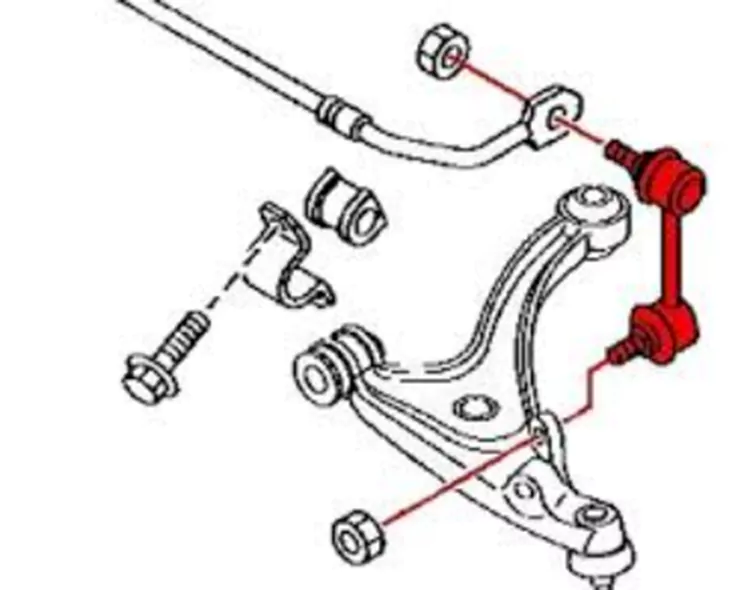
1. Replace in pairs – Both left and right sides (e.g., two Stabilizer Link 1K0505465), even if only one is bad, to restore balance to the Stabilizer Bar Assembly.
2. Use quality parts – Cheap links often lack proper sealing and fail faster.
3. Install correctly – Torque at ride height (car on the ground), never on the lift.
4. Inspect tires and nearby components – Make sure nothing was damaged by the loose link.
A broken stabilizer link may not be an emergency—but it is a ticking time bomb. It degrades handling, risks tire damage, and can become dangerous under the wrong conditions.
Don’t wait for a blowout. Replace it now.
Pro Tip: Choose engineered solutions like VDI sway bar links—rigorously tested for durability, noise-free operation, and secure fit to eliminate safety risks.
We implement a strict quality control system to ensure consistent quality and performance for every batch of products. From raw material procurement to production, testing, and packaging, every step is carefully monitored. Certified by international standards such as ISO and CE, our Stabilizer link 1K0505465 guarantees stability and reliability for each product, minimizing any risk of quality fluctuations.