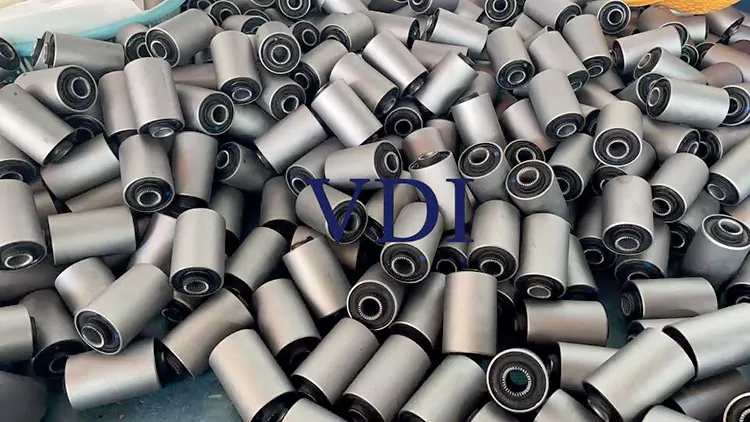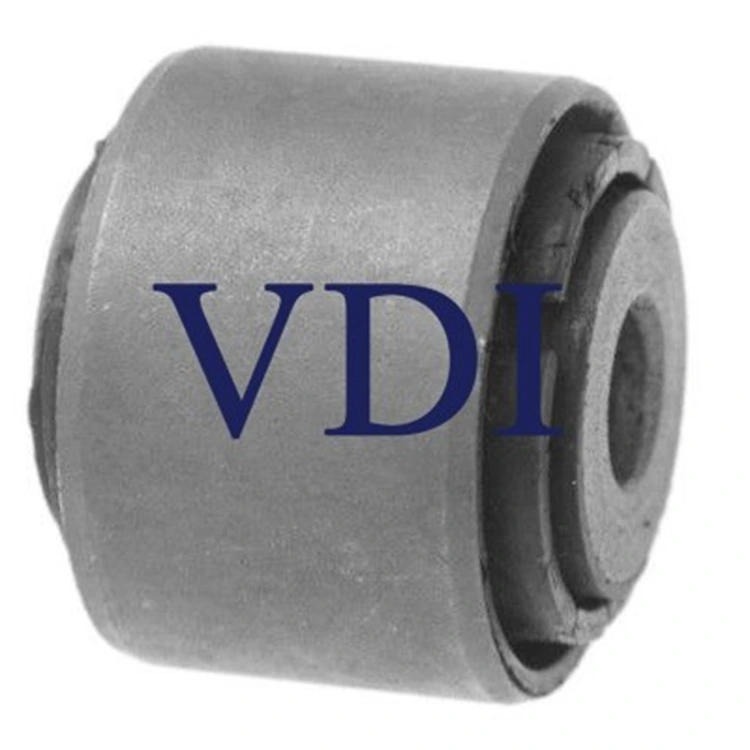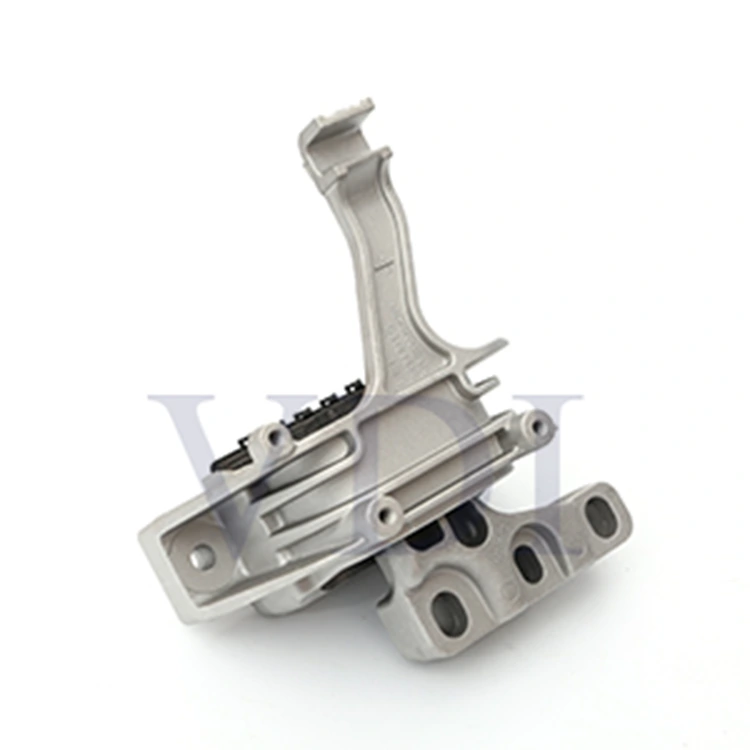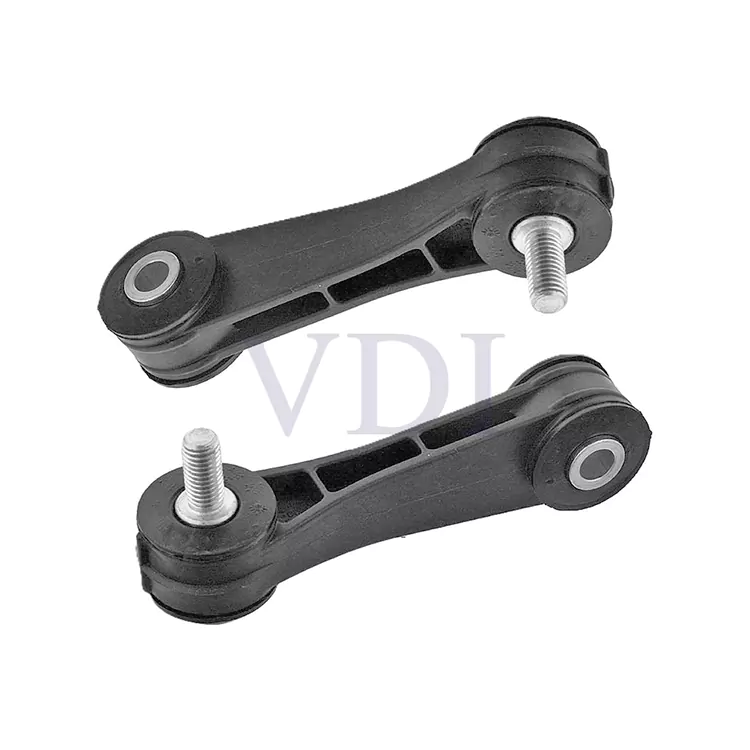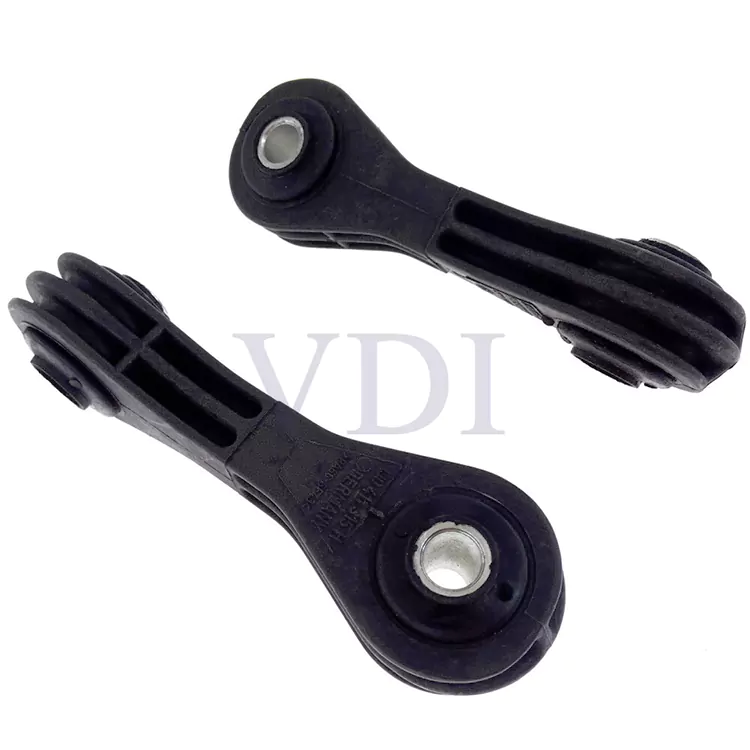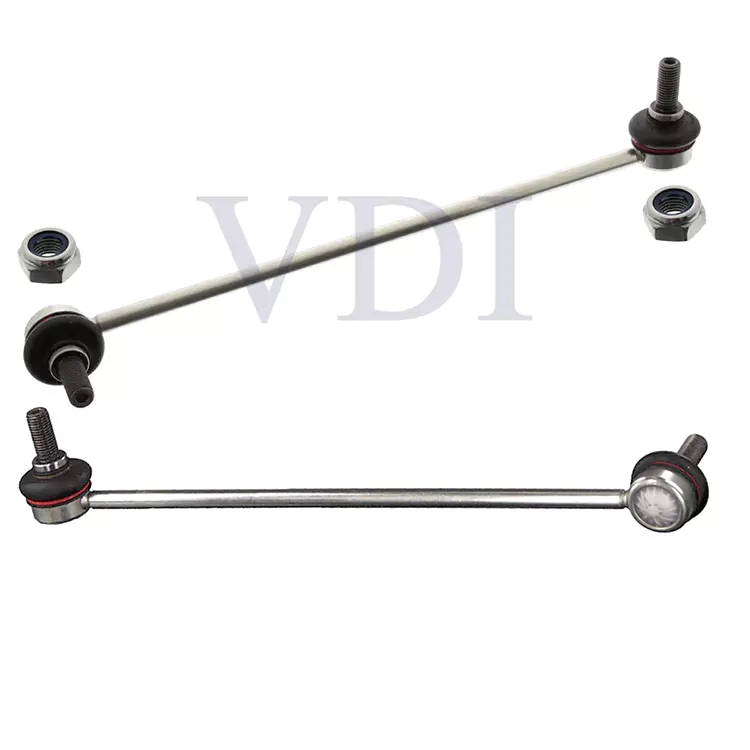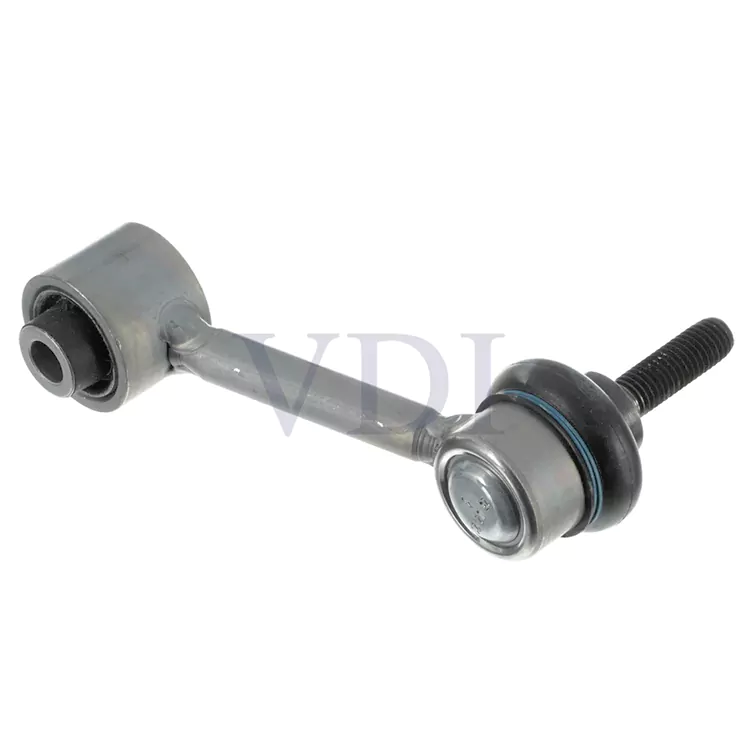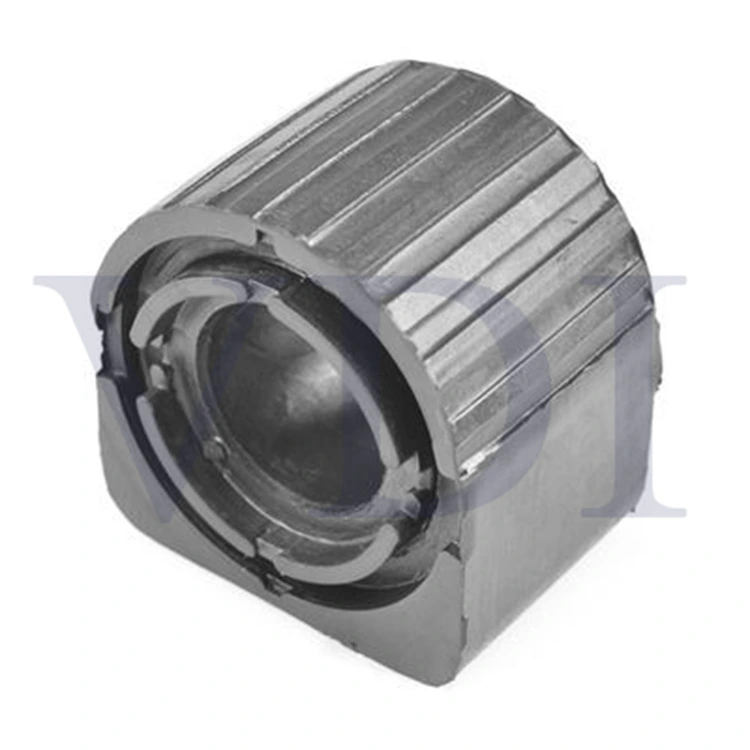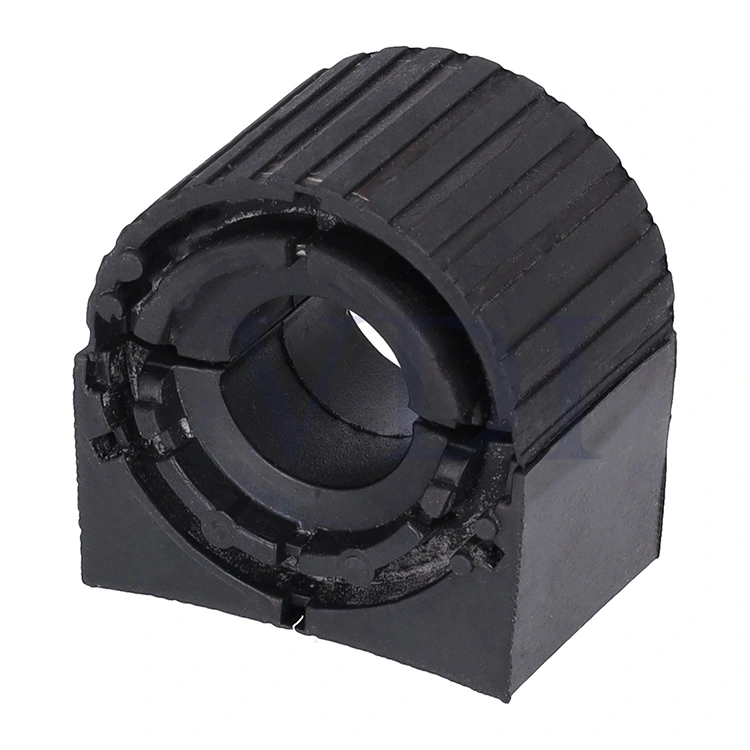

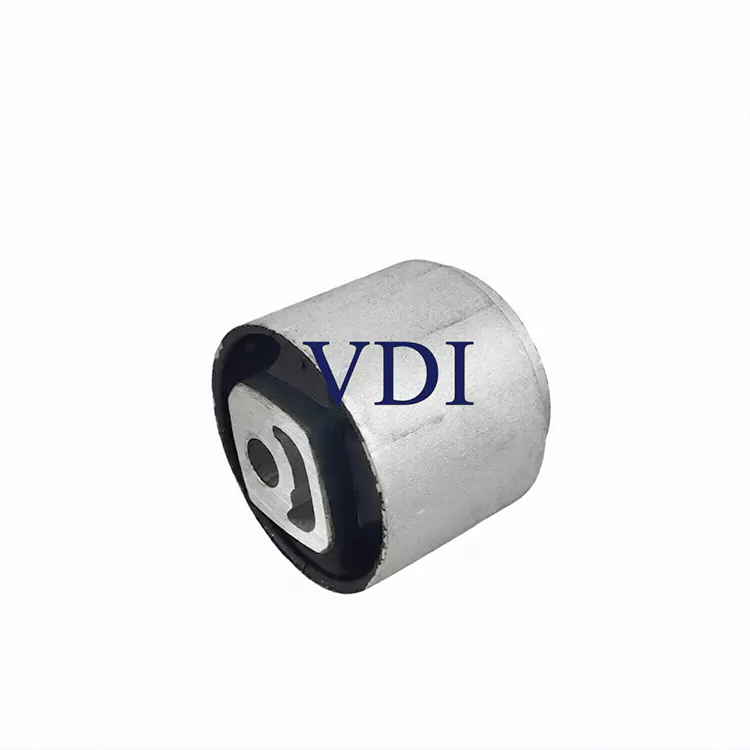
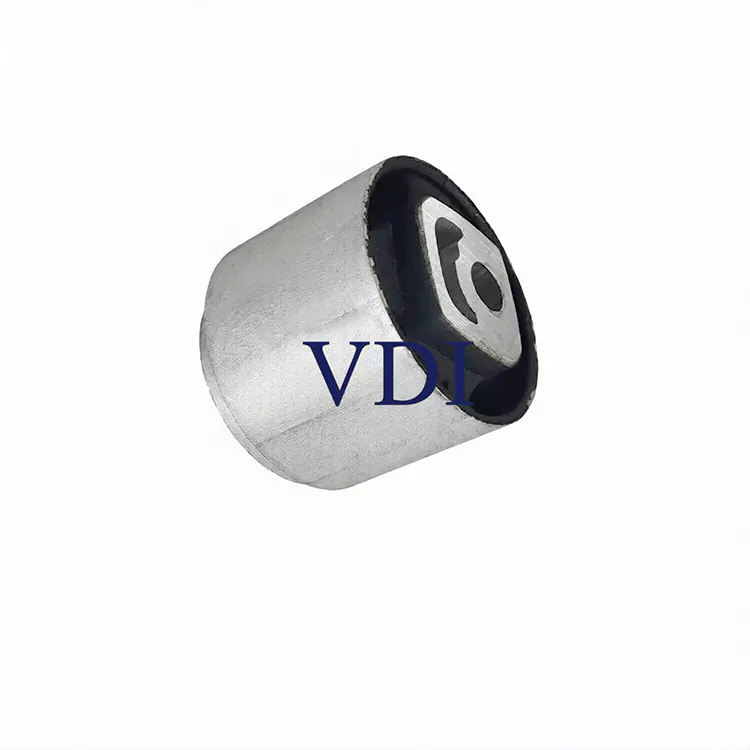
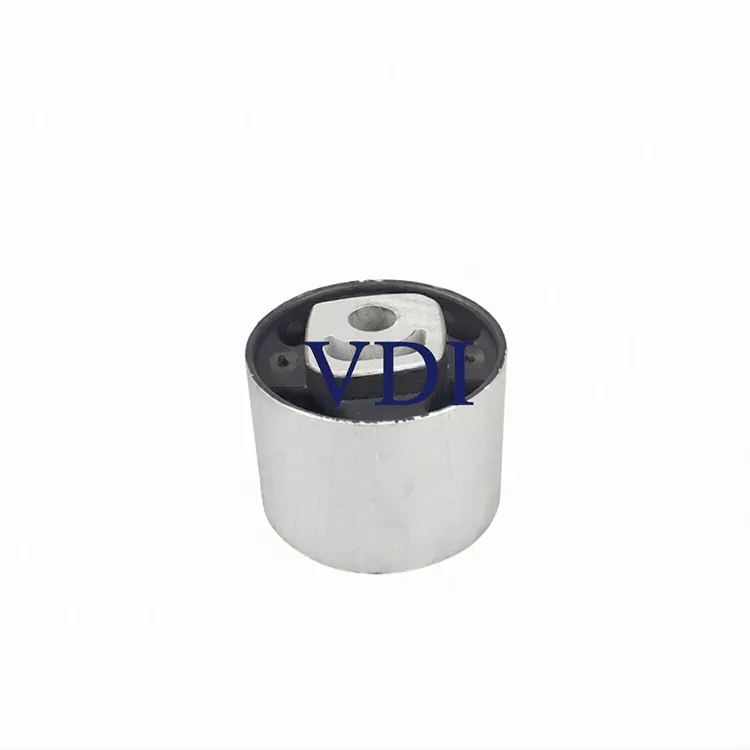
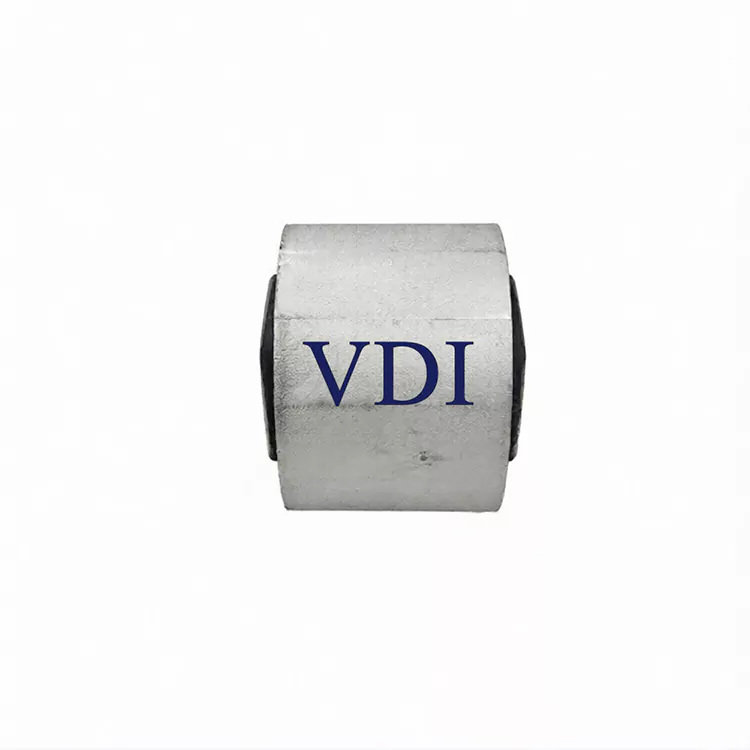
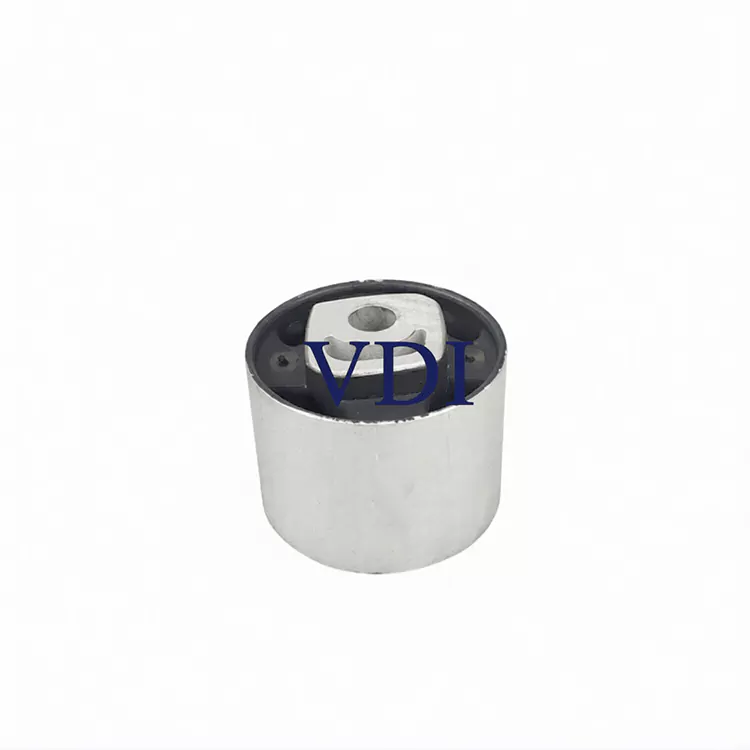
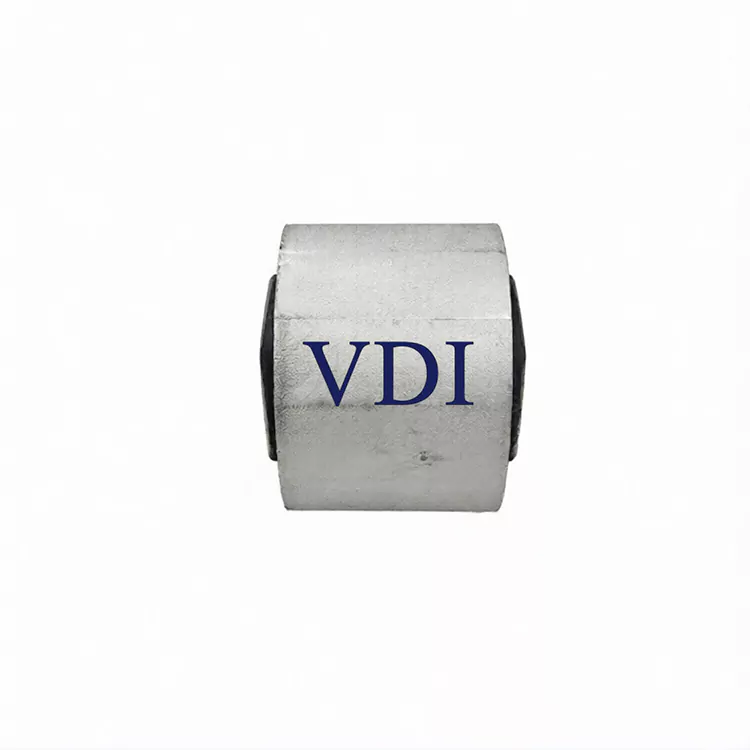
Suspension bushing 7P0525337E effectively absorbs road impacts, delivering smoother travel over potholes, protecting the vehicle’s structural integrity, reducing harshness, and enhancing everyday driving comfort.
AUDI Q7 2013-
VW TOUAREG 2011-
Outer Diameter:70mm
Height:60mm
Inner Diameter:13mm
● Suspension bushing 7P0525337E resists collapse caused by high temperatures.
● Extremely low incidence of summer-related noise or squeaks.
● Maintains full service life even under prolonged high-temperature conditions.
● Formulated with a specialized heat-resistant compound for reliable, worry-free performance.
Suspension bushings are often mistaken for simple rubber spacers tucked away in the chassis, yet they are in fact pivotal to a vehicle’s ride quality and handling precision. Serving as flexible joints between control arms, subframes, or stabilizer bars and the body, they work silently with every turn, brake, and bump—absorbing impact energy, filtering high-frequency vibrations, and ensuring suspension components move along their intended paths. When bushings begin to degrade, the car starts to feel “loose”: body roll increases in corners, brake dive becomes pronounced, and steering return feels sluggish. These changes are frequently blamed on general wear and tear, while the true culprit—the failing bushing—goes unnoticed.
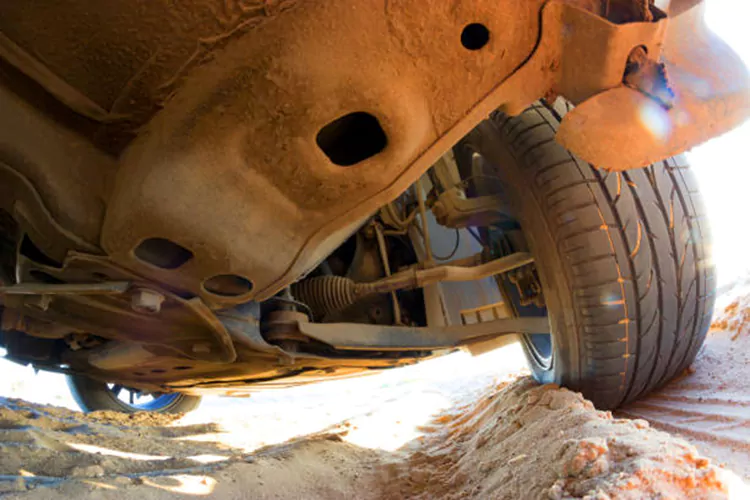
Yet bushings are not “install-and-forget” components. Continuous exposure to cyclic shear and compressive loads, combined with heat, oil, dust, and ozone, causes the rubber to gradually lose elasticity, harden, crack, or even delaminate from its metal inner sleeve. While this aging process cannot be stopped entirely, it can be significantly slowed through sensible driving habits and routine inspections. Neglecting bushing condition doesn’t just compromise comfort—it can trigger cascading damage, such as premature ball joint wear, uneven tire shoulder wear, or even interference with electronic stability control systems that rely on accurate chassis behavior.
It’s important to clarify that suspension bushings are not consumables like oil filters that require replacement at fixed intervals. Instead, they should be treated as condition-based components. They don’t need scheduled replacement, but they must be visually and manually inspected during every undercarriage service. We recommend a thorough check every 20,000 to 30,000 kilometers—or at least once a year—with the vehicle lifted. Look closely for longitudinal or circumferential cracks on the rubber surface (especially on the tension side), visible gaps between rubber and metal sleeves, or irreversible collapse or distortion of the elastomer. Minor surface checking is normal on high-mileage vehicles, but cracks deeper than 2 mm, those spanning the primary load-bearing zone, or those accompanied by a distinct “thud” over speed bumps indicate serious functional degradation and warrant immediate replacement.
Driving style profoundly affects bushing longevity. Repeatedly hitting potholes, curbs, or speed bumps at high speed subjects bushings to impact forces several times greater than their design limits, accelerating internal fatigue. In the Middle East or North Africa, summer ground temperatures often exceed 60°C, causing rubber to soften and lose tear resistance—making it more prone to permanent set under severe impacts. Conversely, in Russian or Eastern European winters, low temperatures make rubber brittle, increasing the risk of fracture from even minor shocks. Thus, slowing down in advance and navigating obstacles smoothly isn’t just safer—it’s the most effective way to protect chassis elastomers. Similarly, avoiding prolonged high-speed travel on gravel or unpaved roads significantly reduces abrasive wear caused by sand and grit embedding into bushing interfaces.
Environmental factors also play a critical role. Intense UV radiation and high ozone levels in the Gulf region accelerate polymer chain scission in rubber, leading to characteristic network cracking. In coastal areas or regions where roads are treated with de-icing salts, chloride residues can penetrate the rubber-to-metal interface, causing swelling or chemical degradation. While we can’t control the climate, regularly washing the undercarriage—especially after sandstorms, off-road excursions, or harsh winters—effectively removes these harmful contaminants. Crucially, avoid directing high-pressure water jets directly at the rubber-metal junctions; doing so can force moisture into the bonded layer, potentially causing long-term corrosion or delamination.
Notably, many modern platforms—such as Toyota’s TNGA or Ford’s CD6 architecture—now employ multi-durometer or frequency-selective composite bushings, using zoned rubber compounds to balance comfort and control. If internal structures fail—such as fractured limit stops or degraded damping chambers—these units typically cannot be repaired and must be replaced as a whole. Continuing to drive with damaged bushings not only increases cabin noise but can also alter suspension kinematics, accelerating wear on adjacent components.
When replacement is necessary, always choose parts that match OEM specifications in dimensions, dynamic stiffness curves, and material performance. Some low-cost alternatives may seem quiet initially, but if their radial stiffness is too high, they sacrifice ride comfort and place extra stress on neighboring parts; insufficient torsional stiffness, on the other hand, can lead to excessive dive during hard braking or instability in high-speed corners. Truly reliable bushings should be judged by proven rubber formulations (such as HNBR), intelligent cavity design, and real-world durability—not by price alone or vague claims about “high hardness.”
Ultimately, proper bushing care rests on three principles: inspect regularly, prevent proactively, and replace decisively when needed. Though they operate silently, they are fundamental to stable, refined vehicle dynamics. Understanding their physical limits is key to preserving your vehicle’s overall chassis integrity. If you’re looking for a dependable solution engineered to endure the extreme heat of the Middle East, the deep freeze of Russia, and the rugged roads of Europe, the VDI Suspension Bushing 7P0525337E—backed by over 20 years of industry experience, IATF 16949-certified manufacturing, rigorous triple-inspection protocols, and materials specifically optimized for harsh environments—delivers long-term, OEM-matched performance you can trust.
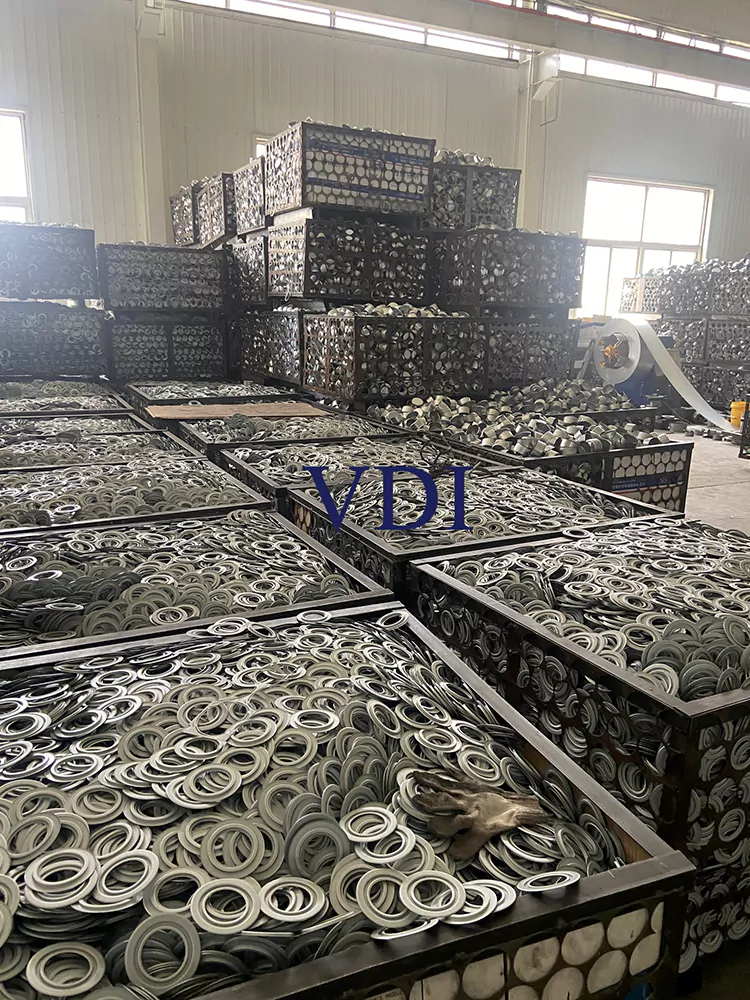
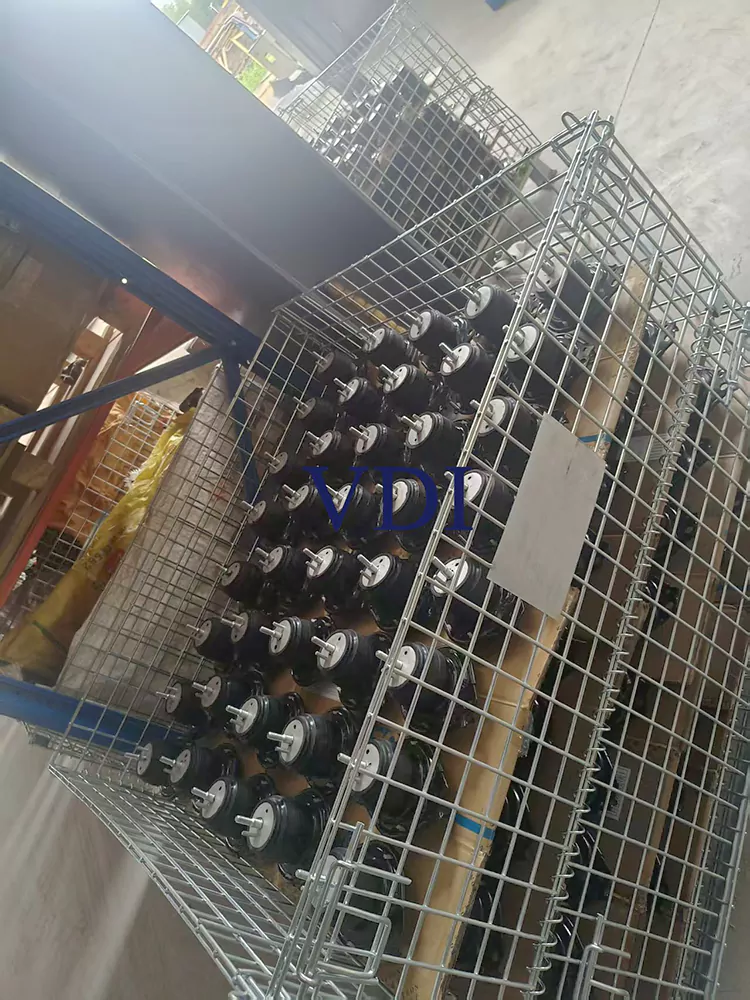
Based on real-world feedback from global road conditions, VDI continuously refines its bushing structural design to enhance durability and NVH performance. From raw materials to finished product, the Suspension Bushing 7P0525337E is manufactured under a fully traceable and transparent process, reflecting standardized management and professional craftsmanship.