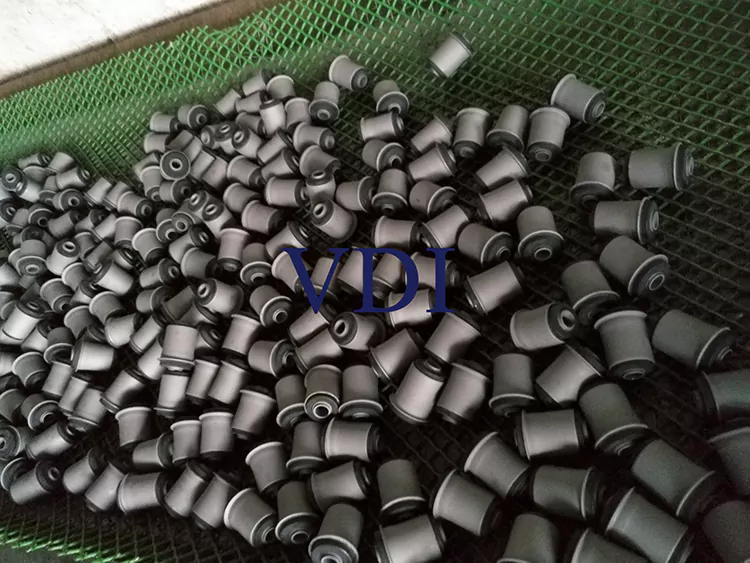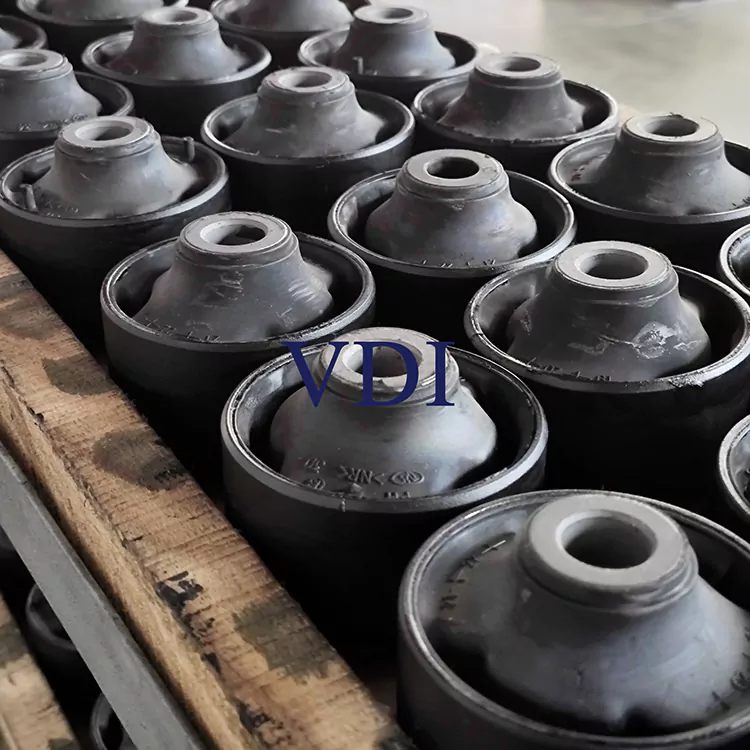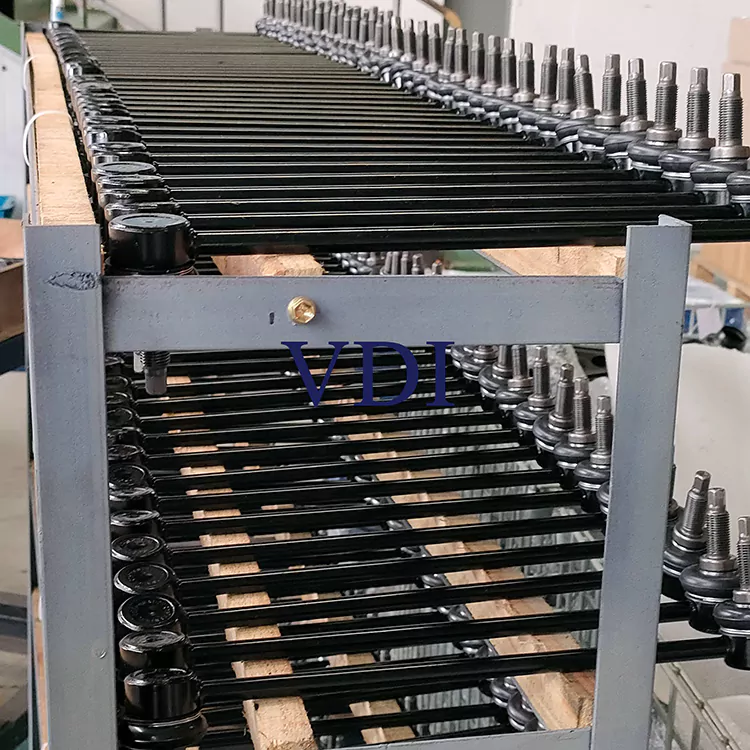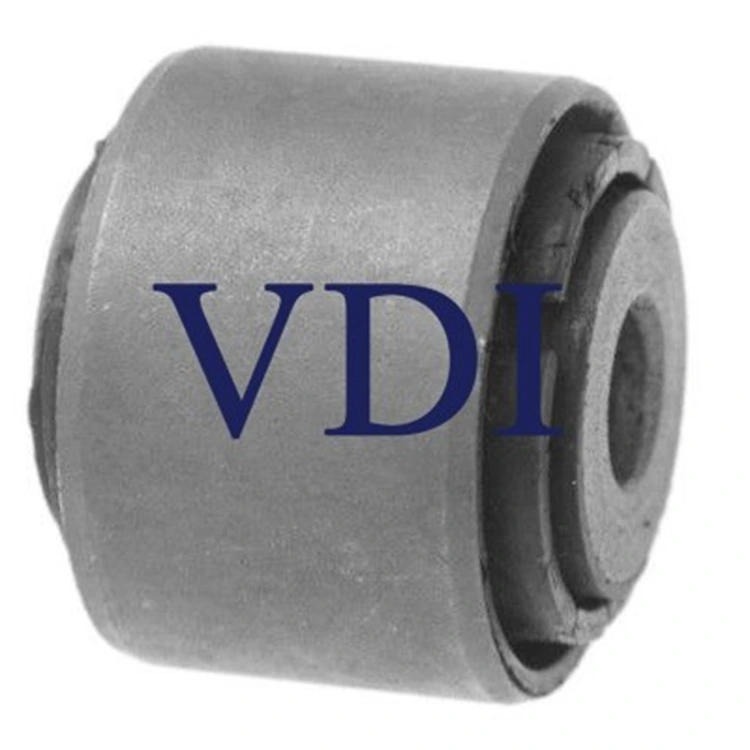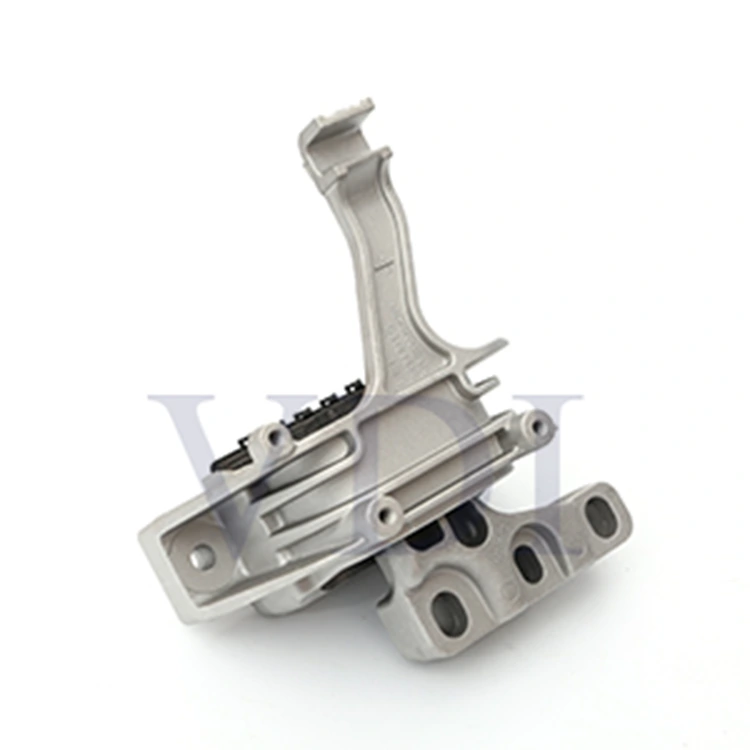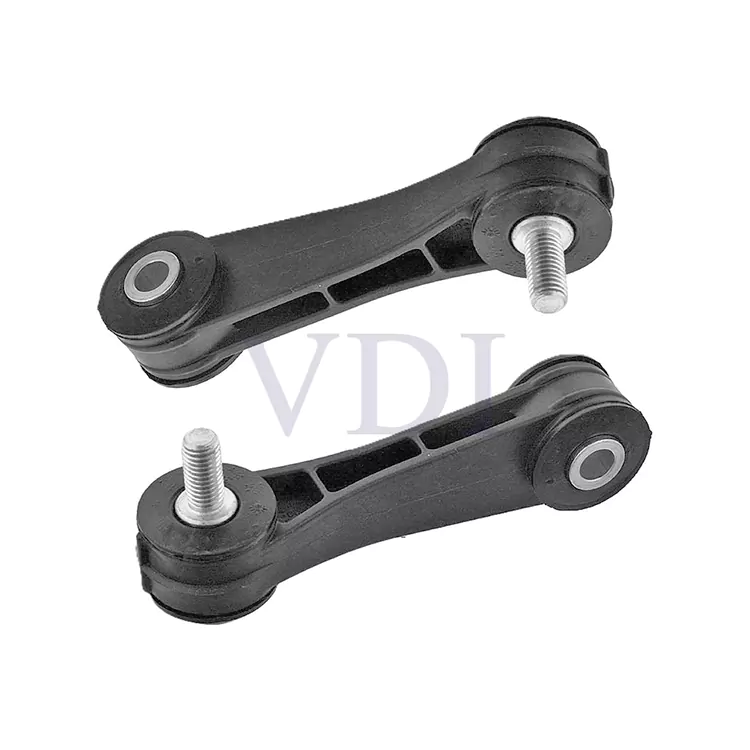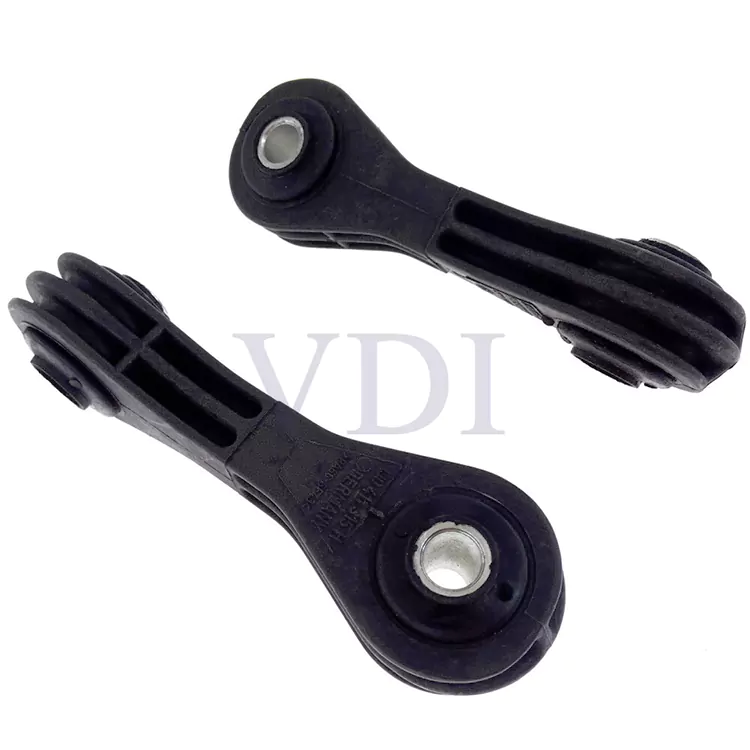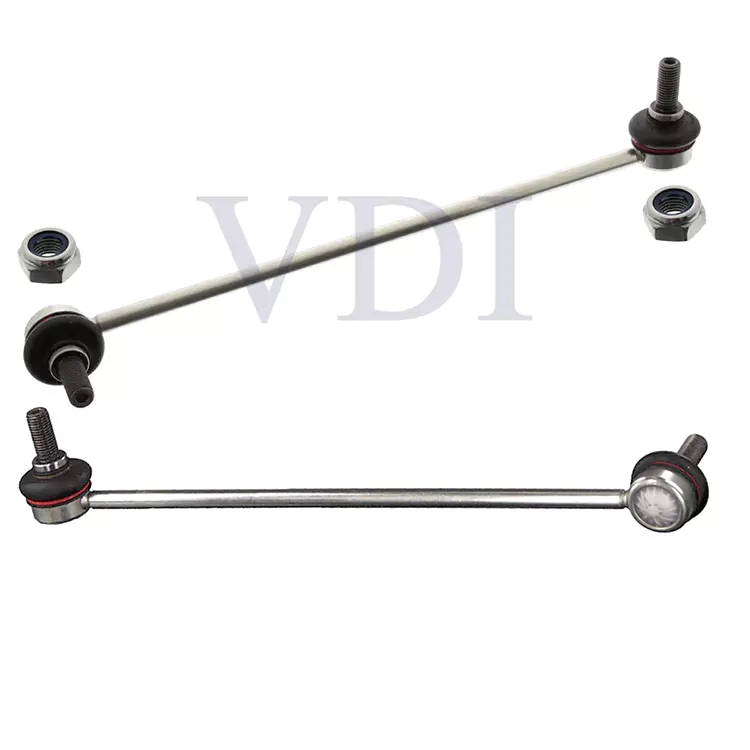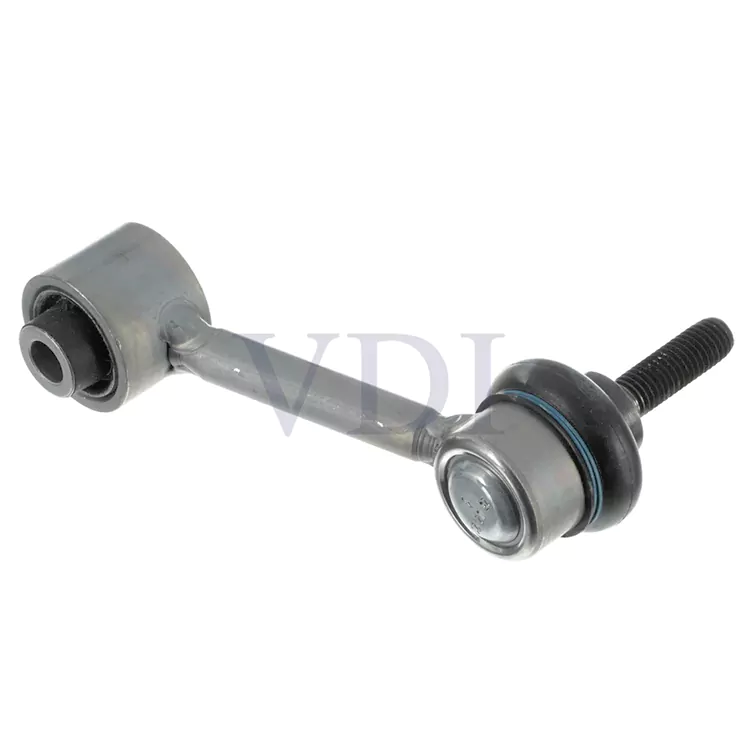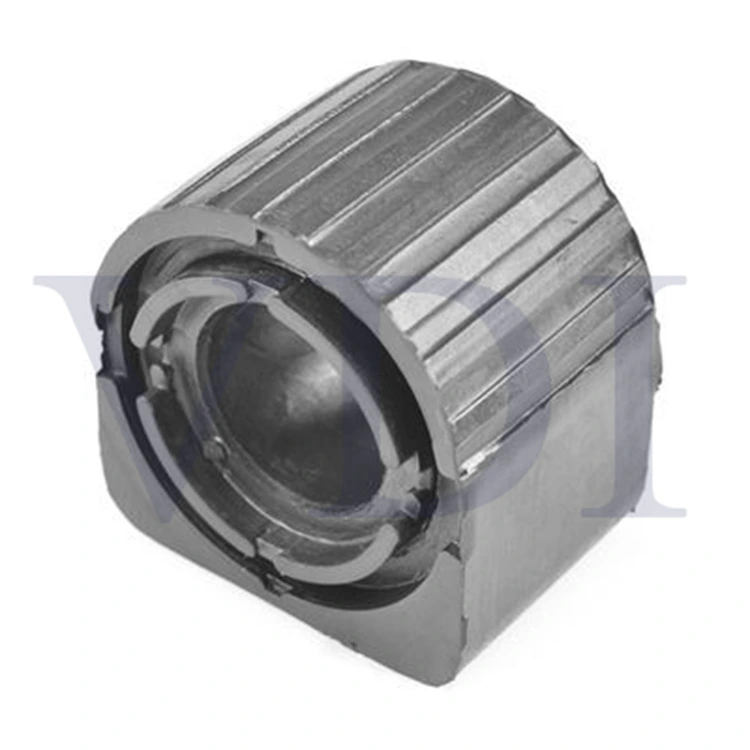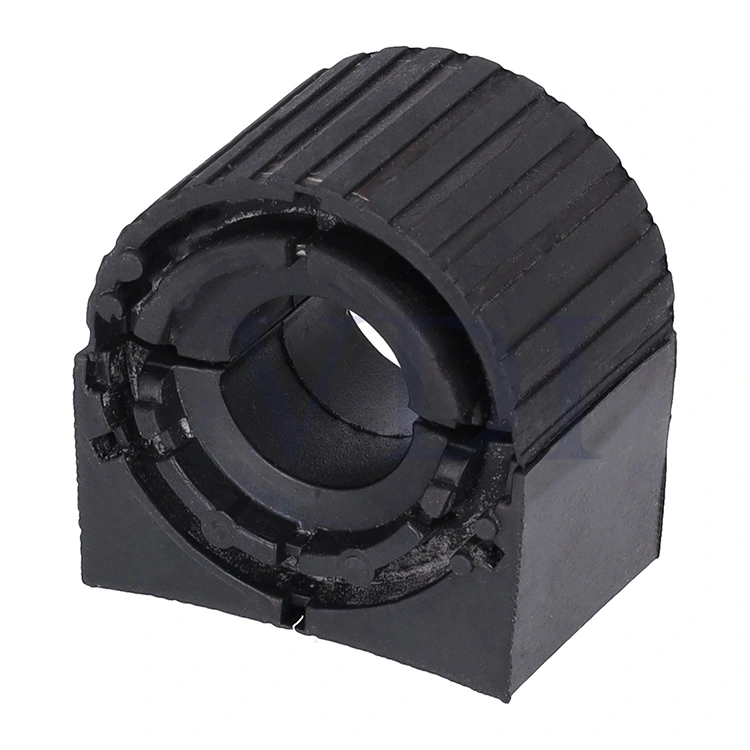

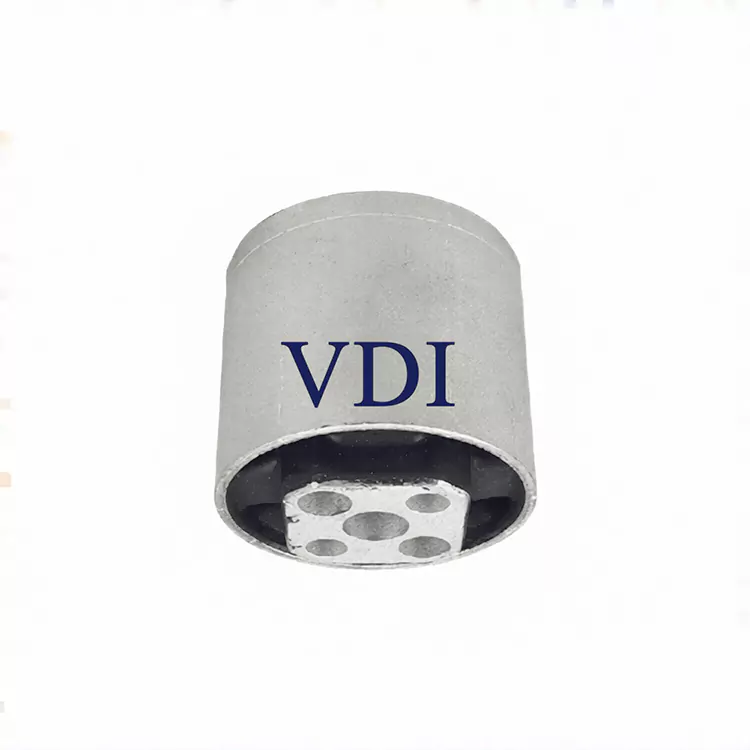
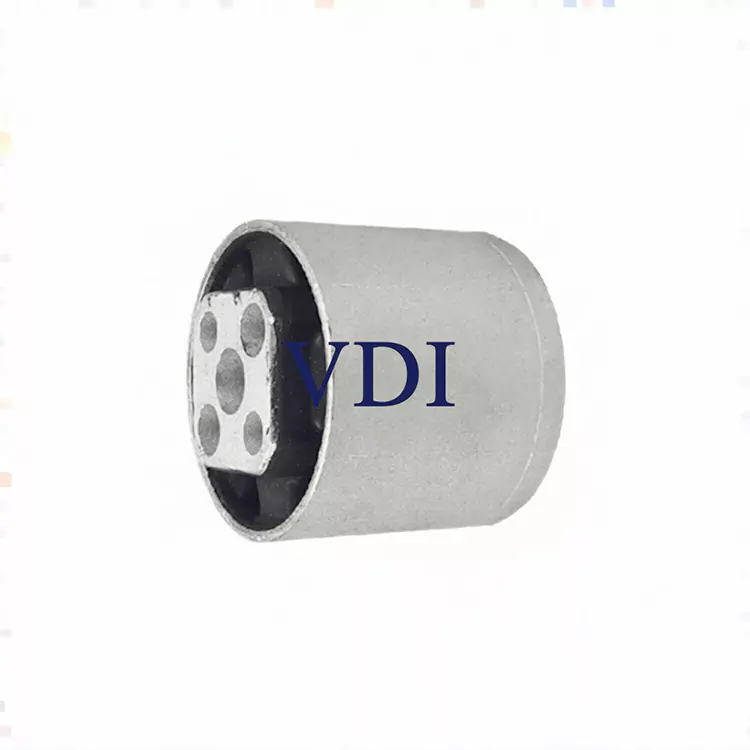
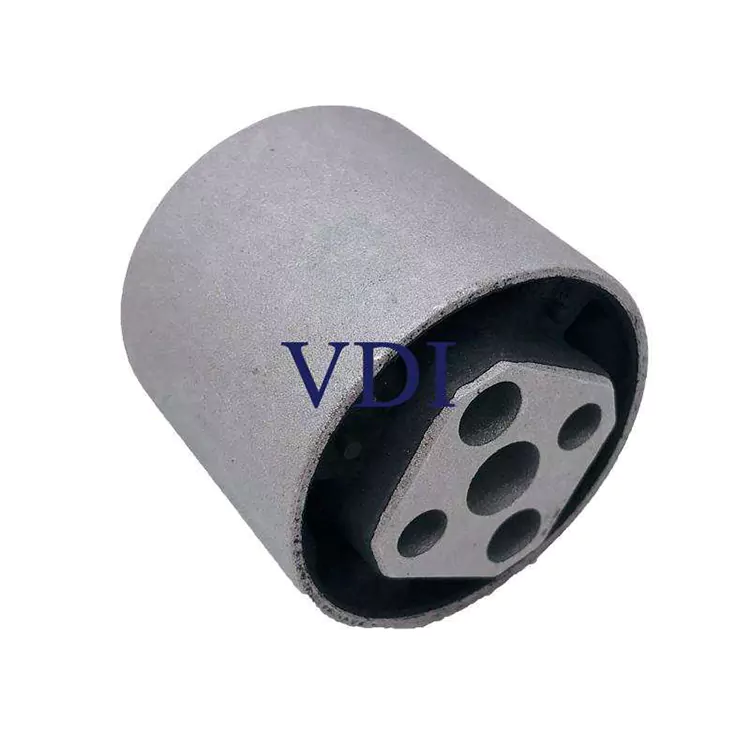
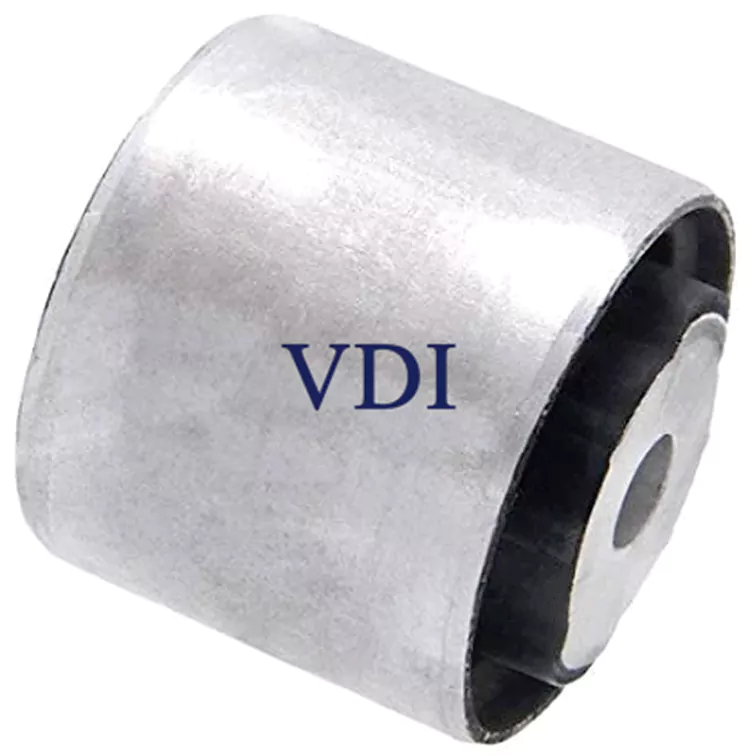
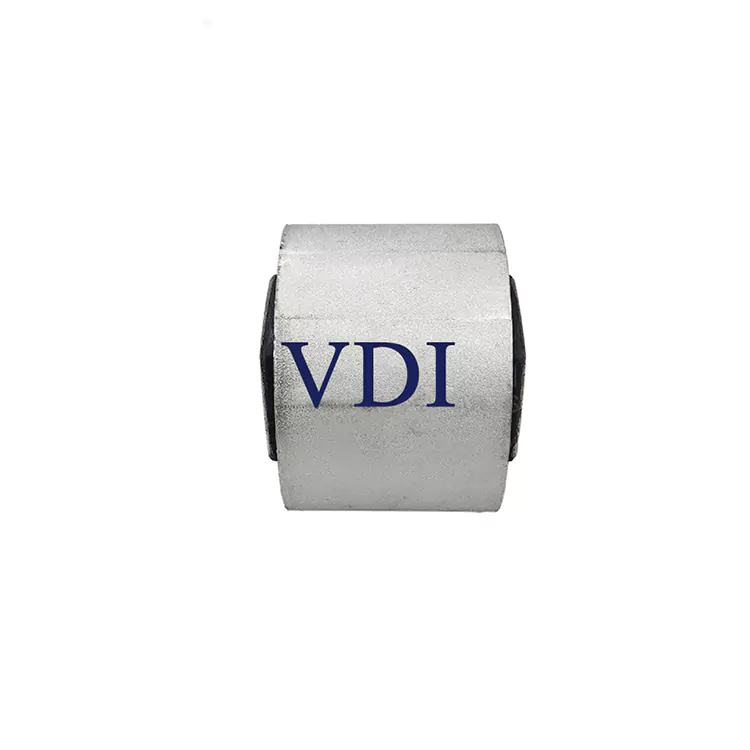
Suspension bushing 7L6525337A offers exceptional aging resistance with a service life exceeding 100,000 kilometers, withstands high temperatures and oil exposure without deforming—even in extreme conditions—features a robust rubber-to-metal bond that eliminates delamination risk, delivers outstanding fatigue resistance to maintain integrity under repeated impacts, and reduces the need for premature replacement, saving both time and cost.
AUDI Q7
Outer Diameter:60mm
Height:60mm
Inner Diameter:12mm
● Suspension bushing 7L6525337A features optimized material costs, offering market-leading value for money.
● Backed by a 12-month warranty for added peace of mind.
● Helps reduce long-term chassis repair expenses.
● Ideal for budget-conscious customers who still demand high quality.
● Market-leading sales volume—proven reliable by real-world usage.
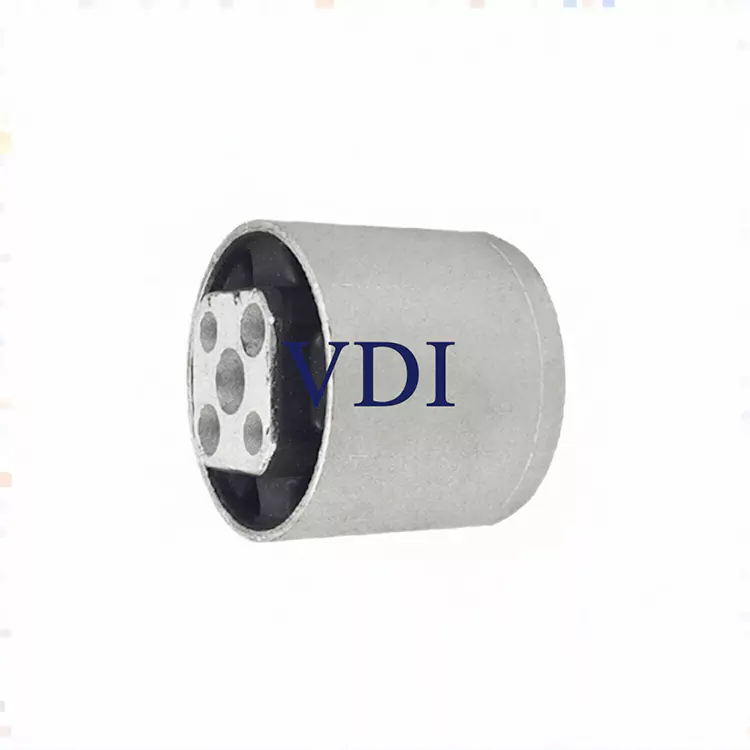
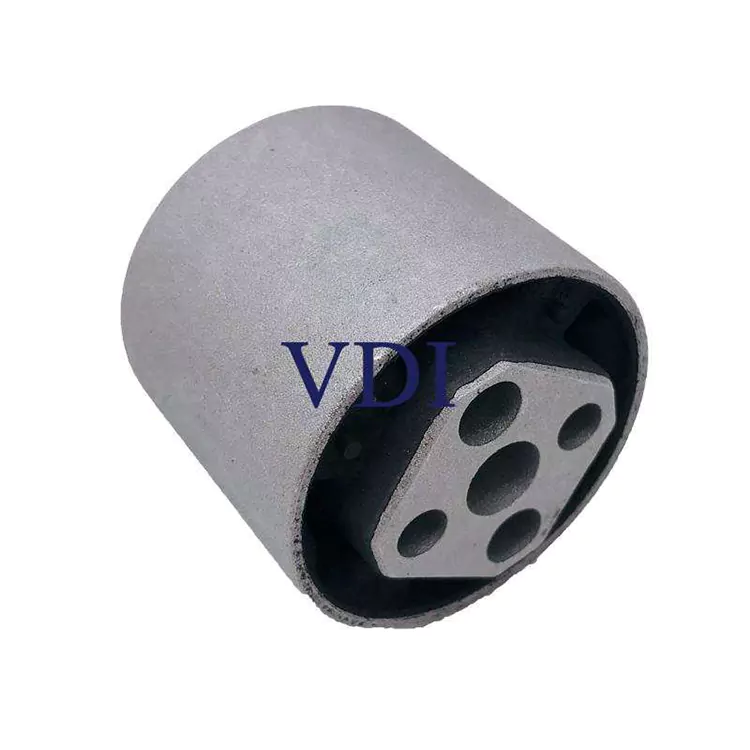
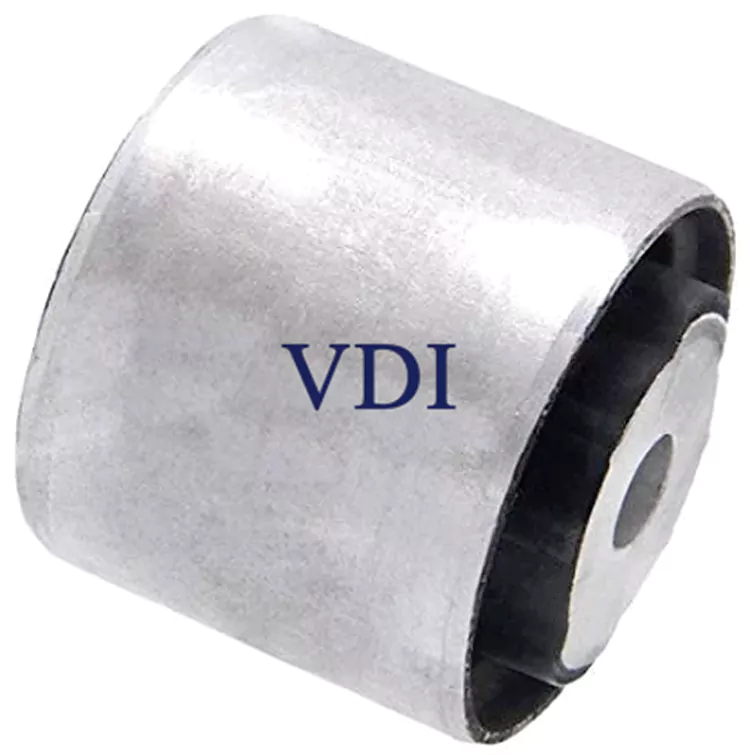
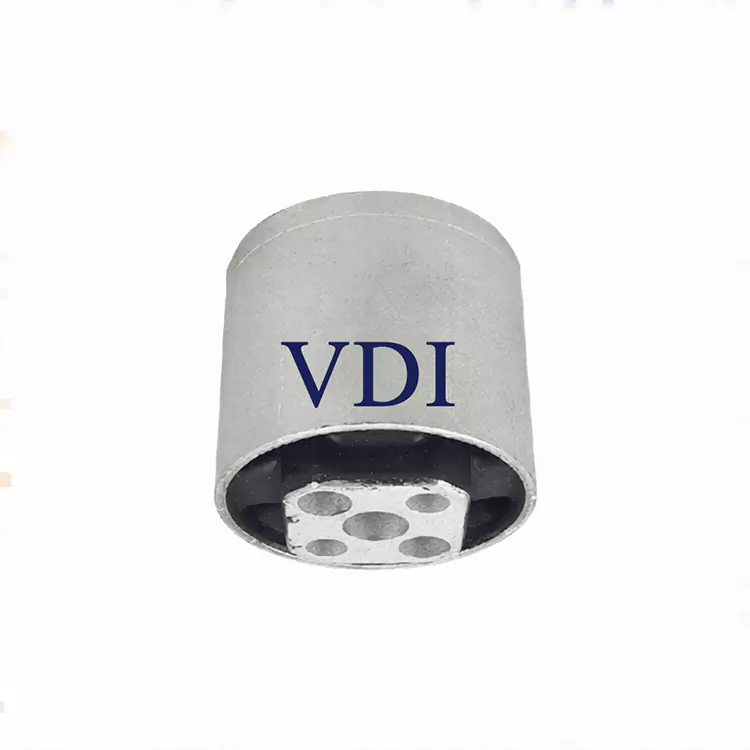
While suspension bushings may appear as unassuming rubber blocks hidden within the chassis, they are actually critical components governing ride comfort and vehicle safety. Serving as flexible joints between control arms, stabilizer bars, and the body, their primary roles are to absorb road impacts, isolate vibrations from entering the cabin, and maintain precise suspension geometry. Once bushing performance degrades, road bumps transmit directly into the passenger compartment, and steering becomes loose and sluggish.
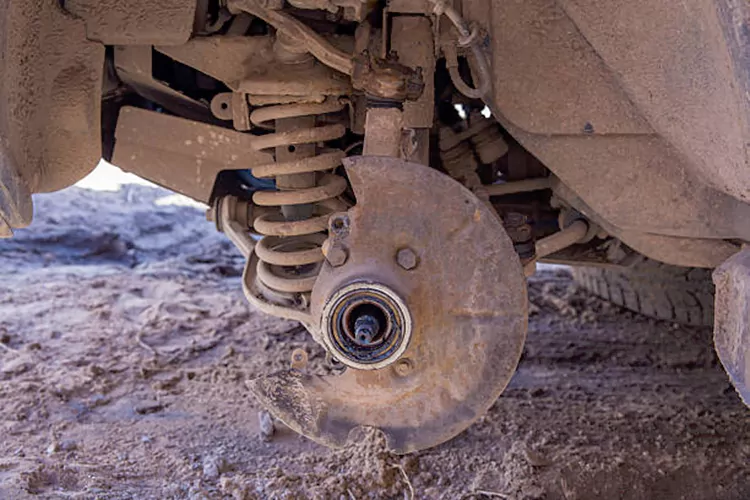
However, bushings are not "install-and-forget" components. Continuous exposure to cyclic loads, rapid temperature fluctuations, oil, dust, and ozone causes the rubber to gradually harden, crack, or even debond from the inner metal sleeve. While aging cannot be completely halted, proper driving habits and regular inspections can significantly delay this process, preventing cascading issues such as premature ball joint wear, irregular tire wear, or reduced braking stability.
It is crucial to understand that suspension bushings are condition-dependent components, not scheduled maintenance items like oil filters that require replacement at fixed intervals. There is no need for mandatory periodic replacement, but they should be carefully inspected during every chassis service. Professional repair manuals generally recommend a comprehensive visual inspection every 20,000 to 30,000 kilometers (or at least annually) with the vehicle on a lift. Key indicators to check include: longitudinal cracks on the rubber surface (especially on high-stress sides), visible gaps between the rubber and metal sleeves, and irreversible deformation or collapse of the rubber. While minor surface checking is normal for high-mileage vehicles, cracks exceeding 2mm in width, those penetrating major load-bearing areas, or accompanied by distinct "clunking" noises over speed bumps indicate severe failure and require immediate replacement.
Driving habits profoundly impact bushing longevity. Frequently hitting potholes, curbs, or speed bumps at high speeds generates impact loads far exceeding design limits, accelerating internal damage. In hot climates, rubber softens and loses tear strength; in extreme cold, it becomes brittle, significantly increasing the risk of cracking. Therefore, smooth driving and proactively avoiding obvious obstacles are not only safer but also the most effective ways to protect chassis rubber components. Additionally, minimizing prolonged high-speed travel on gravel or unpaved roads reduces extra wear caused by sand and debris embedding into the bushing interfaces.
Environmental factors are equally significant. Intense UV radiation and ozone accelerate rubber aging. In coastal regions or areas where roads are salted in winter, salt, de-icing agents, and oil can penetrate the rubber-metal interface, causing swelling or chemical corrosion. While climate cannot be controlled, regularly washing the undercarriage (especially after sandstorms, off-roading, or harsh winters) effectively removes these harmful contaminants. When washing, avoid directing high-pressure water jets directly at the rubber-metal bonding areas to prevent water from being forced into the adhesive layer, which could lead to long-term rust or delamination.
Many modern vehicles utilize composite bushings with fluid damping or integrated limit-stop structures in their front suspensions. These designs enhance NVH (Noise, Vibration, and Harshness) performance and handling precision while maintaining comfort, but they are more complex. If fluid leakage occurs (indicated by obvious rubber collapse and slow rebound) or if the limit-stop structure is damaged, these units typically cannot be repaired individually and must be replaced as an assembly. Continuing to use damaged bushings of this type will not only noticeably increase cabin noise and vibration but also alter the motion path of the control arm, accelerating abnormal wear on ball joints, tie rods, and tires.
When replacing bushings, it is essential to select components that closely match OEM specifications in terms of dimensions, stiffness curves, and material properties. Some low-cost alternatives may seem quiet initially, but if their radial stiffness is too high, they compromise original ride comfort and increase stress on adjacent components; conversely, insufficient torsional stiffness can lead to severe brake dive or understeer during high-speed cornering. Truly reliable bushings should be judged by their rubber formulation, internal cavity design, and actual road-test durability, rather than solely by price or vague claims of "high hardness."
In summary, proper suspension bushing care follows three core principles: regular condition monitoring, prevention first, and timely replacement upon signs of failure. Although they operate almost silently, they are key to ensuring stable handling and a refined ride. Truly understanding their physical limits is fundamental to maintaining the overall integrity of the vehicle's chassis.
If you need a reliable solution capable of withstanding extreme road conditions globally, the VDI Suspension Bushing Series (including specifications like 7L6525337A) delivers long-term performance matching OEM standards—backed by a rigorous triple-stage quality inspection process and material formulations compliant with factory specifications, making them a trustworthy choice.
Supports unbranded neutral packaging, facilitating distributors' private label operations and flexibly catering to diverse market strategies.Our products (e.g., Suspension Bushing 7L6525337A) have undergone rigorous real-world vehicle testing exceeding 100,000 kilometers, covering diverse scenarios including urban driving, highway cruising, and off-road conditions, ensuring authentic and reliable performance data.