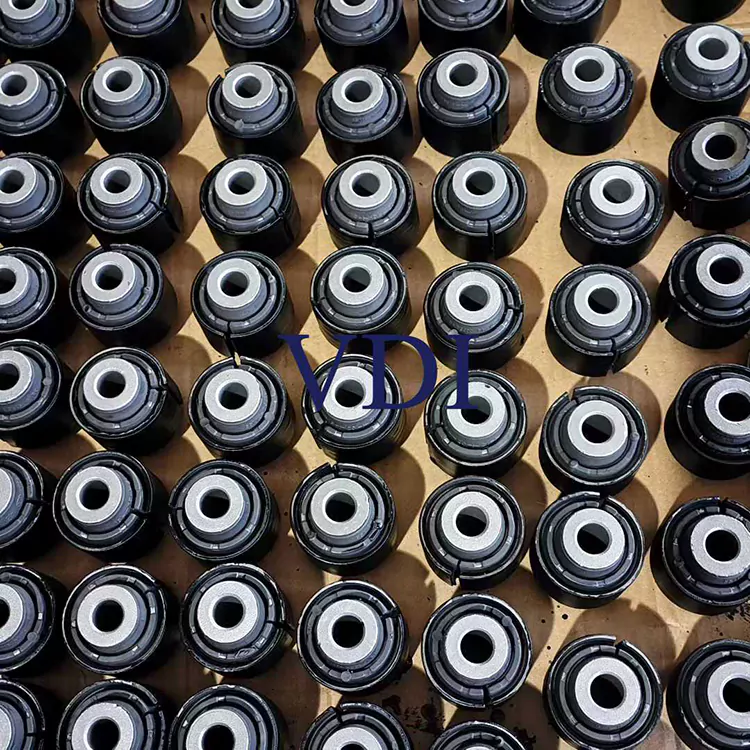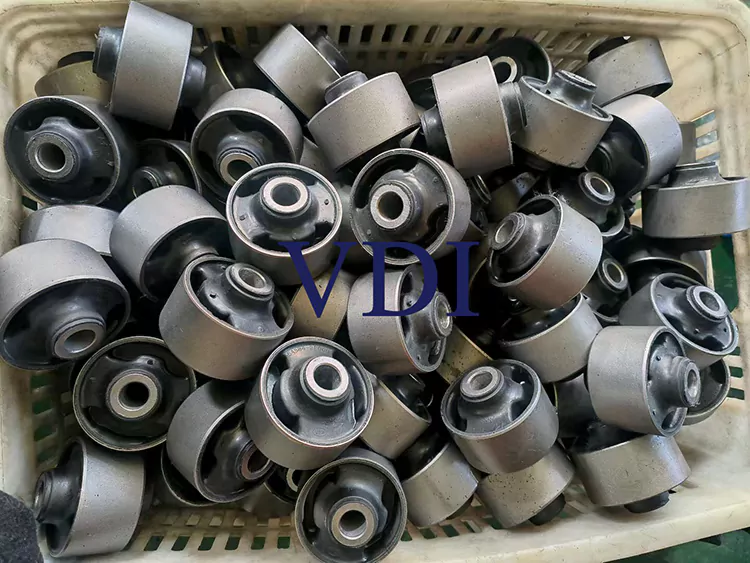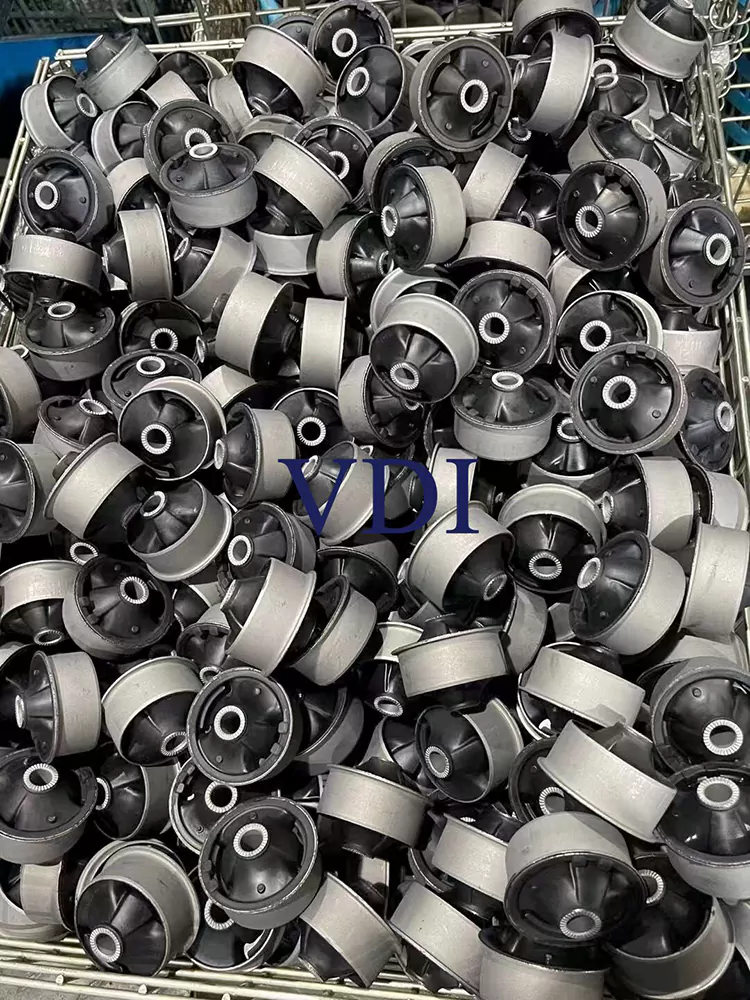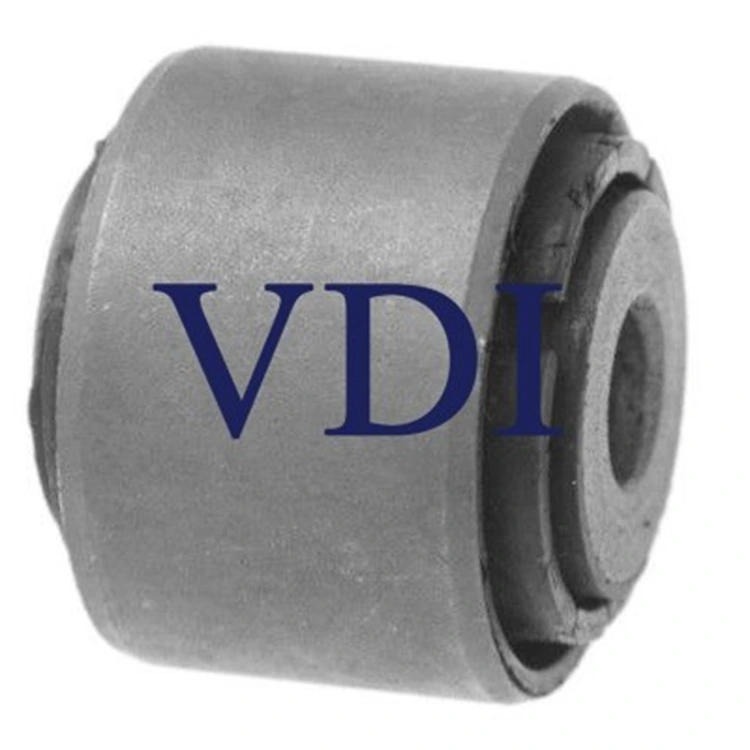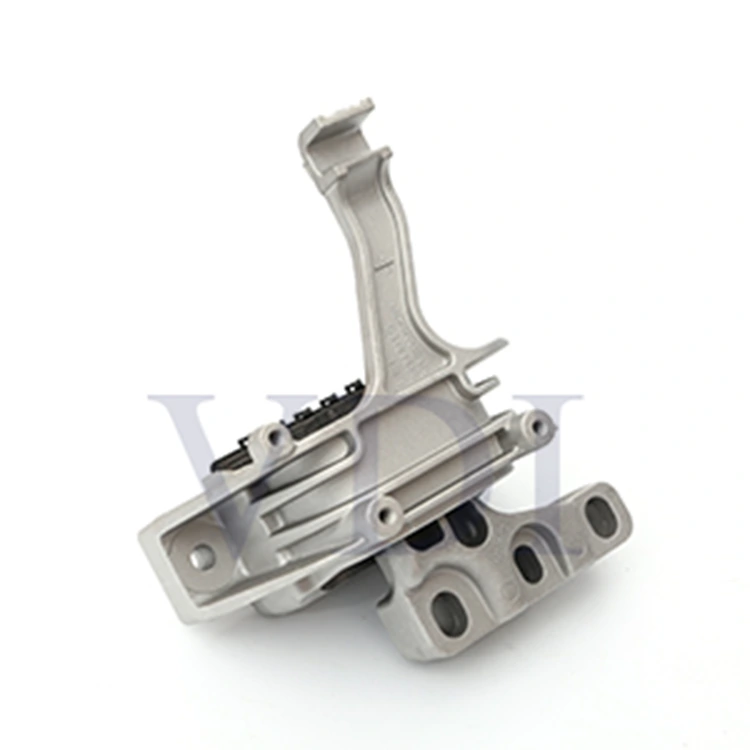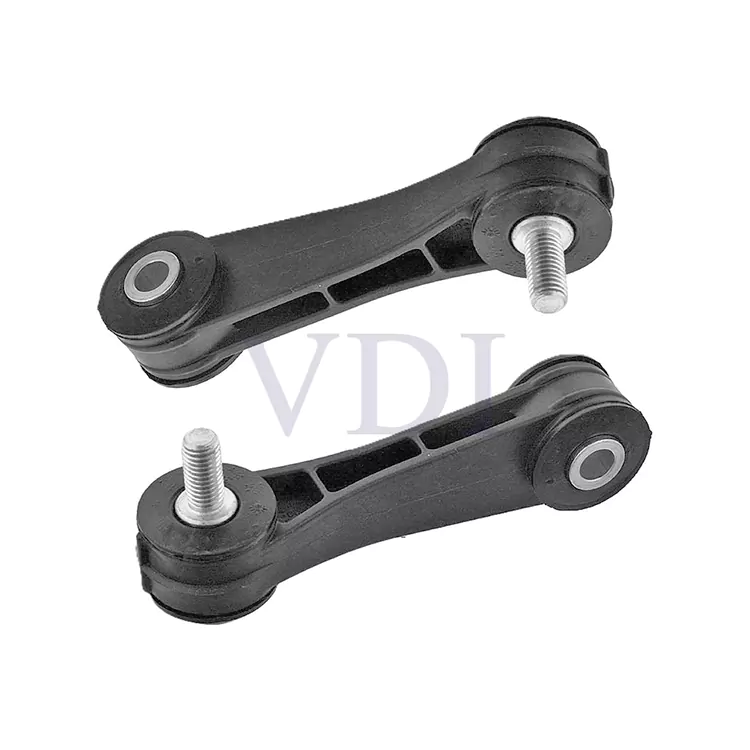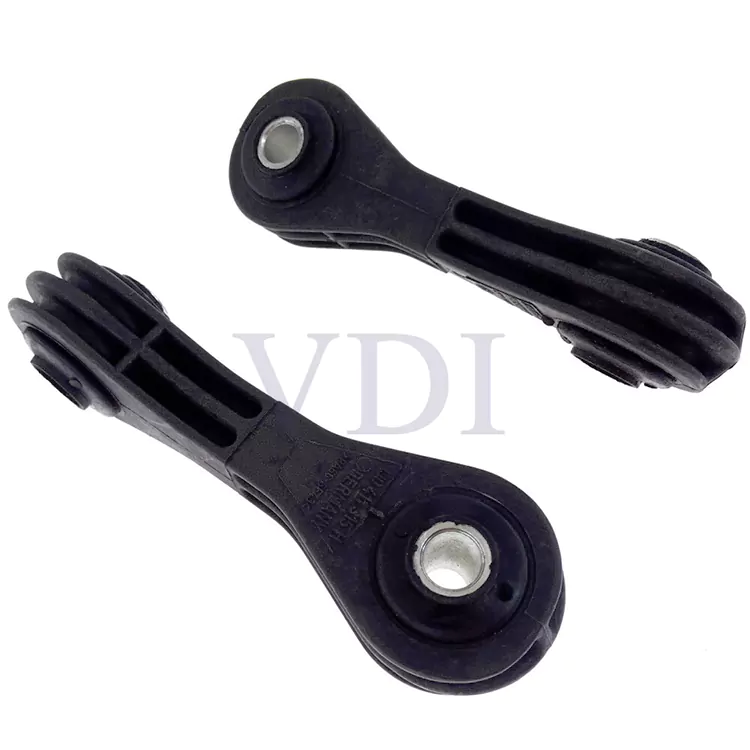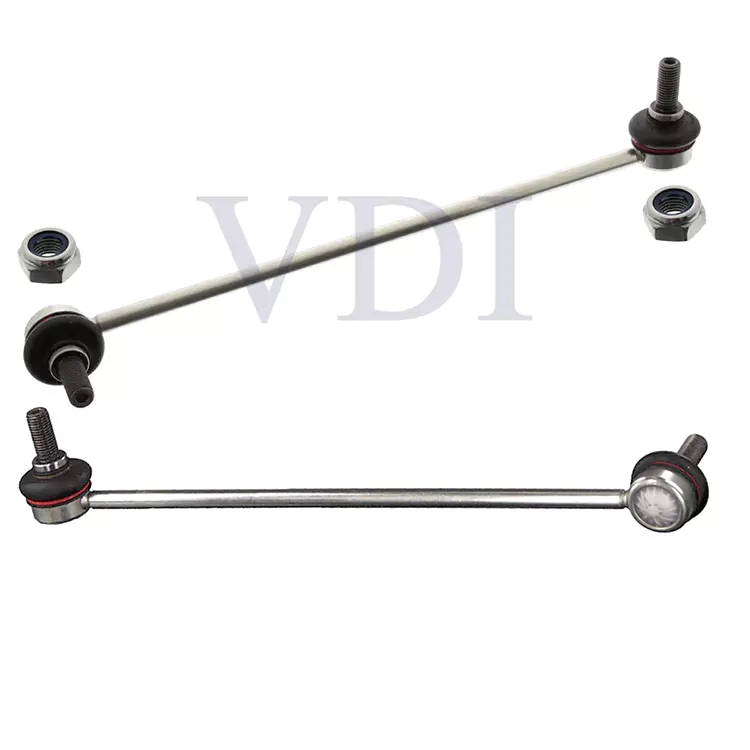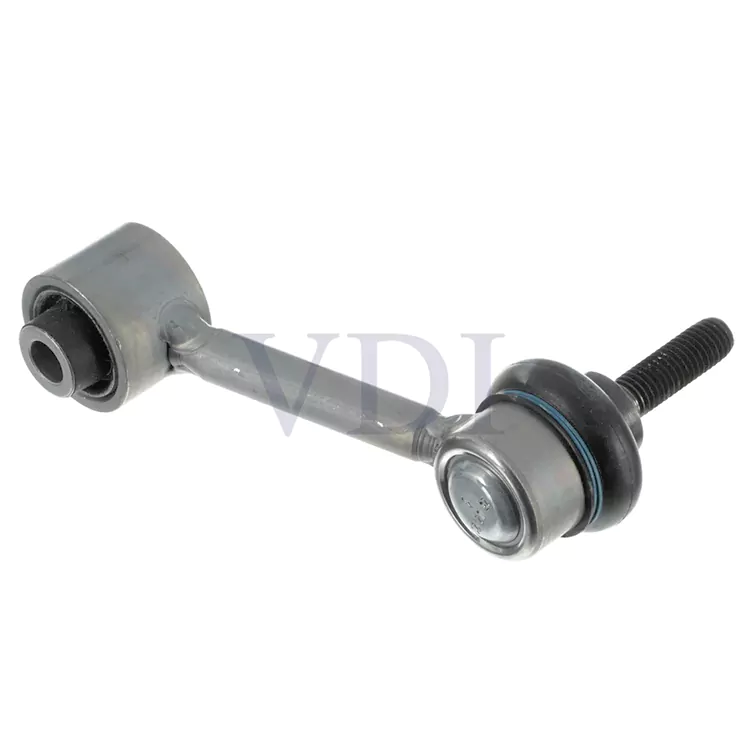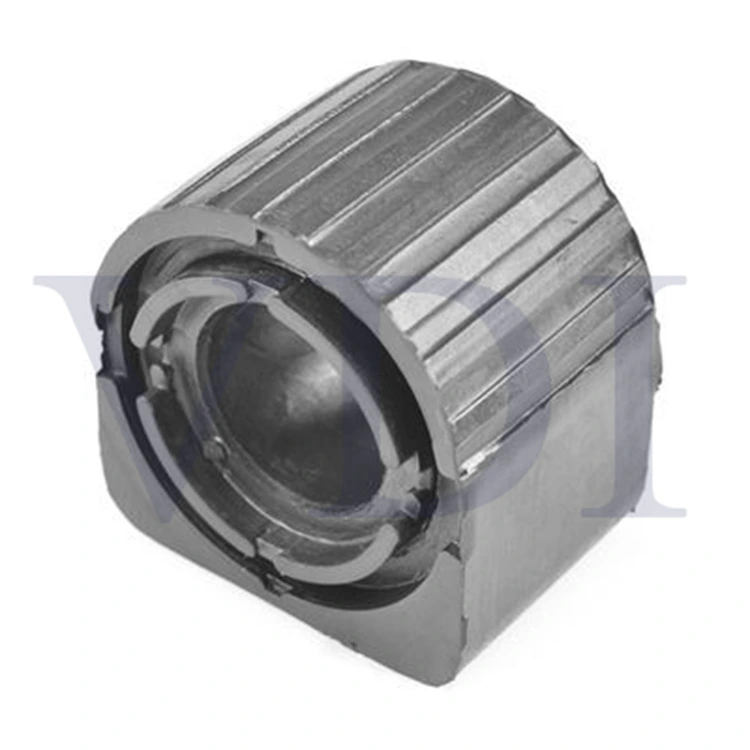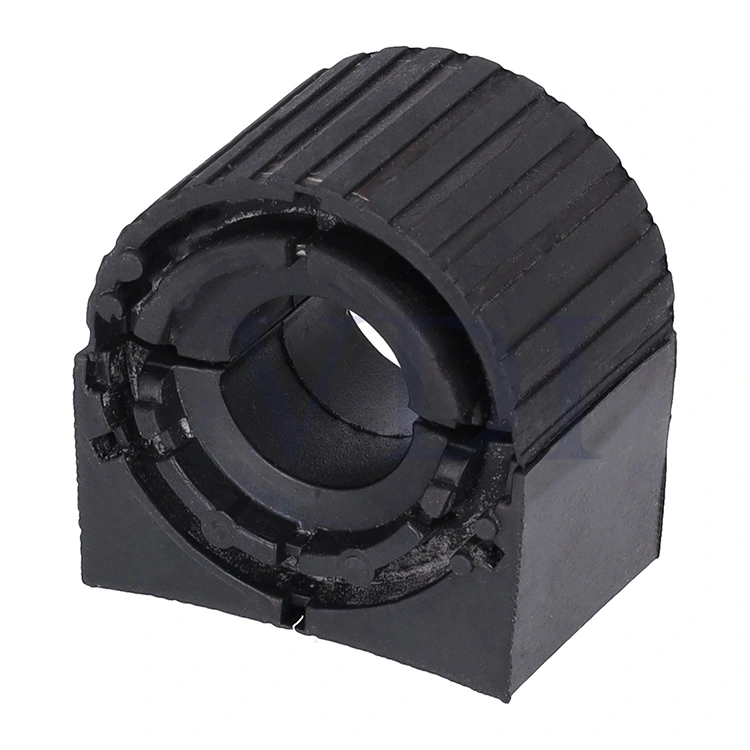

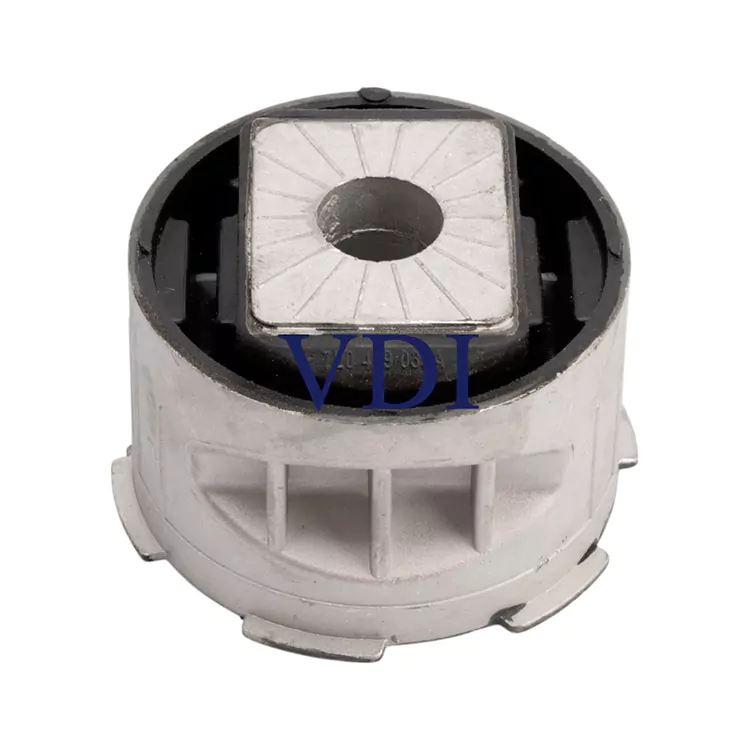
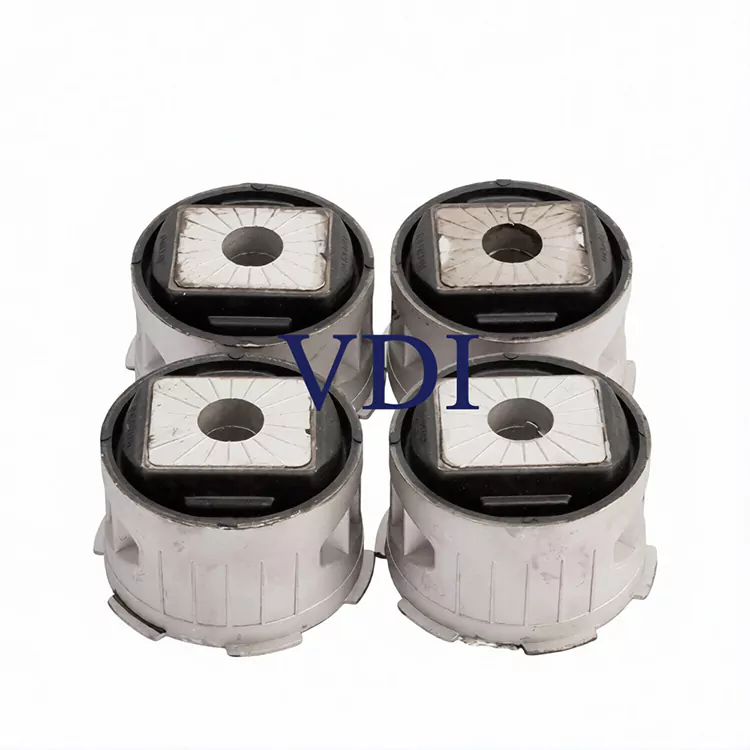
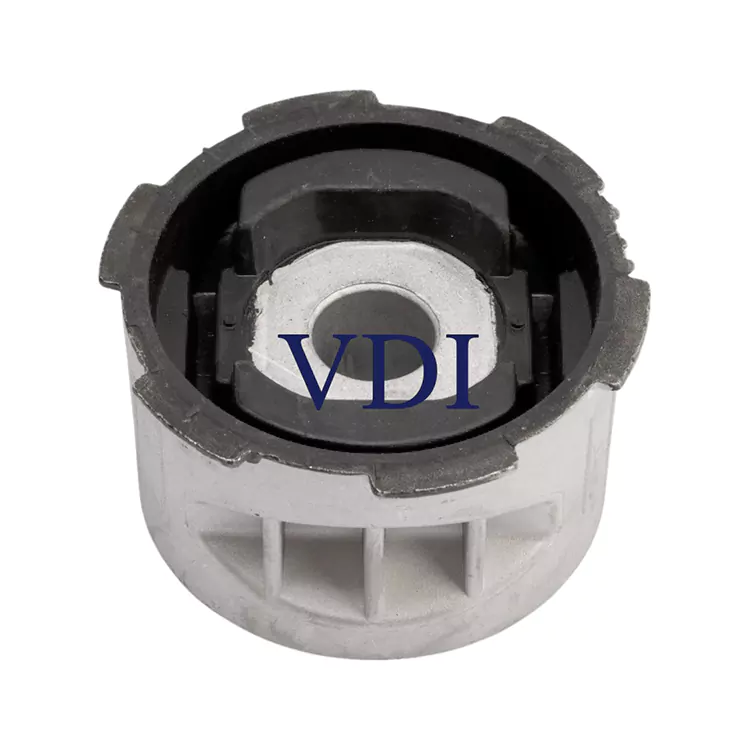
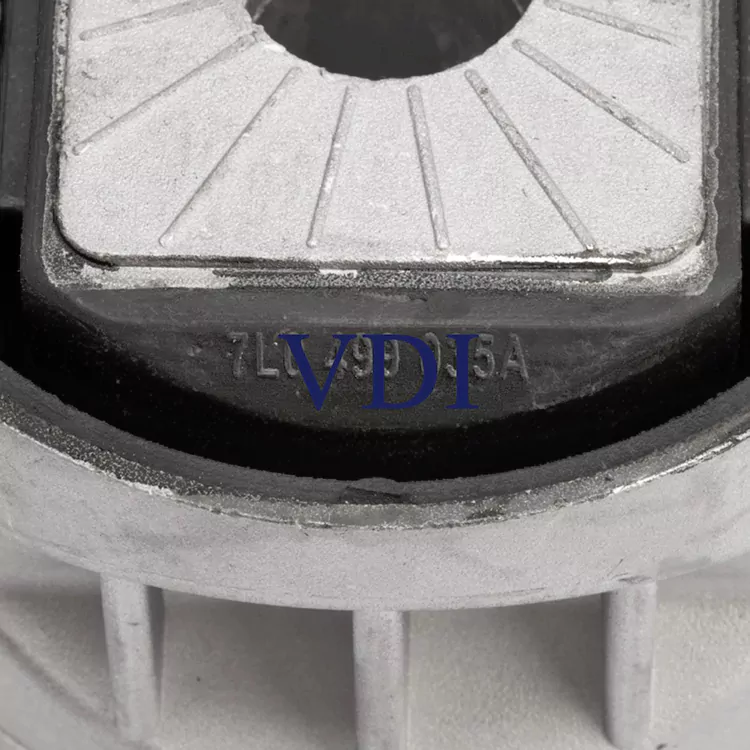
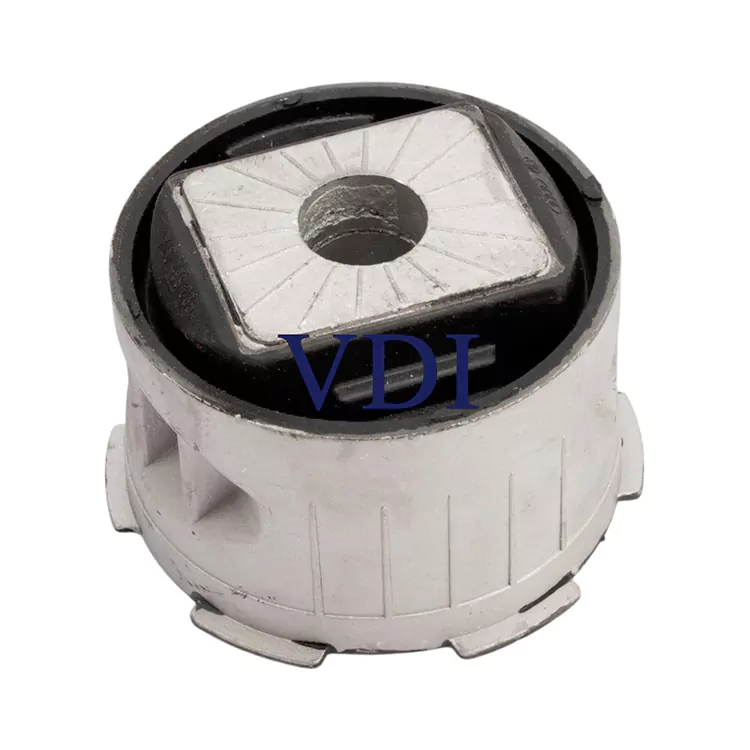
Suspension bushing 7L0499035A precisely maintains wheel alignment for sharper steering response, reduces body roll and sway for more stable cornering, minimizes torque steer under acceleration for more direct power delivery, significantly improves brake dive for smoother braking, and delivers enhanced driving enjoyment for performance-oriented drivers.
7L0 499 035
7L0 599 035 B
7L0 599 035 C
955 341 133 01
Fit to:
AUDI Q7
VW TOUAREG
PORSCHE CAYENNE
Suspension bushing 7L0499035A features a more flexible rubber compound than OEM, delivering superior impact absorption.
Resists hardening over time, ensuring long-lasting ride comfort.
Provides immediate performance improvement—no break-in period required.
Compatible with multiple brands including Volkswagen, Toyota, and Honda.
Offers exceptional value—lowest-cost solution for a meaningful comfort upgrade.
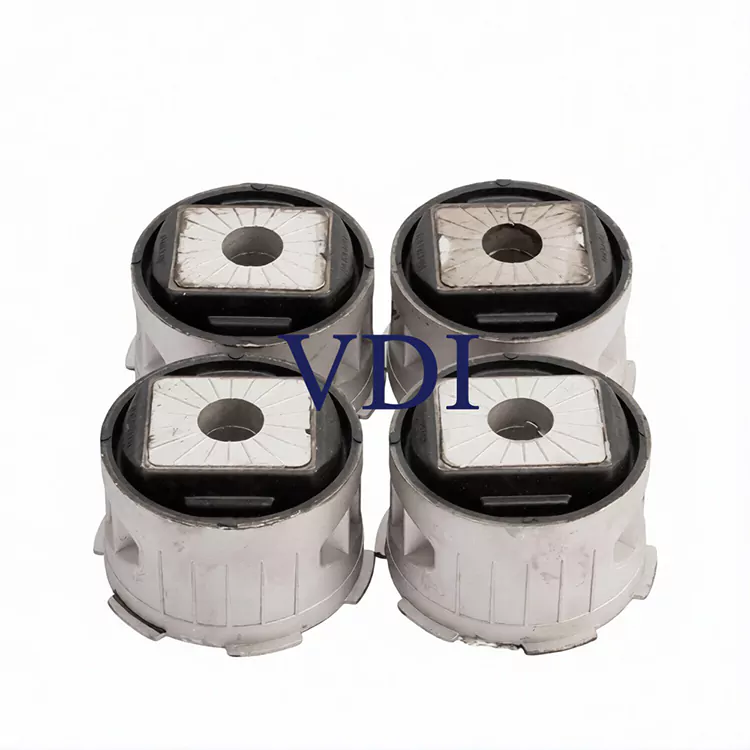
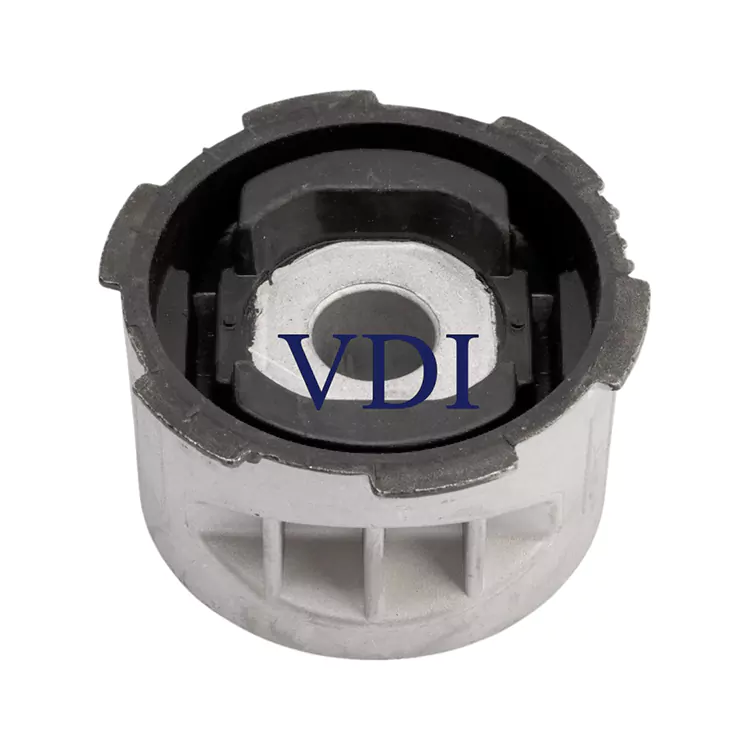
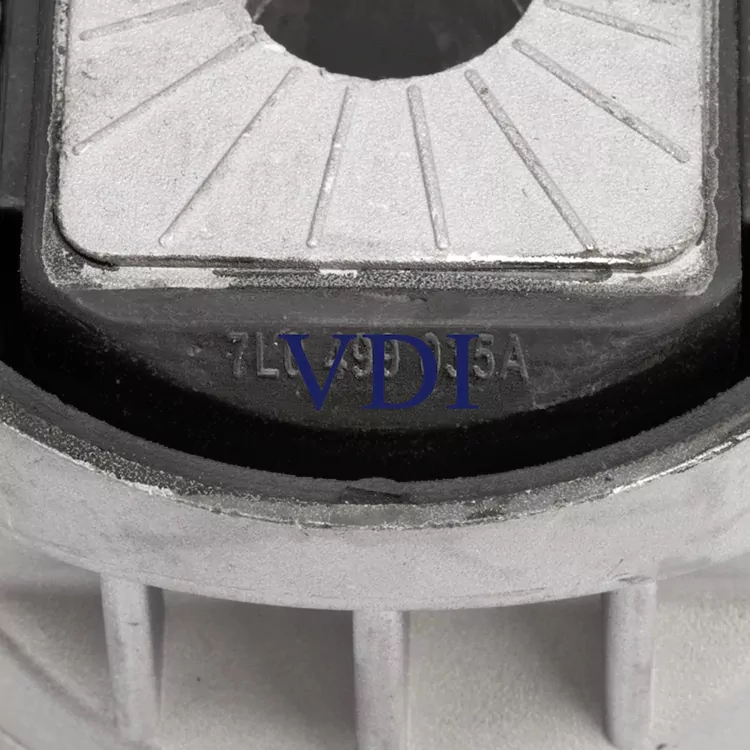
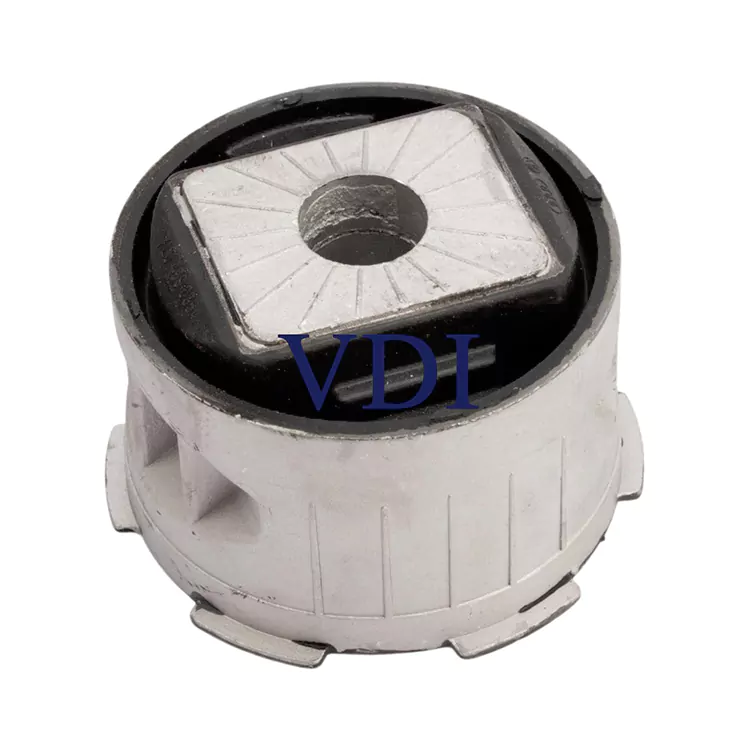
Suspension bushings may appear to be just unassuming rubber components tucked away in the chassis, but they are in fact critical to both ride quality and vehicle safety. Acting as flexible joints between control arms, stabilizer bars or subframes and the vehicle body, they quietly perform essential tasks: absorbing road impacts, dampening vibration transmission, and maintaining precise suspension geometry. Without them, every bump would transmit directly into the cabin, and steering would become vague and imprecise.
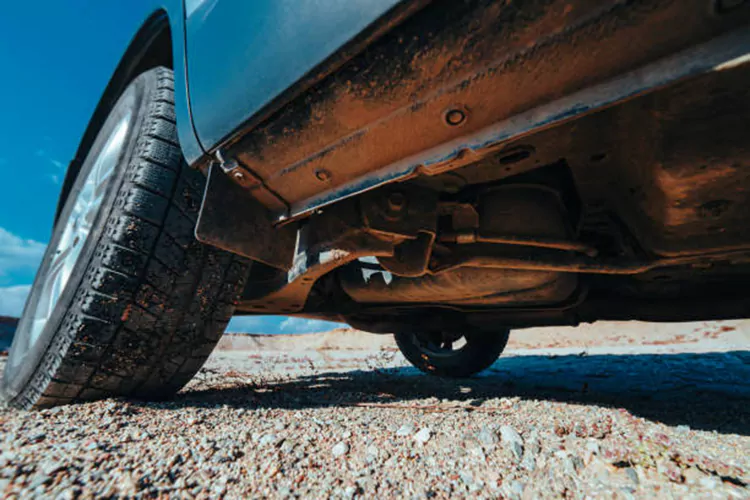
However, bushings are not “fit-and-forget” parts. Prolonged exposure to dynamic loads, rapid temperature changes, oil, dust, and ozone causes the rubber to gradually harden, crack, or even delaminate from its metal inner sleeve. While this aging process cannot be entirely prevented, it can be significantly slowed through sensible driving habits and regular inspections—helping avoid more complex chassis issues caused by bushing failure, such as abnormally worn ball joints, uneven tire wear, or compromised braking stability.
It’s important to clarify that suspension bushings are not consumable items like oil filters that must be replaced at fixed intervals. Instead, they should be treated as condition-based components: they don’t require mandatory replacement on a schedule, but must be visually inspected during every undercarriage service. We recommend a thorough check every 20,000 to 30,000 kilometers—or at least once a year—with the vehicle lifted. Key warning signs include longitudinal cracks on the rubber surface (especially on the tension side), visible gaps between the rubber and metal sleeves (indicating bond failure), or irreversible distortion or collapse of the rubber. Minor surface cracking is common on high-mileage vehicles, but cracks wider than 2 mm, those spanning the entire load-bearing zone, or those accompanied by a “clunk” noise when driving over speed bumps signal serious functional degradation and warrant immediate replacement.
Driving style greatly influences bushing longevity. Repeatedly hitting potholes, curbs, or speed bumps at high speed subjects bushings to impact forces several times greater than their design limits, accelerating internal damage. In the high temperatures of the Middle East or North Africa, rubber softens and loses tear resistance, making it more prone to permanent deformation under severe impacts. Conversely, in Russian or Eastern European winters, cold temperatures make rubber brittle, increasing the risk of cracking. Smooth, attentive driving is therefore not only safer—it’s also the best way to protect chassis rubber components. Similarly, avoiding prolonged high-speed travel on unpaved roads helps minimize abrasive wear caused by sand and grit embedding into bushing interfaces.
Environmental factors also play a significant role. Intense UV radiation and high ozone levels in the Middle East accelerate rubber degradation, leading to characteristic “ozone cracking.” In coastal regions or areas where roads are treated with de-icing salts in winter, salt, anti-icing chemicals, and oil residues can penetrate the rubber-to-metal interface, causing swelling or chemical corrosion. While we can’t change the climate, regularly washing the vehicle’s undercarriage—especially after sandstorms, off-road trips, or harsh winters—effectively removes these harmful contaminants. Crucially, avoid directing high-pressure water jets directly at the rubber-metal junctions, as this can force moisture into the bonded layer, potentially causing rust or delamination over time.
On certain modern platforms—such as Volkswagen’s MQB or Audi’s MLB—the front suspension uses composite bushings with hydraulic chambers or integrated limit stops. These designs enhance ride comfort but are more sophisticated. If internal hydraulic fluid leaks (evidenced by rubber collapse and sluggish rebound) or if the limit blocks fracture, the unit typically cannot be repaired and must be replaced as a whole. Continuing to drive with damaged hydraulic bushings not only increases cabin noise and vibration but can also alter control arm kinematics, accelerating abnormal wear on ball joints, tie rods, and even tires.
When replacement is necessary, always choose parts that closely match OEM specifications in dimensions, stiffness characteristics, and material performance. Some low-cost alternatives may seem quiet initially, but if their radial stiffness is too high, they might deliver a “sharper” feel at the expense of ride comfort and place extra stress on adjacent suspension components. Conversely, insufficient torsional stiffness can lead to excessive dive during hard braking or understeer in high-speed corners. Truly reliable bushings should be judged by their rubber compound formulation, internal cavity design, and proven durability—not by price alone or vague claims about “high hardness.”
Ultimately, proper bushing care rests on three principles: monitor condition, practice prevention, and replace promptly when needed. Though they operate silently, they are fundamental to stable handling and a refined driving experience. Understanding their physical limits is key to preserving your vehicle’s overall chassis integrity. If you’re looking for a dependable solution engineered to withstand the extreme heat of the Middle East, the bitter cold of Russia, and the demanding roads of Europe, the VDI Suspension Bushing series (such as part number 7L0499035A) offers long-term, OEM-matched performance—backed by rigorous triple-inspection protocols and materials designed to meet original equipment standards.
Our products serve over 60 global markets, from the deserts of the Middle East to the snowy terrains of Eastern Europe. VDI consistently wins the trust of professional users with its reliable quality. Every batch undergoes triple inspection: dimensional precision, hardness consistency, and dynamic stiffness verification, ensuring stable and reliable performance.