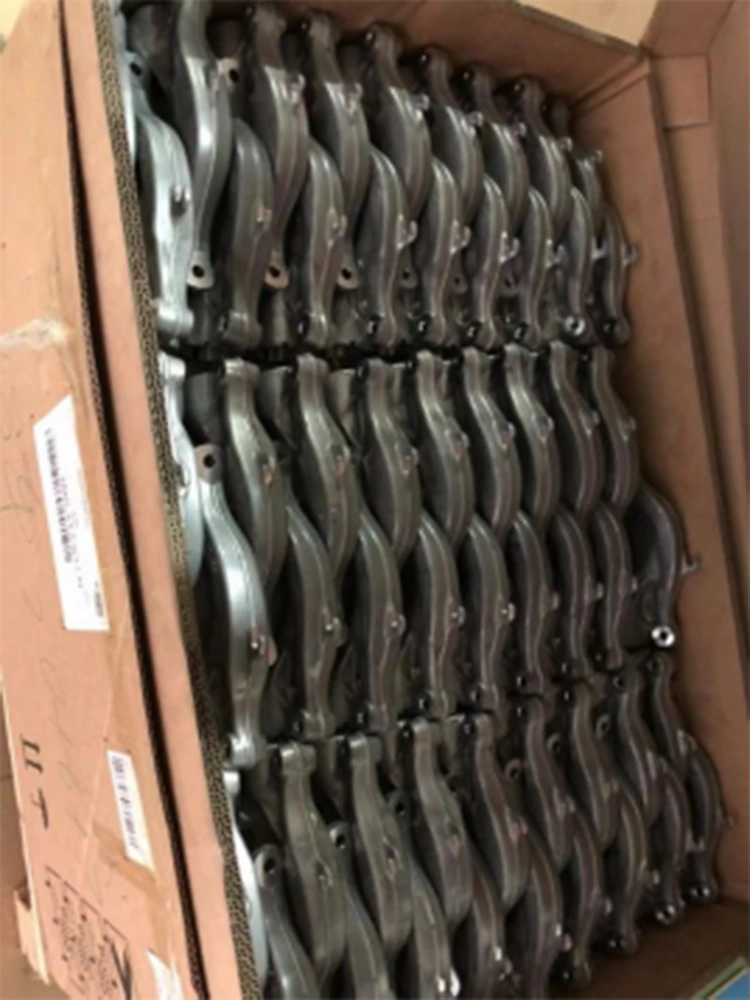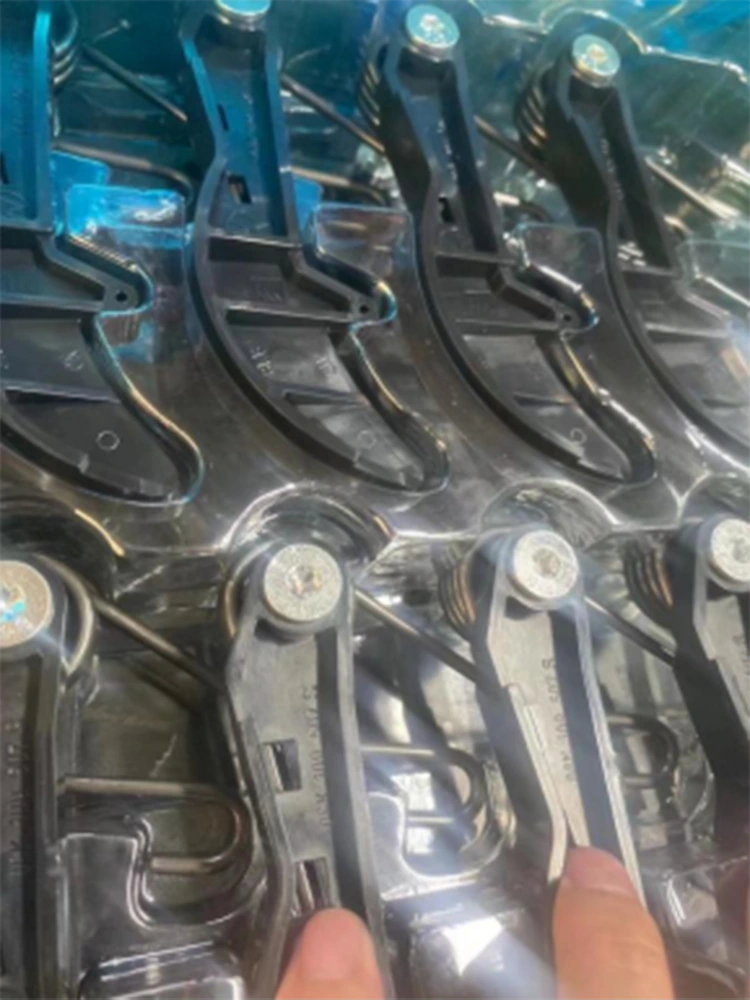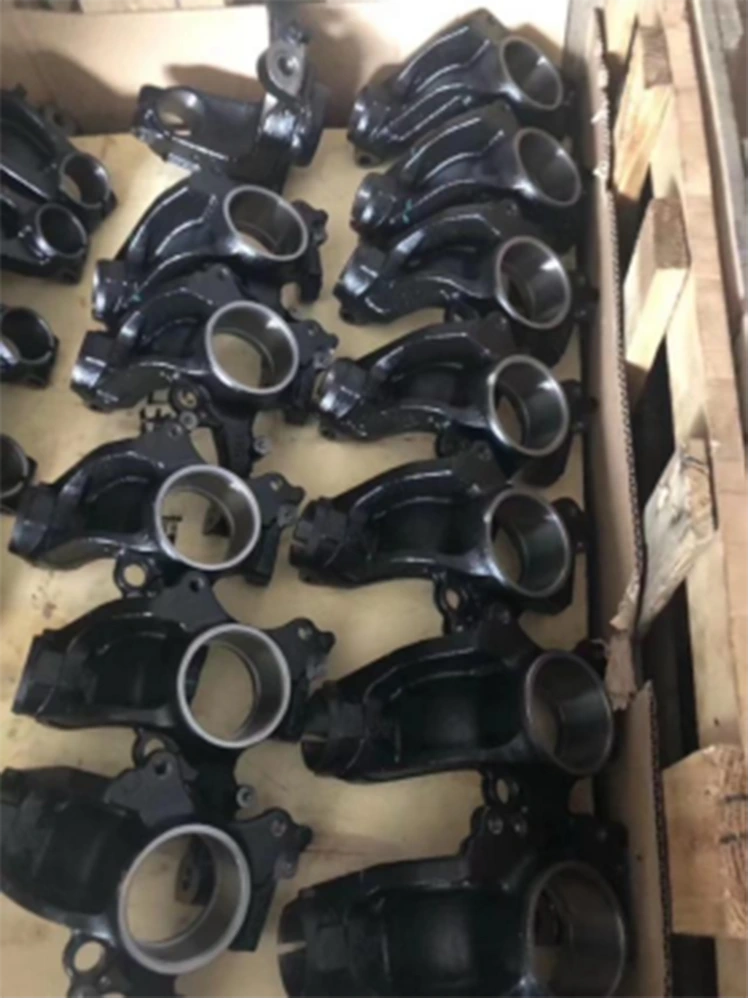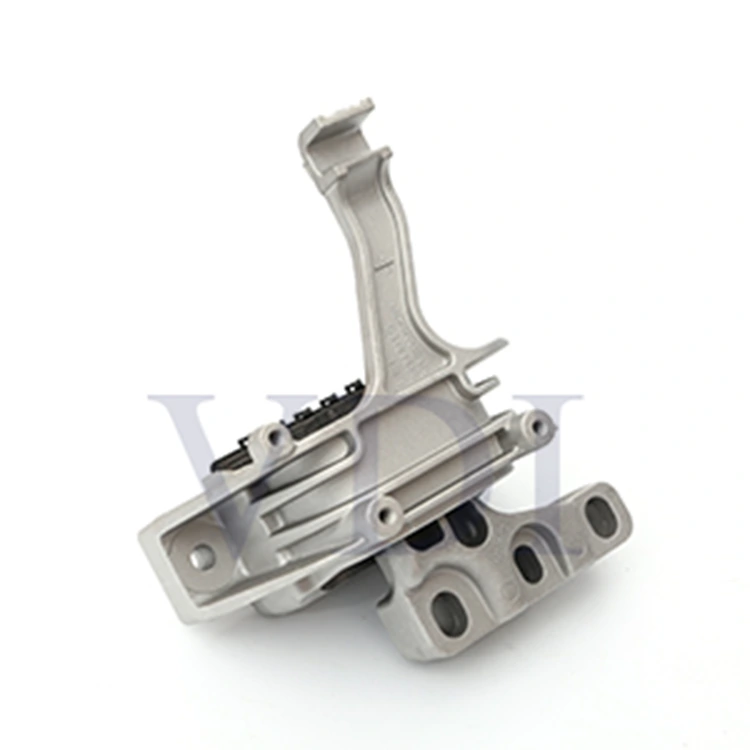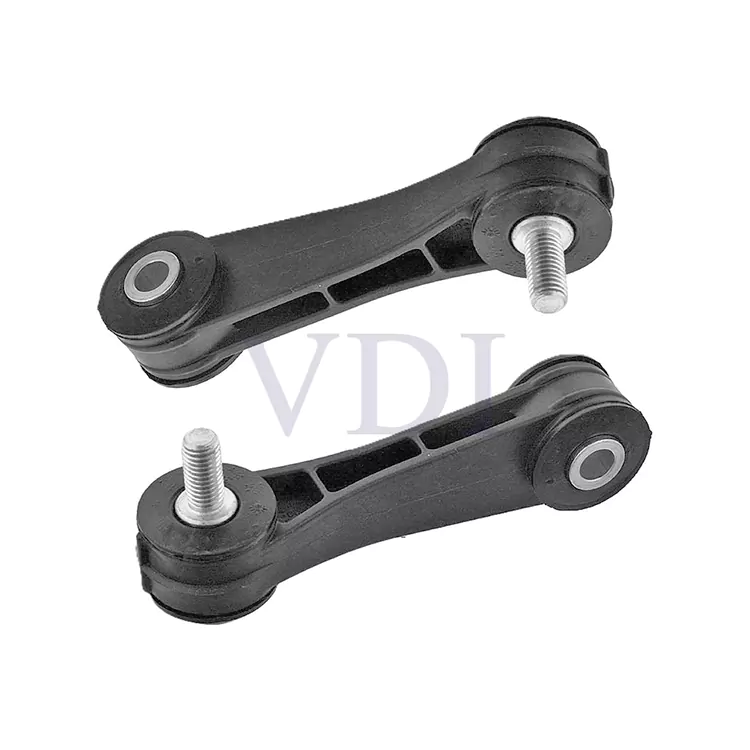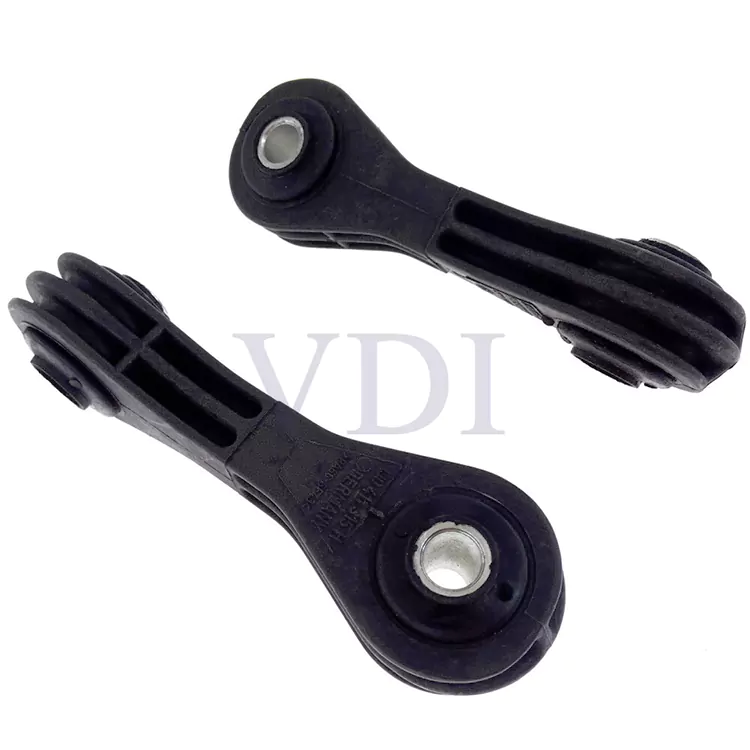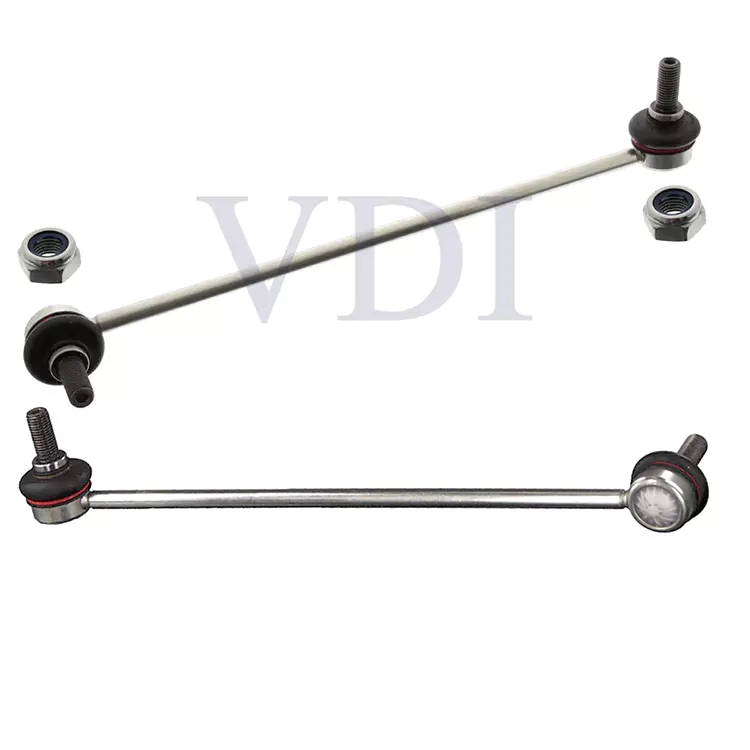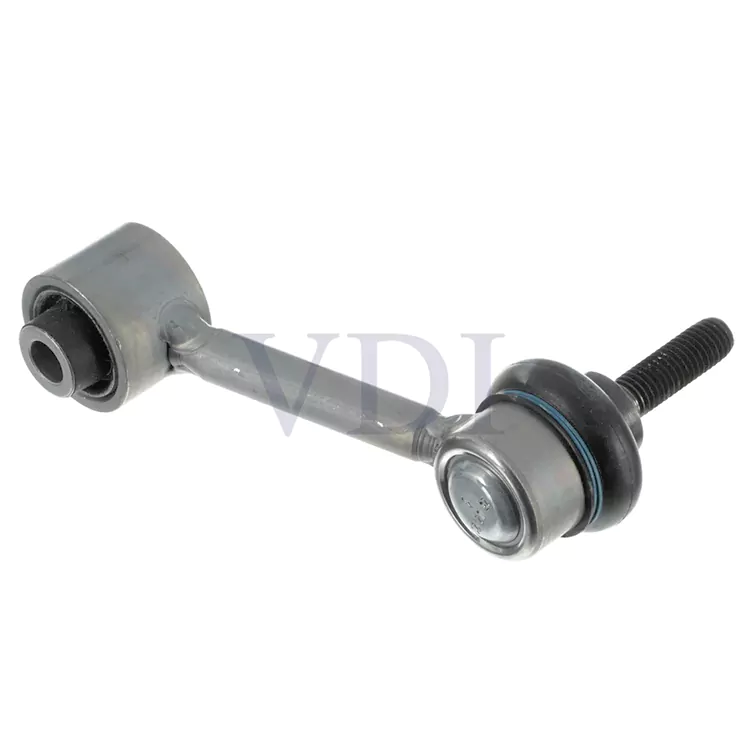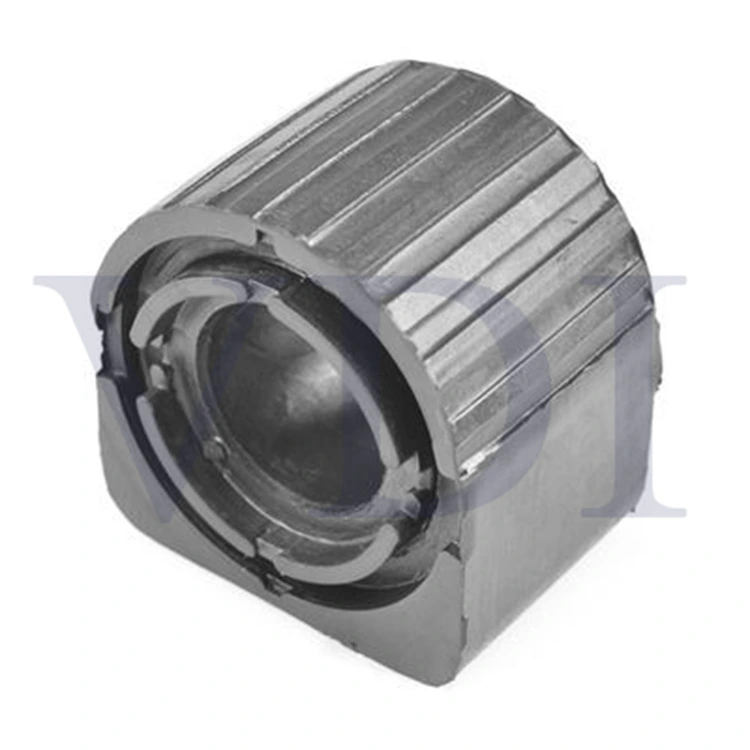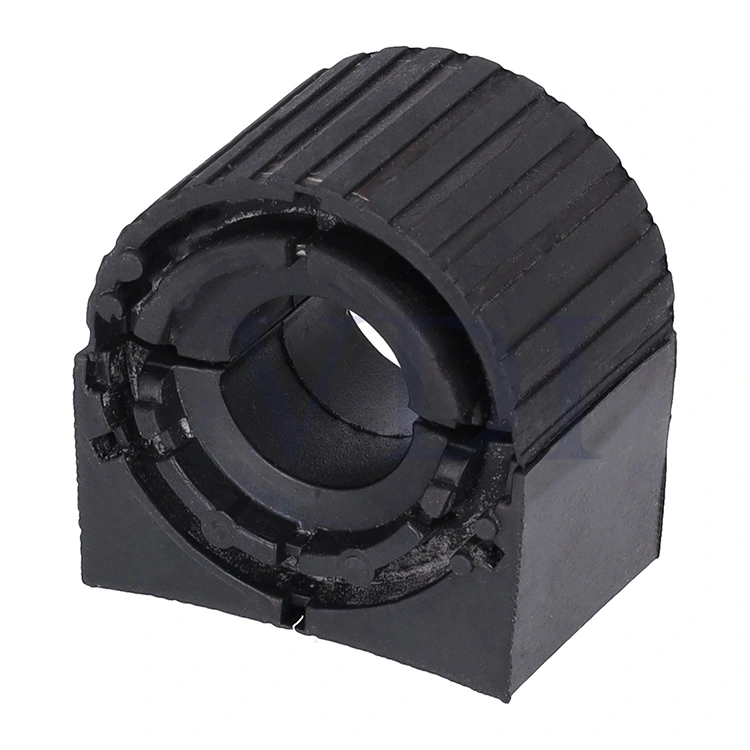

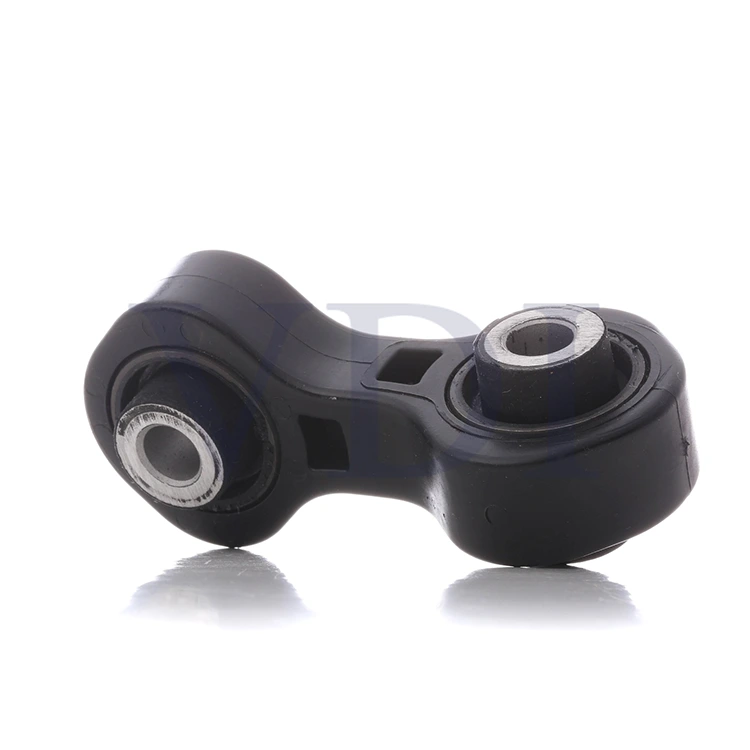
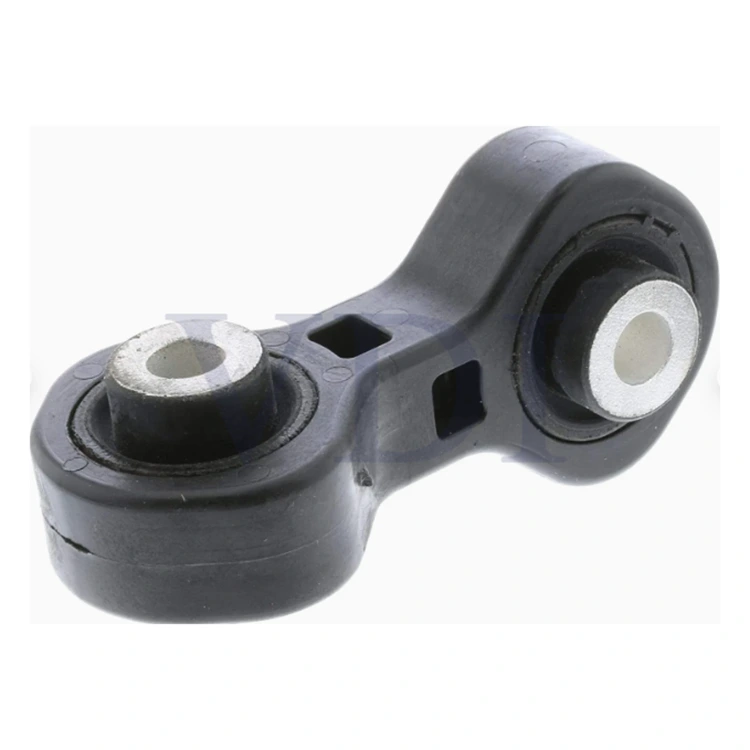
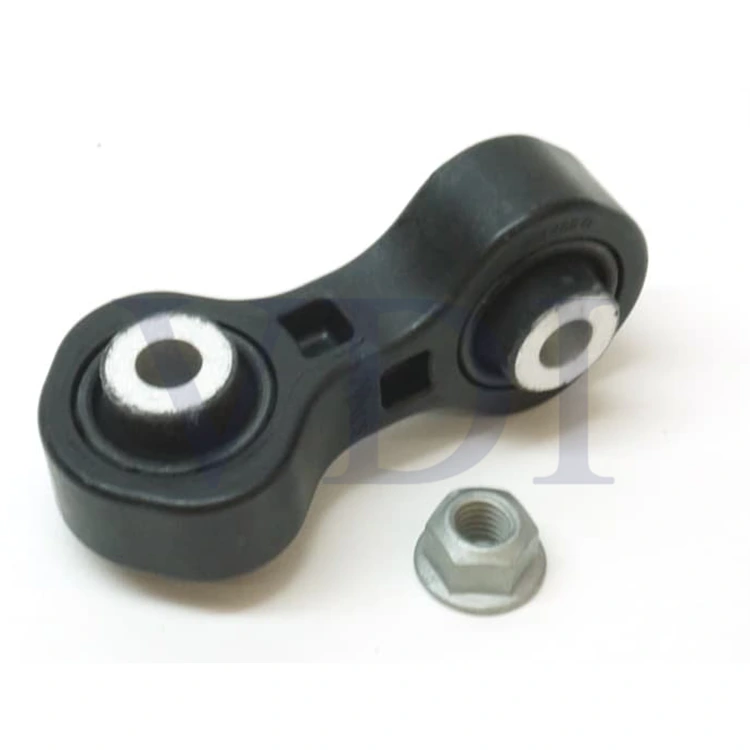
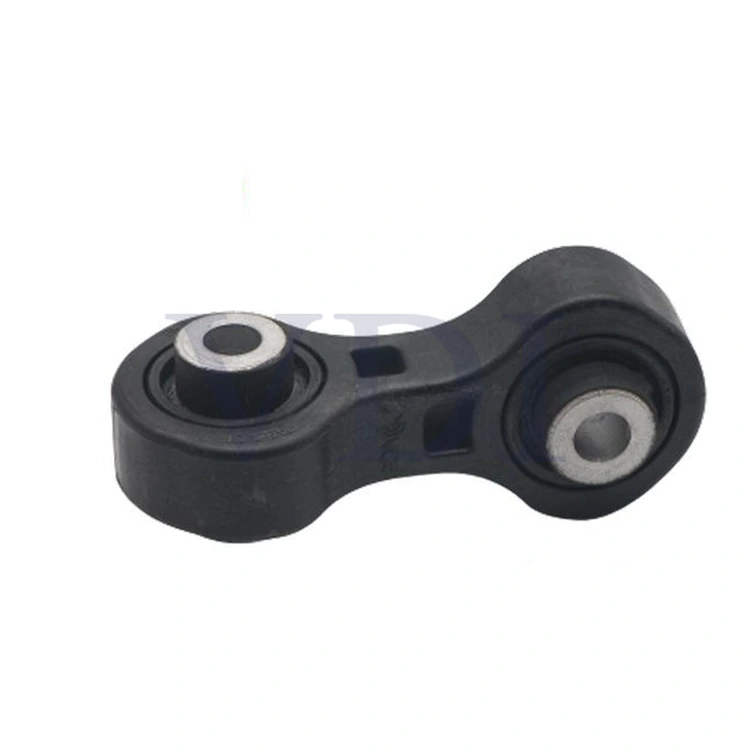
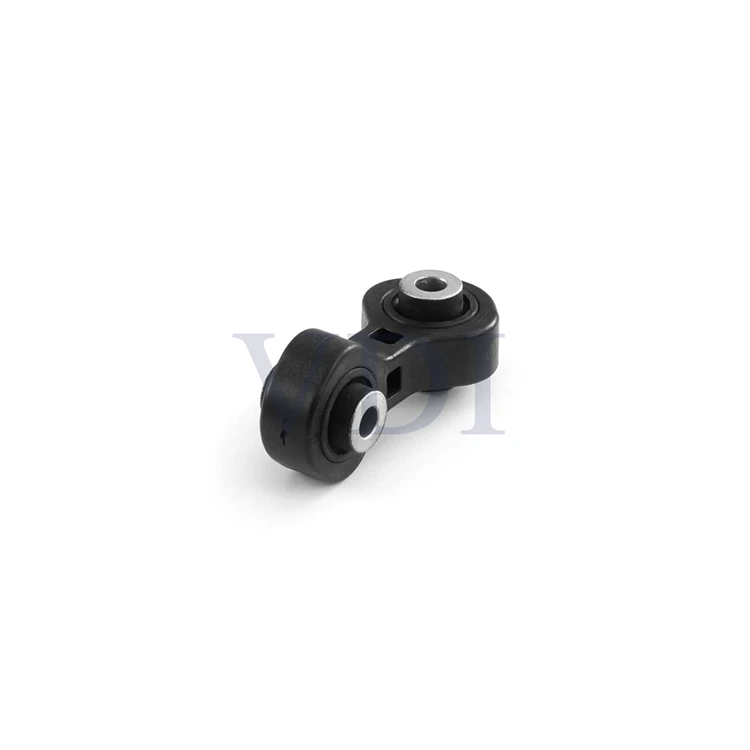
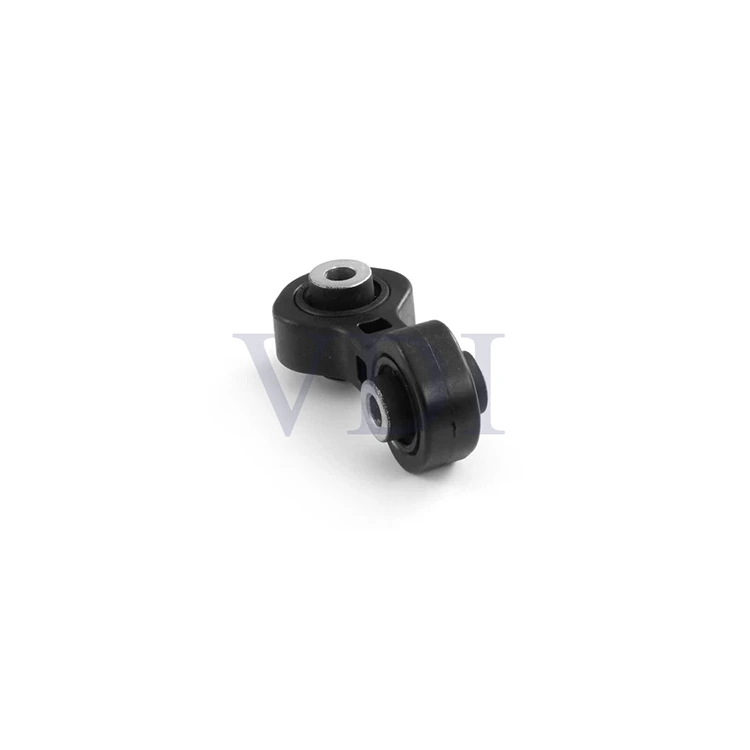
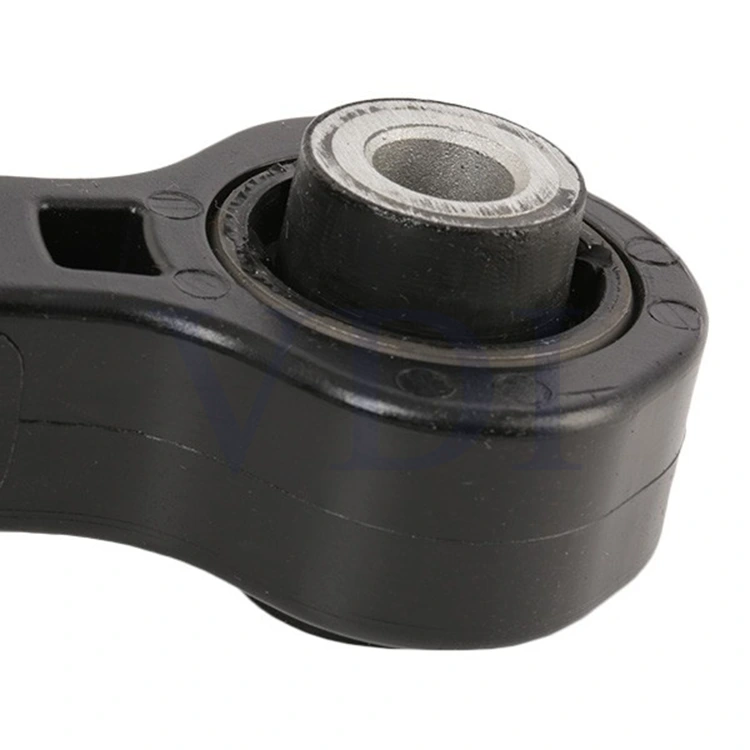
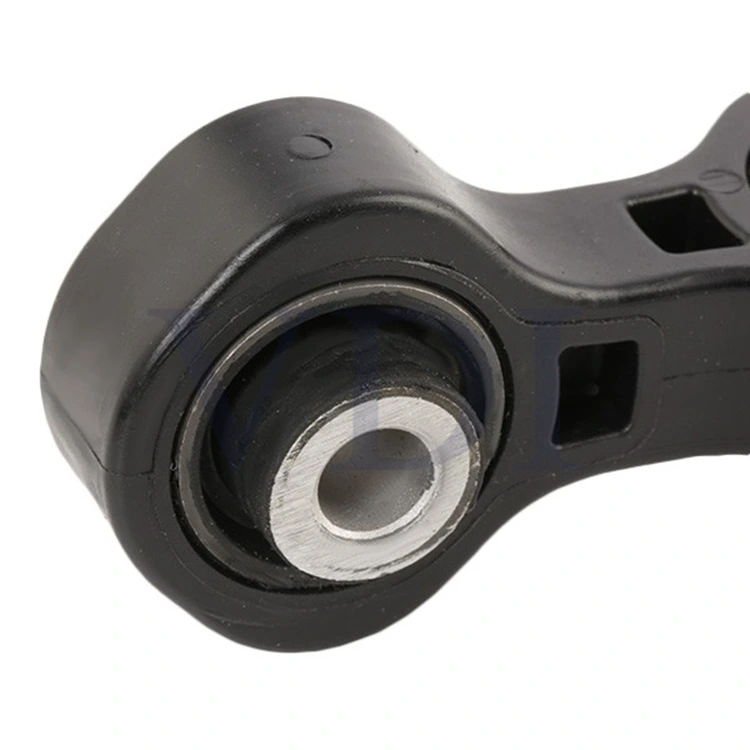
The Stabilizer Link 8K0505465E is designed to deliver enhanced suspension performance by minimizing body roll and improving overall stability. Built with premium-quality materials, it ensures exceptional durability and long-lasting use. Experience a better driving experience with reduced suspension noise and vibrations, providing a smoother and more comfortable ride. Additionally, its easy-to-install design saves time and effort, making it a practical and efficient choice for your vehicle.
8K0 505 465 G
Fit to:
AUDI A4L
AUDI Q5
● The Stabilizer Link 8K0505465E significantly enhances vehicle handling, especially on challenging road conditions or at high speeds.
● Reduces wear and tear on suspension components, lowering maintenance frequency and costs.
● Maintains vehicle stability, ensuring safety even during sharp turns or fast driving.
● Compatible with a wide range of vehicle models, offering reliability and efficiency.
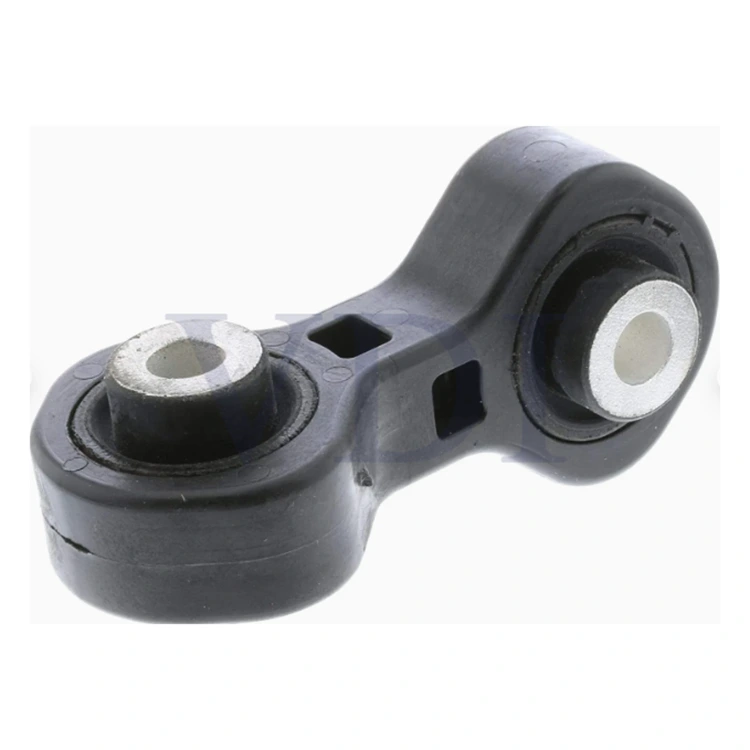
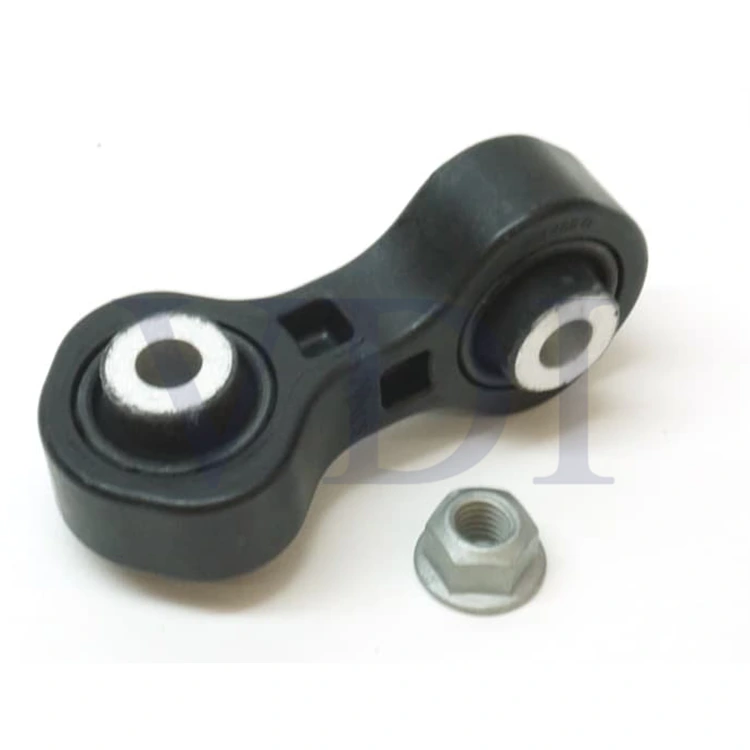
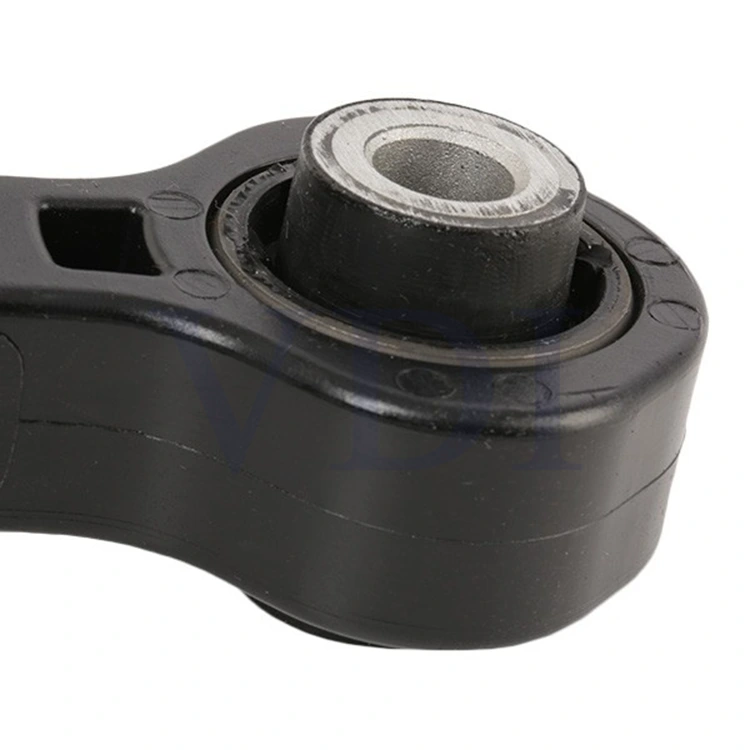
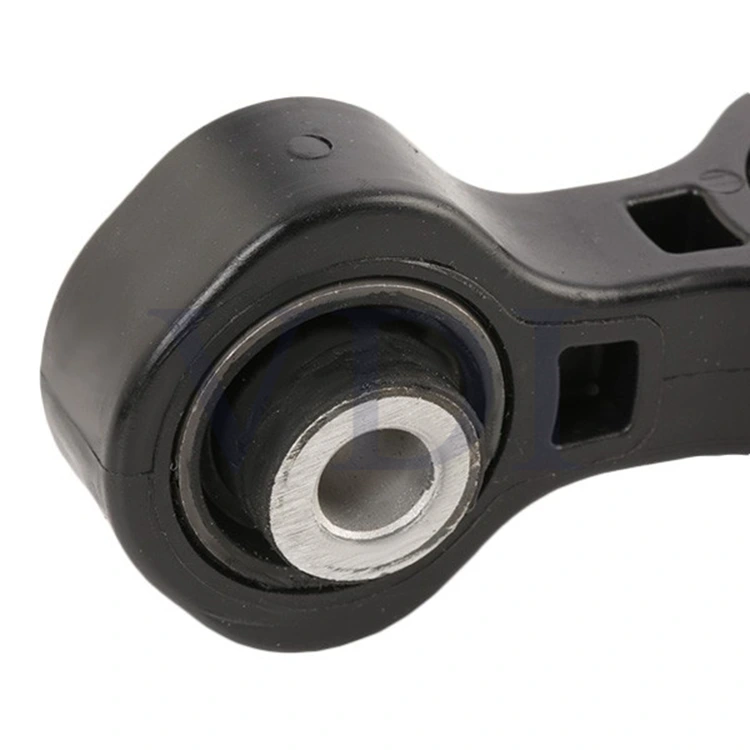
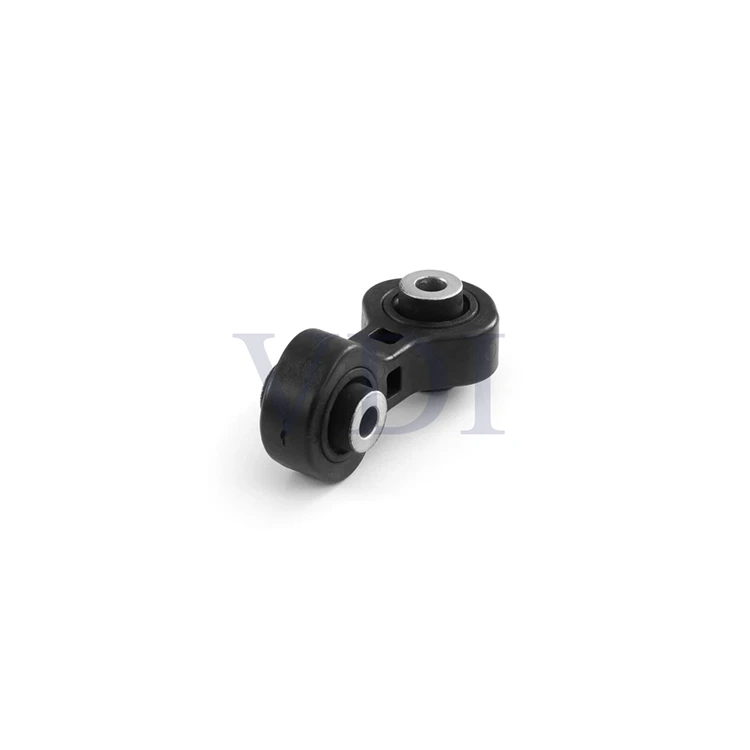
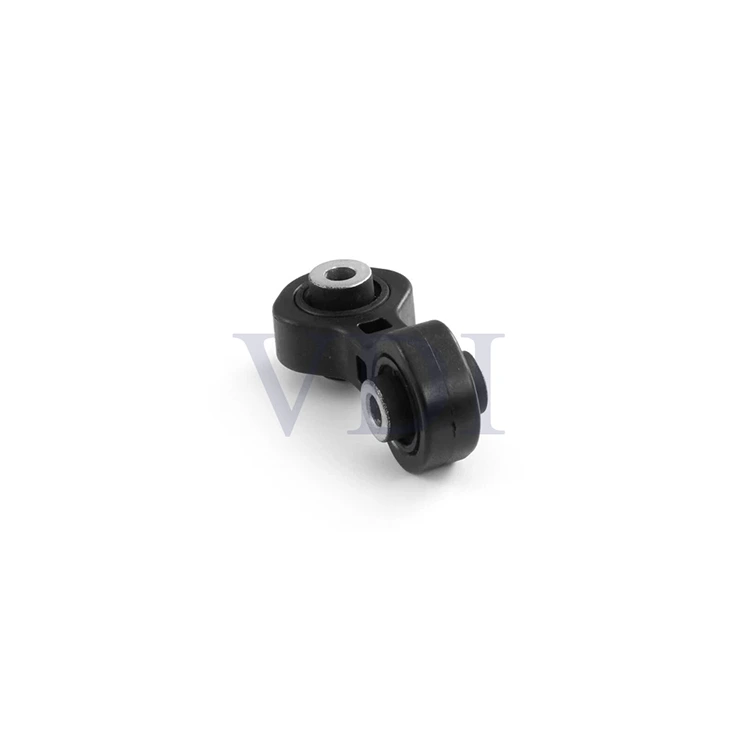
1. What Does a Sway Bar Link Actually Do? The sway bar link (also called stabilizer link, drop link, or anti-roll bar link) — like the super-popular Stabilizer Link 8K0505465E — connects the sway bar to the control arm or strut. Its job is huge:
● Stops body roll in corners
● Keeps tires planted on the road
● Makes steering feel sharp and safe
Every pothole, speed bump, or hard turn? That Stabilizer Link 8K0505465E is working overtime.
Top 3 Most Searched Symptoms of Bad Sway Bar Links in 2025
● Clunking / knocking over speed bumps & potholes
● Loose, floaty, or vague steering feel
● Excessive body roll when cornering
2. Must-Do Prep Before Installing (OEM + ASE Mechanic Rules Everyone Googles)Car position
● Wheels MUST hang completely free (on lift or jack stands)
● NEVER final-torque with wheels on the ground — this pre-loads the bushings and kills them fast
Part check
● Confirm Left vs Right (many links are side-specific)
● Check rubber boots for tears & ball stud for any play
Tools you absolutely need
● Correct hex/Allen wrench to hold the stud (stops it spinning)
● Torque wrench — no skipping this
● Never impact gun only — one person holds the stud, second person torques, or you destroy the ball joint
3. Step-by-Step Installation That Actually Works (2025 Updated – VW, Audi, BMW, Toyota, Honda)
|
Step |
Action |
Most Searched Pro Tip |
|
1 |
Remove old link |
Loosen sway bar side first to avoid twisting the bar |
|
2 |
Clean mounting surfaces |
Wire brush + brake cleaner — rust = clunk comeback |
|
3 |
Install newStabilizer Link 8K0505465E |
Hand-thread only — never hammer |
|
4 |
Finger-tighten nuts |
Just snug |
|
5 |
Lower car to ground |
MUST be at normal ride height |
|
6 |
Final torque |
One smooth pull with torque wrench (see chart) |
Golden Rule Every YouTube Video & Forum Repeats “Torque at Ride Height” — this single mistake causes 90 % of new links to clunk again in weeks.
4. 2025 Real-World Torque Specs Chart (Most Googled Models)
|
Vehicle Make / Platform |
Upper (Sway Bar Side) |
Lower (Control Arm/Strut) |
Notes |
|
VW / Audi MQB & MLB Evo (A3 8V/8Y, Golf 8, Q3, A4 B9, Q5) |
65 N·m + 90° |
40–50 N·m |
Always new nut on upper |
|
VW / Audi older (A3 8P, Golf 6/7, Passat B7) |
50 N·m + 90° |
50 N·m + 90° |
New nuts both ends |
|
BMW F & G Series |
65–70 N·m |
65–70 N·m |
New self-locking nuts every time |
|
Toyota / Honda / Mazda |
40–50 N·m |
40–50 N·m |
Some have factory thread locker |
|
GM / Chevrolet / Cadillac FWD |
45–55 N·m |
45–55 N·m |
Nuts reusable once |
|
Mercedes W205 / W213 / W206 |
60 N·m + 90° |
60 N·m |
Upper torque + angle |
Always double-check your exact year in the factory manual — wrong torque = instant clunk.
5. After-Install Checks (Do These or You’ll Be Back Under the Car)
· Visual: Stabilizer Link 8K0505465E straight, boot not crushed
· Bounce test: Push each corner — zero noise
· Full lock-to-lock steering: No rubbing or contact
· Road test over speed bumps & corners: Dead quiet + crisp handling
6. Top 5 Mistakes That Ruin Brand-New Links (OEM Warranty Stats 2025)
|
Mistake |
Real-World Result |
|
Torquing with wheels hanging |
Bushings twisted → clunk in 3–8 weeks |
|
Reusing old stretch/self-locking nuts |
Nut backs off → link falls off on the road |
|
Dirty/rusty mounting surfaces |
Bolts loosen → stress cracks |
|
Impact gun without holding stud |
Ball joint destroyed during install |
|
Hammering link into place |
Internal damage → noise returns fast |
Do it right once and your Stabilizer Link 8K0505465E + entire stabilizer bar assembly will stay silent for 100,000+ miles.
This article is for reference only. For specific solutions, please consult your local automotive repair engineer.
1. What Is a Sway Bar Link (Stabilizer Link)?
A sway bar link (also known as stabilizer link or anti-roll bar link) is an essential part of your vehicle’s suspension. It connects the sway bar to the control arm or strut, helping control body roll during turns, keeping the car level, improving cornering grip, and maintaining better tire contact with the road.
Danger: When sway bar links wear out or break, you’ll feel sloppy handling, hear loud clunking noises, and the vehicle becomes much less safe in sharp turns or emergency swerves.
2. Recommended Inspection Schedule for Sway Bar Links
(Based on ASE and most manufacturer guidelines)
● Everyday normal driving → Check every 2 years or 25,000 miles (40,000 km)
● Rough roads, potholes, towing, salted winter roads, off-road use → Every 1 year or 12,000 miles (20,000 km)
● Taxis, delivery vans, fleet vehicles → Inspect at every regular service interval
✅ Mechanic’s Tip: Never skip checking the sway bar links when doing brakes, tires, alignment, or any suspension work.
3. Common Symptoms & How to Test for Bad Sway Bar Links
(Always test with the car on a lift and wheels hanging free.
A. Visual Check
● Torn, split or completely missing rubber boots
● Heavy rust, bent rod, or damaged ball stud
● Rubber bushing pulling away from the metal sleeve
B. Hands-On Testing
1.Shake Test Grab the link and try to move it aggressively in every direction. → Healthy link: Almost zero movement and smooth feel → Bad link: Any looseness, play over 1 mm, or loud clunk/knock = immediate replacement
2.Drive Test Go slowly over speed bumps or potholes (10–20 mph). → Classic sign: Sharp metallic clunk or rattling from the front or rear suspension (usually both sides at once). Note: The noise is often mistaken for bad struts or control arm bushings — the shake test confirms it’s the sway bar links.
4. When You Must Replace Sway Bar Links
Replace right away if you notice:
● Any up/down or side-to-side play in the ball joint
● Torn or leaking dust boot (even if the joint still feels tight)
● Cracked, rock-hard or squeezed-out bushings
● Bent or severely rusted link rod
● Excessive body lean in corners or vague, floaty steering
Factory Recommendation: Always replace sway bar links in pairs (left + right) to keep handling balanced and predictable. Top-quality choice: Stabilizer Link 8K0505465E
5. Critical Installation Rules (Don’t Make These Mistakes)
❌ Never add grease Today’s sealed links like the 8K0505465E are 100% maintenance-free. Greasing them destroys the boot and ruins the internal lubricant.
❌ Never try to fix them Sway bar links are non-rebuildable. No welding, straightening, or new bushings allowed.
Torque only at normal ride height Final tightening must be done with the car sitting on its wheels (suspension loaded). Tightening on a lift twists the bushings and causes fast failure.
6. How to Pick a Safe, Long-Lasting Sway Bar Link
● Choose parts that meet or beat factory specs — the Stabilizer Link 8K0505465E is a proven OEM-level replacement.
● Look for ISO/TS 16949 certification
● Stay away from super-cheap generic brands — a failed ball joint can cause total loss of control
NHTSA Safety Alert: “Failed sway bar links greatly increase the chance of rollover during sudden lane changes or accident-avoidance maneuvers — especially in SUVs, vans and pickup trucks.”
7. Quick Recap – Must-Follow Rules
1.Inspect often, especially if you drive on bad roads
2.Diagnose properly: look + shake + drive test
3.Always change both sides together
4.Install the right way: no grease, torque on the ground, new nuts if provided
5.Use trusted, high-quality parts — the Stabilizer Link 8K0505465E is widely recommended by professional mechanics
This easy-to-follow, vehicle-universal guide is used worldwide by parts stores, independent shops, technical colleges, and online automotive content creators.
This article is for reference only. For specific solutions, please consult your local automotive repair engineer.
We provide not only a comprehensive product manual and installation guide for the Stabilizer Link 8K0505465E, but also reliable technical support services. If you face any installation challenges, feel free to contact our professional technical team. We are here to offer detailed guidance to ensure correct installation and to maximize the performance of the Stabilizer Link 8K0505465E.