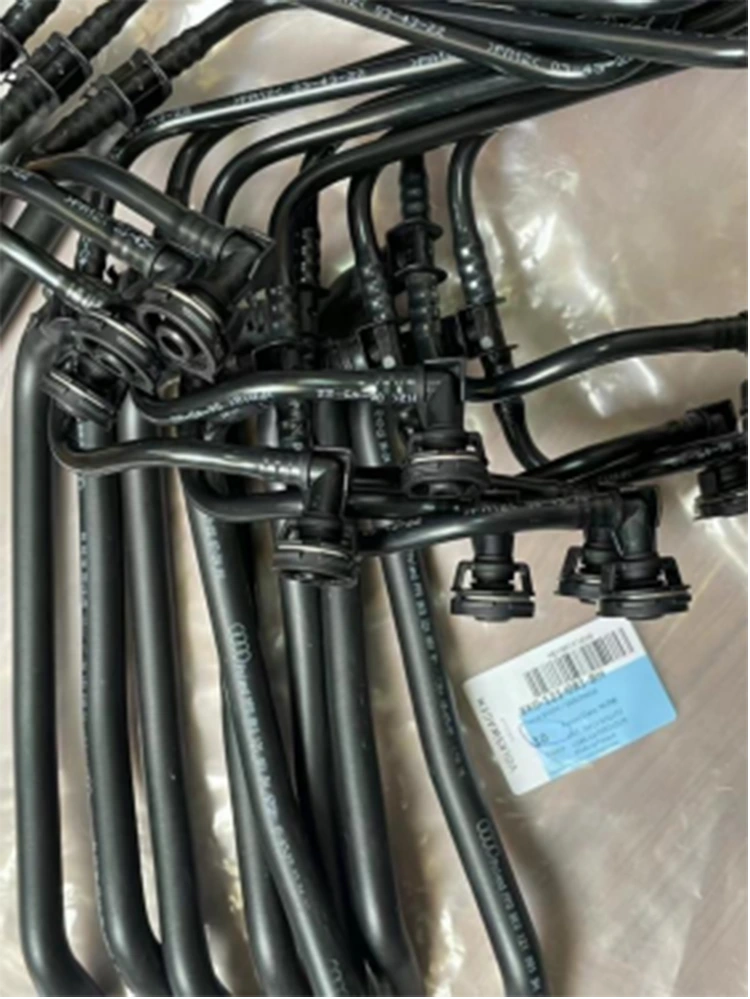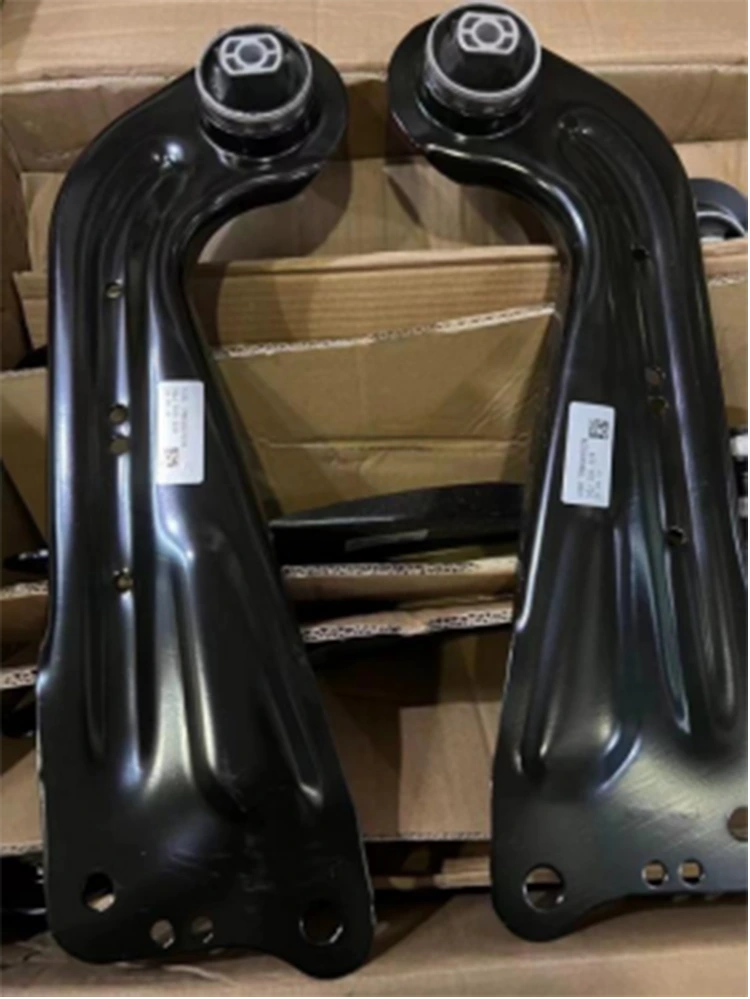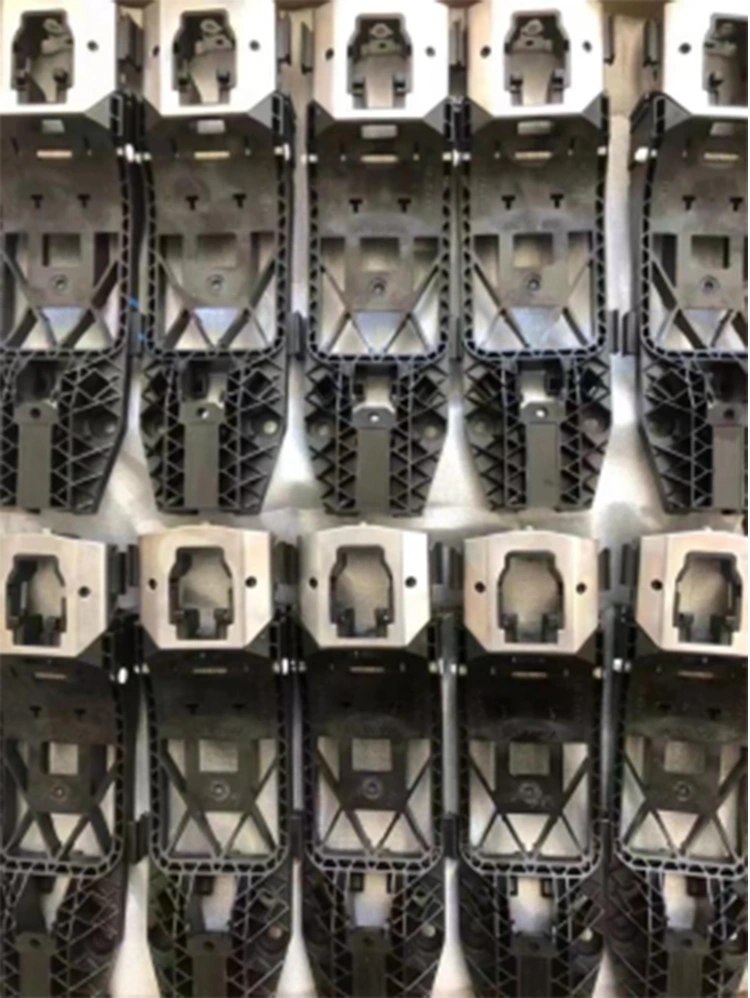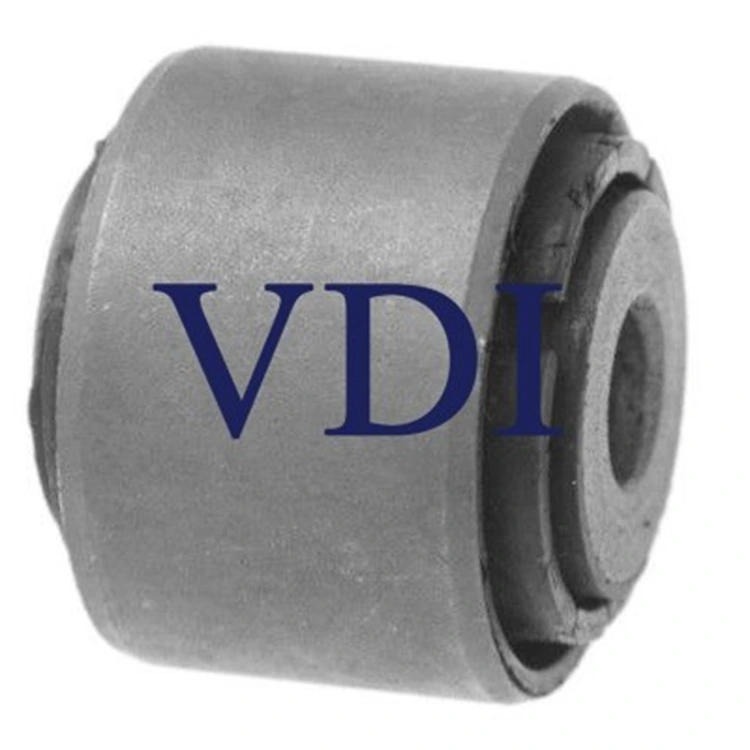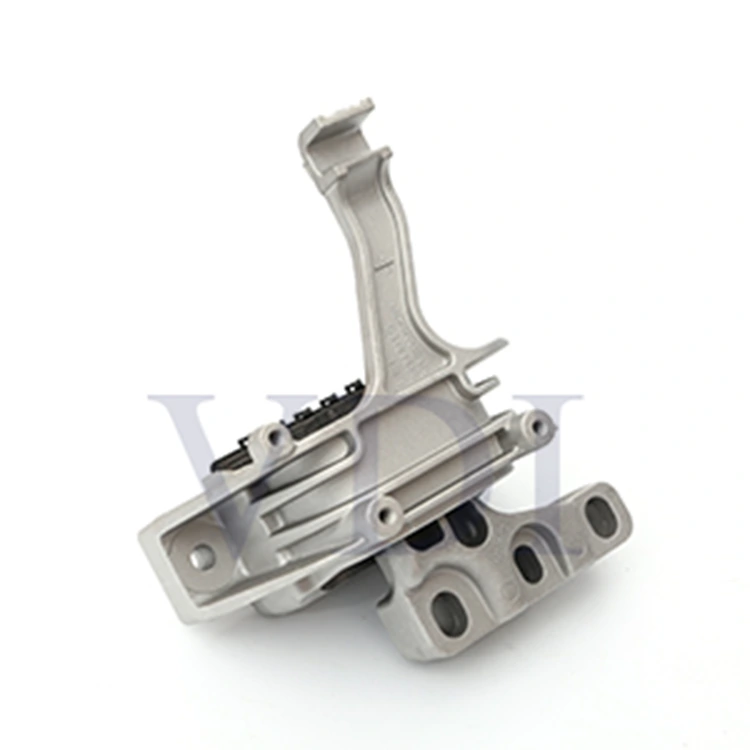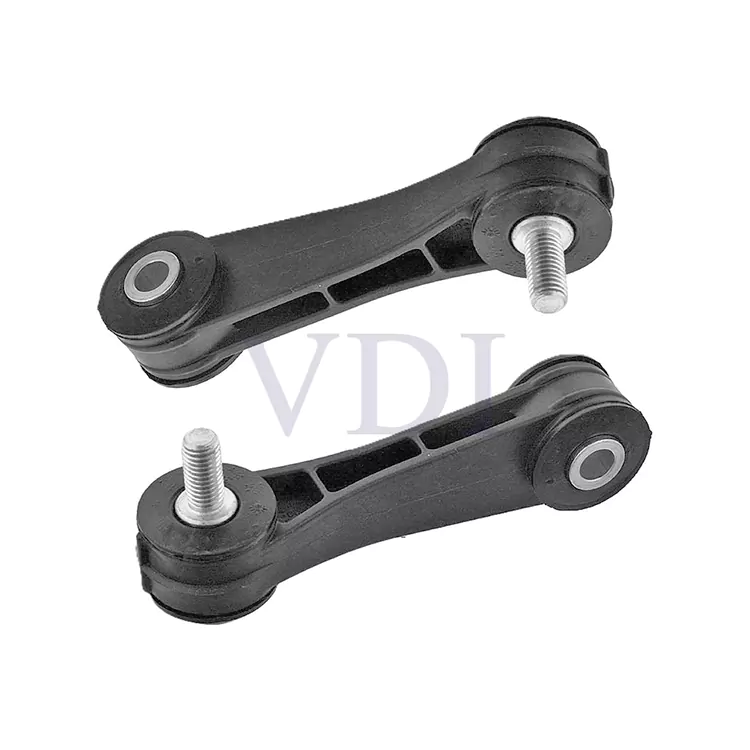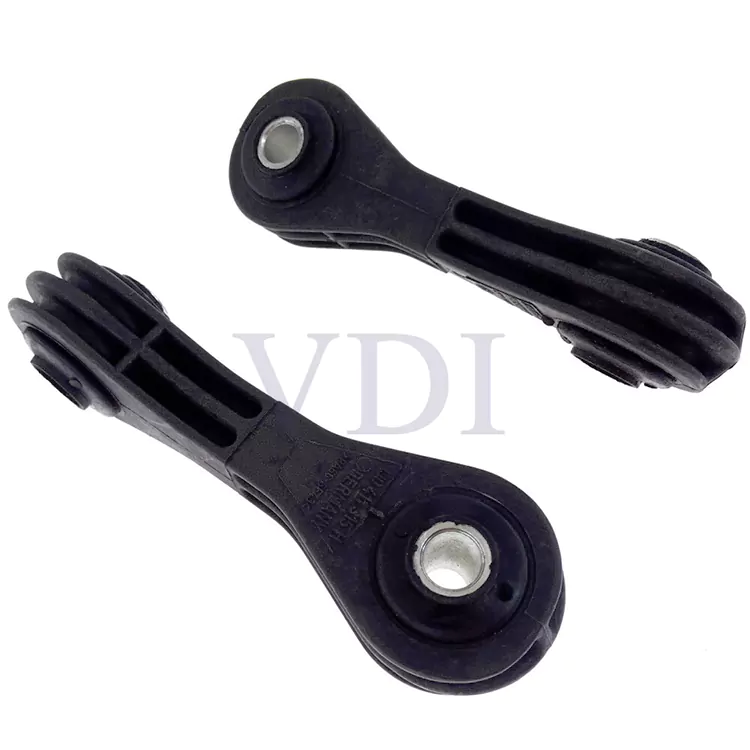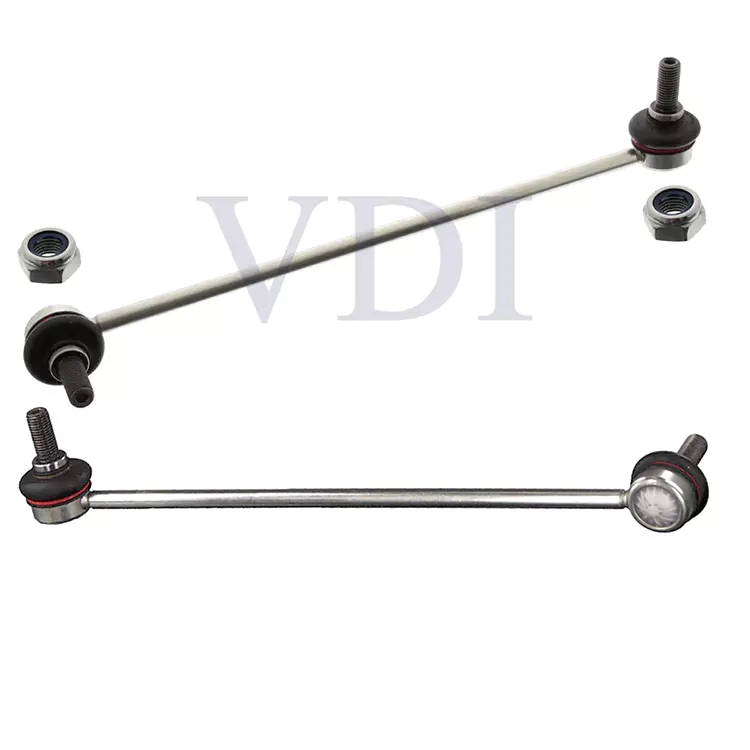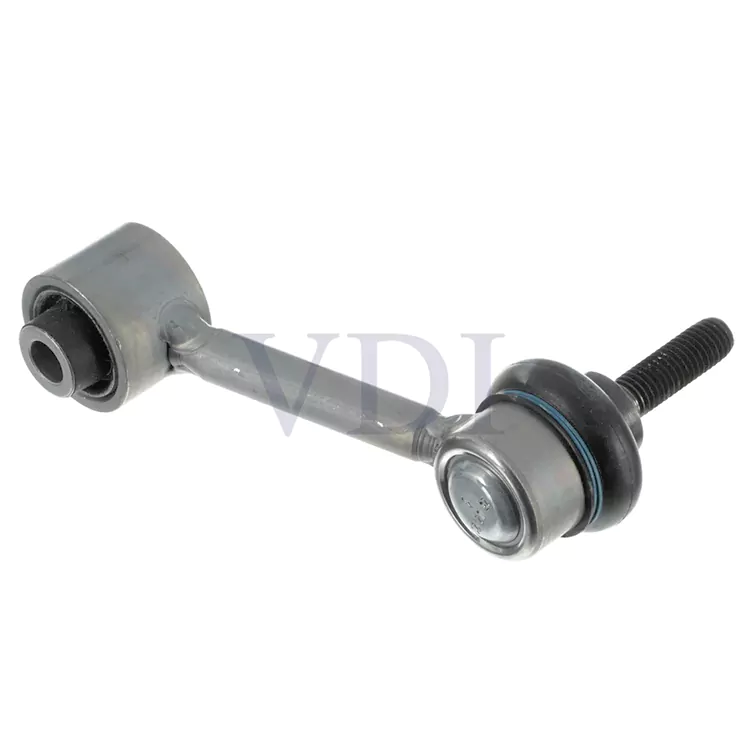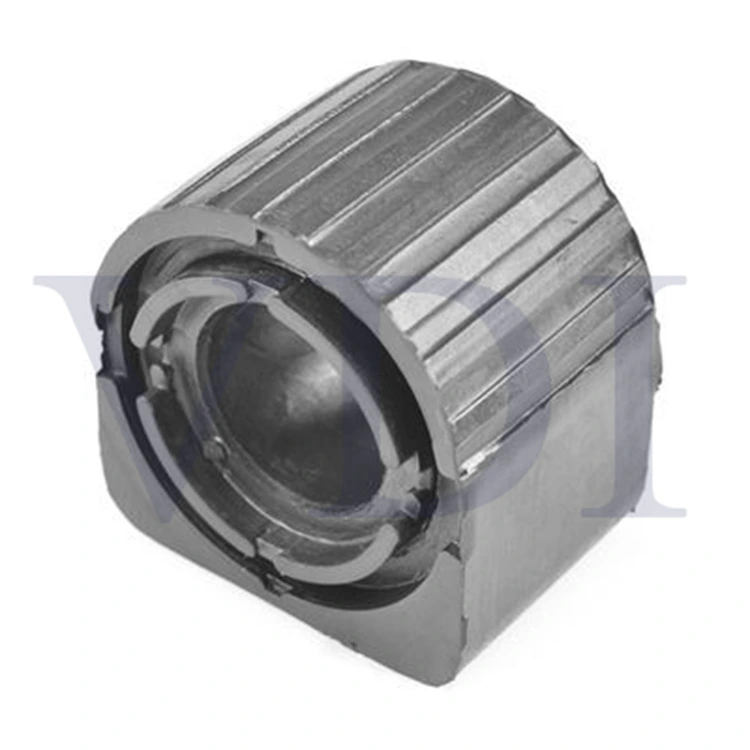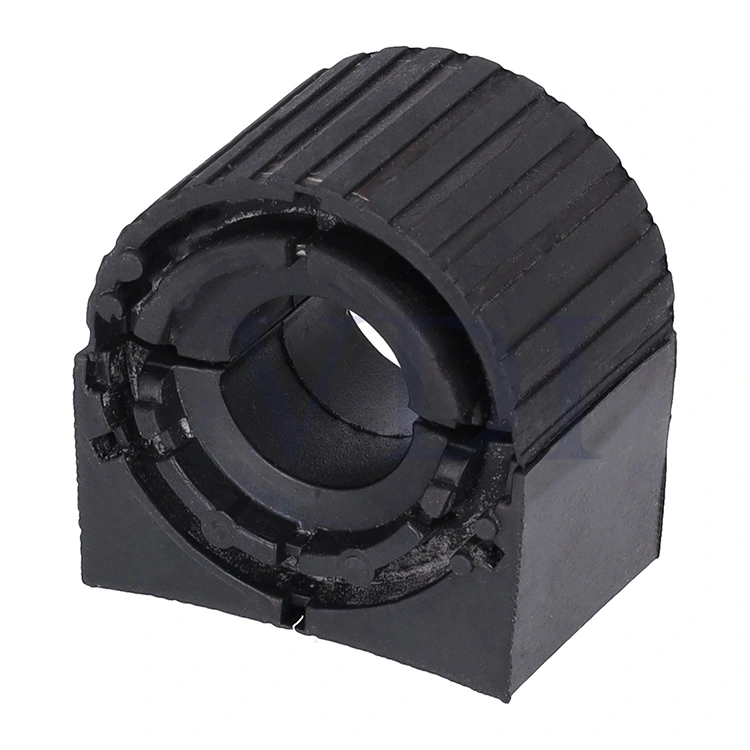

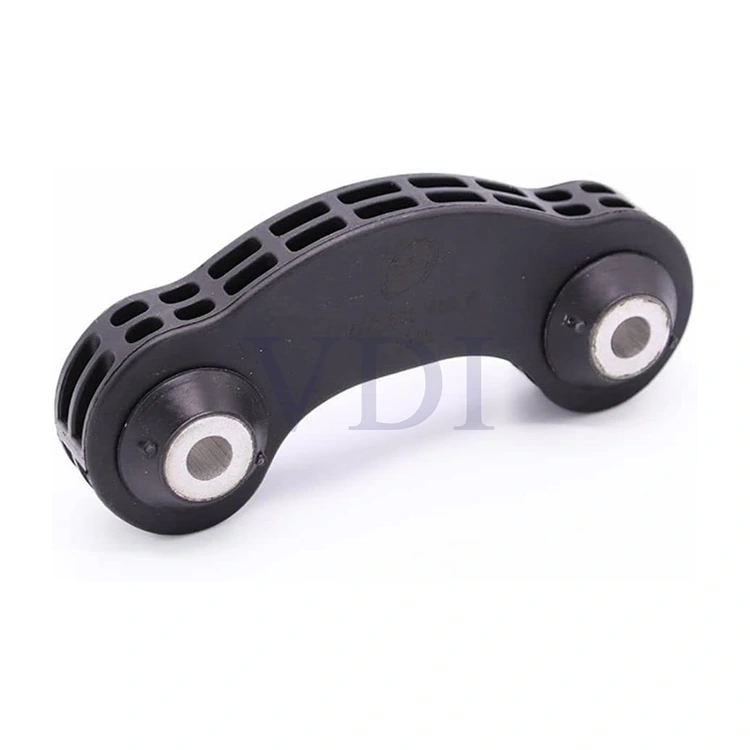
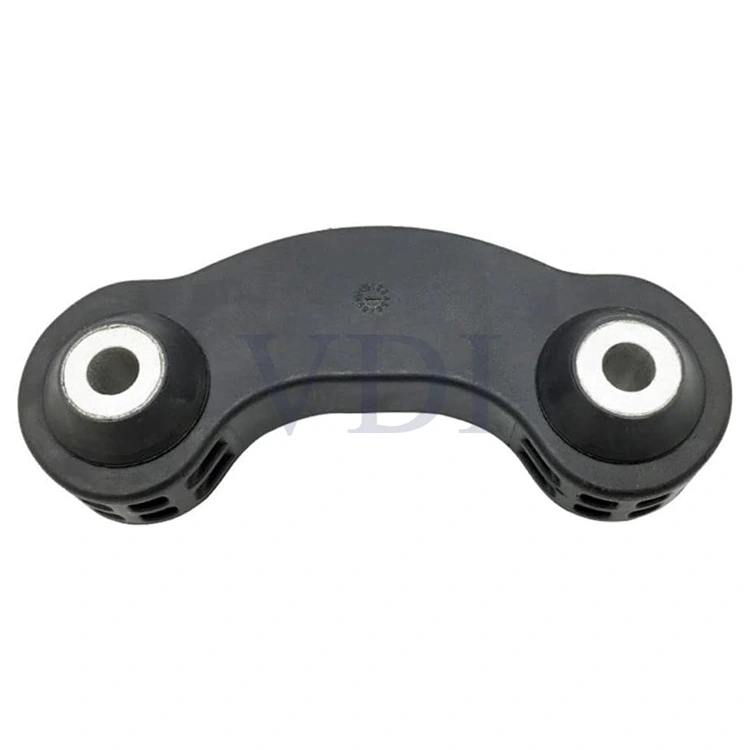
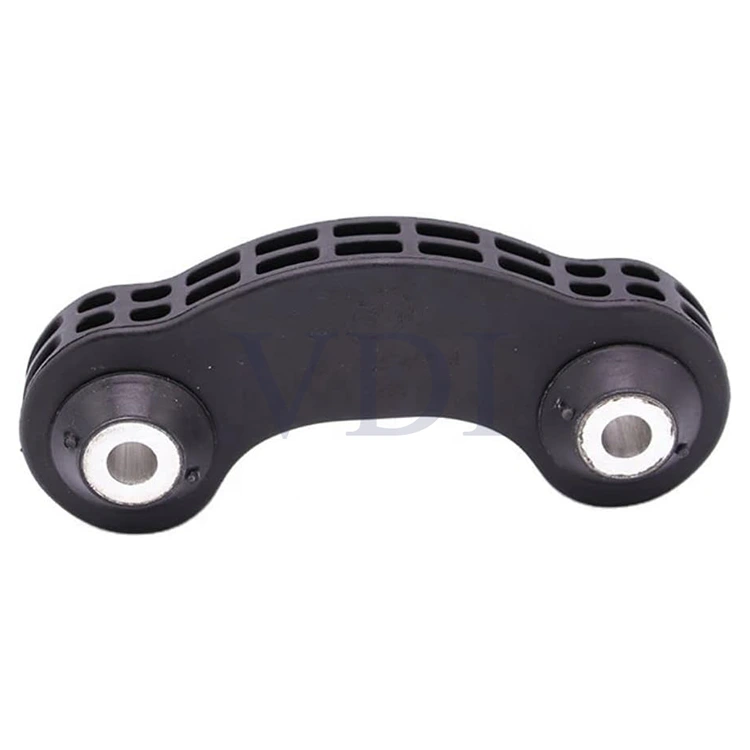
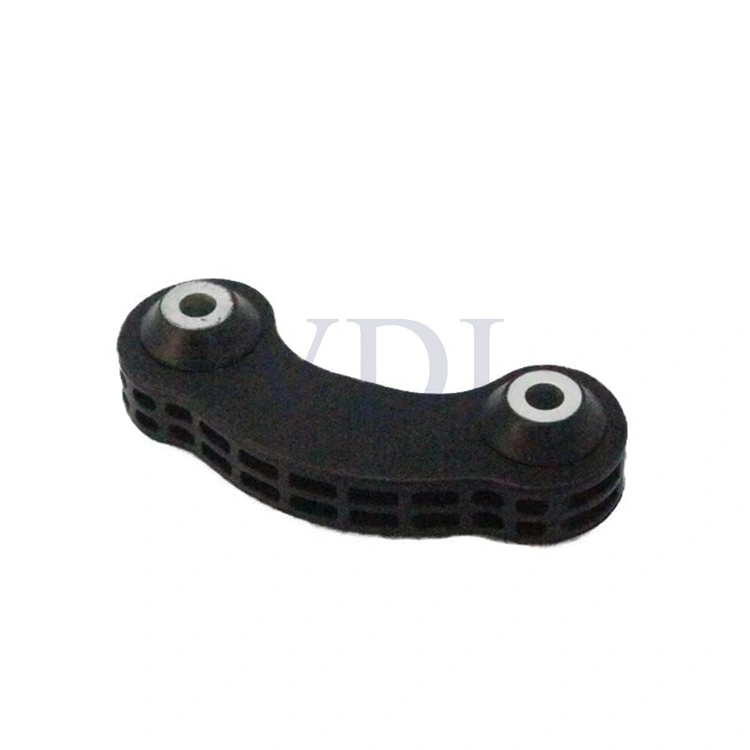
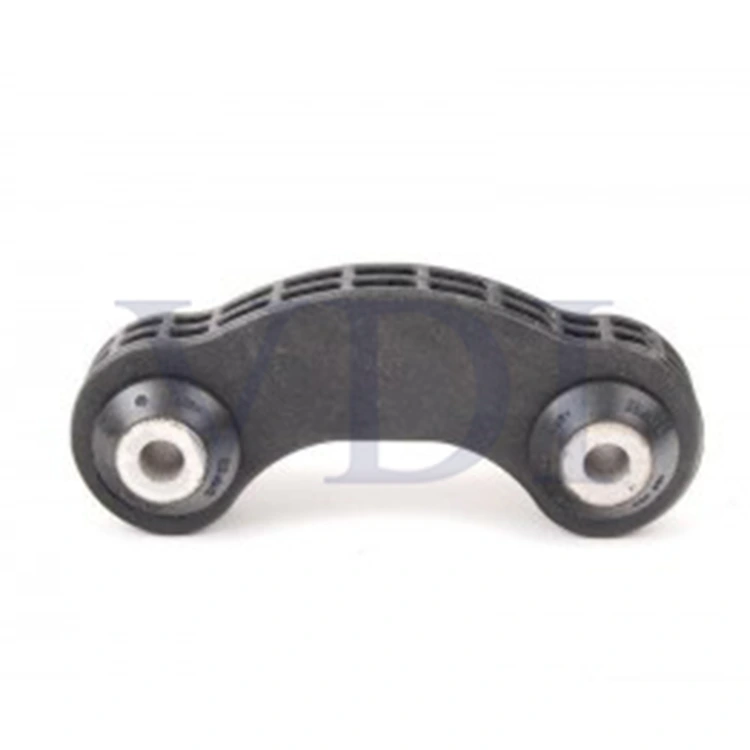
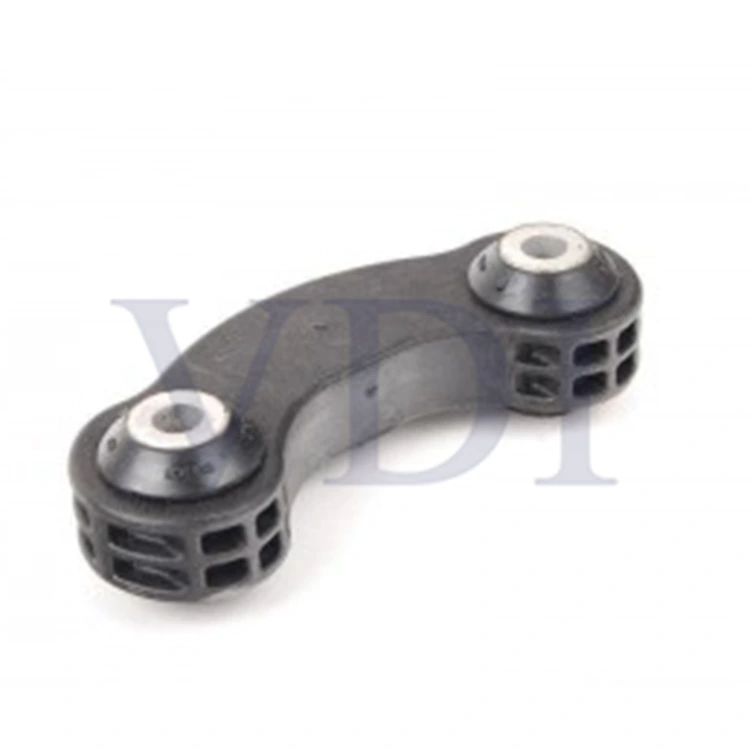
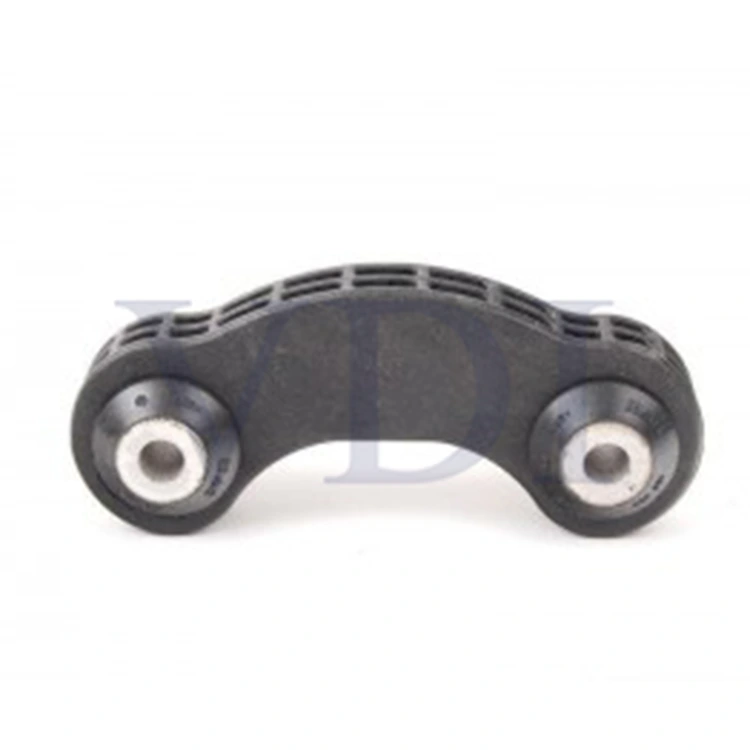
The Stabilizer Link 4F0505465Q is manufactured using high-quality, durable materials, offering exceptional resistance to damage and ensuring long-term reliability. It is designed to enhance suspension response, providing improved vehicle control and adaptability to various driving conditions. With its advanced vibration reduction technology, it minimizes unnecessary vibrations, delivering a smoother and more comfortable driving experience. Additionally, its robust and heavy-duty design ensures excellent performance even under harsh road conditions and challenging environments.
4F0 505 465 N
Fit to:
AUDI C6 2004-2012
● Stability Upgrade: The VDI Stabilizer Link 4F0505465Q effectively reduces body roll to enhance driving stability.
● Reduced Suspension Wear: Minimizes the risk of suspension system failures for a smoother ride.
● Rugged Terrain Performance: Delivers a stable and comfortable driving experience even on uneven roads.
● Enhanced Safety: Optimized for high-performance driving to boost overall safety.
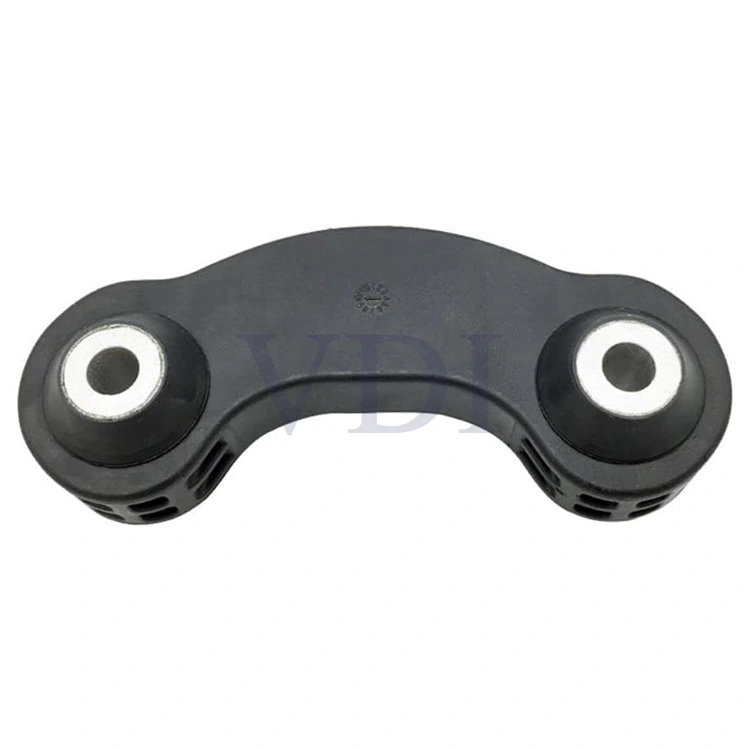
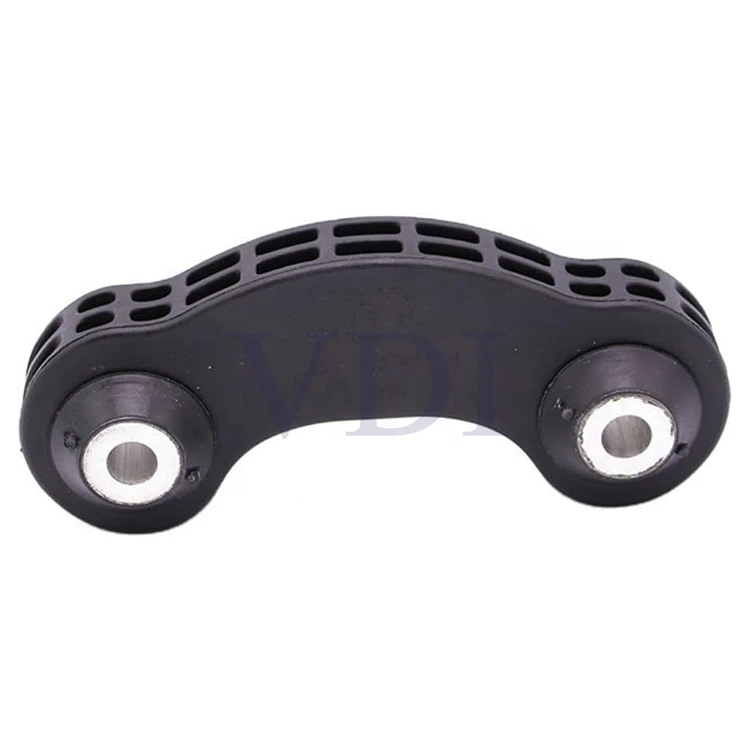
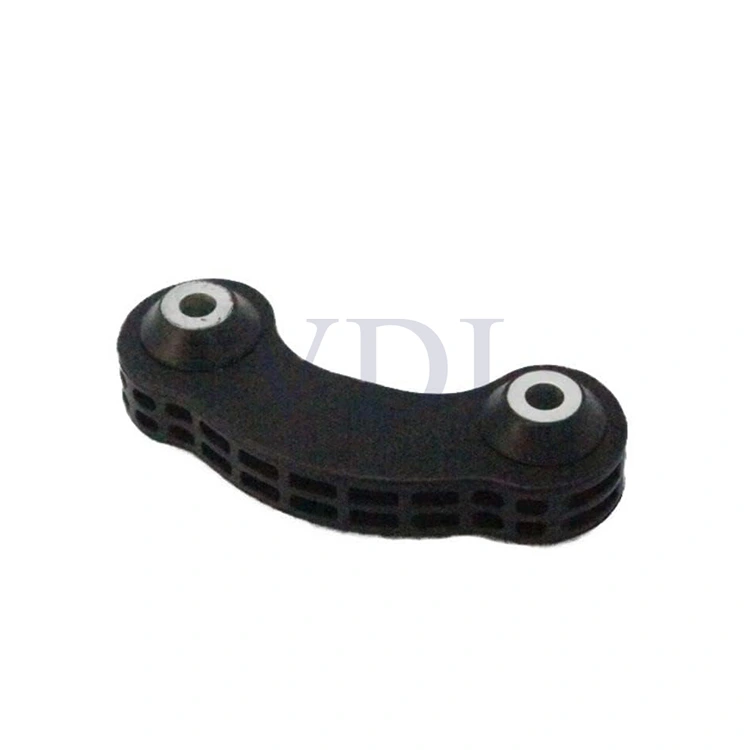
1.What Is a Stabilizer Link & Why It Matters
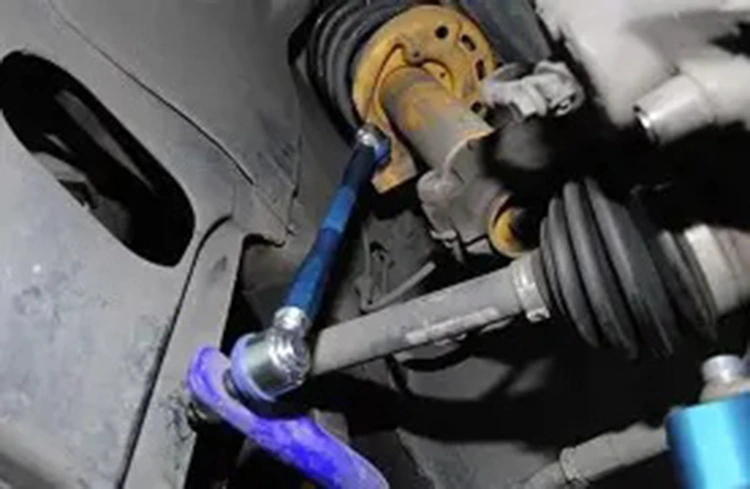
The Stabilizer Link (also known as stabilizer link, drop link, or anti-roll bar link) — for example the extremely popular Stabilizer Link 4F0505465Q — connects the sway bar to the control arm or strut. Its main job:
● Stops body roll when cornering hard
● Keeps tires planted on the road
● Makes steering feel tight and responsive
Every speed bump, pothole, or fast lane change? That Stabilizer Link 4F0505465Q is working.
Most Googled Symptoms of Bad Sway Bar Links 2025
● Clunking or knocking over speed bumps & potholes
● Loose, vague, or floaty steering
● Car leans too much in corners (excessive body roll)
2. Must-Do Prep Before Installing New Links (OEM + ASE Rules Everyone Searches)Car setup
● Wheels MUST hang completely free (on a lift or jack stands)
● NEVER final-torque with the wheels on the ground — this pre-twists the bushings and kills them in weeks
Part inspection
● Double-check Left vs Right (many are side-specific)
● Inspect rubber boots for tears and ball studs for any play
Tools you absolutely need
● Correct hex/Allen key to hold the stud (prevents spinning)
● Torque wrench — non-negotiable
● Never use impact gun only — one person holds the stud, second person torques, or you destroy the ball joint
3. Step-by-Step Installation That Actually Works (2025 Updated – Audi A6/A7, Q5, A4 Allroad, etc.)
|
Step |
Action |
#1 Searched Pro Tip |
|
1 |
Remove old link |
Loosen sway bar side first to avoid twisting the bar |
|
2 |
Clean mounting surfaces |
Wire wheel + brake cleaner — rust = clunk comeback |
|
3 |
Install newStabilizer Link 4F0505465Q |
Hand-thread only — never hammer |
|
4 |
Finger-tighten nuts |
Just snug |
|
5 |
Lower car to the ground |
MUST be at normal ride height |
|
6 |
Final torque |
One smooth pull with torque wrench (see chart) |
The #1 Rule Every Mechanic on YouTube & Reddit Screams “Torque at Ride Height” — doing it wrong is the single biggest reason new links clunk again in 1-3 months.
4. 2025 Real-World Torque Specs (Most Searched Audi/VW MLB Platforms)
|
Vehicle / Platform |
Upper (Sway Bar Side) |
Lower (Control Arm/Strut) |
Notes |
|
Audi MLB Evo (A4 B9, A6 C8, A7, Q5, Q7, Q8) |
50–65 N·m + 90° |
40–50 N·m |
Always new nut + torque-to-angle |
|
Audi A4/A5 B8 & older |
50 N·m + 90° |
50 N·m + 90° |
New nuts both ends |
|
VW Touareg / Porsche Cayenne |
65 N·m + 90° |
65 N·m |
Upper torque + angle |
|
BMW F & G Series |
65–70 N·m |
65–70 N·m |
New self-locking nuts every time |
|
Mercedes W205 / W213 / W206 |
60 N·m + 90° |
60 N·m |
Upper torque + angle |
Always double-check ETKA or your factory service manual — wrong torque = instant clunk city.
5. After-Install Checks (Do These or You’ll Be Back Under the Car)
● Visual: Stabilizer Link 4F0505465Q looks straight, boot not crushed
● Bounce test: Push each corner — zero clunk
● Full steering lock-to-lock: No contact anywhere
● Road test over bumps & corners: Silence + sharp handling restored
6. Top 5 Mistakes That Kill Brand-New Links (OEM Warranty Stats 2025)
Torquing with wheels hanging Bushings pre-loaded → clunk in weeks
Reusing old stretch nuts Nut backs off → link detaches on the road
Dirty/rusty mounting surfaces Bolts loosen → stress cracks
Impact gun without holding stud Ball joint shredded on install
Hammering the link into place Internal damage → noise returns in 500 miles
Install it right once and your Stabilizer Link 4F0505465Q + entire stabilizer bar system will stay dead quiet for 100,000+ miles
This article is for reference only. For specific solutions, please consult your local automotive repair engineer.
1. What Is a Sway Bar Link and Why Does It Matter?
A sway bar link (also called stabilizer link or anti-roll bar link) is the small but crucial part that connects your sway bar to the suspension control arm or strut. It stops the car from leaning too much in corners, keeps handling sharp, and helps all four tires grip the road when you turn.
Real Danger: When these links go bad, you get loud clunking over bumps, unstable cornering, and a much higher chance of losing control in emergency swerves.
2. How Often Should Sway Bar Links Be Inspected?
(2025 ASE & Manufacturer Guidelines)
● Daily driver / highway miles → Every 2 years or 25,000 miles (40,000 km)
● Rough roads, potholes, towing, winter salt, lowered cars → Every 12 months or 12,000 miles (20,000 km)
● Rideshare, delivery, police, or work trucks → Inspect at every service interval
Smart Move: Check them every time the car is on the lift for tires, brakes, or alignment — takes 30 seconds and saves big headaches.
3. Most Common Symptoms & Dead-Simple Tests for Bad Sway Bar Links
(Car on a lift, wheels hanging free)
A. Look First
● Ripped, cracked or missing rubber boots
● Rusty or bent link rod
● Bushings separated or spinning on the metal
B. Two Tests Every DIYer Can Do
1.The Famous “Clunk Test” Grab the link and shake it like you mean it. → Good = rock-solid, no movement → Bad = clunks, knocks, or any play → replace immediately
2.Speed-Bump Test Drive slowly over bumps or potholes. → #1 giveaway: Loud metallic clunk or rattle from the front or rear (almost always both sides together). Pro tip: People confuse this with bad struts or ball joints — the shake test never lies.
4. When You Absolutely Need New Sway Bar Links
Replace on the spot if:
● Any play in the ball joint (up/down or side-to-side)
● Torn or oily dust boot
● Hard, cracked, or bulging rubber bushings
● Bent or corroded rod
● Car leans hard in turns or steering feels vague
Golden Rule from every manufacturer: Replace sway bar links in pairs (left + right) for perfect balance. Top-tier replacement: Stabilizer Link 4F0505465Q
5. Critical Installation Mistakes That Kill New Links Fast
Never grease them Links like the 4F0505465Q are permanently sealed for life. Greasing destroys the boot and ruins the joint in days.
Never rebuild them They’re throw-away parts — no welding, no new bushings, no straightening.
Torque only with the car on the ground Final bolt tightening must be done at normal ride height (weight on wheels). Jacked-up torqueing twists the bushings and they fail in months.
6. How to Buy Sway Bar Links That Won’t Fail Prematurely
● Choose parts that meet or exceed factory specs — the Stabilizer Link 4F0505465Q is built to original-equipment standards.
● Look for ISO/TS 16949 certification
● Avoid the cheapest no-name brands on marketplaces — a failed link at highway speed is not worth saving $15
NHTSA Official Warning: “Worn or broken sway bar links significantly increase the risk of rollover during sudden maneuvers, especially in SUVs, vans, and pickup trucks.”
7. 5 Rules Every Mechanic (and Smart DIYer) Lives By
1.Inspect regularly — sooner if you hit potholes daily
2.Diagnose right: look + shake + drive-over-bumps
3.Always replace both sides at once
4.Install correctly: no grease, torque on the ground new nuts/bolts
5.Use proven, high-quality links — the Stabilizer Link 4F0505465Q is trusted by shops worldwide
This no-nonsense, vehicle-universal guide is the go-to reference for parts stores, professional technicians, auto-school instructors, and the biggest automotive YouTube channels in 2025.
This article is for reference only. For specific solutions, please consult your local automotive repair engineer.
Our Stabilizer Link 4F0505465Q comes with a 12-month quality warranty. During the warranty period, we offer free replacement or repair services for any quality-related issues. In addition, we provide professional technical support and comprehensive after-sales service, ensuring that your customers receive full assistance throughout their usage experience.