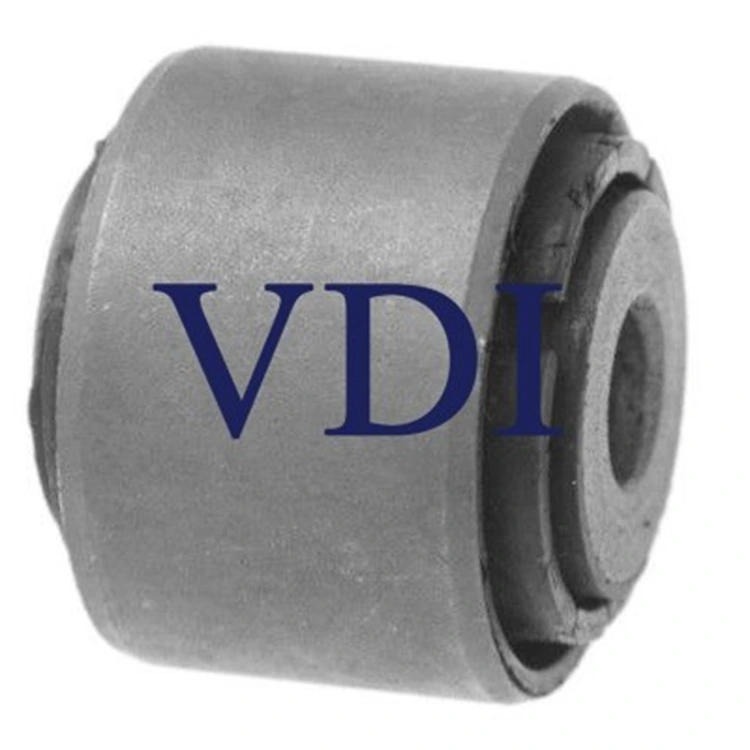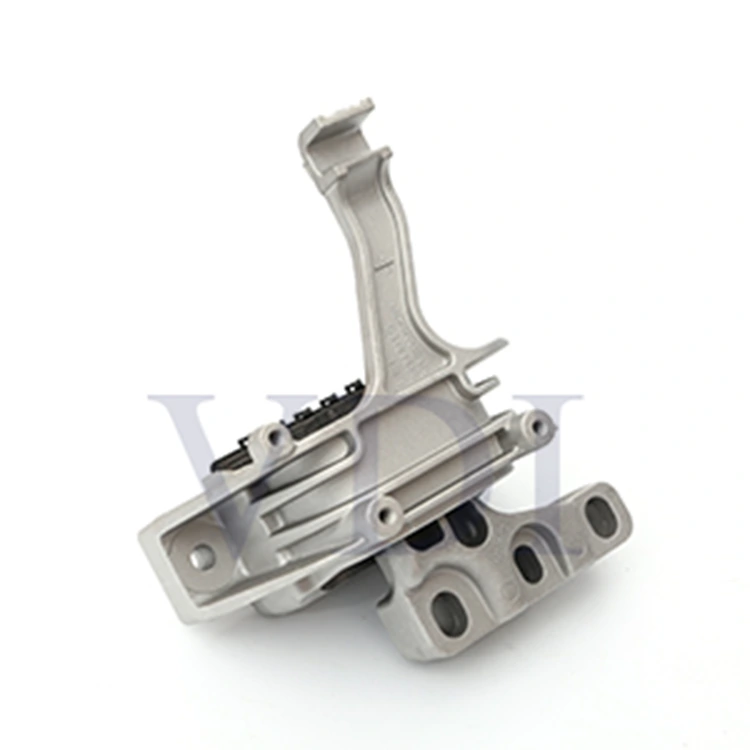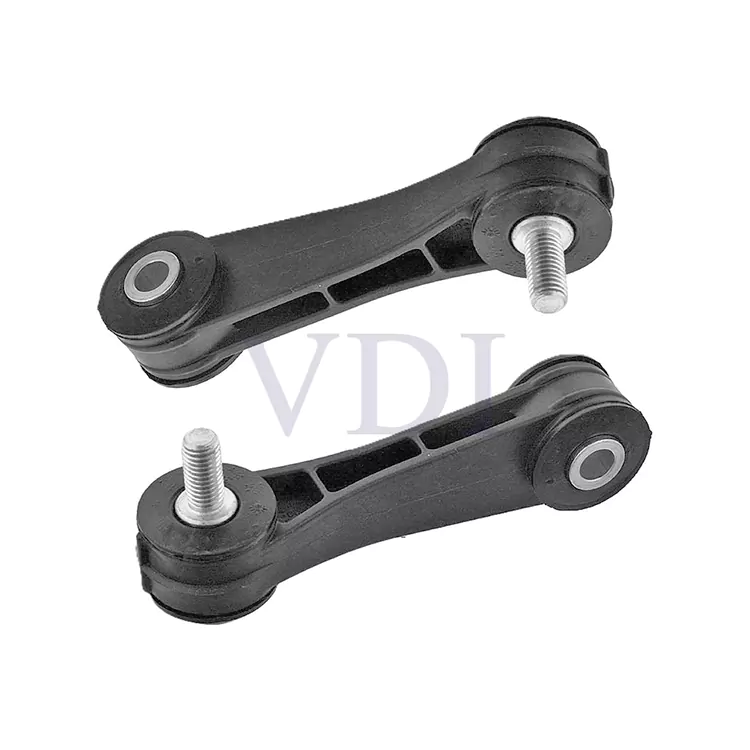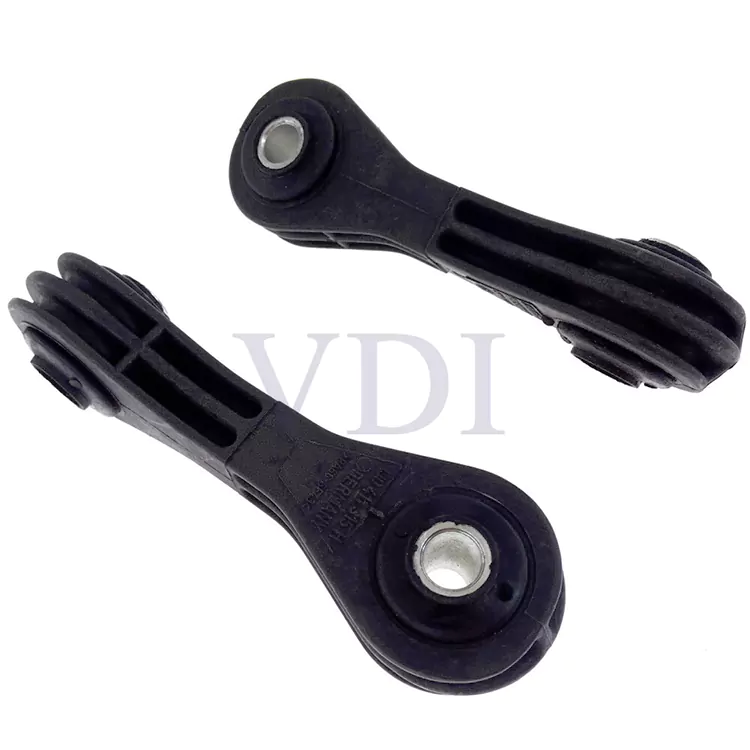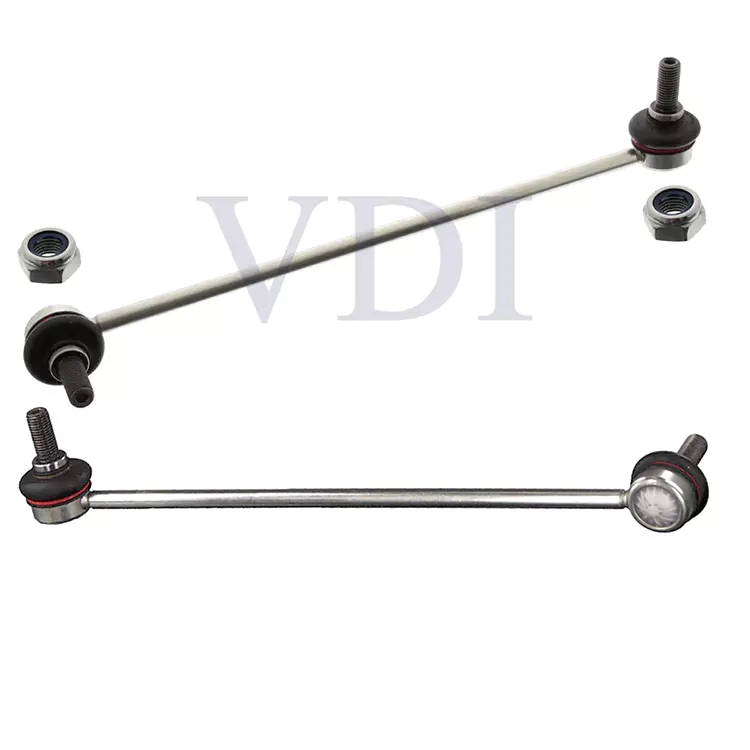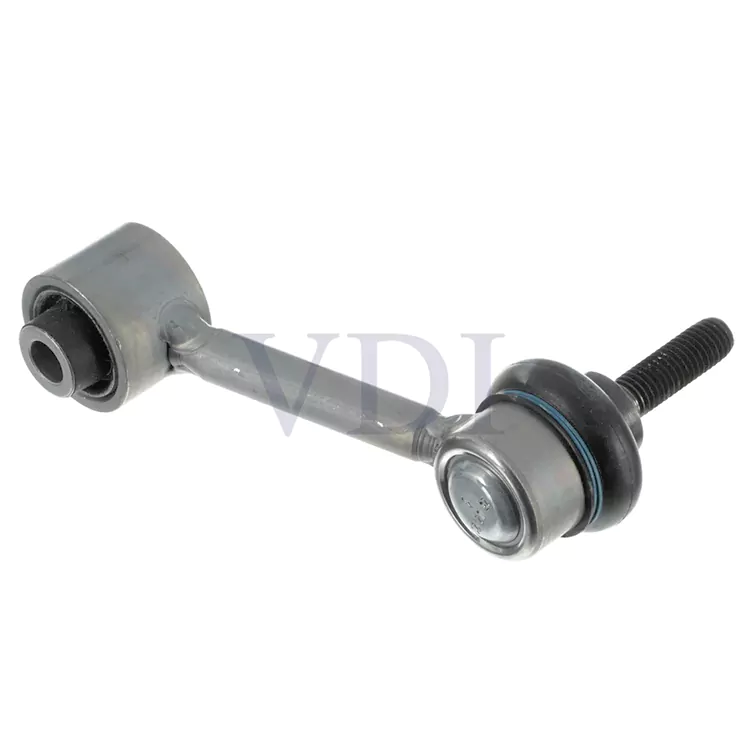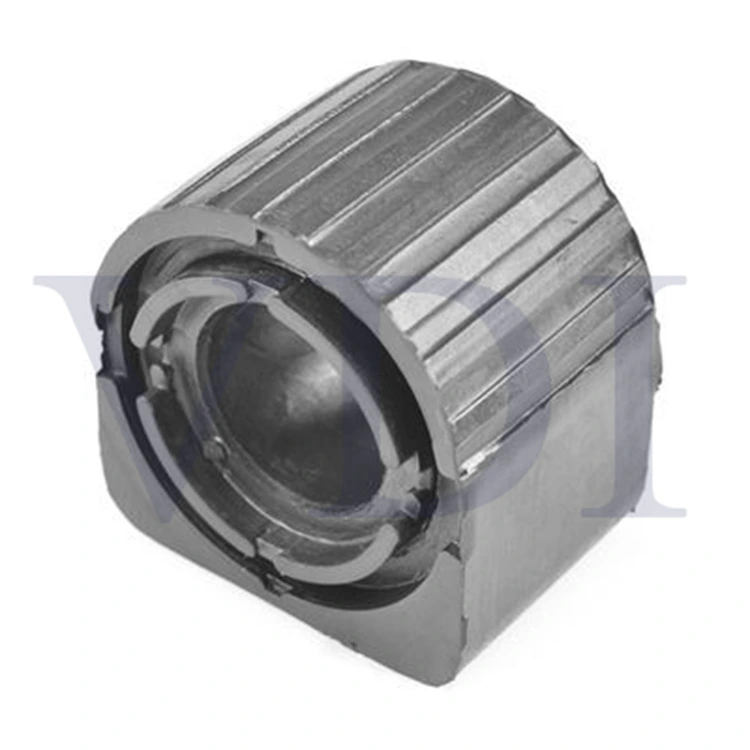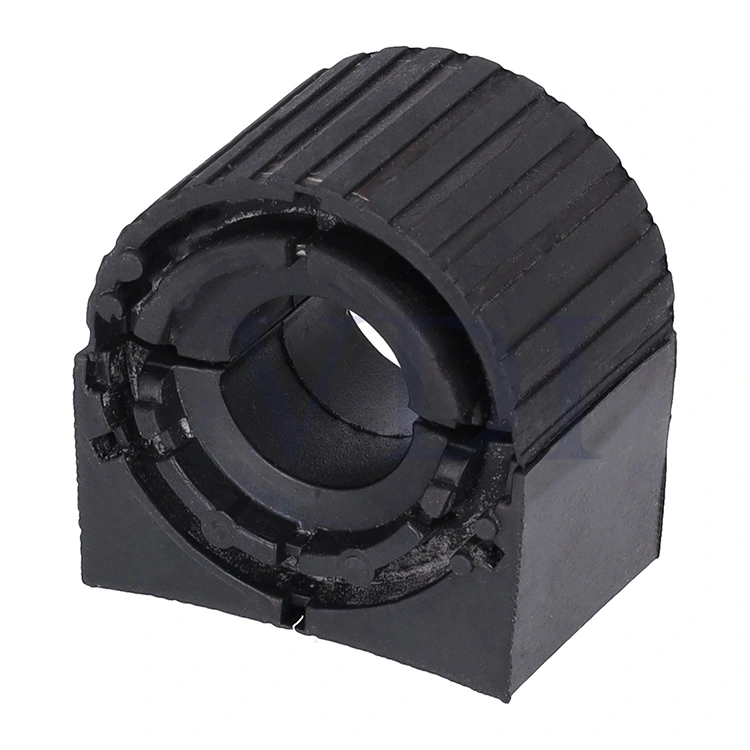

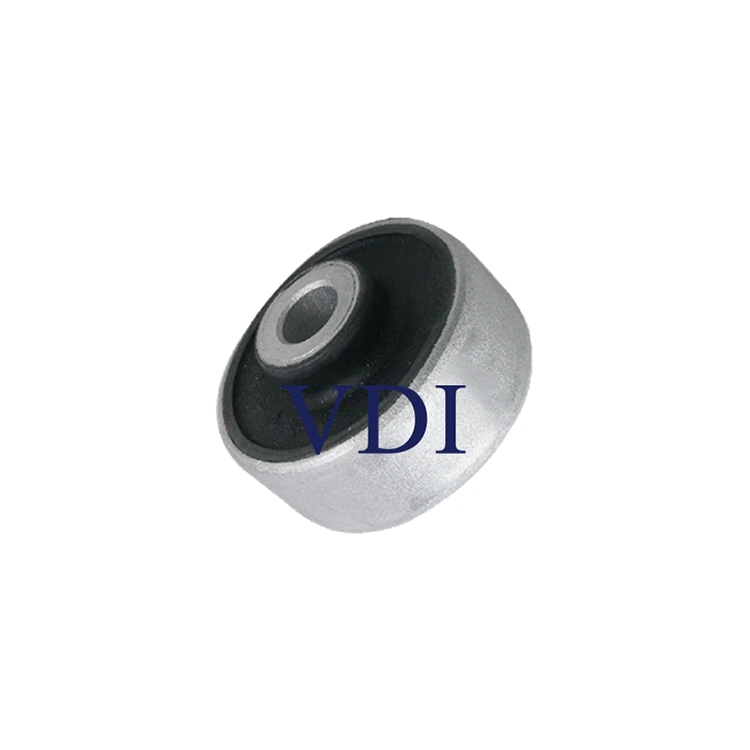
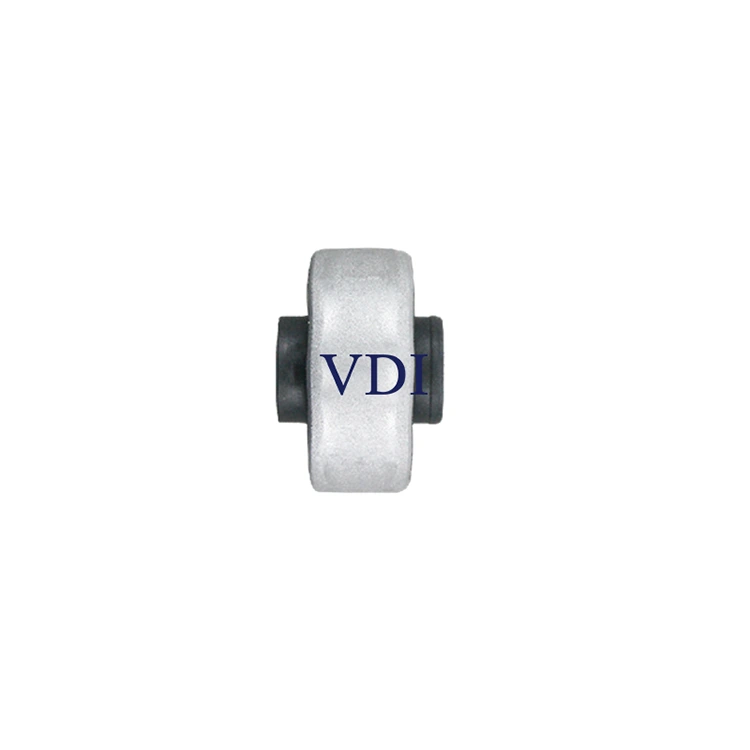
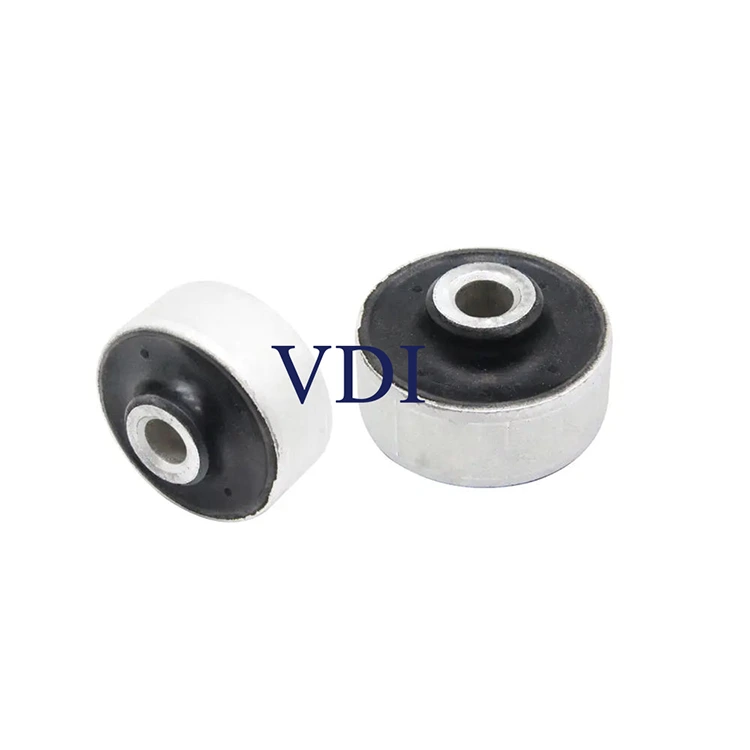
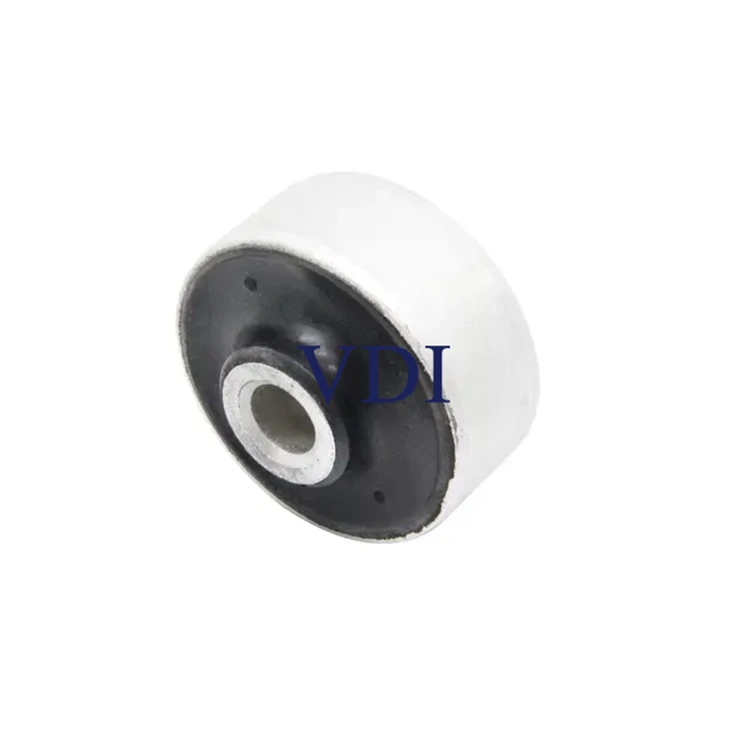
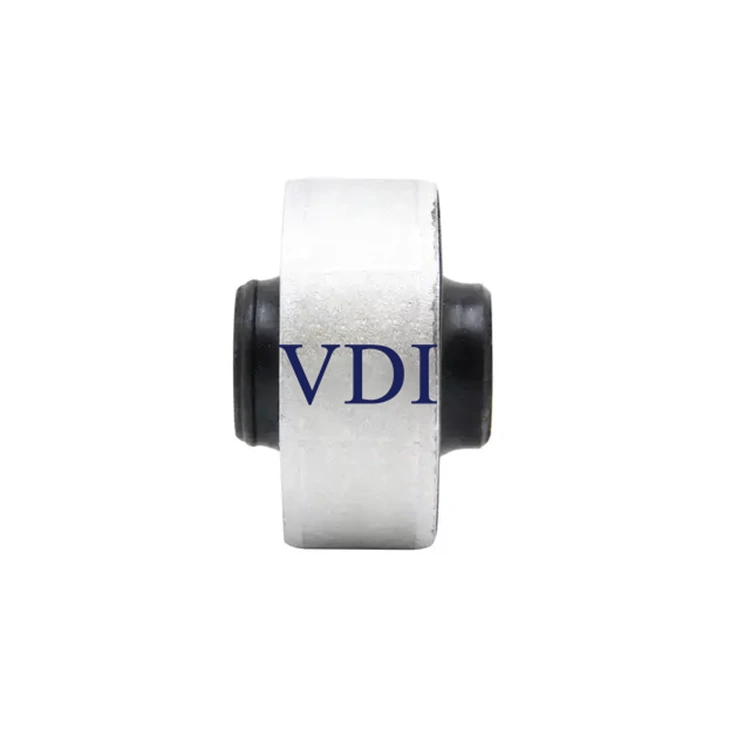
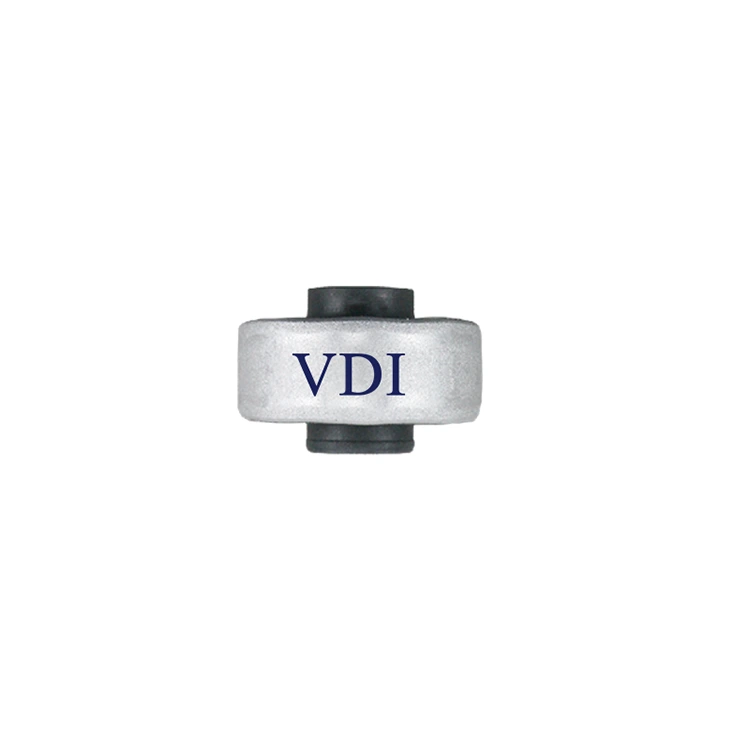
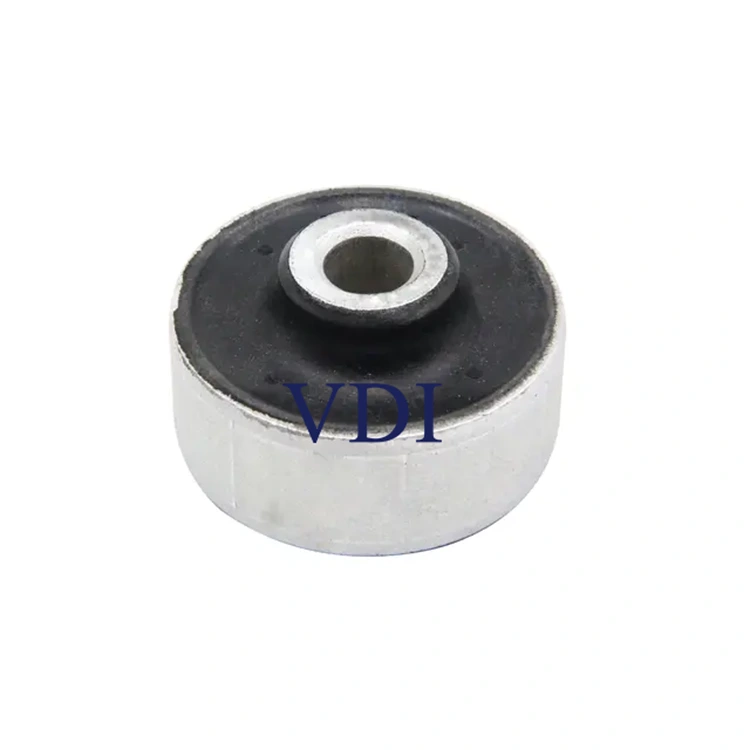
Our VDI Control Arm Bushing 357407182 is made with high-quality rubber compounds for excellent wear resistance, ensuring reliable performance even under extreme temperatures and heavy-duty driving conditions.
6R0 407 181 B
Fit to:
AUDI A3
VW GOLF IV
VW NEW BEETLE
Outer Diameter:60mm
Height:41mm
Inner Diameter:13mm
Control Arm Bushing 8N0407181B ensures more balanced front-end dive during braking, eliminating the jarring front-to-back pitching motion.
Built to exceed 2 million fatigue cycles, delivering superior structural integrity and long-term durability.
Provides more planted tire contact for confident grip, keeping the vehicle stable and composed even at the limit.
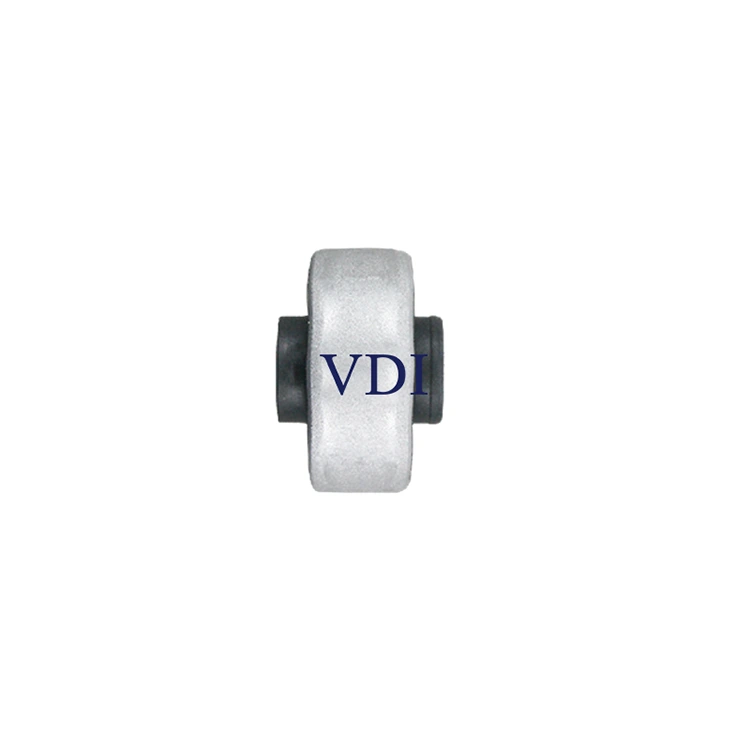
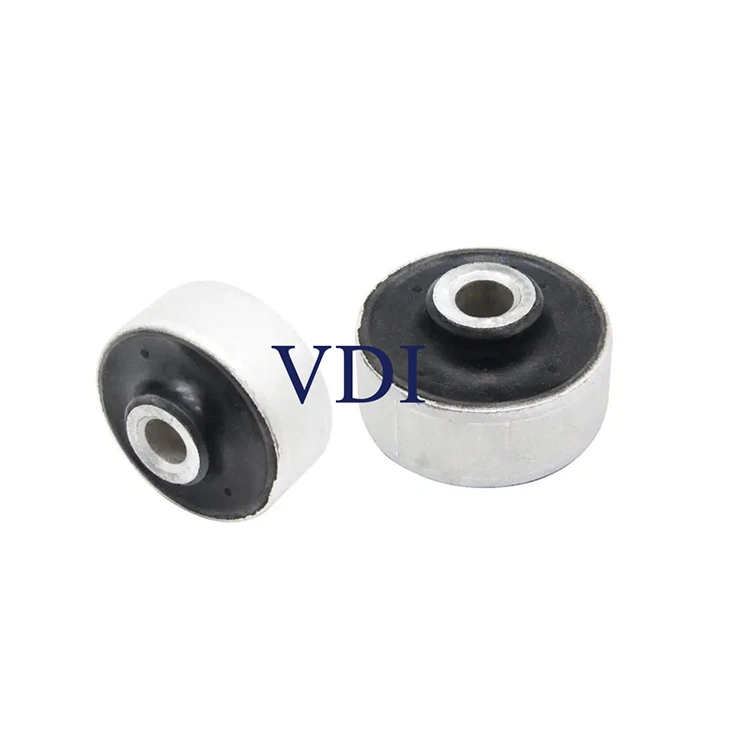
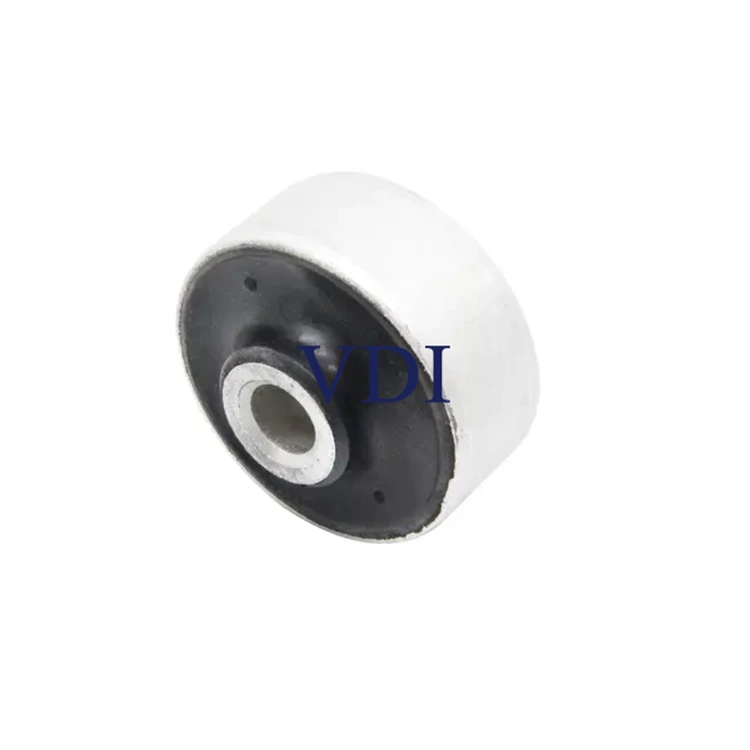
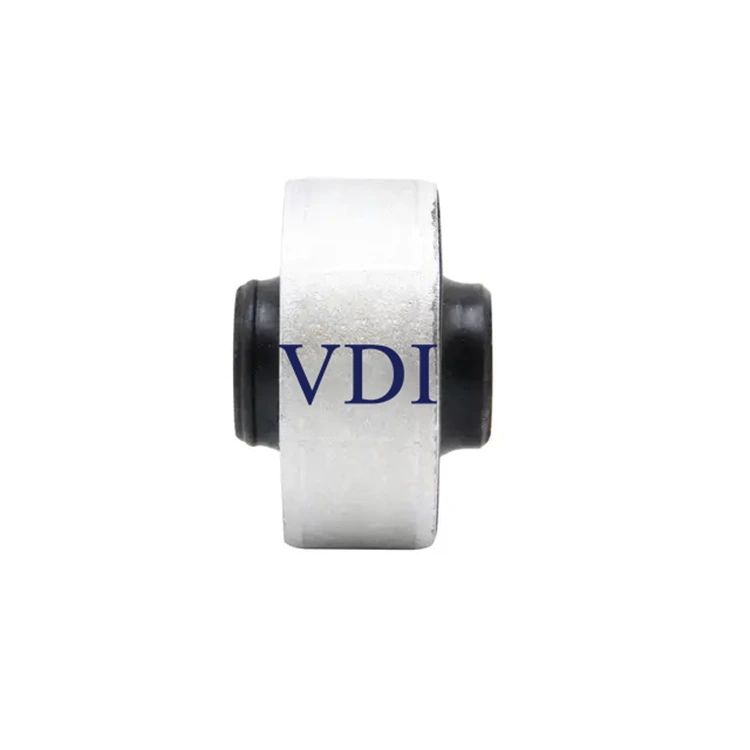
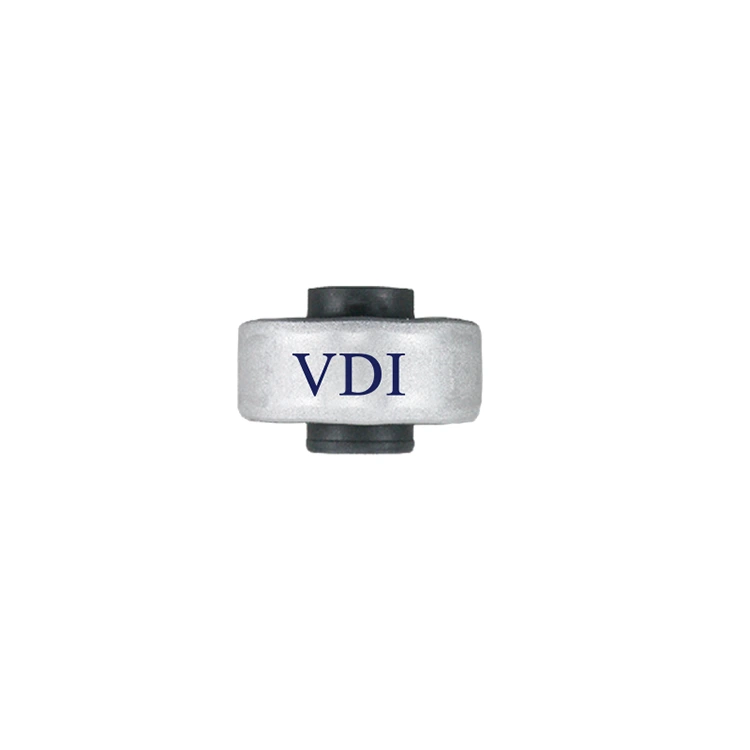
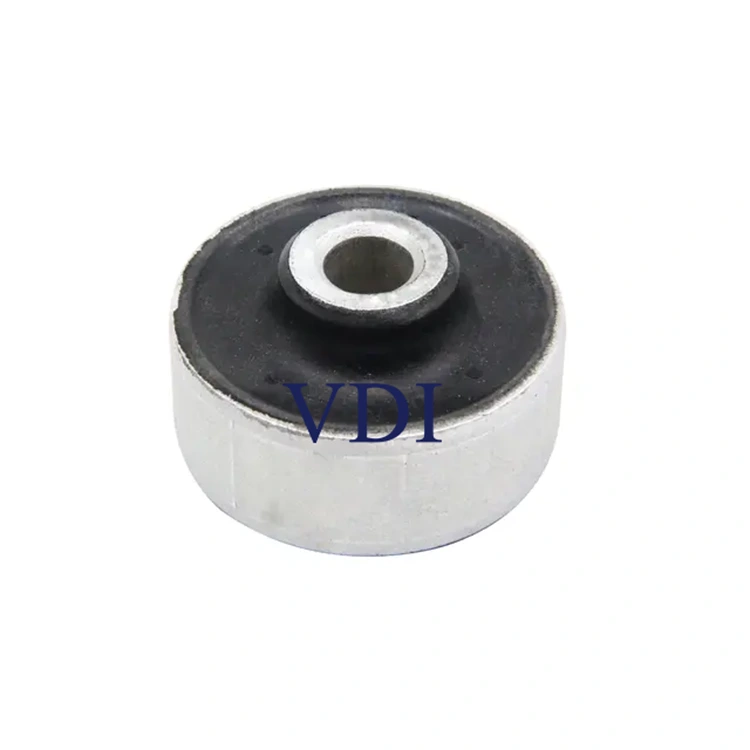
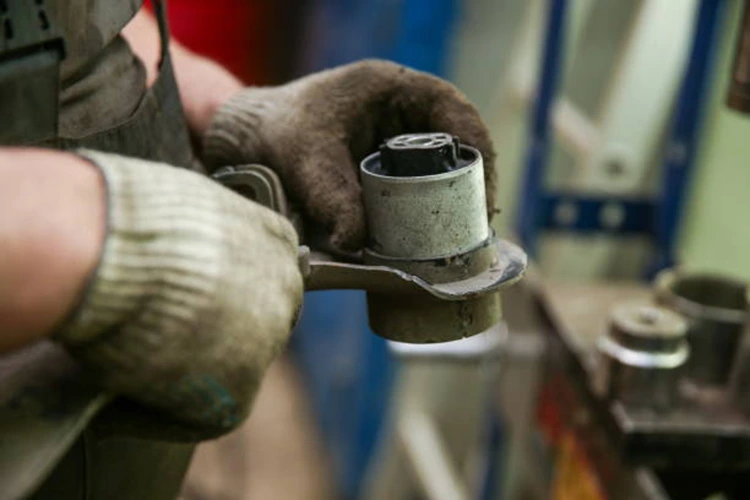
Control arm bushings play an essential role in a vehicle's suspension framework. Usually, the bushings made by the manufacturer are fabricated from rubber, while those designed for enhanced performance could be made from high-quality rubber or polyurethane materials. These bushings are located at the junctions where the control arms attach to the subframe or chassis. Their purpose is to cushion the effects of road shocks and diminish vibrations, allowing the control arm to operate effectively while maintaining accurate wheel alignment and improving the vehicle's overall stability.
However, as the bushings start to degrade, the issues progress into more than just slight noises or annoyances. Driving the car with too much looseness can cause unpredictable steering reactions, which accelerates tire wear and imposes extra pressure on several suspension components such as tie rods and ball joints, possibly endangering safety.
What Is the Lifespan of a Control Arm Bushing?
Generally, there is no fixed schedule for when a bushing needs to be replaced, whether this is determined by mileage or personal circumstances, as its durability depends heavily on factors like driving styles, environmental conditions, road quality, and the weight of the vehicle.
● Under normal driving conditions, it is expected that original rubber bushings will function properly for around 60,000 to 100,000 miles.
● In harsher scenarios, such as encountering potholes, hauling heavy items, or being frequently subjected to road salt and extreme temperature changes from very chilly winters to very hot summers, these bushings might wear out more quickly, potentially failing between 40,000 to 50,000 miles.
● Routine maintenance of the suspension system should encompass not just checking alignments and rotating tires but also inspecting the bushings, as recommended by a qualified technician.
● Polyurethane bushings typically offer greater stiffness and a longer lifespan in comparison to rubber options; however, they might allow more road noise and require regular lubrication at their attachment points. It should also be noted that polyurethane is more susceptible to elevated temperatures and can become rigid over time, indicating it might be less effective in hotter areas such as the Middle East or Southern Europe.
Indicators of Damaged Bushings
Based on information commonly shared by experienced mechanics:
● A steering wheel that exhibits vibrations or shakes, especially noticeable at elevated speeds or during stopping.
● Sounds resembling clunks or knocks when driving over bumpy terrain (at the rear of the vehicle), occurring as a result of metal contacting metal due to limited bushing movement.
● Uneven or premature tire wear, such as visible wear on the inner or outer sides of the tread.
● Steering that appears unstable and is not precise; the vehicle may drift or lean toward one direction.
● A vehicle that shows increased body roll while turning and reveals reduced stability when coming to a stop.
Ignoring these symptoms could lead to more serious issues, including early failure of ball joints or reduced braking effectiveness.
When Is the Appropriate Time to Inspect Control Arm Bushings?
Conducting regular maintenance tasks, such as rotating and aligning tires, is crucial. While this advice is generally applicable, a qualified expert can offer a more comprehensive evaluation. However, you may wish to carry out this straightforward inspection:
1. Safely elevate the vehicle and secure it with jack stands.
2. Identify the control arms located near the wheels and inspect the ends of the bushings that connect to the vehicle's frame.
3. Observe for any visible problems such as fractures, cuts, indications of dry rot, bulging due to oil, or any detachment of rubber components.
4. Carefully apply a lever to lift the control arm near the bushing—any movement exceeding 3mm (approximately 1/8 of an inch) typically suggests wear.
5.If you have a new bushing, compare it with the old one—worn bushings commonly display signs of compression, cracking, or deformity.
Maintenance Suggestions
● Refrain from applying oil or grease to rubber bushings, as this may lead to their expansion and quicker deterioration.
● Exercise care with other parts: steer clear of driving harshly over potholes and speed bumps.
● Ensure that your wheel alignment is accurate to maintain balanced pressure on the suspension system.
● Frequently clean the underside of your car to lessen the chance of rust formation, particularly in regions that utilize road salt or similar de-icing materials.
● If opting for polyurethane bushings for enhanced longevity and functionality, adhere to the maintenance guidelines offered by the manufacturer—many suggest using a specific kind of grease every few years.
Replacement Notes
When performing replacements, it is essential to replace both the left and right CV axles to ensure the vehicle's handling is at its best. In the majority of contemporary vehicles, the bushings are part of the control arm, making individual replacement impossible; therefore, the entire arm must be changed. Follow the torque specifications provided by the original equipment manufacturer, and to achieve correct preload and alignment, it is necessary to tighten the mounting bolts while the vehicle is at its normal ride height, which occurs when the weight is carried by the wheels.
This document is intended for informational use only. For detailed assistance regarding your vehicle, it is advisable to seek help from a qualified automotive expert. Regular check-ups are the most reliable way to guarantee safe and long-lasting operation.
In situations that require OEM-level quality, components such as the VDI Control Arm Bushing 8N0407181B are engineered to satisfy these standards for performance and longevity, even in tough environments.
Our Control Arm Bushing 8N0407181B is formulated with premium rubber compounds and rigorously tested under strict quality control to ensure high durability in all driving conditions, delivering long-lasting, reliable performance even under extreme temperatures, moisture, and chemical exposure.