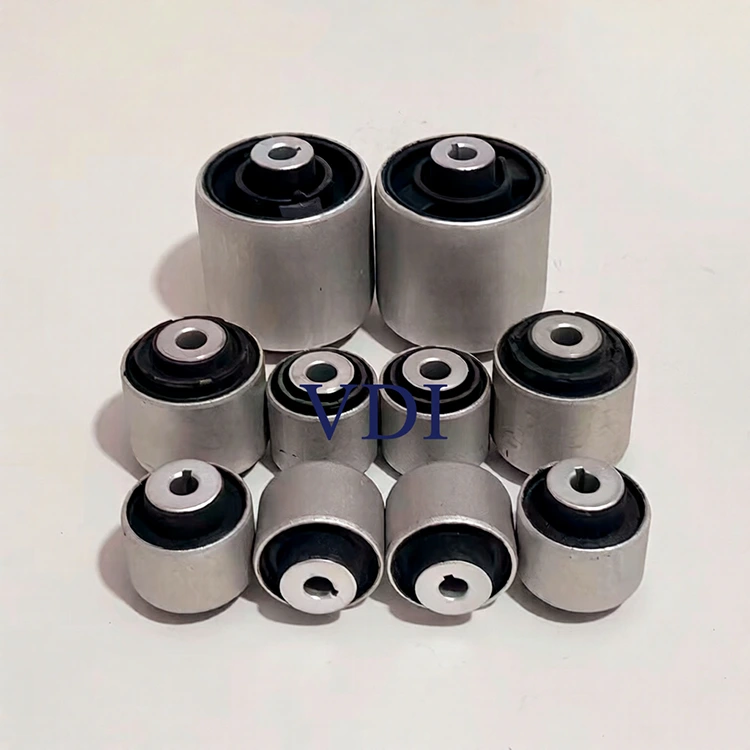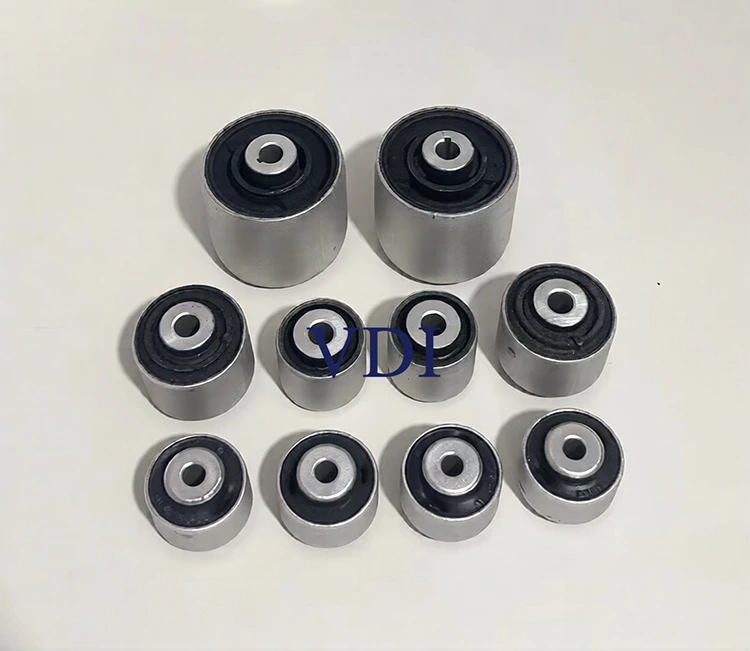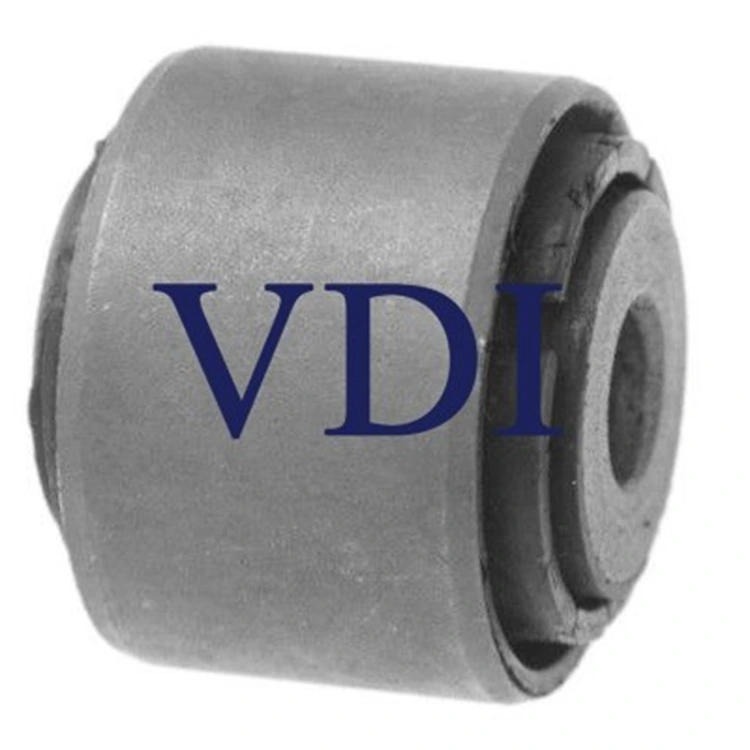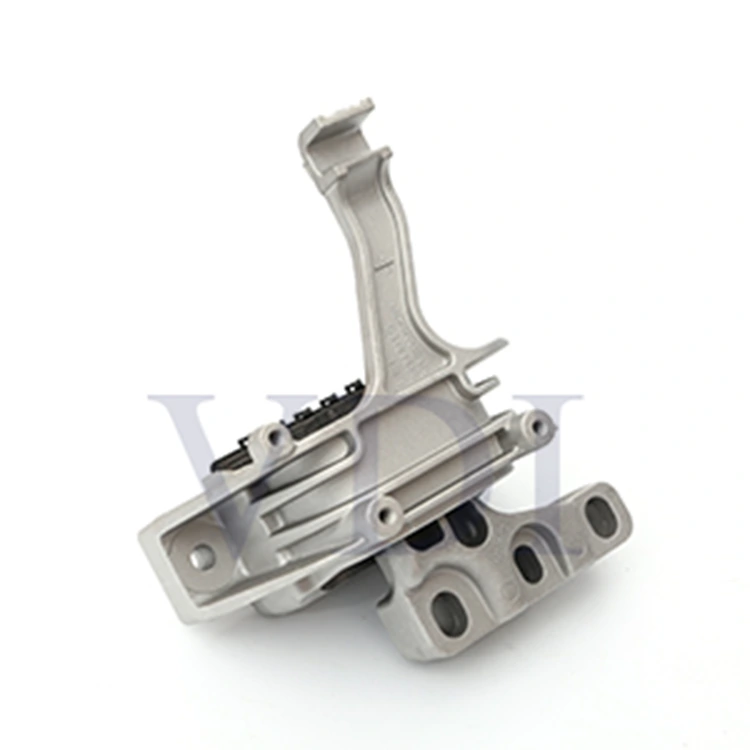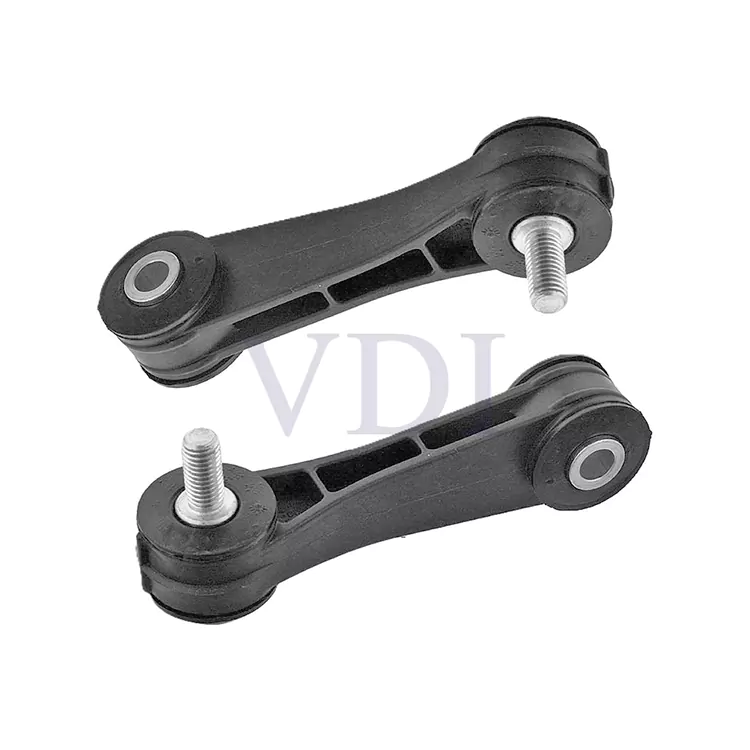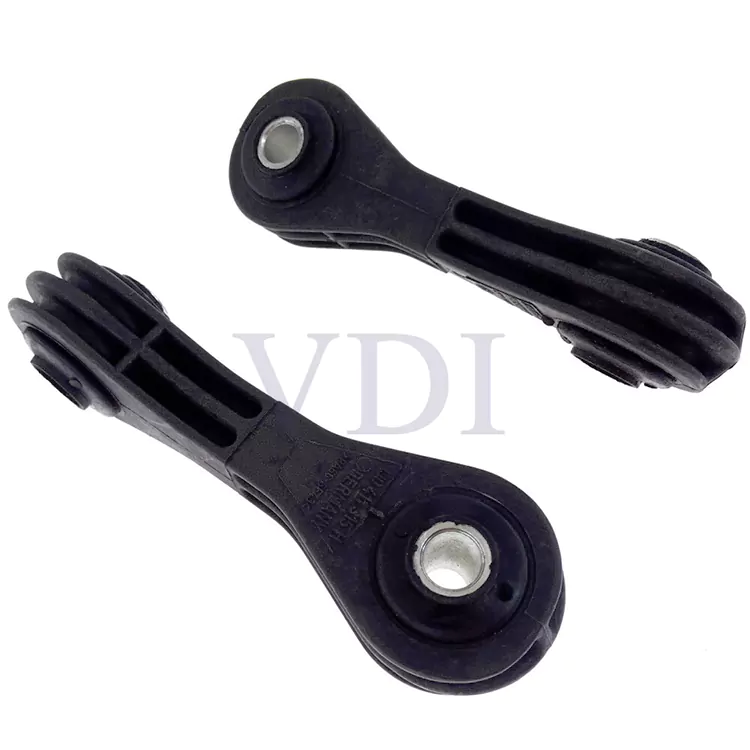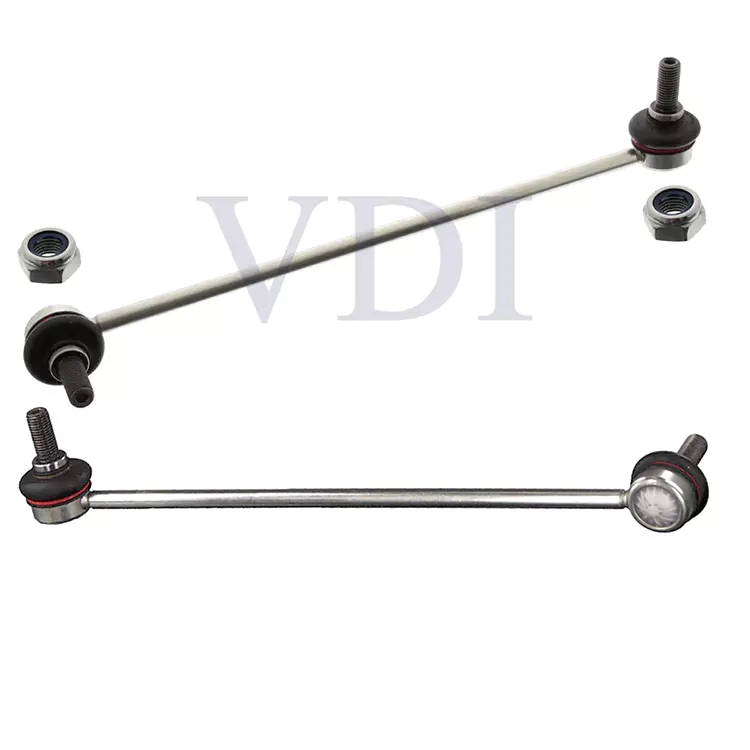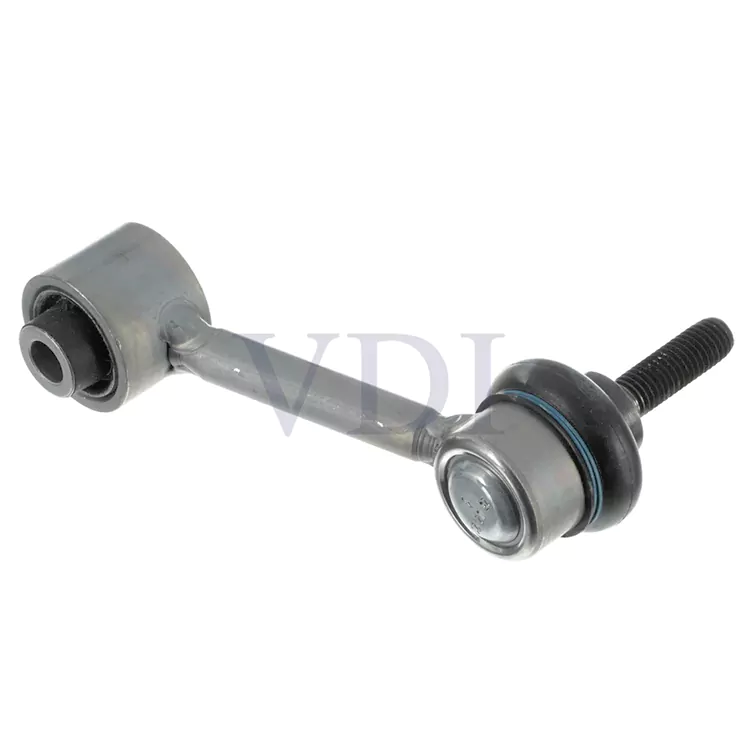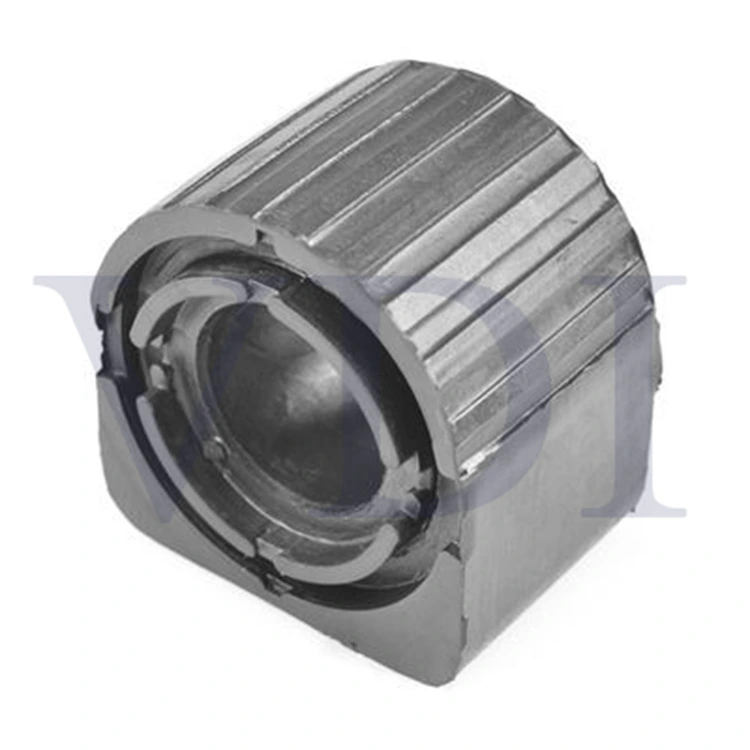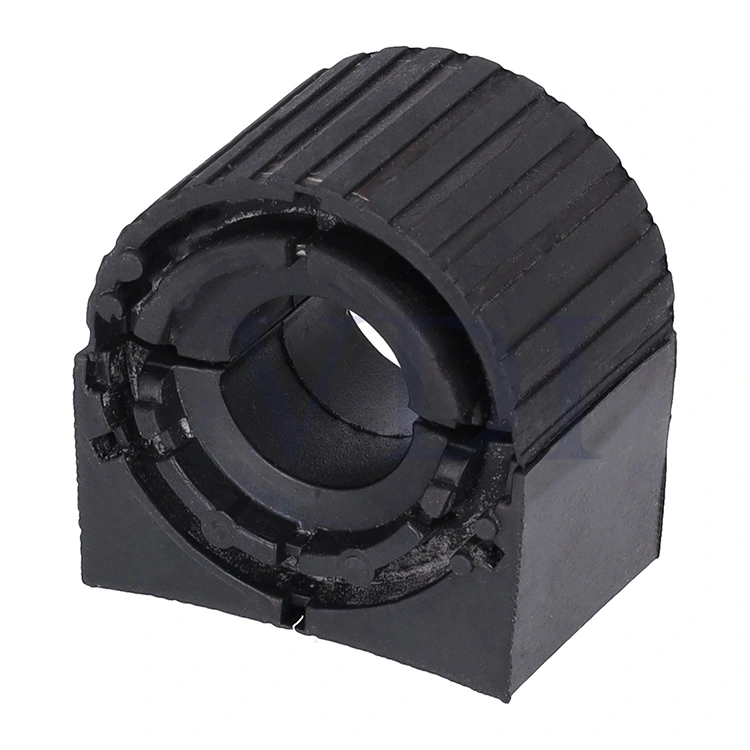

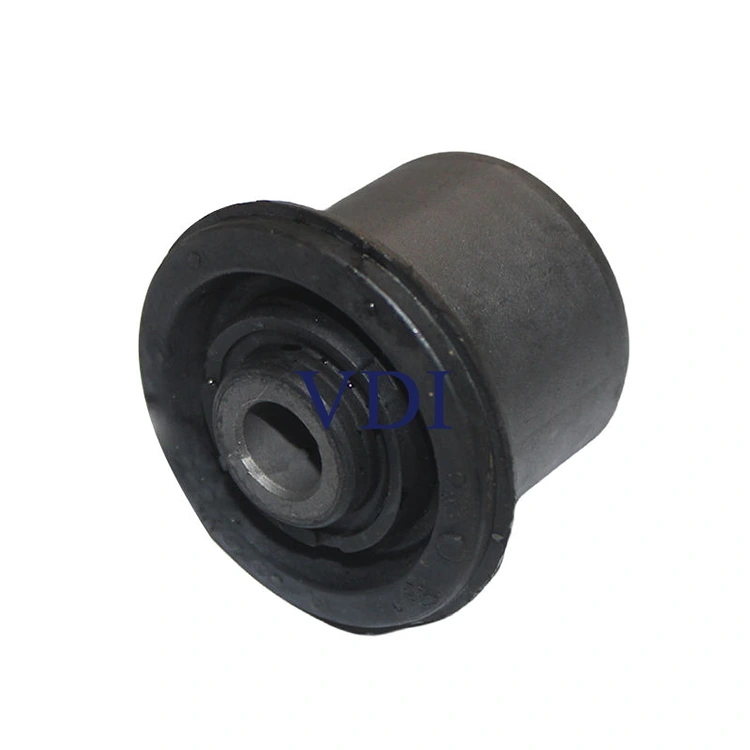
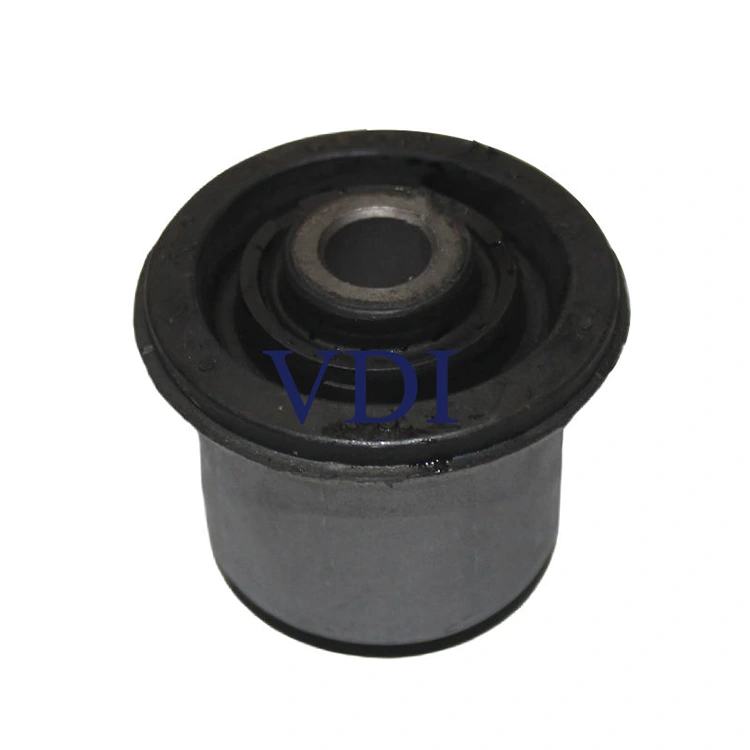
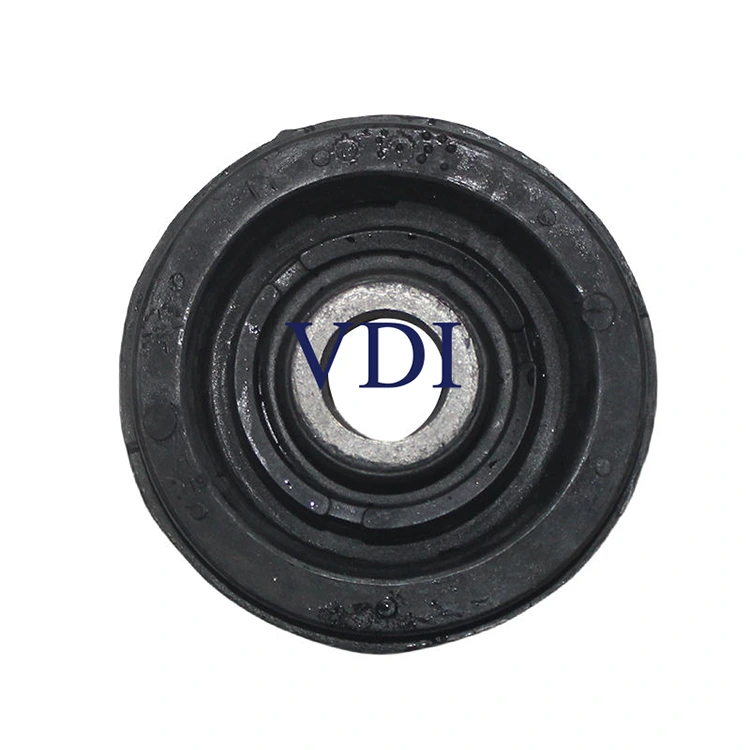
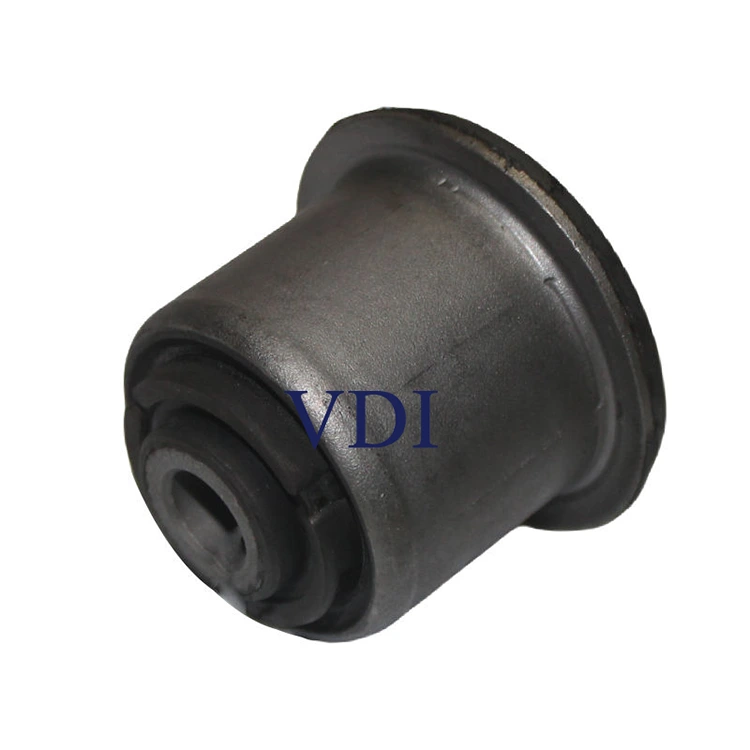
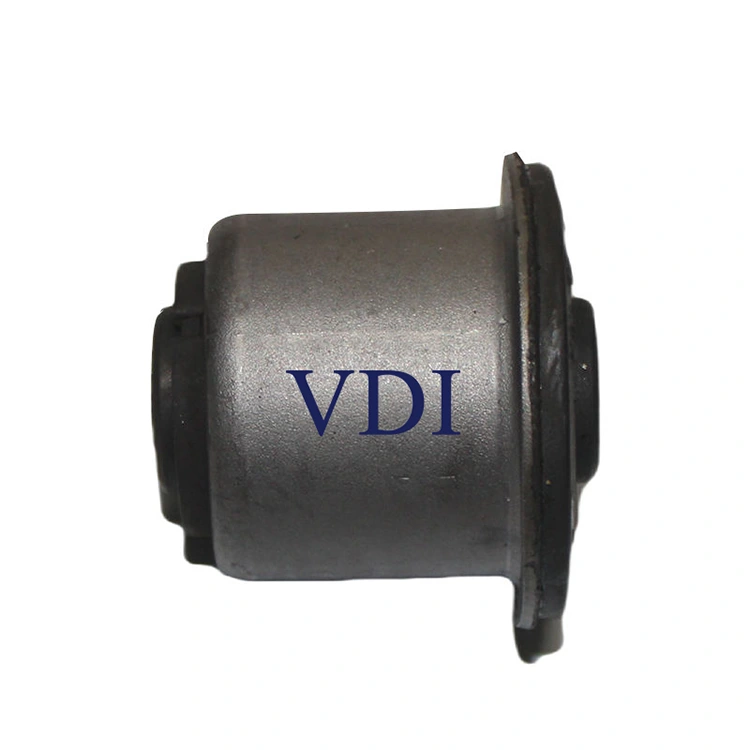
Control Arm Bushing 857407181 delivers superior vibration damping for a smoother, quieter ride, maintains precise wheel alignment to extend tire life, offers extreme durability to handle any road condition, and eliminates metal-on-metal contact to protect your suspension system longer.
Fit to:
AUDI 80/90
● Control Arm Bushing 857407181 is made with premium rubber material—highly resistant to oil, ozone, and extreme temperatures—delivering a service life far exceeding standard bushings.
● Precision-engineered to OE specifications with tight dimensional tolerances for perfect fitment—direct replacement, no modifications needed.
● Features advanced rubber-to-metal bonding technology that prevents debonding and cracking, ensuring stable, reliable real-world performance under demanding driving conditions.
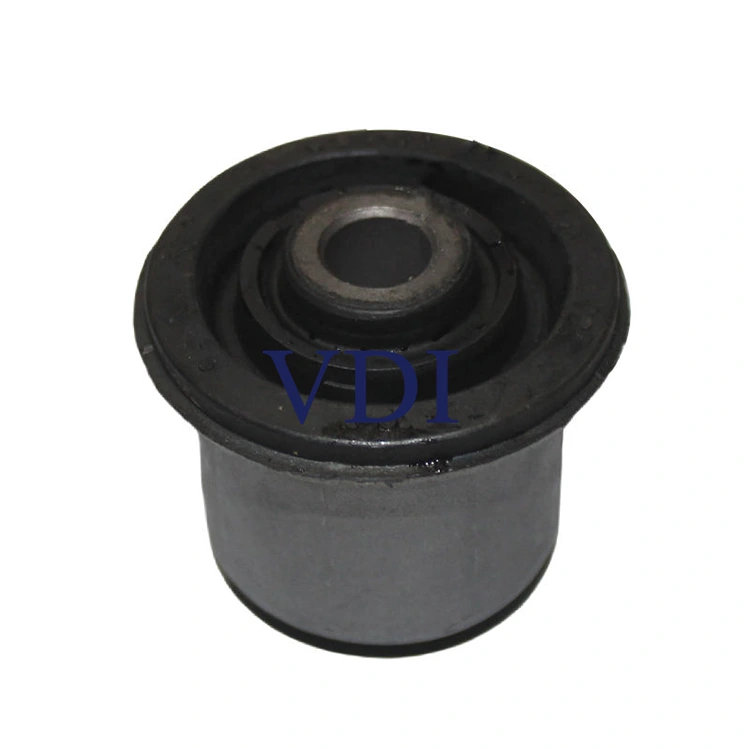
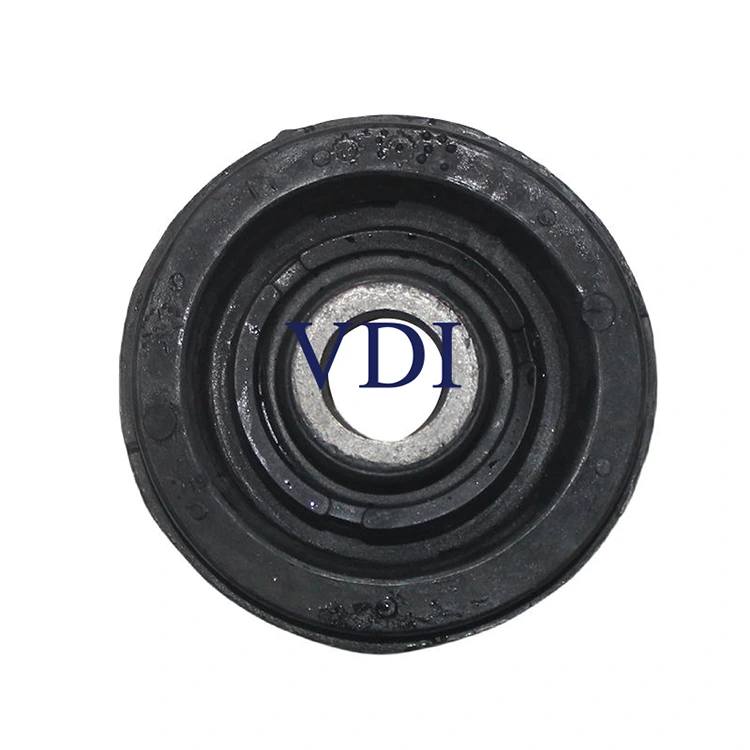
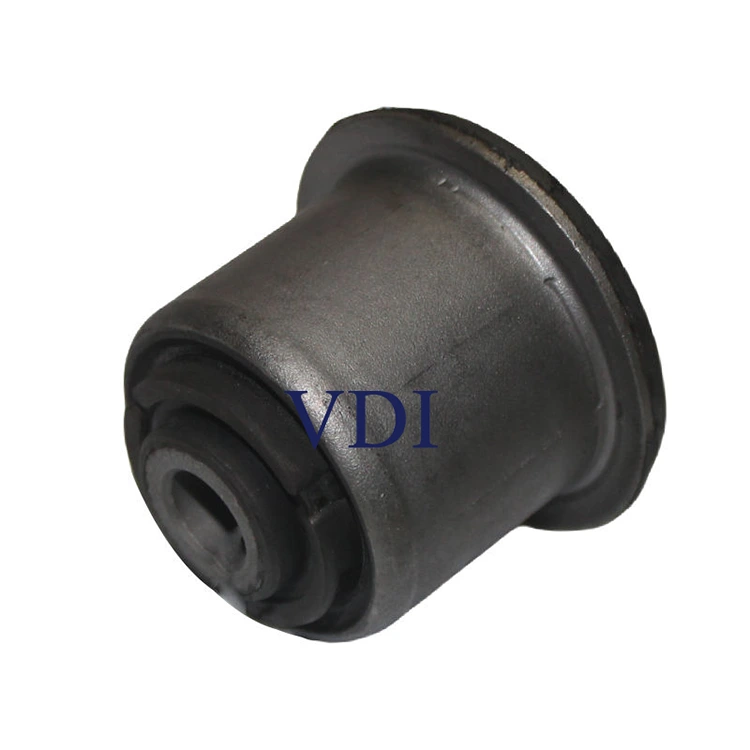
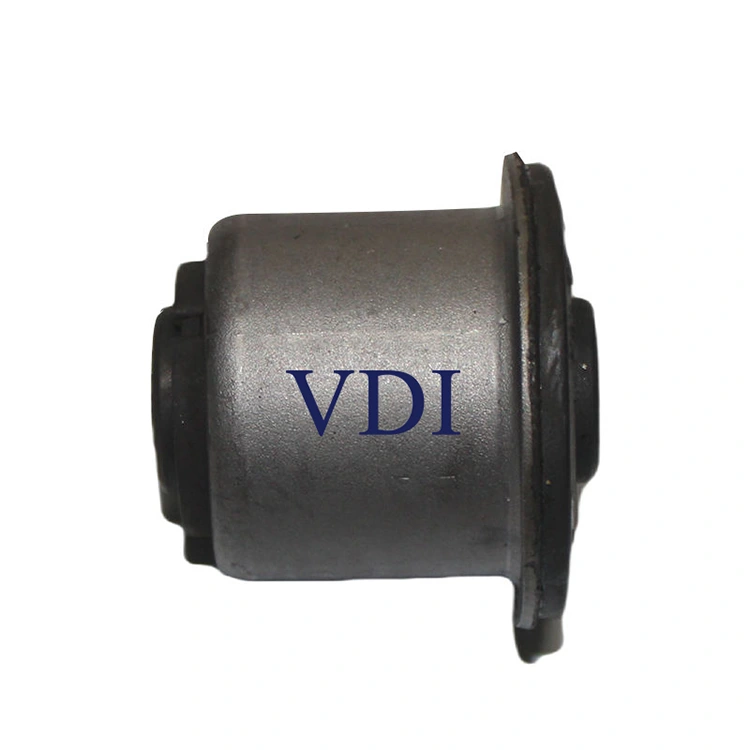
Control arm bushings play an important part in a vehicle's suspension setup. Most factory ones are made of rubber, while higher-performance options often use improved rubber compounds—or go all the way to polyurethane. They're fitted where the control arms attach to the subframe or chassis, helping to soak up road impacts, cut down on vibrations, and let the arms move freely without losing control. All of this works together to keep the wheels properly aligned and the car stable on the road.
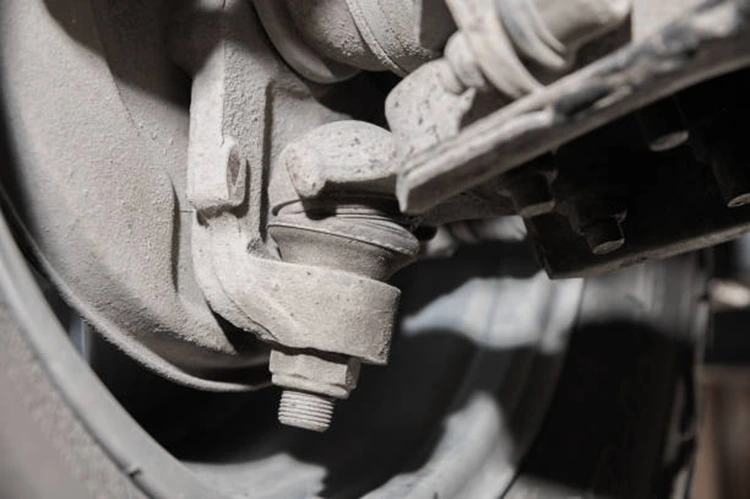
When bushings start to wear out, though, the issues can go beyond just extra noise or a rougher ride. Too much play allows sloppy steering, speeds up tire wear, and puts extra stress on parts like ball joints and tie rods—which can eventually affect safety.
There's no fixed mileage or timeline, since it depends a lot on how and where you drive, the weather, road quality, and how much weight the car carries.
● In everyday normal conditions, standard OEM rubber bushings usually hold up for 60,000 to 100,000 miles.
● In tougher situations—like frequent potholes, heavy loads, road salt, or big temperature swings (deep winters followed by intense summer heat)—they might give out as early as 40,000 to 50,000 miles.
● It's a good idea to have them looked at during regular suspension checks, such as when getting an alignment or rotating tires.
Polyurethane bushings are generally firmer and tend to last longer than rubber, but they pass on more road noise and often need occasional greasing at the pivot points. On the downside, polyurethane can harden over time in very hot climates, like the Middle East or Southern Europe, so it might not hold up quite as long there.
Common Signs of Worn Bushings( Mechanics often point to these symptoms):
● Steering wheel vibration or shake, especially on the highway or when braking.
● Clunking or knocking noises over bumps, usually from metal parts touching where the bushing no longer cushions properly.
● Uneven or early tire wear, often on the inner or outer edges.
● Loose or vague steering feel; the car might pull or wander to one side.
● More body roll in corners and less steady feel when braking.
Letting these go can lead to knock-on problems, like premature ball joint wear or weaker braking response.
The easiest time is during routine service like tire rotations or alignments. For a quick look yourself (though a professional inspection is always better):
● Safely lift the vehicle and secure it on jack stands.
● Locate the control arms near the wheels and the bushings where they connect to the chassis.
● Look for visible damage—cracks, tears, dry rot, swelling from oil exposure, or separation of the rubber.
● Use a pry bar to gently move the arm near the bushing; anything more than about 3mm (roughly 1/8 inch) of play usually means it's worn.
● If possible, compare with a new bushing—worn ones often look flattened or deformed.
Never apply oil or regular grease to rubber bushings; it can make them swell and break down faster.Try to ease over potholes and speed bumps rather than hitting them hard.
Keep wheel alignment in spec to avoid uneven loading on the suspension.If you drive in areas with road salt or de-icing chemicals, rinse the underbody regularly to slow corrosion.
For polyurethane bushings, follow the maker's guidelines—many suggest applying specific grease every couple of years.
When it's time to replace them, do both sides at once to keep handling balanced. On most modern vehicles, the bushings are pressed into the control arm and aren't sold separately, so the whole arm gets swapped. Always follow the factory torque specs, and tighten the mounting bolts with the car sitting at normal ride height (weight on the wheels) to set the proper preload and alignment.
This is general information only—always check with a qualified technician for advice specific to your vehicle. Regular checks are the simplest way to keep things reliable and safe on the road.
For applications that need solid OEM-level performance, parts like the VDI Control Arm Bushing 857407181 are built to handle these demands and hold up well even in tough conditions.
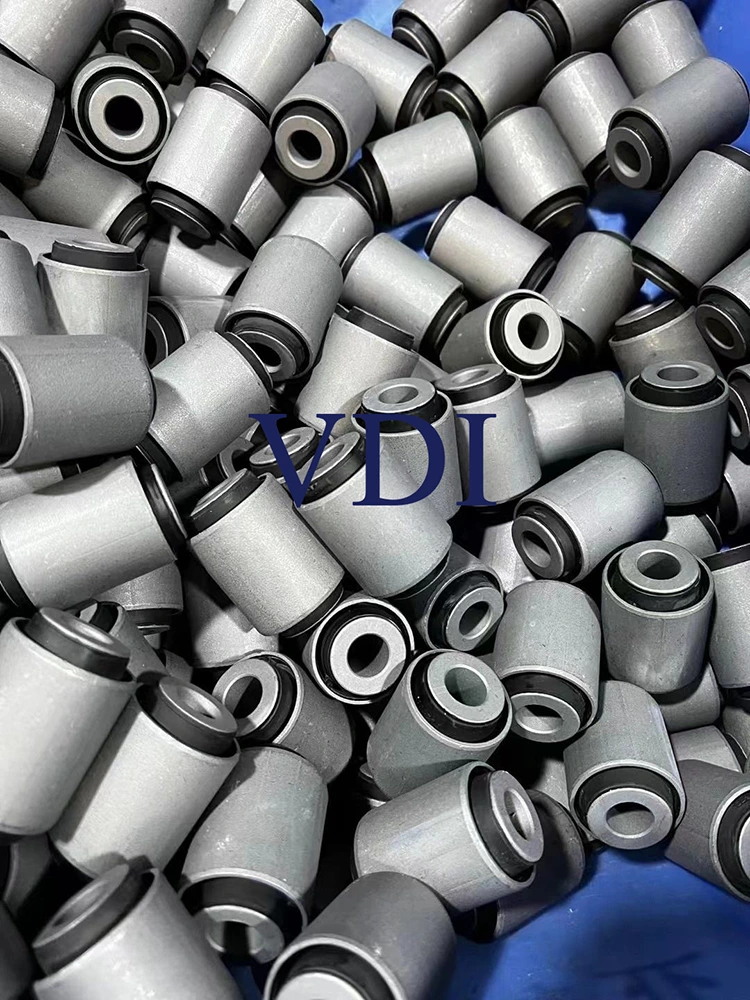
Every batch of raw materials undergoes mandatory incoming inspection. Our rubber compound and curing profile are strictly locked down to ensure consistent quality—Shore A hardness and dimensional tolerances are controlled within ±2° between batches. Before shipment, 100% visual and dimensional checks are performed, and critical performance is validated through fatigue testing.Welcome to order Control Arm Bushing 857407181—precision-engineered for durability, stability, and OEM-level reliability.