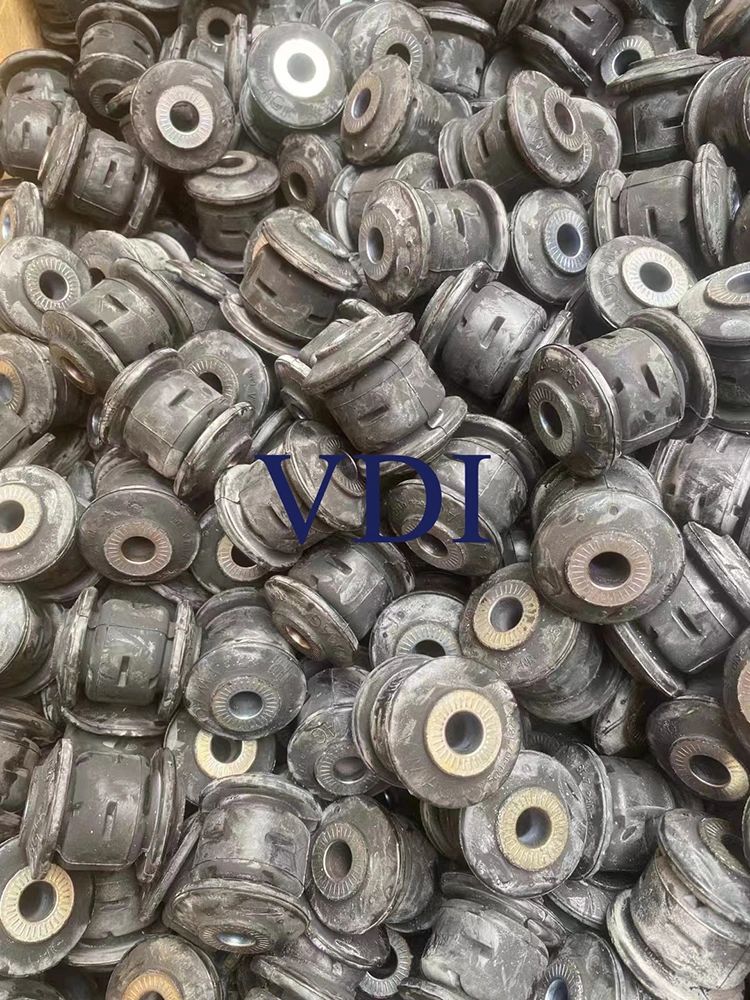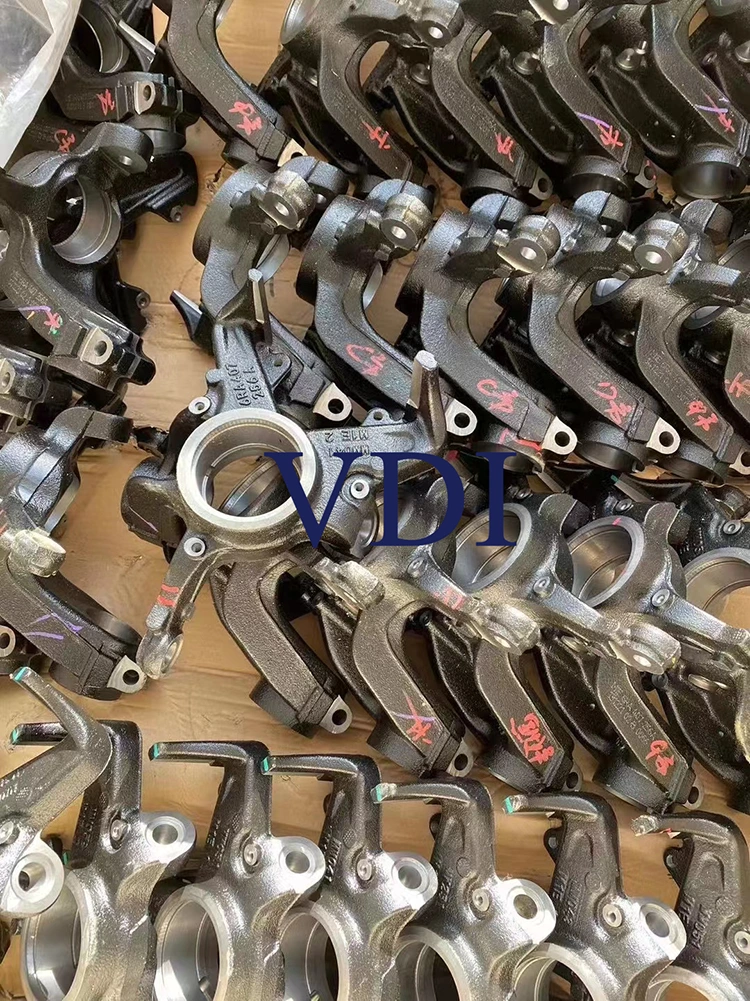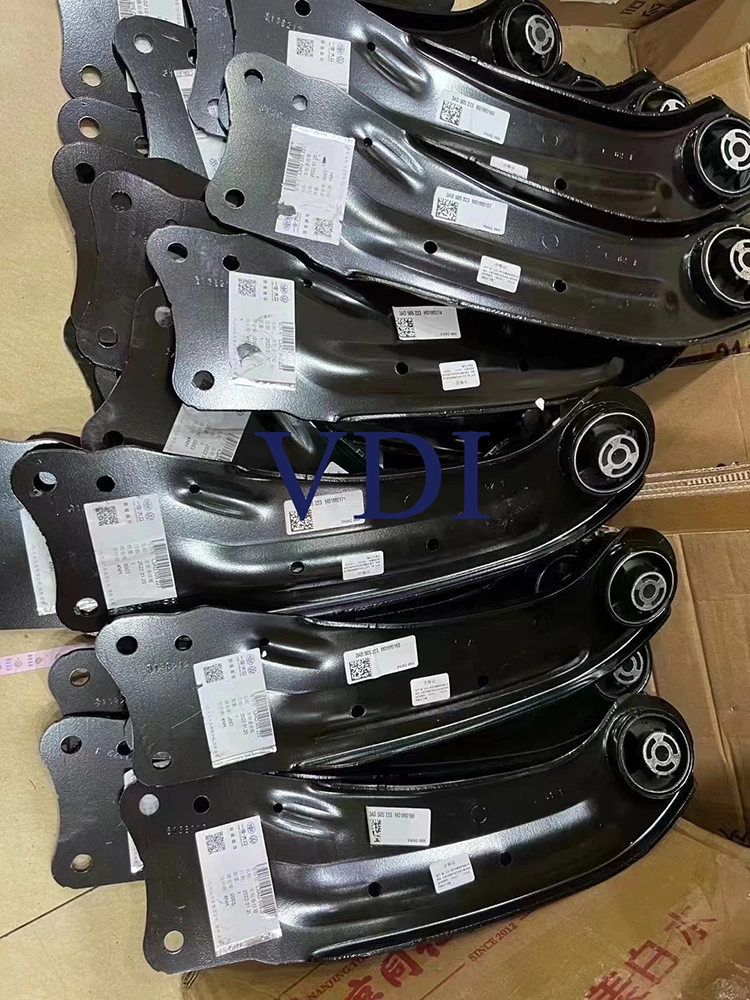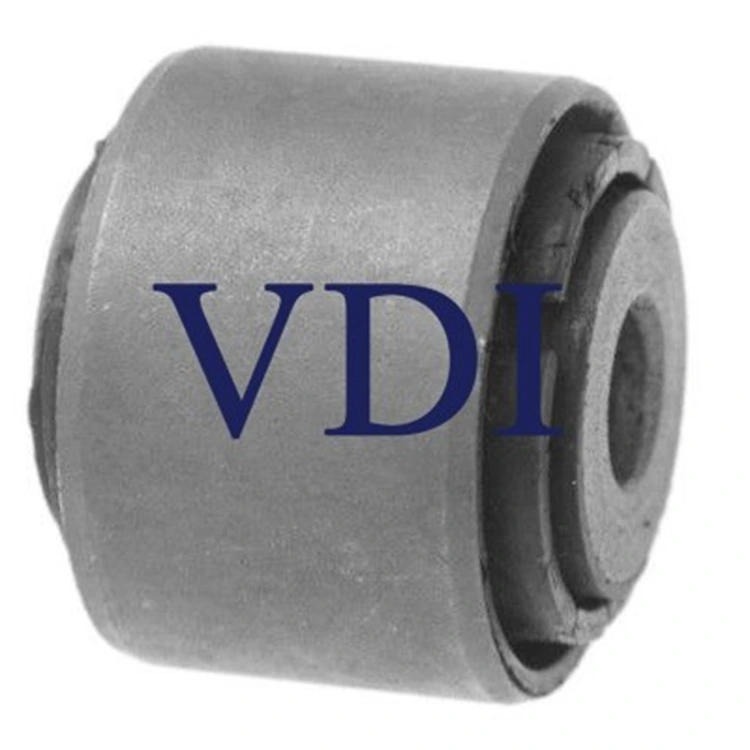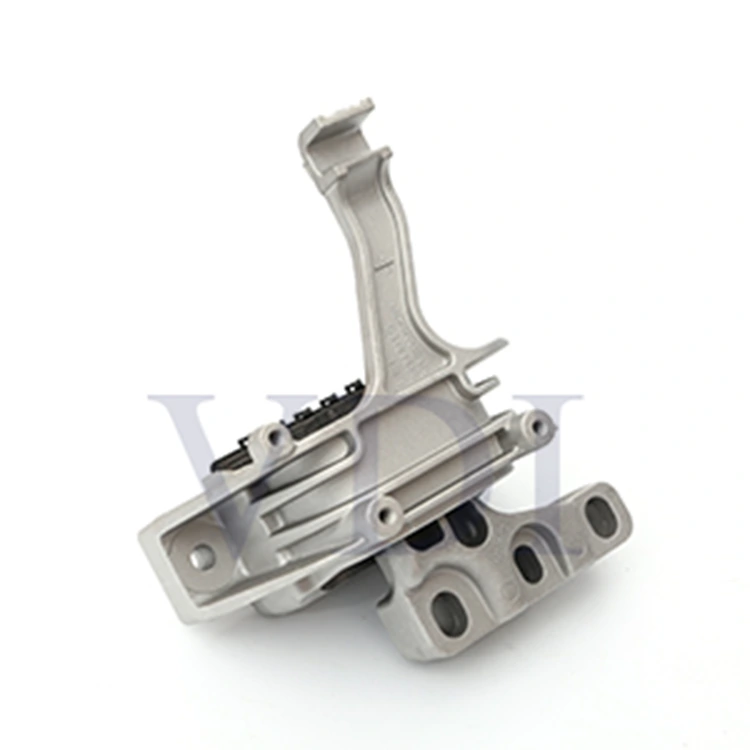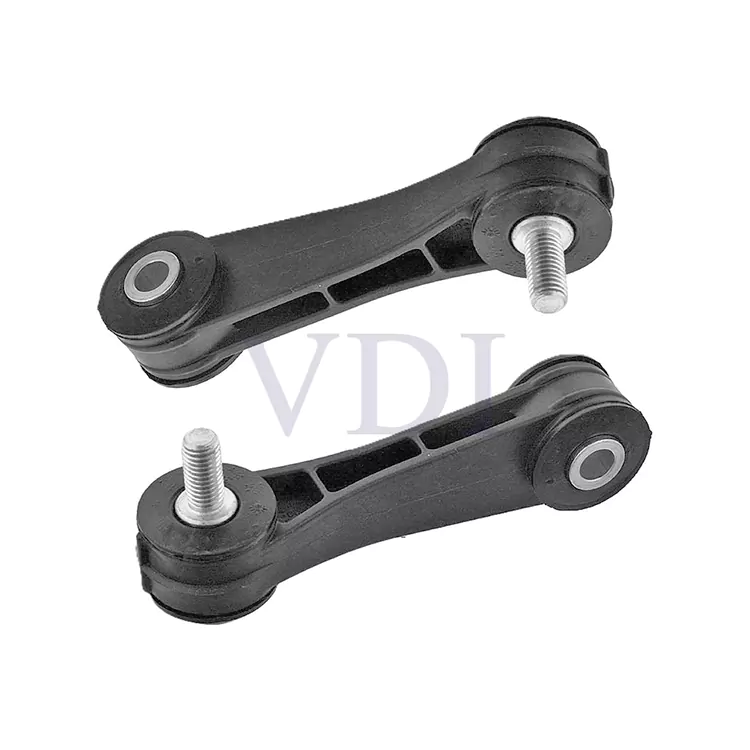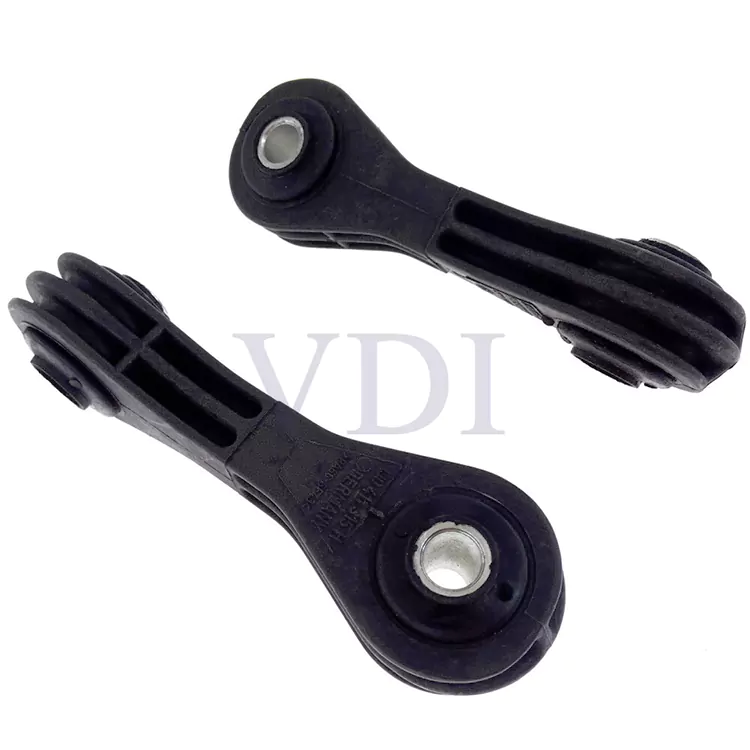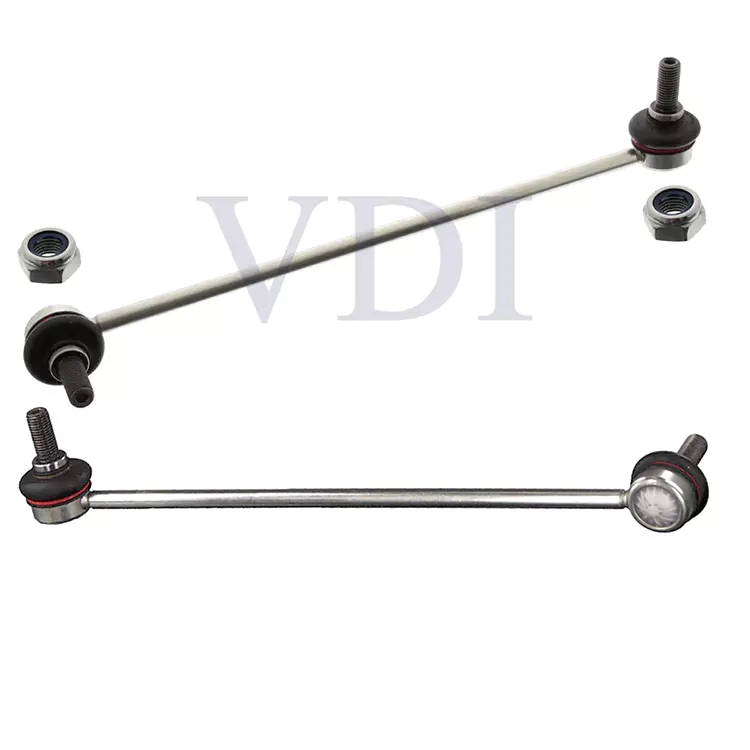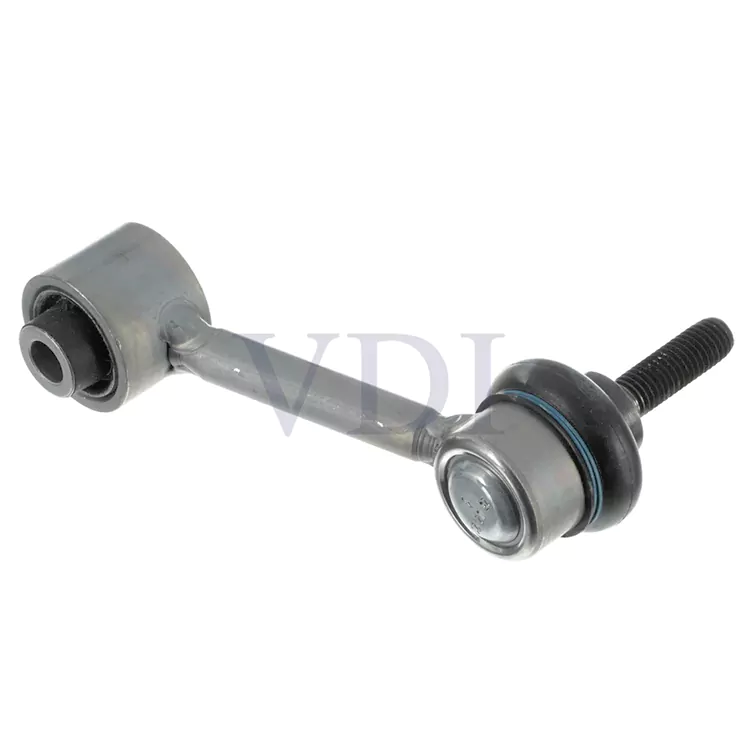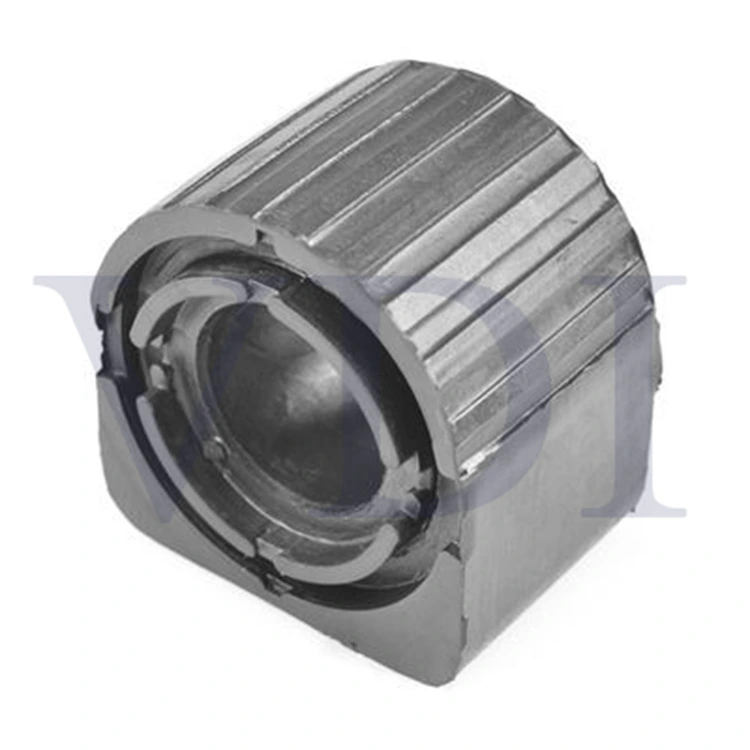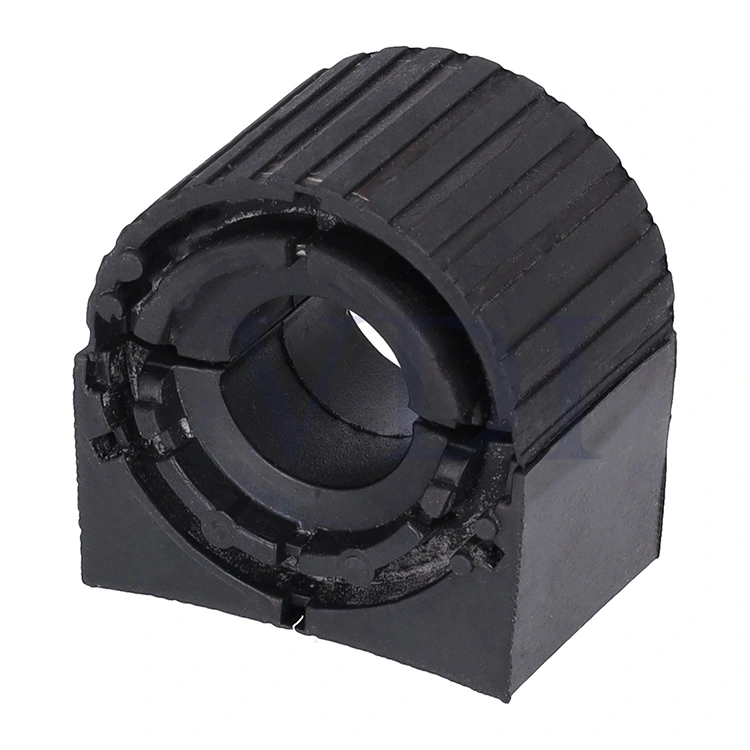

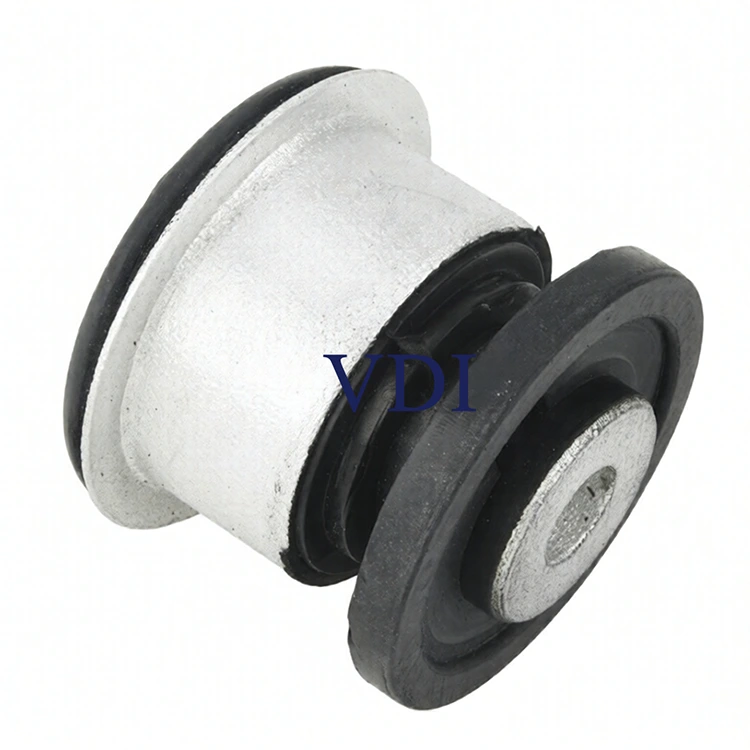
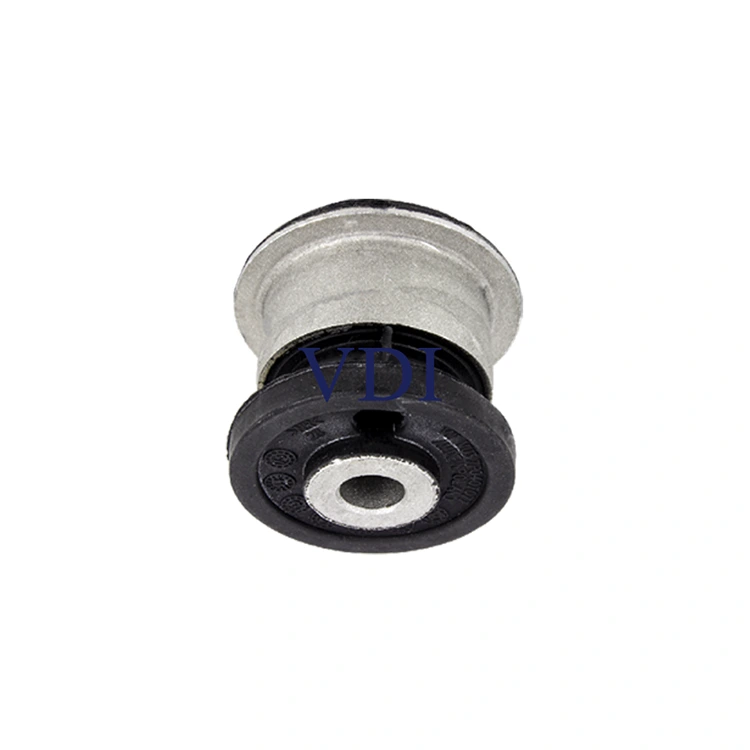
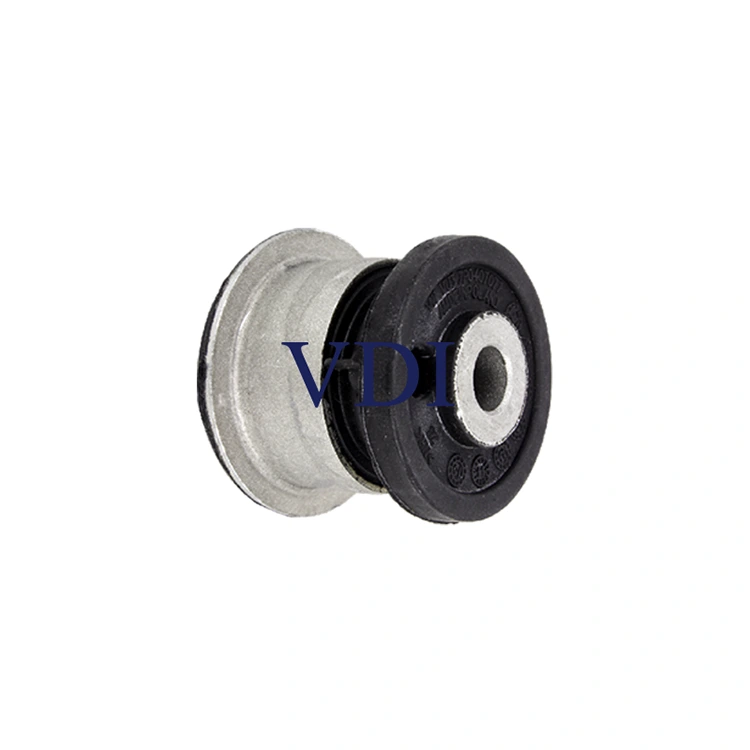
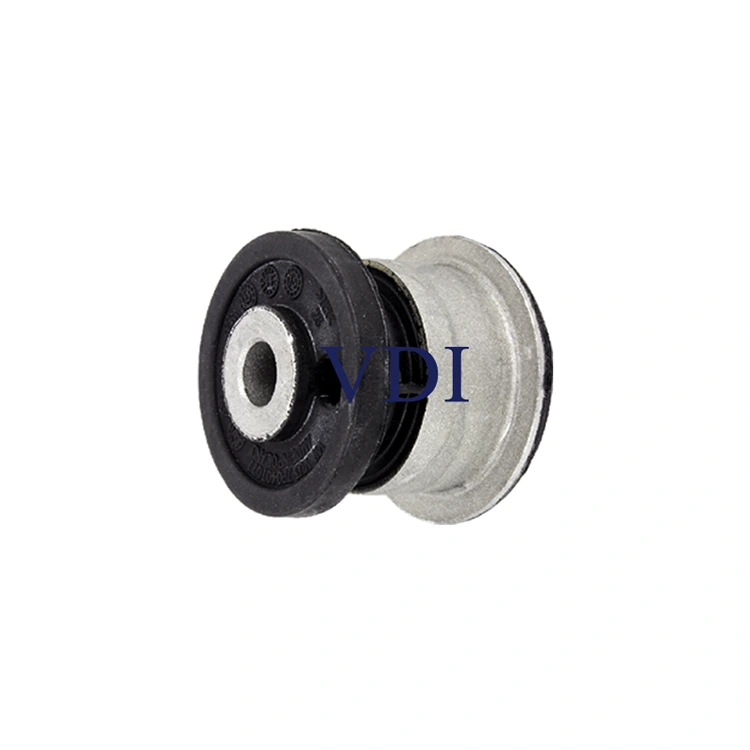
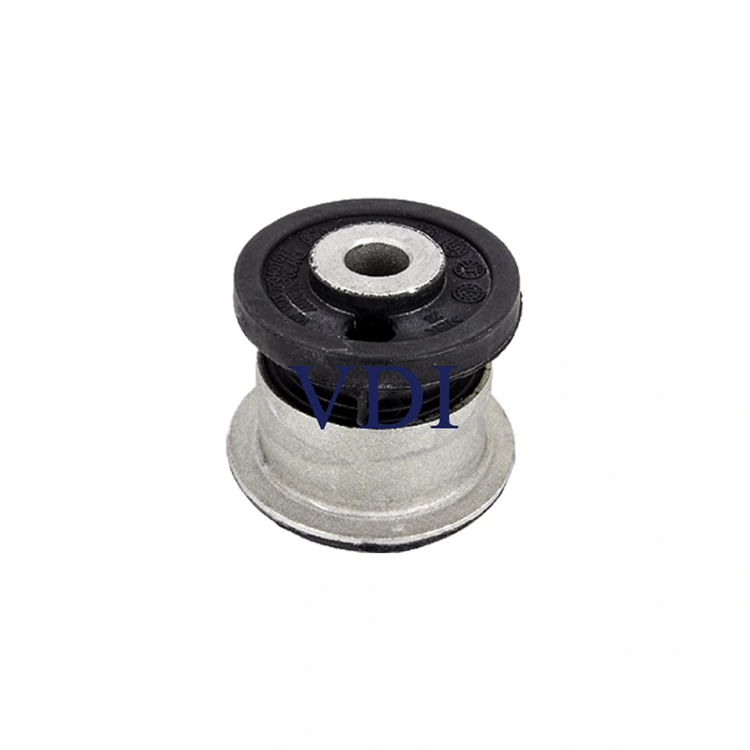
Control Arm Bushing 7P0407077 is a high-performance bushing built for aggressive driving, effectively prevents abnormal tire wear caused by bushing failure, and is a best-selling suspension bushing in hot climate markets.
Replacement NO:
Fit to:
AUDI Q7
Outer Diameter:52mm
Height:47mm
Inner Diameter:10mm
Control Arm Bushing 7P0407077 minimizes suspension play to significantly improve vehicle stability during cornering and high-speed driving.
Enhanced control delivers a smoother, more comfortable ride by reducing body roll and instability in turns.
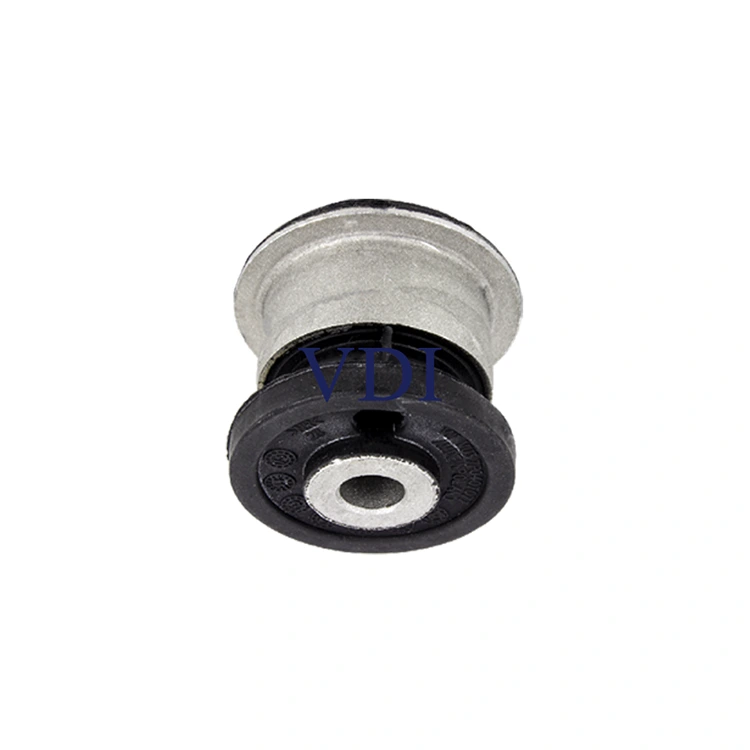
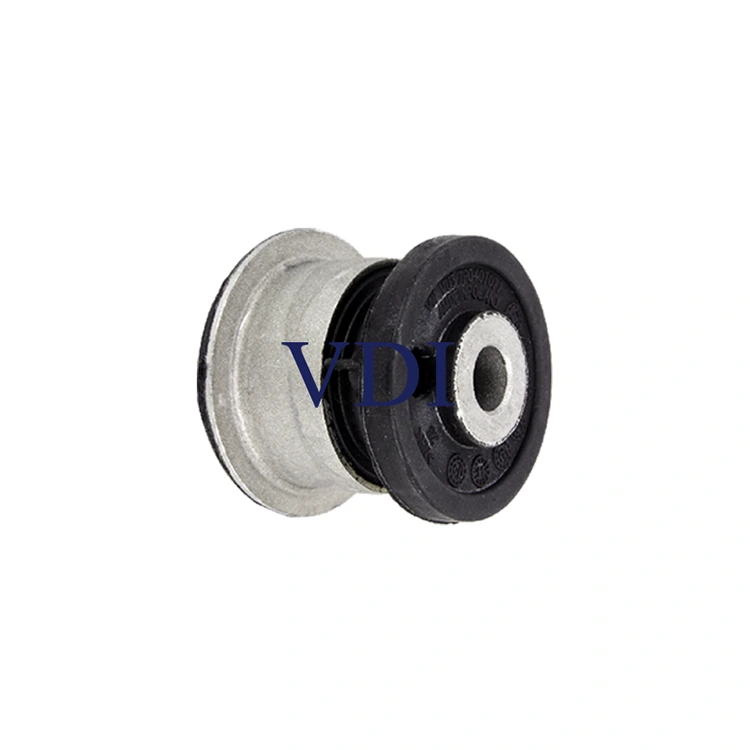
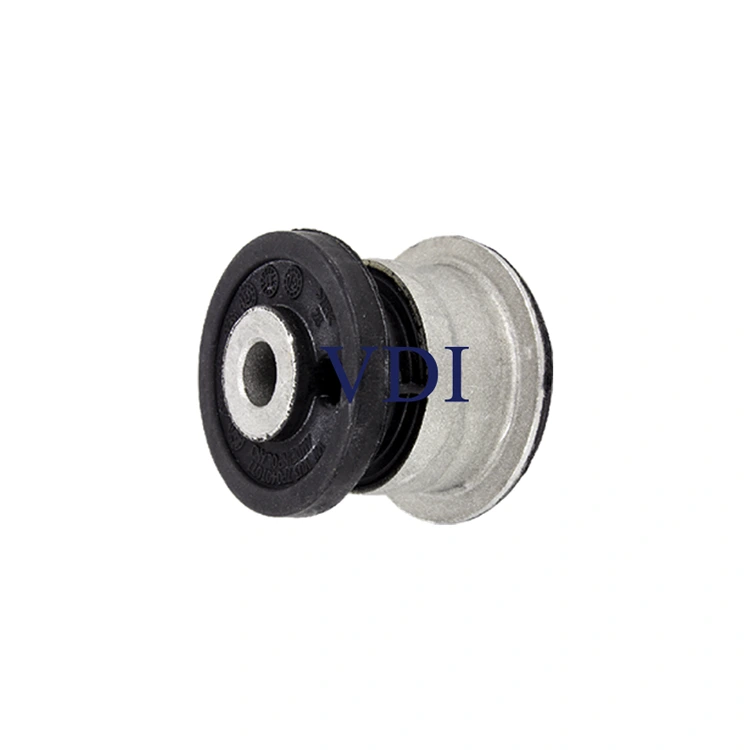
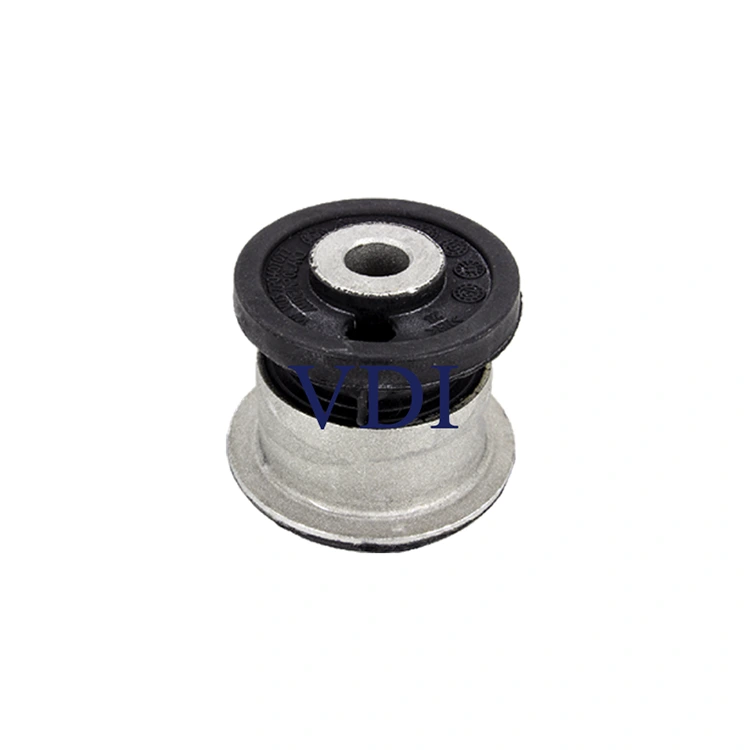
Control arm bushings are important, albeit silent, members of the suspension family. They’re usually made of rubber, in factory-built vehicles. Upgraded motor mounts are available from some aftermarket sources with better rubber compounding and a few that even utilize polyurethane. These parts are located where the control arms bolt into the subframe or chassis. They’re supposed to absorb road impacts, muffle vibrations and allow the arms to pivot smoothly — all while working to keep your car’s wheels squared with the road and minimize sway.
But the issue with worn bushings isn’t just noise or a rougher ride. Too much play can make the steering vague or unpredictable, cause tires to wear unevenly and place additional stress on other suspension components, including ball joints and tie rods. Over time, that extra stress can impact how your car drives — and even the caliber at which it stops.(VDI Control Arm Bushing 7P0407077 deliver a smooth and comfortable driving experience.)
There's no set mileage for when to replace bushings. It really depends on your driving habits and conditions – things like road quality, weather, how much you carry in your vehicle, and even how you turn corners.
● Usually, original rubber bushings can last anywhere from 60,000 to 100,000 miles if you're driving normally.
● But if you often drive on bad roads with potholes, carry heavy loads, or deal with road salt or extreme temperatures (like super cold winters and hot summers), they might wear out sooner, like around 40,000 to 50,000 miles.
● Most mechanics recommend checking your bushings when you get a wheel alignment or rotate your tires, instead of waiting until you hit a certain mileage.
● Polyurethane bushings tend to last longer than rubber ones and hold their shape better. They are stiffer, so you'll feel more of the road and hear more noise. Plus, many need to be greased now and then where they pivot. One thing to keep in mind: polyurethane can get hard faster in really hot places, which could make them wear out sooner.
Mechanics often spot these signs when bushings are wearing out:
● Your steering wheel shakes or vibrates. You might notice this a lot when you're on the freeway or when you brake.
● You hear clunking or knocking sounds when you drive over bumps. This normally means that metal parts are hitting each other because the bushing is no longer doing its job.
● Your tires are wearing unevenly, mostly on the inside or outside edges.
● Your steering feels loose or not exact. Your car could drift or pull to one side without you even trying to steer.
● Your car leans more when you turn, or it feels unstable when you brake hard.
If you don't fix these problems, they can become bigger (and more expensive). For example, your ball joints might wear out early, or it might take you longer to stop.
The best time to check bushings is when you're getting your car serviced, like during an alignment or tire rotation. A pro can give you the best idea of what's up, but you can do a quick check at home too:
1. Jack up your car safely and use jack stands to hold it up. Never get under a car that's only held up by a jack.
2. Find the control arms. They're usually near the front wheels, and see where they connect to the car's frame. That’s where the bushings are.
3. Take a good look for any cracks, splits, dry rot, swelling (usually from oil), or if the rubber is coming apart from the metal.
4. Use a pry bar to gently move the control arm near the bushing. If it moves more than about 3 mm (1/8 inch), the bushing is probably worn out.
5. If you have a new bushing, compare it to the old one. Worn bushings often look flat, cracked, or just not the right shape.
● Don't put grease on rubber bushings. It can actually mess them up faster.
● Take it easy over potholes and speed bumps. Hitting them hard just wears things out quicker.
● Make sure your wheels are lined up right. If they're not, it stresses your suspension.
● If you drive where they salt the roads, rinse the bottom of your car. This helps stop rust.
● If you get polyurethane bushings because they last longer or handle better, read the instructions. A lot of brands say to put special grease on them every few years.
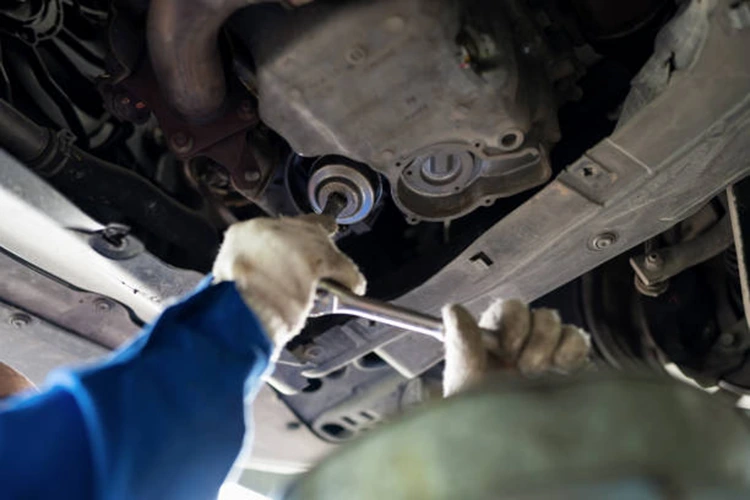
When the time comes to replace those worn bushings, it's a great idea to do both the left and right sides at the same time; this keeps the suspension balanced. These days, in a lot of cars, the bushings are pressed into the control arm, so they can't be replaced one at a time — you have to swap out the whole arm.
Here's a key point: Always tighten the mounting bolts when the car is on the ground, not up in the air. This makes sure the suspension is under its usual load, which affects the seating of the bushings as well as how the alignment holds up over time.(Welcome to order VDI Control Arm Bushing 7P0407077!)
All Control Arm Bushing 7P0407077 are sold individually—no bundling—so you can flexibly order left/right/front/rear units based on market demand to reduce inventory pressure, with mixed-batch orders fully supported.