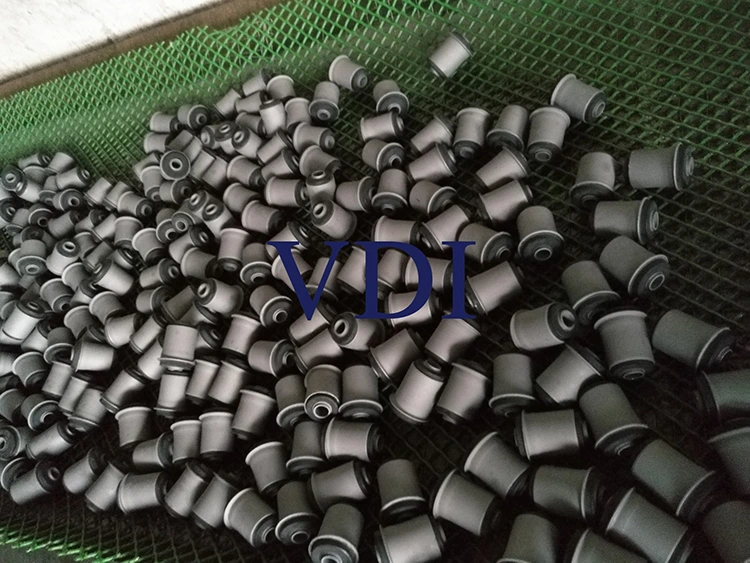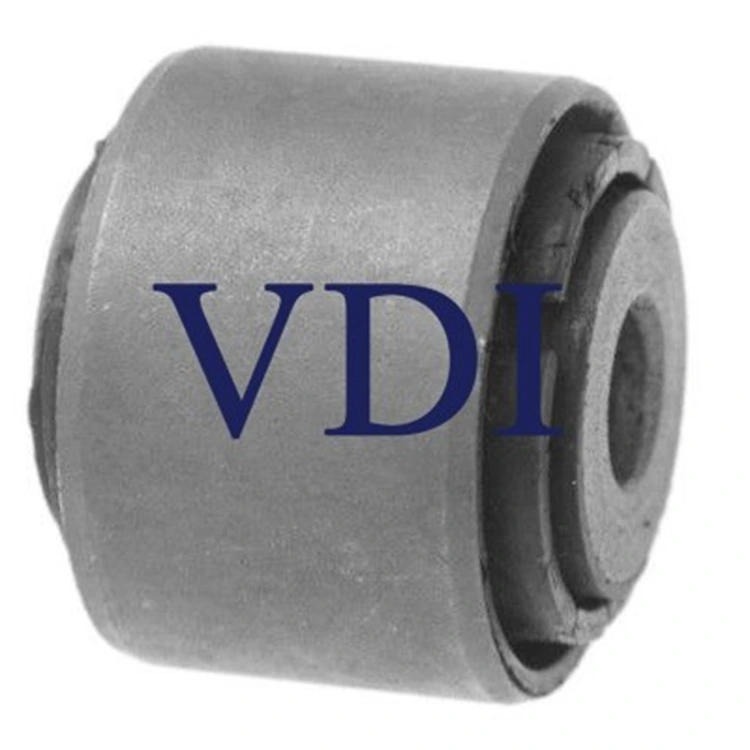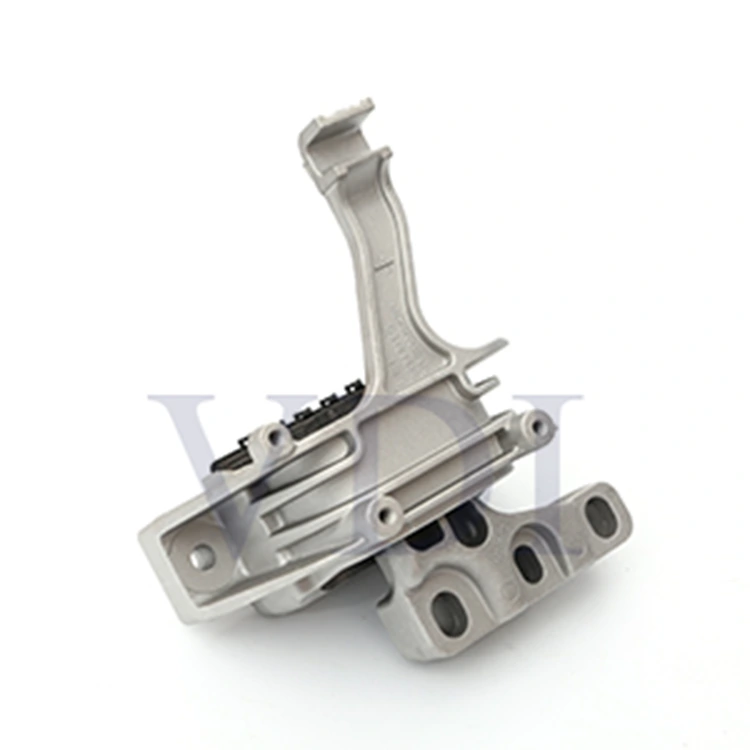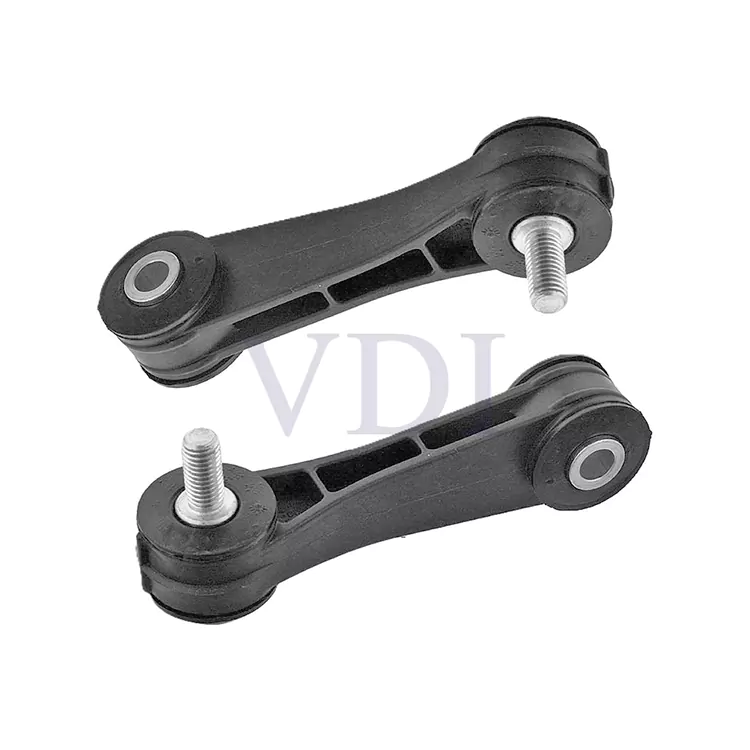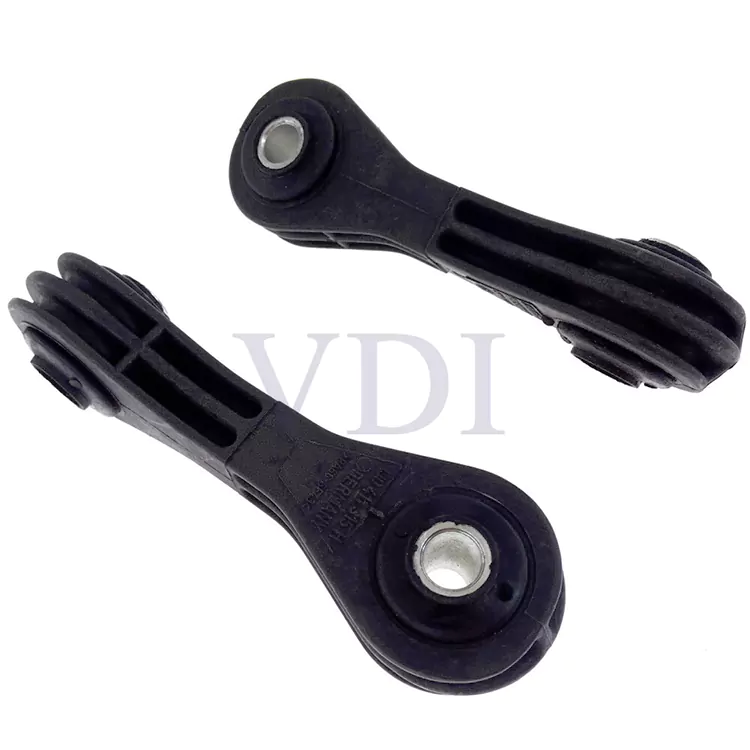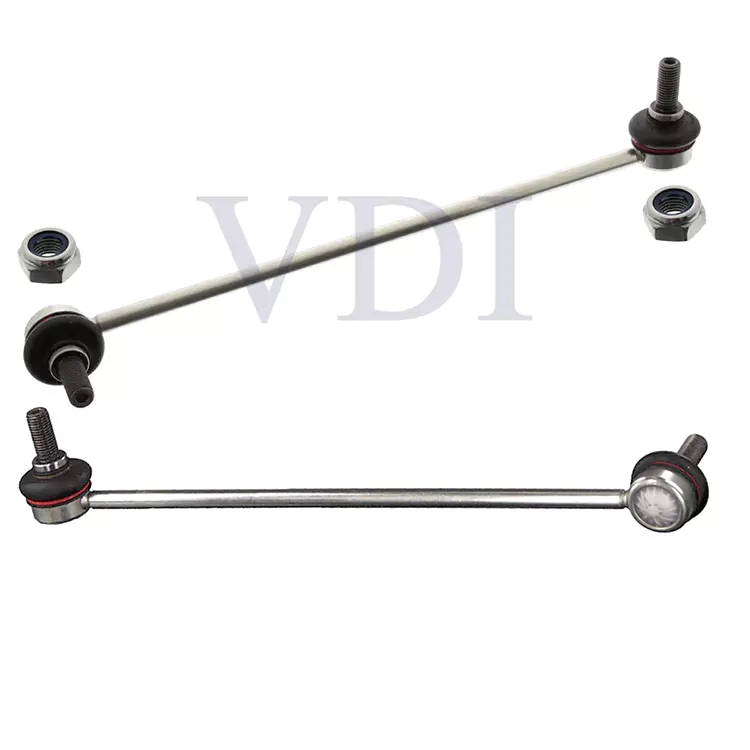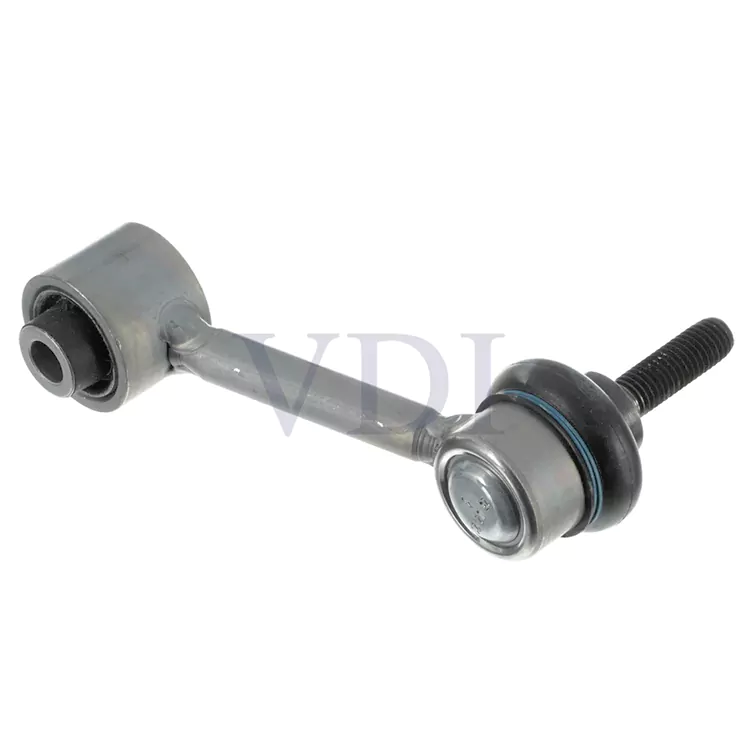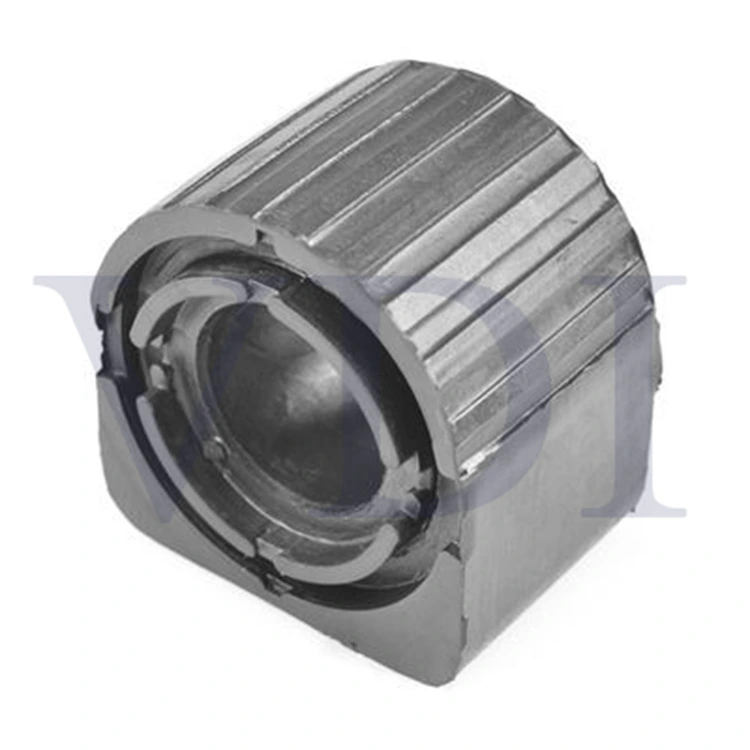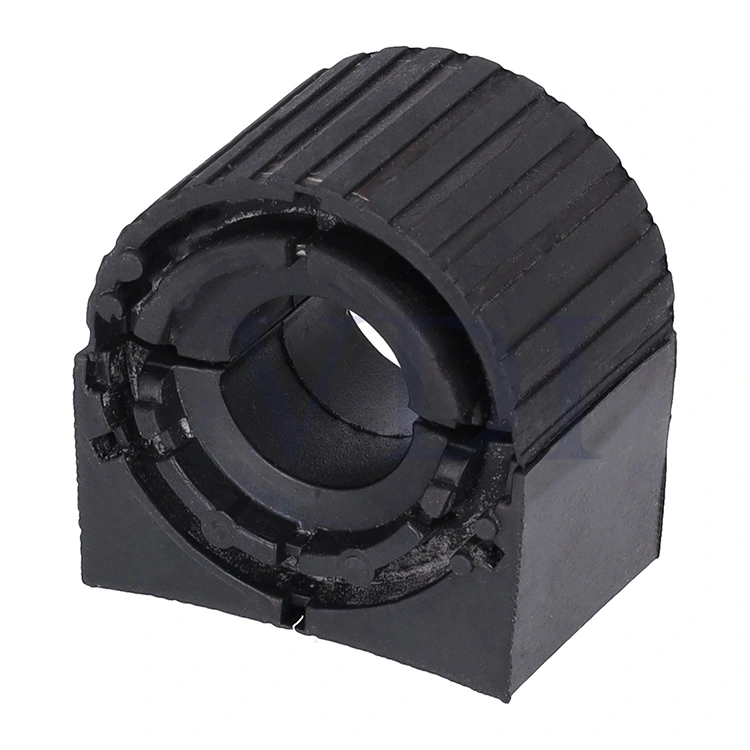

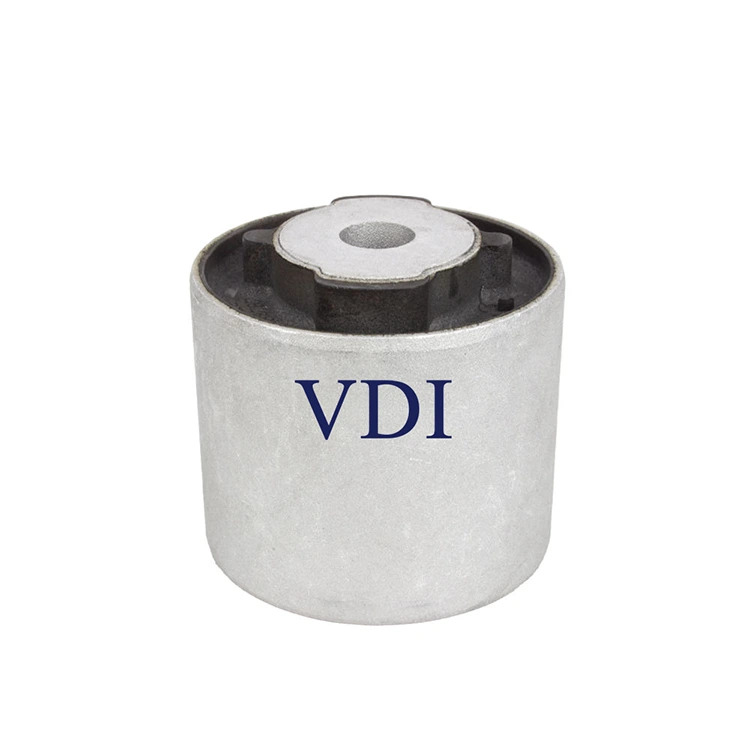
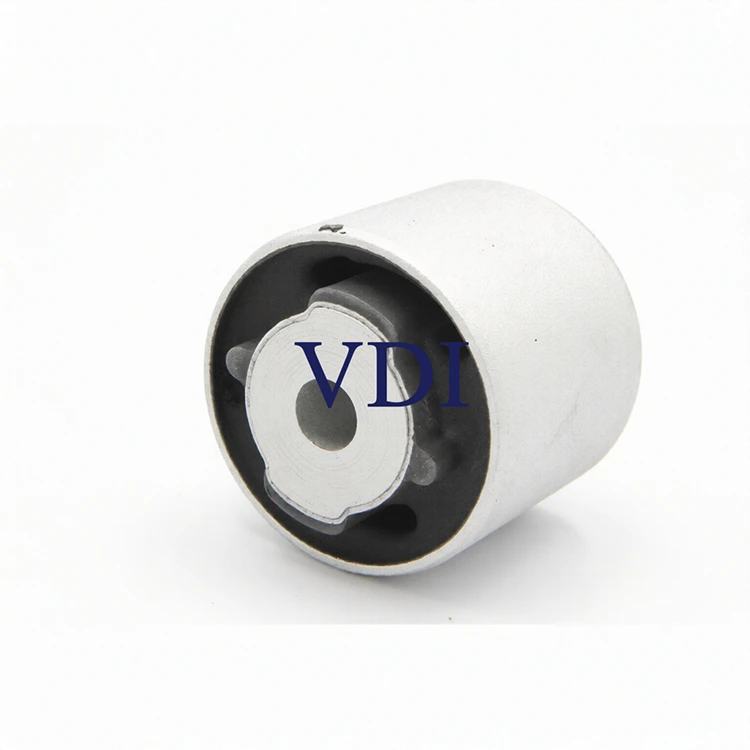

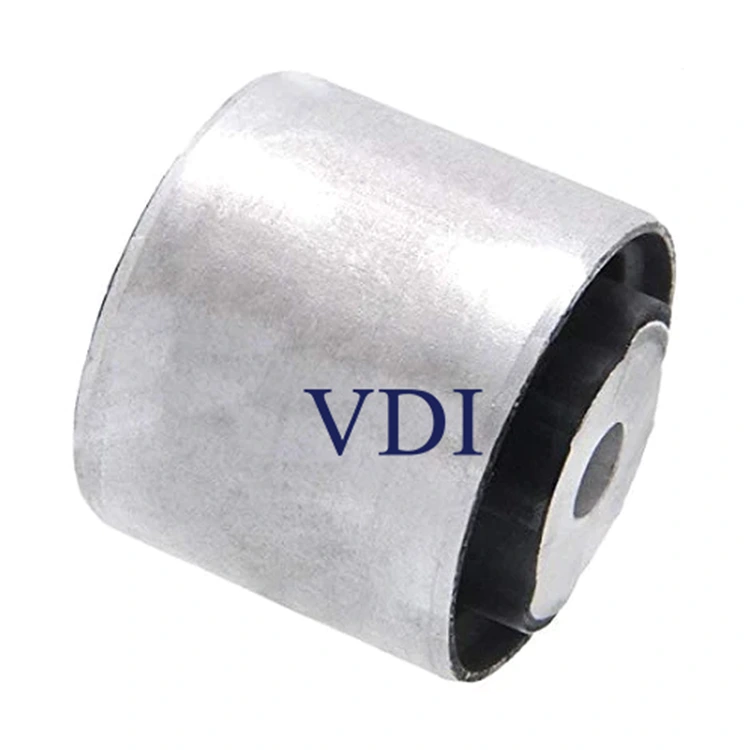
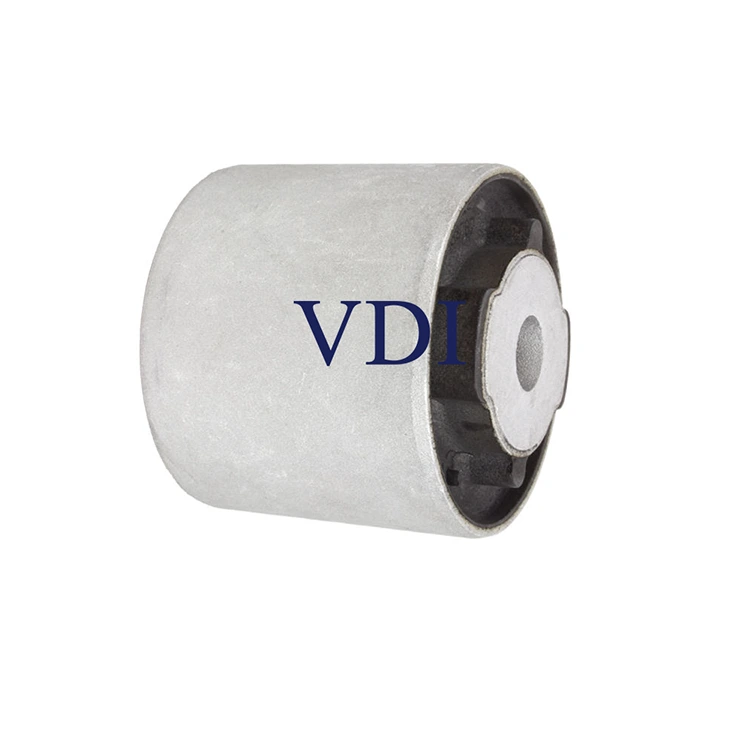
Control Arm Bushing 7L0525337B features a multi-durometer hardness structure for balanced stiffness and flexibility that protects your chassis, an integrated stress-relief cavity to reduce the risk of localized cracking, and a built-in vibration-damping rubber layer for smoother rides over speed bumps.
7L0 525 337 A
Fit to:
VW TOUAREG
Outer Diameter:60mm
Height:60mm
Inner Diameter:12mm
Control Arm Bushing 7L0525337B delivers faster dynamic response for seamless, natural transitions between throttle and braking.
Sharper and more decisive steering return-to-center makes everyday driving easier and less fatiguing.
Enhanced stability through consecutive corners significantly boosts driving enjoyment and confidence.
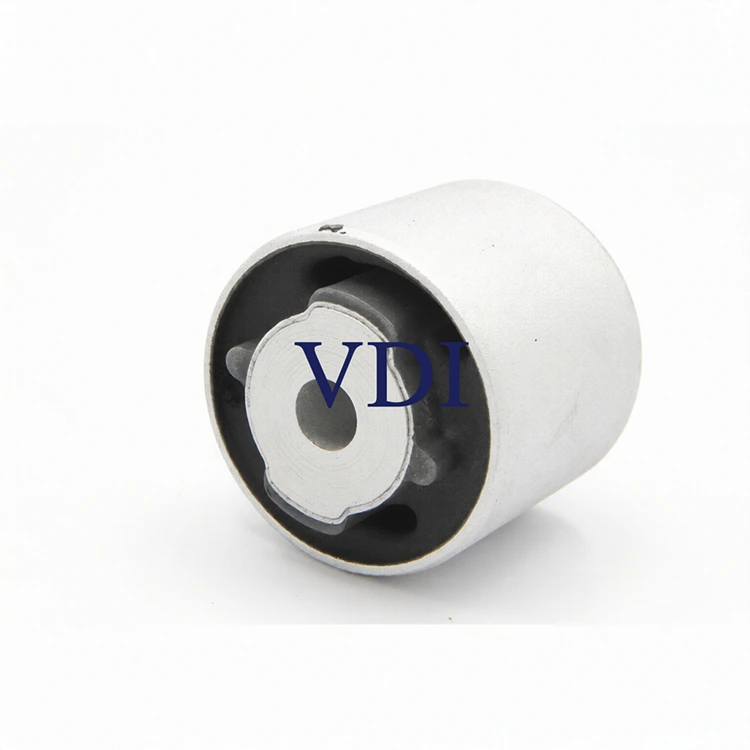
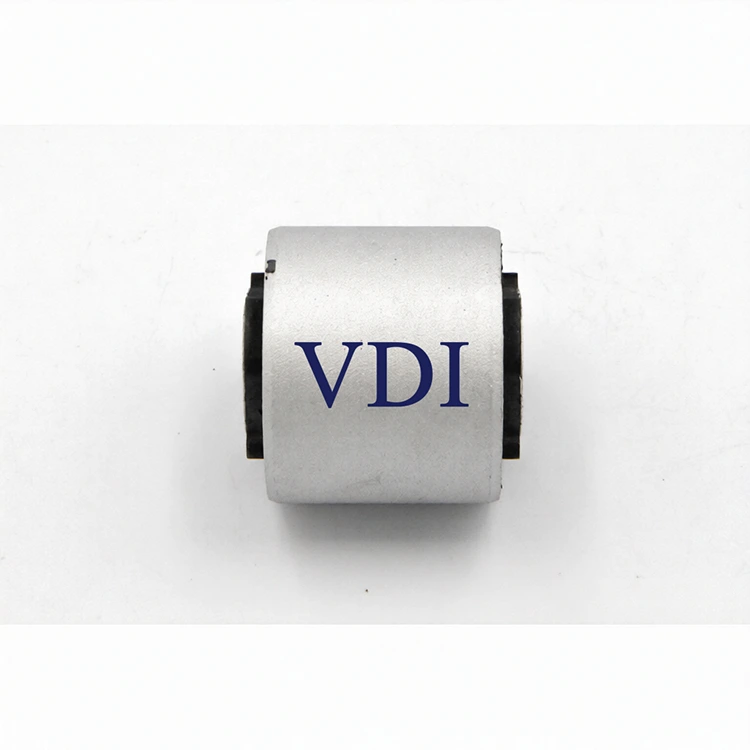
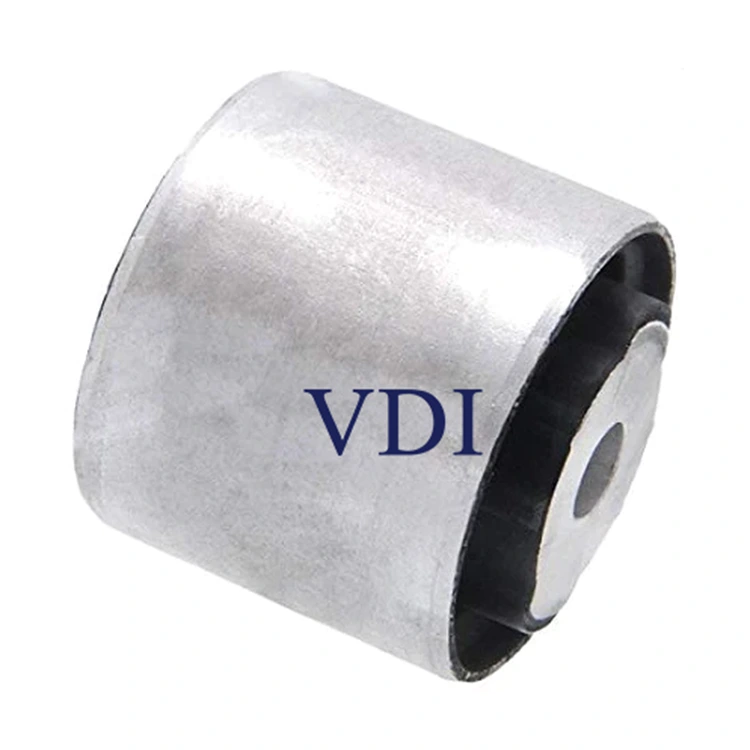
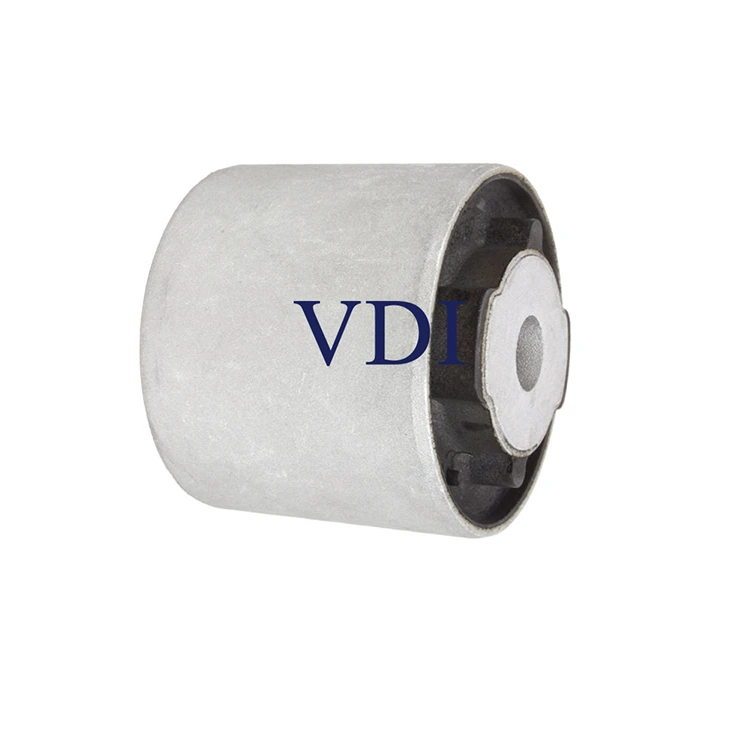
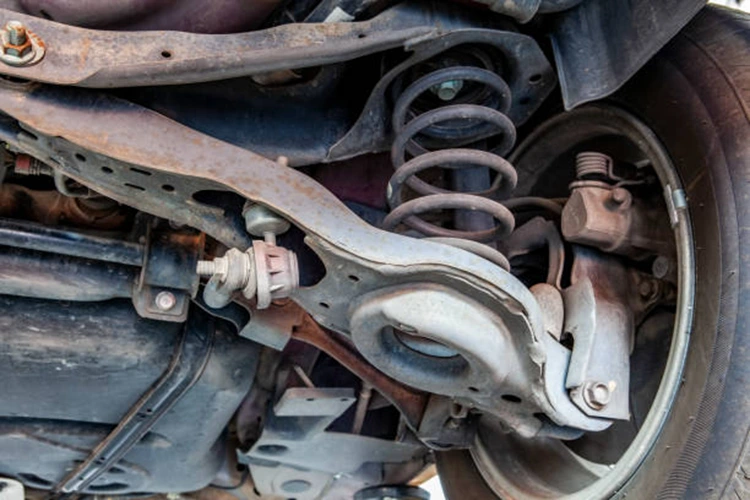
Control arm bushings serve as vital elements within a vehicle's suspension system. Typically, the bushings placed by the manufacturer consist of rubber, whereas those intended for high-performance applications may utilize superior rubber or polyurethane substances. These bushings are positioned at the points where the control arms connect to the subframe or chassis. Their function is to absorb impacts from the road and reduce vibrations, enabling the control arm to function efficiently while also contributing to precise wheel alignment and the overall stability of the vehicle.
Nonetheless, as the bushings begin to wear out, the problems evolve beyond mere trivial noises or irritations. Operating the vehicle with excessive play can lead to erratic steering responses, which increases tire deterioration and adds additional strain on various suspension parts like tie rods and ball joints, potentially putting safety at risk.
What Is the Lifespan of a Control Arm Bushing?
Typically, there is no specific timeframe set for when a bushing should be replaced, whether based on mileage or personal standards, as its longevity is greatly influenced by factors such as driving habits, climatic conditions, road surfaces, and the vehicle's weight.
● Under standard driving circumstances, original rubber bushings are anticipated to perform adequately for a duration ranging from 60,000 to 100,000 miles.
● In adverse situations, such as hitting potholes, transporting heavy loads, or facing frequent exposure to road salt and extreme temperature fluctuations from cold winters to very hot summers, they might wear out sooner, failing within the range of 40,000 to 50,000 miles.
● Regular upkeep of the suspension system, which should include actions like checking alignments and rotating tires, should consist of bushing evaluations, as advised by a certified mechanic.
● Polyurethane bushings typically provide enhanced stiffness and a longer lifespan compared to rubber alternatives; however, they may transmit more road noise and require periodic lubrication at their connection points. It is important to note that polyurethane is more vulnerable to high heat and may become rigid over time, suggesting that it could be less effective in hotter regions such as the Middle East or Southern Europe.
Indicators of Damaged Bushings
According to insights frequently shared by seasoned mechanics:
● A steering wheel that vibrates or shakes, particularly noticeable at higher speeds or during braking.
● Noises resembling clunks or knocks when traversing uneven surfaces (at the back of the vehicle), occurring because of metal coming into contact with metal due to restricted bushing motion.
● Irregular or early tire wear, for instance, visible on either the inner or outer edges of the tread.
● Steering that feels unsteady and lacks accuracy; the vehicle may drift or veer toward one side.
● A car that exhibits increased body roll during turns and displays diminished stability when coming to a stop.
Overlooking these signs may result in more significant complications, including premature failure of ball joints or decreased braking performance.
When Is the Appropriate Moment to Inspect Control Arm Bushings?
Engage in regular maintenance tasks, including tire rotations and alignment procedures. While this advice is broadly applicable, a skilled technician can offer a more comprehensive evaluation. However, you may wish to carry out this straightforward examination:
1. Carefully elevate the vehicle and secure it using jack stands.
2. Identify the arms located near the wheels and assess the ends of the bushings that connect them to the vehicle's chassis.
3. Search for any visible signs, such as fractures, cuts, indications of dry rot, bulging from oil, or any detachment of rubber components.
4. Delicately apply a lever to raise the control arm close to the bushing—any movement that exceeds 3mm (approximately 1/8 of an inch) typically signifies deterioration.
5. If you have a new bushing available, compare it with the old one—worn bushings frequently exhibit signs of compression, cracking, or deformation.
Maintenance Suggestions
● Steer clear of putting oil or grease on rubber bushings, as this could result in their expansion and faster wear.
● Handle other parts with caution: avoid driving at high speeds over potholes and speed bumps.
● Confirm that your wheel alignment is correct to avoid uneven strain on the suspension system.
● Frequently clean the bottom of your vehicle to diminish the chance of rust developing, especially if you live in an area that uses road salt or similar de-icing agents.
● If you choose polyurethane bushings to improve durability and performance, follow the upkeep instructions given by the manufacturer—many recommend applying a specific kind of grease every few years.
Replacement Notes
When making replacements, it is crucial to change both the left and right CV axles in order to achieve optimal handling of the vehicle. In most modern cars, the bushings are integrated into the control arm, which means they cannot be swapped out individually; thus, the whole arm must be replaced. Adhere to the torque values specified by the original equipment manufacturer, and to ensure proper preload and alignment, it is essential to tighten the mounting bolts while the vehicle is at its standard ride height, a condition reached when the weight is supported by the wheels.
This document is meant solely for informational purposes. For specific guidance related to your vehicle, please consult a trained automotive professional. Regular inspections are the most effective method to ensure long-term and safe functioning.
For scenarios that demand OEM-grade quality, parts like the VDI Control Arm Bushing 7L0525337B are designed to meet these performance and durability standards, even under challenging conditions.
We fully support OEM private labeling for Control Arm Bushing 7L0525337B: you can add your own logo, brand name, barcode, and even customize packaging colors and instruction manual languages. Many overseas distributors are already selling our product under their own brand—enjoying higher profit margins.