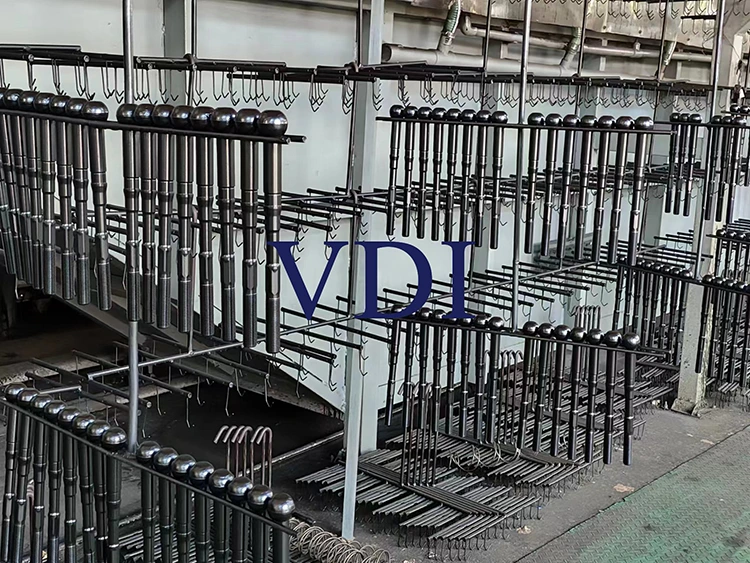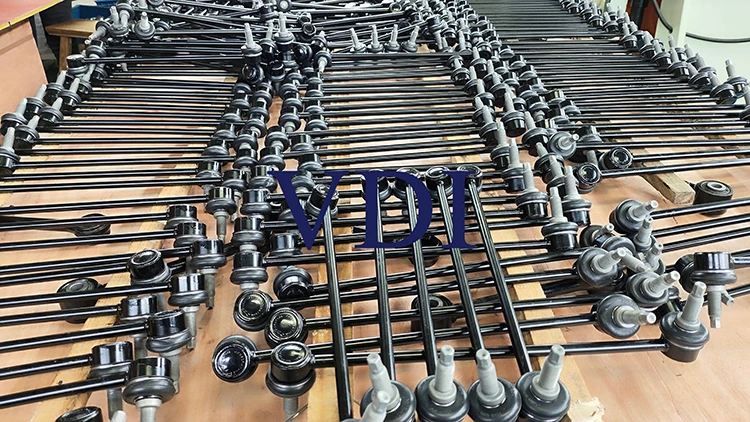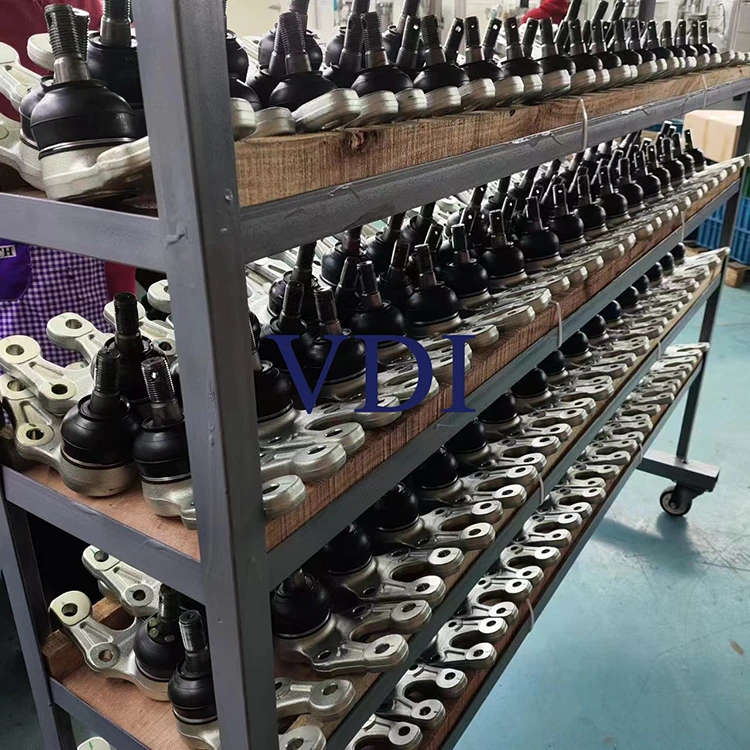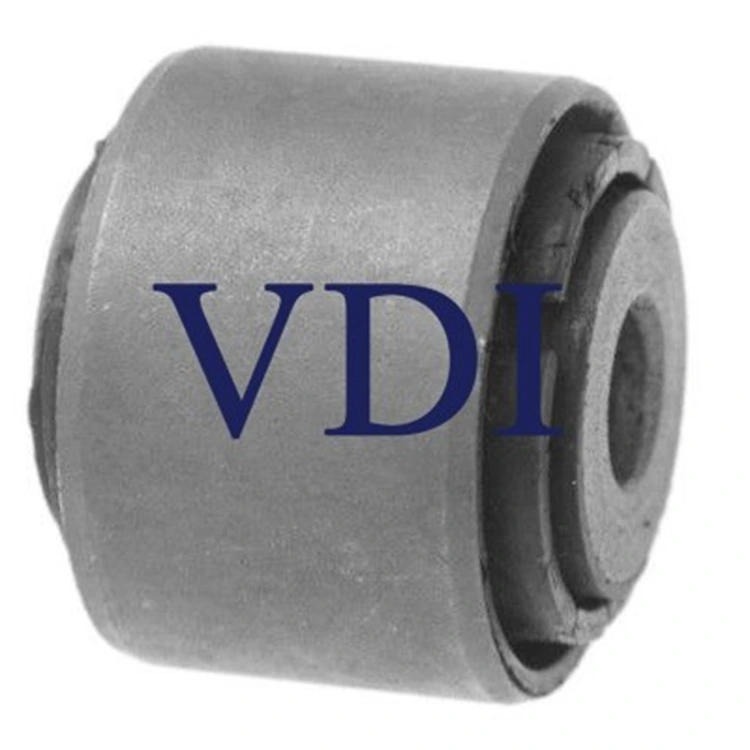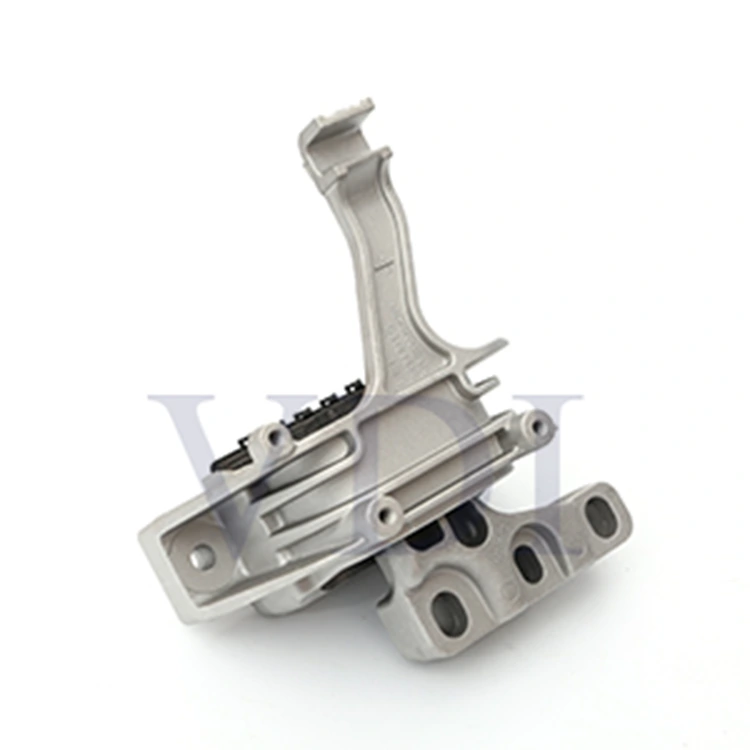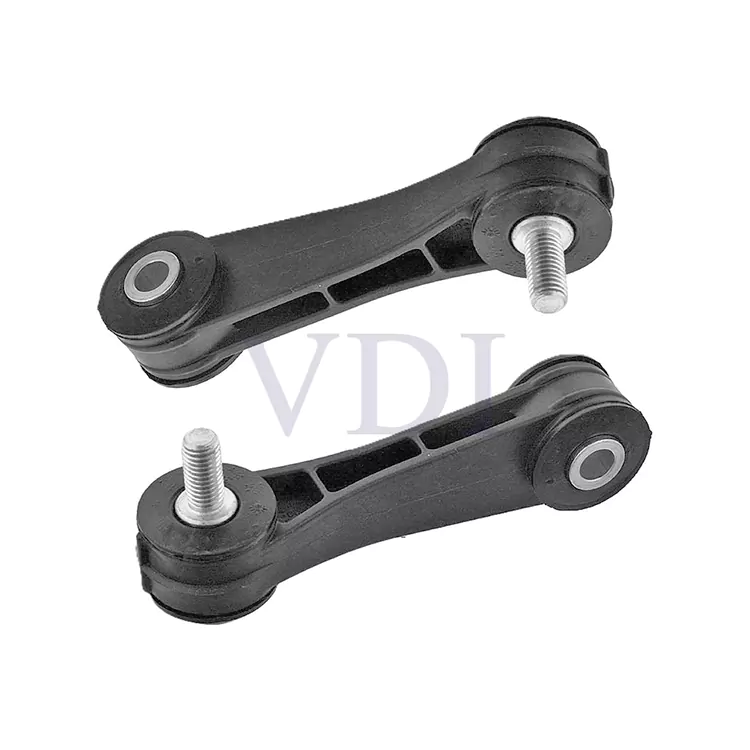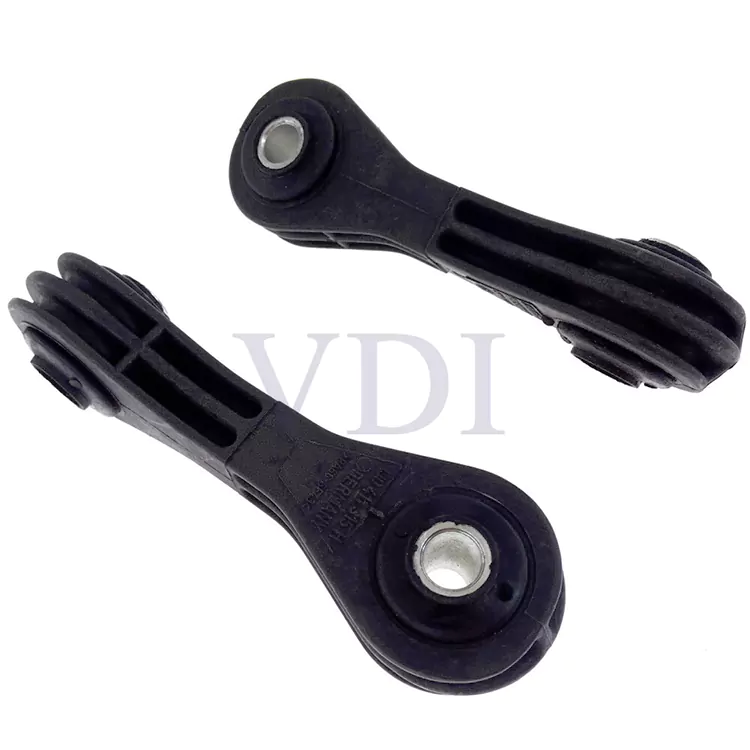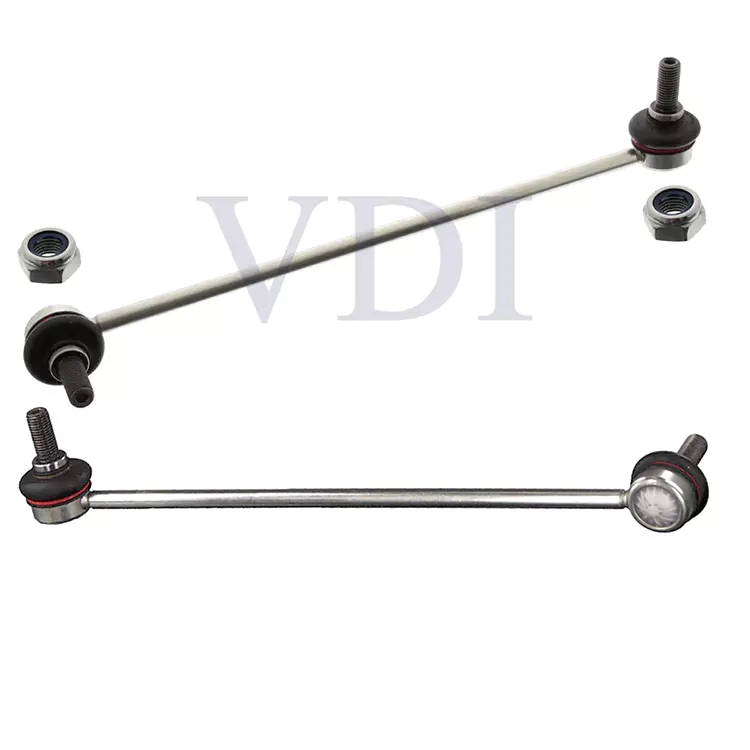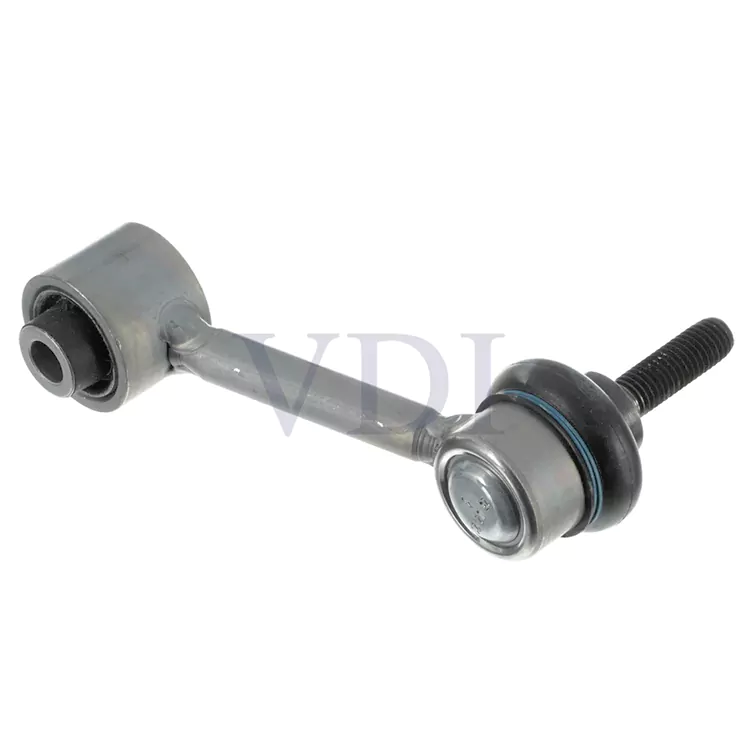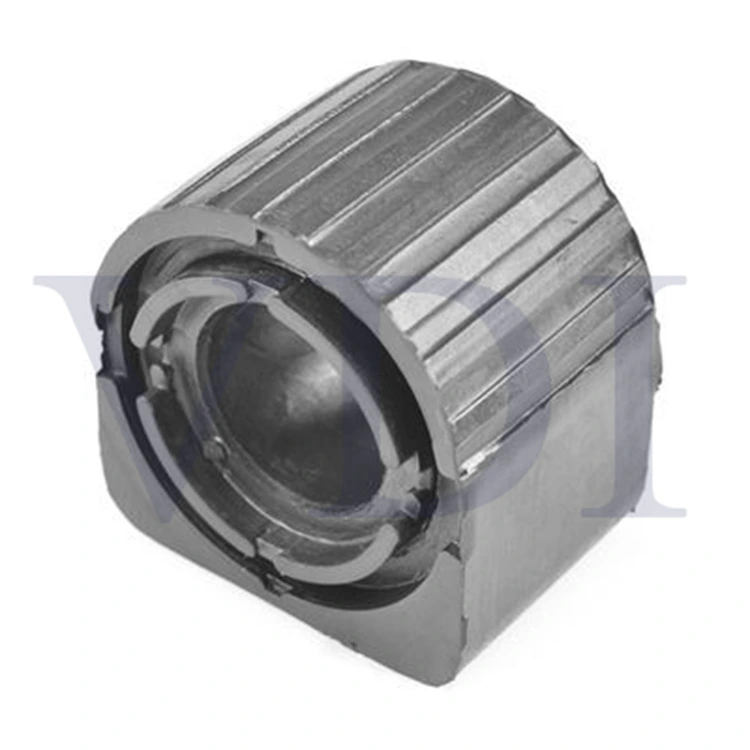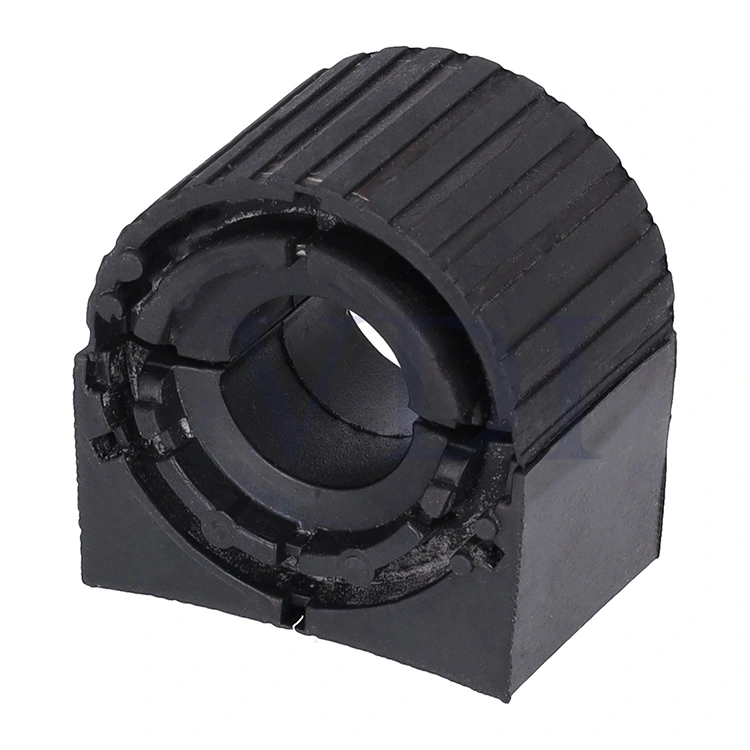

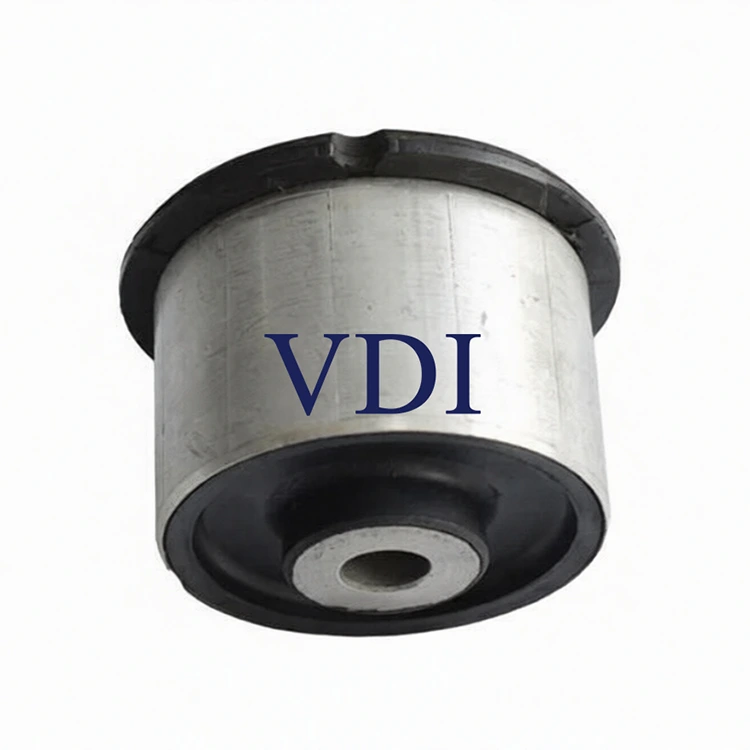
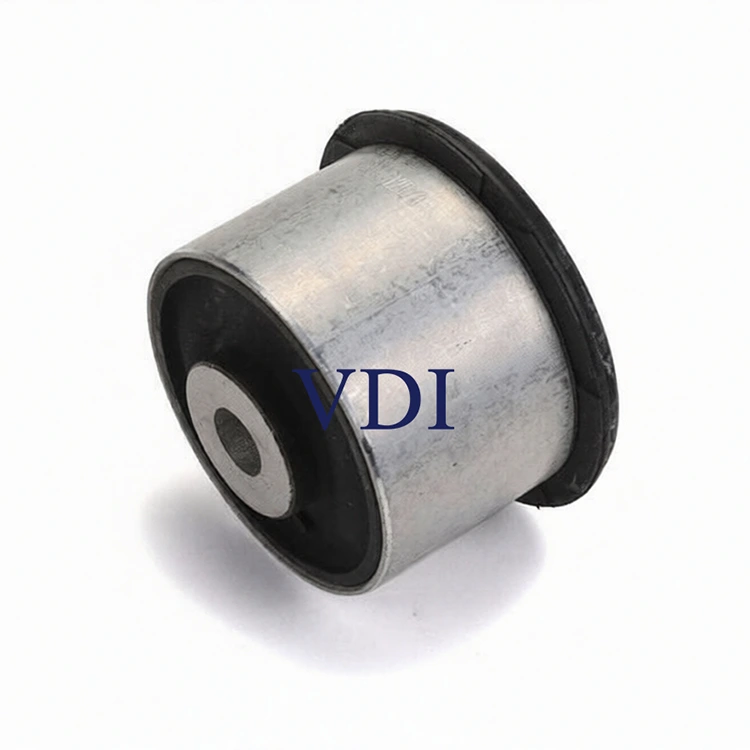
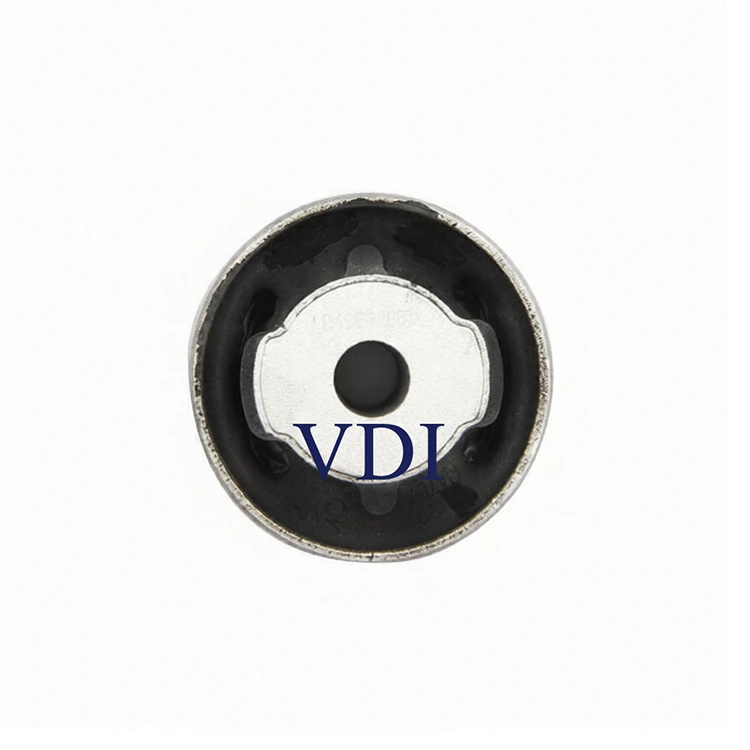
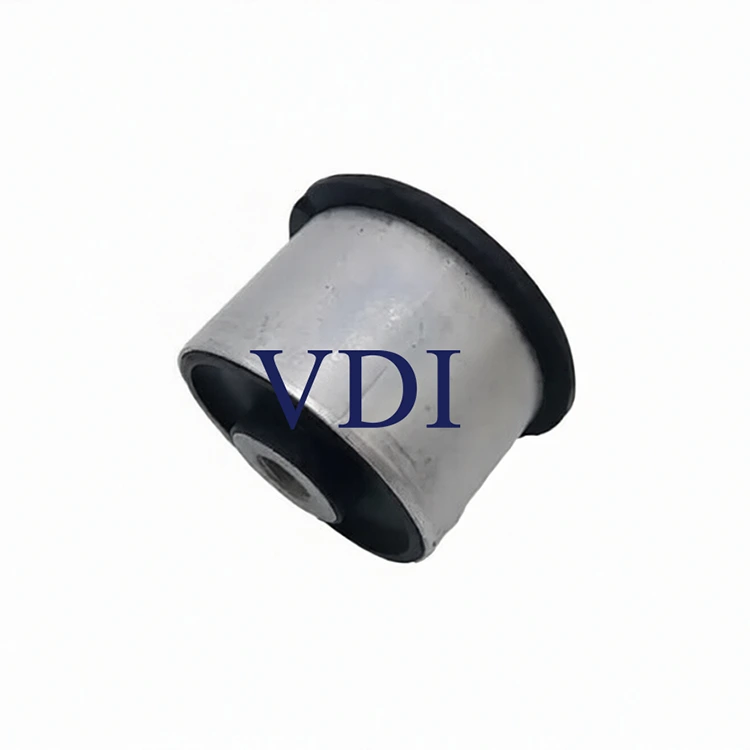
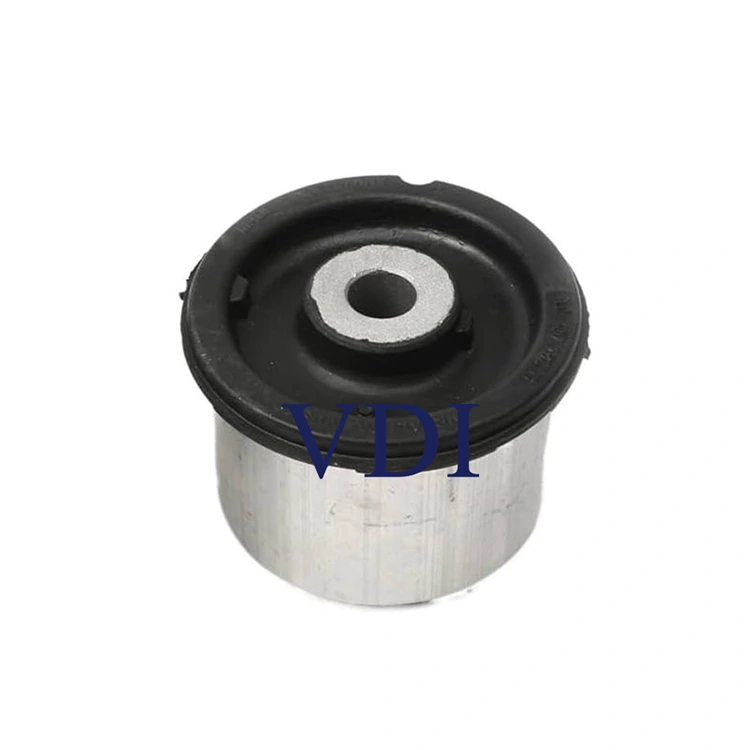
Control Arm Bushing 7L0407182G features ozone and UV resistance for reliable 10-year performance even on coastal salt-heavy roads, comes pre-pressed into the control arm for quick, hassle-free installation, and includes a graphite-infused self-lubricating formula to eliminate squeaks and creaks.
7L0 407 182 D
7L0 407 182 F
Fit to:
AUDI Q7
VW TOUAREG
PORSCHE CAYENNE
Outer Diameter:72mm
Height:60mm
Inner Diameter:14mm
● Control Arm Bushing 7L0407182G delivers noticeably smoother ride over bumps and potholes, significantly enhancing daily driving comfort.
● Optimized noise and vibration damping keeps the cabin much quieter and more refined for a relaxed driving experience.
● Provides more consistent tire contact with the road, improving grip uniformity and stability during high-load or emergency maneuvers.
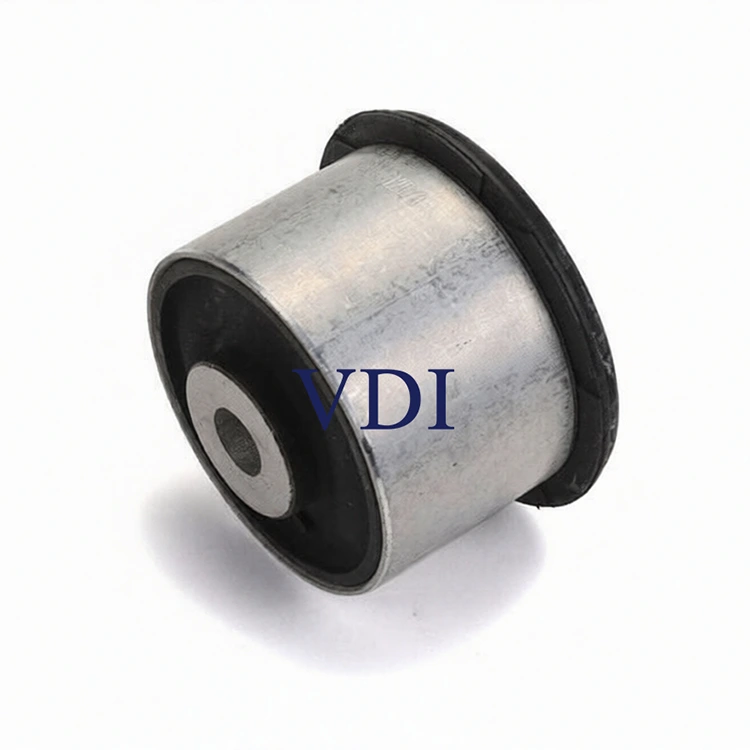
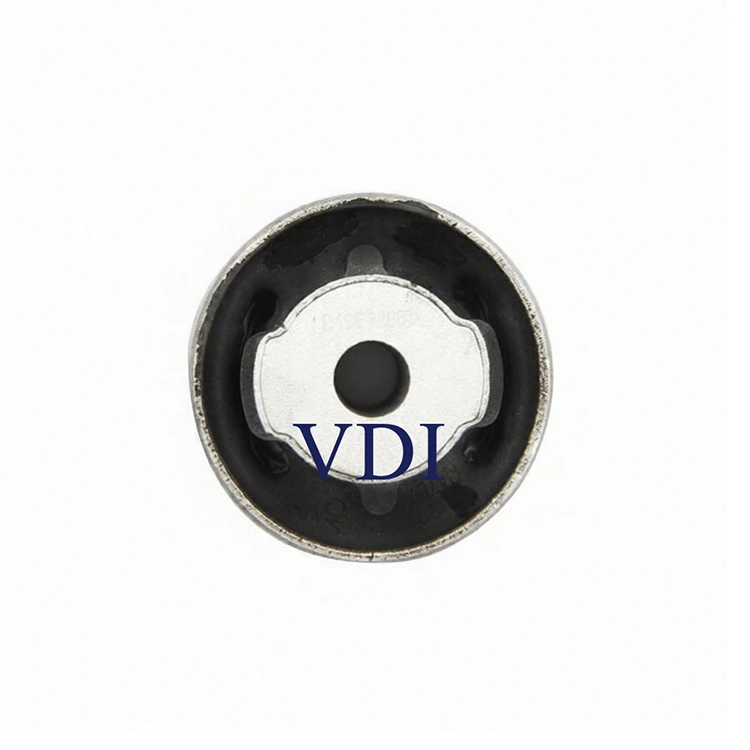
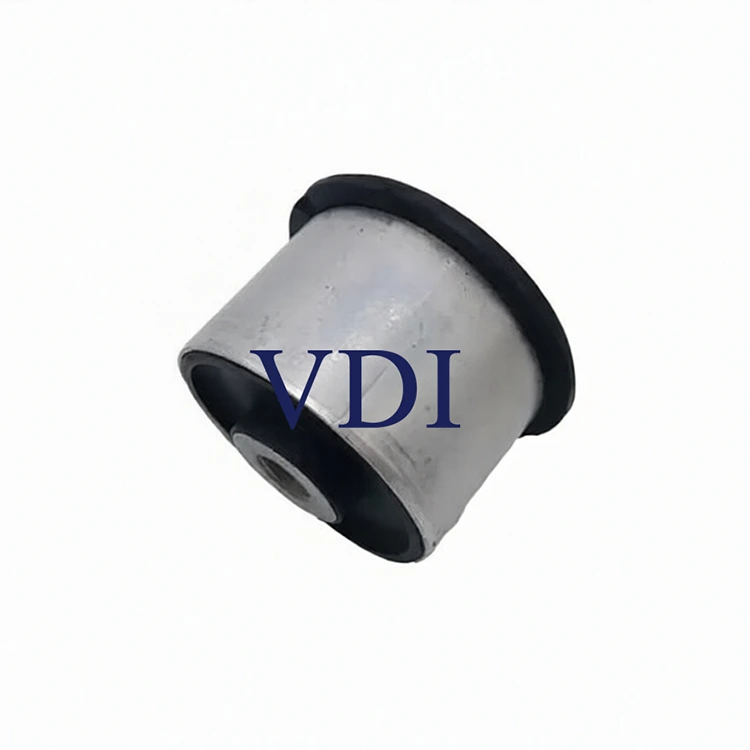
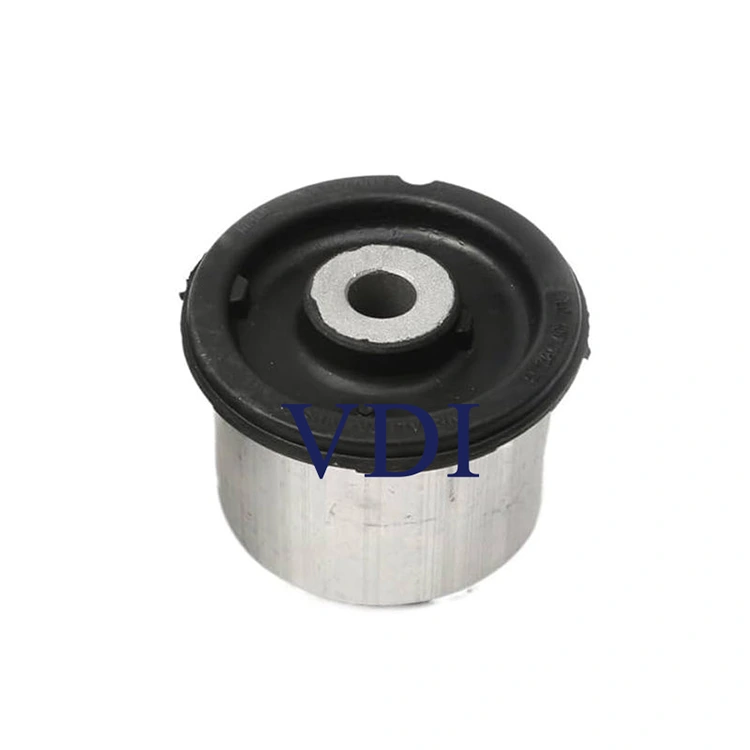
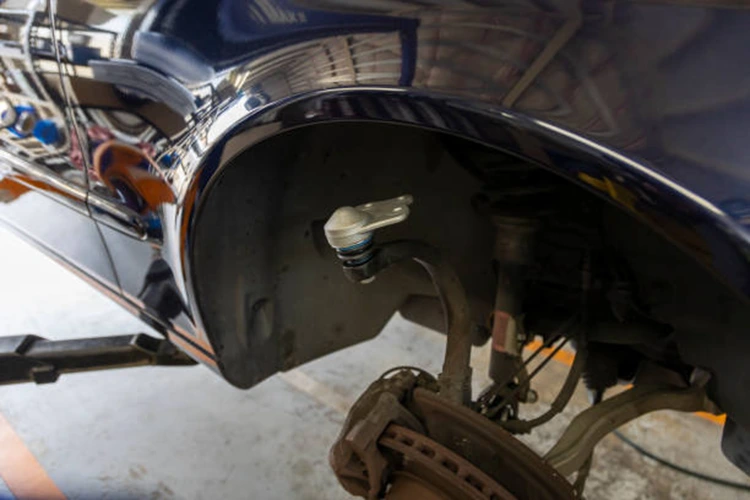
Control arm bushings are essential components in a vehicle's suspension setup. Usually, the bushings installed by the manufacturer are made of rubber, while those designed for high-performance uses often utilize enhanced rubber or even polyurethane materials. These bushings are located where the control arms attach to the subframe or chassis. Their purpose is to dampen shocks from the road and minimize vibrations, allowing the control arm to operate smoothly and helping to uphold accurate wheel alignment and the overall stability of the vehicle.
However, when the bushings start to degrade, the issues turn into more than just minor sounds or annoyance. Driving the car with too much looseness can result in unpredictable steering reactions, which accelerates tire wear and puts extra stress on other suspension components such as ball joints and tie rods, potentially jeopardizing safety.
What Is the Lifespan of a Control Arm Bushing?
A definitive schedule for replacement, whether based on mileage or user needs, is generally not provided because the lifespan of the bushing is heavily influenced by factors such as driving habits, weather conditions, road surface quality, and the weight the vehicle carries.
● When driving under standard conditions, original equipment rubber bushings are anticipated to function effectively between 60,000 and 100,000 miles.
● In severe circumstances, like encountering potholes, transporting heavy loads, or frequent exposure to road salt or significant temperature variations from cold winters to hot summers, they might fail sooner, between 40,000 to 50,000 miles.
● Routine upkeep of the suspension system, involving activities like alignment and tire rotations, should include inspections of the bushings, as advised by a professional mechanic.
● Polyurethane bushings typically provide enhanced stiffness and a longer lifespan compared to rubber variants, but they may also transmit more road noise and could require occasional lubrication at joint points. Nonetheless, polyurethane is more vulnerable to high temperatures and might become rigid over time, suggesting it may not perform as well in hotter regions such as the Middle East or Southern Europe.
Indicators of Worn Bushings
Based on observations often reported by experienced mechanics:
● A steering wheel that shakes or vibrates, especially evident at higher speeds or when braking.
● Sounds like clunking or knocking when going over rough terrain (at the rear of the vehicle), which happens due to metal rubbing against metal because of limited bushing movement.
● Uneven or premature tire wear, for example, noticeable on the inner or outer sides of the tread.
● Steering that appears loose and lacks precision; the car might veer or drift towards one direction.
● A vehicle that displays greater body roll while taking turns and shows less stability when stopping.
Ignoring these issues can lead to more serious problems, such as early failure of ball joints or reduced braking efficiency.
When Should You Inspect Control Arm Bushings?
Utilize routine maintenance procedures, including tire rotations and alignments. While this advice is quite broad, an experienced technician can offer a more detailed evaluation. However, you might think about performing this straightforward examination:
1. Lift the vehicle with caution and secure it using jack stands.
2. Find the arms situated near the wheel and examine the ends of the bushings connecting them to the chassis.
3. Search for obvious signs such as cracks, cuts, dry rot, bulging caused by oil, and any separation of rubber components.
4. Carefully use a lever to pry the control arm adjacent to the bushing—any movement exceeding 3mm (about 1/8 of an inch) typically suggests wear and tear.
5. If you have a new bushing, compare it to the old one—worn bushings frequently exhibit signs of flattening, cracking, or warping.
Maintenance Recommendations
● Avoid using oil or grease on rubber bushings, as this may lead to their swelling and quicker degradation.
● Treat your other parts with caution: refrain from navigating over potholes and speed bumps too rapidly.
● Make sure your wheels are properly aligned to prevent uneven stress on the suspension system.
● Regularly clean the bottom of your vehicle to reduce the chance of rust, particularly if you are in a region where road salt or other de-icing agents are applied.
● If you opt for polyurethane bushings to enhance durability and handling, adhere to the maintenance guidelines provided by the manufacturer—many suggest applying a specific type of grease every couple of years.
Replacement Notes
When performing replacements, it is vital to replace both the left and right CV axles to ensure the best handling performance of the vehicle. In the case of most newer vehicles, bushings are built into the control arm and cannot be replaced separately; therefore, the entire arm needs to be exchanged. Follow the torque specifications provided by the original equipment manufacturer, and to achieve proper preload and alignment, it is important to secure the mounting bolts while the vehicle is at its normal ride height, which occurs when the weight is resting on the wheels.
This document is intended only for informational use. For detailed advice relating to your vehicle, please seek the assistance of a qualified automotive technician. Carrying out routine inspections is the most efficient way to guarantee a long-lasting and safe operation.
For cases that require OEM-level quality, components such as the VDI Control Arm Bushing 7L0407182G are crafted to meet these standards for performance and durability, even in adverse conditions.
Our Control Arm Bushing 7L0407182G undergoes third-party durability testing (simulating 100,000+ km under extreme conditions) and real-world fleet validation, delivering an average service life of over 120,000–180,000 km. Over the past three years, the return rate due to material or durability issues has been less than 1%.