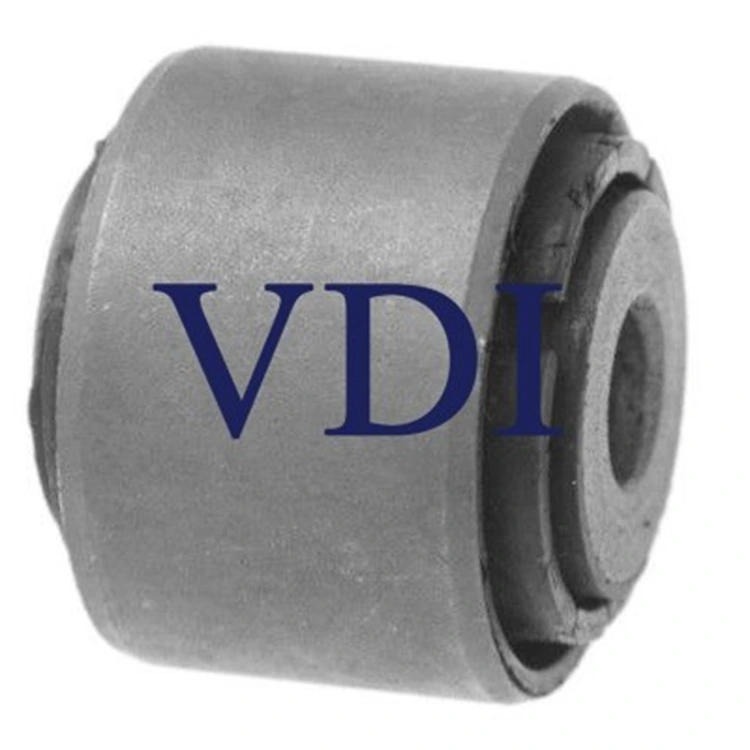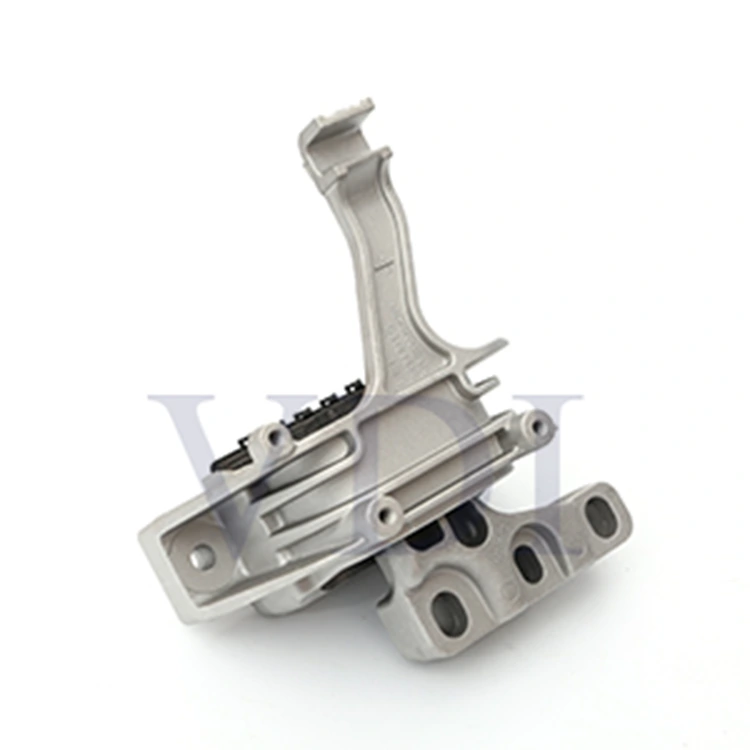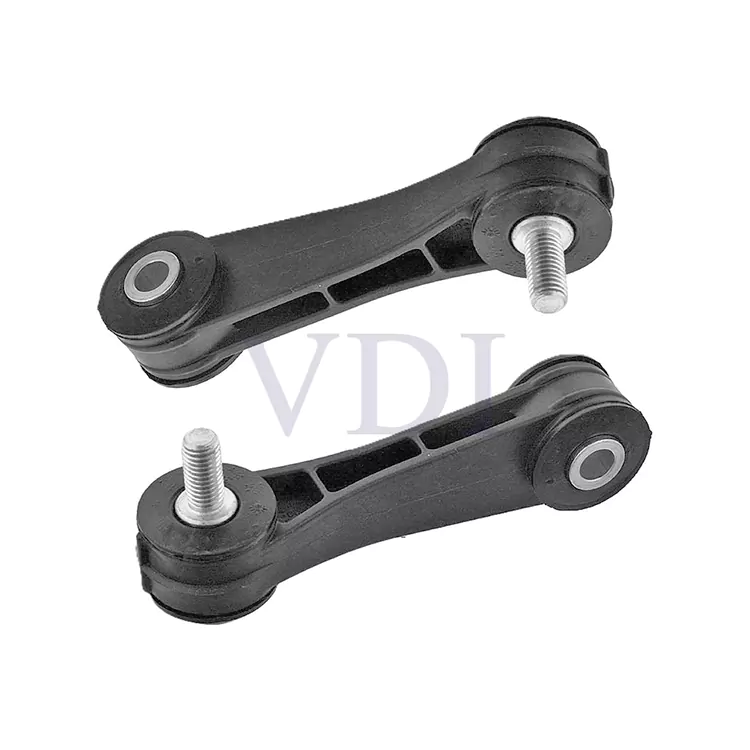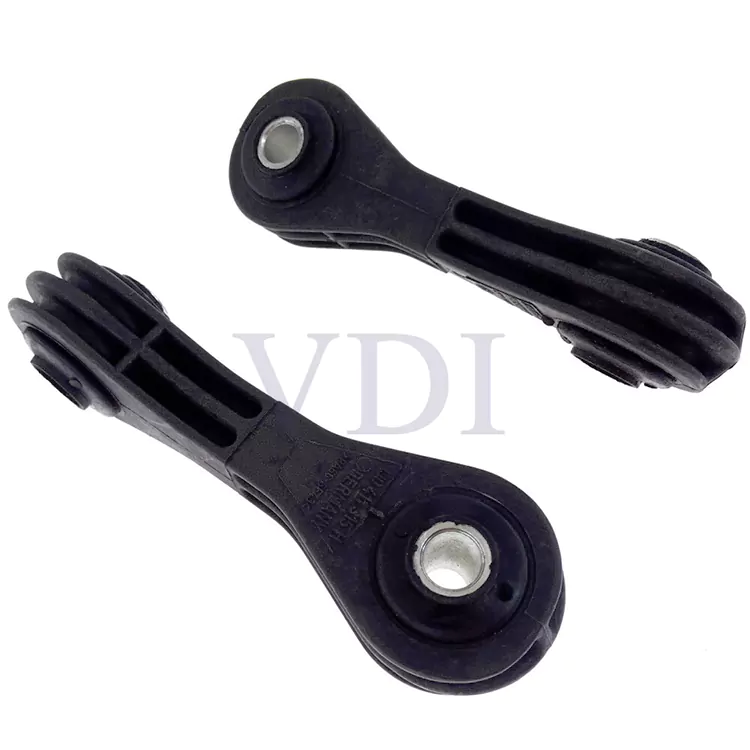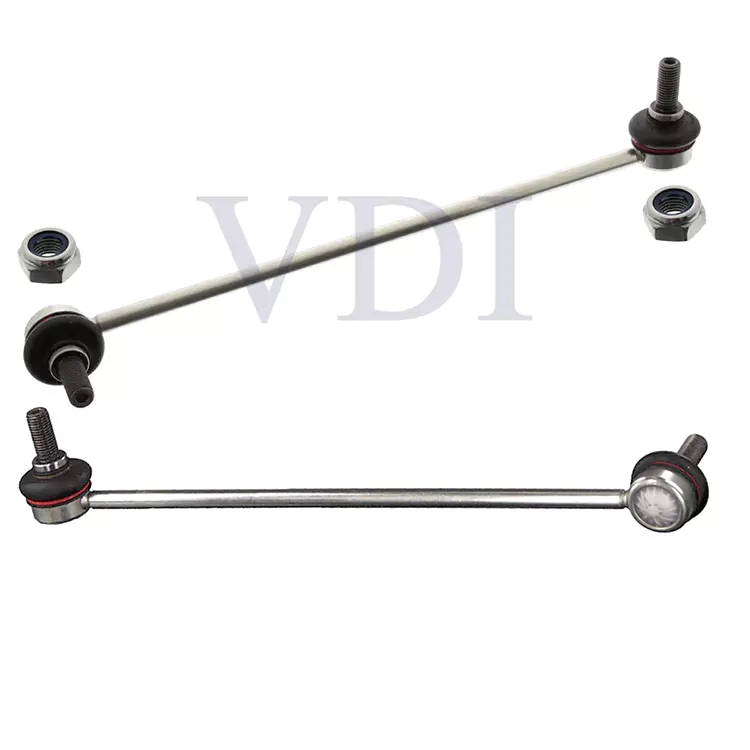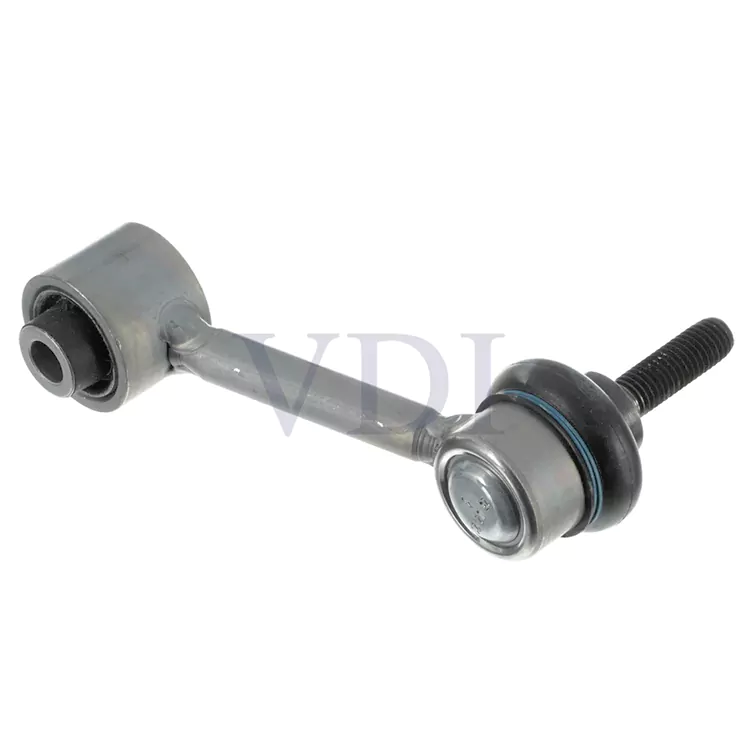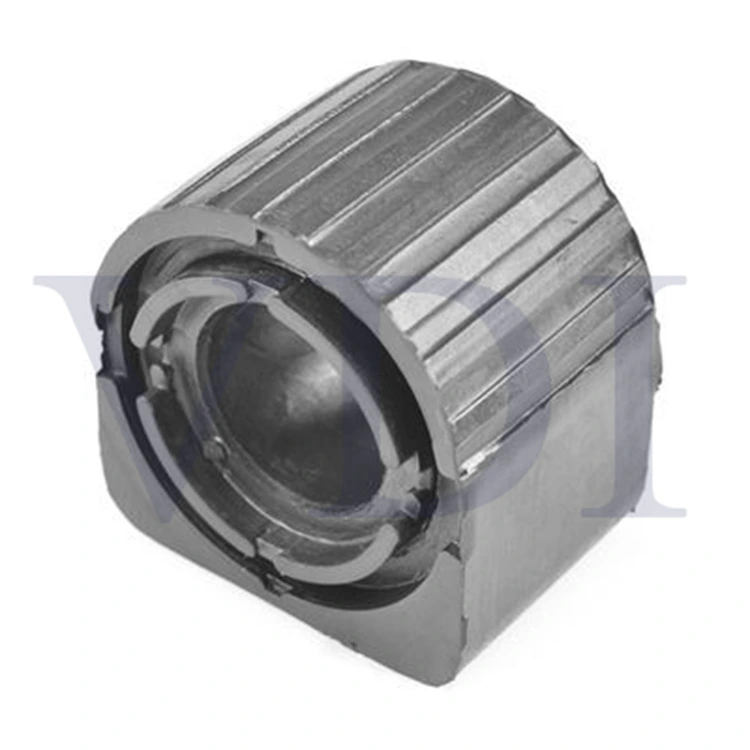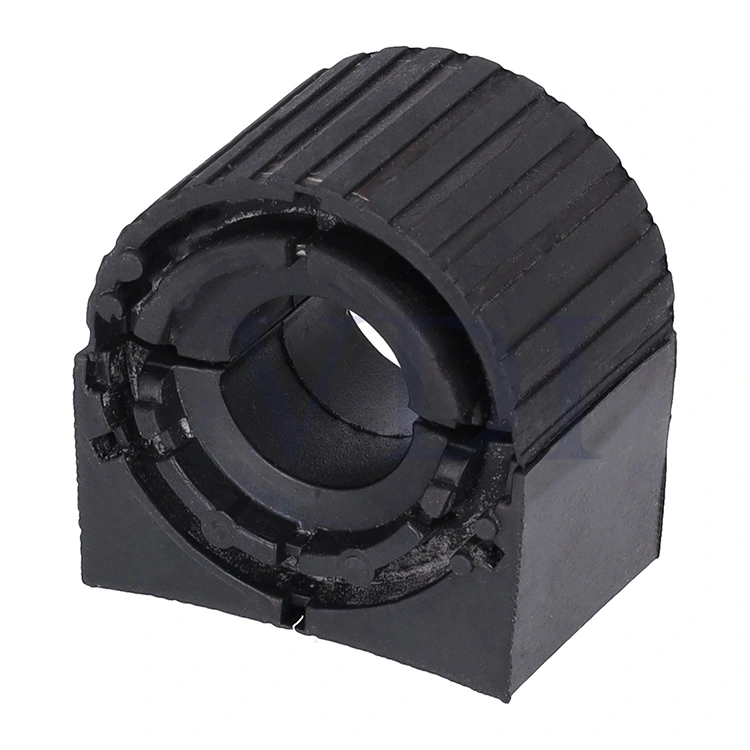

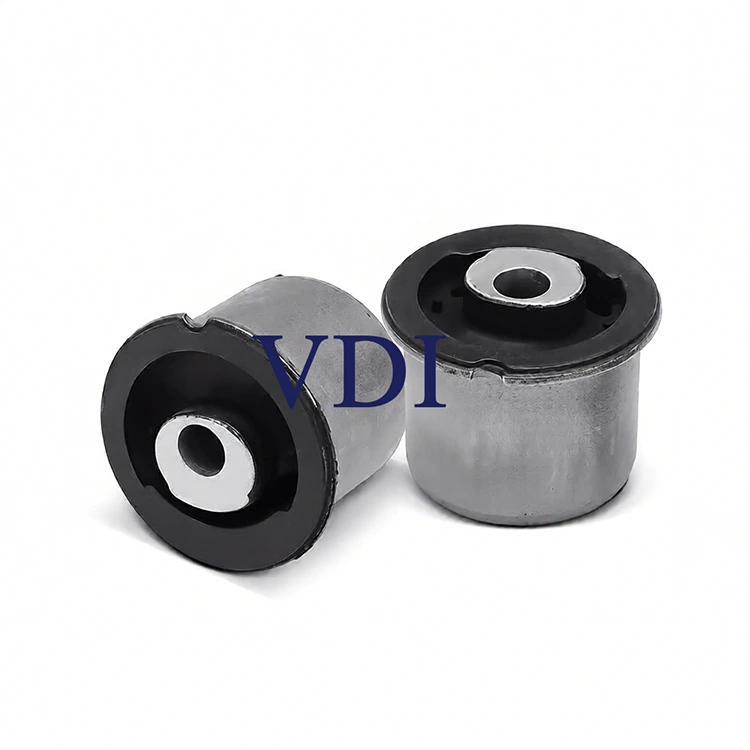
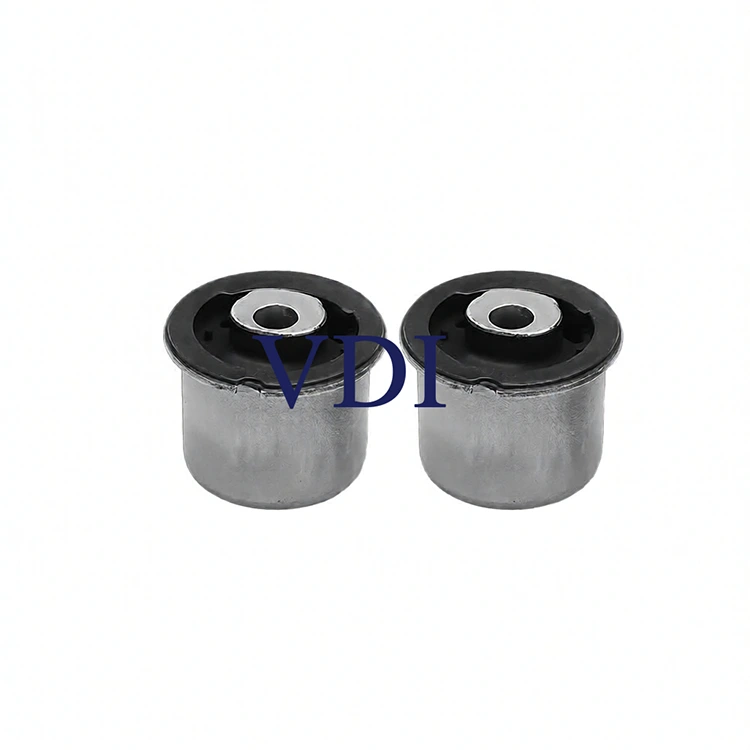
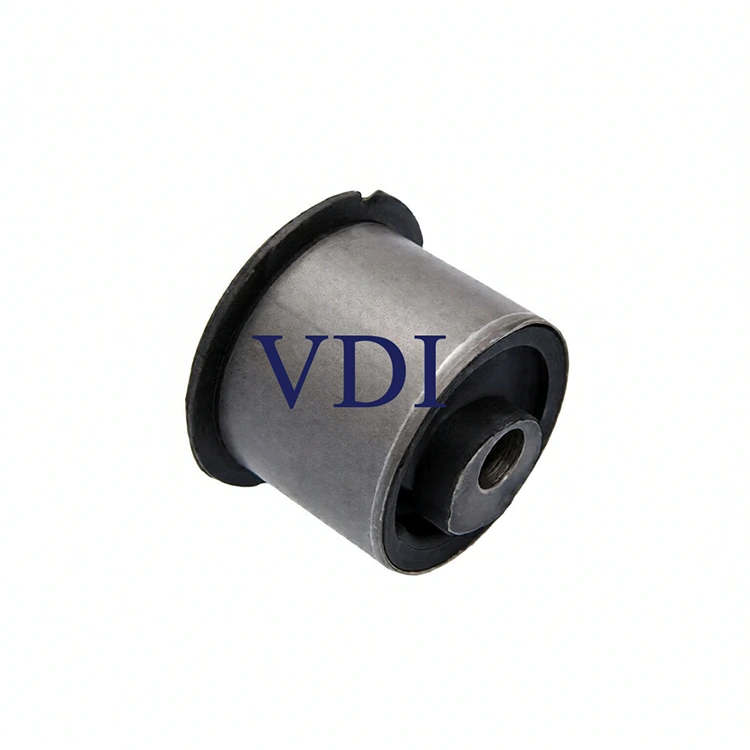
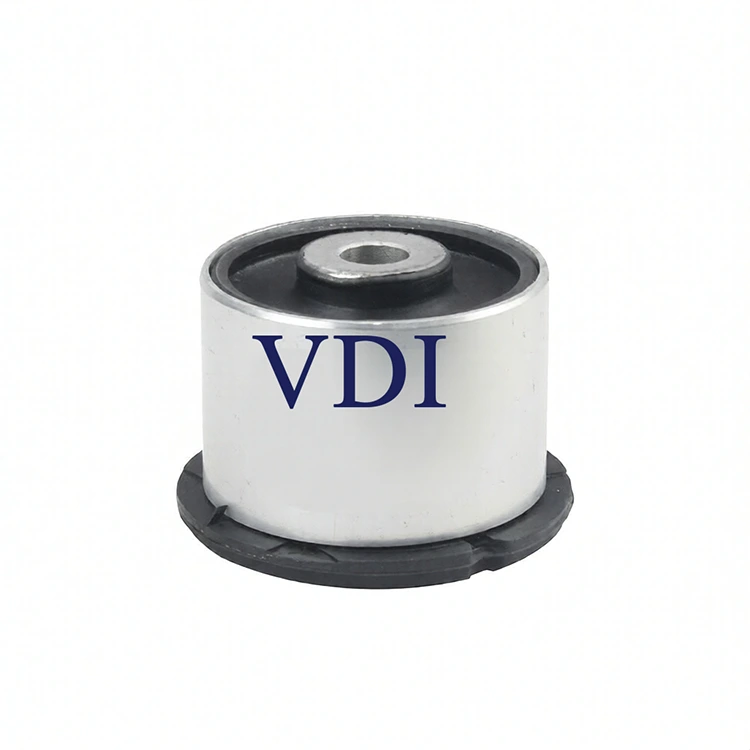
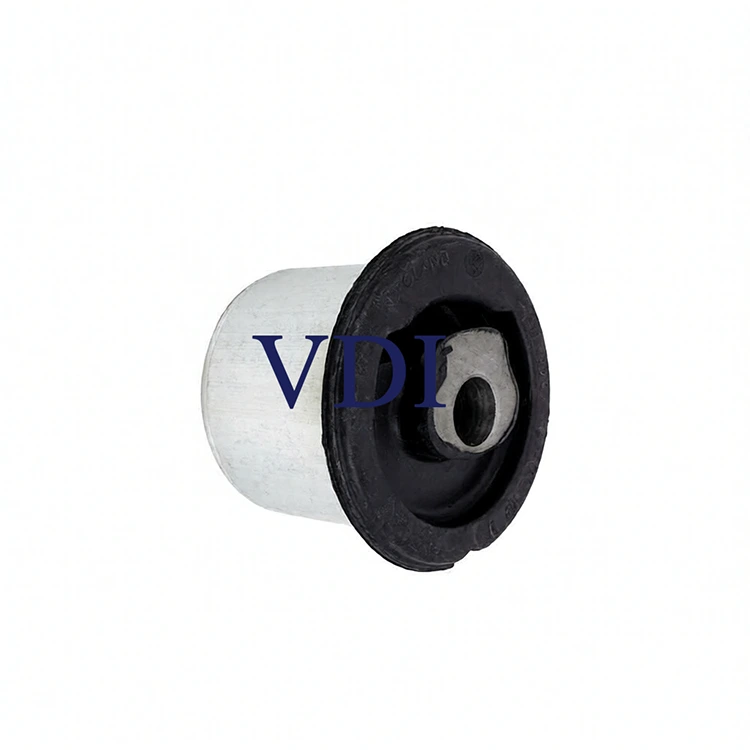
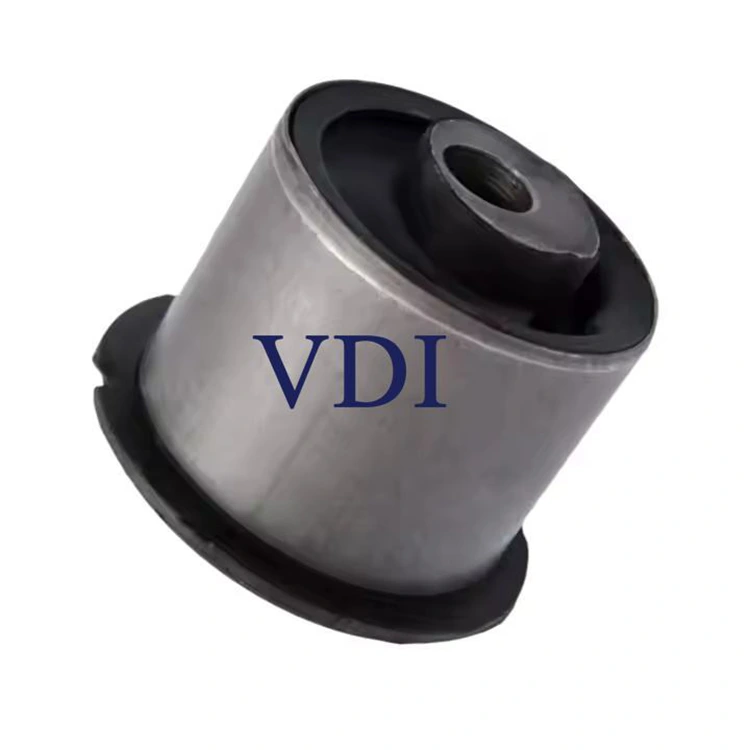
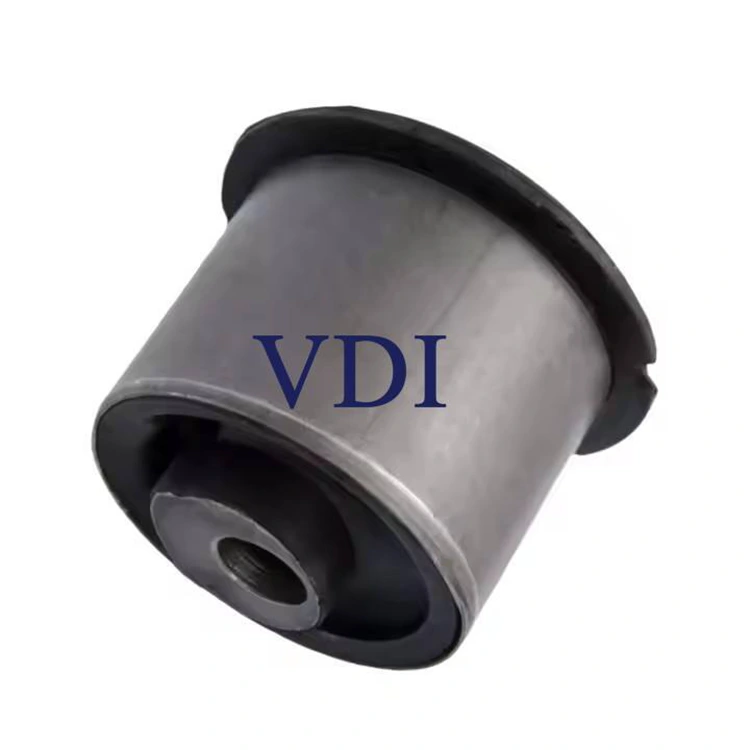
VDI Control Arm Bushing 7L0407182E delivers sharper road feel and reduced body roll—giving you more confidence and enjoyment whether you're commuting daily or enjoying light sporty driving.
7L0 407 182 C
955 341 242 03
Fit to:
AUDI Q7
VW TOUAREG
PORSCHE CAYENNE
Outer Diameter:60mm
Height:60mm
Inner Diameter:14mm
VDI Control Arm Bushing 7L0407182E ensures proper suspension alignment during normal operation, reducing the risk of losing control in emergency situations.
By maintaining optimal alignment of suspension components, these bushings enhance braking performance under hard stops—delivering more consistent, predictable stopping power.
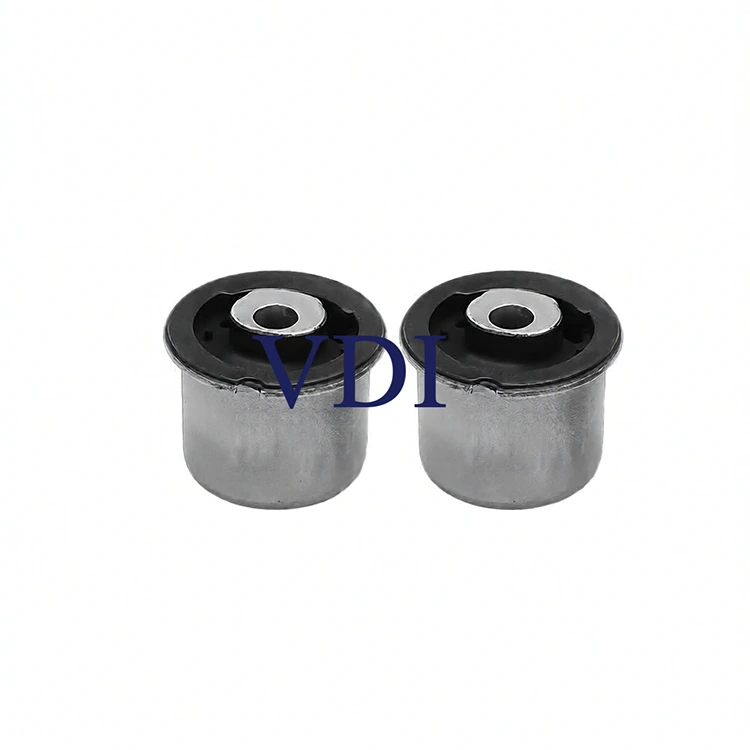
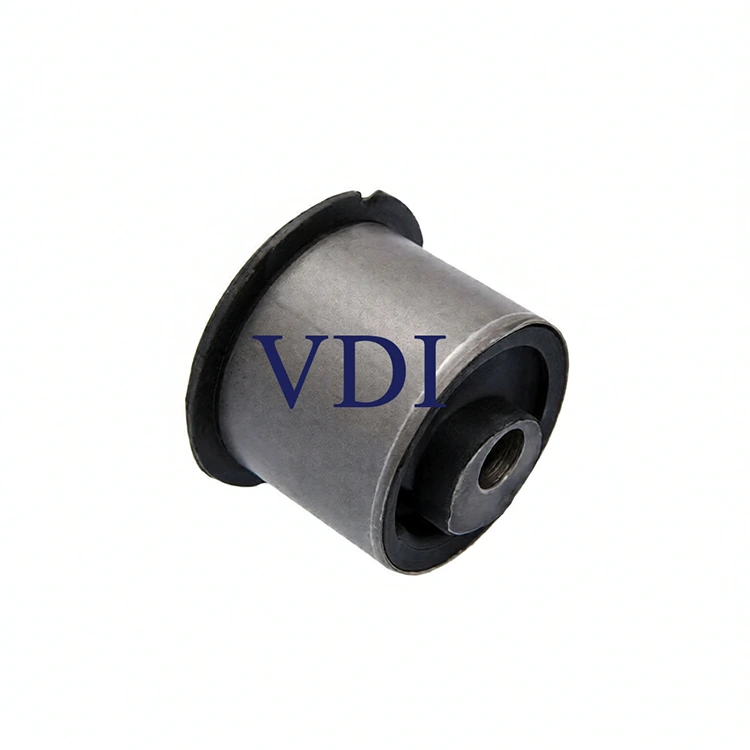
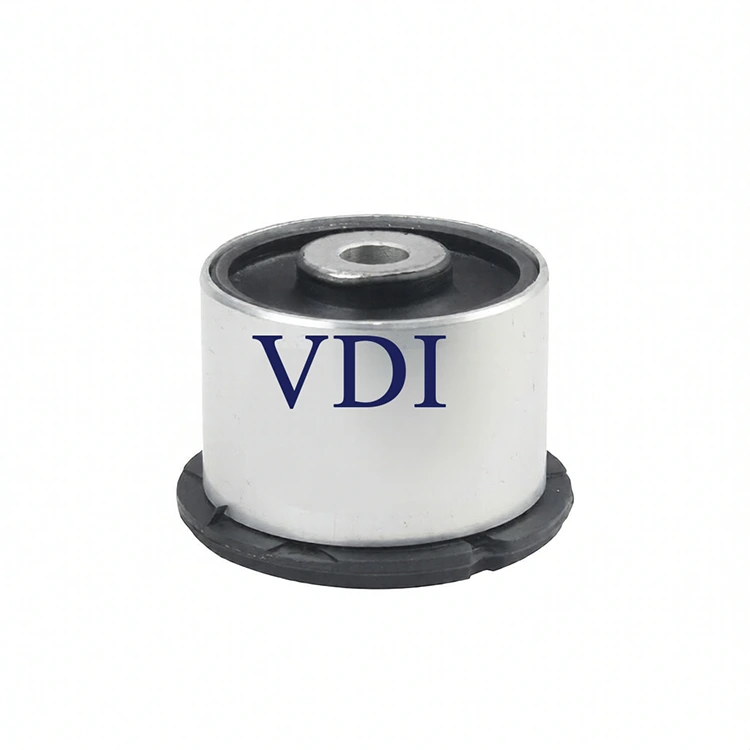
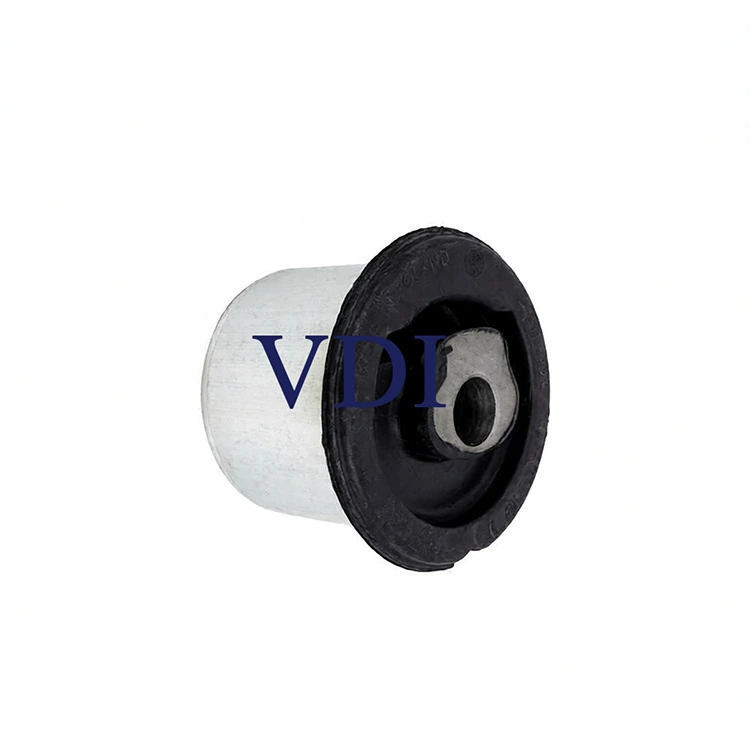
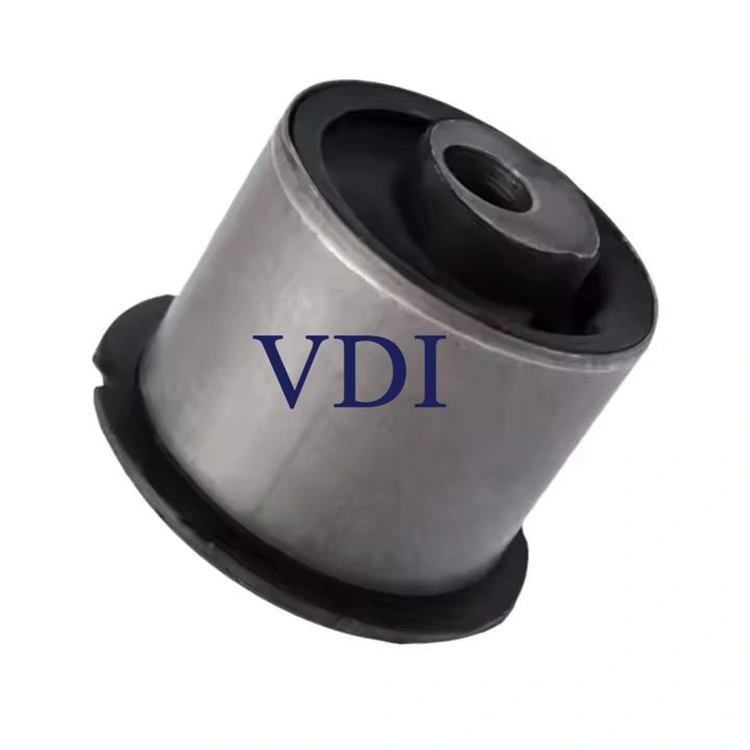
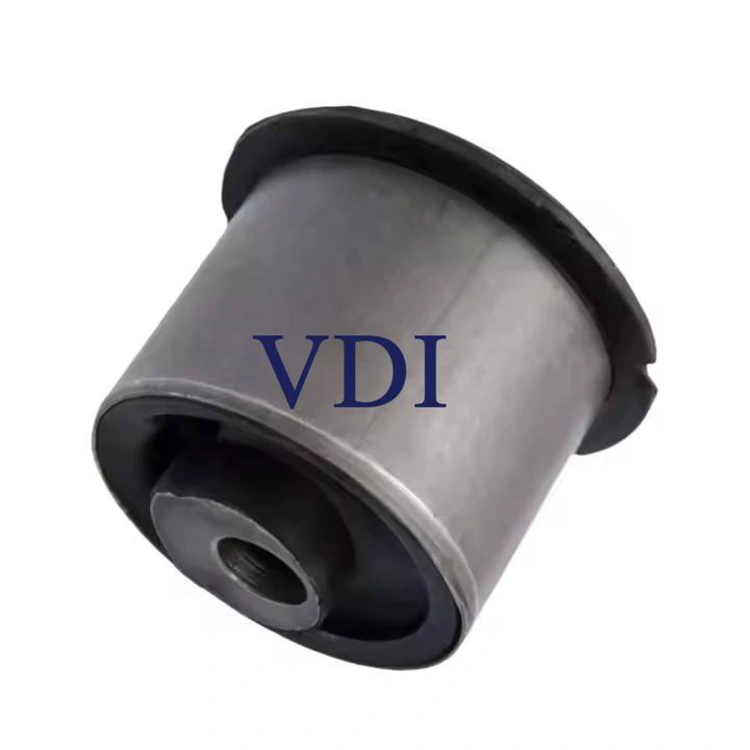
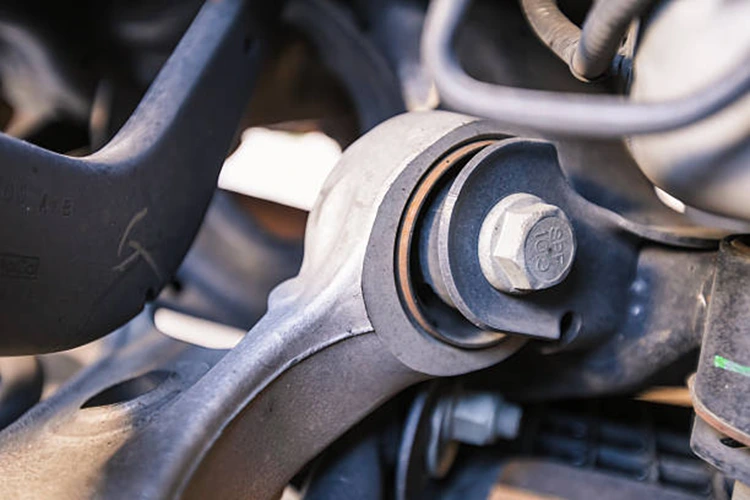
Control arm bushings may seem minor, but they’re critical flexible components in a vehicle’s suspension system. They connect the control arm to the subframe or body, delivering essential functions like shock absorption, vibration damping, and maintaining precise wheel alignment. Over time, their performance degrades due to constant exposure to dynamic loads, temperature swings, oil contamination, and ozone attack. While regular maintenance can’t stop aging entirely, it can significantly slow wear—preventing premature bushing failure that could lead to far more expensive repairs later. This can also effectively extend the service life of the VDI Control Arm Bushing 7L0407182E.
It’s crucial to understand: control arm bushings are not “consumable parts” that need routine replacement—they’re “condition-monitored components.” That means no fixed service intervals, but they must be visually inspected during every undercarriage service. We recommend a thorough check during professional chassis inspections—ideally every 20,000–30,000 km or once per year—looking for longitudinal cracks on the rubber surface (especially on the tension side), visible gaps showing debonding between rubber and metal inner/outer sleeves, and obvious distortion where rubber is extruded beyond its original shape. Minor surface crazing is normal on high-mileage vehicles, but cracks deeper than 2 mm, spanning the full load-bearing arc, or accompanied by metallic clunking noises, signal serious functional degradation.
Driving habits directly impact bushing lifespan. Repeatedly hitting speed bumps, potholes, or curbs at high speed subjects bushings to impact loads far beyond design limits—accelerating micro-crack initiation and growth inside the rubber matrix. In hot seasons, rubber softens and loses tear resistance, making it especially vulnerable to permanent compression set or localized tearing from sharp impacts. So smooth driving isn’t just safer—it actively protects chassis rubber parts. Likewise, avoiding sustained high-speed travel on unpaved or gravel roads reduces abrasive wear from sand and grit embedding into bushing gaps.
Environmental factors heavily influence outcomes. In regions like the Middle East and North Africa, extreme heat, intense UV radiation, and high ozone levels dramatically speed up rubber breakdown and ozone cracking. In coastal areas or places using winter road salt, residue from oil, de-icing chemicals, and salt buildup on bushing surfaces can cause swelling or chemical deterioration. While you can’t change the climate, regularly washing the undercarriage—especially after harsh weather—helps remove harmful deposits. Crucially, never blast high-pressure water directly at the rubber-to-metal bond, as it can force moisture into the adhesive zone, leading to rust or detachment.
Note: certain platforms—like Volkswagen’s MQB or Audi’s MLB—use hydraulic bushings or composite designs with integrated bump stops. If these develop internal fluid leaks (visible as collapsed rubber bodies and loss of rebound resilience) or cracked limit blocks, they usually can’t be repaired and must be replaced as a complete unit. Driving with failed hydraulic bushings doesn’t just ruin NVH—it can also distort control arm kinematics, accelerating wear on ball joints, tie rods, and even tires.
When replacement is confirmed, always choose parts that match OEM geometry and stiffness characteristics. Low-quality bushings might seem quiet at first, but if their radial/torsional stiffness curves or damping behavior deviate from spec, they can upset handling balance: excessively stiff radial rates may sharpen response but sacrifice ride comfort and overload other suspension parts; insufficient torsional compliance can cause brake dive or understeer in corners. True high-performance bushings should be validated through rigorous testing of material formulation, cavity architecture, and fatigue life—not chosen based on price or misleading “hardness” claims.
Caring for control arm bushings comes down to three principles: observe, prevent, and replace at the right time. They work silently—but reliably enable every smooth turn and comfortable ride. Respecting their physical limits is the most fundamental way to preserve your vehicle’s dynamic integrity. This will also fully leverage the performance capabilities of the VDI Control Arm Bushing 7L0407182E.
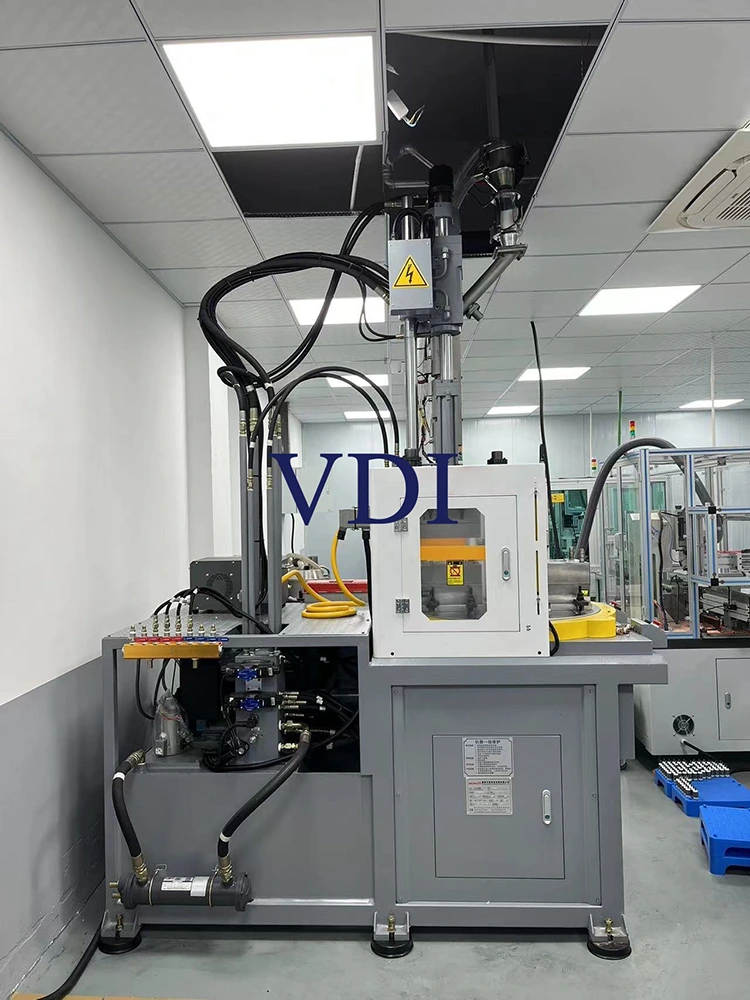
Under the same specs, VDI Control Arm Bushing 7L0407182E features superior rubber hardness (higher durometer) and stronger resistance to deformation—ideal for harsh conditions in the Middle East and Eastern Europe, where high heat, dust, and rough roads are common. Thanks to our automated production line and factory-direct supply, we typically offer more competitive pricing than big brands at the same quality level, with faster lead times.