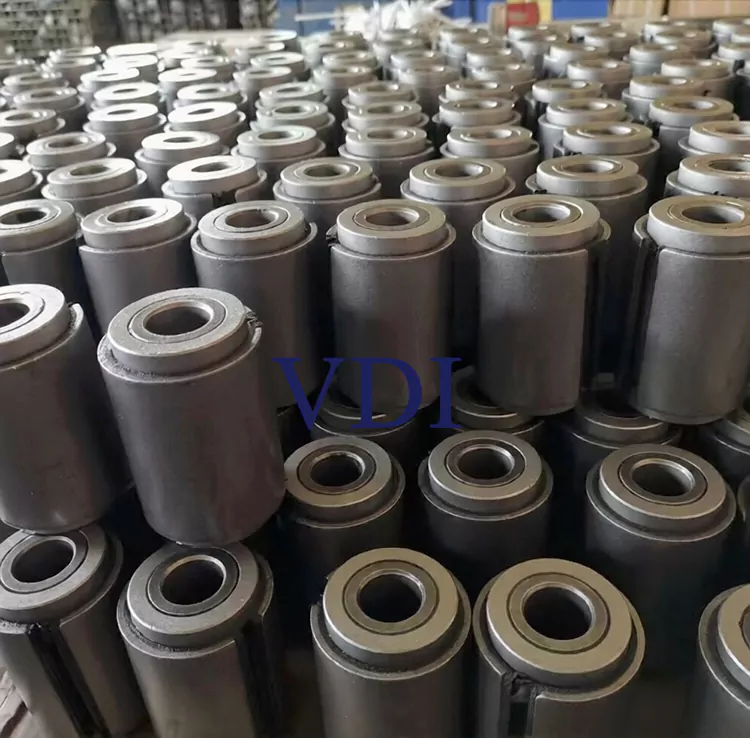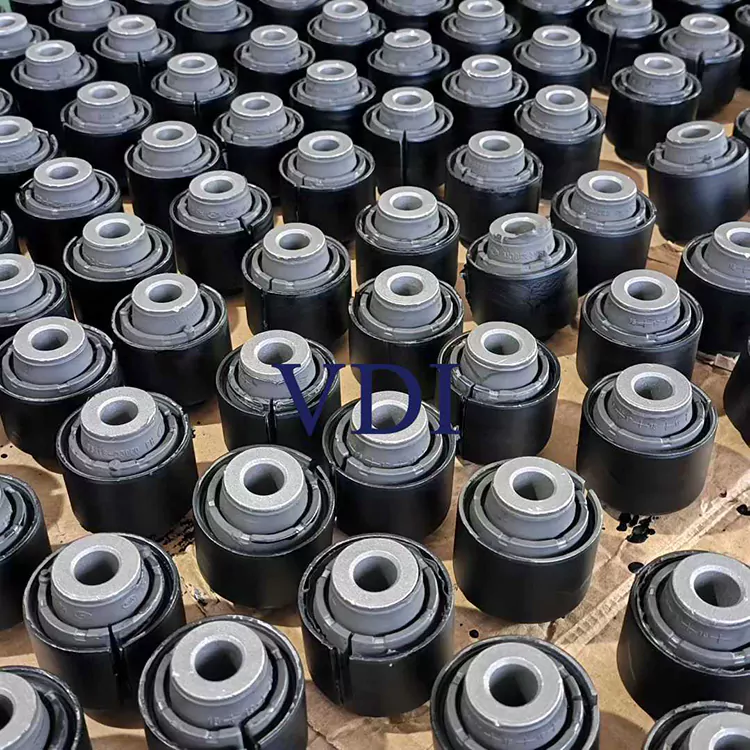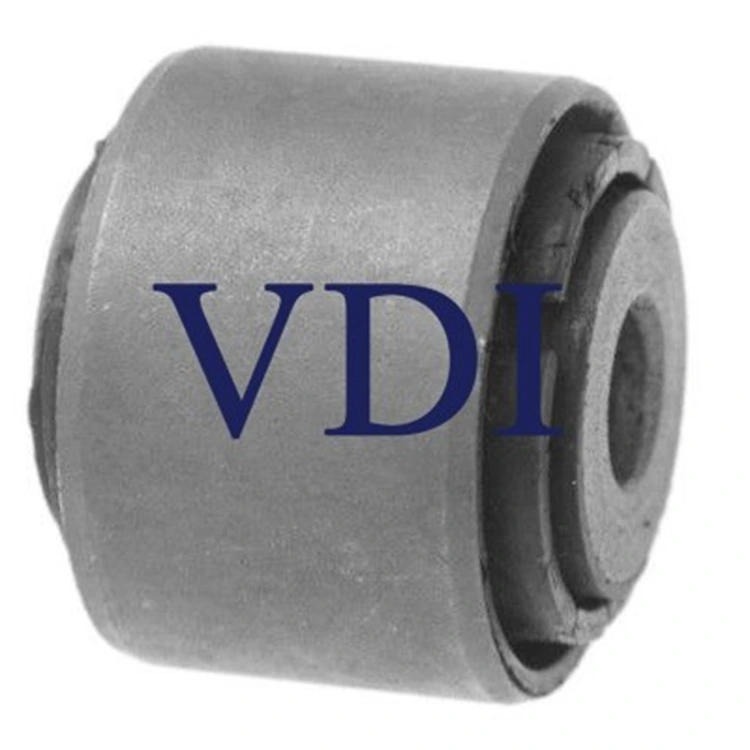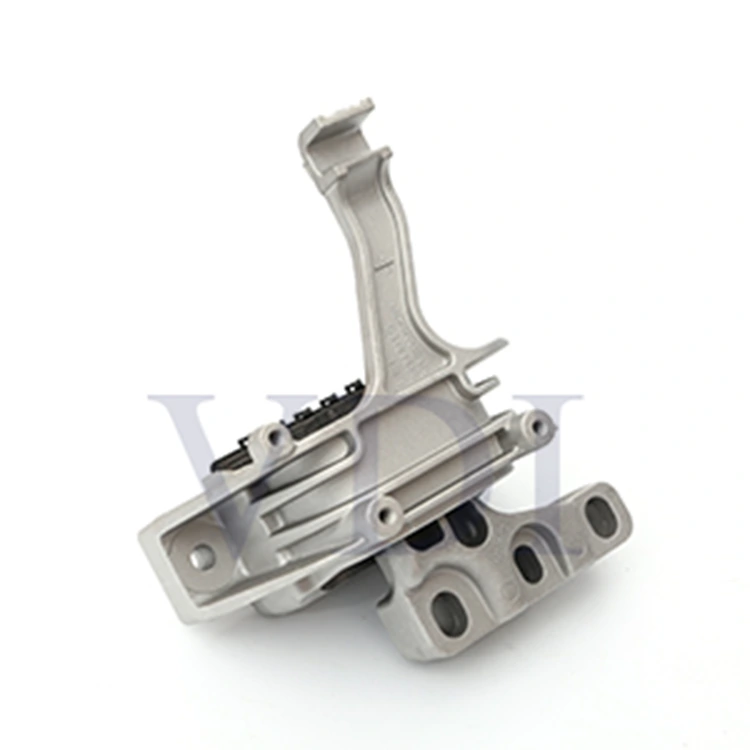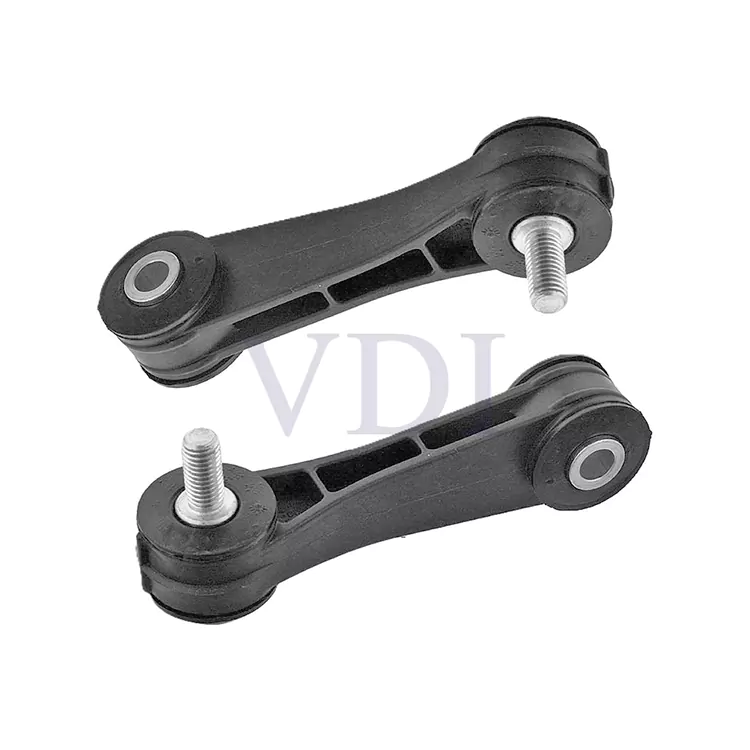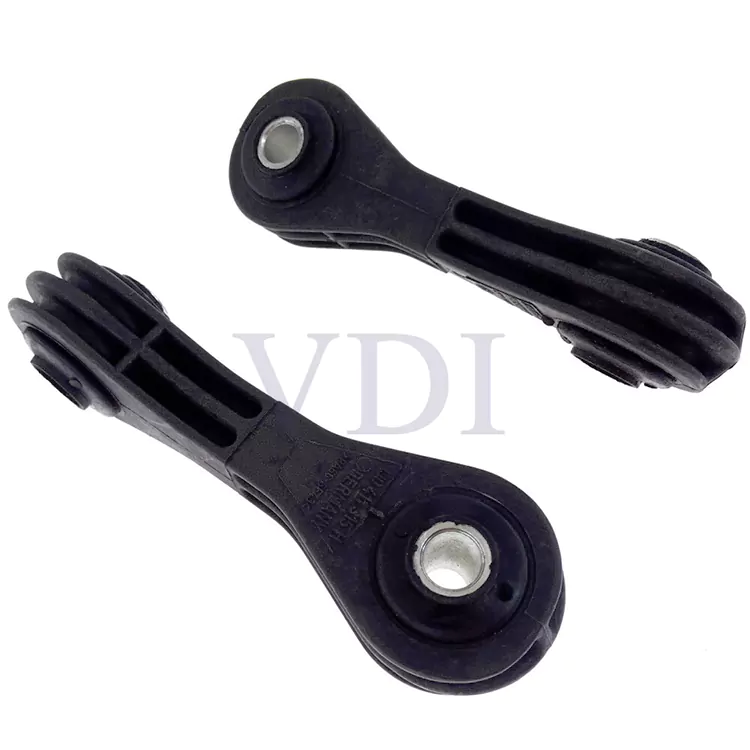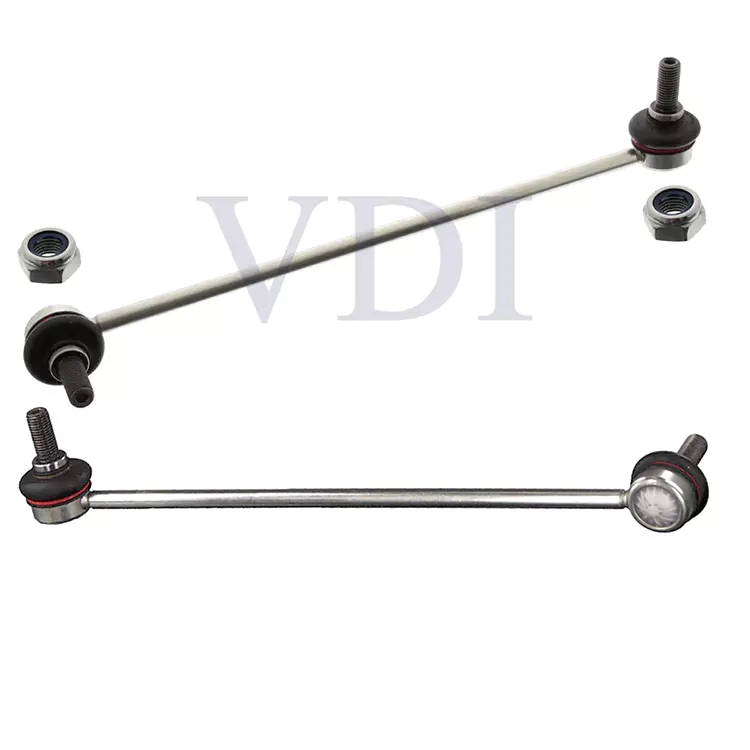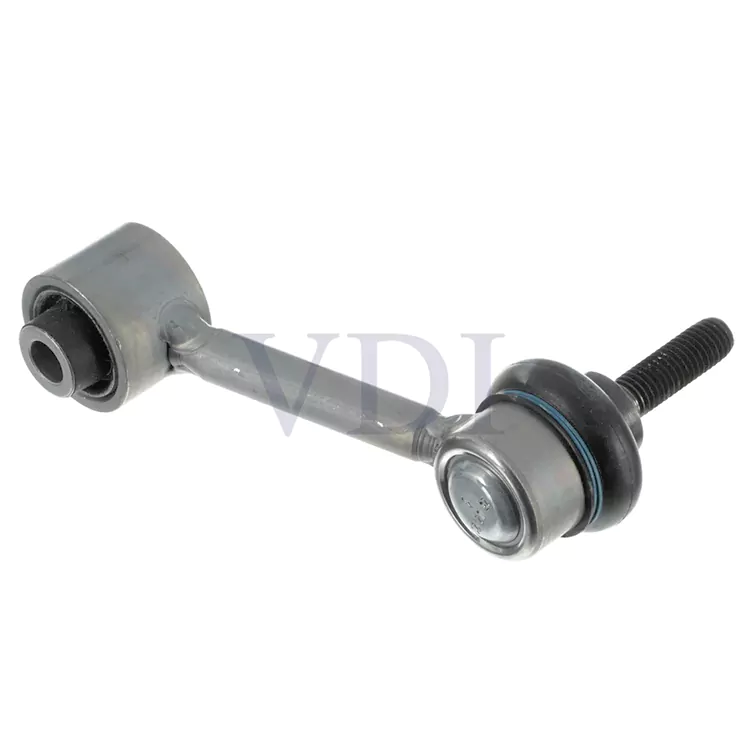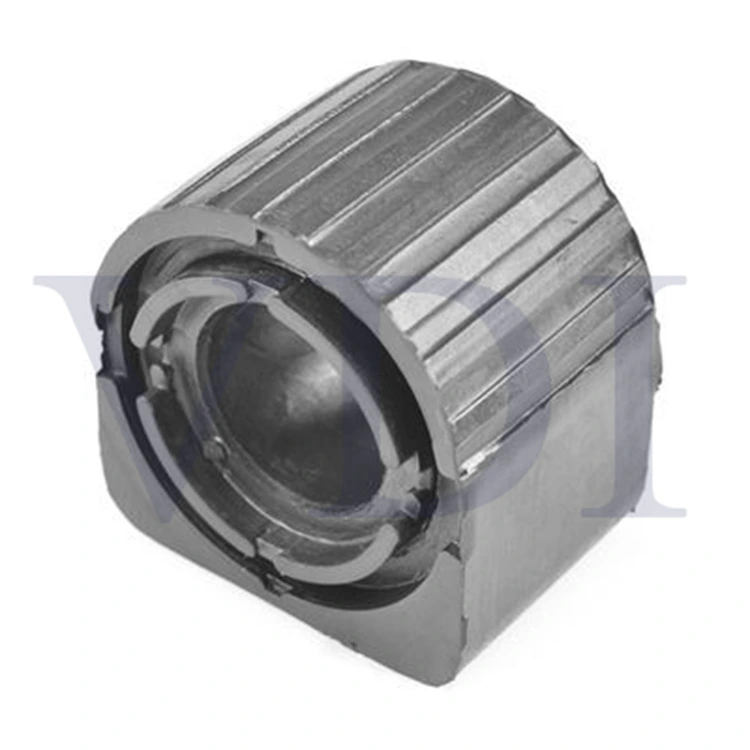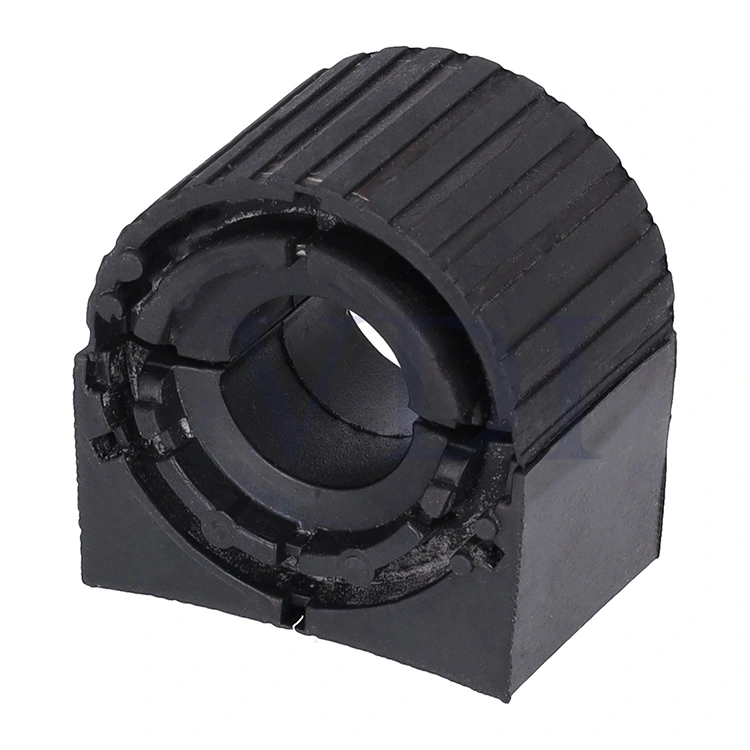

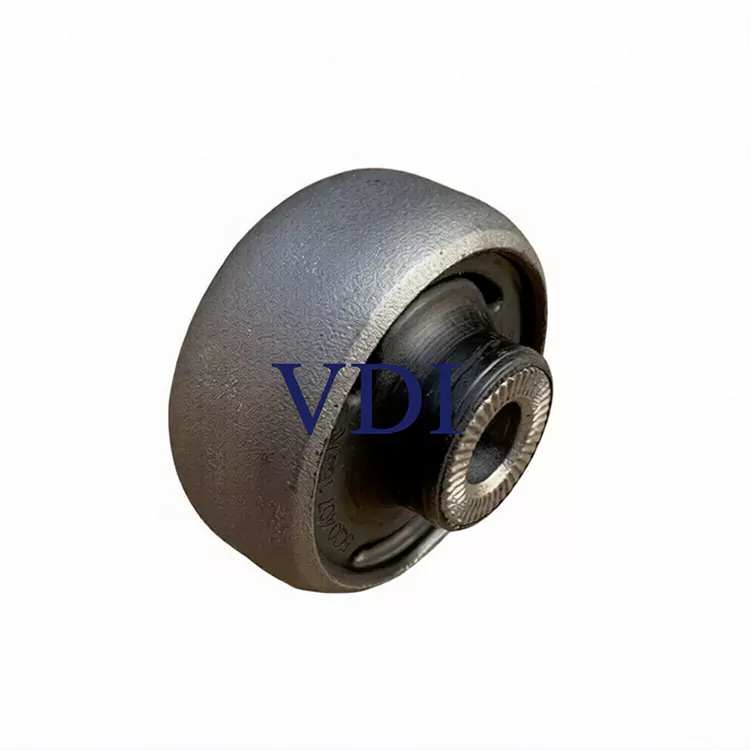
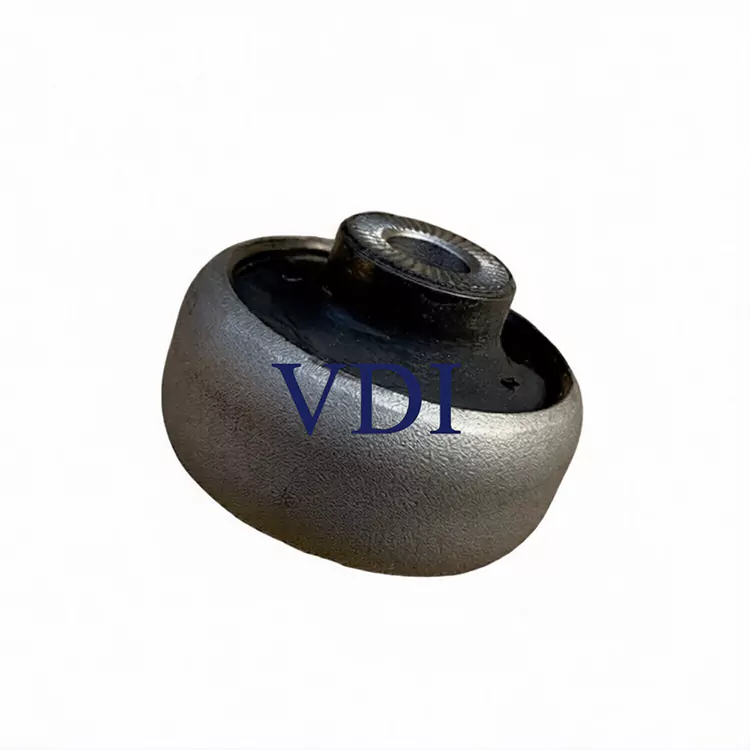
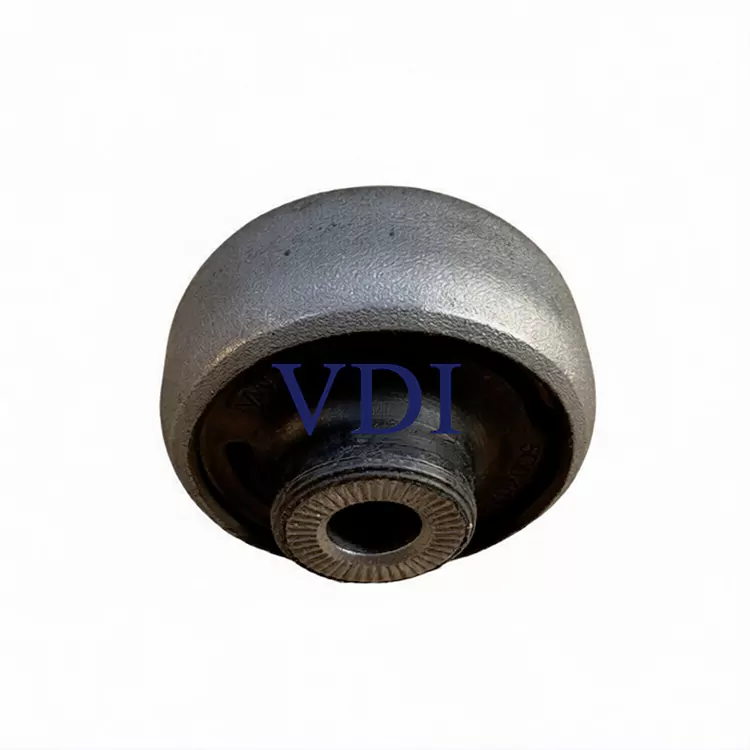
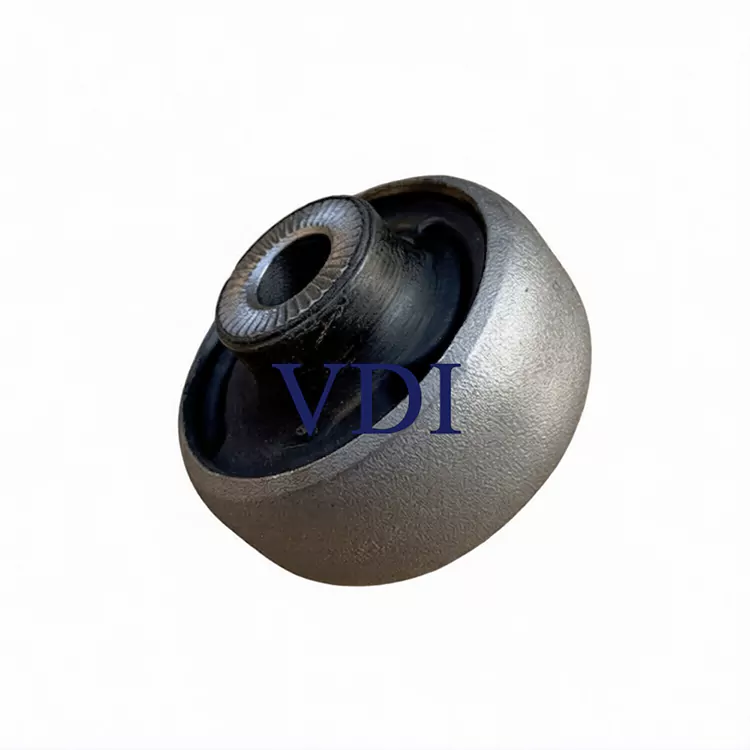
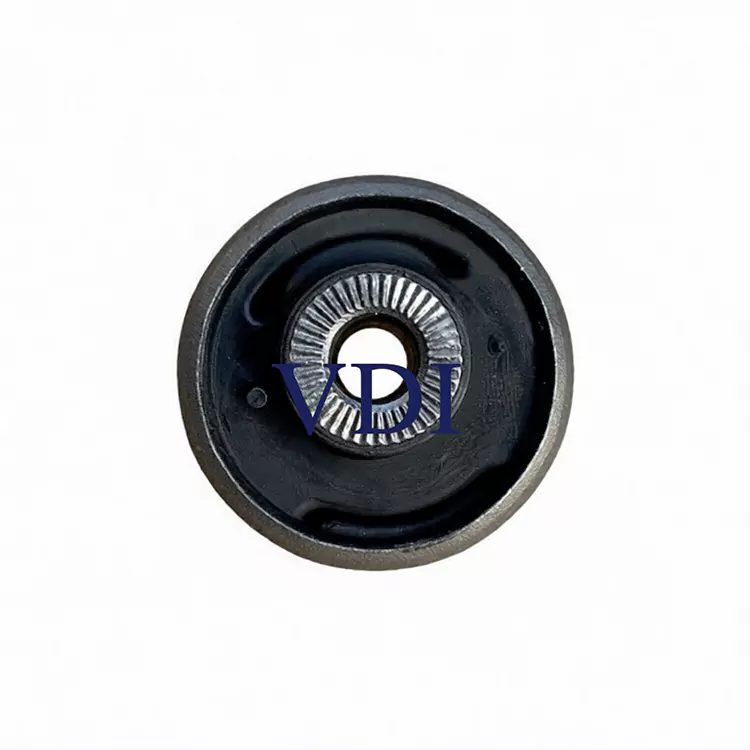
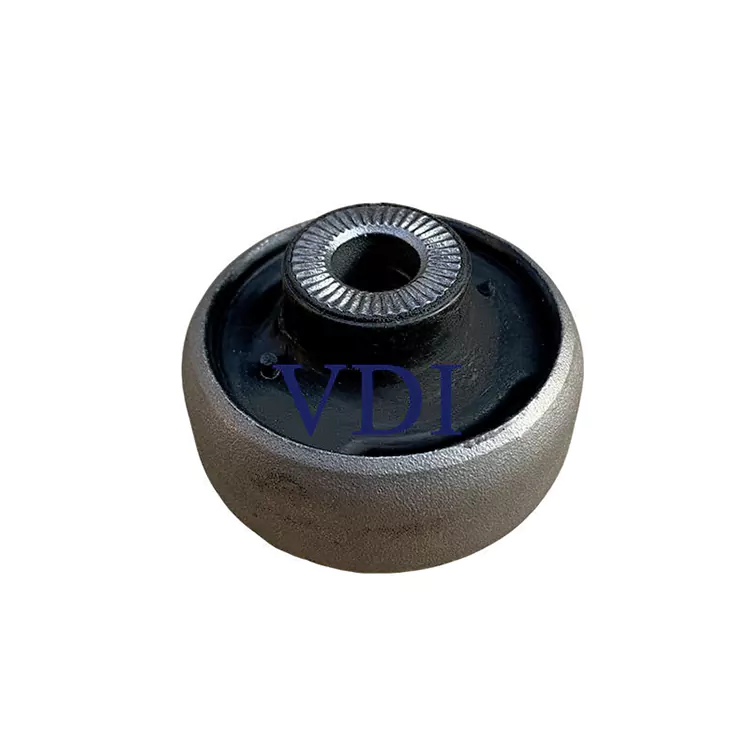
The Control Arm Bushing 5Q0407183E eliminates suspension clunk on rough terrain, enhances steering accuracy and alignment stability, and serves as a direct OEM-quality replacement—requiring no modifications. Ideal for both daily commuting and performance-oriented setups.
AUDI A3
VW GOLF VII /T-ROC
TIGUAN/TOURAN
SKODA KAROQ/KODIAQ
OCTAVIA III
SUPERB III
SEAT ATECA/LEON
● Minimizes noise and vibration for a smoother driving experience—particularly evident on potholes and rough roads.
● The Control Arm Bushing 5Q0407183E helps prevent premature wear in your suspension system.
● Provides superior ride comfort and responsive handling, ideal for luxury and performance vehicles.
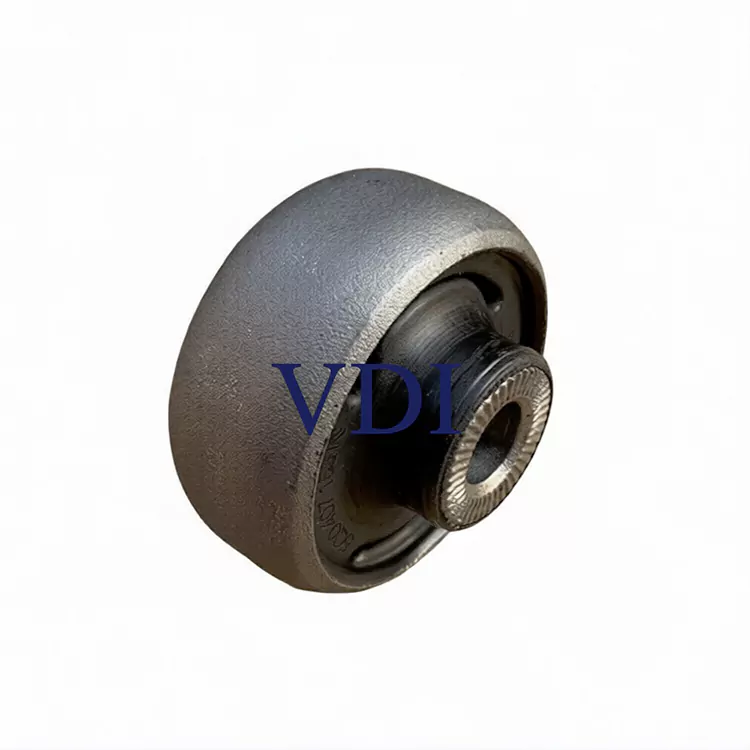
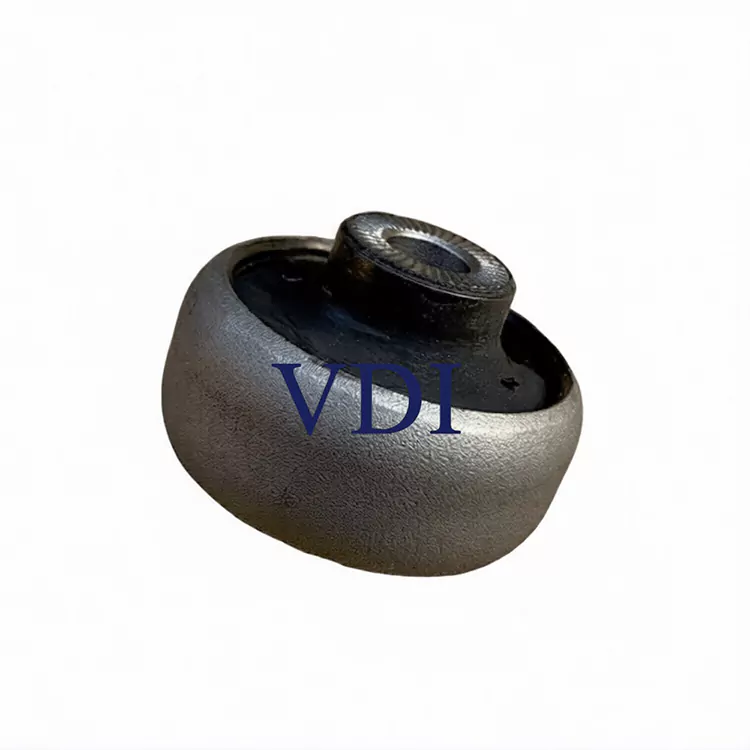
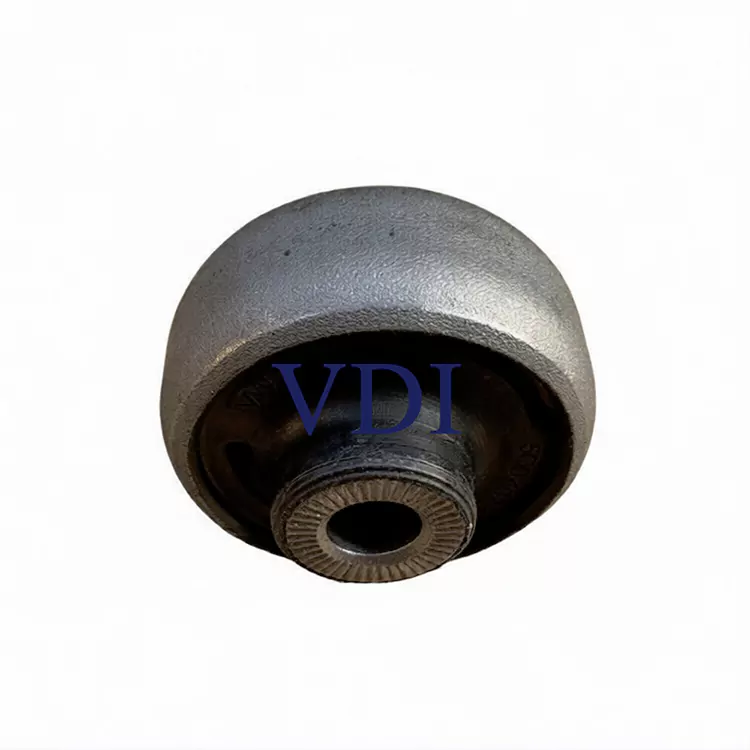
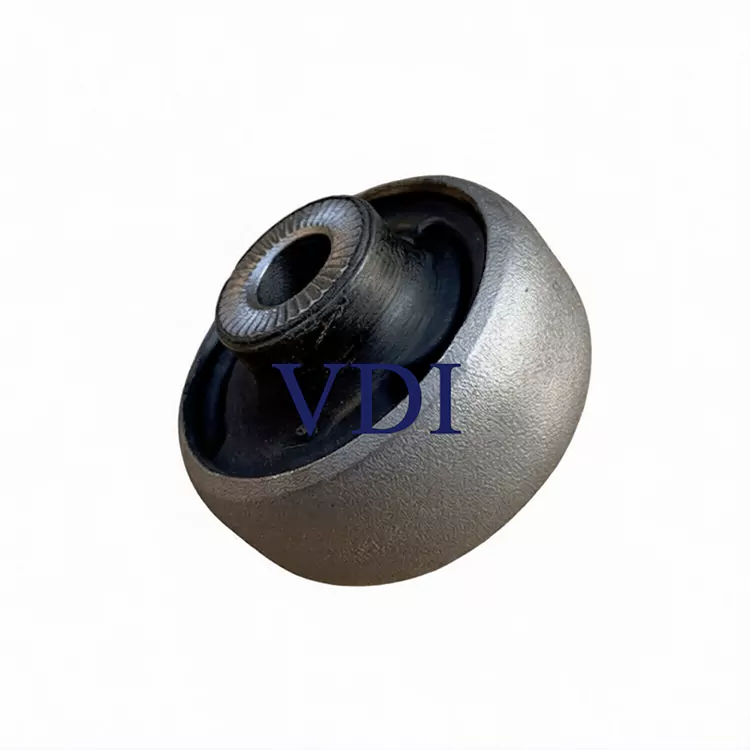
Control arm bushings might appear minor, but they play a vital role as flexible joints within a vehicle’s suspension system. They connect the control arm to either the subframe or the body and perform critical functions—absorbing road shocks, dampening vibrations, and maintaining precise wheel alignment. Over time, their performance degrades due to constant exposure to dynamic loads, temperature fluctuations, oil, and ozone. While regular maintenance can’t entirely prevent aging, it can significantly slow wear and help avoid premature bushing failure—potentially sparing you from far costlier repairs down the line (the VDI Control Arm Bushing 5Q0407183E is a dependable choice).
It’s important to recognize that control arm bushings aren’t “consumable wear items” requiring routine replacement; instead, they’re “condition-based components”—meaning they don’t need changing at fixed intervals but should be visually inspected during every undercarriage service. We recommend a thorough evaluation during professional chassis checks, ideally every 20,000–30,000 kilometers or annually. Look for key signs of deterioration: longitudinal cracks on the rubber (especially on the tension side), visible delamination indicating loss of adhesion between rubber and inner/outer metal sleeves, or permanent deformation where the rubber has stretched beyond its original shape. While surface cracking is common in high-mileage vehicles, cracks wider than 2 mm, those spanning the full load-bearing zone, or those accompanied by metallic clunking noises signal serious functional decline.
Driving habits greatly influence bushing longevity. Frequently hitting speed bumps, potholes, or curbs at high speeds subjects bushings to forces beyond design limits, accelerating micro-crack formation in the rubber. In hot climates, rubber softens and becomes more prone to tearing, increasing vulnerability to impact damage and permanent set. Thus, smooth, attentive driving not only improves safety but also preserves suspension rubber components. Similarly, avoiding sustained high-speed travel on rough or unpaved roads helps minimize abrasive wear from sand and grit accumulating around bushing interfaces.
Environmental factors also take a toll. In regions like North Africa and the Middle East, extreme heat, intense UV radiation, and high ozone concentrations accelerate rubber degradation and promote ozone cracking. Near coastal areas or in places where roads are salted in winter, residues from oil, de-icing agents, and salt can cause rubber swelling or chemical breakdown. While you can’t change the climate, regularly washing your vehicle’s undercarriage—especially after harsh conditions—helps remove these harmful substances. Avoid directing high-pressure water directly at rubber-to-metal junctions, as this can force moisture into the bond line, potentially causing corrosion or separation over time.
Note that certain platforms—such as Volkswagen’s MQB or Audi’s MLB—use hydraulic or composite bushings with integrated bump stops. If internal fluid leaks occur (evidenced by distorted rubber and reduced rebound), or if limit blocks fracture, these units typically cannot be repaired and must be replaced entirely. Continuing to drive with compromised hydraulic bushings not only worsens NVH (noise, vibration, harshness) but may alter control arm kinematics, hastening wear on ball joints, tie rods, and even tires.
When replacement is necessary, always prioritize parts that match the original equipment manufacturer’s specifications for dimensions and stiffness characteristics. Low-cost alternatives may seem quiet at first, but if their radial/torsional stiffness or damping behavior deviates from OEM standards, they can upset vehicle dynamics—excessive radial stiffness may sharpen response but degrade ride comfort and stress neighboring suspension components, while insufficient torsional compliance can induce brake dive or understeer during cornering. High-quality bushings should be judged by material formulation, internal cavity design, and proven durability—not price alone or vague claims about “hardness.”
In summary, caring for control arm bushings rests on three principles: monitor condition, practice prevention, and replace promptly when needed. Though they operate silently, they’re essential for stable handling and a refined driving experience. Understanding their physical limits is key to preserving your vehicle’s overall integrity. Consider the VDI Control Arm Bushing 5Q0407183E for reliable, OEM-matched performance!
All of our control arm bushings—including the 5Q0407183E model—are backed by a 12-month warranty. Should any issue arise, we’ll promptly send a free replacement. Additionally, our expert technical support team is always available to assist you.