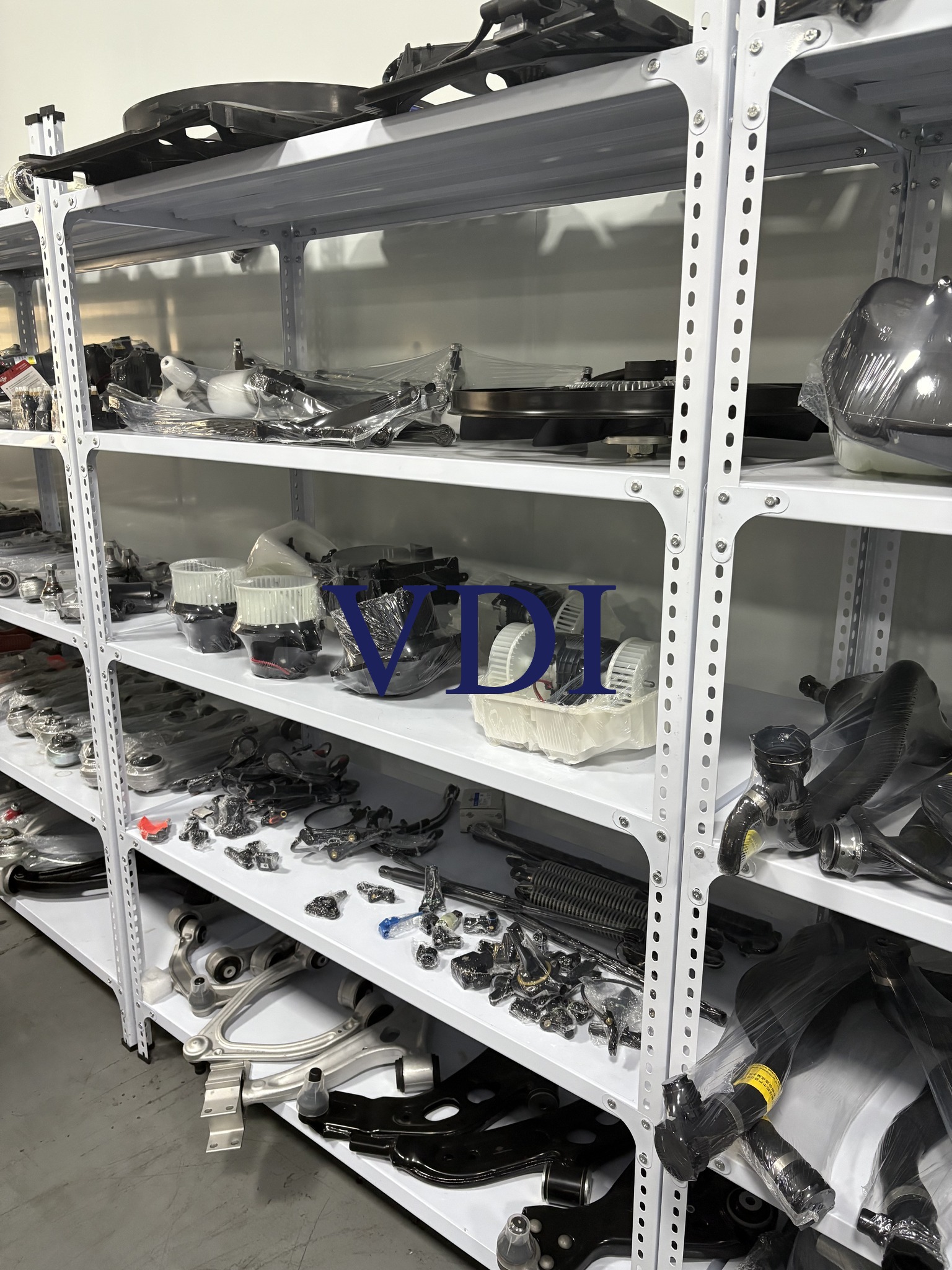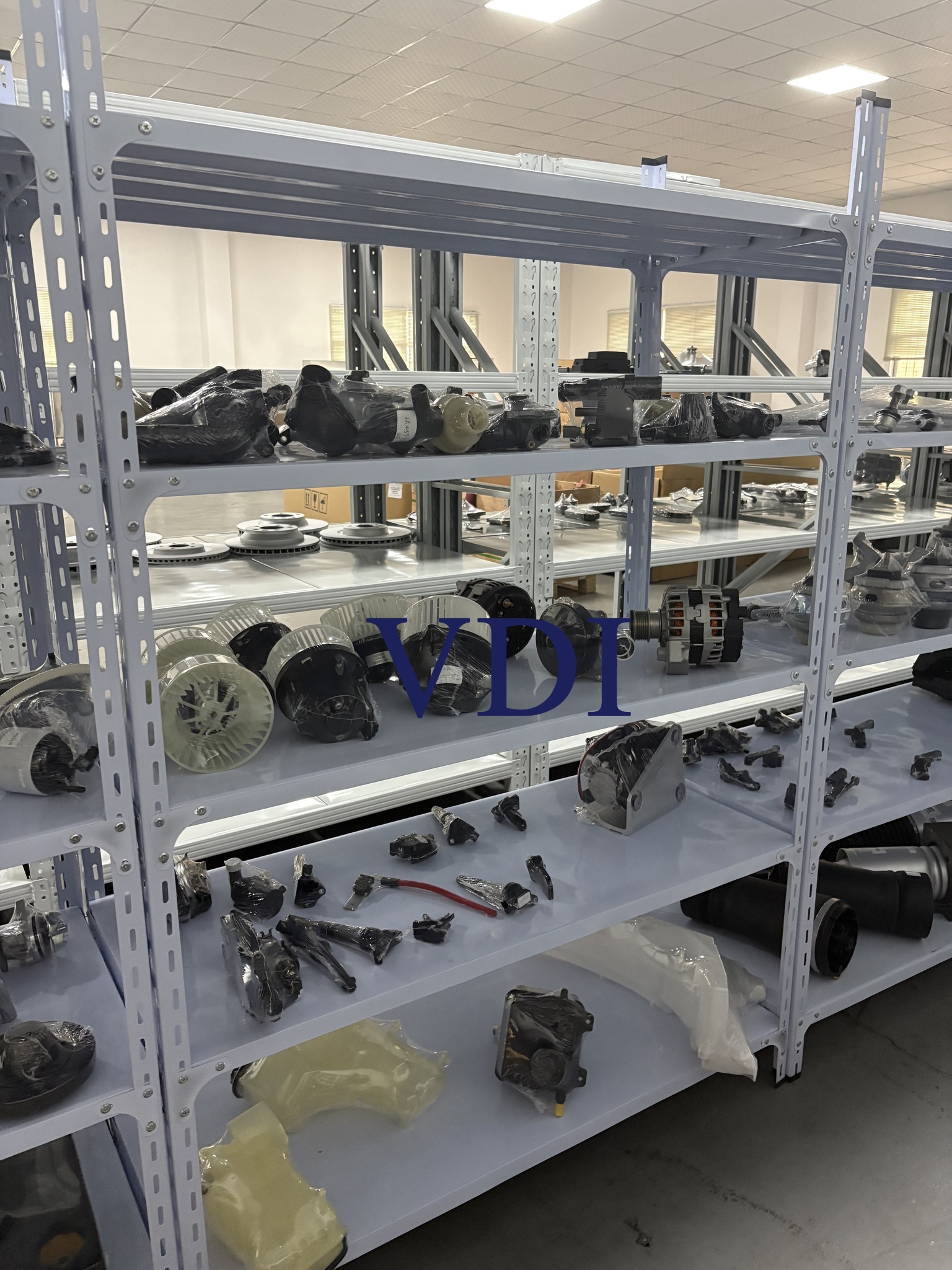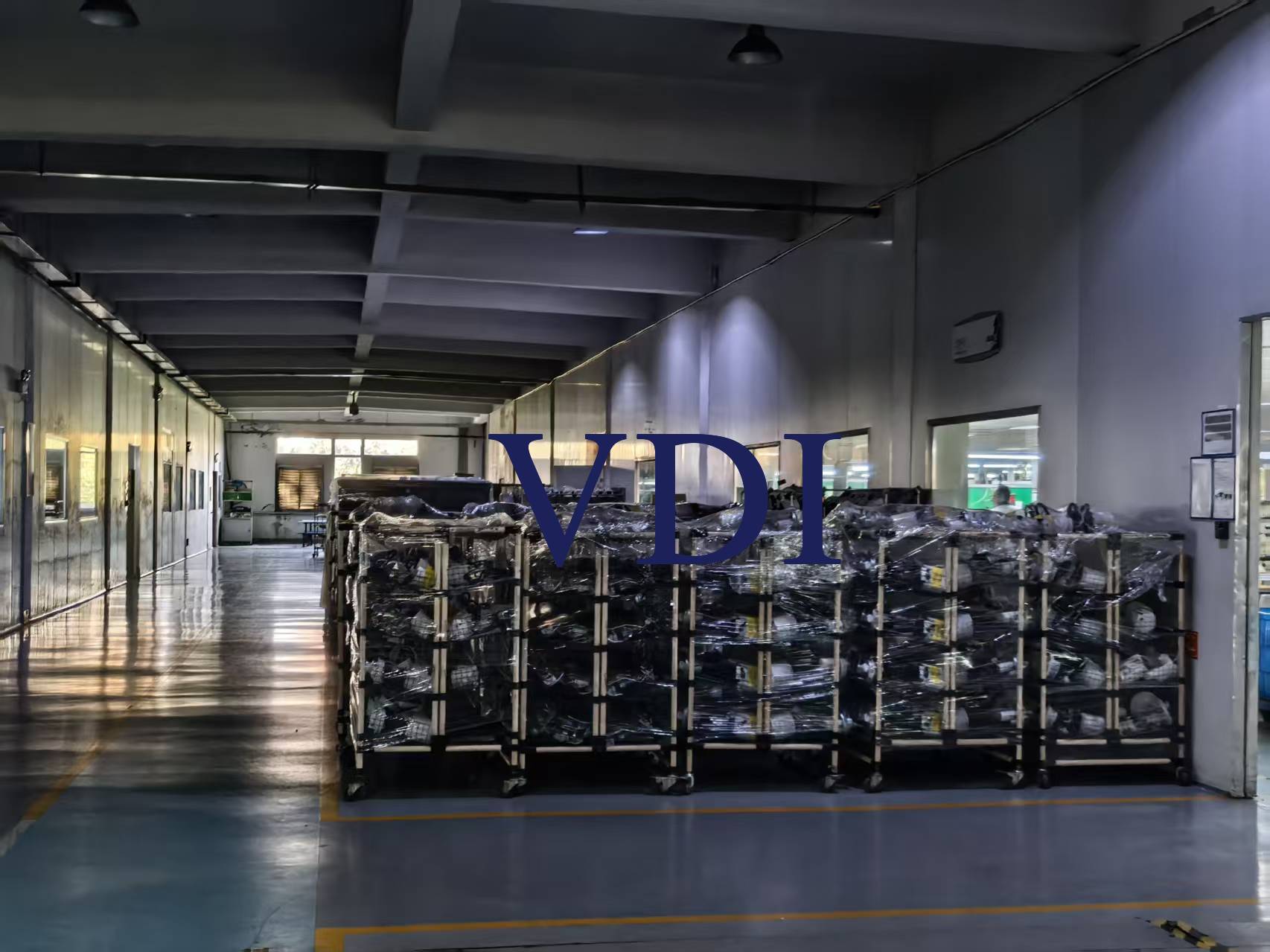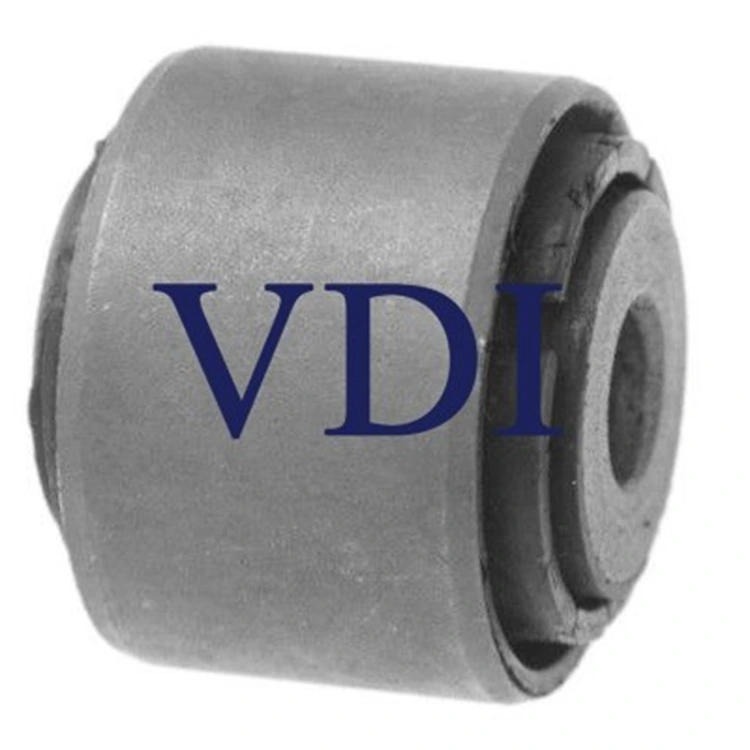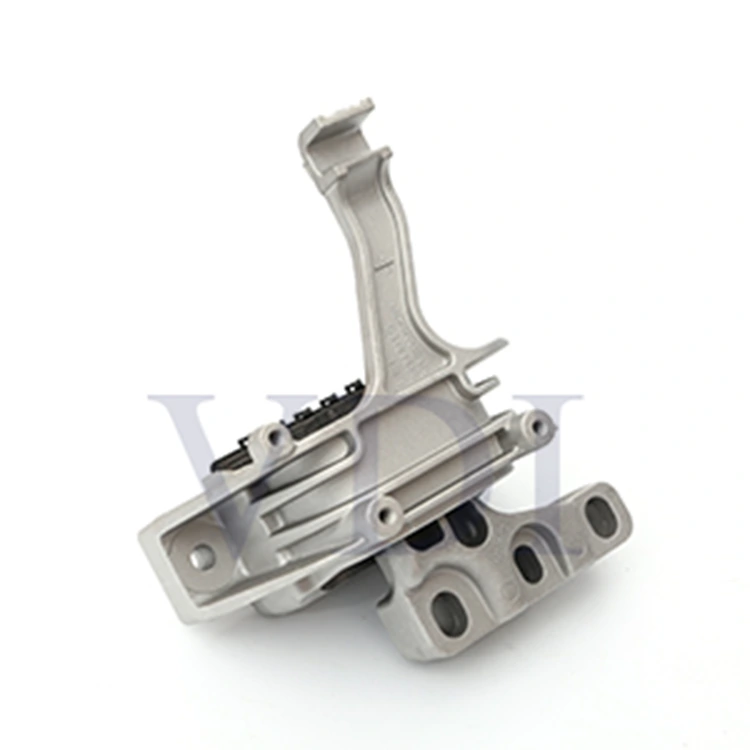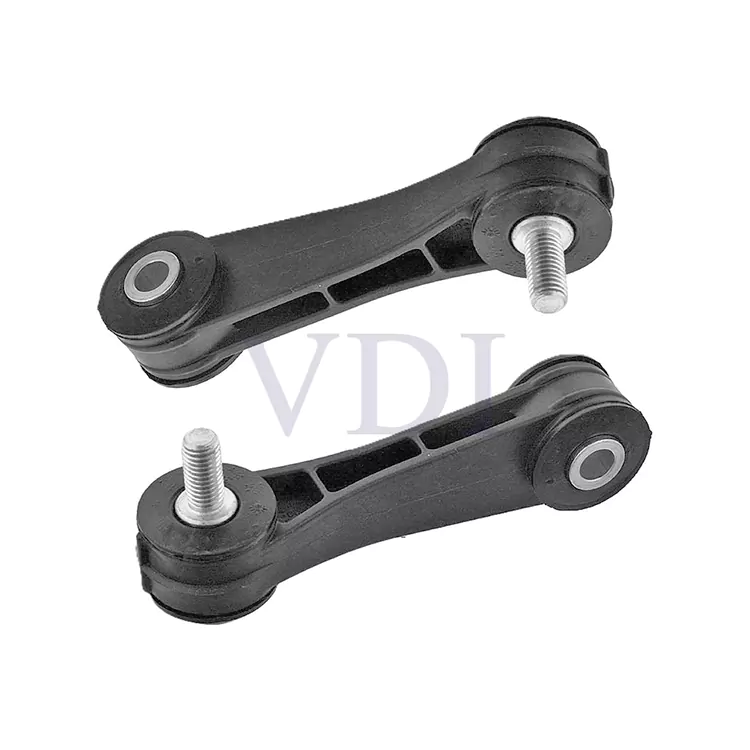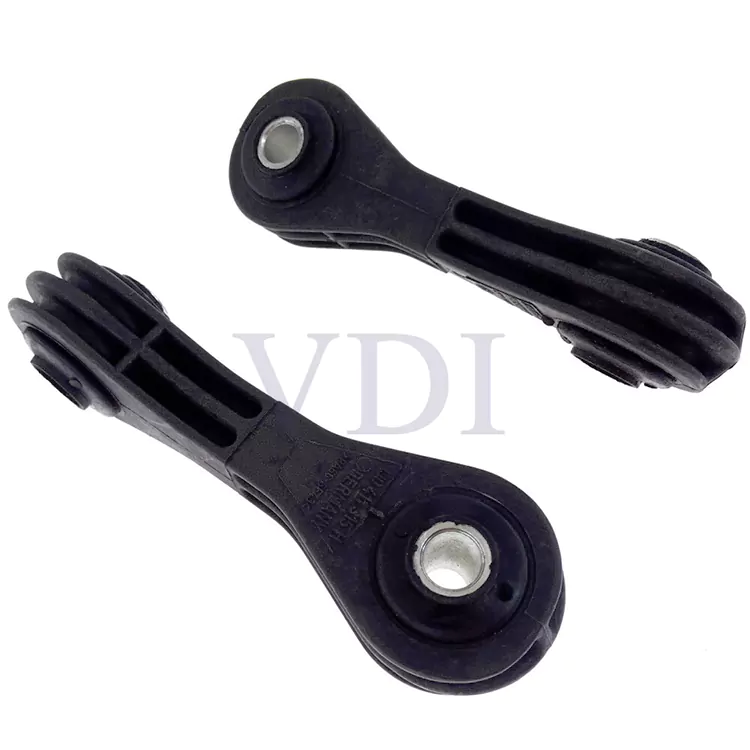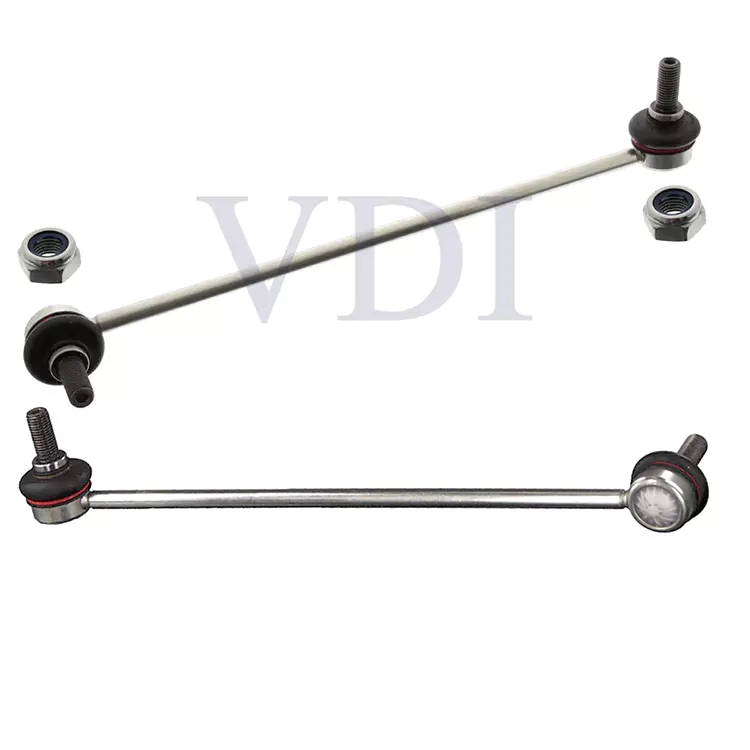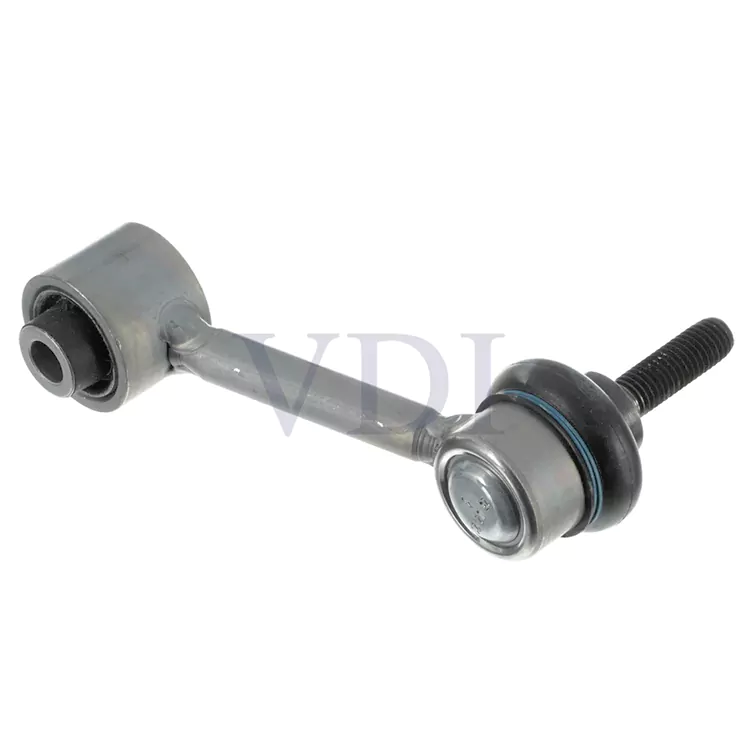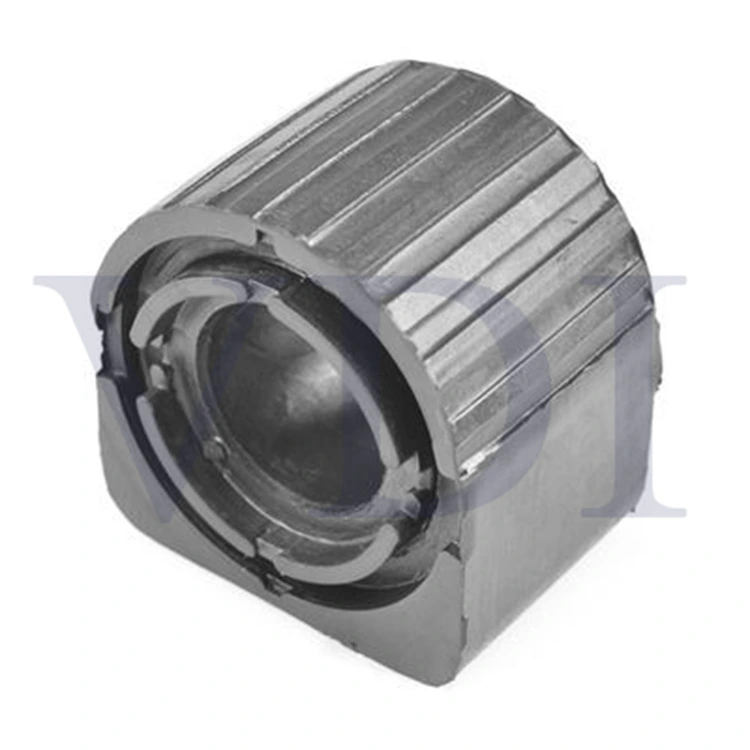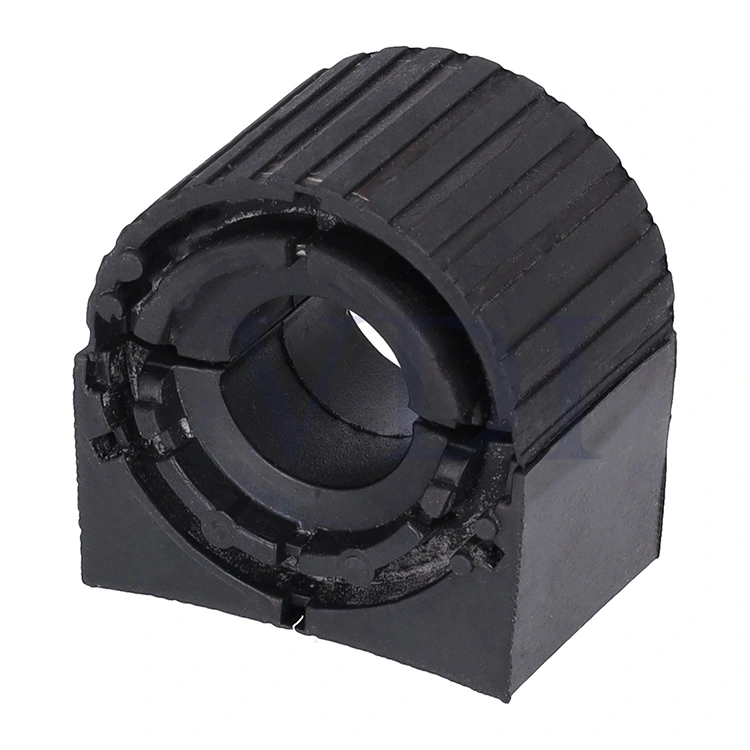

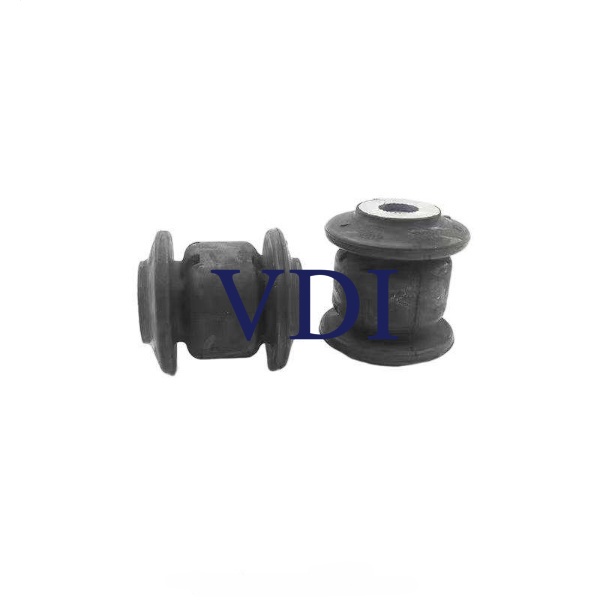
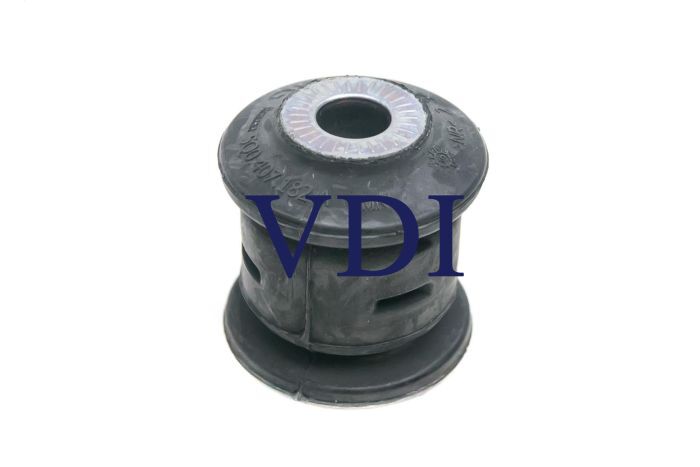
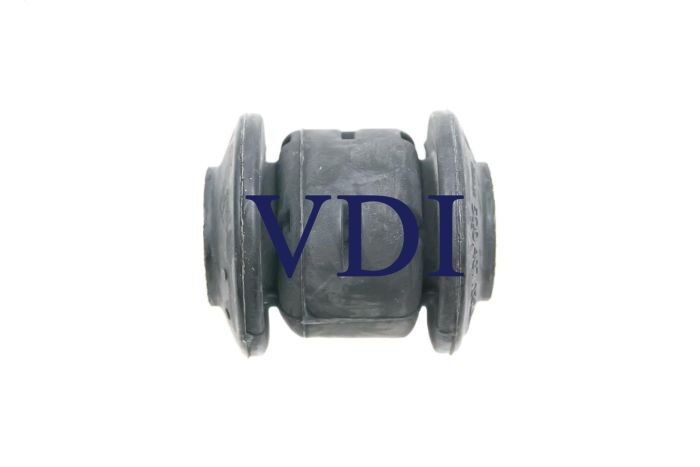
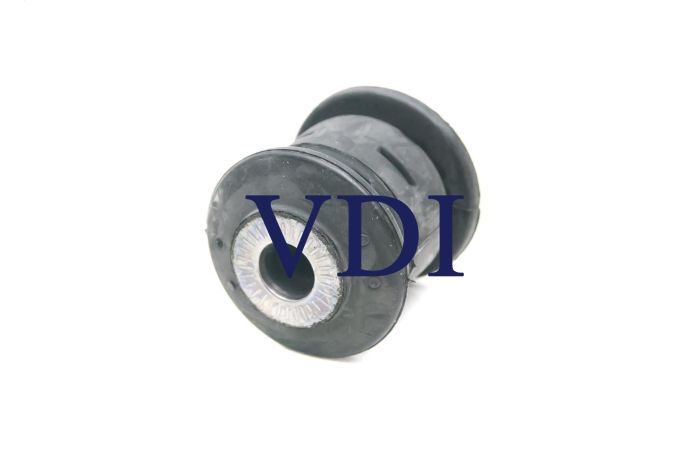
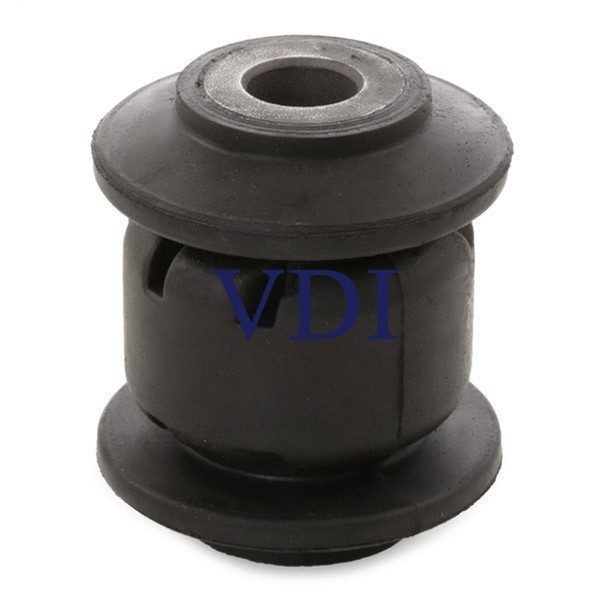
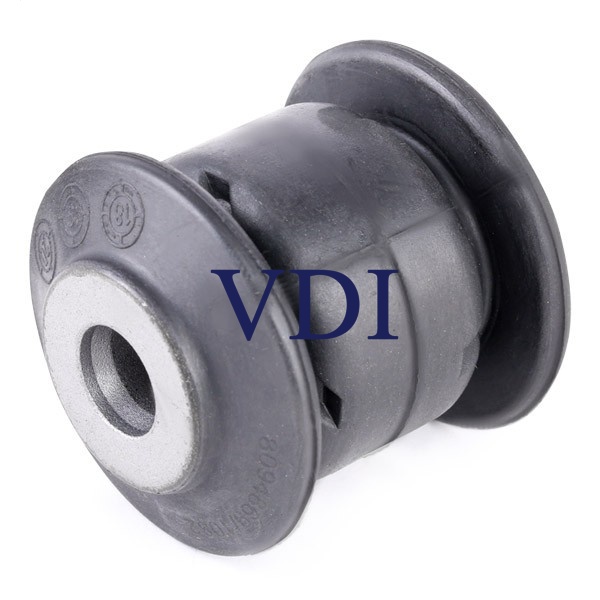
The Control Arm Bushing 1K0505541B produced by China professional supplier ATH® features a multi-durometer design that combines optimized stiffness with controlled flexibility to safeguard your chassis. It incorporates an integrated stress-relief cavity to minimize the risk of localized cracking and includes a dedicated vibration-damping rubber layer for noticeably smoother travel over speed bumps and uneven surfaces.
● The Control Arm Bushing 5Q0407182A dramatically minimizes body roll during cornering, resulting in a flatter, more stable, and self-assured driving posture.
● It sharpens road feel with refined, direct feedback—offering precision and responsiveness without transmitting harshness or unwanted noise.
● It also enhances brake dive management, delivering smoother and more balanced front-end compression under braking, effectively eliminating wobble and ensuring consistent, stable deceleration.
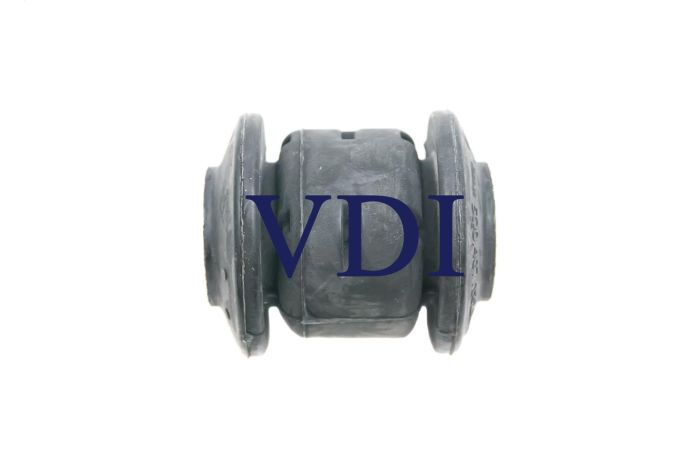
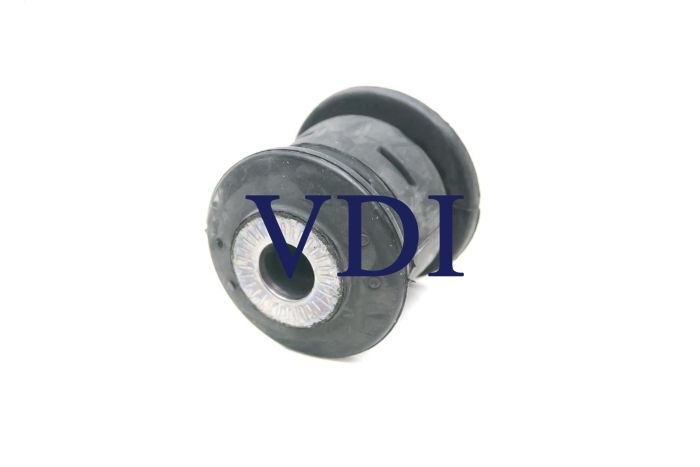
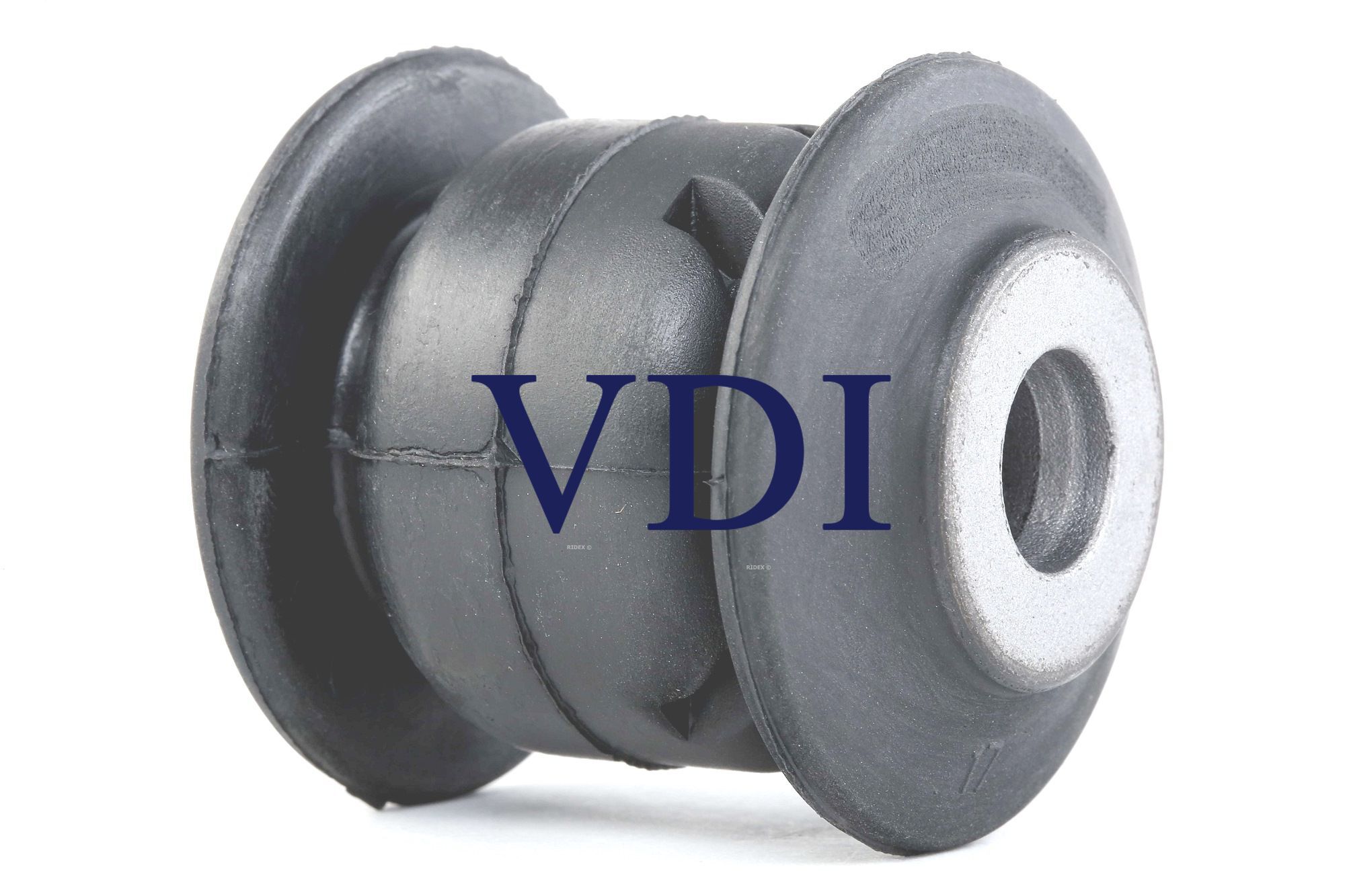
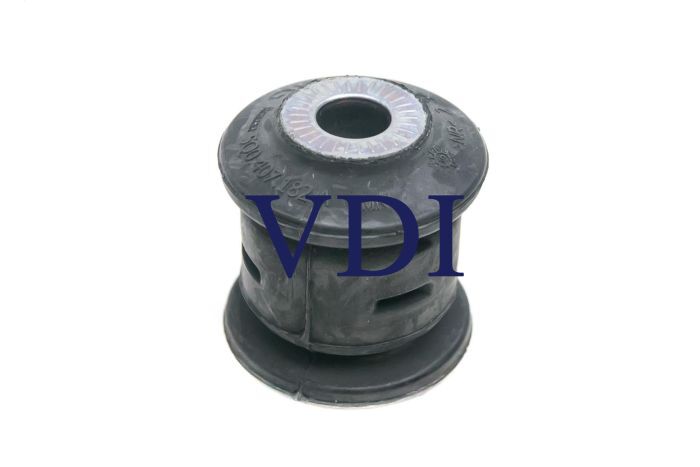
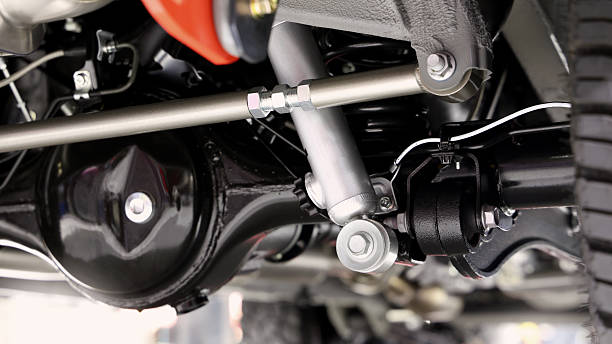
Control arm bushings may seem insignificant, but they are crucial elements that act as flexible connections in a vehicle's suspension. They link the control arm to either the car's subframe or its body and are responsible for important tasks such as damping, reducing vibrations, and ensuring proper wheel alignment. Over time, their effectiveness decreases due to continuous exposure to varying forces, temperature changes, oil, and ozone. While routine maintenance cannot completely halt deterioration, it can markedly reduce the wear rate, helping to prevent early failures of the bushings, which could lead to much more expensive repairs later on (VDI Control Arm Bushing 5Q0407182A is a reliable selection).
It is essential to understand that control arm bushings are not classified as "items that wear out" which require frequent replacements; rather, they are "components that need to be monitored for their condition." This means that they aren't required to be swapped out at fixed intervals but should undergo visual inspection during every undercarriage maintenance. We recommend conducting a comprehensive assessment during professional chassis inspections, ideally every 20,000 to 30,000 kilometers or once per year. This evaluation should focus on signs such as longitudinal cracks on the rubber surface (especially on the tension side), visible separations that reveal a breakdown in the bond between the rubber and either the inner or outer metal components, or evident deformities where the rubber has stretched beyond its original shape. Surface cracks are common in vehicles with higher mileage; however, any cracks larger than 2 millimeters, those affecting the entire load-bearing area, or those that are associated with metallic clinking noises indicate considerable functional degradation.
Driving behaviors play a crucial role in the lifespan of bushings. Regularly driving over speed bumps, potholes, or curbs at excessive speeds exposes the bushing to stresses that exceed its intended capacity, leading to the quick formation and progression of minor fractures within the rubber. In warmer weather, the rubber tends to soften and loses some of its resistance to tearing, which increases the likelihood of persistent deformation or localized harm from sudden impacts. As a result, gentle driving not only enhances safety but also significantly protects the rubber components of the chassis. Likewise, minimizing prolonged high-speed travel on rough or unpaved roads helps reduce wear caused by the accumulation of sand and debris in the spaces between the bushings.
Environmental elements significantly impact results. In areas such as North Africa and the Middle East, extreme temperatures, strong UV rays, and elevated ozone levels hasten the breakdown of rubber and create ozone-induced cracks. In seaside regions or areas where roads are treated with salt during winter, the buildup of oil, anti-icing chemicals, and salt on bushing can result in swelling or chemical deterioration. Although altering climatic conditions is not feasible, regularly cleaning the underside of a vehicle—particularly after harsh weather conditions—can aid in eliminating harmful agents. It is essential to refrain from applying high-pressure water directly at the junction of rubber and metal, as this may push moisture into the bonding area, which could eventually cause rust or separation.
It is important to recognize that some systems—like Volkswagen’s MQB or Audi’s MLB—incorporate hydraulic bushings or composite configurations that feature built-in bump stops. If these parts experience internal fluid leaks, which can manifest as deformed rubber structures and a decrease in rebound capability, or if the limit blocks break, they usually cannot be mended and need to be substituted entirely. Persisting in driving with damaged hydraulic bushings not only degrades NVH performance but could also lead to changes in control arm dynamics, hastening the deterioration of ball joints, tie rods, and even tires.
When it is deemed essential to perform a replacement, always give preference to components that correspond with the OEM dimensions and rigidity traits. Inexpensive bushings may initially operate quietly, however, if their radial or torsional stiffness profiles or damping functions differ from established standards, they have the potential to disrupt the vehicle’s stability—excessively firm radial settings can enhance responsiveness but compromise ride quality and put strain on other suspension parts, while inadequate torsional flexibility can lead to brake dive or understeer when navigating corners. Premium bushings must be assessed through comprehensive evaluation of material composition, cavity design, and durability—not selected primarily on cost or misleading assertions about “hardness.”
Caring for control arm bushings relies on three key guidelines: watch for issues, take preventive measures, and timely replacement. They function quietly yet are crucial for smooth turns and a pleasant driving experience. Acknowledging their physical constraints is the essential approach to maintaining the overall integrity of your vehicle. Feel free to buy VDI Control Arm Bushing 5Q0407182A!
Our Control Arm Bushing 5Q0407182A is rigorously validated through independent third-party durability testing—simulating over 100,000 kilometers of driving under extreme environmental and mechanical stress—as well as real-world fleet trials. It consistently achieves a service life of 120,000 to 180,000 kilometers. Notably, in the past three years, the return rate attributed to material defects or durability concerns has remained below 1%.