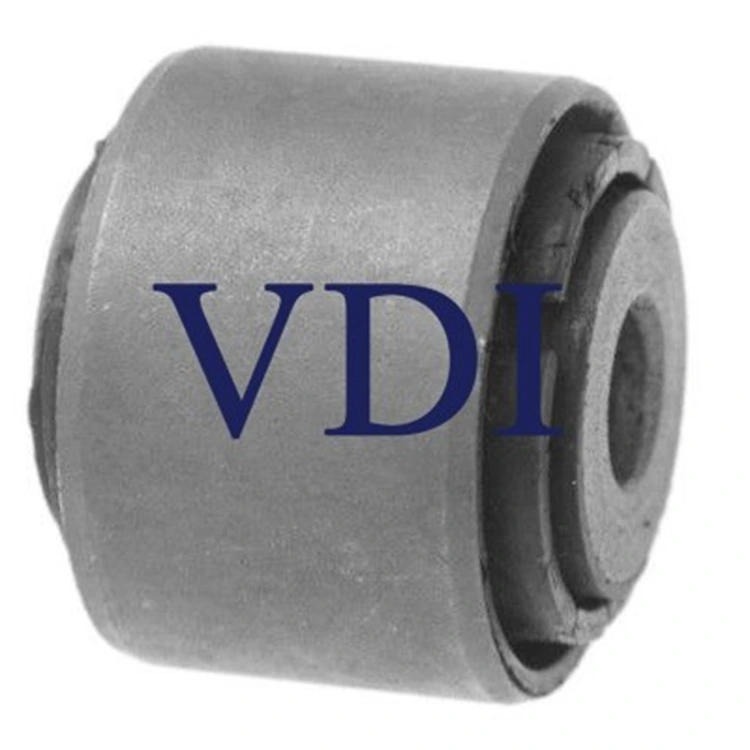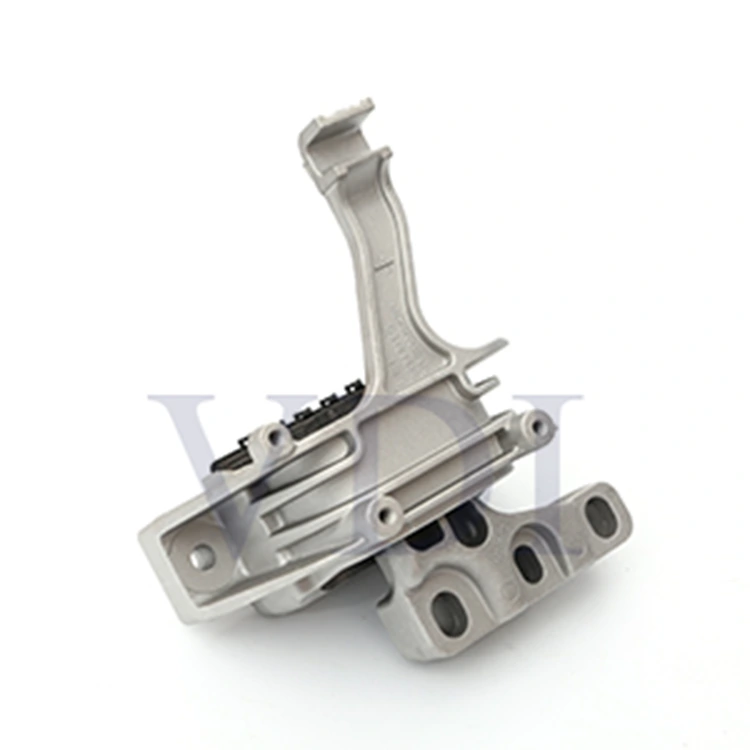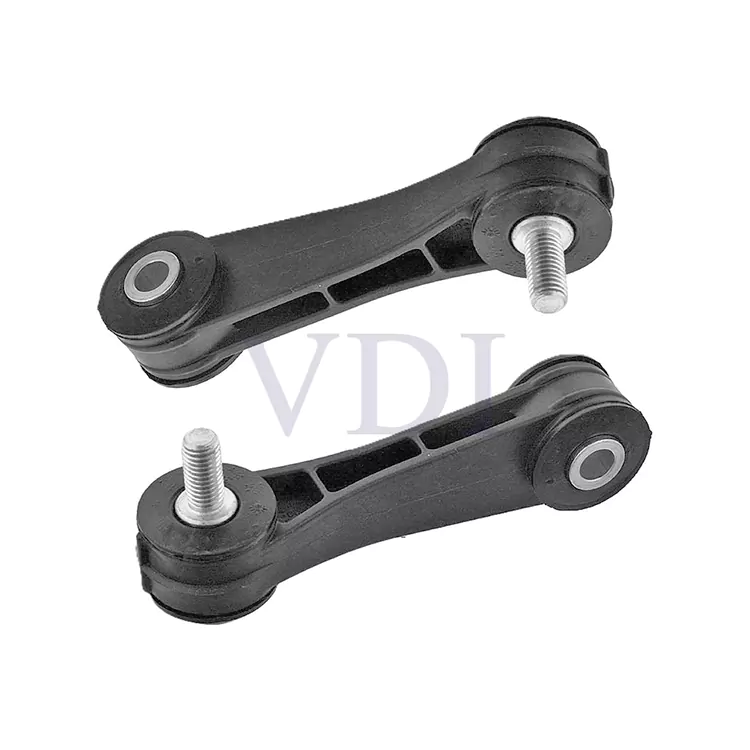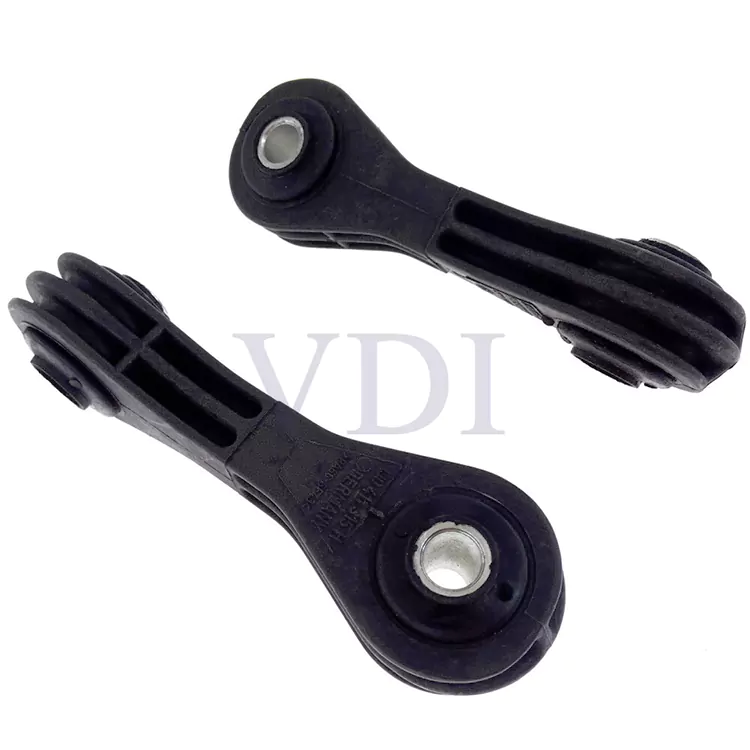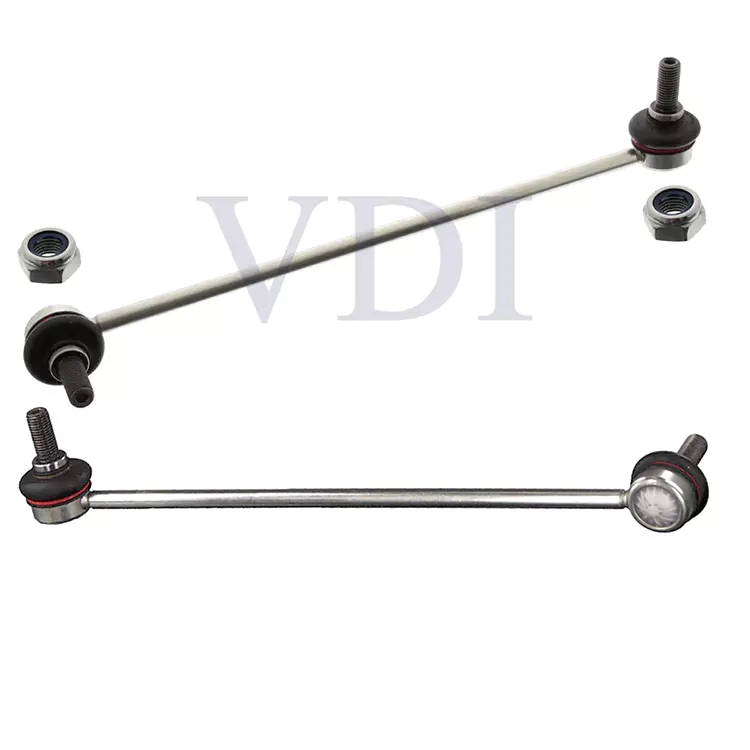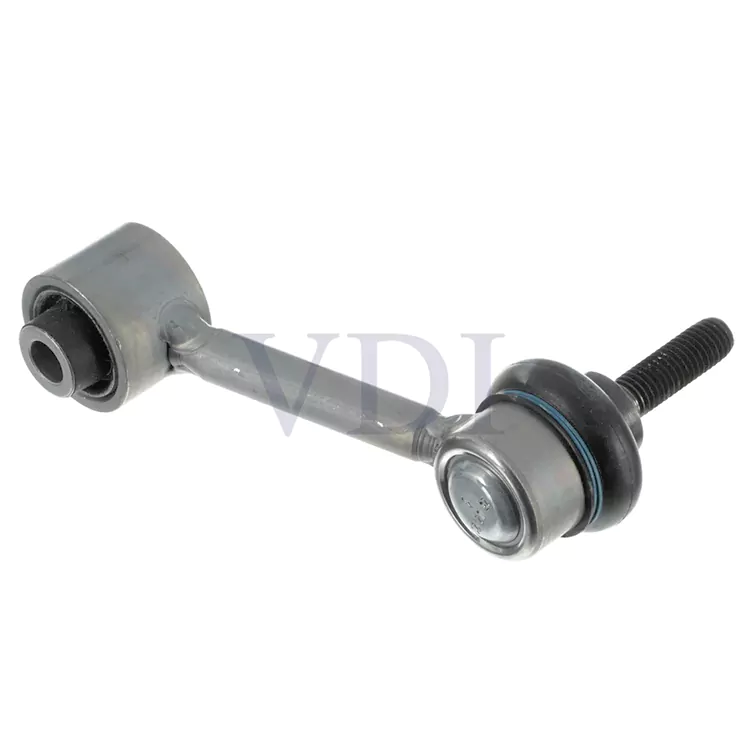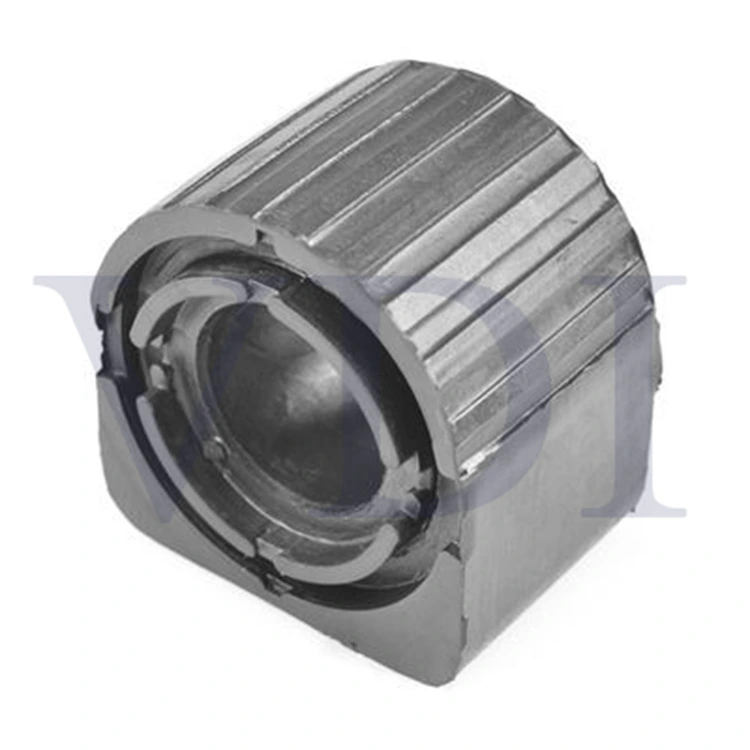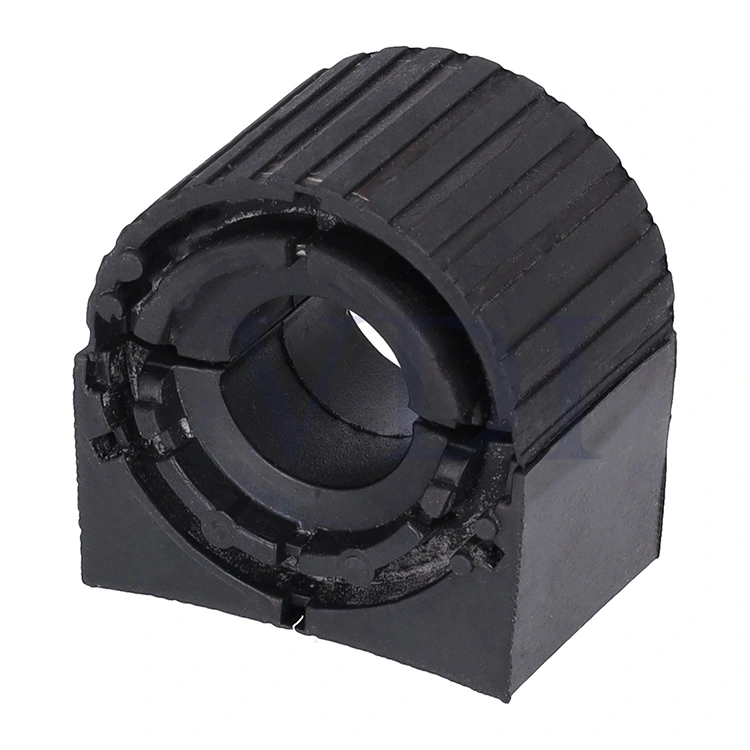

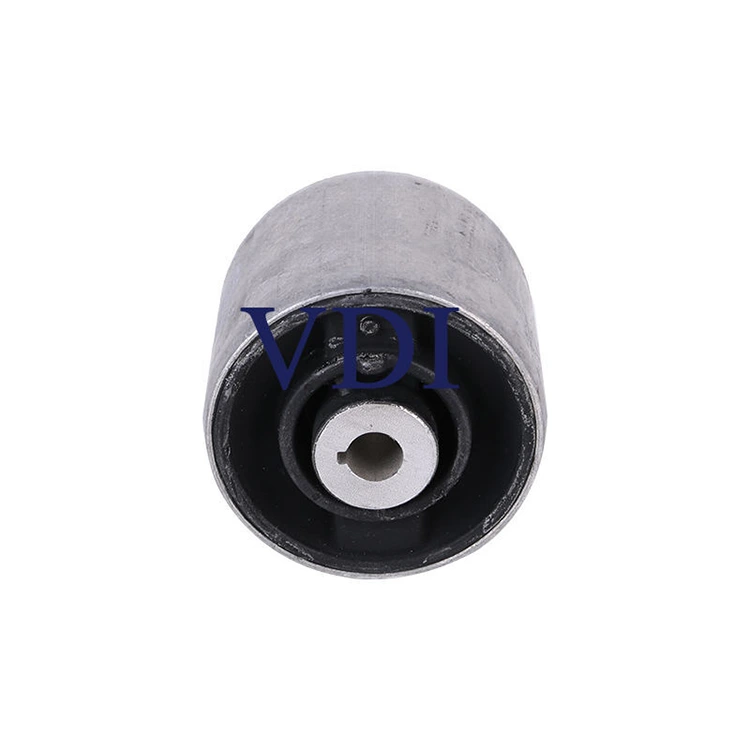
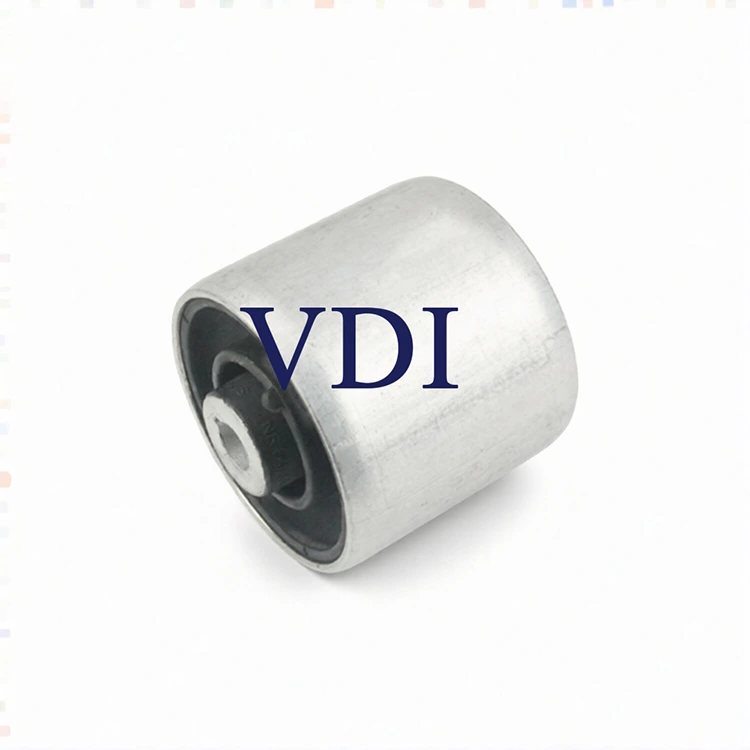
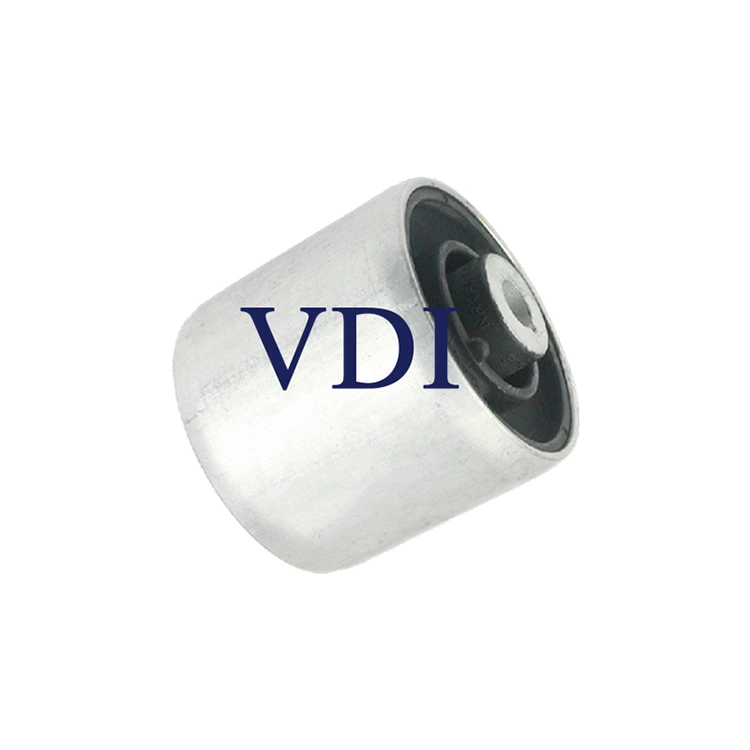
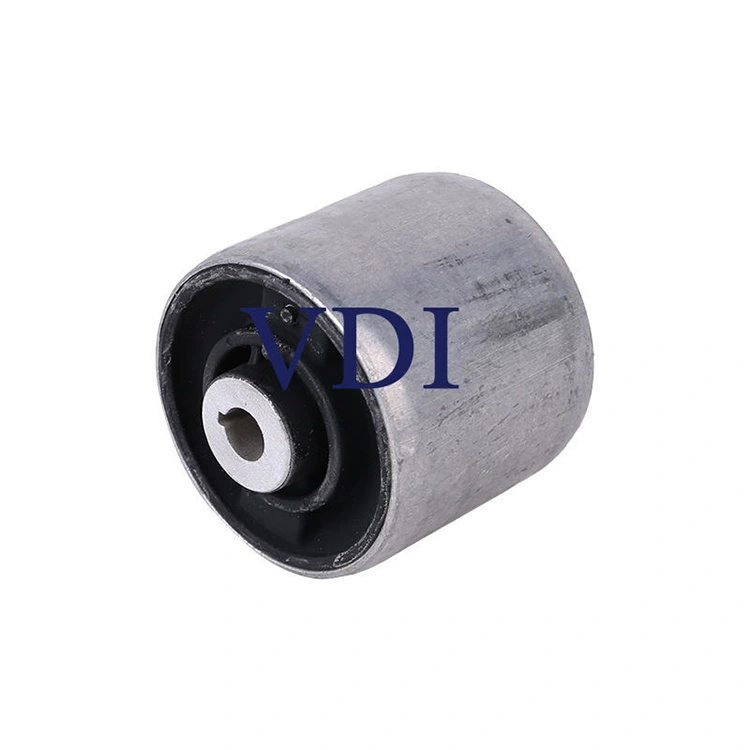
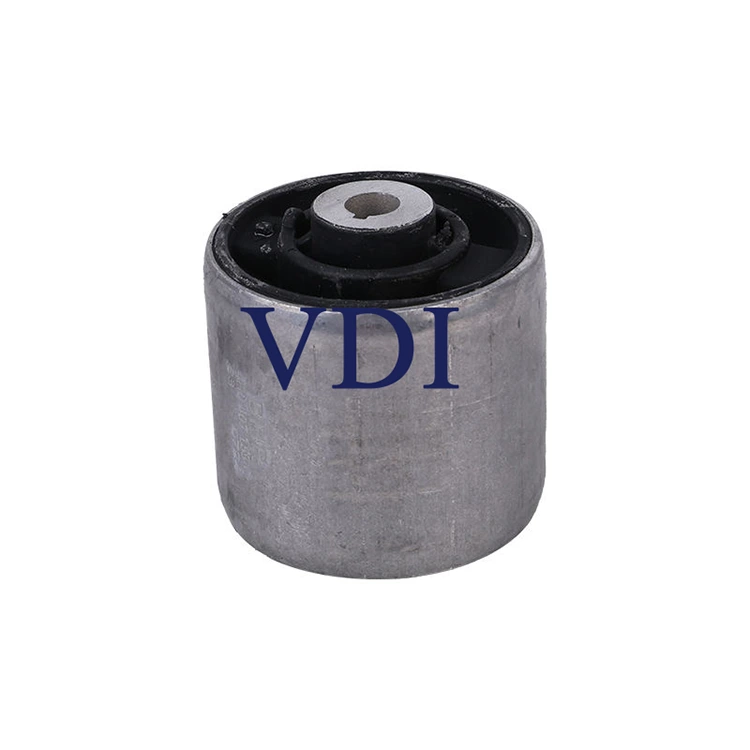
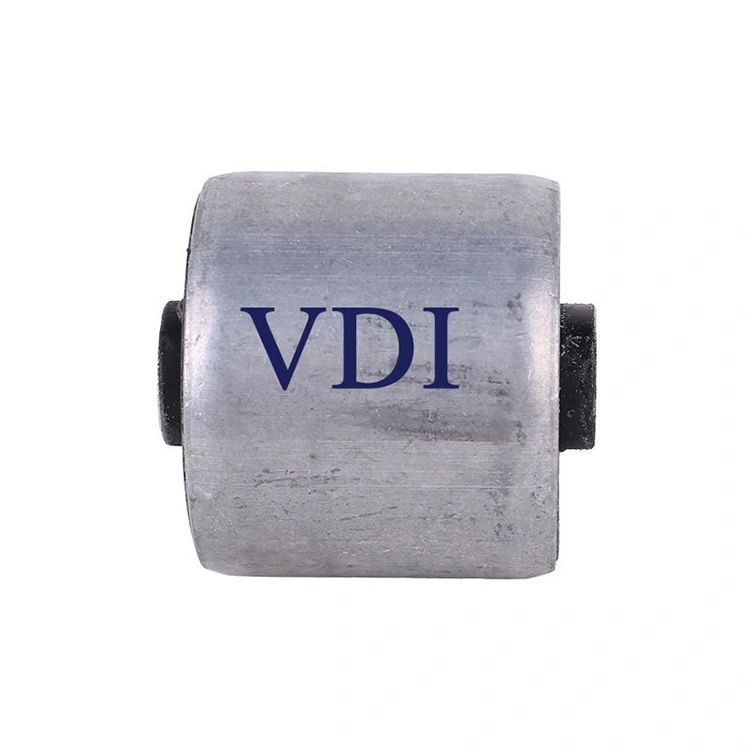
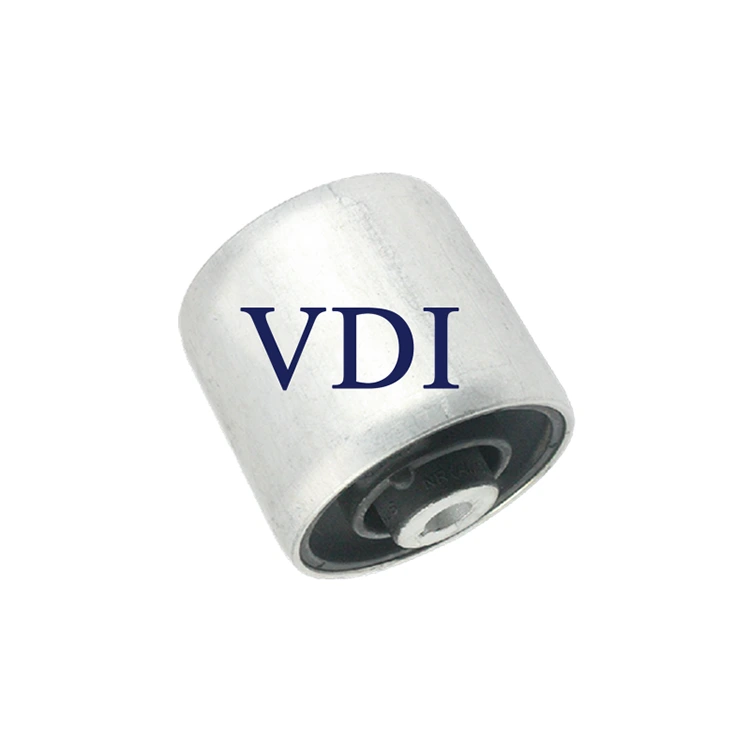
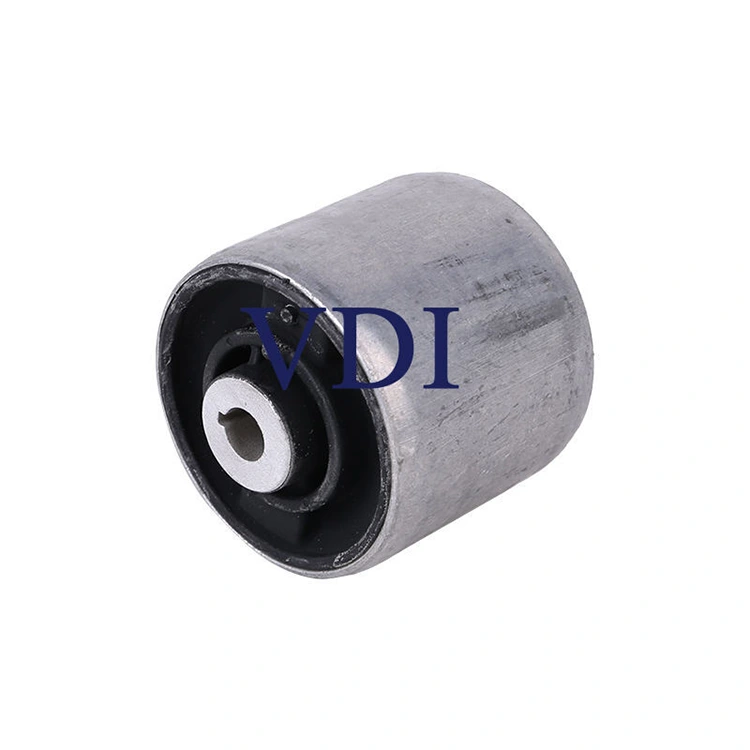
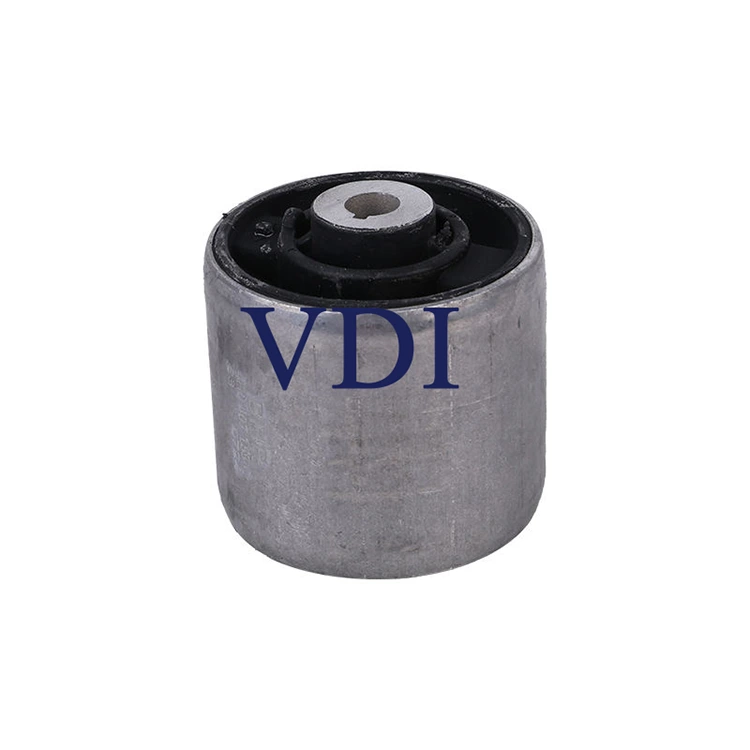
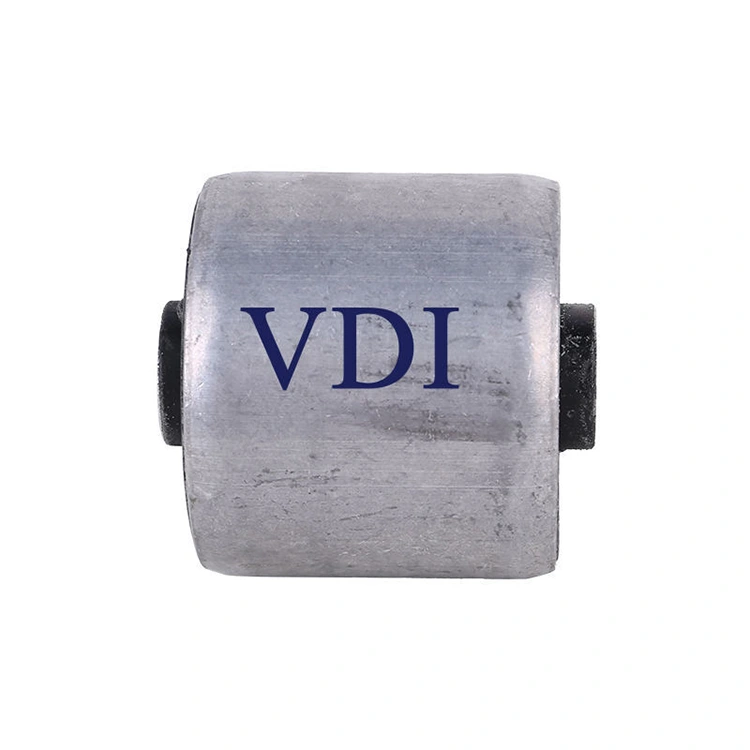
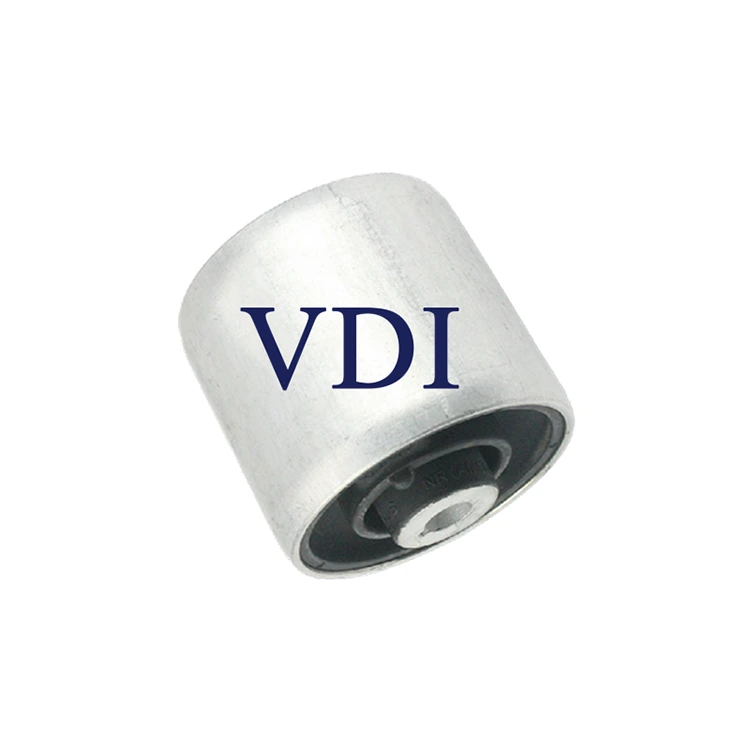
Control Arm Bushing 4H0407183 is a high-performance suspension upgrade that reduces steering play and minimizes body roll. It’s a direct OEM replacement – no mods required – and perfect for lowered, lifted, or custom-tuned vehicles.
4G0 407 183 A
Fit to:
AUDI A5
AUDI A6
Outer Diameter:74mm
Height:80mm
Inner Diameter:12mm
Control Arm Bushing 4H0407183 improves steering response by increasing chassis stiffness.
Resists oil, salt, and UV damage for long-lasting durability in harsh conditions.
Holds wheel alignment longer than standard OEM bushings.
Boosts stability and handling for a more confident drive.
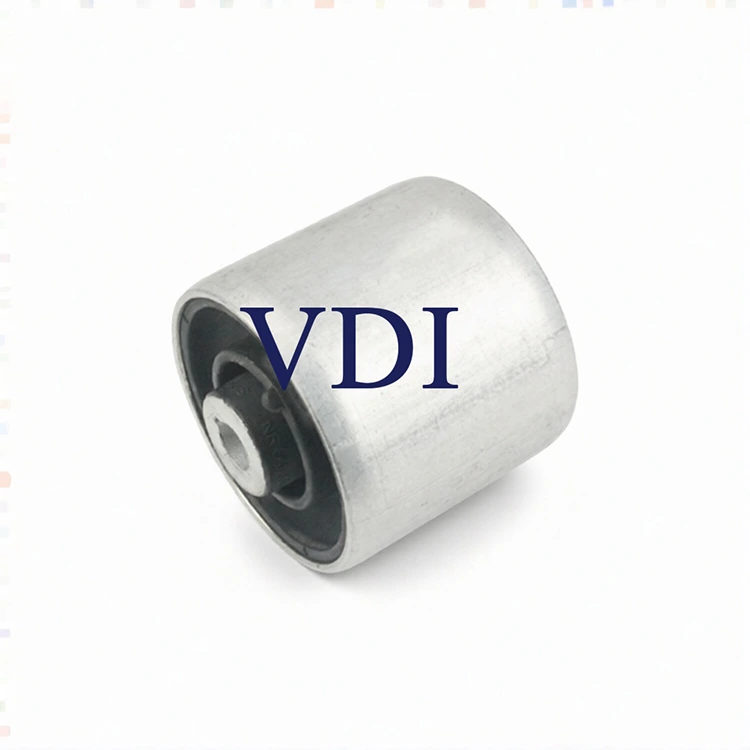
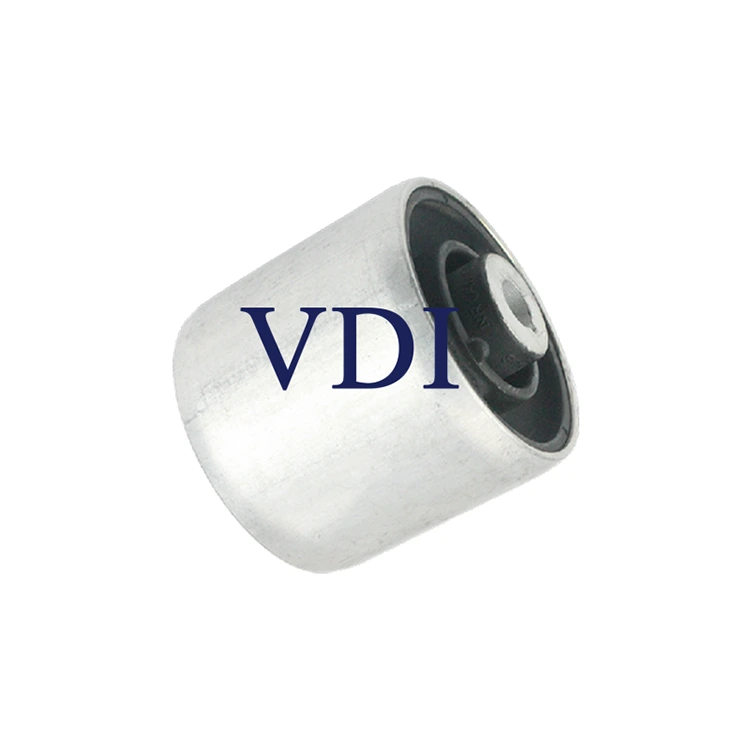
Control arm bushings might appear unimportant, but they play a vital role as flexible links in a vehicle's suspension. These components connect the control arm to the subframe or the vehicle's body and perform essential functions such as shock absorption, reduce vibrations, and maintaining proper alignment of the wheels. With the passage of time, their performance diminishes because of constant exposure to various forces, fluctuations in temperature, oil, and ozone. Although regular maintenance cannot entirely prevent degradation, it can significantly slow down the wear rate, aiding in the avoidance of premature failures of the bushings, which could result in costly repairs in the future (VDI Control Arm Bushing 4H0407183 is a trustworthy option).
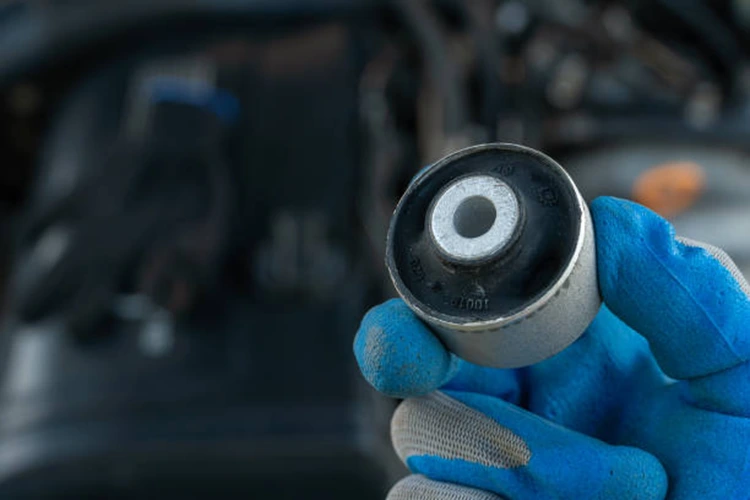
It is important to recognize that control arm bushings should not merely be regarded as "parts that deteriorate" that require regular replacement; instead, they ought to be seen as "components warranting condition evaluation." This implies that these parts do not need to be replaced at set intervals but should be visually inspected during each undercarriage maintenance service. We advise performing a thorough examination during professional chassis inspections, ideally every 20,000 to 30,000 kilometers or annually. This inspection should pay particular attention to indicators such as longitudinal cracks on the rubber exterior (especially on the tension side), noticeable separations that indicate a failure in the bond between the rubber and the inner or outer metallic elements, or observable deformations where the rubber has extended beyond its original configuration. Surface cracks are often observed in vehicles with high mileage; however, any cracks exceeding 2 millimeters, those impacting the entire load-bearing area, or those that produce metallic clattering sounds signal significant functional degradation.
Driving habits significantly influence the longevity of bushings. Frequently hitting speed bumps, potholes, or curbs while driving too fast places stress on the bushing that surpasses its designed tolerances, resulting in rapid development and growth of small cracks in the rubber. During warmer conditions, the rubber may become softer, impairing its ability to resist tearing, which raises the chances of permanent deformation or localized harm due to abrupt impacts. Consequently, driving with care not only promotes safety but also greatly protects the rubber parts of the chassis. Similarly, minimizing extended periods of high-speed travel on bumpy or unpaved surfaces reduces wear from the buildup of sand and debris in the gaps between the bushings.
Environmental elements significantly affect results. In areas such as North Africa and the Middle East, elevated temperatures, strong UV radiation, and higher levels of ozone contribute to the deterioration of rubber and result in ozone-induced cracking. In coastal regions or locations where roads are treated with salt during the winter months, the buildup of oil, de-icing agents, and salt on bushing surfaces can lead to swelling or chemical deterioration. Although altering weather patterns is not feasible, regularly cleaning the underside of a vehicle—particularly following extreme weather—can assist in eliminating detrimental substances. It is imperative to avoid using high-pressure water directly at the junction of rubber and metal, as this may push moisture into the bonding area, which could result in corrosion or separation.
It is essential to acknowledge that certain systems—such as Volkswagen’s MQB or Audi’s MLB—use hydraulic bushings or composite designs that include integrated bump stops. When these components suffer from internal fluid leaks, which might present as distorted rubber shapes and reduced rebound functionality, or if the limit blocks fail, they generally cannot be repaired and must be replaced completely. Continuing to operate a vehicle with compromised hydraulic bushings not only diminishes NVH performance but may also alter control arm dynamics, accelerating the wear of ball joints, tie rods, and even tires.
When a replacement is deemed necessary, it is essential to choose components that adhere to the OEM standards for size and durability. Inexpensive bushings may initially operate quietly, but if their radial or torsional stiffness properties or shock absorption performance are not in line with standard expectations, they could adversely affect the vehicle's stability—excessively stiff radial configurations may enhance responsiveness but compromise ride comfort and increase strain on other suspension parts, while inadequate torsional flexibility could lead to brake dive or understeer when cornering. The selection of high-quality bushings should be based on a comprehensive evaluation of their material composition, cavity structure, and lifespan—not simply on cost or deceptive assertions about "hardness."
Taking care of control arm bushings depends on three main tips: identify problems, implement preventative strategies, and ensure prompt replacement. They operate silently but play a vital role in facilitating smooth cornering and an enjoyable driving experience. Recognizing their limitations is a fundamental strategy for preserving the overall condition of your automobile. You are welcome to purchase VDI Control Arm Bushing 4H0407183!
All our control arm bushings—including Control Arm Bushing 4H0407183—come with a 12-month warranty. If any issue occurs, we’ll provide a free replacement fast. Plus, our expert technical support team is always ready to help.