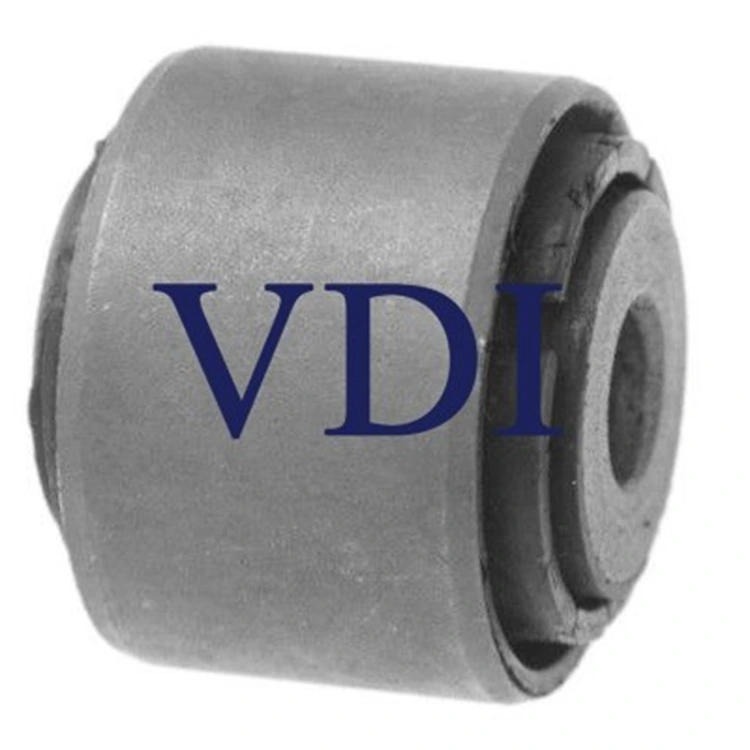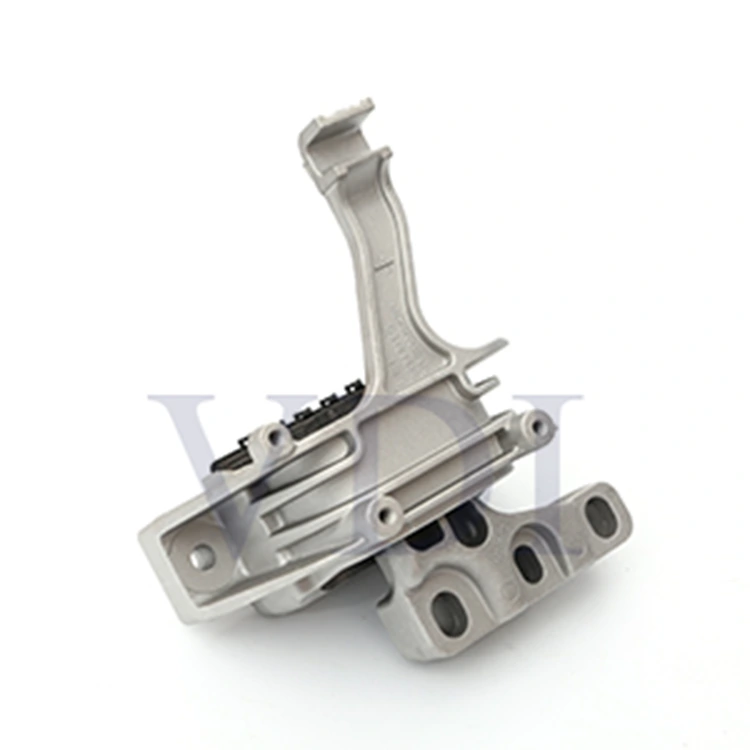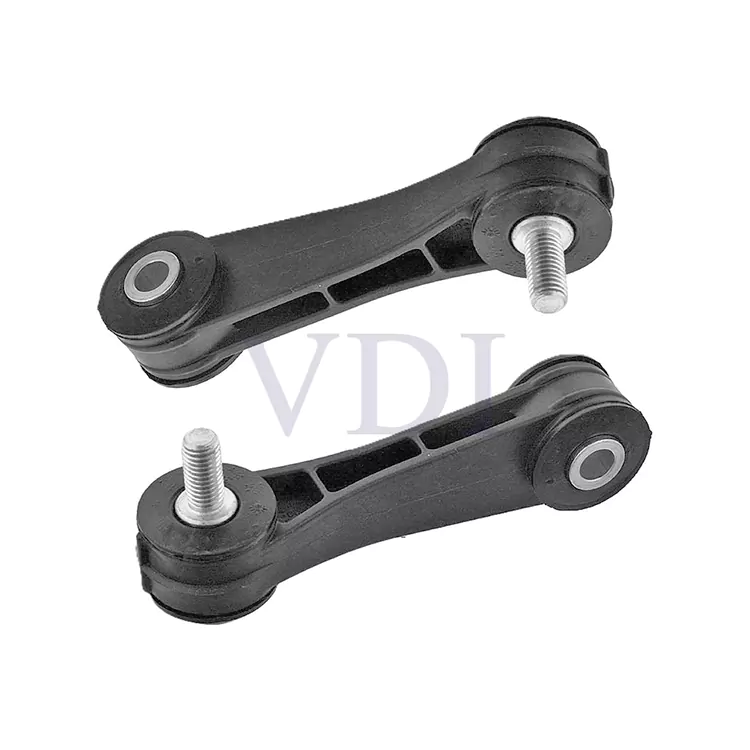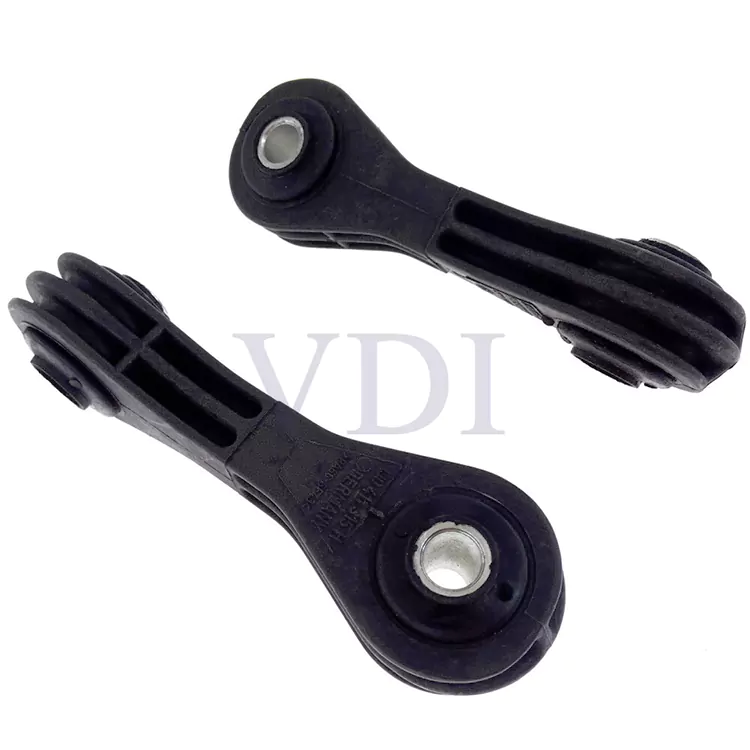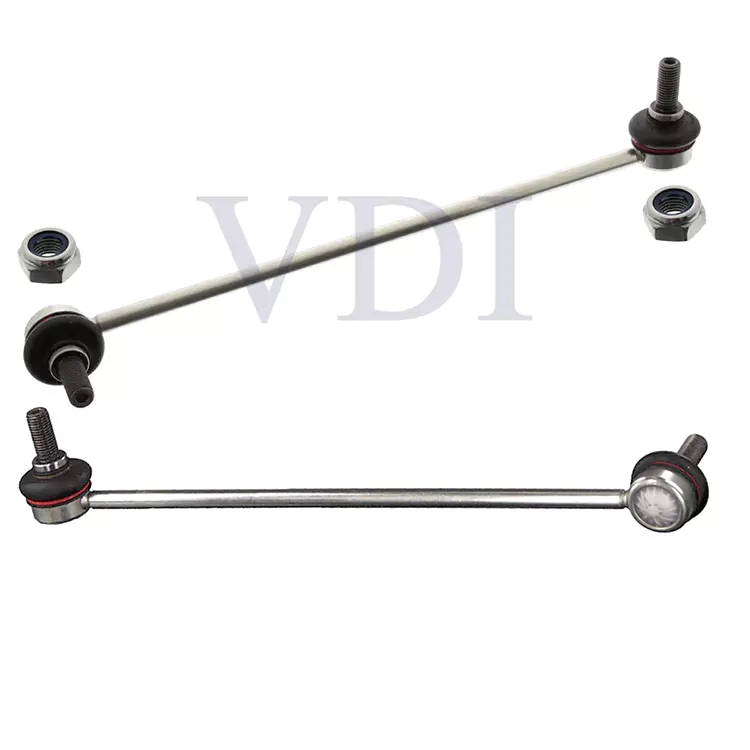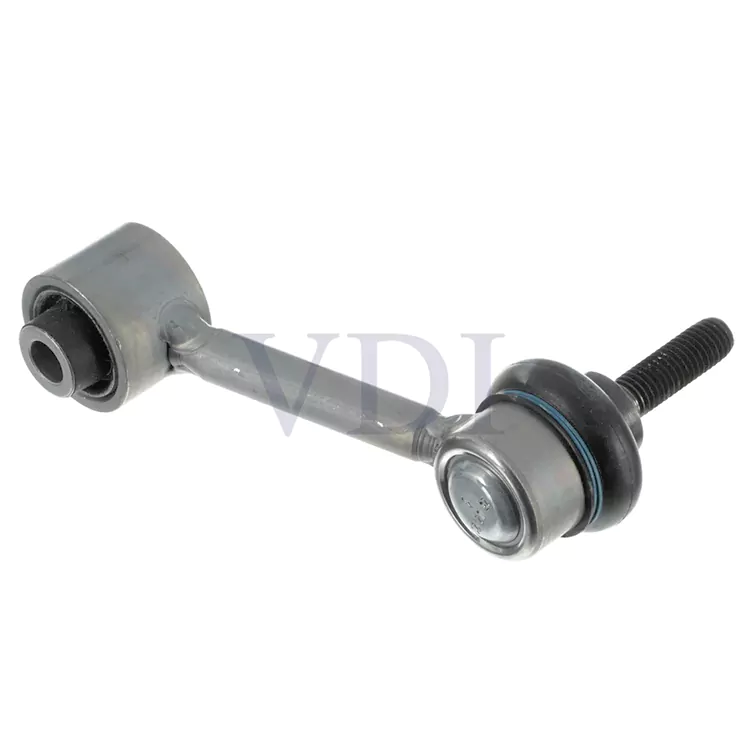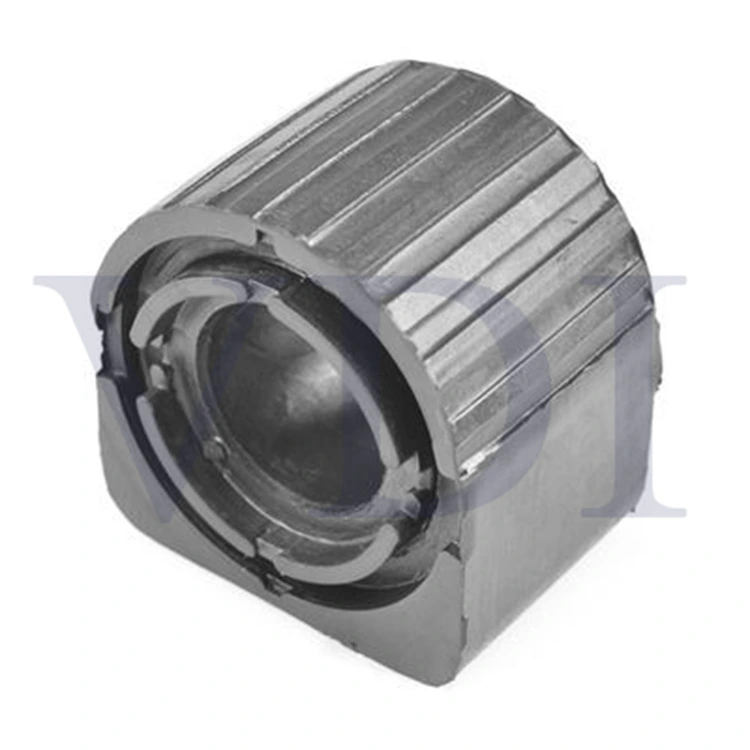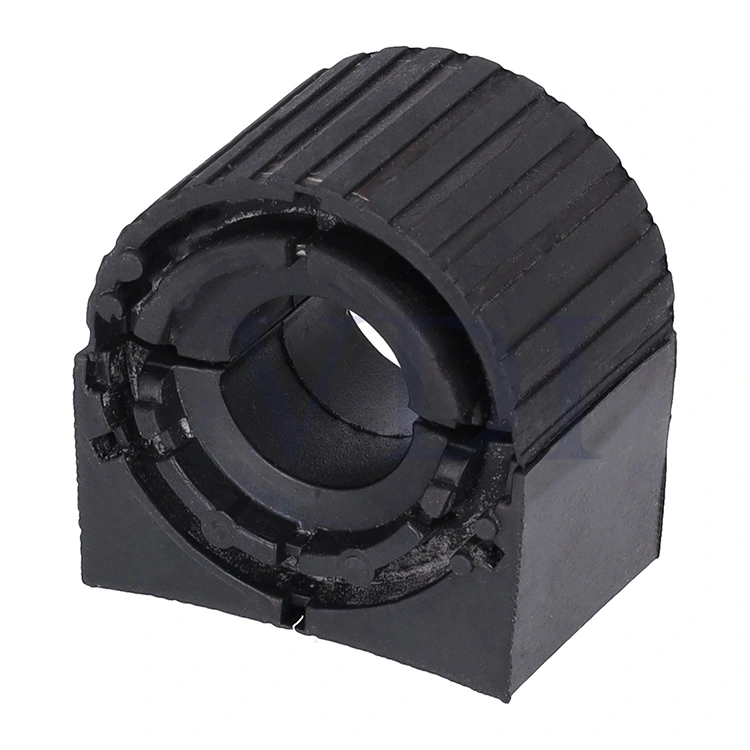

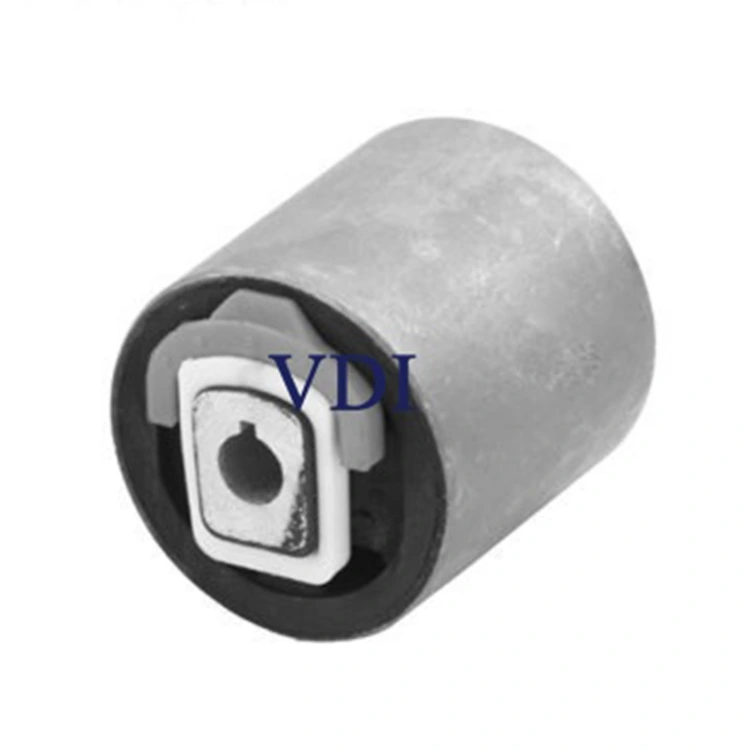
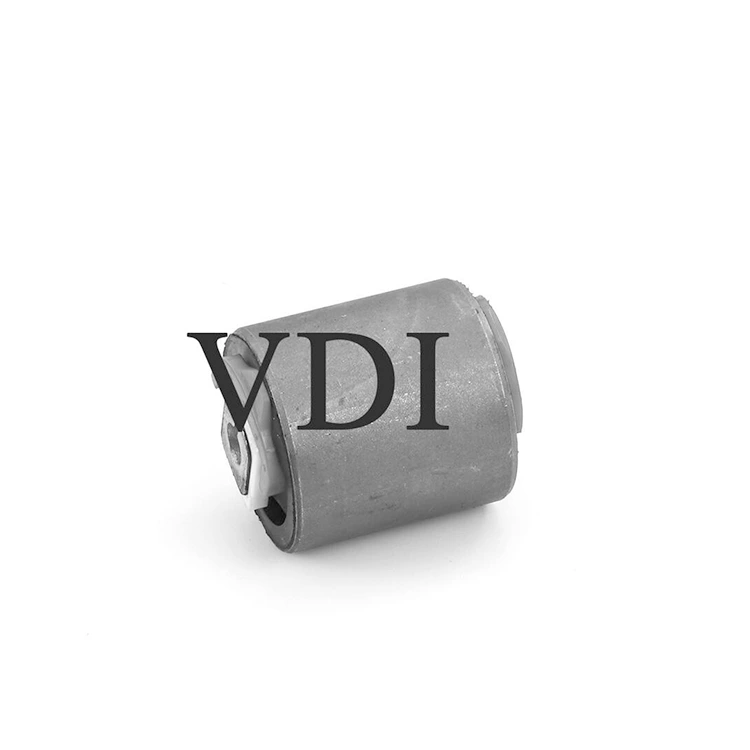
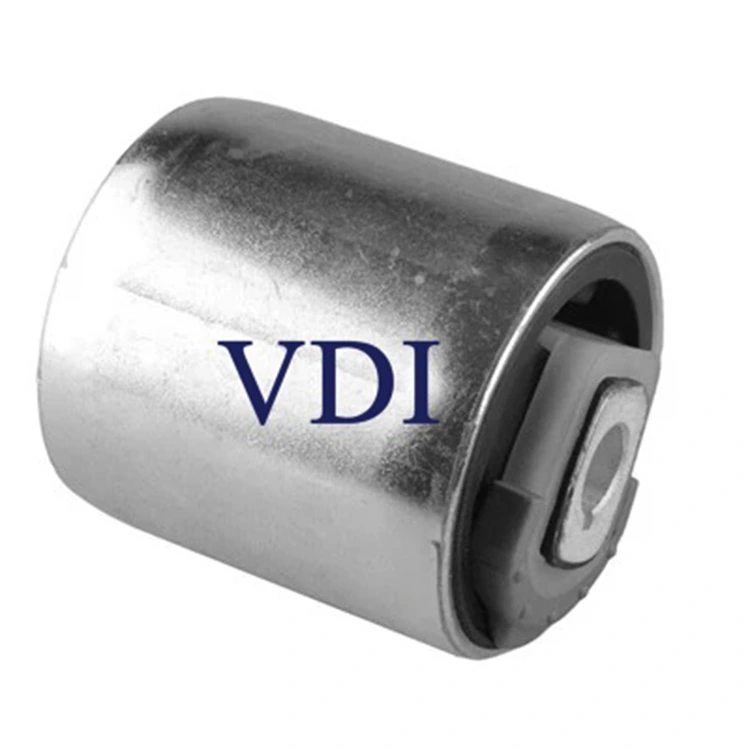
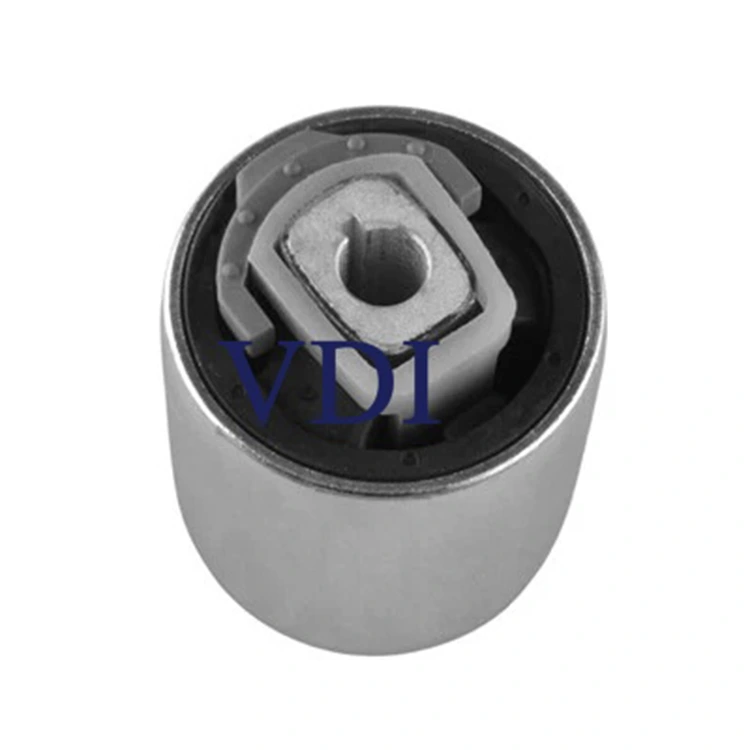
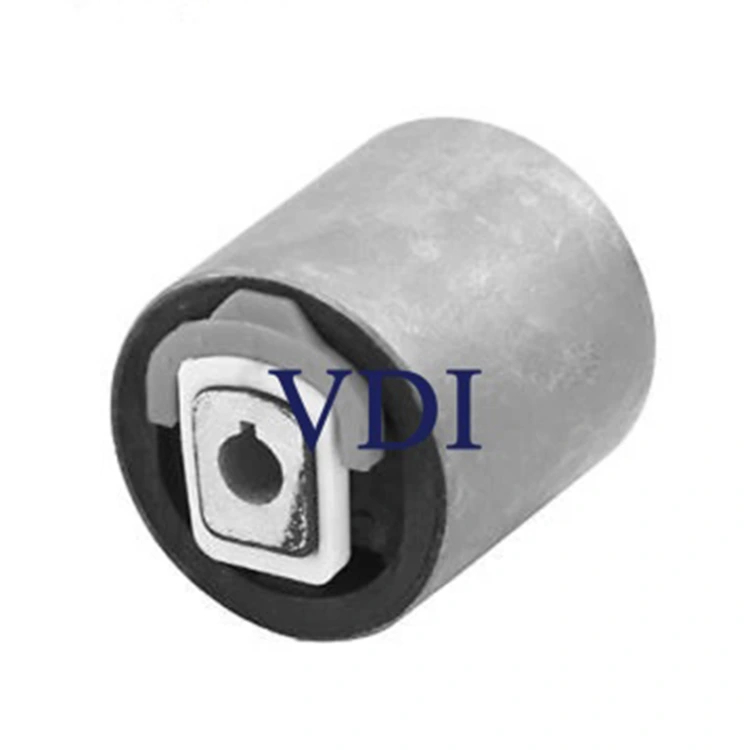
The VDI Control Arm Bushing 4D0407183AB withstands ozone exposure, ultraviolet rays, grease, road salt, and severe temperatures—will not become brittle, develop fissures, or rip, thereby providing lasting durability even amid tough driving situations or high-salt settings.
4D0 407 183 AC
4D0 407 183 Q
4D0 407 183 M
4E0 407 183 A
AUDI A4 B5/B6/B7
AUDI A6 C5
AUDI A8 D2
VW PASSAT B5/B5.5
Outer Diameter:65mm
Height:80mm
Inner Diameter:12mm
●Shields ball joints, control arms, and various suspension elements, enhancing the overall longevity of your system.
●Damaged or inferior stock bushings result in excessive movement and harsh jolts, leading to quicker deterioration of ball joints, tie rods, shock absorbers, and nearby components.
●Switching to VDI Control Arm Bushing 4D0407183AB promotes more uniform and balanced load distribution throughout the suspension, greatly prolonging the lifespan of these essential parts.
●Avoids a chain reaction of failures and removes numerous concealed repair hazards through one intelligent enhancement.
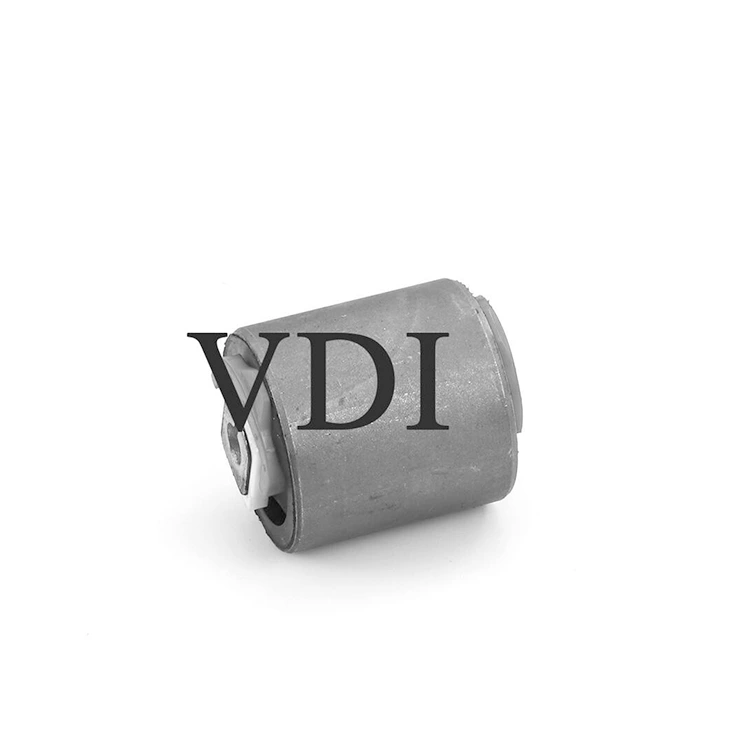
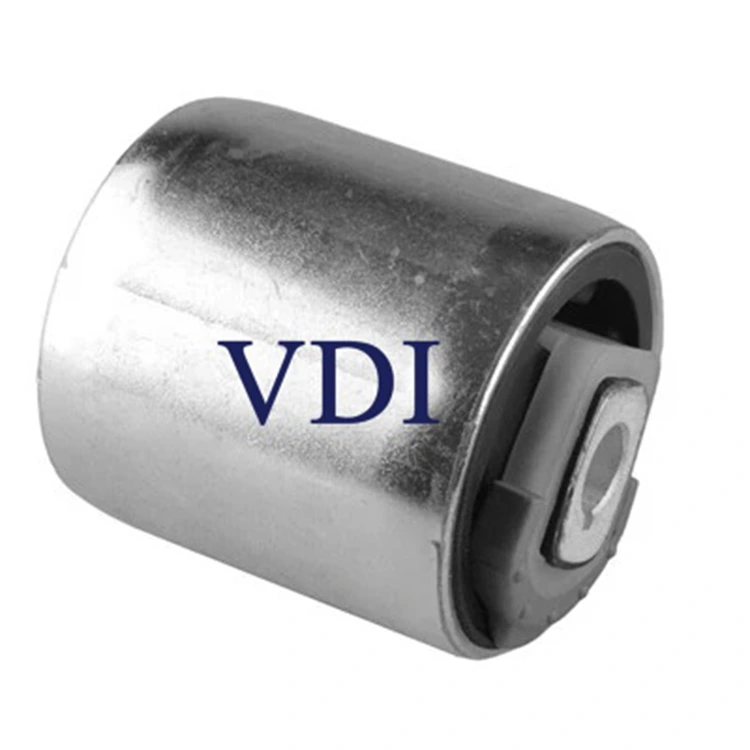
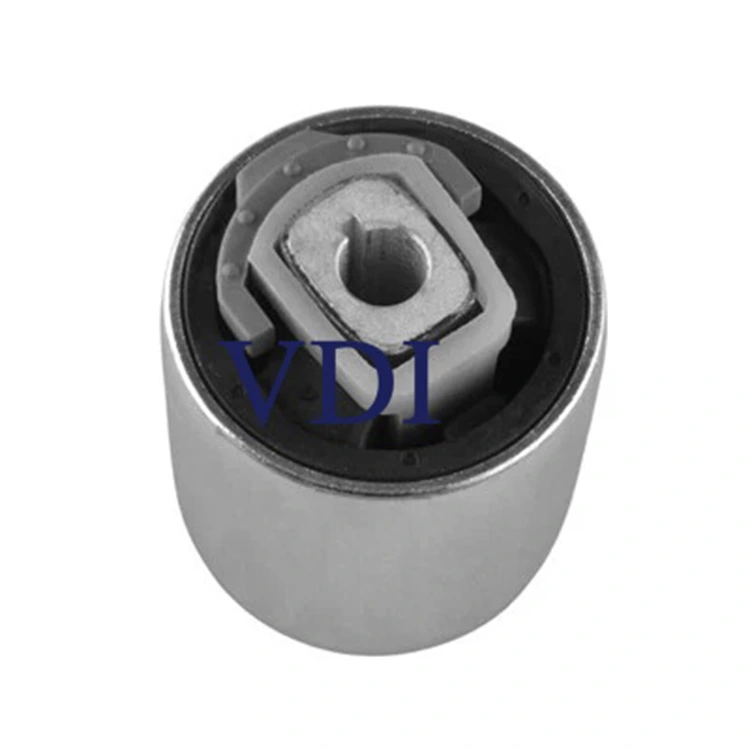
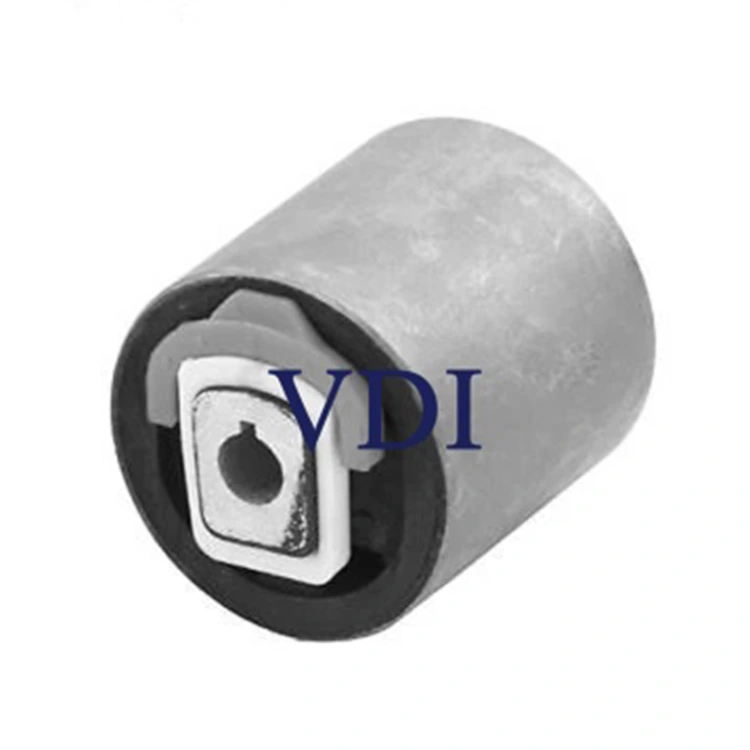
You don’t always notice control arm bushings—until they start to go. But these small rubber or polyurethane parts are doing a lot of heavy lifting in your suspension. Factory setups almost always use rubber: it’s quiet, compliant, and handles everyday driving just fine. Performance upgrades often switch to high-durometer rubber or full polyurethane for more precise control—but that comes with trade-offs.
Mounted where the control arm meets the chassis or subframe, bushings absorb road shock, isolate vibration, and let the arm pivot without binding. When they’re in good shape, your car tracks straight, tires wear evenly, and steering feels connected. When they wear out? That’s when things get sloppy.
Worn bushings don’t just rattle over bumps—they can cause vague steering, uneven tire wear, and extra stress on ball joints and tie rods. In extreme cases, that looseness can even affect braking stability.

It really depends. Under normal driving—city streets, occasional highway runs—OEM rubber bushings often make it to 60,000–100,000 miles. But if you’re regularly hauling heavy loads, hitting potholes, driving in areas with road salt, or dealing with big temperature swings (think freezing winters and 40°C+ summers), they might start failing by 40,000–50,000 miles.
Polyurethane lasts longer in many cases, but it’s stiffer—so you’ll feel more road noise and harshness. It also usually needs periodic greasing at the pivot points. And in hot climates like the Middle East or Southern Europe, prolonged heat can make polyurethane brittle over time, which defeats the purpose.
●Steering wheel shakes at speed or under braking
●Clunking when going over dips or speed bumps
●Tires wearing faster on the inner or outer edges
●Car feels “loose” or wanders in a straight line
●More body roll in corners, less confidence under hard braking
If you spot these, don’t wait. Secondary damage—like premature ball joint wear—is common.
Best done during alignment or tire rotation. If you’re checking yourself:
●Lift the car safely and look at the control arm mounts.
●Check for cracks, dry rot, oil swelling, or rubber separating from the metal sleeve.
●Pry gently near the bushing—if there’s more than 3 mm of play, it’s time to replace.
●Worn bushings often look flattened or misshapen compared to new ones.
Never use regular grease or oil on rubber bushings—it causes swelling and breakdown.
Avoid slamming into potholes; slow down instead.
Keep your alignment in spec—misalignment speeds up bushing wear.
Rinse the undercarriage if you drive where they use de-icing salts.
For polyurethane, follow the manufacturer’s lube schedule—usually every 2–3 years.
Always do both sides. On most modern cars, the bushing is pressed into the arm and not serviceable alone—you replace the whole assembly. And here’s something many overlook: torque the mounting bolts only when the vehicle is sitting on its wheels at ride height. That way, the bushing isn’t pre-loaded incorrectly, and your alignment stays true.
This is general advice. Always consult a qualified technician for your specific vehicle. A little attention now saves big headaches later.
For applications where reliability and OE-level performance matter, the VDI Control Arm Bushing 4D0407183AB is engineered to deliver consistent performance—even under tough conditions.
Every Control Arm Bushing 4D0407183AB is available for purchase on an individual basis—there are no packaged sets—allowing you to order left, right, front, or rear components according to market needs to alleviate inventory strain, with the option for mixed orders completely accommodated.