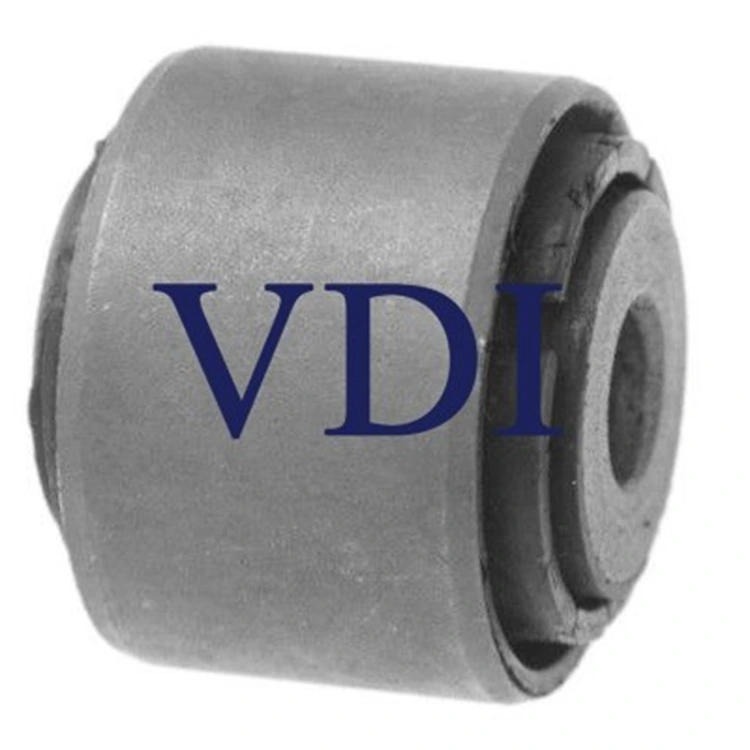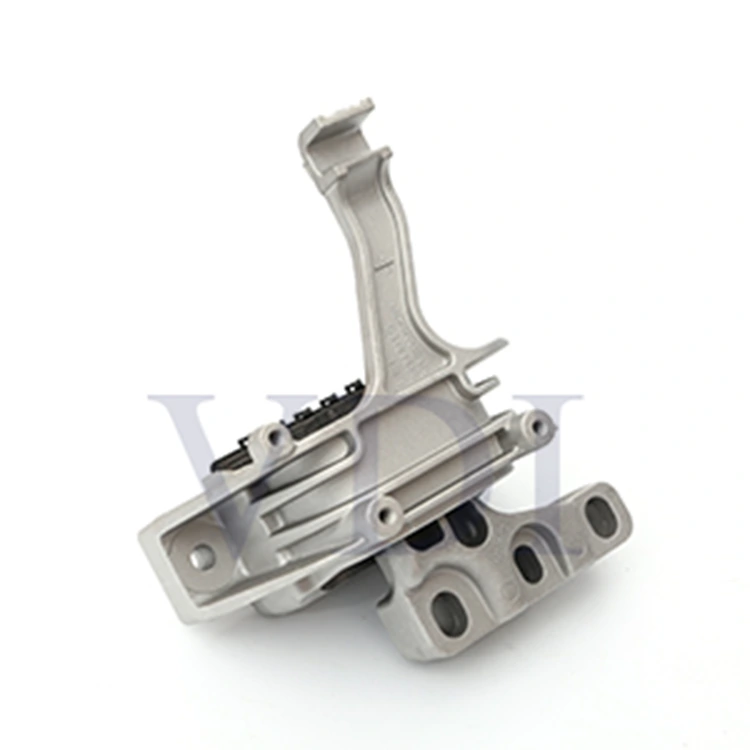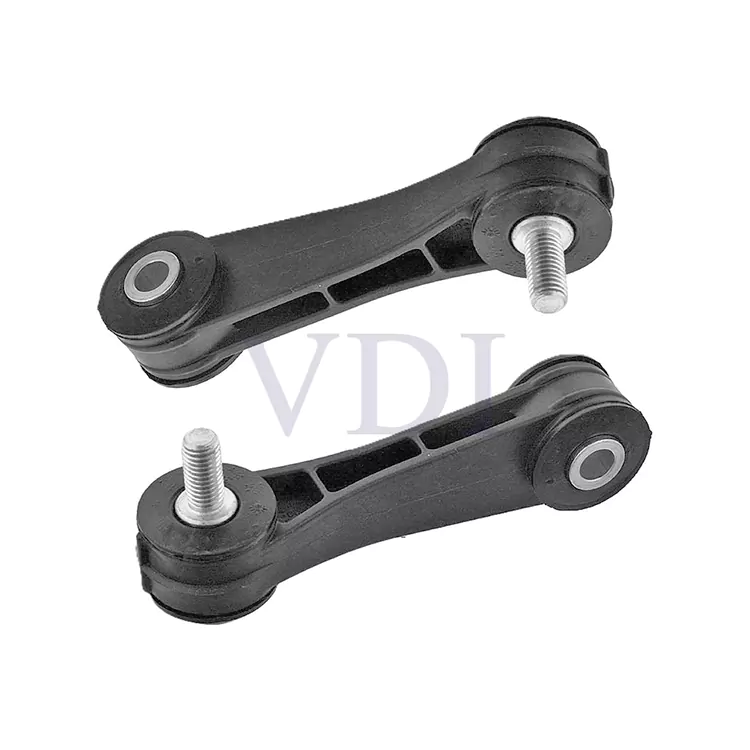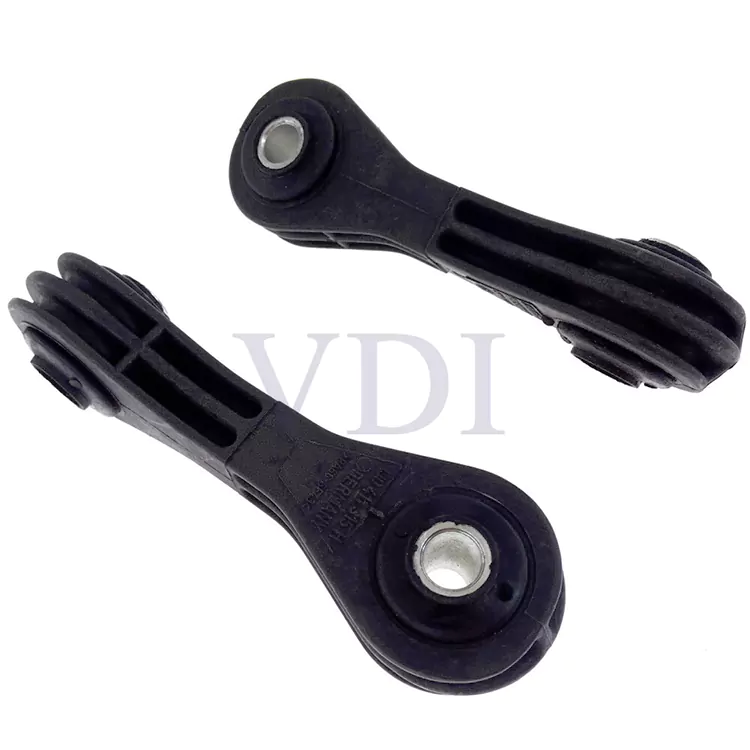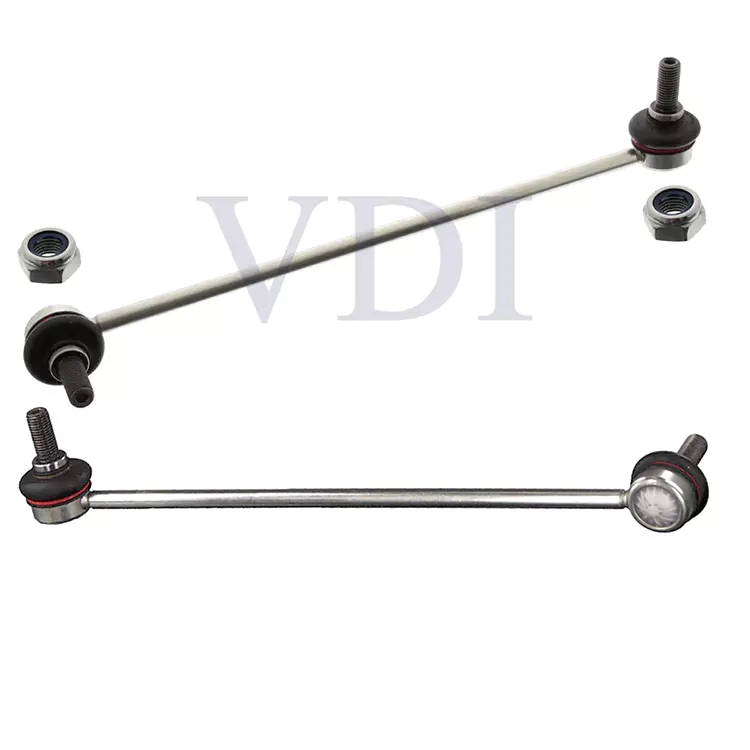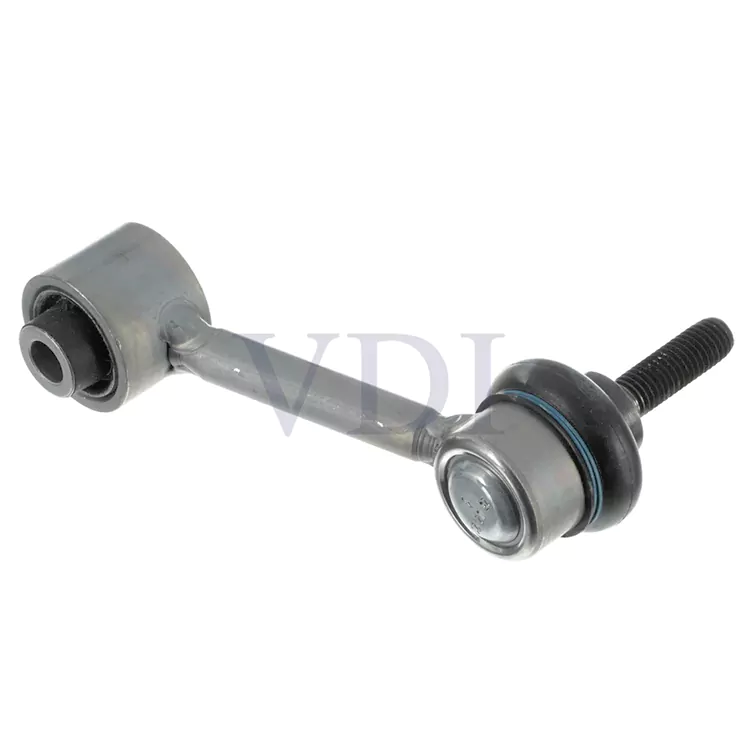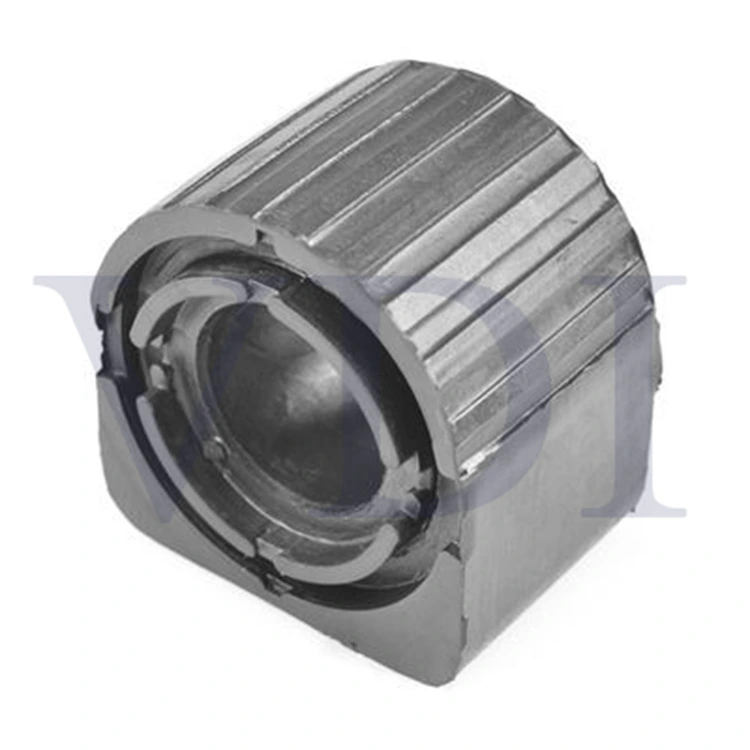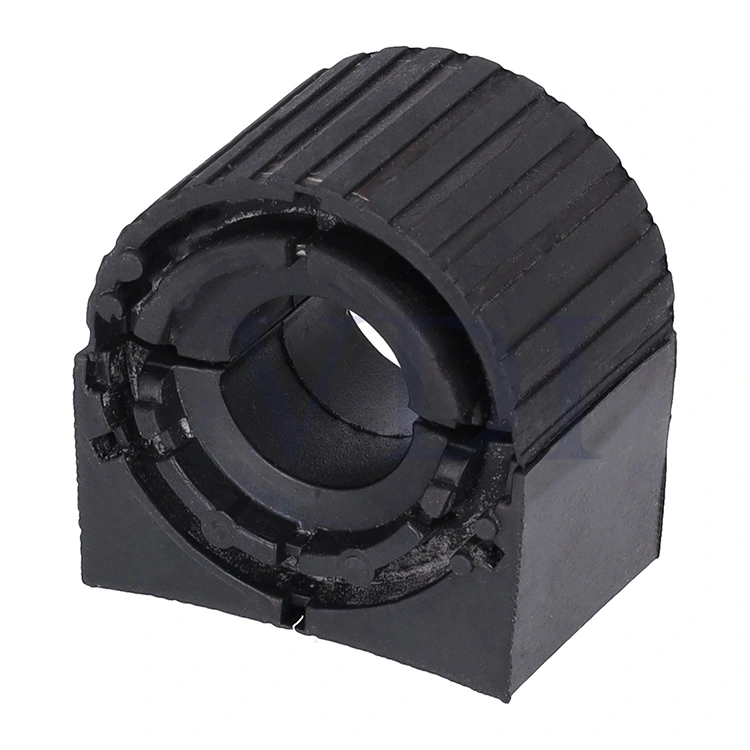

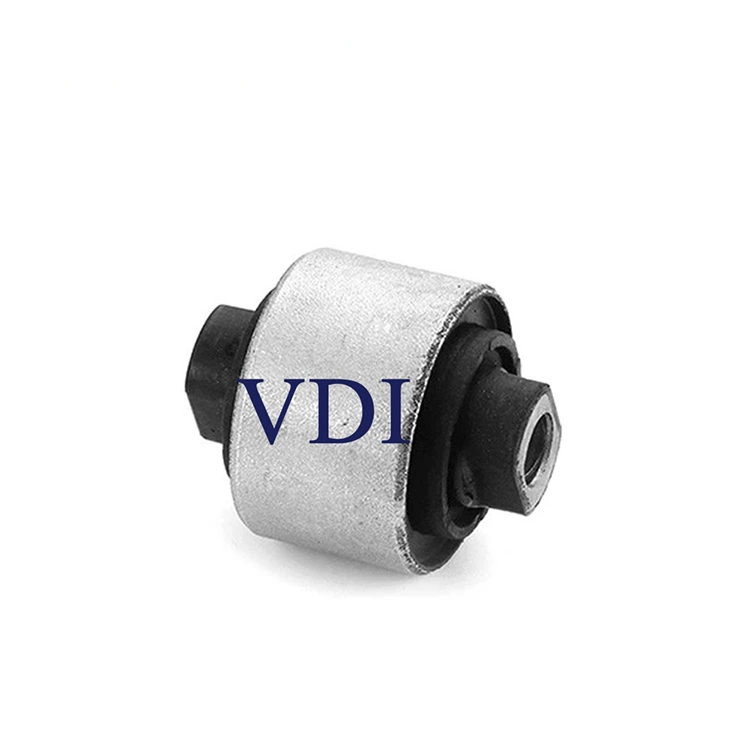
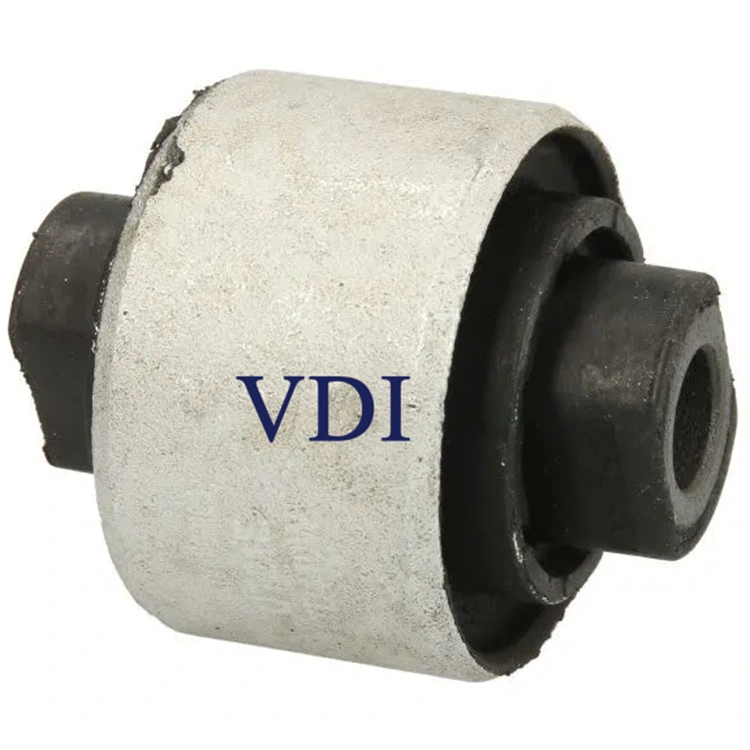
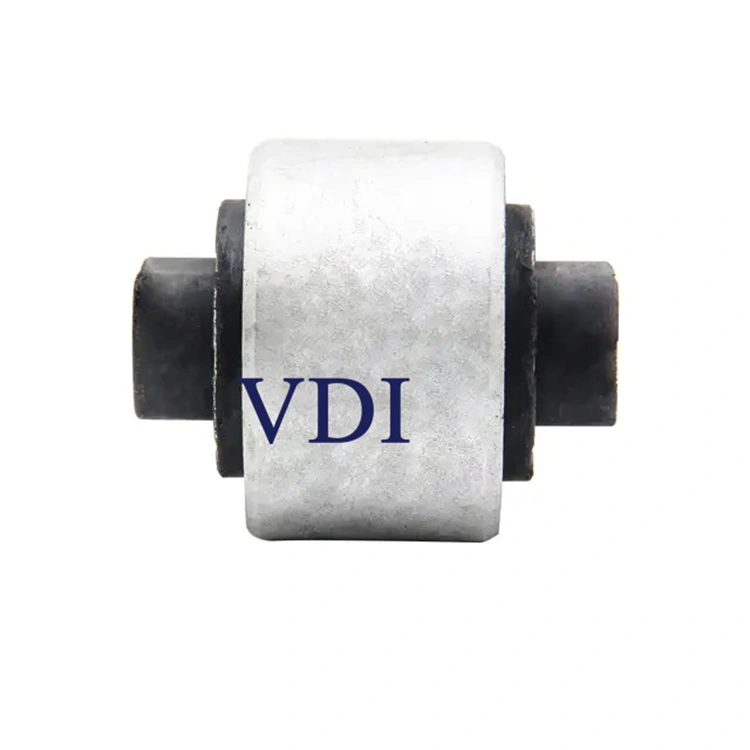
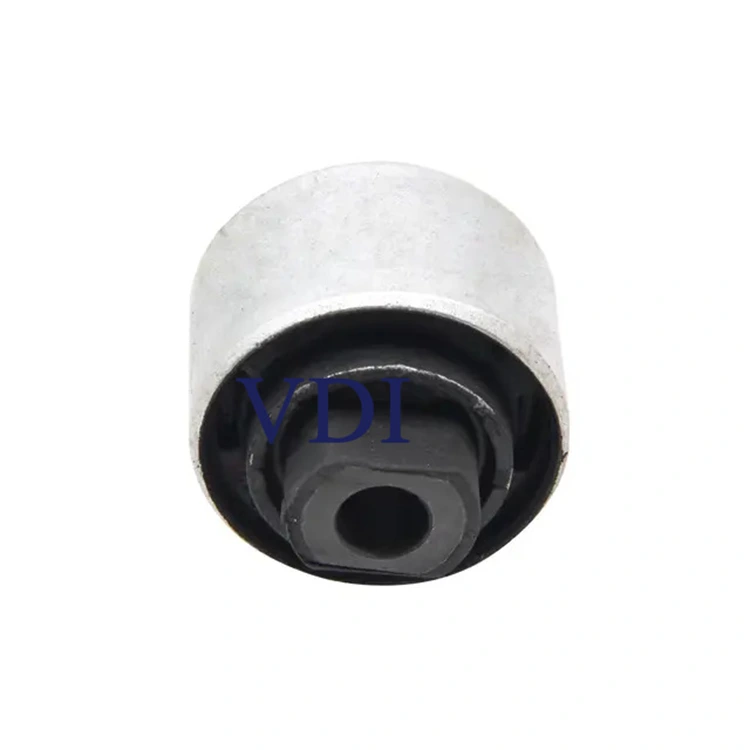
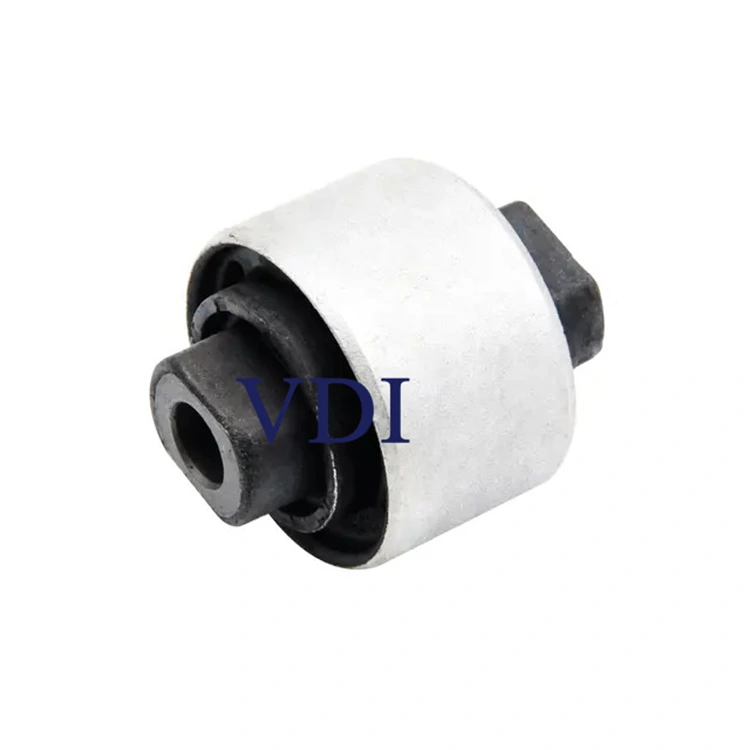
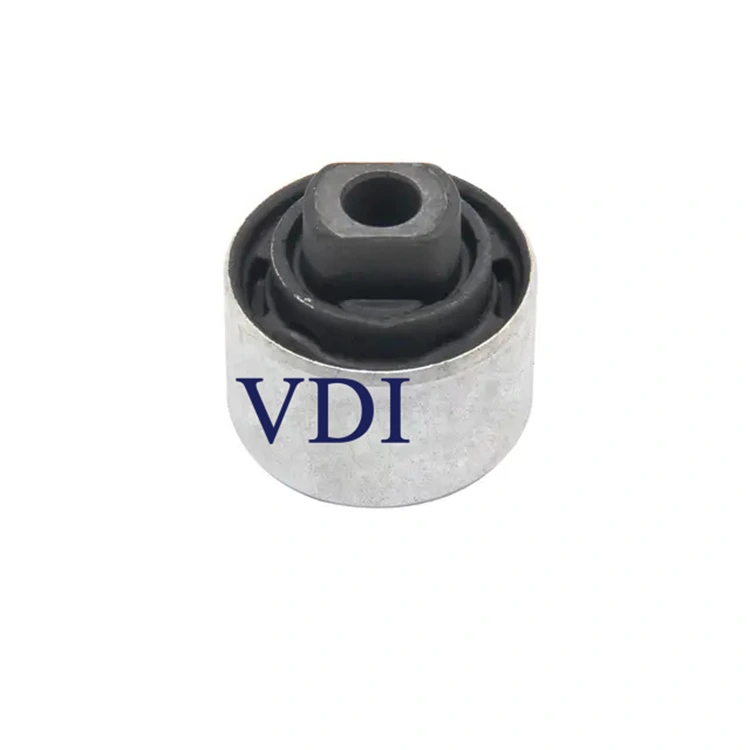
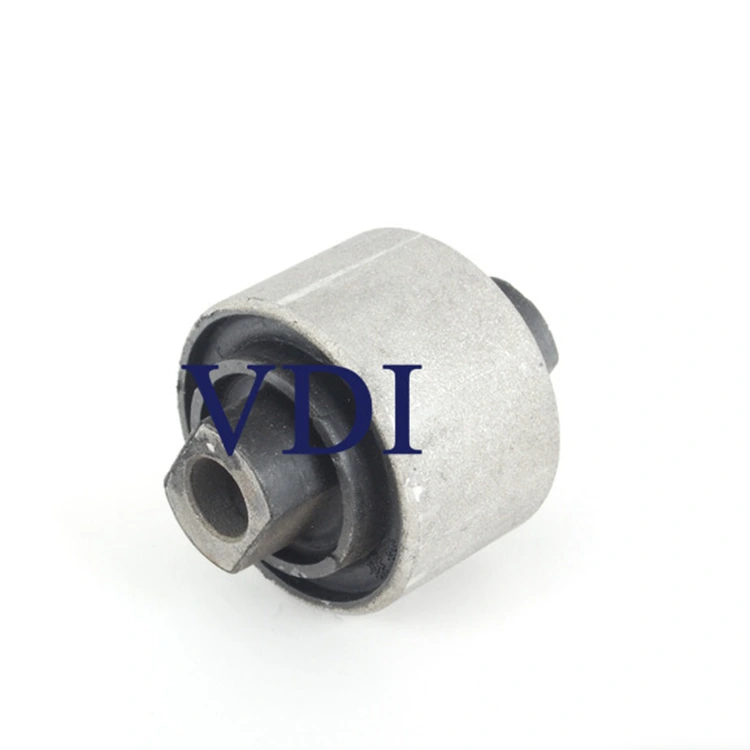
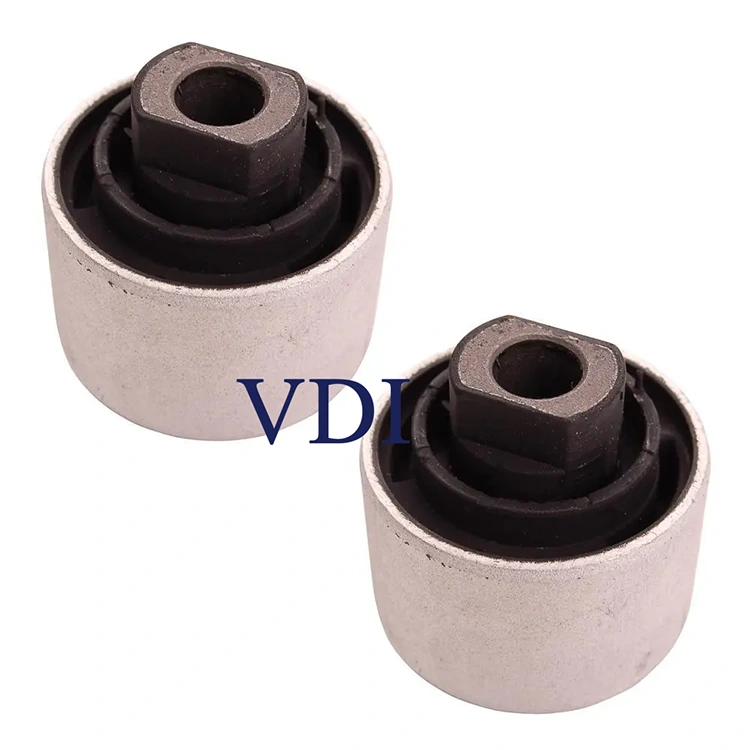
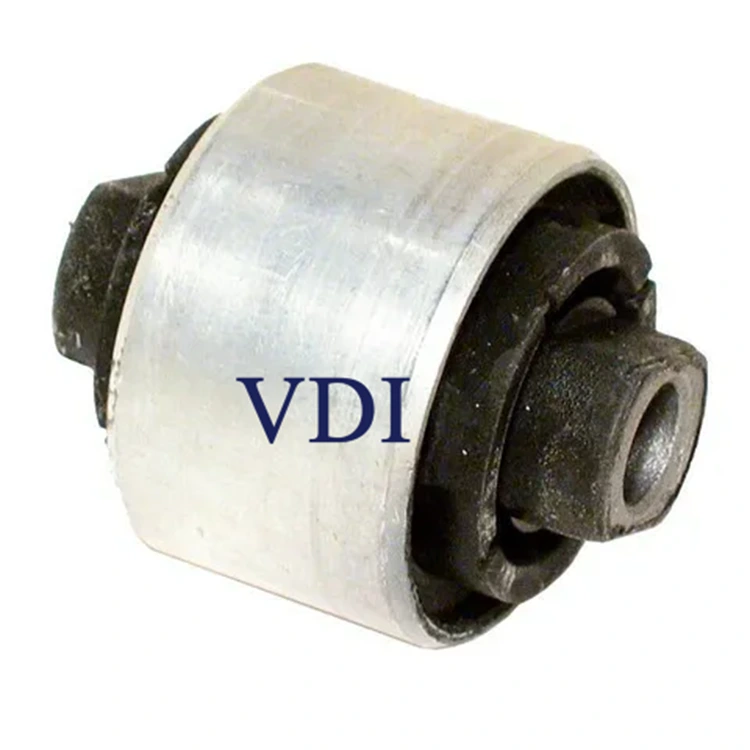
The VDI Control Arm Bushing 4D0407182E enhances the connection with the road and minimizes body tilt, providing greater assurance and pleasure while you are either traveling to work every day or participating in casual sporty driving.
8E0 407 182 A
4D0 407 182 G
AUDI A4 B5/B6/B7
AUDI A6 C5
AUDI A8 D2
VW PASSAT B5/B5.5
Outer Diameter:50mm
Height:60mm
Inner Diameter:12mm
VDI Control Arm Bushing 4D0407182E guarantees correct alignment of the suspension while functioning typically, minimizing the chances of losing stability in urgent circumstances.
By keeping suspension elements in proper alignment, these bushings improve braking capabilities during sudden stops, providing more uniform and reliable stopping strength.
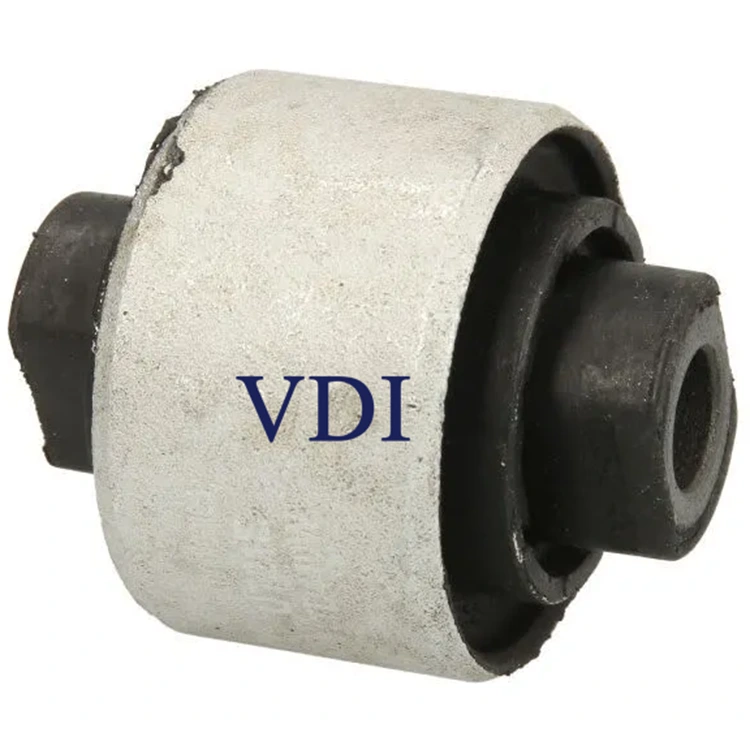
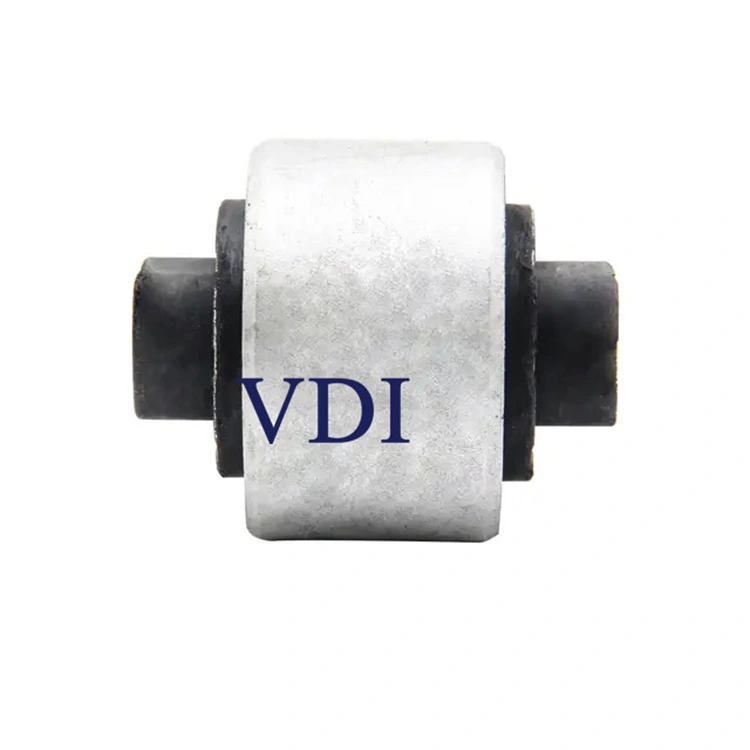
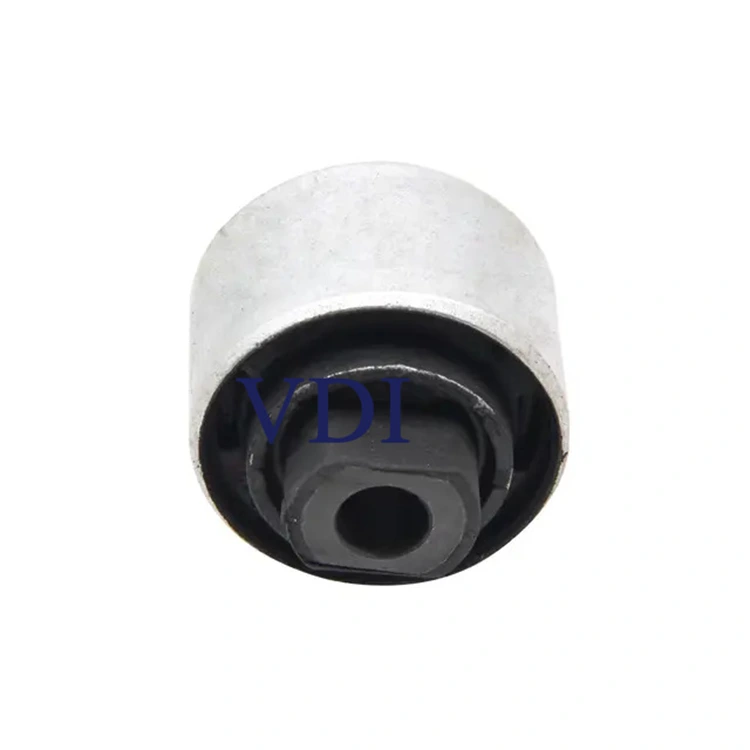
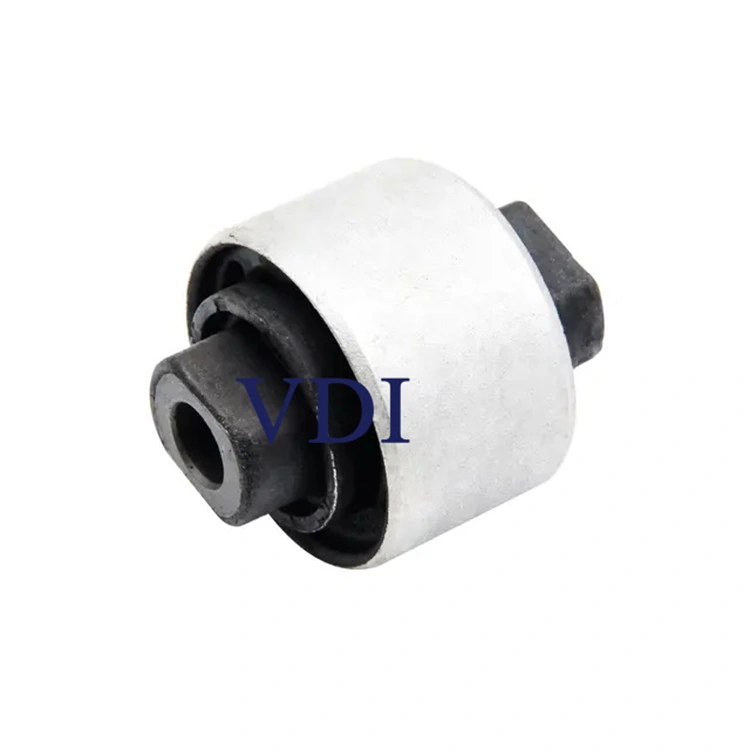
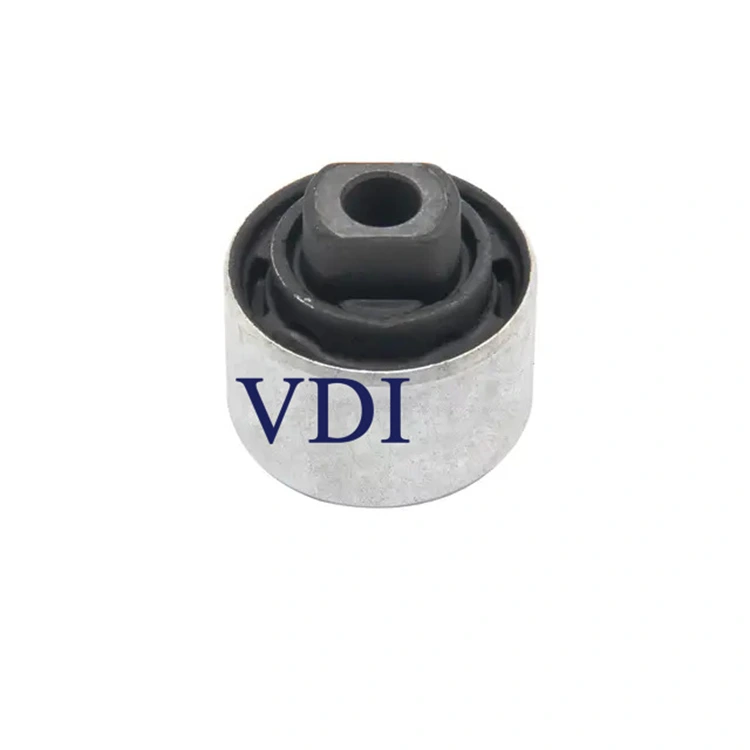
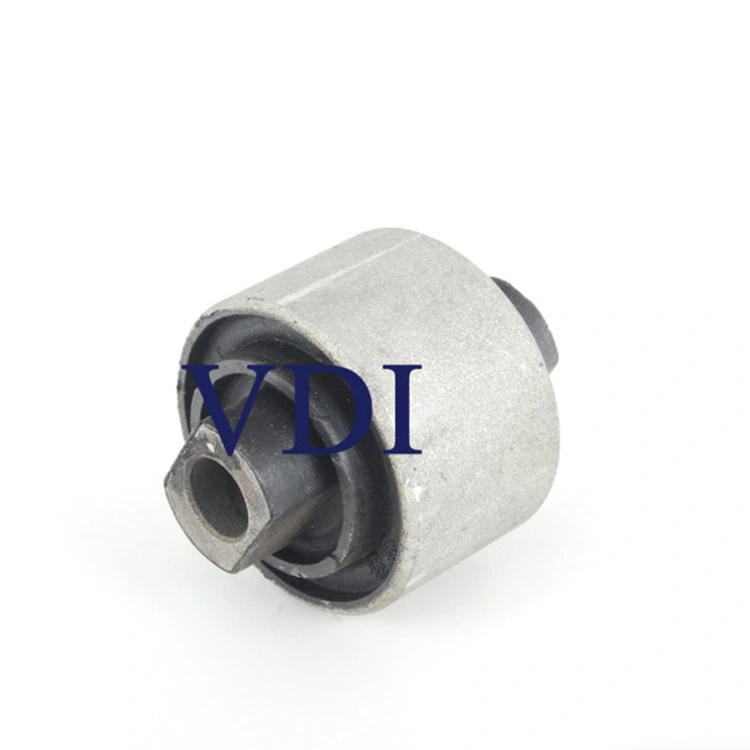
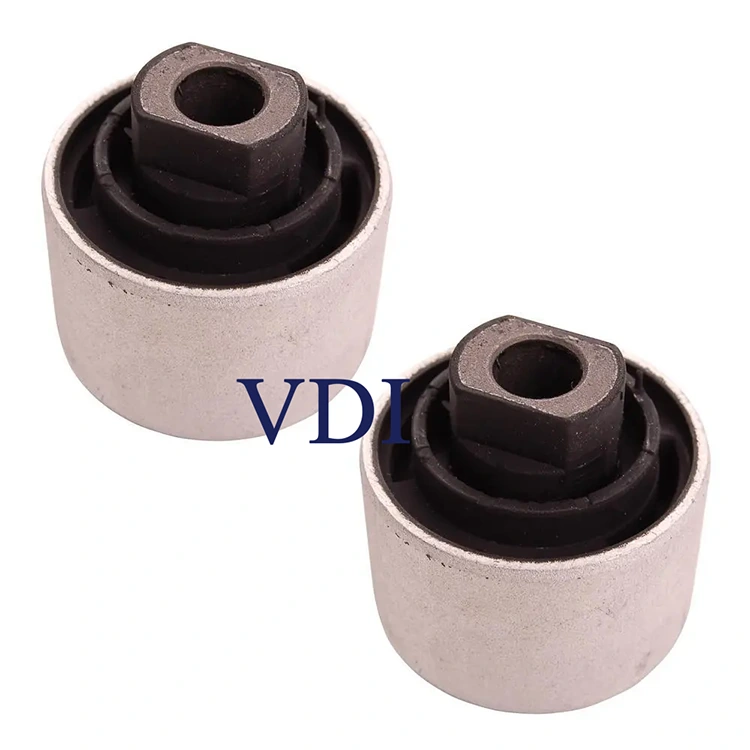
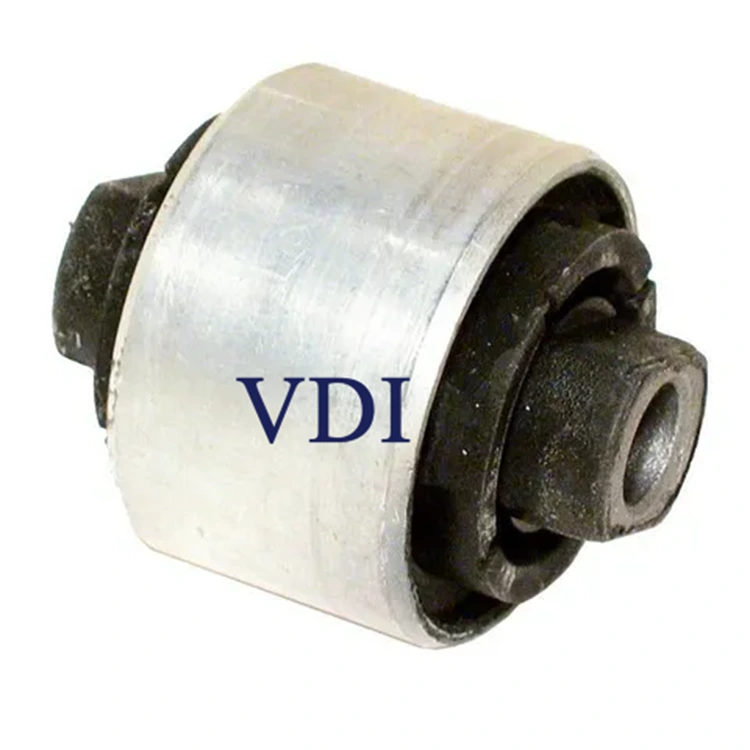
Control arm bushings play a vital role in a vehicle’s suspension system. Most factory-installed units are made of rubber, while performance-oriented alternatives often use enhanced rubber compounds or full polyurethane construction. These bushings are located at the connection points between the control arms and the subframe or chassis, where they absorb road impacts, dampen vibrations, and allow controlled movement of the arms—without sacrificing handling precision. Collectively, these functions help maintain proper wheel alignment and ensure stable, predictable driving dynamics.
When bushings begin to wear, the consequences go beyond just increased noise or a rougher ride. Excessive play can lead to vague steering response, accelerated tire wear, and added stress on related components like ball joints and tie rods—potentially compromising safety over time.
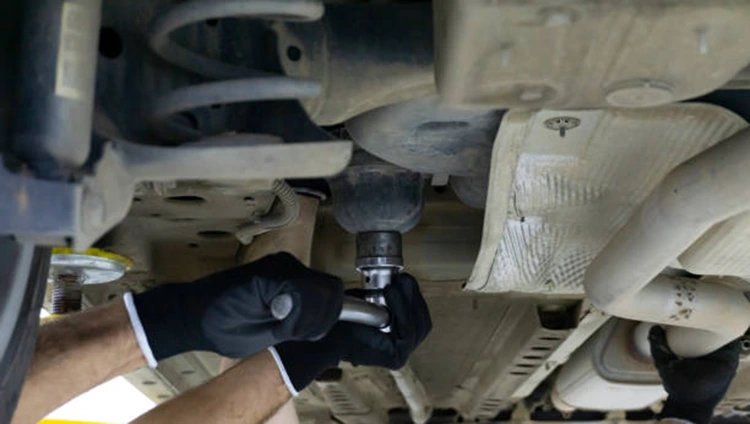
There’s no fixed replacement interval—it depends heavily on driving style, climate, road quality, and vehicle load.
●Under normal conditions, standard OEM rubber bushings typically last 60,000 to 100,000 miles.
●In harsh environments—such as frequent potholes, heavy loads, exposure to road salt, or extreme temperature swings (from freezing winters to scorching summers)—they may degrade as early as 40,000–50,000 miles.
It’s wise to inspect them during routine suspension services, such as alignments or tire rotations.
Polyurethane bushings are generally more durable and longer-lasting than rubber, but they transmit more road noise and often require periodic lubrication at pivot points. However, in extremely hot climates—like the Middle East or Southern Europe—polyurethane can harden over time, potentially reducing its service life.
●Steering wheel vibration or shaking, especially at highway speeds or during braking
●Clunking or banging noises over bumps, caused by metal-to-metal contact where cushioning has failed
●Uneven or premature tire wear, particularly on inner or outer edges
●Loose or imprecise steering feel; the vehicle may drift or pull to one side
●Increased body roll in corners and reduced stability under braking
Ignoring these symptoms can lead to secondary damage—such as premature ball joint wear or compromised braking performance.
The best opportunity is during regular maintenance like tire rotation or alignment. For a quick self-check (though professional inspection is always preferred):
1.Safely lift and secure the vehicle on jack stands.
2.Locate the control arms near each wheel and examine the bushings where they attach to the chassis.
3.Look for visible damage: cracks, tears, dry rot, oil-induced swelling, or rubber separation from the metal sleeve.
4.Gently pry the arm near the bushing with a bar—more than ~3 mm (1/8 inch) of movement usually indicates wear.
5.Compare with a new bushing if possible; worn units often appear flattened or distorted.
●Never apply oil or standard grease to rubber bushings—it causes swelling and accelerates deterioration.
●Drive gently over potholes and speed bumps to reduce impact stress.
●Maintain proper wheel alignment to prevent uneven suspension loading.
●If you drive in areas with road salt or de-icing agents, rinse the undercarriage regularly to slow corrosion.
●For polyurethane bushings, follow manufacturer guidelines—many recommend re-lubricating with specialty grease every 2–3 years.
Always replace bushings in pairs (left and right) to preserve balanced handling. On most modern vehicles, bushings are pressed into the control arm and not sold separately—so the entire arm assembly must be replaced. Always torque mounting bolts to factory specifications, and tighten them only when the vehicle is sitting at normal ride height (with full weight on the wheels) to ensure correct preload and alignment.
This is general guidance only. Always consult a qualified technician for vehicle-specific advice. Regular inspections are the simplest way to ensure long-term reliability and road safety.
For applications demanding genuine OEM-level performance, components like the VDI Control Arm Bushing 4D0407182E are engineered to meet these demands—and deliver consistent durability even in demanding conditions.
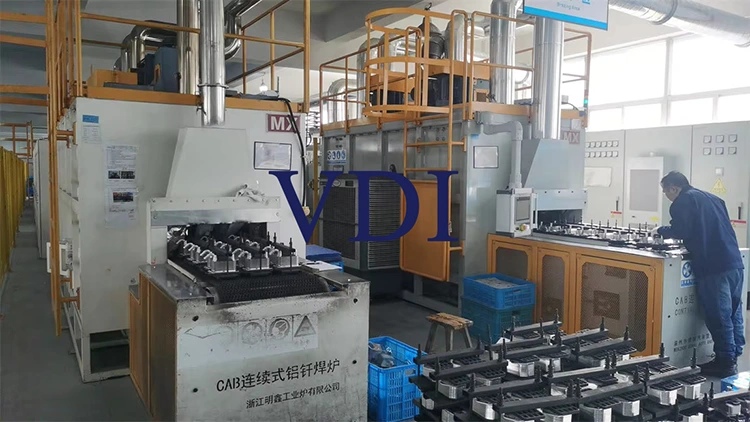
Under identical specifications, the VDI Control Arm Bushing 4D0407182E exhibits enhanced rubber firmness (greater durometer) and improved resistance to shape alterations—making it perfect for challenging environments in the Middle East and Eastern Europe, known for extreme temperatures, dust, and uneven road conditions. Due to our automated manufacturing process and direct factory sourcing, we generally provide more attractive pricing compared to major brands while maintaining the same quality standards, along with quicker delivery times.