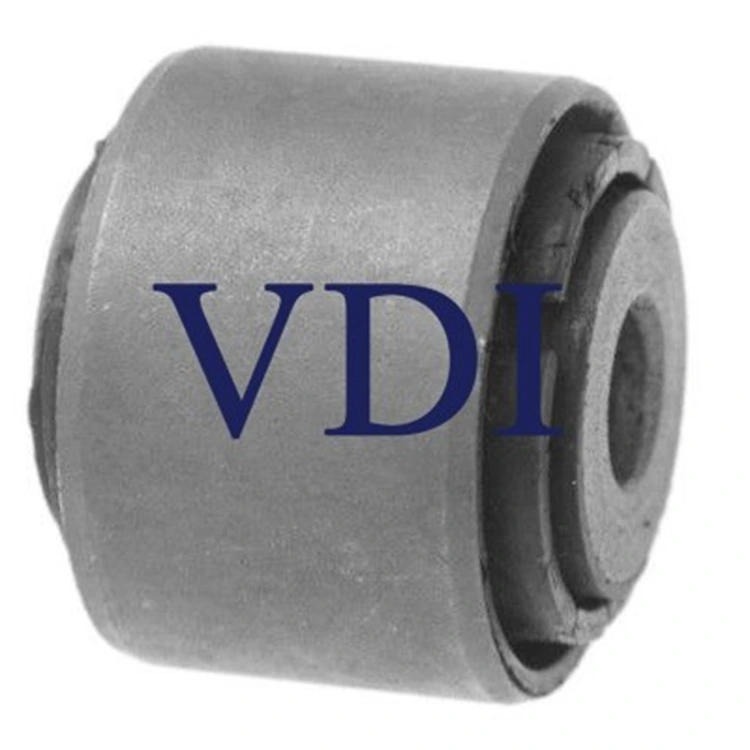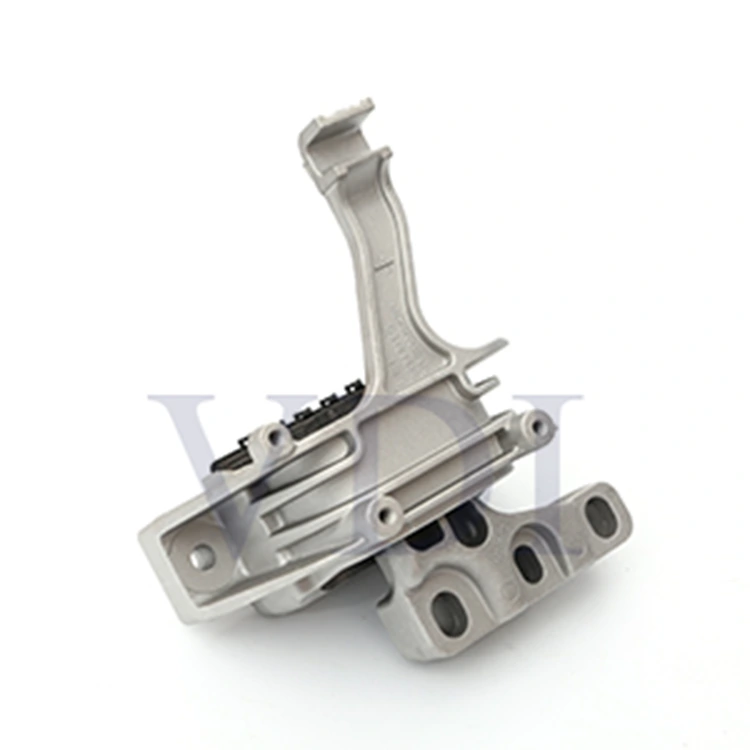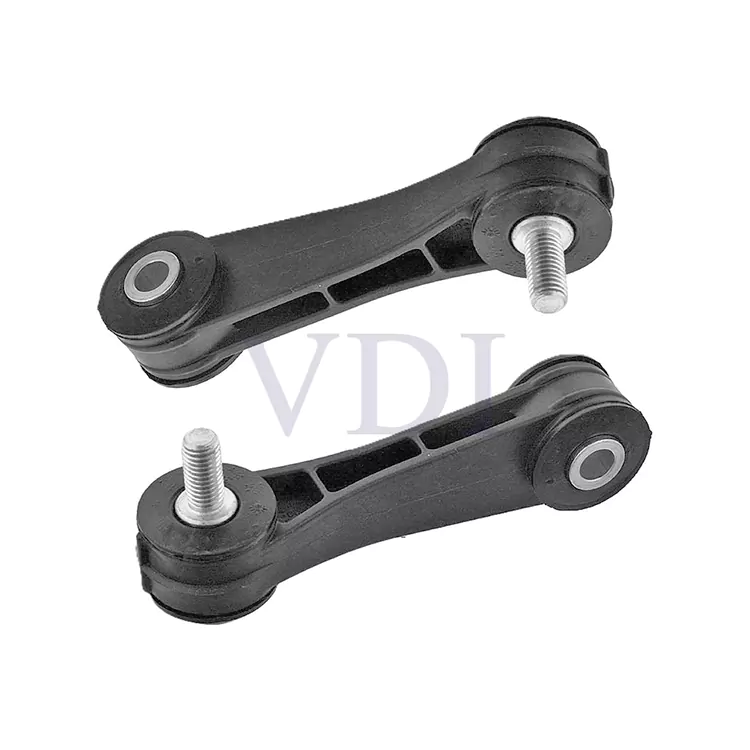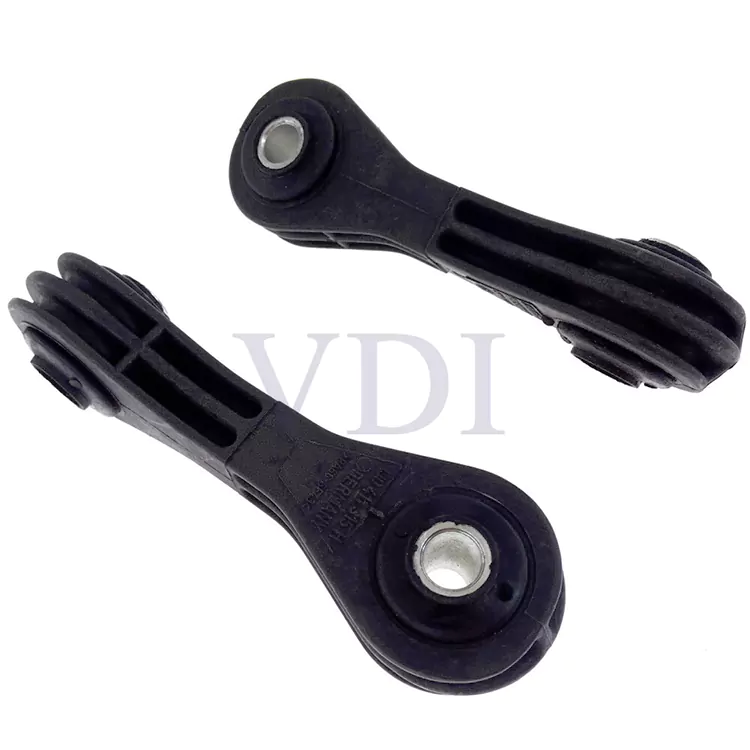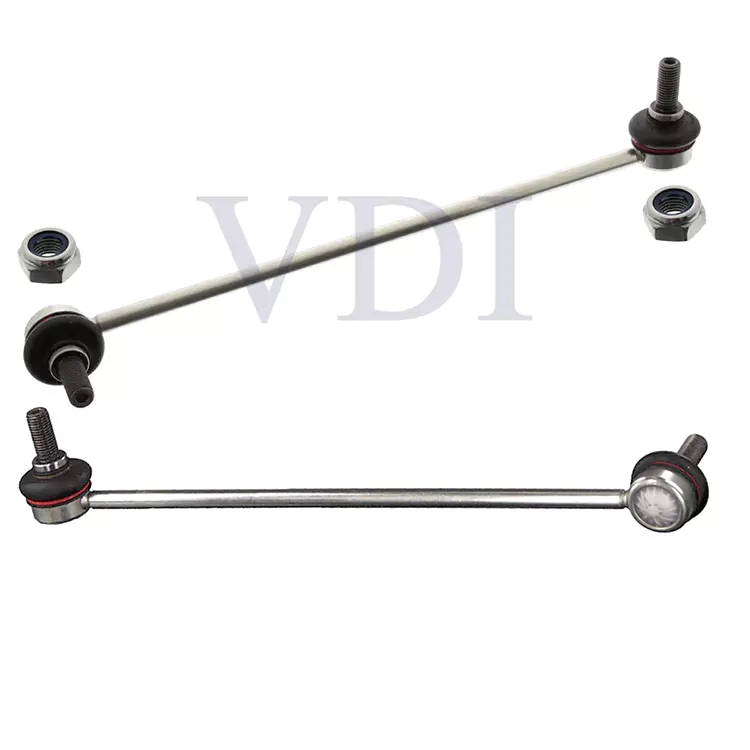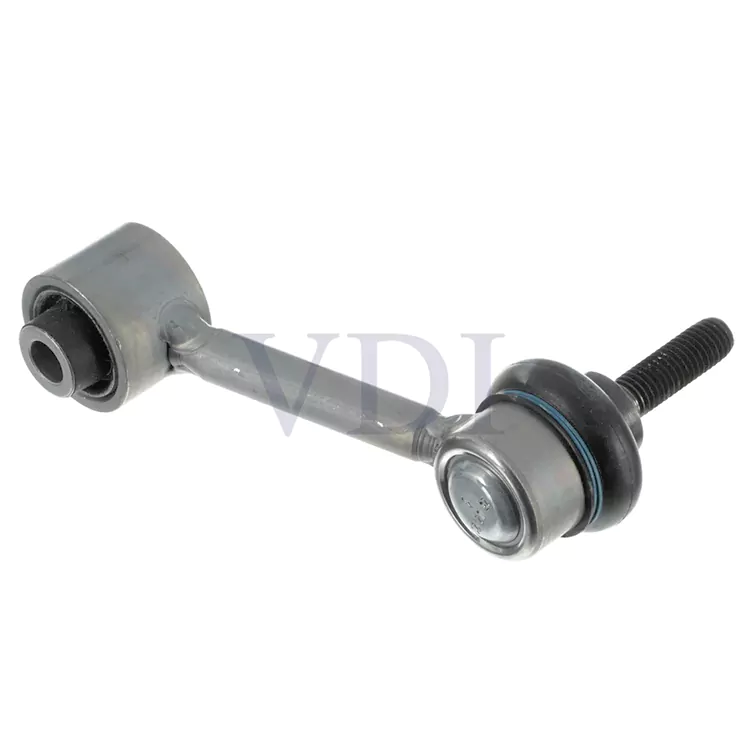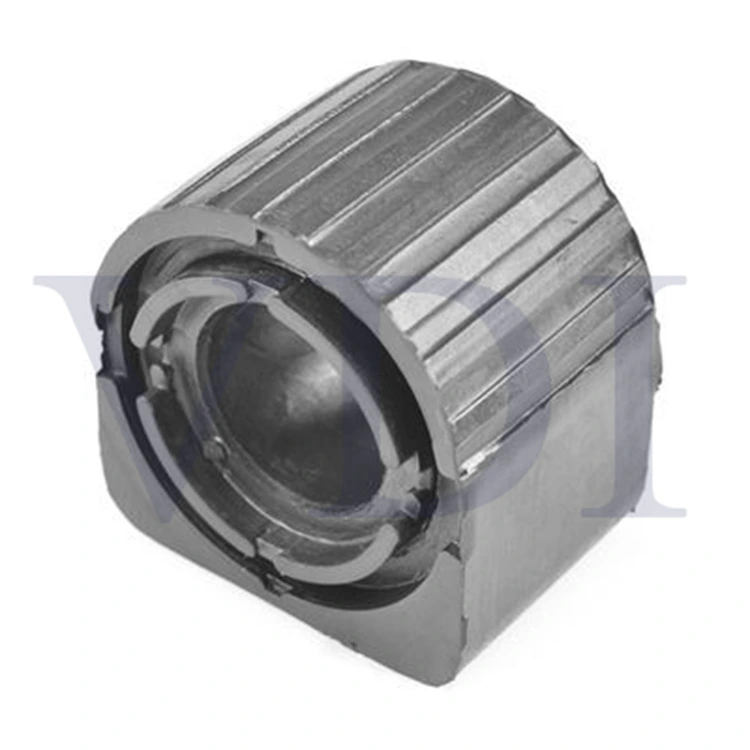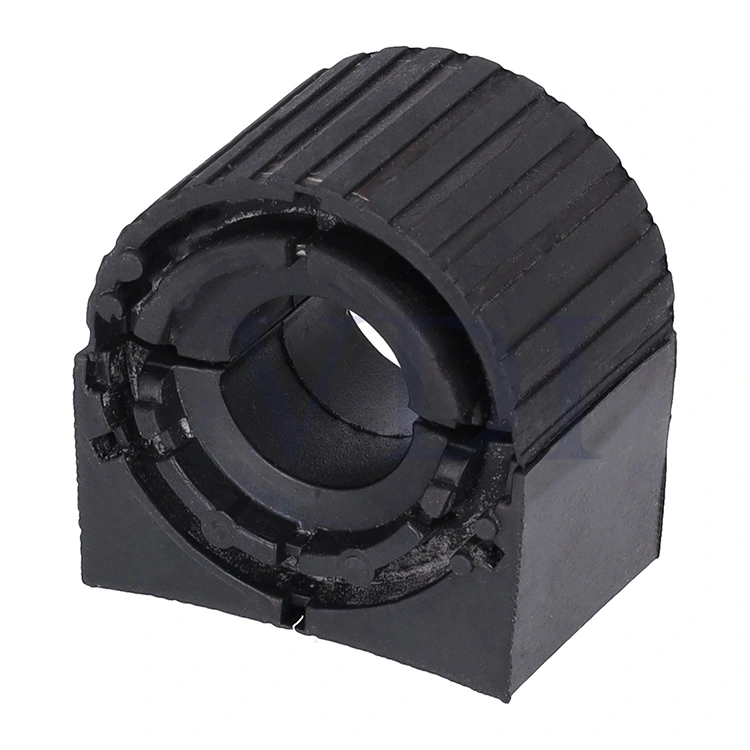

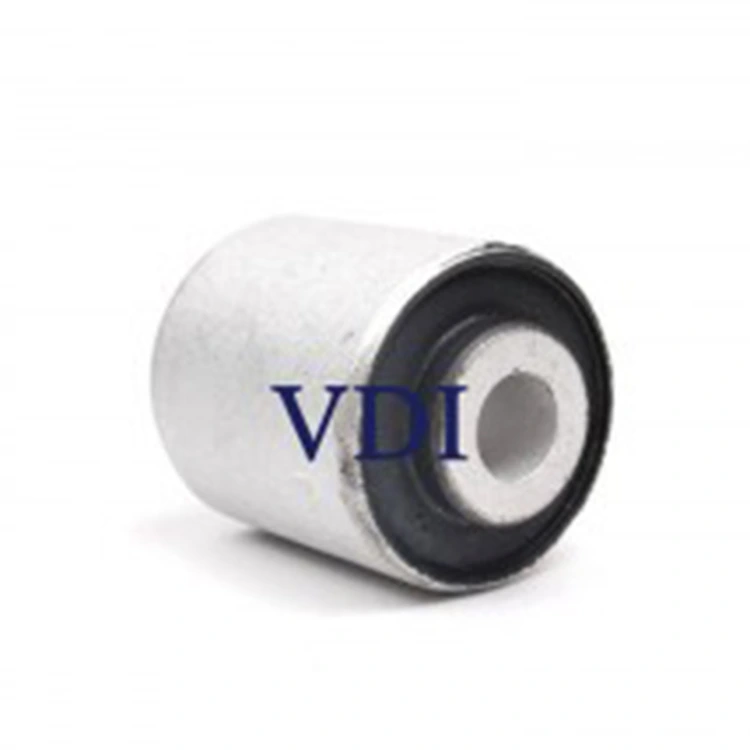
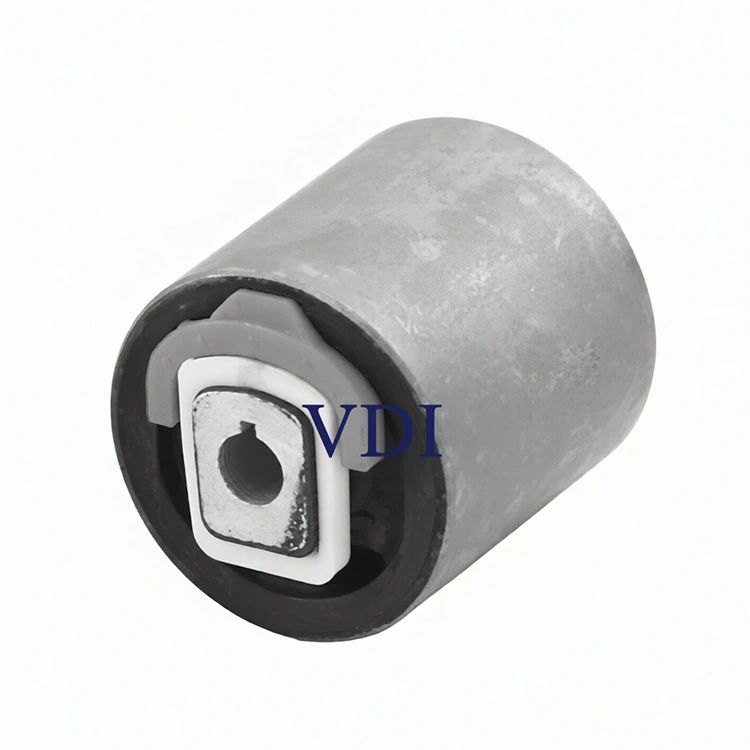
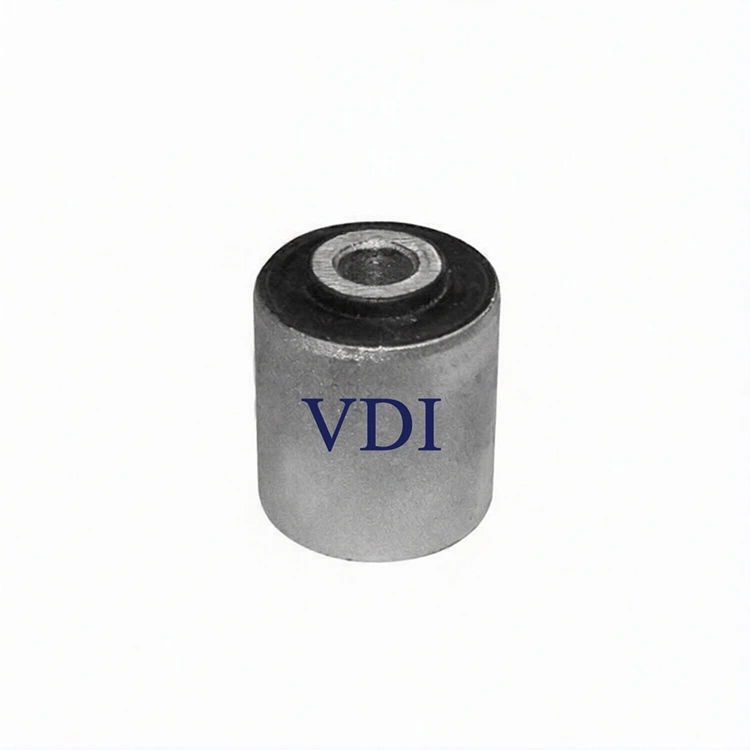
Our VDI Control Arm Bushing 4D0407181H is crafted from premium rubber materials for superior durability, guaranteeing consistent functionality even in severe heat and rigorous driving environments.
4D0 407 181 F
AUDI A4 B5/B6/B7
AUDI A6 C5
AUDI A8 D2
VW PASSAT B5/B5.5
Outer Diameter:40mm
Height:50mm
Inner Diameter:12mm
VDI Control Arm Bushing 4D0407181H provides a more tranquil and gentle driving experience for both drivers and passengers, particularly when navigating bumpy or irregular surfaces.
By cutting down on the transfer of vibrations, it aids in decreasing the deterioration of other parts within the suspension system.
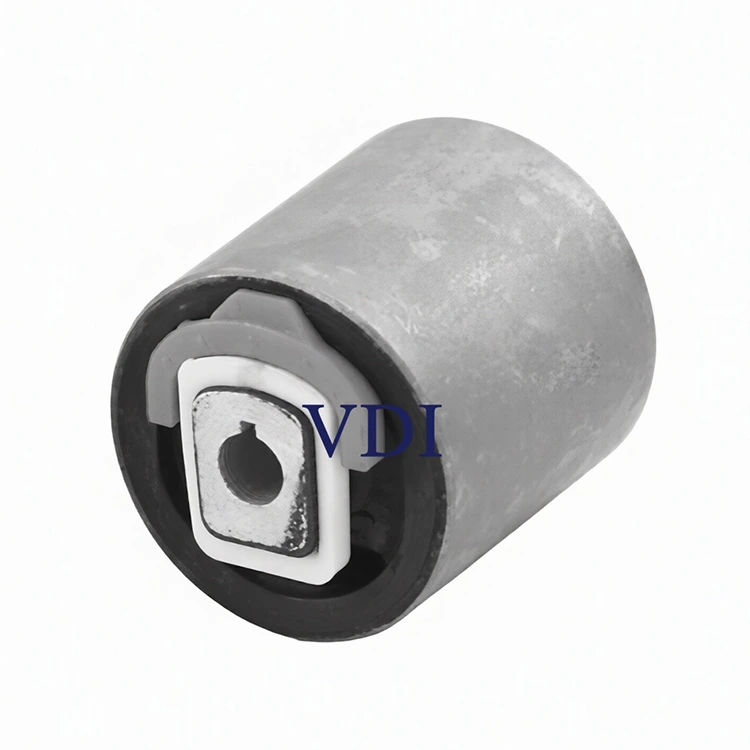
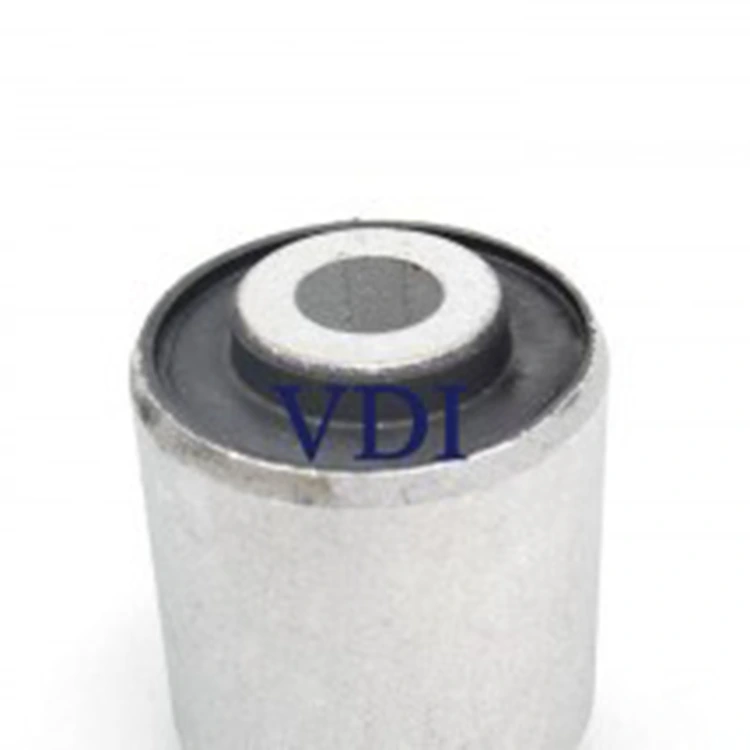
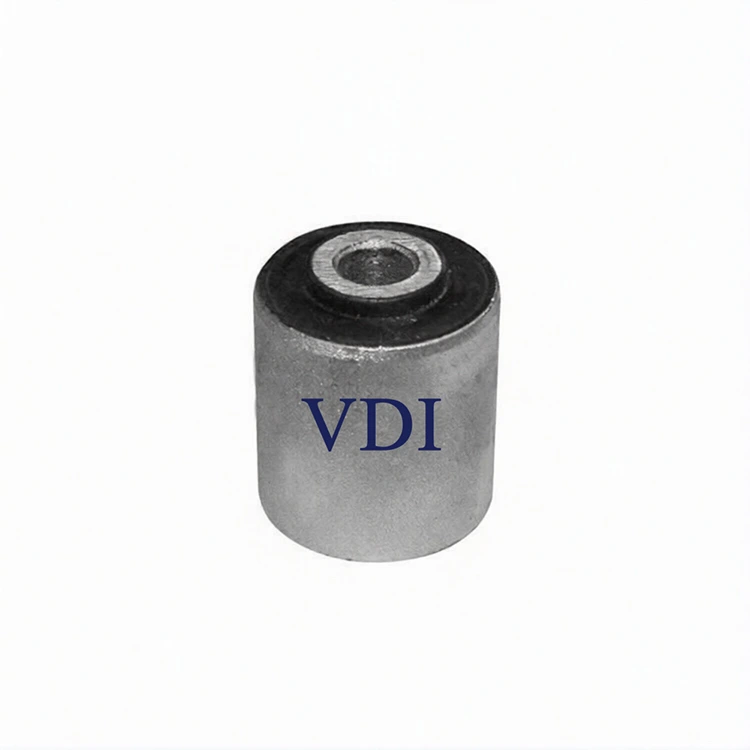
Control arm bushings play a crucial, yet understated role in the suspension system. Typically, these components are constructed from rubber in vehicles manufactured at factories. Enhanced motor mounts can be sourced from select aftermarket suppliers, featuring improved rubber formulations, and some options even incorporate polyurethane. These bushings are positioned where the control arms attach to the subframe or chassis. Their primary functions include absorbing shocks from the road, reducing vibrations, and allowing the arms to rotate effortlessly – all while ensuring that the vehicle’s wheels remain aligned with the road and reducing swaying.
However, the problem with deteriorated bushings goes beyond mere noise or a harsher driving experience. Excessive looseness can lead to imprecise or inconsistent steering, result in uneven tire wear, and put extra strain on other suspension elements, such as tie rods and ball joints. Over time, this added pressure can influence your vehicle's handling and even affect its braking performance. (VDI Control Arm Bushing 4D0407181H provide an enjoyable and smooth driving experience.)
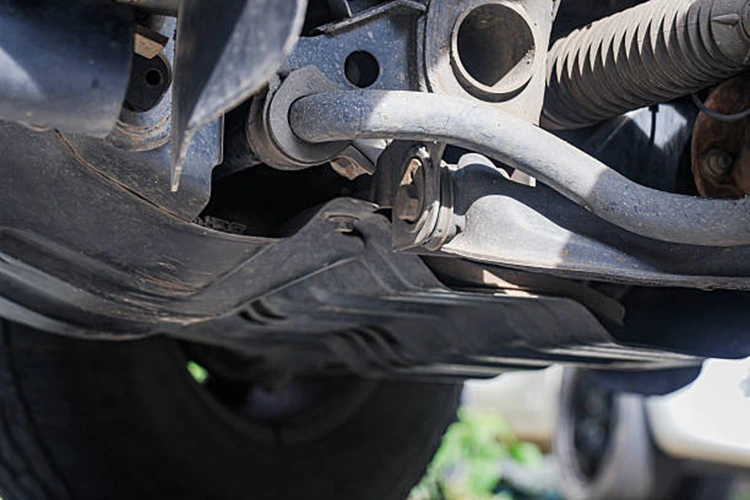
There is no specific mileage indicating the need to replace bushings. It largely varies based on your driving style and the environment – factors such as the condition of the roads, weather patterns, the weight of the cargo in your vehicle, and even the way you navigate turns play a role.
●Typically, factory-installed rubber bushings may function effectively for a range of 60,000 to 100,000 miles under normal driving conditions.
●However, if you frequently travel on rough roads with potholes, transport heavy items, or are exposed to road salt or extreme weather conditions (such as frigid winters and scorching summers), they might deteriorate sooner, possibly around 40,000 to 50,000 miles.
●Most automotive professionals suggest inspecting your bushings during wheel alignments or tire rotations, rather than waiting for a specific mileage threshold.
●Polyurethane bushings generally outlast rubber varieties and maintain their form more effectively. They are firmer, which means you'll experience more road feedback and increased noise. Additionally, many require occasional greasing at the pivot points. It is important to note that in extremely hot climates, polyurethane can become rigid more quickly, potentially leading to a shorter lifespan.
Technicians frequently identify these indicators indicating that bushings are deteriorating:
●Your steering wheel may tremble or shake. This is often noticeable when traveling on the highway or during braking.
●You might hear clunking or thumping noises when traversing bumps. This typically suggests that metal components are colliding due to the bushing's failure to function properly.
●Your tires show uneven wear, primarily on the inner or outer edges.
●Your steering lacks precision or feels loose. Your vehicle might start to veer or shift to one side without any input from you.
●Your vehicle tilts more during turns, or it may seem unstable when you apply the brakes forcefully.
●Neglecting to address these issues may lead to more significant (and costlier) complications. For instance, your ball joints could experience premature wear, or you may find that stopping takes longer.
The optimal time to examine bushings is during vehicle maintenance, such as when you are getting an alignment or having the tires rotated. While a professional can provide the most accurate assessment, you can conduct a brief evaluation at home as well:
1. Safely lift your vehicle using a jack and secure it with jack stands. Avoid positioning yourself under a vehicle that is only supported by a jack.
2. Locate the control arms, which are typically situated near the front wheels, and observe where they attach to the car’s chassis. That’s where you'll find the bushings.
3. Carefully inspect for any signs of damage, such as cracks, fractures, dry rot, distortion (often caused by oil), or if the rubber appears to be separating from the metal.
4. Employ a pry bar to gently manipulate the control arm close to the bushing. If there is more than approximately 3 mm (1/8 inch) of movement, the bushing is likely worn out.
5.If you possess a new bushing, evaluate it against the old one. Worn-out bushings frequently appear flat, have cracks, or lack the correct shape.
●Avoid applying grease to rubber bushings. Doing so can actually cause them to deteriorate more quickly.
●Be gentle when driving over potholes and speed bumps. Striking them forcefully accelerates wear and tear.
●Ensure that your wheels are properly aligned. Misalignment can put extra strain on your suspension system.
●If you frequently drive on salted roads, make sure to wash the underside of your vehicle. This action helps prevent rust formation.
●If you choose polyurethane bushings for their durability or performance, be sure to follow the guidelines. Many manufacturers recommend applying specific grease to them every few years.
When it's necessary to change out those deteriorated bushings, it is advisable to replace both the left and right ones simultaneously; this helps maintain suspension equilibrium. Nowadays, in many vehicles, the bushings are fitted into the control arm, meaning they cannot be changed individually — the entire arm must be replaced.
An important detail to remember: Always fasten the mounting bolts while the vehicle is resting on the ground, rather than when it is elevated. This ensures the suspension is experiencing its regular load, which influences the placement of the bushings as well as the durability of the alignment over time.
(Welcome to order VDI Control Arm Bushing 4D0407181H!)
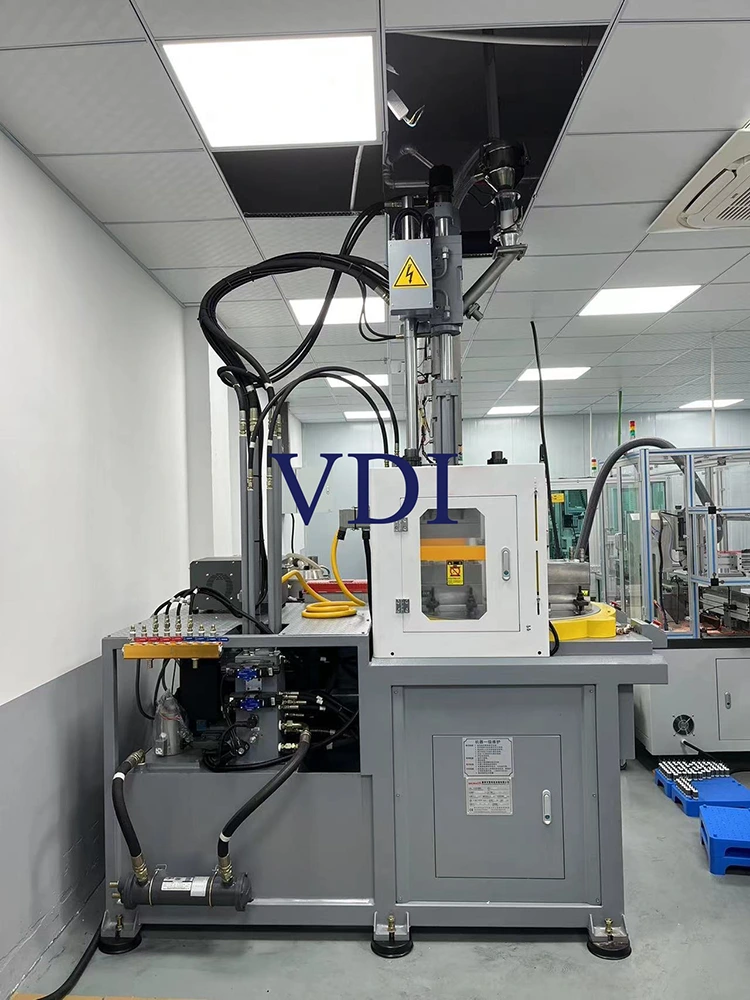
It is not solely focused on Control Arm Bushing 4D0407181H—we possess internal capabilities for mold creation and adjustment of rubber materials, successfully providing tailored bushings for numerous clients in Europe and the Middle East. We offer complete technical assistance, ranging from the evaluation of 3D designs and initial molding trials to validation in small quantities, and can deliver initial samples in the shortest possible time.