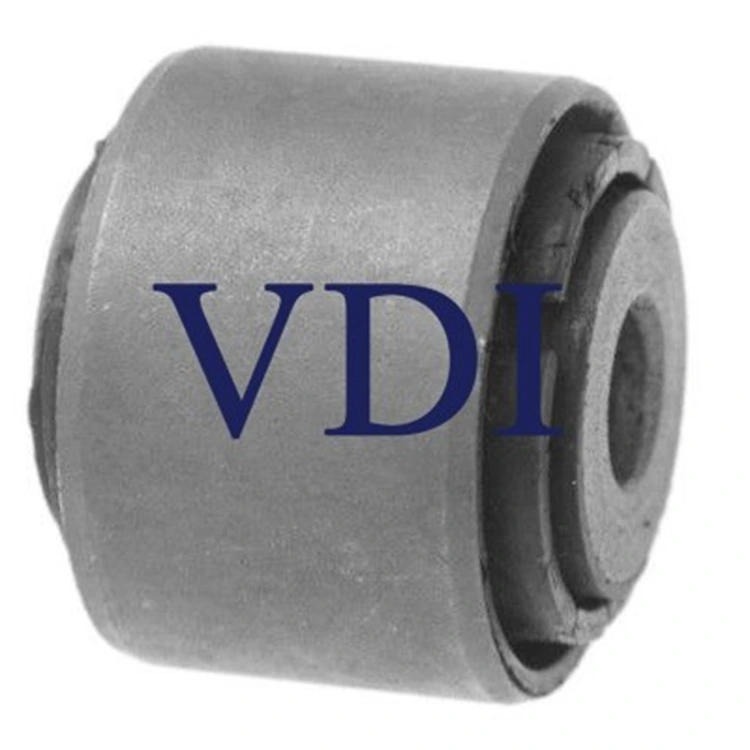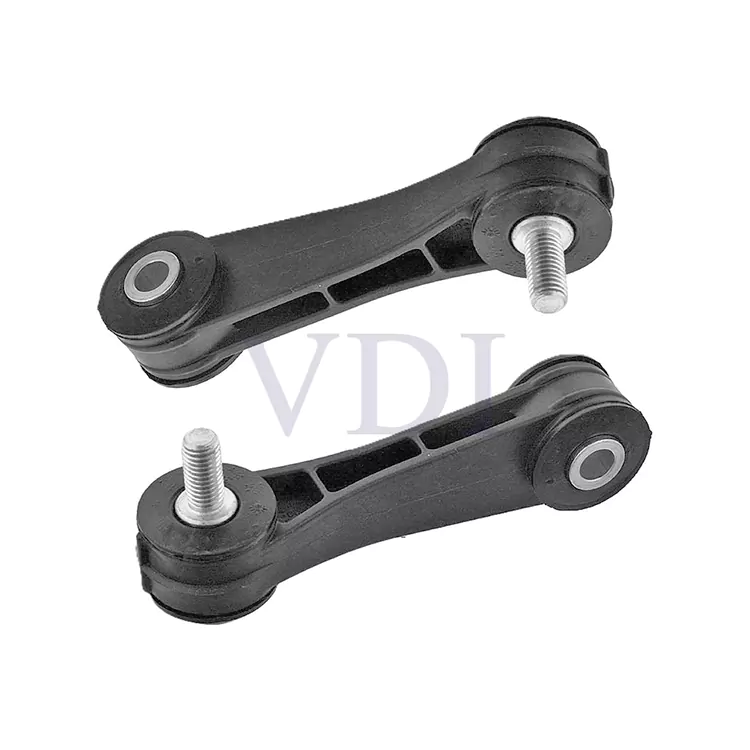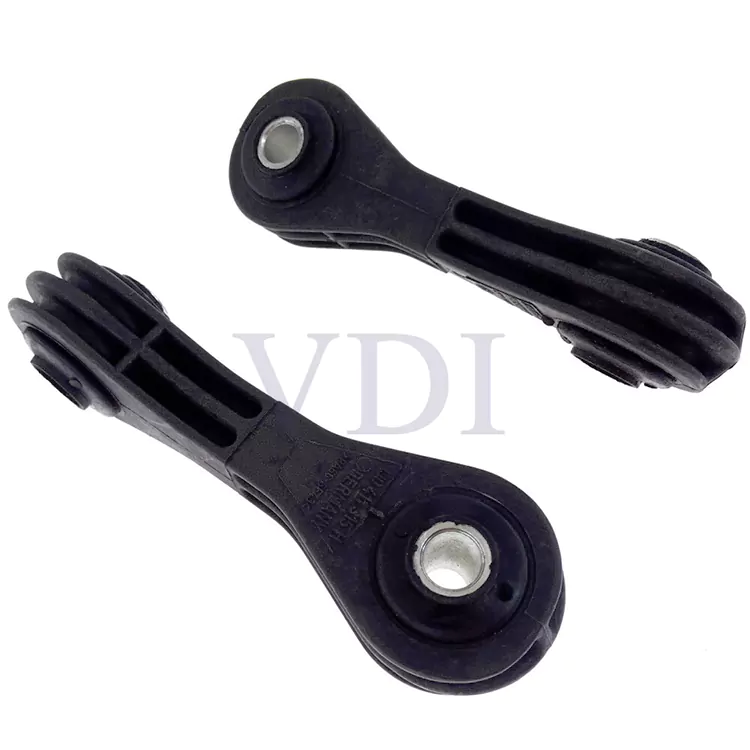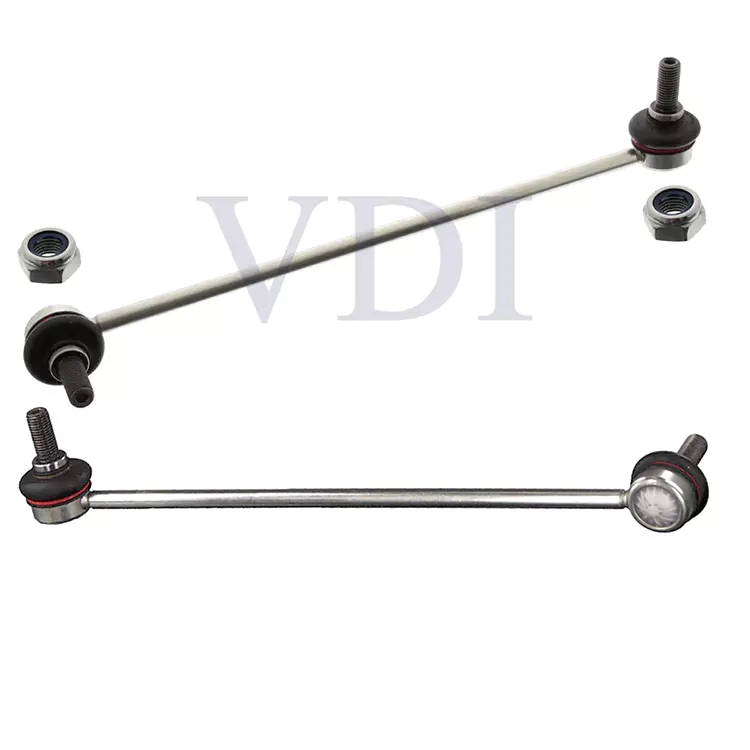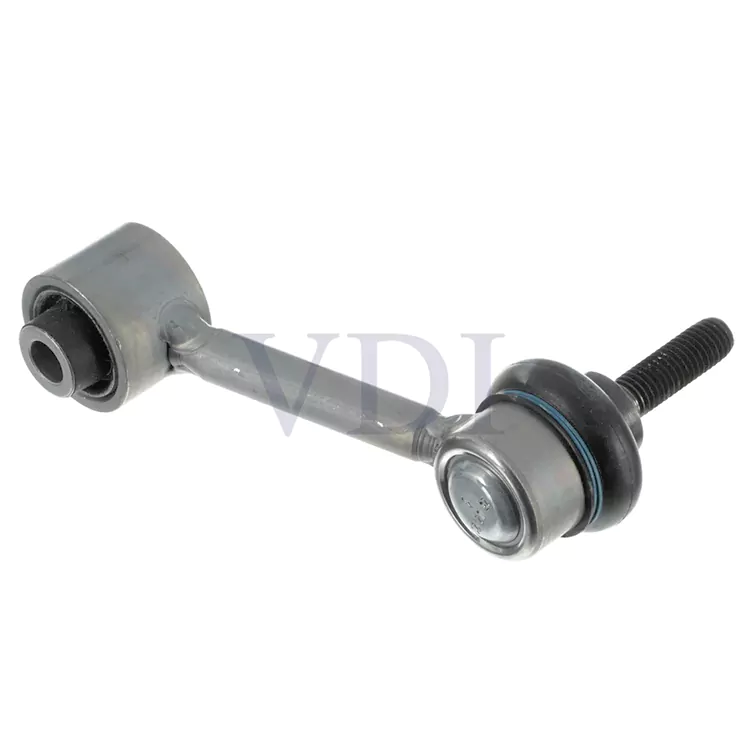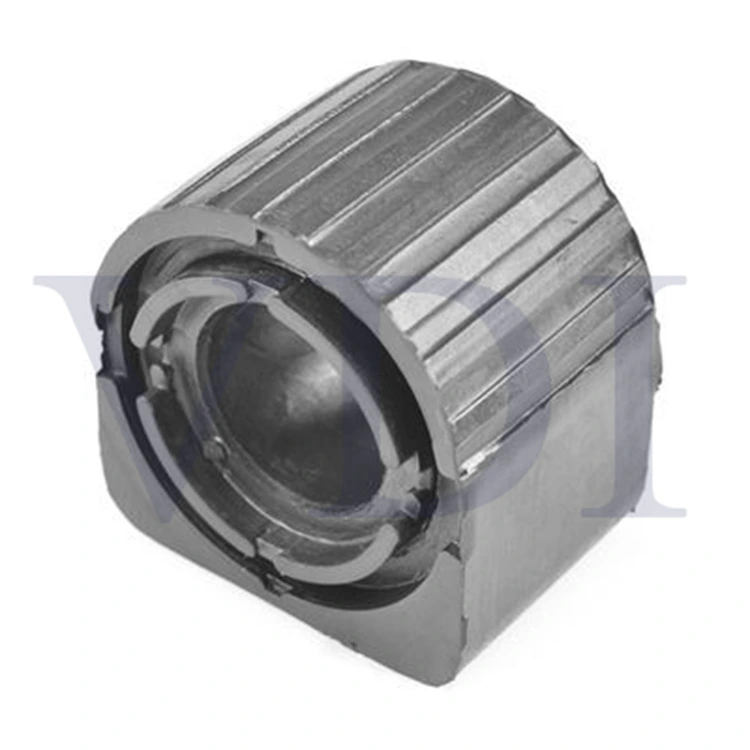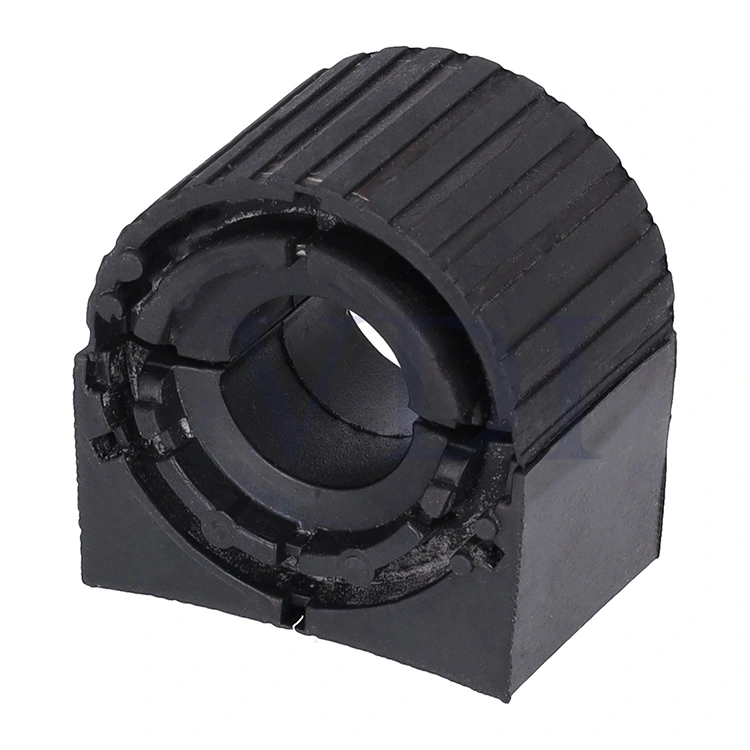

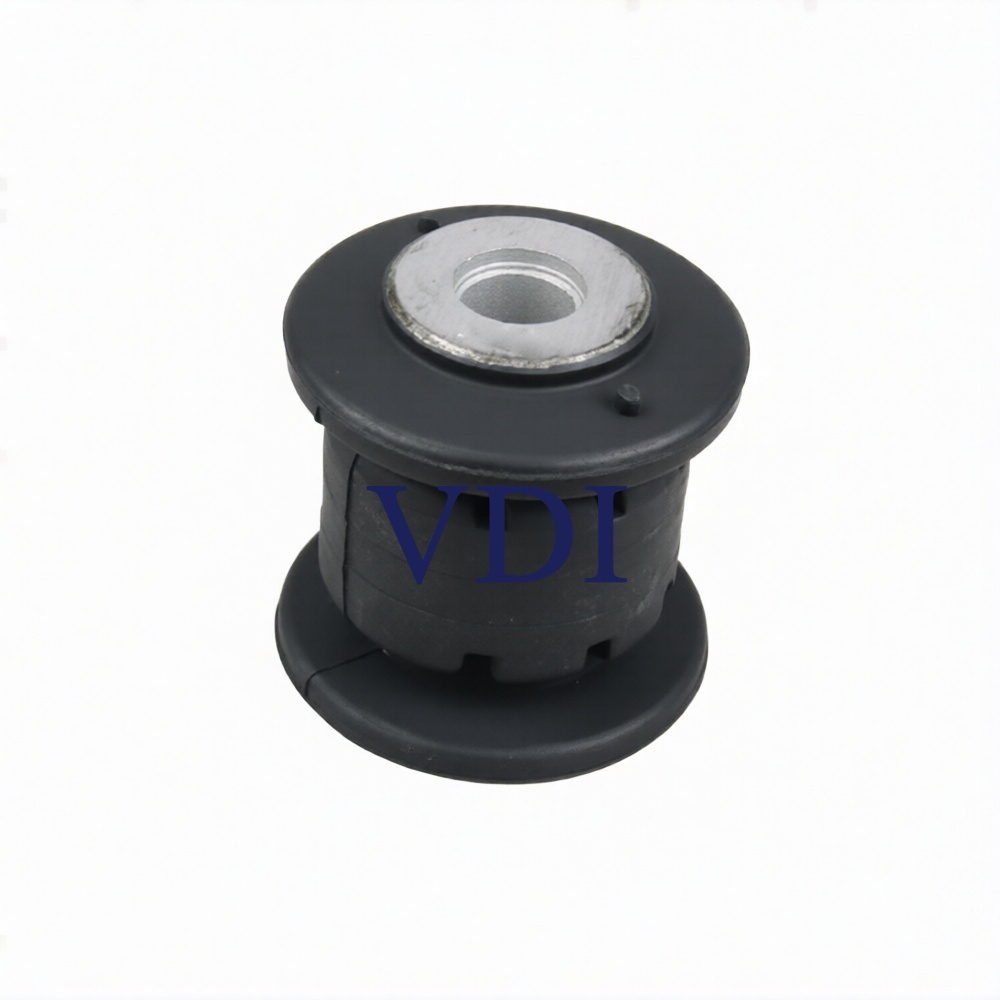
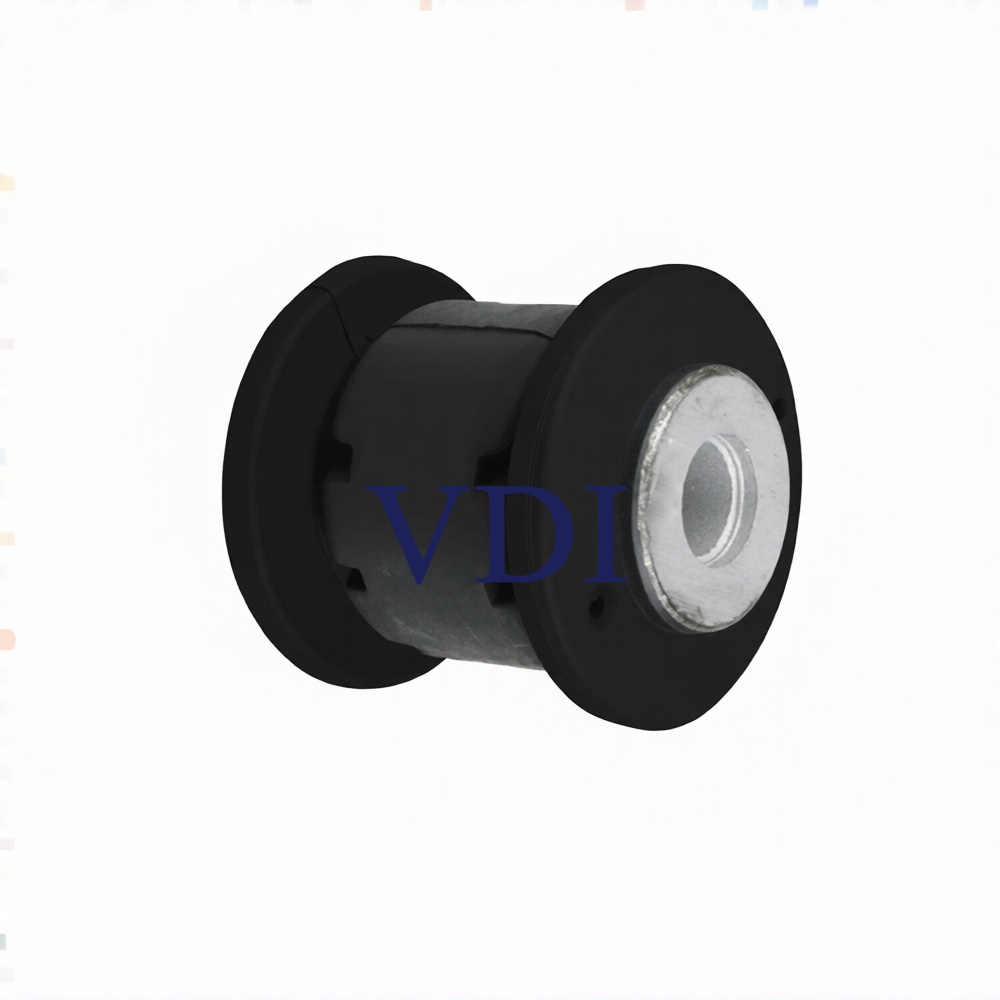
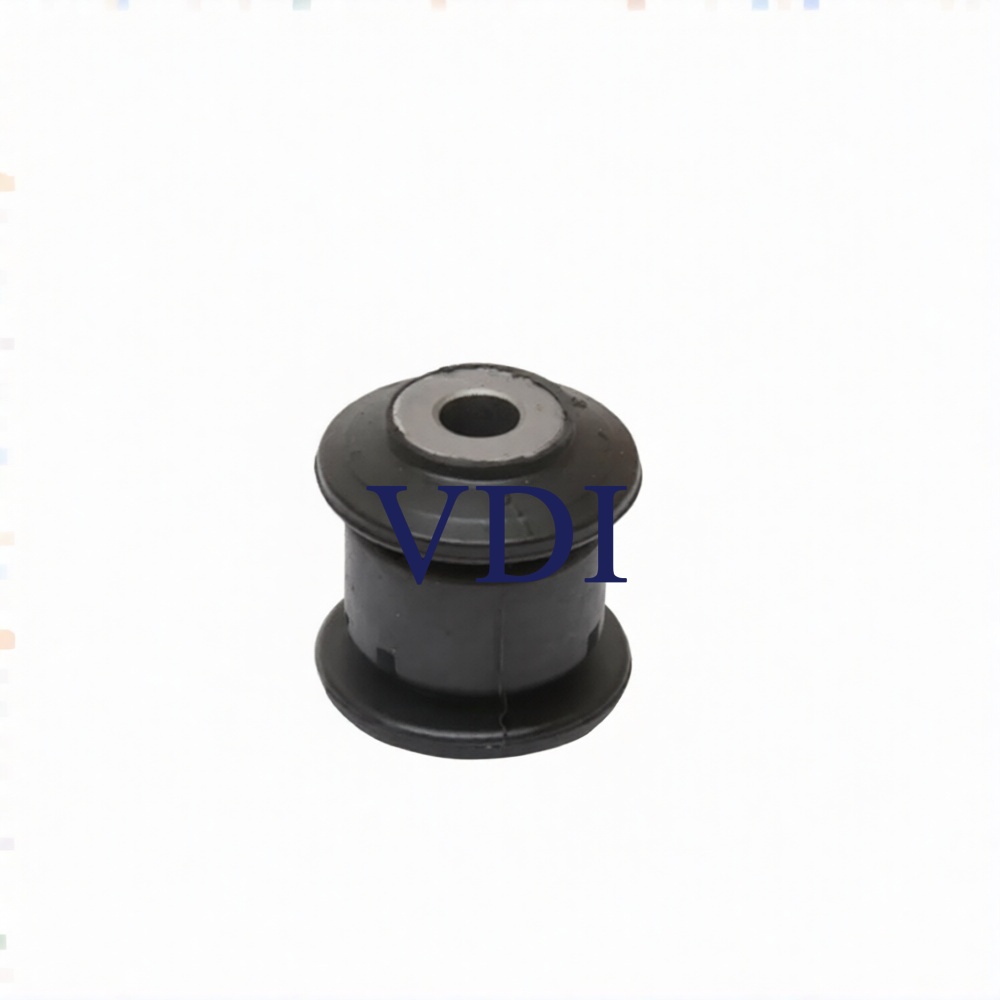
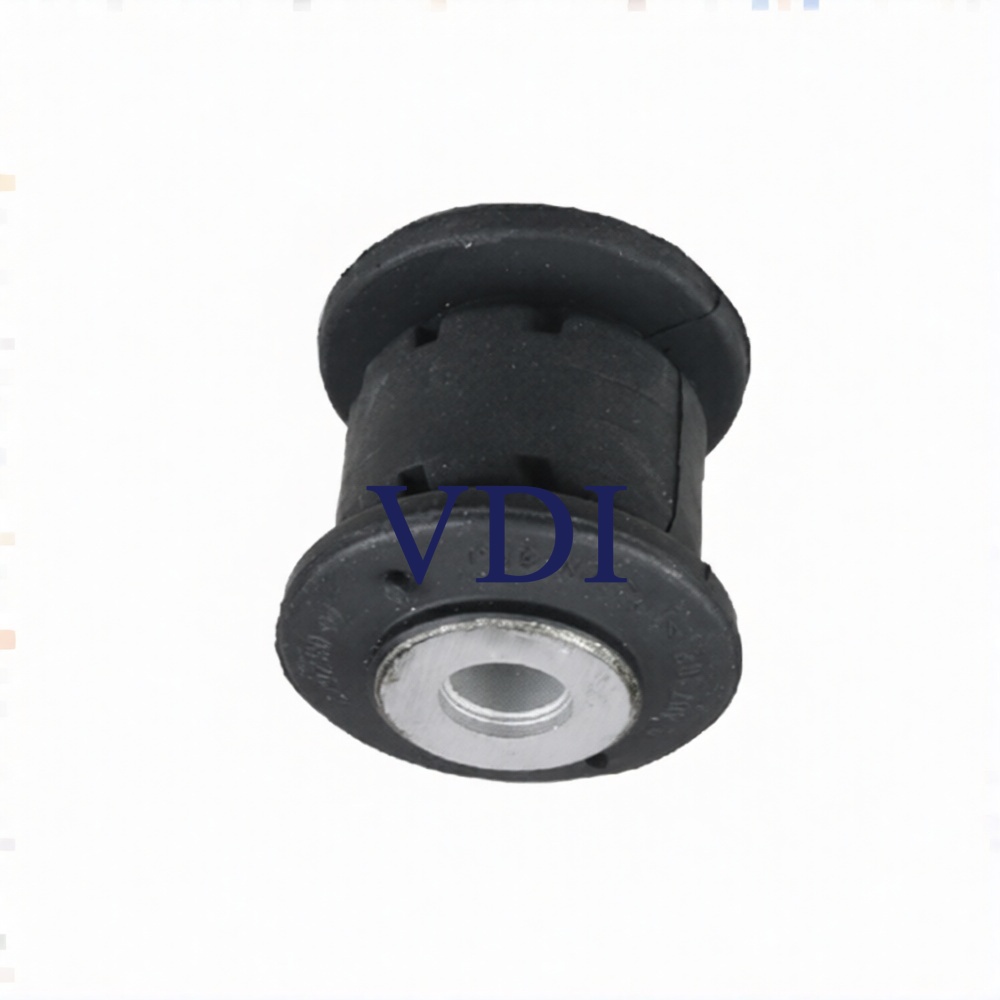
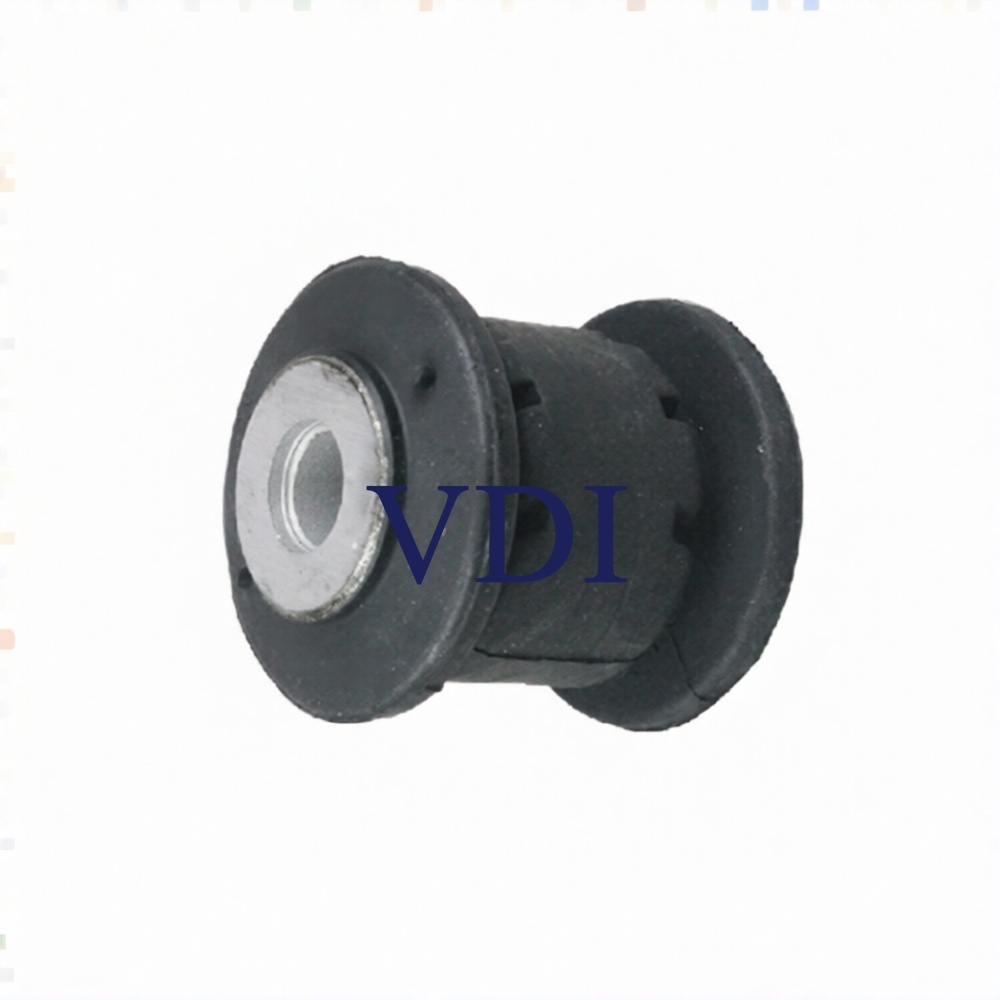
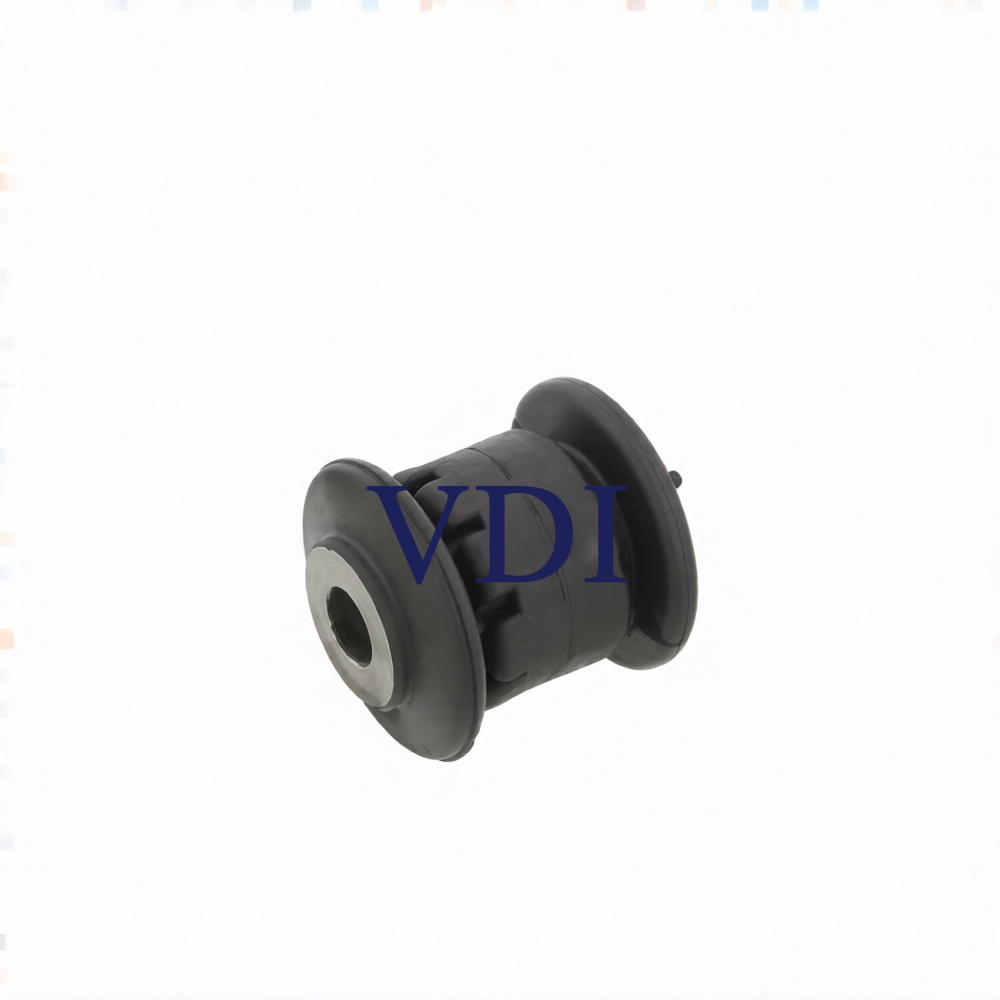
The Control Arm Bushing 1K0407182 is an ideal solution for high-mileage vehicles suffering from worn or cracked bushings. It effectively eliminates front-end clunking and vibrations, restores the original OEM-level ride comfort and handling precision, and offers a direct, hassle-free fit for best-selling SUVs and sedans.
● VDI Control Arm Bushing 1K0407182 delivers sharper steering precision and greater driving confidence—elevating every drive into a more engaging and enjoyable experience.
● Crafted with higher-durometer rubber, this bushing minimizes deflection under load, significantly reducing steering lag and unwanted shifts in suspension geometry.
● The result? Crisper, more consistent steering feedback that preserves your vehicle’s agility and responsiveness.
● Whether you’re maneuvering through city traffic or carving through scenic mountain roads on the weekend, you’ll feel a direct, connected control that transforms driving from a routine chore into a genuine pleasure.
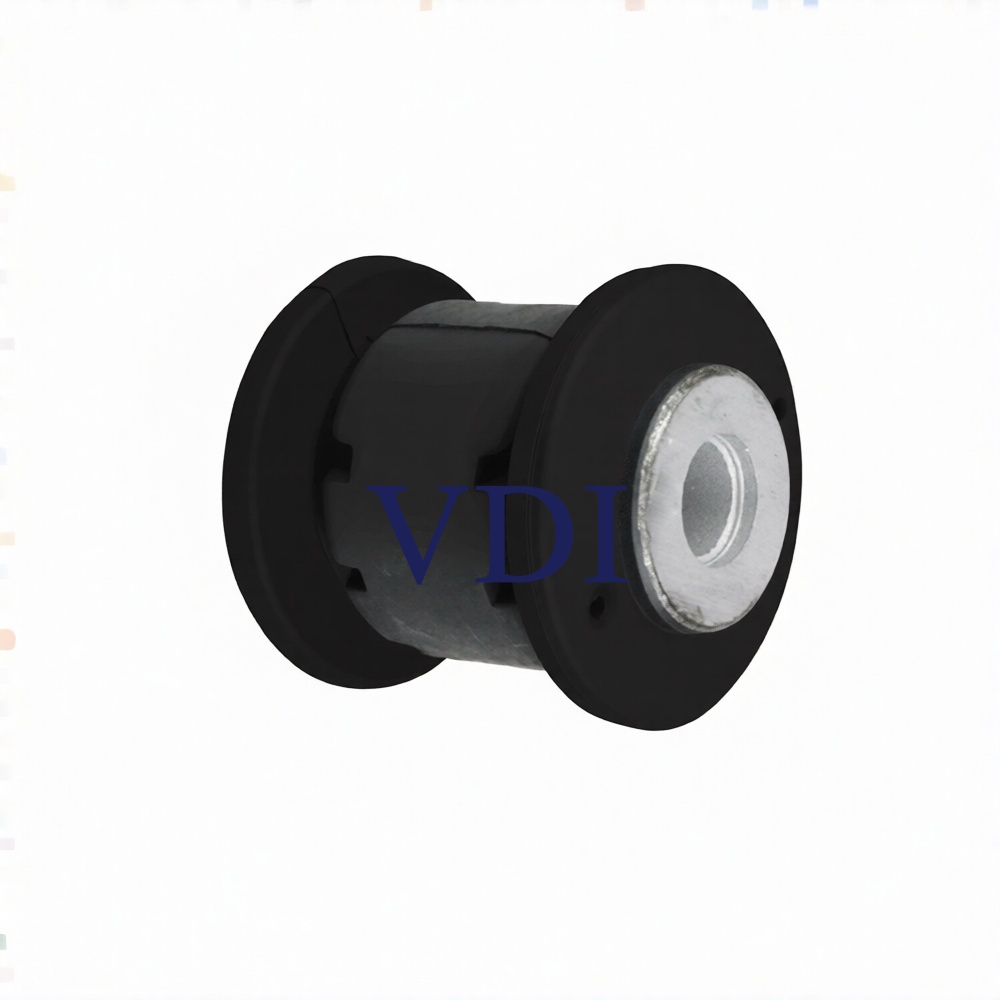
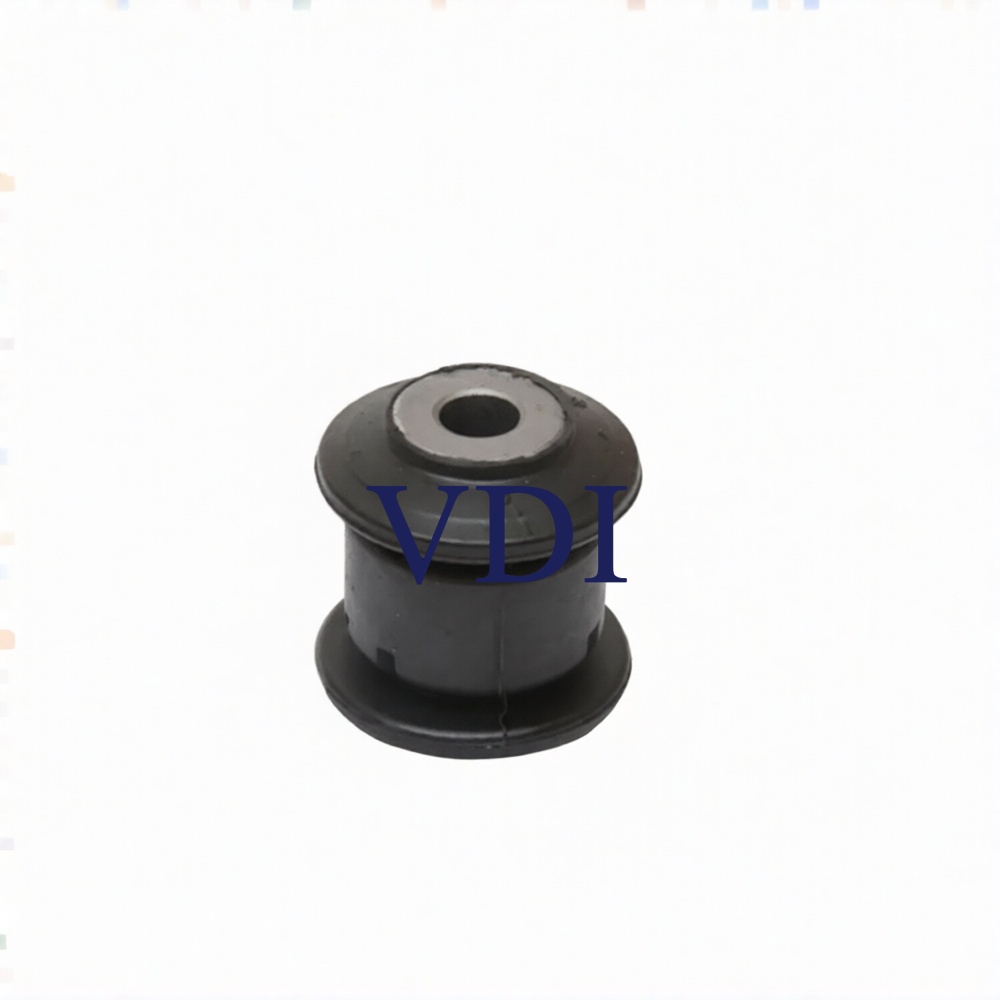
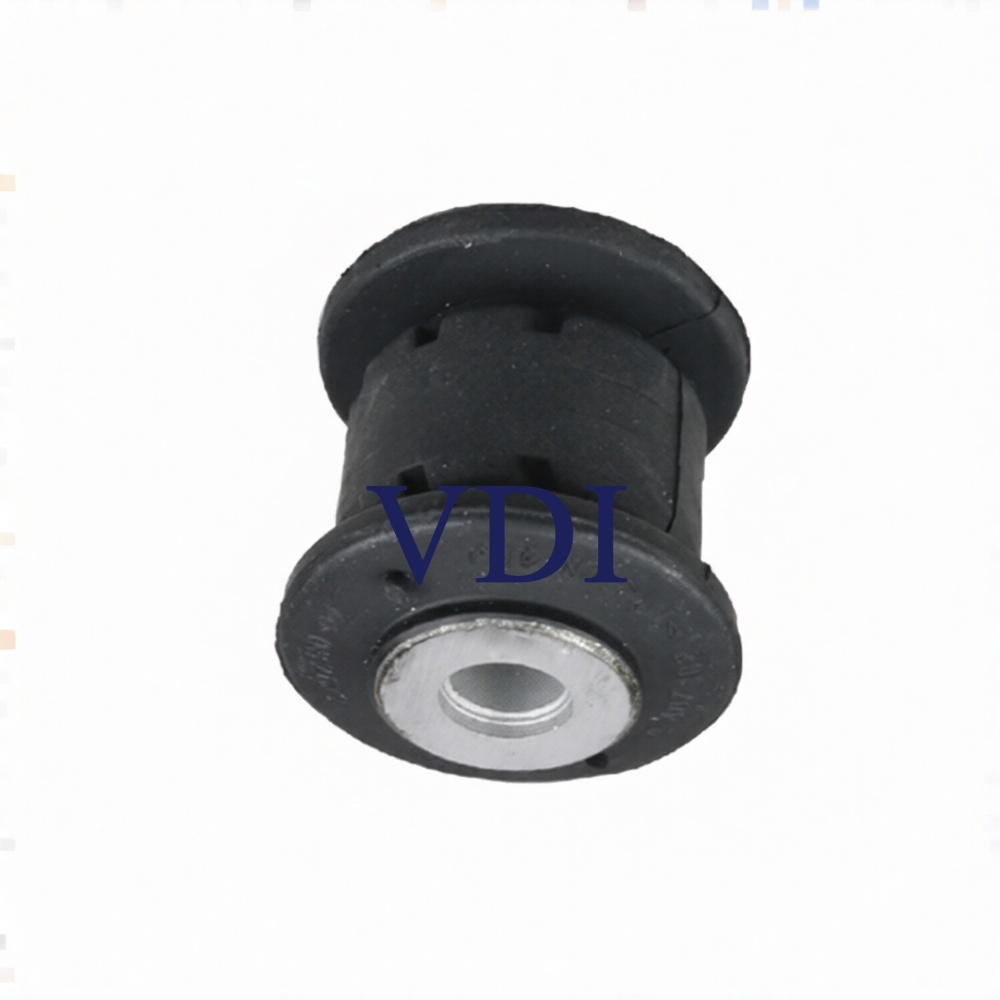
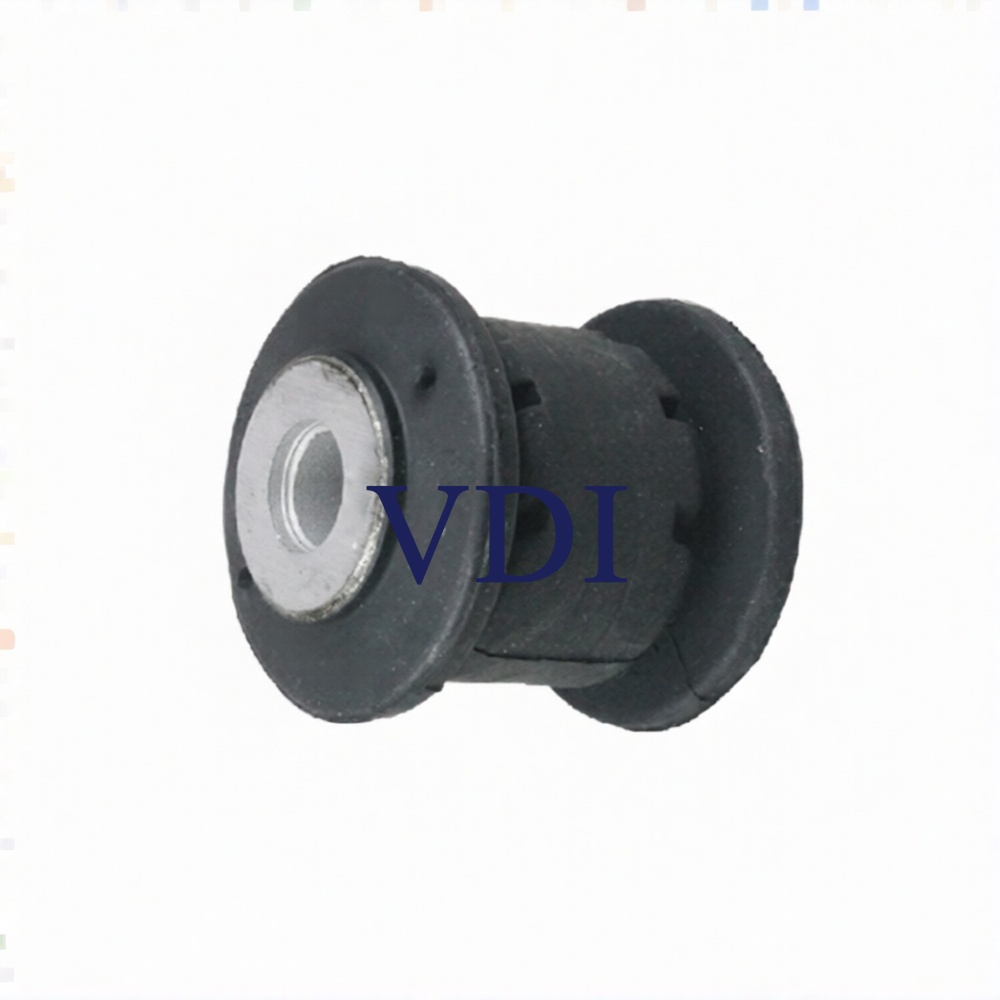
Replacement NO:
1K0 407 182 A
Fit to:
AUDI A3/Q3/TT
VW BEETLE/CADDY III/IV
EOS/CC B7
GOLF V/VI
JETTA III/IV/SAGITAR
PASSAT B6/B7
SCIROCCO III
TIGUAN/TOURAN
SHARAN/MAGOTAN
SKODA OCTAVIA II/YETI
SUPERB II
SEAT ALTEA /LEON
TOLEDO III
Outer Diameter:40mm
Height:54mm
Inner Diameter:12mm
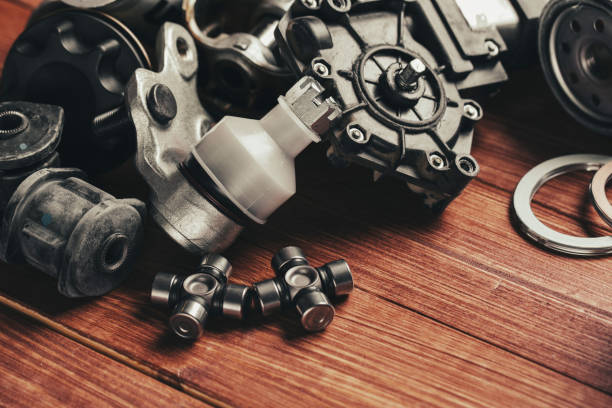
You might not notice them, but control arm bushings play a crucial role in how your car rides and handles. They’re installed where the control arms attach to the frame or subframe, and their job is simple yet vital: absorb bumps, prevent vibrations from shaking the entire chassis, and allow the suspension to move smoothly—without throwing off your wheel alignment.
Most factory bushings are made of rubber—adequate for everyday driving, but they do wear out over time. Performance-oriented versions often use stiffer rubber compounds or polyurethane (PU) for sharper response and longer service life, especially under harsh conditions.
But when bushings fail, it’s not just about noise. Worn bushings introduce play into the suspension, leading to vague steering, uneven tire wear, and added stress on ball joints and tie rods. Over time, that looseness can even compromise braking stability. It’s a small component, but its failure can trigger problems across the entire front end.
How long do they last?
There’s no fixed mileage—it all depends on how and where you drive:
Normal city driving? Rubber bushings typically last 60,000–100,000 miles.
Daily potholes, heavy loads, or road salt exposure? They may wear out by 40,000–50,000 miles.
PU bushings offer greater durability and handle abuse better, but they’re stiffer—so you’ll feel more road harshness. And in hot climates like the Middle East or Southern Europe, PU can dry out and crack sooner than expected.
Bottom line: Whenever you’re getting an alignment or rotating tires, ask your mechanic to take a quick look. It takes 30 seconds—and could save you costly repairs down the road.
What to watch for
If you notice any of these signs, your bushings may be worn out:
Clunking over bumps (that’s metal hitting metal)
Steering wheel vibration at highway speeds—especially during braking
Tires wearing only on the inner or outer edges
The car feels “loose” or pulls to one side
Excessive body lean in corners, or pronounced front-end dive under braking
Don’t ignore these symptoms. A bad bushing doesn’t just make noise—it accelerates wear on other suspension components too.
Quick DIY check (if you’re comfortable doing it)
Safely lift the vehicle and secure it on jack stands.
Locate the control arms near the wheels.
Inspect the bushings for cracks, bulges, or rubber separating from the metal sleeve.
Use a pry bar to gently move the control arm near the bushing. If there’s more than about 3 mm of movement (roughly the thickness of two stacked dimes), it’s time to replace.
Compare with a new bushing—worn ones often appear flattened, twisted, or deformed.
Practical maintenance tips
Never spray oil, grease, or WD-40 on rubber bushings—it causes swelling and rapid deterioration.
Slow down for potholes and speed bumps. Your suspension will thank you.
Keep wheel alignment in check—misalignment puts uneven stress on bushings.
If you live in an area that uses road salt, regularly rinse the undercarriage to reduce corrosion.
Using PU bushings? Check if they require lubrication. Some do—typically with silicone or PTFE-based grease every couple of years.
When replacing: do it right
Always replace left and right bushings (or control arms) as a pair. Mixing old and new throws off balance.
On most modern vehicles, the bushing is pressed into the control arm—you can’t replace just the rubber. You must replace the entire arm.
Critical step: Torque all mounting bolts only when the vehicle is sitting on its wheels at normal ride height. Tightening them while the car is lifted twists the bushing, causing premature failure—sometimes within months instead of years.
A note on quality
If you operate in markets like the Middle East, Russia, or Eastern Europe—where heat, dust, and rough roads are daily challenges—you need parts that truly hold up. The VDI Control Arm Bushing 1J0407182 is built to OEM specifications, using rubber formulated to resist cracking from UV exposure, ozone, and extreme temperature swings. It’s not the cheapest option, but workshops using it report significantly fewer comebacks. In our business, reliability always beats low cost.This isn’t a repair manual—just practical advice based on real-world experience. When in doubt, trust a qualified technician.
We provide competitive wholesale pricing across our entire product range, including premium OEM-quality components such as the Control Arm Bushing 1K0407182. By optimizing our production and supply chain—and eliminating intermediaries—we pass those savings straight to you. Benefit from volume-based discounts on bulk orders and exclusive rates for long-term partners. Our transparent pricing structure ensures you achieve greater cost efficiency and higher profit margins, all while maintaining uncompromised quality.