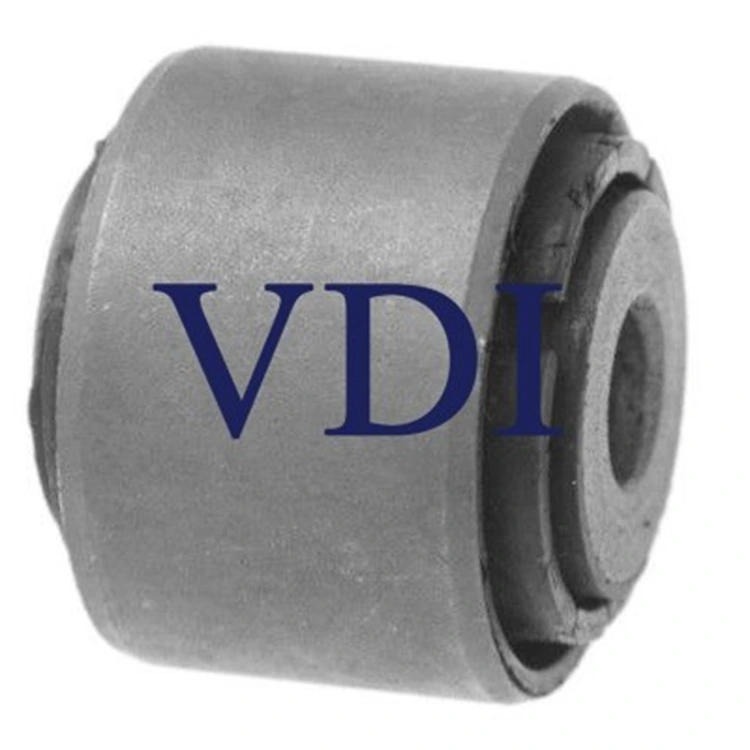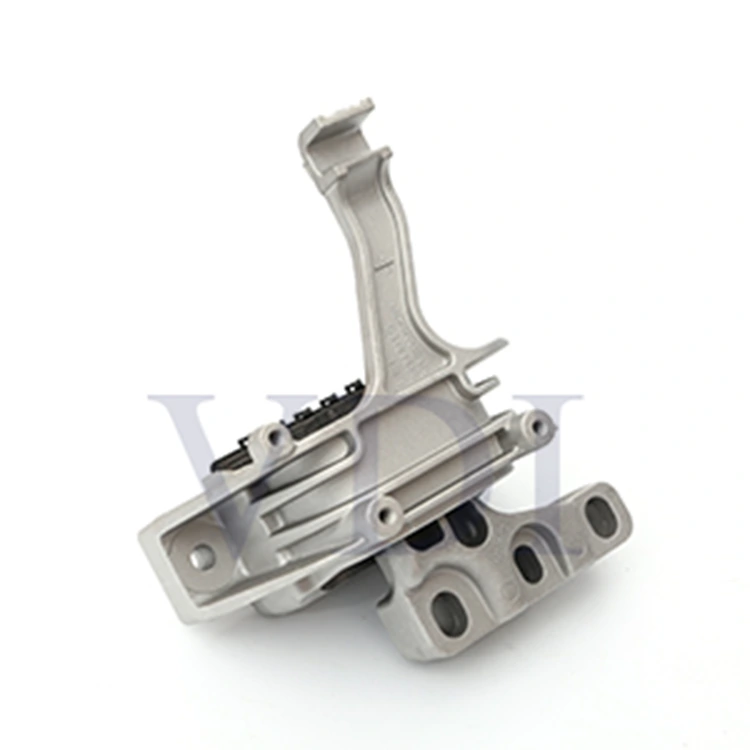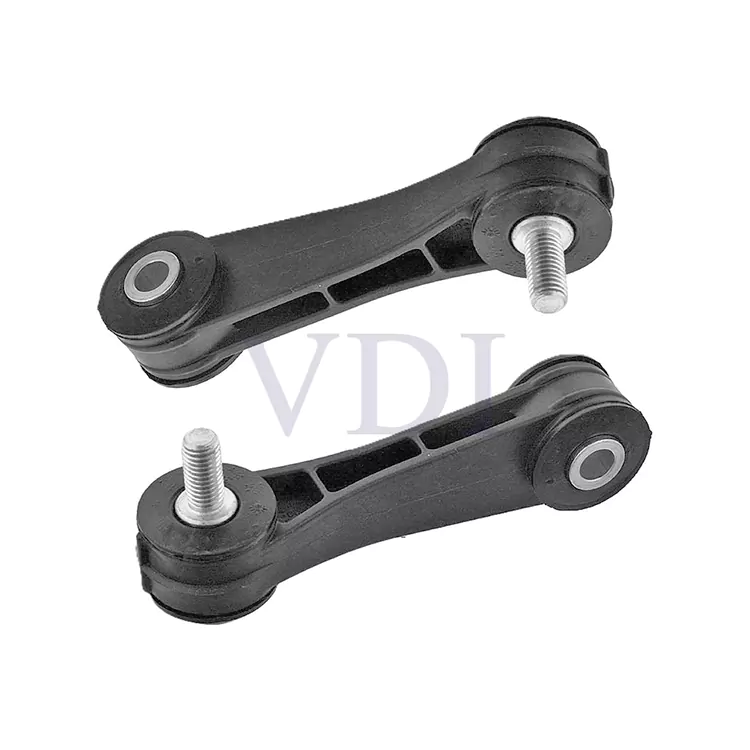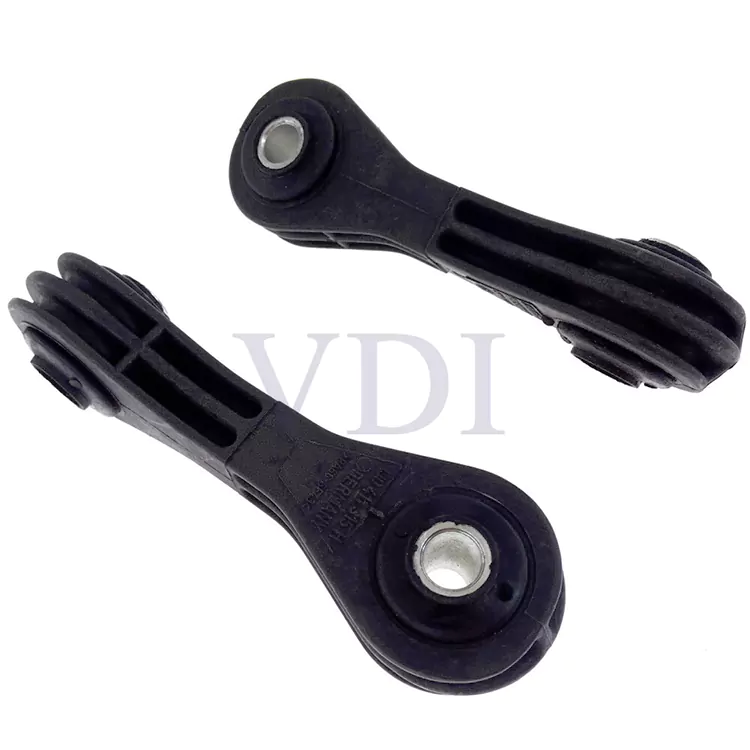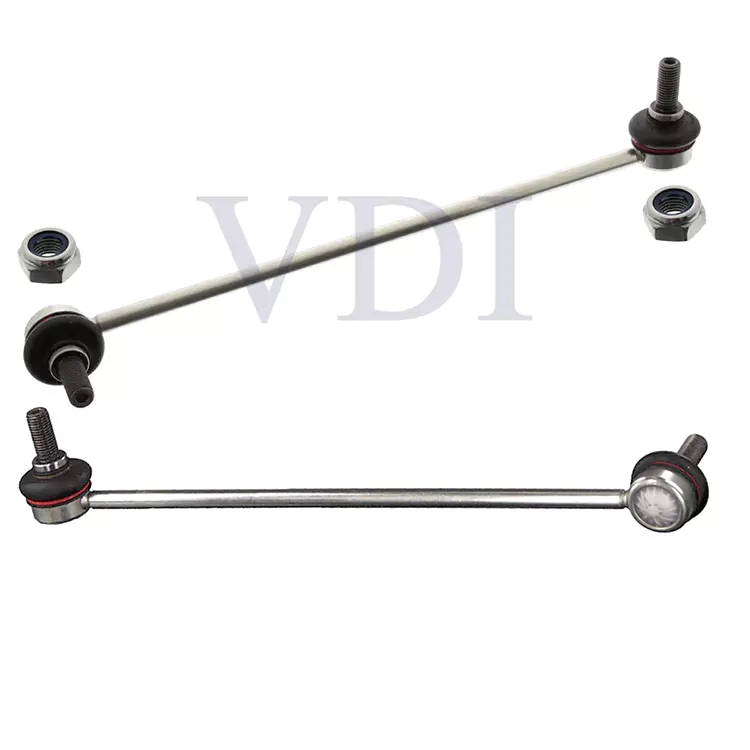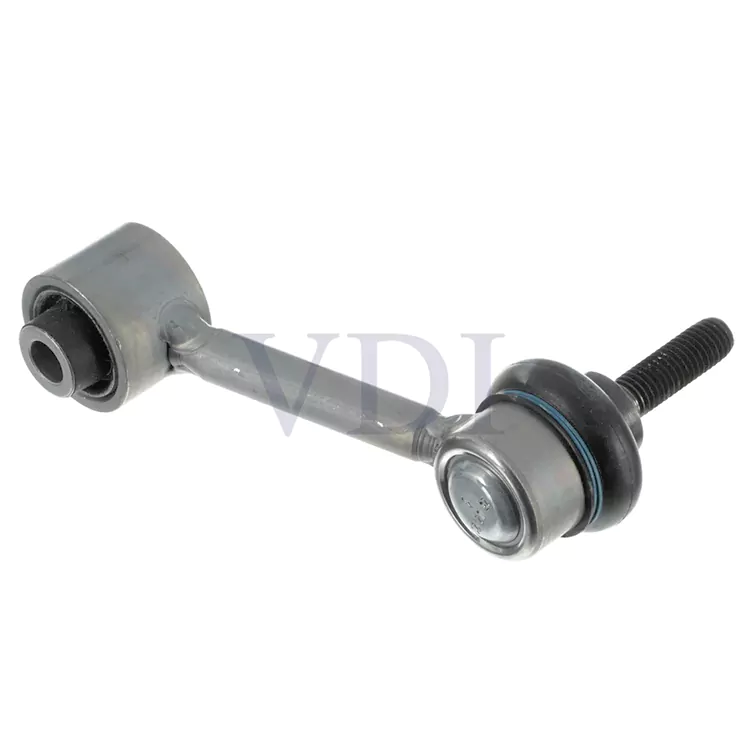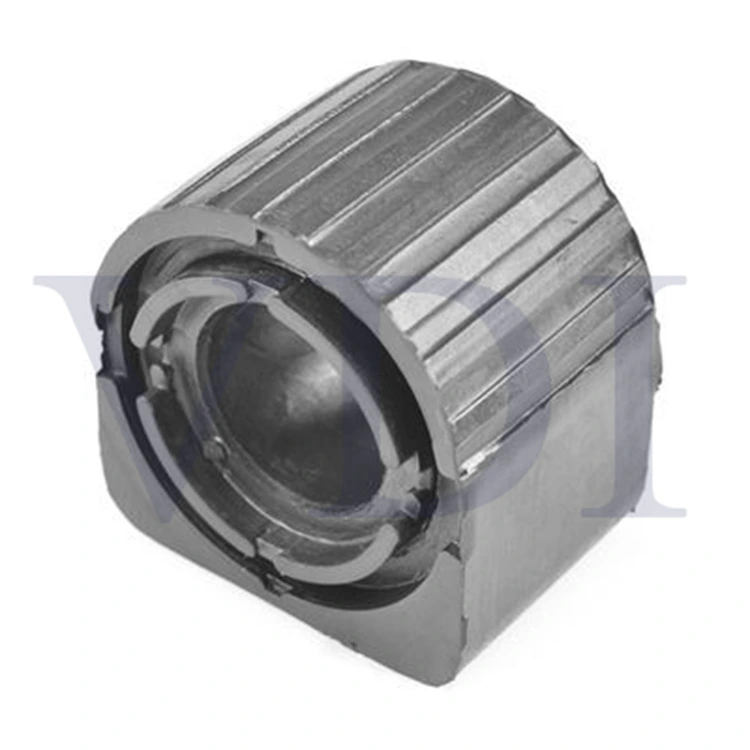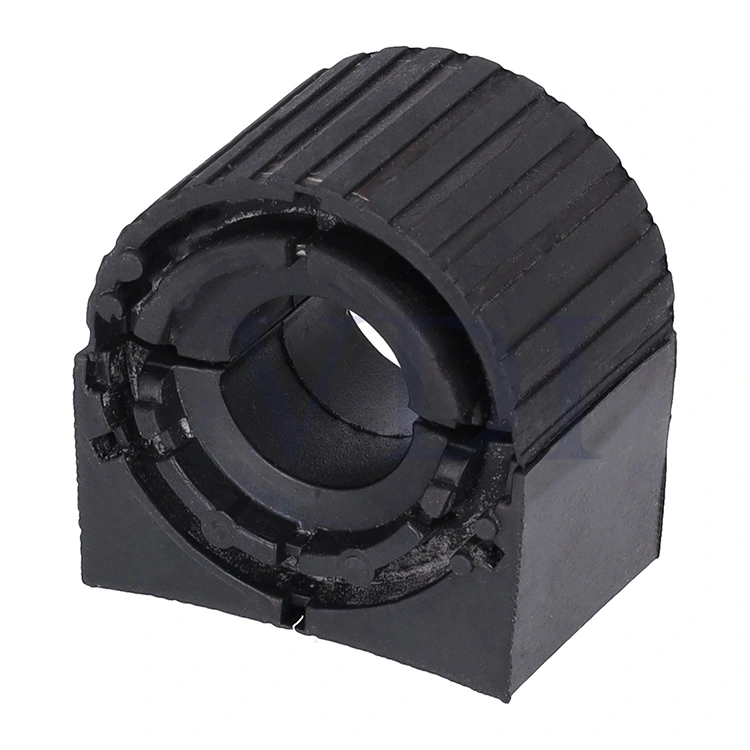

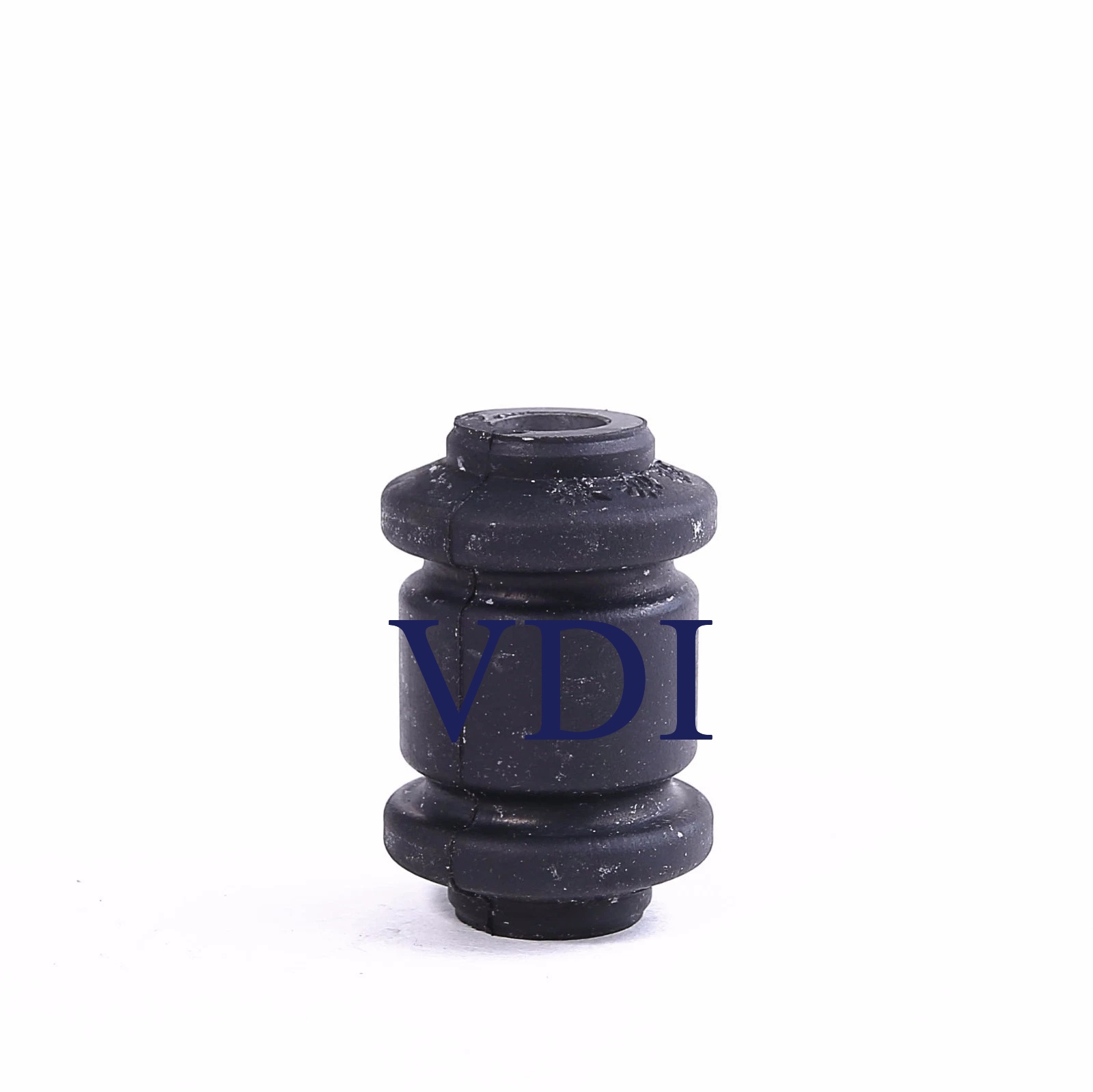
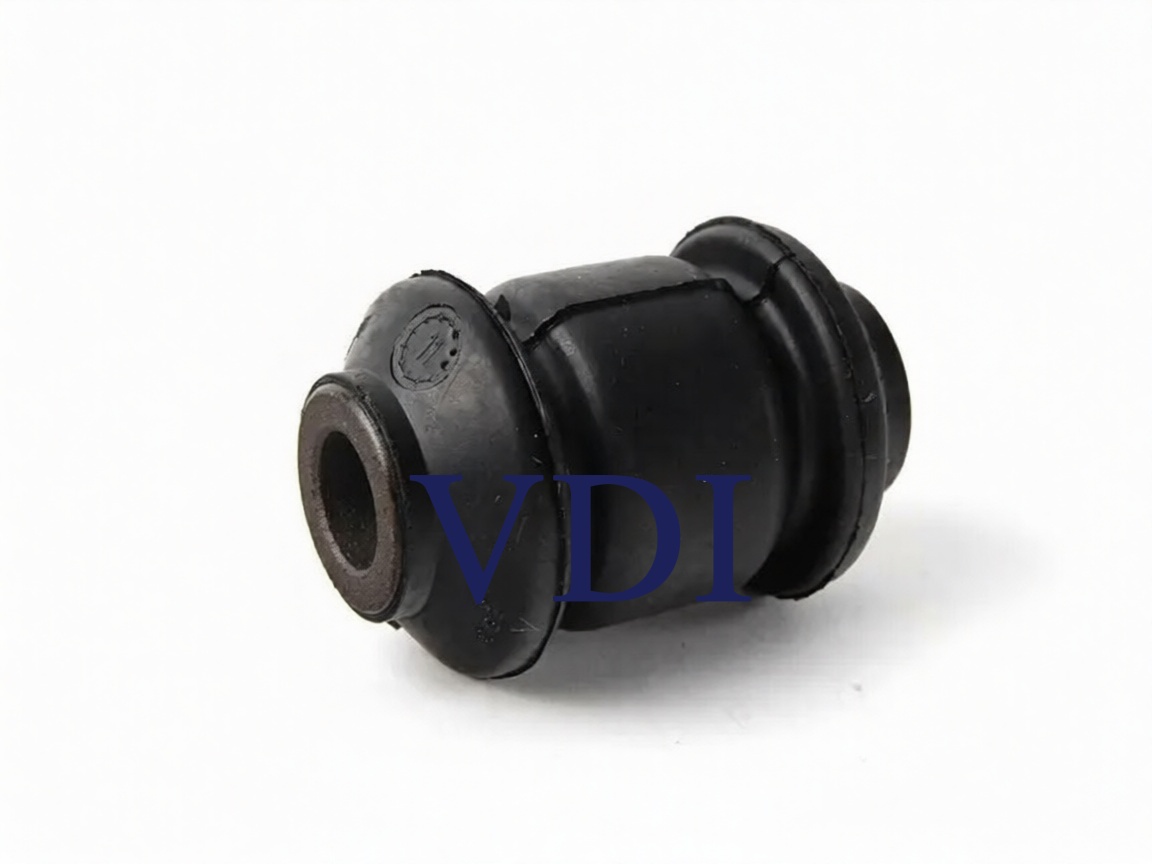
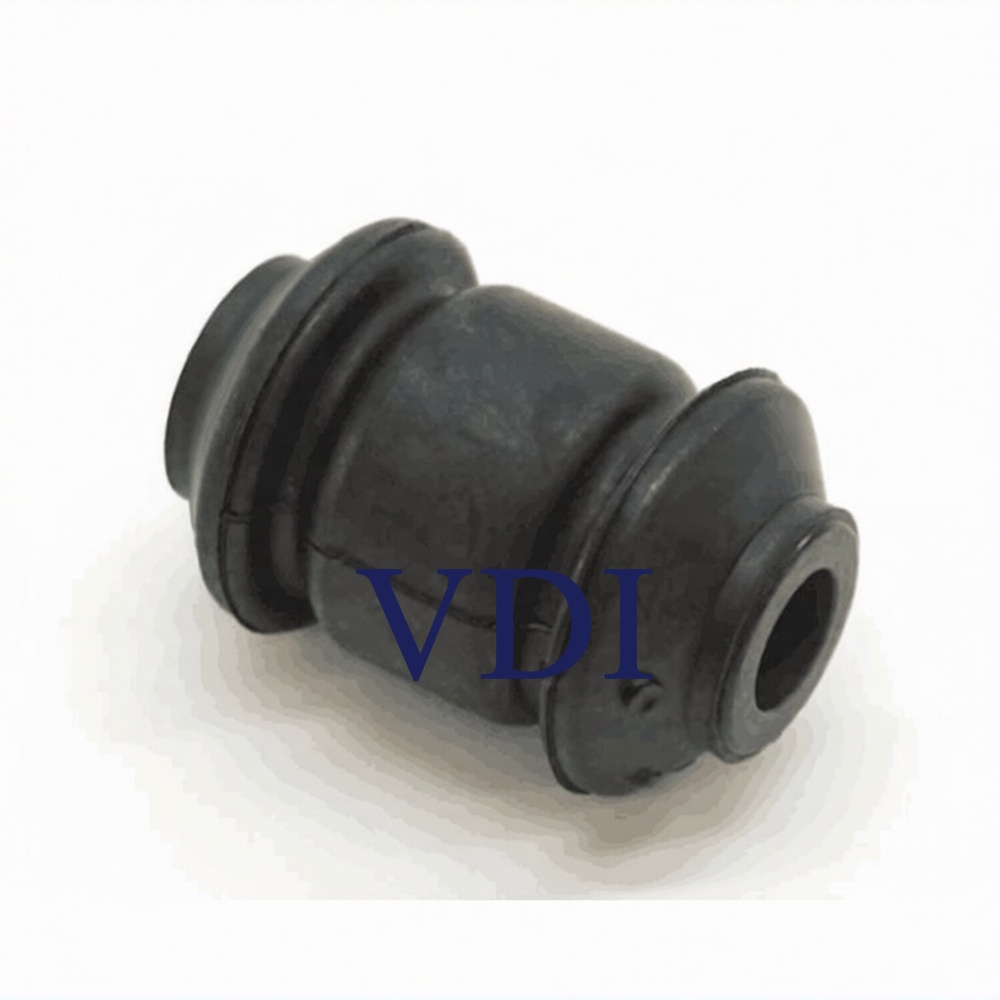
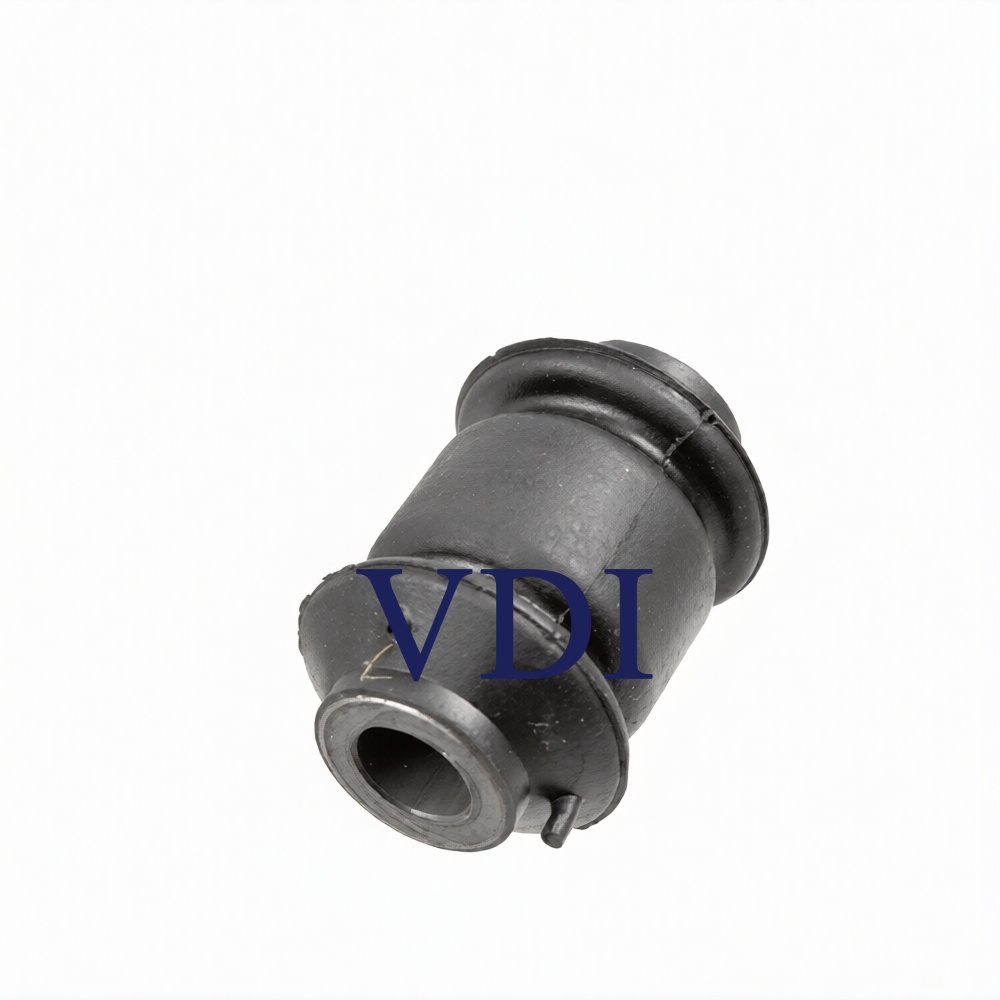
The VDI Control Arm Bushing 1J0407182 is engineered to resist ozone, ultraviolet (UV) radiation, grease, road salt, and extreme temperatures—ensuring it won’t crack, harden, or tear, even under harsh driving conditions or in high-salt environments. This delivers reliable, long-lasting performance mile after mile.
● While preserving precise road feel and responsive steering feedback, it optimizes vibration damping to eliminate unwanted noises and harsh impacts, ensuring everyday ride comfort.
● By refining the front suspension’s geometric response under braking, it mitigates brake dive, enabling smoother weight transfer and contributing to consistent pedal feel and stable vehicle trajectory.
AUDI A1/A3/TT
VW BORA I/CADDY II
GOLF II/III/IV
LOAD UP/T-CROSS
POLO III/IV/V
NEW BEETLE
PASSAT B3/B4
UP!/VENTO/JETTA II
SKODA CITIGO/FABIA II
OCTAVIA I/RAPID
ROOMSTER/SCALA
SEAT ARONA/CORDOBA
IBIZA II/ INCA/LEON
MII/TOLEDO II
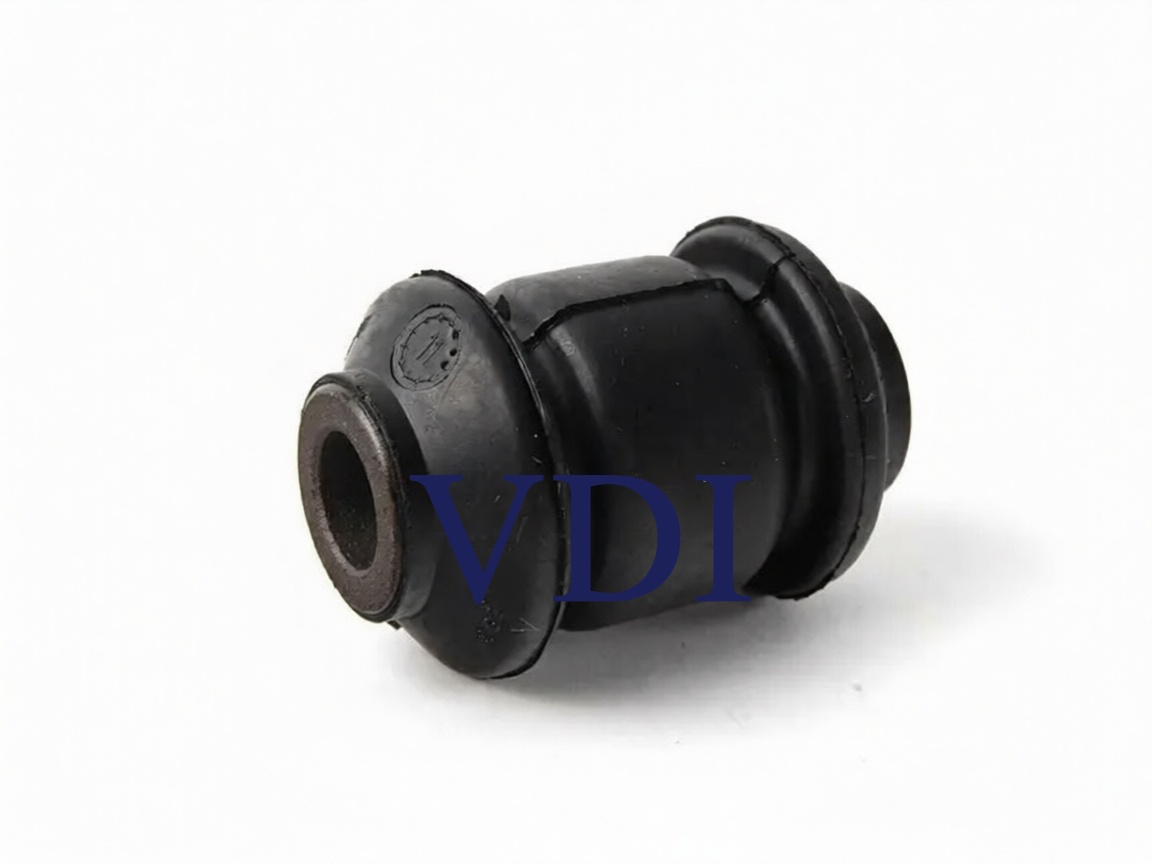
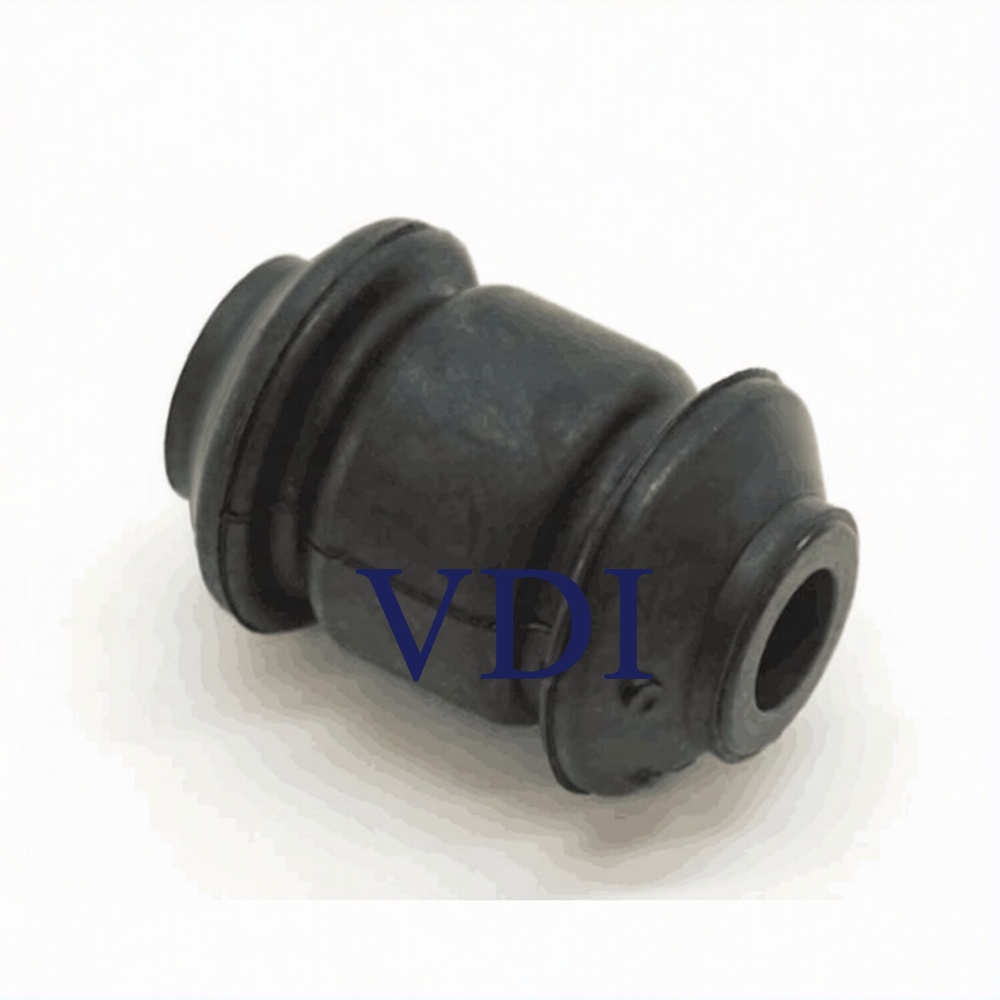
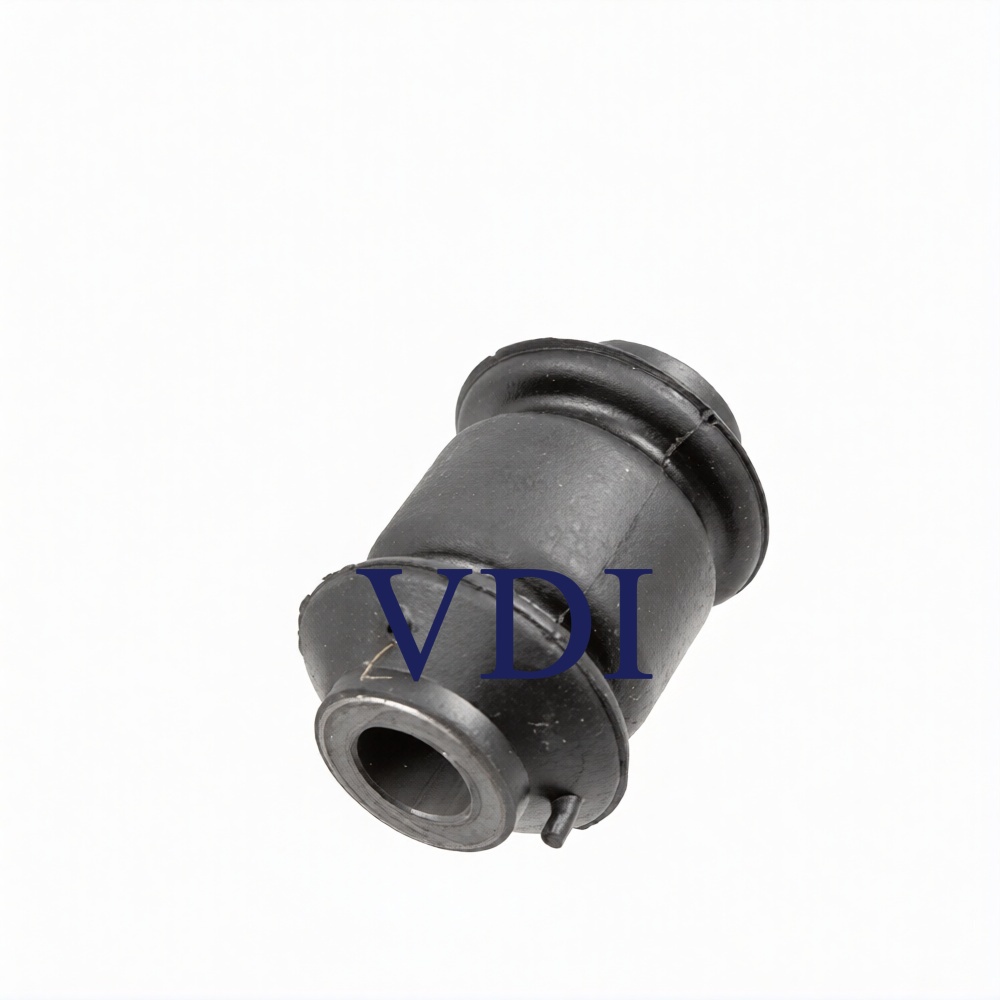
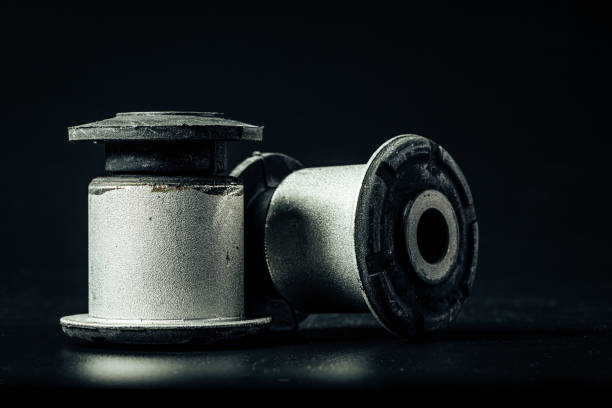
Control arm bushings are essential elements within the suspension system of a vehicle. Generally positioned at the pivot locations where control arms attach to the subframe or chassis, their main function is to absorb road shocks, reduce vibrations, and permit controlled movement—facilitating the smooth functioning of the suspension while ensuring precise alignment of the wheels and overall stability of the vehicle.
Most bushings installed by manufacturers are constructed from either natural or synthetic rubber. In contrast, performance-oriented options frequently utilize advanced rubber blends or polyurethane to improve durability and responsiveness in handling.
Nonetheless, as bushings age or suffer deterioration, the impact extends beyond mere minor noises or discomfort. Excessive looseness can result in unpredictable steering behavior, increased tire wear, and additional strain on nearby components such as ball joints and tie rods—potentially jeopardizing safety and raising long-term maintenance expenses.
How Long Do Control Arm Bushings Last?
There is no universal mileage or time-based replacement interval, as service life depends heavily on:
● Driving style (aggressive vs. conservative)
● Road conditions (smooth pavement vs. potholes/gravel)
● Climate (extreme heat, cold, or humidity)
● Vehicle load (frequent heavy hauling)
General guidelines:
● Standard rubber bushings: Typically last 60,000–100,000 miles under normal conditions.
● Harsh environments (e.g., frequent pothole impacts, heavy loads, road salt exposure, or extreme temperature swings)—failure may occur as early as 40,000–50,000 miles.
● Polyurethane bushings: Offer greater stiffness and longer life but may transmit more road noise and require periodic lubrication at pivot points. Note: Polyurethane can harden over time in high-heat climates (e.g., Middle East, Southern Europe), potentially reducing longevity.
Regular suspension inspections during routine services—such as alignments or tire rotations—are strongly recommended by automotive professionals.
Common Signs of Worn Bushings
Technicians frequently report the following symptoms:
● Steering wheel vibration (especially at highway speeds or during braking)
● Clunking or knocking noises when driving over bumps (often from metal-to-metal contact due to lost bushing compliance)
● Uneven or premature tire wear (particularly on inner/outer tread edges)
● Loose, vague steering feel; vehicle pulling or drifting
● Increased body roll in corners and reduced stability under braking
Ignoring these signs can accelerate wear on other suspension parts—such as ball joints—and even affect braking efficiency.
When to Inspect Your Bushings
Take advantage of scheduled maintenance visits. For a basic DIY check:
1. Safely lift and support the vehicle on jack stands.
2. Locate the control arms near each wheel.
3. Visually inspect bushings for cracks, dry rot, oil swelling, separation, or deformation.
4. Use a pry bar to gently move the control arm near the bushing—more than 3 mm (≈1/8 inch) of play usually indicates failure.
5. Compare with a new bushing: worn units often appear flattened, cracked, or distorted.
Maintenance Tips
● Never apply oil or grease to rubber bushings—it causes swelling and rapid deterioration.
● Drive mindfully: avoid high-speed impacts with potholes or speed bumps.
● Maintain proper wheel alignment to prevent uneven suspension loading.
● In regions using road salt, regularly rinse the undercarriage to minimize corrosion.
● If using polyurethane bushings, follow the manufacturer’s care instructions—many recommend re-lubrication every 2–3 years with silicone- or PTFE-based grease.
Replacement Best Practices
● Always replace bushings in pairs (left and right) to ensure balanced handling.
● On most modern vehicles, bushings are integrated into the control arm assembly and cannot be serviced separately—requiring full arm replacement.
● Crucially: Tighten all mounting bolts only when the vehicle is at its normal ride height (i.e., with full weight on the wheels). This ensures correct preload and alignment per OEM specifications.
This guide is for informational purposes only. For vehicle-specific advice, always consult a certified automotive technician. Proactive inspection remains the best strategy for ensuring long-term reliability and safe operation.
For applications demanding OEM-level quality and proven durability—even under demanding conditions—the VDI Control Arm Bushing 1J0407182 is engineered to meet stringent performance standards, delivering consistent handling, extended service life, and peace of mind for both professional workshops and discerning drivers worldwide.
We don’t imitate—we innovate: The VDI Control Arm Bushing 1J0407182 meets Tier 1 standards in critical performance aspects including dynamic stiffness and fatigue life. Thanks to our direct manufacturing and automated production processes, it delivers comparable—or even superior—performance to leading brands at a more competitive price, with volume-based tiered pricing available for added savings.