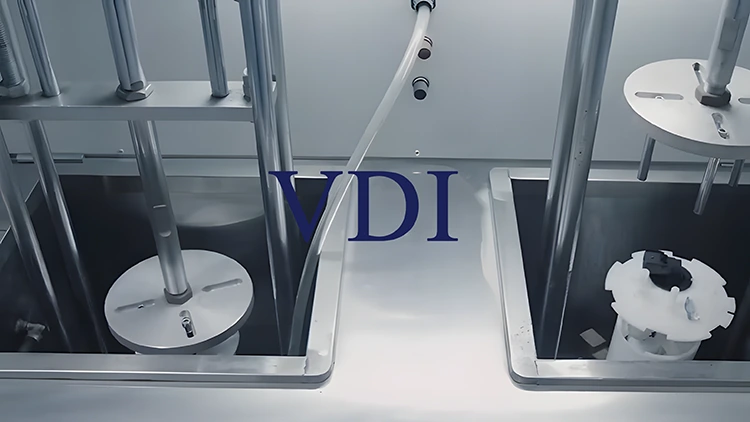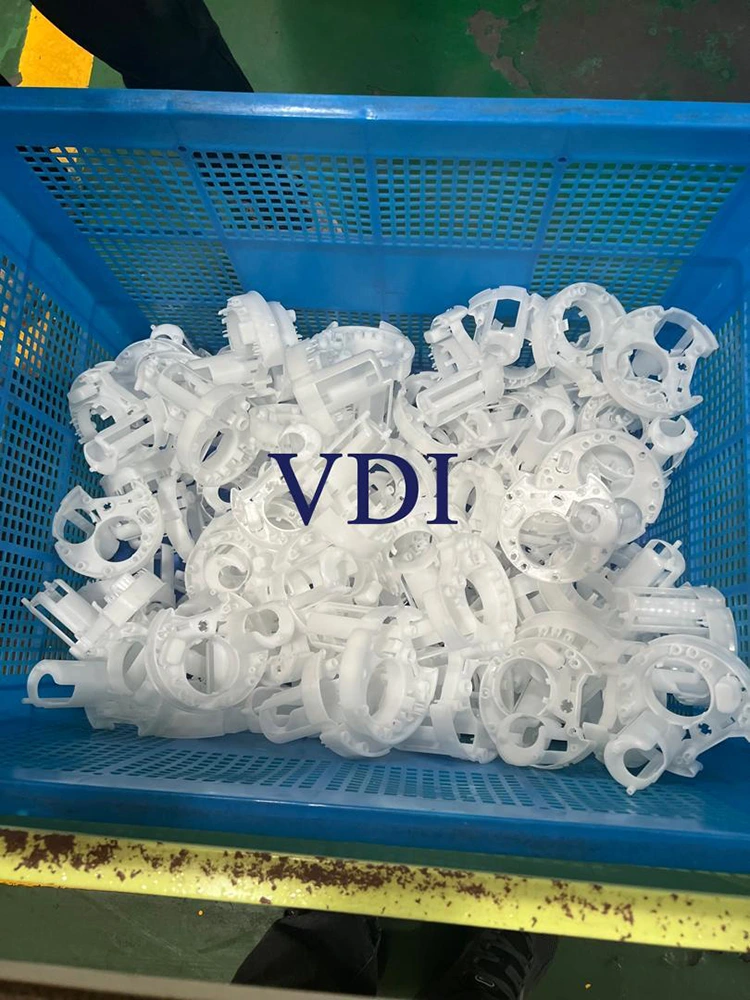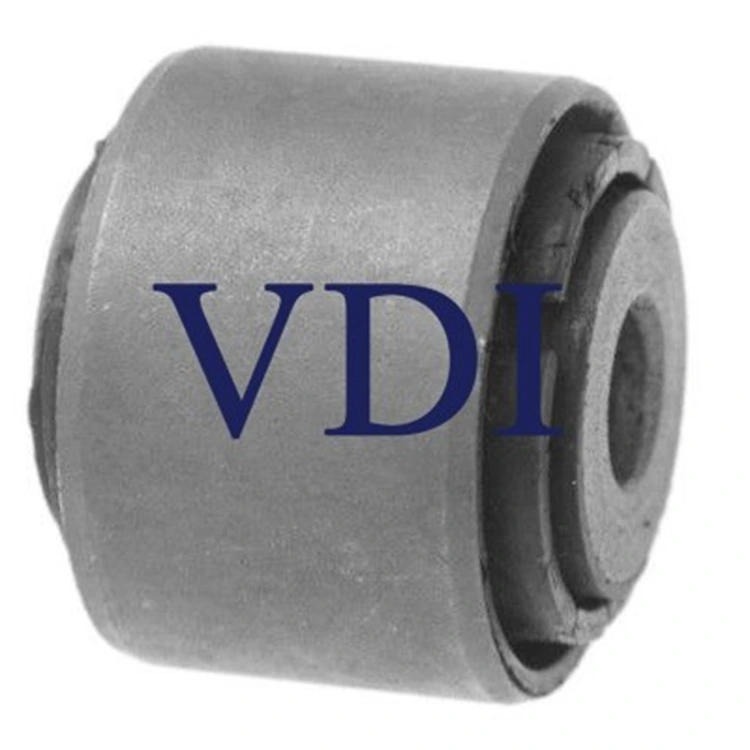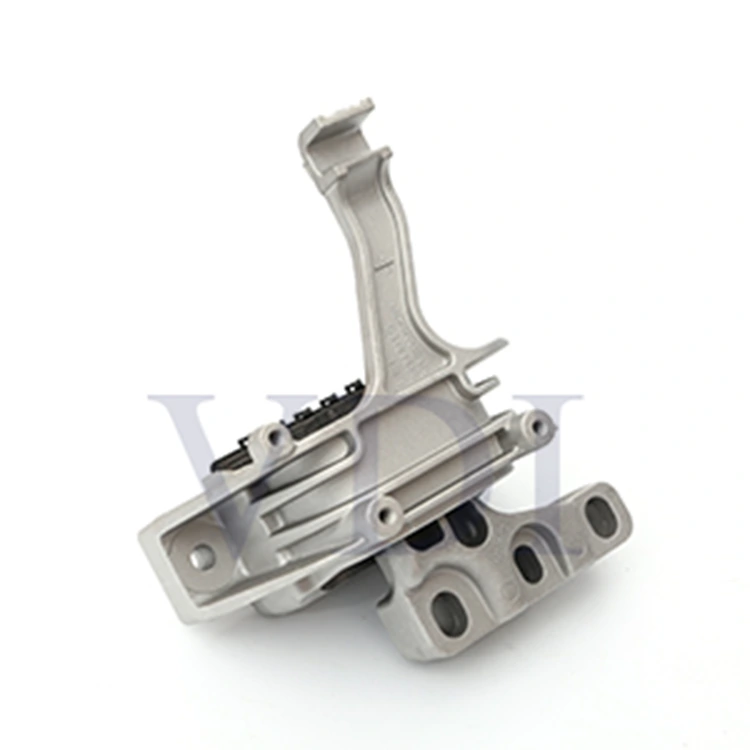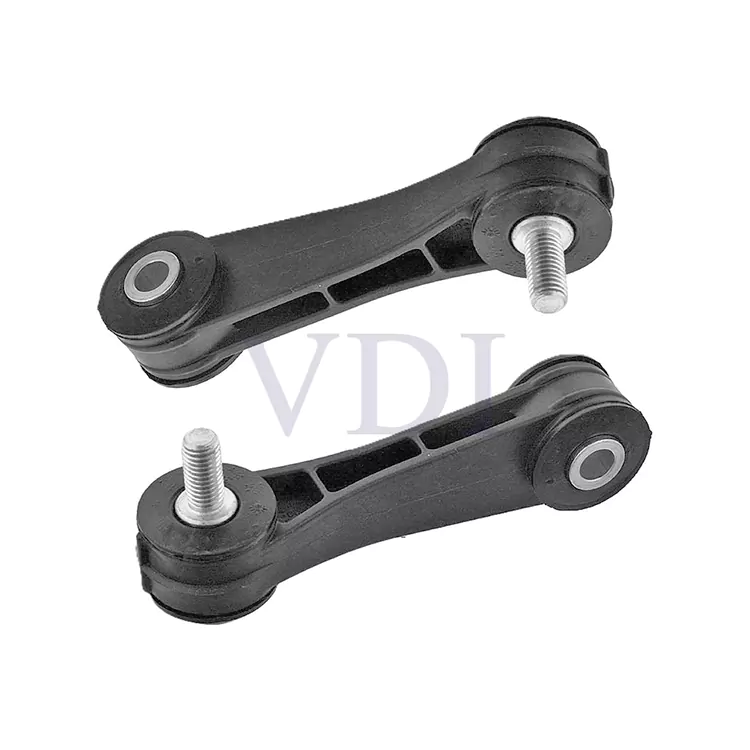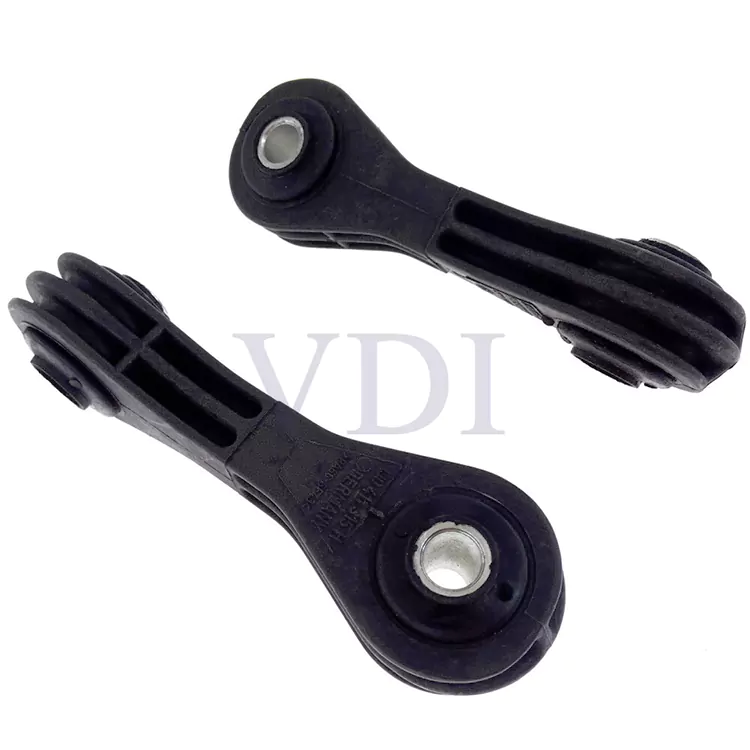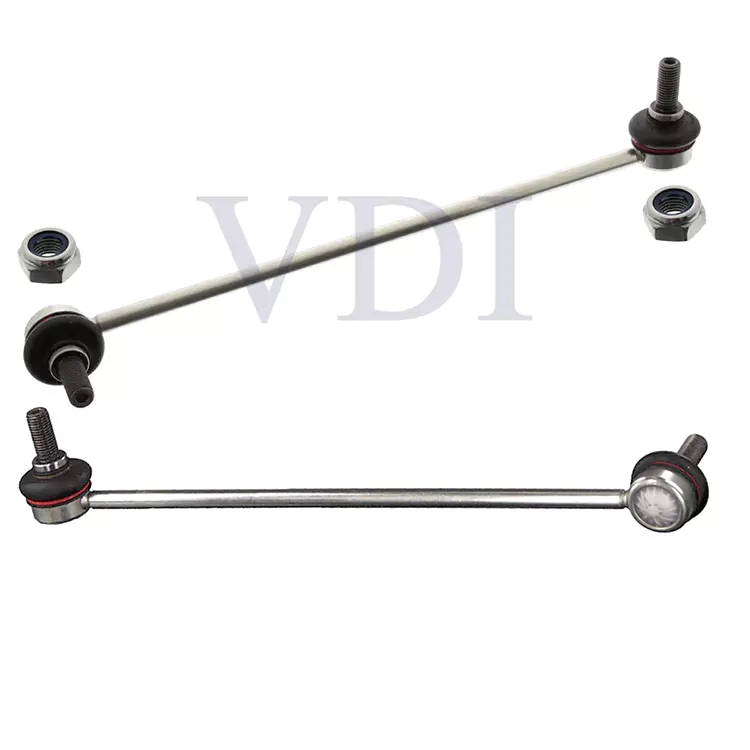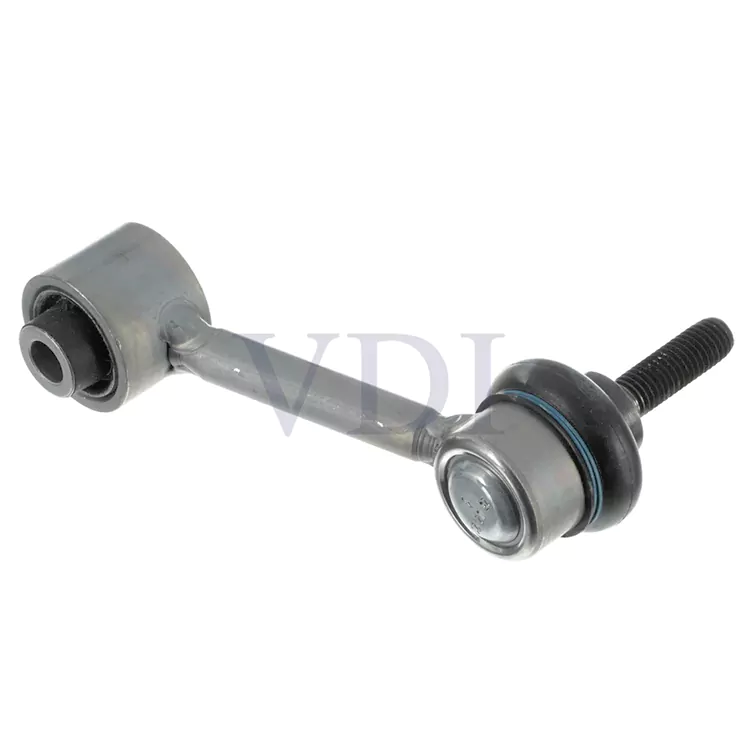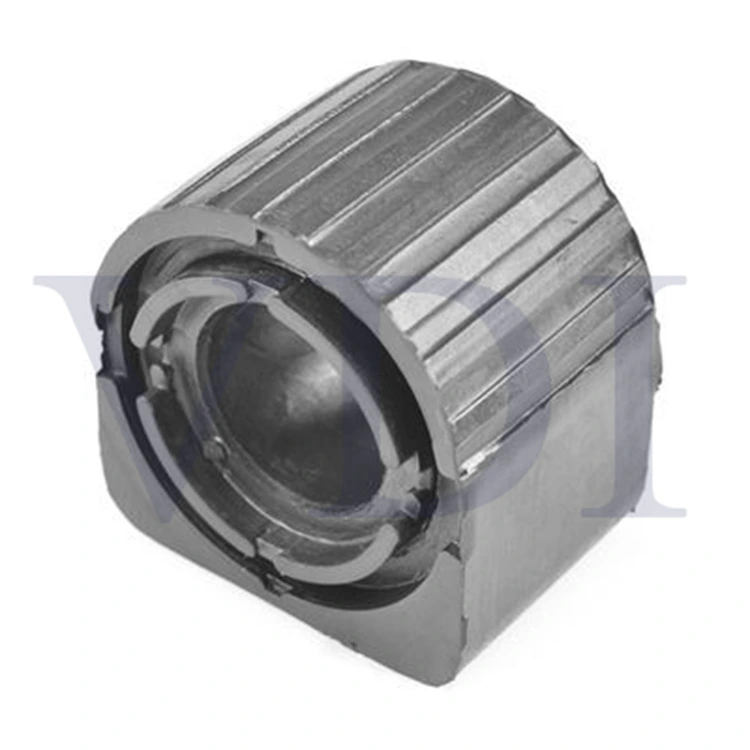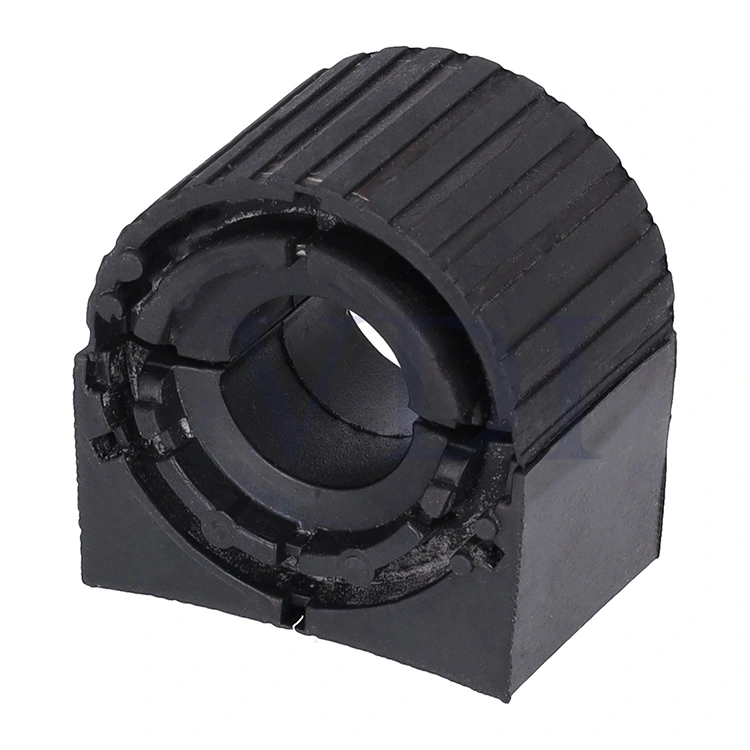

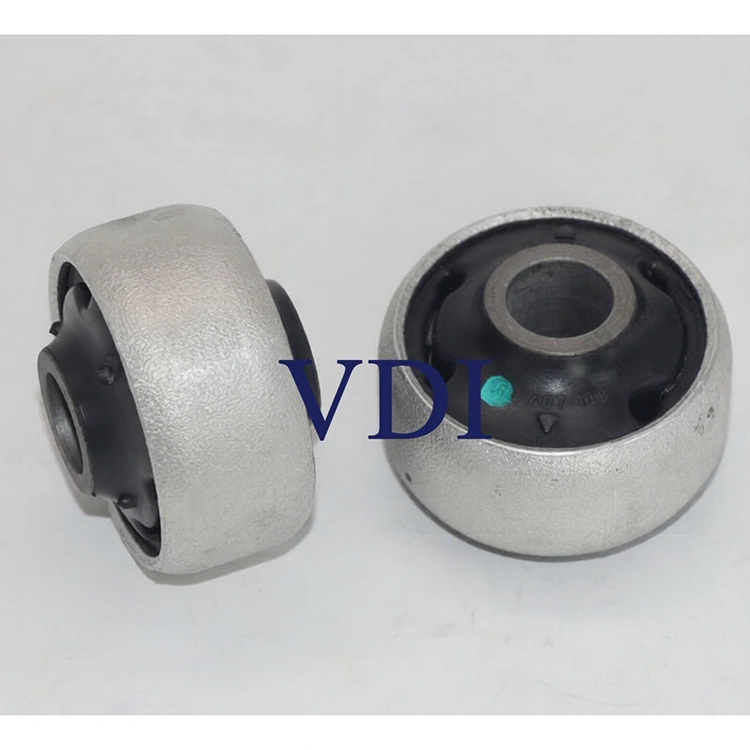
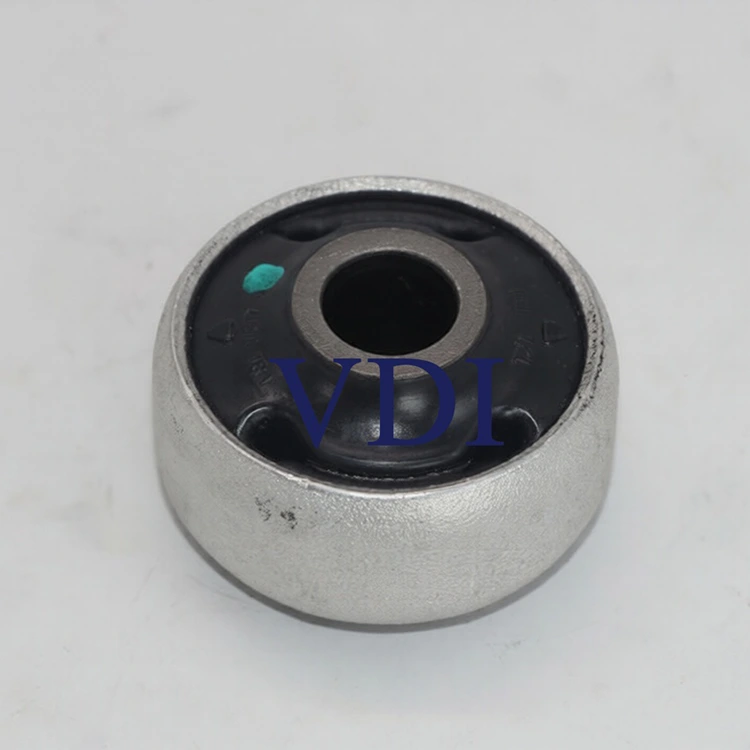
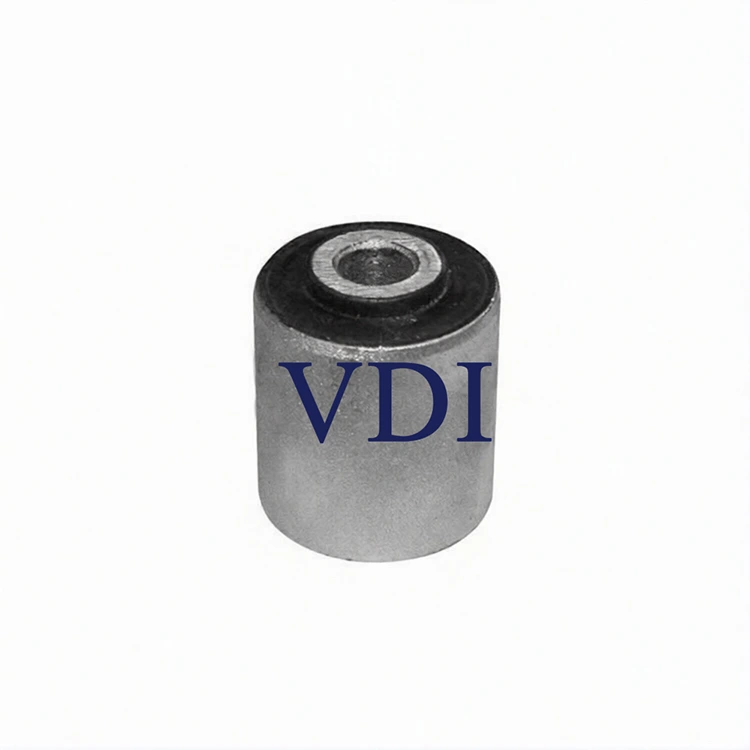
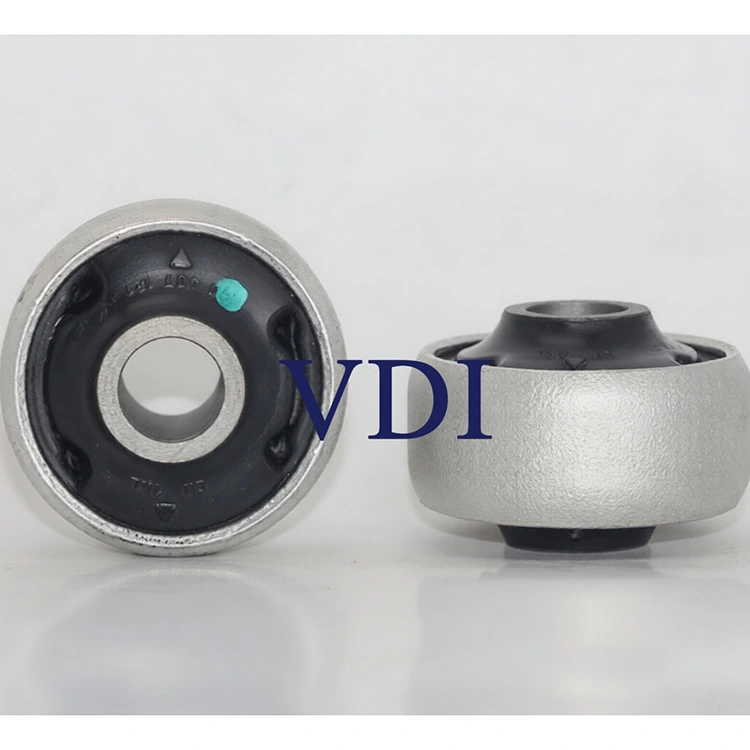
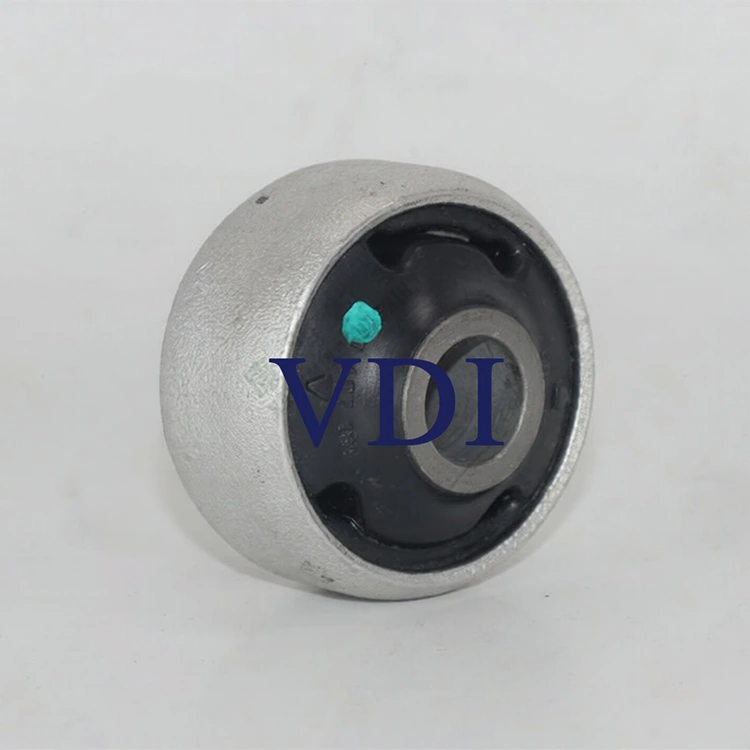
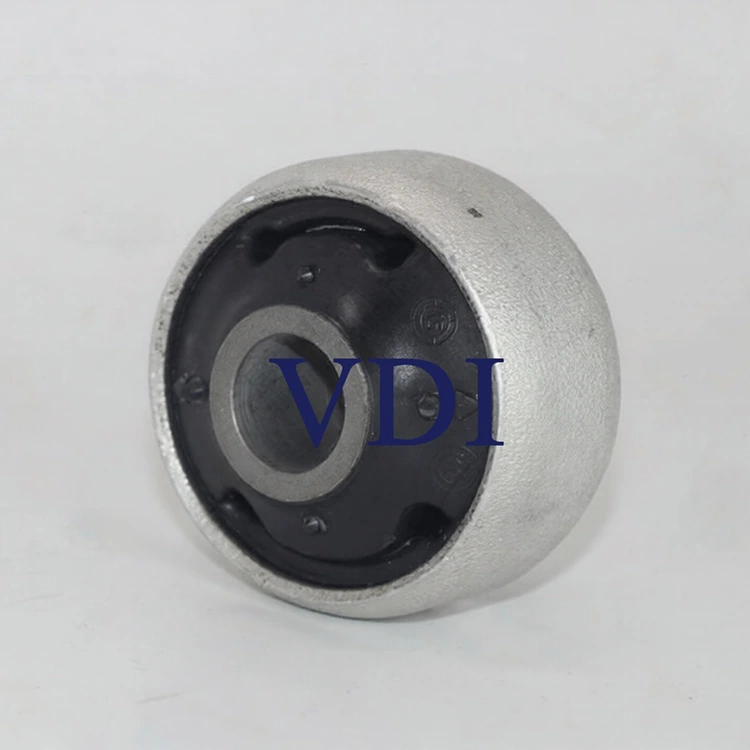
The VDI Control Arm Bushing 191407181A has a sturdier design that significantly reduces early deterioration of ball joints, control arms, and various suspension parts—safeguarding your whole suspension system and decreasing total repair expenses.
191 407 181 B
191 407 181 D
191 407 181 E
357 407 181
VW AMEO/CADDY II
GOLF II/III/JETTA II
PASSAT B3/B4
POLO III/VENTO
SEAT CORDOBA/IBIZA II
INCA/TOLEDO III
●VDI Control Arm Bushing 191407181A provides enhanced steering precision and increases driving assurance—transforming every journey into a more pleasurable experience.
●Designed using rubber with a higher hardness rating, this bushing lessens flex under pressure, considerably decreasing steering delay and alterations in suspension alignment.
●What does this lead to? More acute, consistent steering responses that maintain your car's agility and reliability.
●Regardless of whether you are navigating through urban congestion or enjoying winding mountain routes on weekends, you will appreciate the accurate, “linked” control that turns driving into an enjoyable activity—making it not just a task, but a genuine delight.
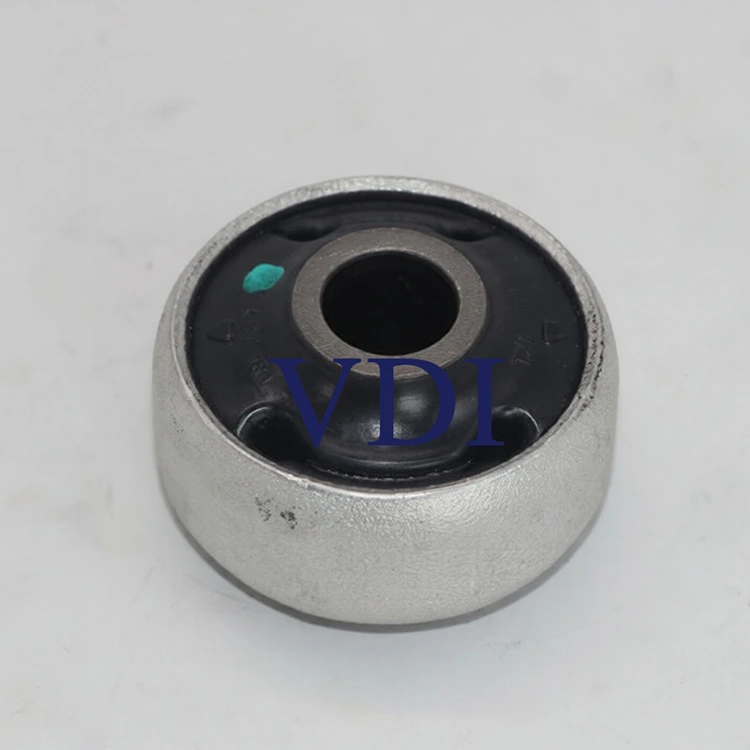
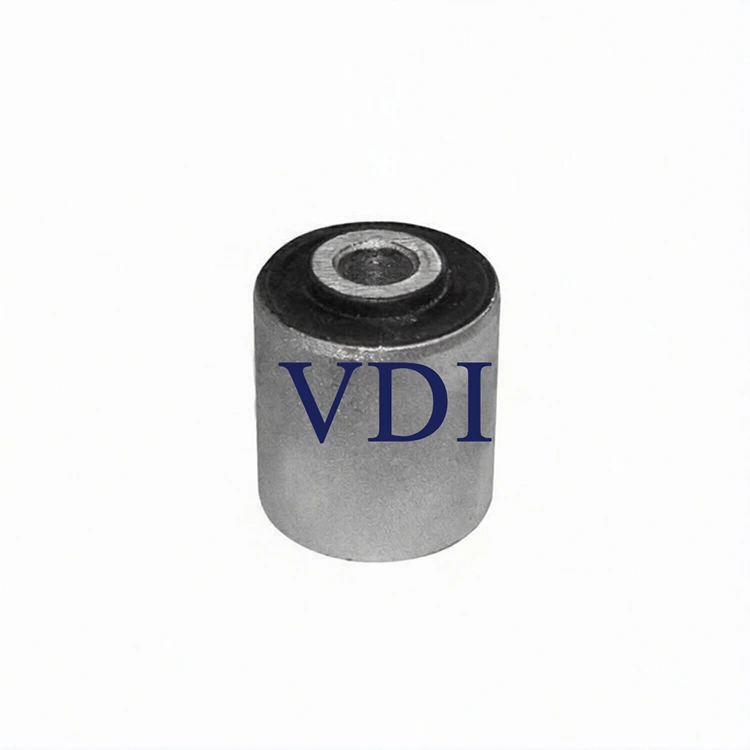
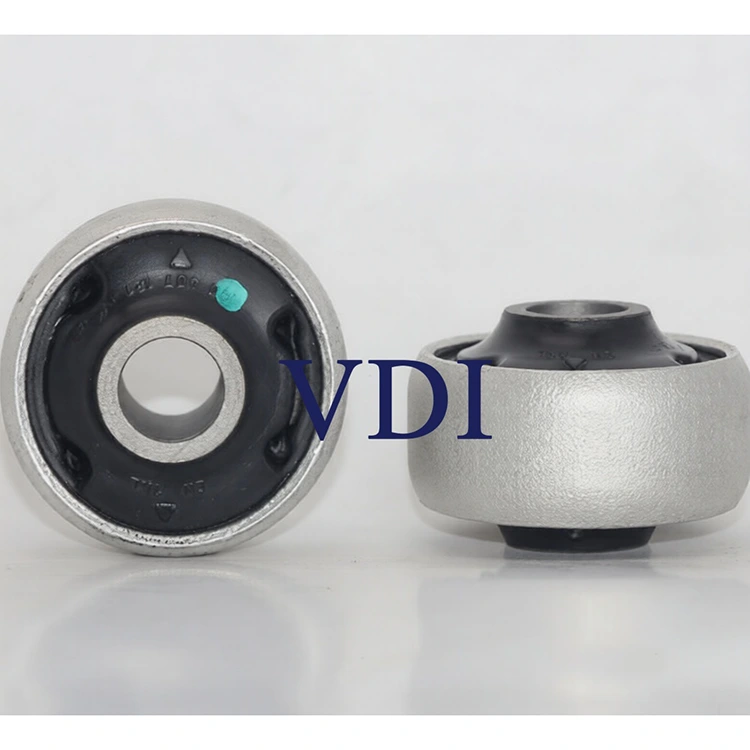
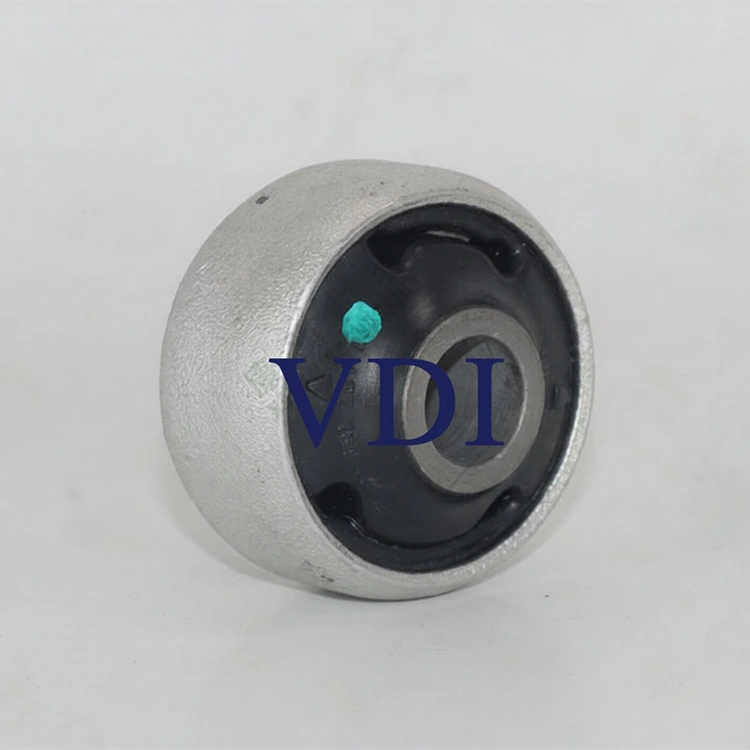
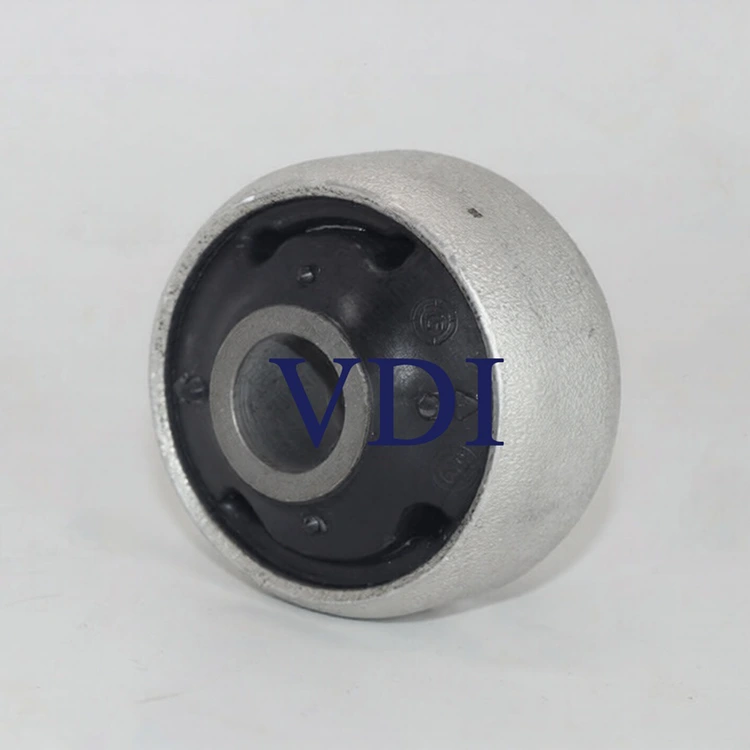
Control arm bushings might be small, but they’re essential to how your suspension performs. Most cars leave the factory with rubber bushings—they’re quiet, comfortable, and do a solid job under normal use. When you step up to performance parts, you’ll often see upgraded rubber blends or full polyurethane designs. These go in where the control arms meet the subframe or chassis, soaking up bumps, cutting vibration, and letting the arms pivot smoothly without throwing off your steering feel. In short, they help keep your wheels aligned and your car tracking straight and stable.
But when bushings wear out, it’s not just about noise or a rougher ride. Excessive play can make steering feel vague, chew through tires faster, and put extra strain on ball joints and tie rods—issues that, over time, can become safety concerns.
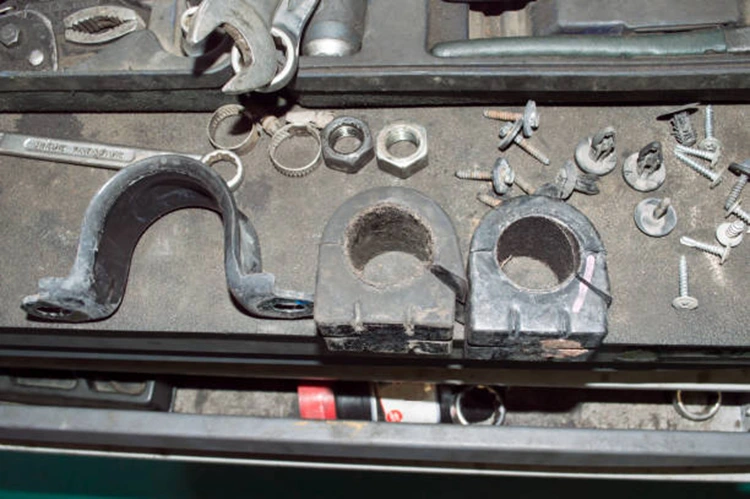
There’s no hard rule—it really depends on your driving habits, local roads, climate, and how much weight your vehicle carries.
●Under typical conditions, OEM rubber bushings usually last 60,000 to 100,000 miles.
●In tougher environments—think constant potholes, heavy loads, road salt, or wild temperature swings from freezing winters to blazing summers—they can start failing as early as 40,000–50,000 miles.
That’s why it’s smart to have them checked during routine work like alignments or tire rotations.
Polyurethane bushings are stiffer and generally last longer than rubber, but they do transmit more road noise and often need periodic greasing at the pivot points. One caveat: in very hot climates—like the Middle East or Southern Europe—polyurethane can harden over time, which may shorten its useful life.
●Vibration in the steering wheel, especially at highway speeds or under braking
●• Clunking or knocking over bumps—usually metal hitting metal where the bushing used to cushion
●Uneven tire wear, often on the inner or outer edges
●Steering that feels loose or “wander-y”; the car may pull to one side
●More body lean in corners and a less planted feel when braking
Ignoring these can lead to bigger problems—like early ball joint failure or reduced braking confidence.
Best done during regular maintenance. If you’re doing a quick look yourself:
1.Lift the car safely and secure it on stands.
2.Find the control arms near each wheel and inspect the bushings where they bolt to the chassis.
3.Look for cracks, tears, dry rot, oil swelling, or rubber pulling away from the metal sleeve.
4.Gently pry the arm near the bushing—if it moves more than about 3 mm (1/8 inch), it’s likely worn.
5.Compare it to a new one if you can—old bushings often look flattened or misshapen.
Never use oil or standard grease on rubber bushings—it causes swelling and breakdown.
Roll over potholes and speed bumps gently instead of slamming into them.
Keep your alignment in spec to avoid uneven stress on the suspension.
If you drive where they use road salt, rinse the undercarriage regularly to fight corrosion.
For polyurethane, follow the manufacturer’s advice—many recommend re-lubing with special grease every couple of years.
Always do both sides at once to keep handling balanced. On most modern cars, the bushings are pressed into the control arm and aren’t sold separately—so you replace the whole arm. And here’s a key detail: torque the mounting bolts only when the car is sitting on its wheels at normal ride height. That way, the bushings seat under real-world load, keeping your alignment and preload correct.
This is general guidance. Always consult a qualified technician for your specific vehicle. A little attention now keeps your car safe and reliable down the road.
For applications where OEM-level reliability matters, parts like the VDI Control Arm Bushing 191407181A are built to meet those demands—delivering consistent performance even in demanding conditions.
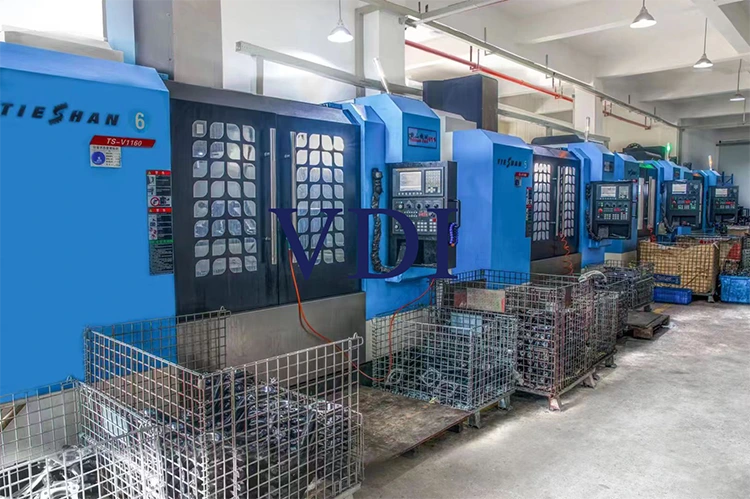
We do not copy; instead, we set benchmarks: The VDI Control Arm Bushing 191407181A aligns with Tier 1 criteria in essential performance areas such as dynamic stiffness and fatigue lifespan, while also achieving a reduced price due to direct manufacturing and automated processes—usually costing less than leading brands with equivalent specifications, and offering tiered pricing based on volume.