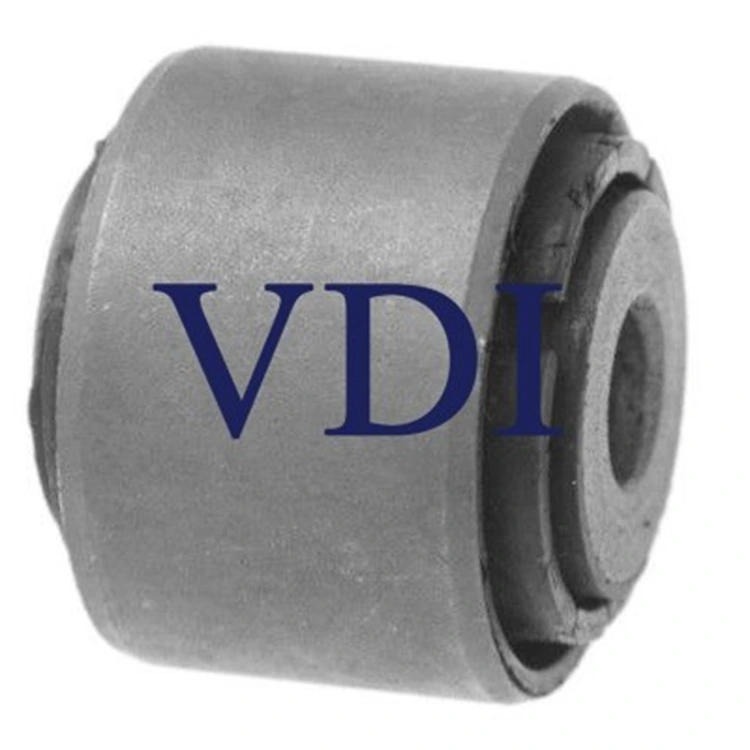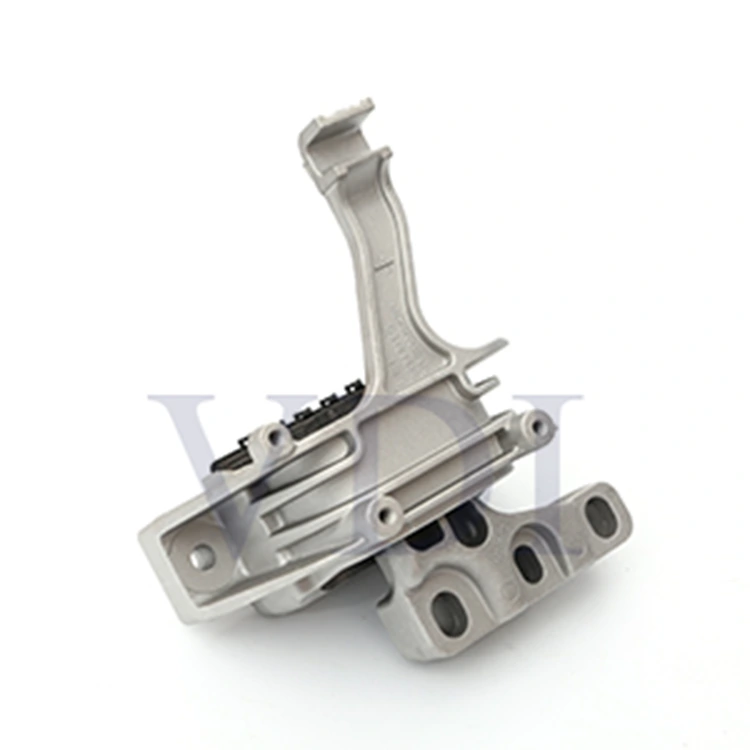

Maybe it’s time we talk about some VDI products that can breathe new life into your tired—and possibly worn-out—vehicle. Remember that moment you first laid eyes on her and just had to take her home? That same look, that stance, that roar—it’s what sparked your original connection.
Sorry, I’m getting a little nostalgic here, but let’s not let that stop us. Yes, it’s absolutely possible to restore your car to its original factory condition—and we’re about to show you how.
One of the frequently ignored parts of the suspension system in numerous automobiles is the bushings. These components are utilized in a range of functions on vehicles, and there exists a vast array of variations suited for numerous applications.
People often inquire, “What exactly is a bushing?”
In simple terms, a bushing serves as a vibration dampener that creates a connection between two separate parts. They aid in absorbing the energy that is transferred between moving components through the bushing itself. This function significantly minimizes the amount of vibration that reaches the passenger compartment of the vehicle. All car manufacturers adhere to NVH standards (Noise Vibration Harshness) that must be satisfied. The design of rubber bushings has been instrumental in achieving these standards for many years. Walter Chrysler was notably influential in promoting the use of rubber mounts. Initially, these rubber bushings were employed as motor mounts, effectively reducing vibration. Fast-forward to today, rubber bushings are found in various places throughout your vehicle.
These rubber bushings are applied in every situation where two parts need to be fixed together, especially where vibration prevention is essential. Here is a short list of some of the most common bushings found in most passenger vehicles:
Alternator bushingsControl arm bushingsShock absorber mountingsSway bar linksTransmission shifterMotor mountsSub frame mounts
· Alternator bushings
· Control arm bushings
· Shock absorber mountings
· Sway bar links
· Transmission shifter
· Motor mounts
· Sub frame mounts
Numerous types of rubber mounts are available in today’s market, yet we will discuss those later. First, let’s examine some of the most prevalent bushings that are factory-installed on vehicles.
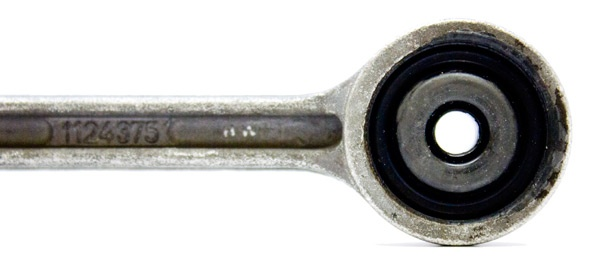
As mentioned previously, manufacturers emphasize ensuring their vehicles comply with essential NVH regulations. Each moving component in your vehicle generates some degree of sound. Your vehicle is equipped with numerous rubber bushings from the factory in locations that are destined to produce noise. The majority of these bushings are associated with your vehicle’s suspension system. One of the frequently failing suspension bushings is the control arm bushing. Depending on the control arm's configuration and the type of bushing, it is not unusual for the original bushing to be filled with liquid. Some motor mounts and sub frame mounts also utilize liquid-filled bushings. These hydro bushings serve the purpose of isolating vibrations and providing a smooth, quiet driving experience. As time passes, the rubber surrounding the liquid filling may become brittle or develop tears from wear, leading to leakage of the liquid. At this stage, you have various choices for replacement components.
"As time passes, the rubber surrounding the liquid filling may become brittle or develop tears."
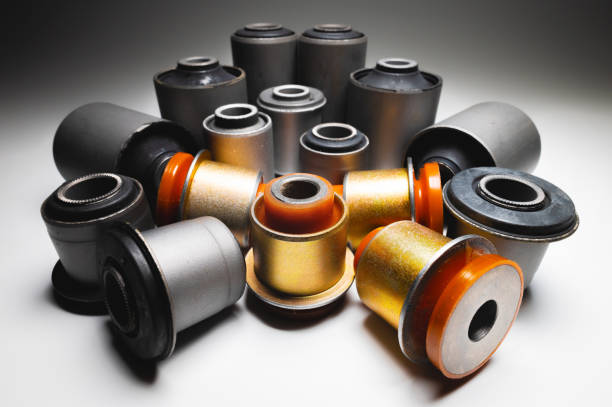
· OEM
· Heavy Duty
· Polyurethane
OEM Replacement: for consistent NVH and seamless functionality
Initially, you can opt to substitute your broken bushing with an OE variant. The reason behind this choice is to maintain that original sensation in your vehicle that we previously discussed. Generally, hydro filled bushings are quite robust and excel at minimizing the transmission of vibrations to the passenger compartment. These bushings are particularly beneficial for luxury automobiles where a refined ride is essential. The most effective way to determine if a hydro bushing has failed is to look for moisture around the mount. If you notice a slick substance leaking around the mount, this is a sure sign that the mount has failed and must be replaced. For this kind of bushing, VDI strongly suggests sticking with a Genuine or OEM component to guarantee proper functionality. We believe that opting for OEM replacements for worn bushings is the best strategy if you aim to uphold your vehicle's performance above anything else. Why alter what engineers dedicated countless hours refining?
Heavy Duty: for enhanced performance and better longevity
You are not always required to use a standard OEM part. This is not necessarily the case at all times. Depending on your vehicle and its specific needs, you may have various alternatives for replacement bushings. One prevalent type of bushing that VDI offers is the heavy-duty option from VDI called VDI HD. These bushings have been redesigned to resolve the problems associated with OEM style bushings. Typically, VDI tackles the challenge by swapping out a fluid filled bushing for a completely solid one. The solid construction VDI incorporates helps to avoid the tearing and warping of rubber throughout your vehicle's lifespan. Essentially, it's a much more robust component that outperforms an OEM counterpart in most aspects. In suspension applications, a solid bushing will provide enhanced road feedback. You may experience a bit more noise over bumps, but we do not find that these bushings increase the car's overall noise level or discomfort while driving. We often recommend VDI HD replacement bushings for drivers who have made some performance modifications or for those who drive on poor roads, as they require increased durability. We strongly propose VDI HD bushing parts for cars that are primarily driven on the street but may occasionally be used on a track as well. Among the three options, we consider the VDI HD choice to be the one that fits most customers best.
"We strongly propose VDI HD bushing components for cars primarily used on the street"
Polyurethane: For maximum performance and longevity
For the highest level of performance compared to factory bushings, selecting polyurethane is your best option. Polyurethane boasts greater durability than any type of standard rubber bushings and minimizes flex. Consequently, polyurethane bushings are particularly well-suited for suspension uses where reduced flex is desirable. Customers frequently choose poly bushings due to their toughness and the performance improvements gained from using suspension bushings that exhibit less flex. Beyond suspension bushings, many individuals also opt to upgrade their motor and transmission mounts to polyurethane. This upgrade effectively decreases drivetrain flex and provides a much sturdier foundation, which is crucial for high-performance setups.
"We generally advise against their use in most situations for vehicles driven on public roads."
In spite of the numerous advantages of polyurethane bushings, a few limitations exist. Firstly, polyurethane has a rigid nature. While stiff bushings enhance performance, they also fall short regarding NVH evaluations. In comparison to rubber, polyurethane is almost solid and does not absorb or dissipate vibrations as effectively. Furthermore, polyurethane exhibits minimal flex. Proper lubrication is essential for polyurethane to prevent squeaking issues, particularly if the bushings are installed incorrectly. Sometimes, applying grease or lubricant to poly bushings becomes necessary, which complicates the installation process. Given the natural rigidity of polyurethane, we usually do not advocate their use on vehicles regularly driven on the streets in most instances. Often, we observe that this results in many vehicles experiencing a chattering sensation and feeling "nervous," especially when navigating rough roads. Nevertheless, certain situations where polyurethane may be beneficial for daily-driven cars include shifter bushings, alternator mounts, and sway bar bushings. Using poly bushings in these specific cases will improve durability without significantly impacting NVH levels.
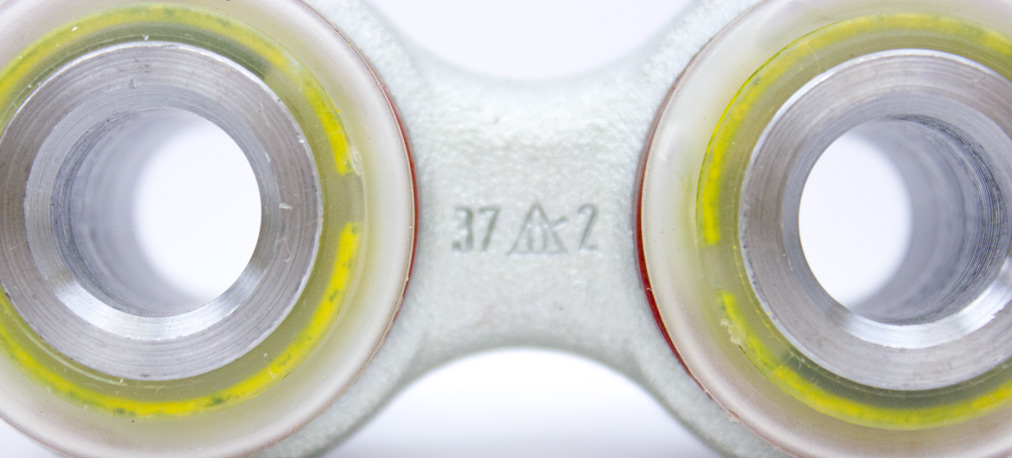
There exists one additional kind of bushing on the market, although we advise their use strictly for racing situations. Solid bushings are literally what their name implies; they are solid. Typically made from either billet or solid aluminum, they provide no flexibility. As a result, they deliver exceptional rigidity and durability over time. Nonetheless, they produce significant noise and have the potential to harm a regular car since they are unsuitable for everyday use. The takeaway from this is to avoid solid mounts unless your intention is to construct a racing vehicle.
| Feature | OEM Rubber Bushings | Performance Polyurethane | Solid Metal / Race Bushings |
| Advantages(Pros) | • OEM Ride Quality• Quiet Operation (Low NVH)• Factory Standard Fitment | • Heavy-Duty Design• Enhanced Handling• Off-Road Capable• Cost-Effective Upgrade | • Zero Deflection• Max Performance• Extreme Durability |
| Disadvantages(Cons) | • Standard Lifespan• Hydro Bushings Leak Risk• Higher Replacement Cost | • Increased Road Noise• Stiffer Ride Feel• May Require Greasing | • High NVH (Very Noisy)• Frequent Maintenance• Harsh Ride Comfort |
| Application(Best For) | • Daily Drivers• Stock Suspension• Comfort Seekers | • Street Performance• Enthusiast Builds• Track & Street | • Race Cars Only• Maximum Stiffness• Competition Use |
Now you are aware that multiple options exist for your automobile regarding replacement bushings. Your choice should ultimately reflect your requirements and anticipated outcomes. We trust that you have gained a better understanding of the materials used for bushings and what is currently offered in the marketplace. Welcome to order the VDI Suspension Bushing 4FD399415.