
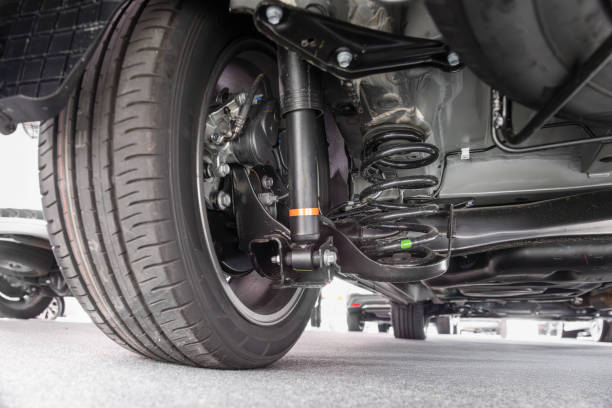
Without the suspension system in your vehicle, every journey would be jolting and unpleasant. Even on well-paved surfaces, your suspension permits your automobile to tilt and sway. Although the body and powertrain of your vehicle are generally securely attached to the chassis, the drivetrain is less rigidly attached, allowing for some flexibility. Bushings permit restricted movements, like those in control arms. Ball joints provide even more range of motion, such as those found in the steering knuckle. Since your car's suspension is highly active on smooth surfaces, but considerably less so when encountering potholes and uneven back roads, it's understandable that components may wear down or fail.
Typically, malfunctions happen at the most vulnerable areas, where they connect to additional parts, but they will not simply detach. Rather, you will perceive sounds and thuds through your sense of touch and hearing. What methods can you use to identify noises, thuds, and creaks in your vehicle's suspension? Here are three suggestions to simplify the identification of vehicle suspension sounds.
When driving, pay close attention to the noises produced by your vehicle's suspension as you encounter bumps, manhole lids, potholes, or speed bumps. By concentrating closely, you should be able to discern two important details: the type of problem and its exact position.
Hearing sounds only when driving over rough surfaces like potholes or manhole lids may imply that there is a problem with the sway bar or its links. If the noise from the suspension is noticeable solely in the right front area (the passenger-side front) while going over a bump, this could indicate a complication within that section of the suspension, potentially involving the control arm bushing, ball joint, or wheel bearing.
Use your hands to check for any loose parts in the steering and suspension system. A clanking feeling in the steering when braking might signal problems with the tie rod ends or ball joints. Should the steering wheel shake after navigating a bump, it could suggest a malfunctioning steering damper or worn-out front shock absorbers.
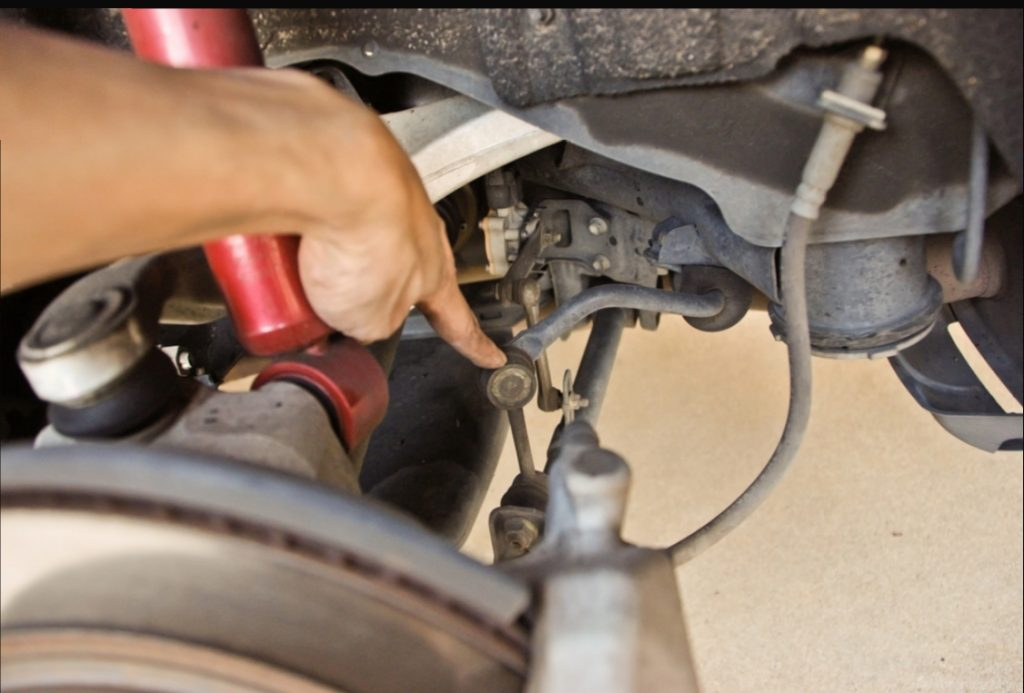
Wiggle Examination – Increased Sensitivity After you have pinpointed the general area of the suspension sound, you can proceed to a more interactive approach. With the car either on the ground or elevated on ramps, move the wheels side to side, up and down, and at angles. Should you detect any give or notice unusual sounds, use your hands to feel for any loose parts. Move the steering wheel in both directions while checking for play around the ball joints and tie rod ends. While bouncing the vehicle, palpate the area around the mounts for struts and shock absorbers.
When the vehicle is raised and supported on jack stands – ensure that you never place any part of your body beneath a vehicle only held up by a jack – repeat the wiggle examination. When unloaded, the ball joints and bushings may behave differently, exposing their vulnerabilities. Shaking the sway bar could indicate issues with the sway bar links or the bushings associated with the sway bar.
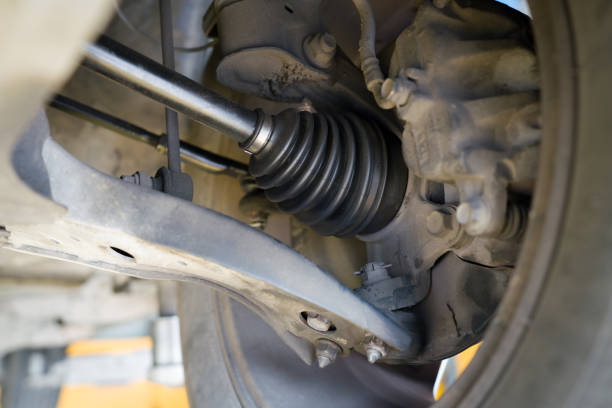
At last, utilize a flashlight to inspect all the moving parts. Issues such as oil leaks, deteriorated boots, broken bushings, and dripping shocks can result in significant complications. While usually, your hands and ears suffice for this inspection, having an extra pair of hands can simplify the process, and using a mechanic’s stethoscope might enhance your capacity to identify issues.
When it comes to detecting noises from the vehicle's suspension, including clunks and squeaks, being observant and thorough is essential. Determine the issue prior to swapping out any parts, as this will allow you to complete the job quickly and effectively.
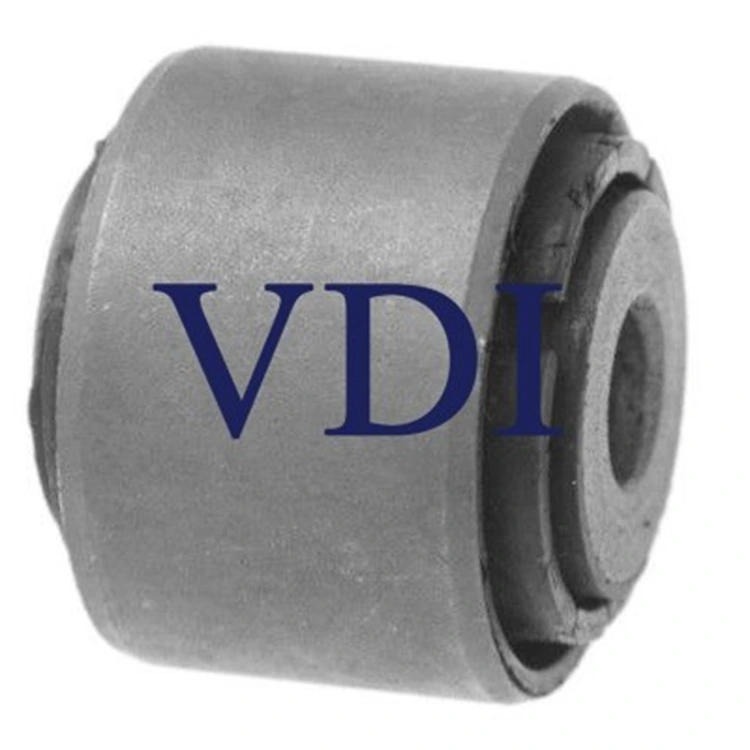
Welcome to order the VDI Suspension Bushing 4FD399419.