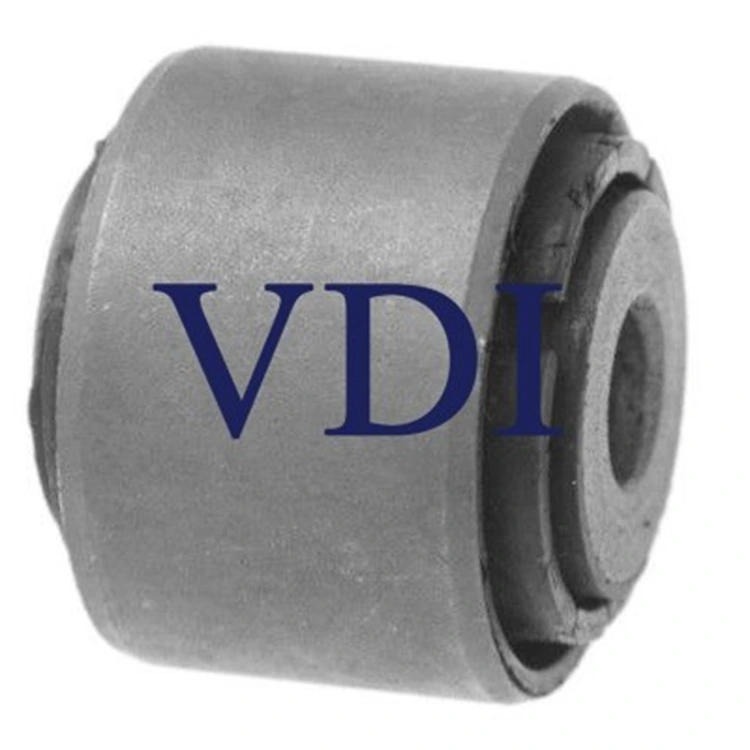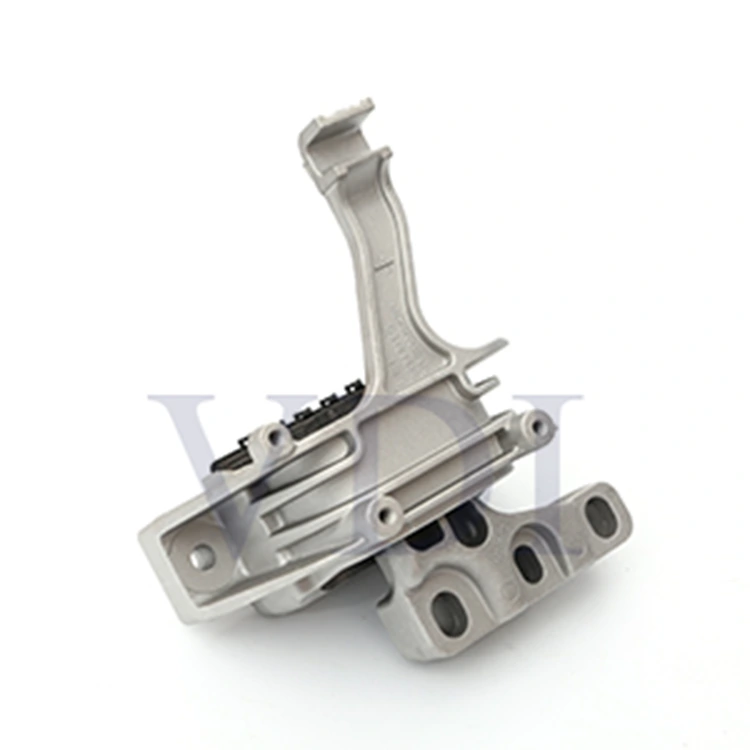

When your car is acting strangely, your transmission mount could be loose. The transmission mount is a crucial component of your vehicle’s powertrain that is responsible for firmly securing the transmission in place and absorbing engine vibrations that occur during driving. When it becomes loose, it can create a variety of issues with your car’s performance and safety, potentially leading to more severe mechanical failure if you don’t take immediate action. Be sure to look out for these signs your transmission mount is loose, and if something is out of the ordinary, take action sooner rather than later.
The primary function of the powertrain mount is to absorb vibrations, ensuring a smooth ride quality. When the mount is secure and functioning properly, it prevents riders from feeling these chassis vibrations inside the vehicle. However, if you begin to notice stronger steering wheel vibrations than usual—especially at highway speeds or when the engine is under load—you might have a loose or degraded mount. These vibrations can cause significant driver discomfort and, over time, may affect other sensitive internal components. This loose mount could even potentially lead to early wear and tear, impacting your car’s longevity and fuel efficiency.
A bad transmission mount can result in the gearbox shifting position and coming into contact with the subframe, producing loud clunking noises or banging sounds. These annoying noises are often noticeable when: accelerating, decelerating, driving over speed bumps, or driving on uneven surfaces. These sounds suggest possible damage to other components, such as the exhaust system or suspension parts. If you ignore these noises, your transmission shifting around could lead to costly transmission repairs, compromising the overall vehicle integrity.

Having trouble with rough shifting is another sign of a failing mount. Potential drivetrain misalignment can increase wear on the gearbox and other elements, including the gear linkages. If you don’t address these problems promptly, you could start noticing significant damage and expensive repair costs. This difficulty also affects driving performance, making it challenging to accelerate or decelerate effectively in traffic.
A loose mount causes excessive movement and strain on the transmission cooler lines, potentially leading to fluid leaks. Transmission fluid is crucial for lubricating and cooling the system. Unfortunately, these leaks can lead to an overheating transmission, causing further internal damage. You will likely notice leaking fluid on your driveway before experiencing extensive engine damage.
Excessive engine movement while driving, particularly during gear shifts, indicates an issue with the mount. The mount stabilizes the drivetrain alignment. Once it is loose, more engine movement can damage radiator hoses and electrical wiring, compromising your car’s overall performance and safety standards.
A loose mount can cause the transmission to scrape against the chassis, producing persistent grinding sounds. These sounds are more pronounced during turns, indicating potential damage to surrounding components. If you ignore these sounds, your car will become unsafe to drive and expensive to fix.
Sudden jerks during acceleration or deceleration might result from a broken transmission mount. This looseness disrupts drivetrain smoothness, leading to increased driver fatigue and extra stress on CV joints and axles. These movements affect cabin comfort and cause premature wear of other parts.
A loose mount allows the engine to move beyond normal limits, creating excessive engine bay noise. This noise may be constant or intermittent, often intensified by vibrations. Excessive noise here is a symptom of a deeper mechanical issue.

A misaligned drivetrain due to a loose mount can lead to uneven tire wear. This happens because the tires are not making consistent contact with the road, altering vehicle handling and reducing traction. This leads to premature tire replacement and higher maintenance costs.
Another sign is transmission fluid visible on the rubber bushings. Regular undercarriage inspections are crucial. Fluid signifies excessive movement, which deteriorates the mounts. Addressing these leaks early can extend the life of your transmission system.
Exposure to moisture and road salt can cause mount corrosion. This weakens the structure, leading to the mount coming loose. Routine inspections help you spot rust before it causes a total mounting failure.
Noticing any visible damage, such as cracks or breaks, is a clear indication that an OEM replacement is necessary. Ignoring major deformities will jeopardize your safety. Proactive measures keep your vehicle running safely and efficiently.
For modern vehicles with hydraulic mounts, look for black oily residue around the mount, as this signifies internal seal failure. You can also perform a "torque test" by applying the brakes and lightly revving the engine in gear; if the engine lifts excessively, your mounts are compromised.
A loose transmission mount creates various performance issues, so do not ignore these signs. Whether it’s a DIY repair or a visit to a mechanic, timely action is key.
Welcome to purchase the VDI Transmission Mount 6Q0199555AC.