
The automotive industry is undergoing a profound transformation, with sustainability at its core. Electric vehicles (EVs) have emerged as a key player in this shift towards eco-friendly transportation. In this article, we will delve into the cutting-edge innovations in EV components that are not only reshaping the automotive landscape but also contributing significantly to a green future.

Advanced Battery Technology: Lithium-ion batteries have been the workhorse of electric cars, but the quest for improved performance continues. Researchers are focusing on enhancing energy density, charging speed, and battery lifespan. Solid-state batteries, with their potential for higher energy density and improved safety, are poised to revolutionize EV power storage. Beyond solid-state, advancements in lithium-sulfur and lithium-air battery technologies are being explored, promising even greater energy storage capacities and reduced environmental impact.
High-Efficiency Electric Motors: Electric motors are crucial for the propulsion of EVs, and ongoing innovations aim to make them more efficient and compact. Permanent Magnet Synchronous Motors (PMSM) and Asynchronous Motors (ASM) dominate the market, but new contenders like axial flux motors are gaining attention. Axial flux motors offer a more compact design, allowing for greater power density and efficiency. This innovation is particularly promising for performance EVs, where reducing weight and size while maintaining high performance is a constant pursuit.
Power Electronics & Semiconductors: The efficiency of electric vehicles relies heavily on power electronics. Wide-bandgap semiconductors, such as Silicon Carbide (SiC) and Gallium Nitride (GaN), are becoming integral to EV power systems, leading to increased energy efficiency and reduced heat generation. Smart power management systems further optimize energy distribution within the vehicle, ensuring that power is utilized effectively and energy losses are minimized.
Charging Infrastructure & Wireless Charging: High-speed charging stations are critical for widespread EV adoption. Continued innovation in EV infrastructure focuses on reducing charging times and increasing accessibility. Wireless charging technology, in particular, is gaining traction, offering the convenience of charging without physical cables. As charging networks evolve, the goal is to create a seamless user experience, eliminating range anxiety and encouraging more individuals to switch to electric vehicles.
Energy Recuperation & Regenerative Braking: Regenerative braking has been a staple in electric vehicles, capturing and converting kinetic energy during braking into electrical energy. This technology continues to evolve, extending beyond braking systems to include other car parts like active suspension systems. The integration of energy recovery into various aspects of the vehicle enhances overall EV efficiency, contributing to an increased driving range.
Sustainable Manufacturing & Materials: The sustainability journey of EVs extends beyond their operational phase to their green manufacturing and end-of-life considerations. Automakers are increasingly incorporating eco-friendly materials, such as recycled plastics and bio-based composites, in vehicle production. Sustainable manufacturing practices, including energy-efficient processes and waste recycling, are becoming industry standards, minimizing the carbon footprint associated with EV production.
Vehicle-to-Grid (V2G) Technology: The concept of Vehicle-to-Grid (V2G) integration is gaining prominence, transforming electric vehicles into dynamic contributors to the smart grid. V2G technology allows EVs not only to draw energy from the grid but also to feed excess energy back into it during peak demand. This bidirectional flow of energy enhances the stability and reliability of the electric grid, making EVs active participants in the broader energy ecosystem.
In conclusion, the innovations in EV components are propelling the auto industry into an era of sustainability and environmental consciousness. With ongoing R&D, electric vehicles are becoming more than just an alternative to traditional cars—they are shaping the future of mobility. The convergence of advanced battery tech, efficient electric motors, smart power electronics, and sustainable manufacturing is paving the way for a greener automotive landscape. As these innovations continue to mature, EVs are poised to play a pivotal role in achieving a clean transportation future.
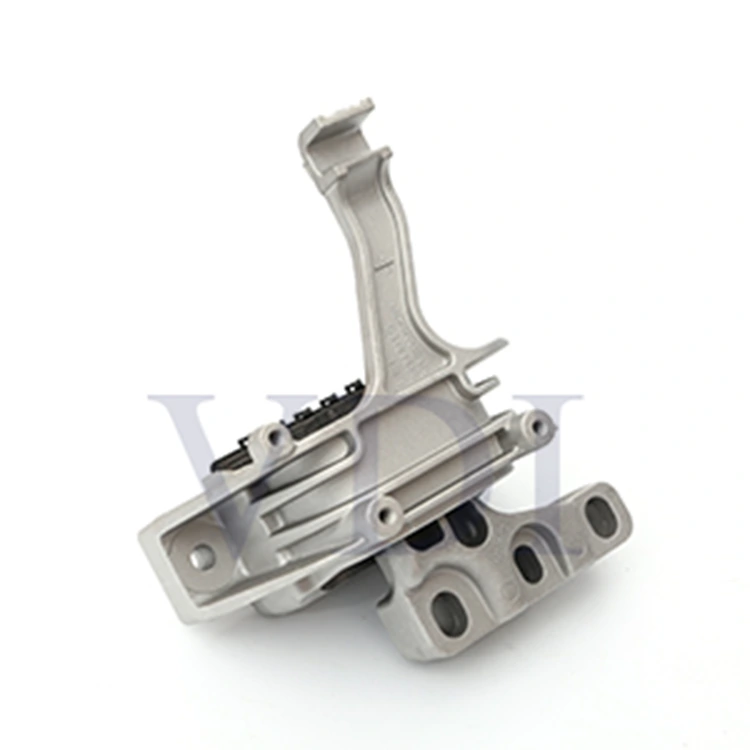
Welcome to purchase the VDI Transmission Mount 1K0199555Q.