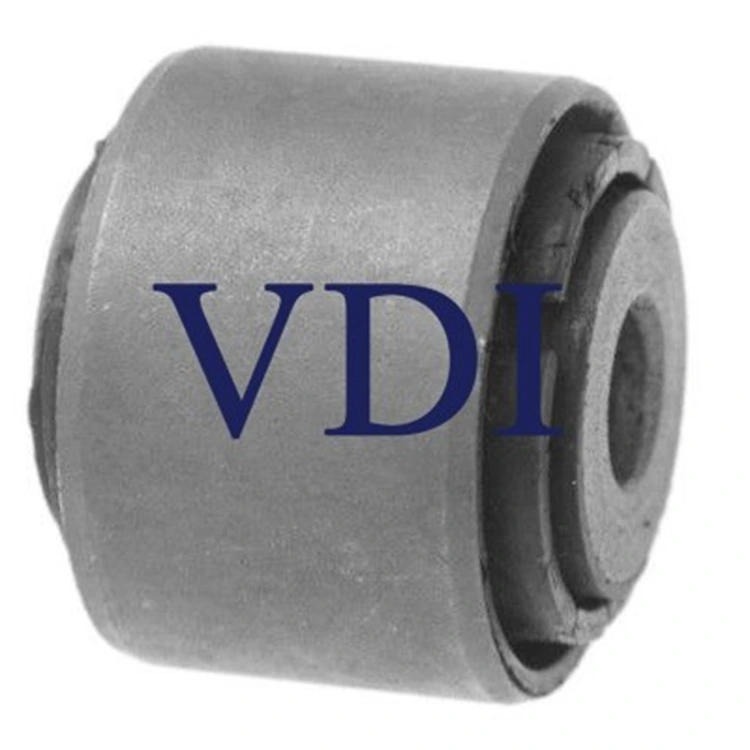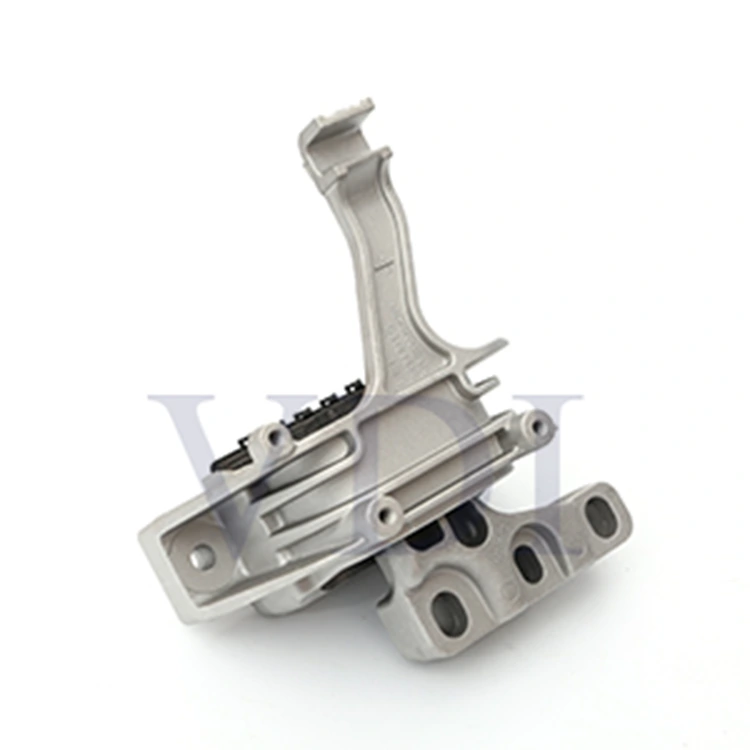

Your engine mounts and transmission mounts are small but vital components that stabilize your vehicle’s powertrain. These mounts secure the engine and transmission to the vehicle’s chassis frame, absorb engine vibration, and maintain proper alignment. When they begin to fail, minor symptoms can quickly escalate into major mechanical issues.
Here are six common problems caused by worn or broken motor mounts and transmission mounts.

One of the earliest signs of bad mounts is vibration. You may feel it through the steering wheel, driver’s seat, or floorboards, particularly when idling or accelerating. Mounts are designed to isolate engine movement; when they fail, vibrations transfer directly into the chassis. Ignoring this can reduce driving comfort and eventually loosen other components.
A broken mount allows the engine or transmission to shift slightly under load. This movement creates a distinct clunking noise or jolt when you accelerate or change gears. If these sounds occur consistently, it’s time to inspect the mounts. The noise often worsens as the rubber deteriorates or separates completely.
Worn mounts can cause the engine and transmission to sit unevenly, leading to drivetrain misalignment. This affects vehicle balance and handling, potentially causing the car to pull to one side during hard acceleration or braking. Misalignment also places extra strain on the suspension system and drivetrain components.
Excessive engine movement stretches connected hoses, wiring harnesses, and brackets not designed for flexing. Over time, this leads to cracked hoses, frayed wires, or broken plastic clips. These secondary failures typically appear after prolonged mount wear.
In automatic vehicles, faulty transmission mounts can cause rough shifting. The transmission may "clunk" into gear or engage slowly. In some cases, movement stresses transmission fluid lines, leading to leaks or shifting irregularities. Even if the transmission is healthy, a bad mount can mimic internal transmission problems.
When mounts fail, other components bear the load. The engine may sag, stressing joints and brackets, while the transmission may misalign with the driveshaft. This unnecessary stress damages parts never designed to flex, leading to repairs far costlier than simple mount replacement.
Symptoms like vibration and clunking noises are obvious indicators. However, some signs develop gradually. A technician can inspect mounts for visible cracks, sagging, or separation. Note that some mounts may look intact but have collapsed internally under load. Early detection ensures easier and more affordable repairs.
Welcome to purchase the VDI Transmission Mount 8D0399151J.