
The design of an automotive body structure is dictated by a balance between regulatory compliance (safety and emission standards) and consumer demands. Leading Original Equipment Manufacturers (OEMs) prioritize advanced materials that offer lightweighting capabilities, cost-efficiency, passenger safety, and recyclability.
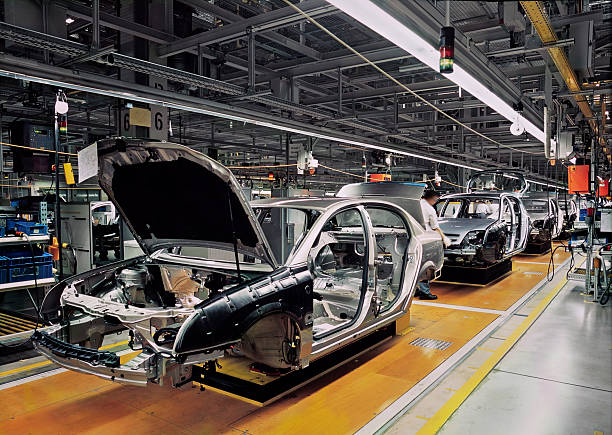
High-Strength Steel (HSS): Material selection for the Body-in-White (BIW) depends on mechanical properties like tensile strength, manufacturing feasibility, and durability. Advanced High-Strength Steel (AHSS) remains the primary choice for global manufacturers. Innovations in the steel industry have produced grades that are significantly stronger and thinner, enabling weight reduction without compromising structural integrity. Beyond the chassis and frame, steel is essential for engines and suspension systems due to its cost-effectiveness and superior crash energy absorption.
Aluminum Alloys: The adoption of aluminum in the automotive supply chain has surged, particularly for Electric Vehicles (EVs). Utilizing aluminum can reduce vehicle weight by up to 30-50% compared to traditional steel. While its corrosion resistance is a major advantage, its lower Young's modulus requires precise re-engineering to ensure equivalent stiffness. Modern Giga-casting techniques now allow manufacturers to integrate multiple aluminum components into a single large casting (e.g., rear underbody), streamlining production and enhancing performance.
Magnesium and Lightweight Metals: Magnesium is gaining traction as the lightest structural metal, being 33% lighter than aluminum. To overcome its inherent low tensile strength and creep resistance, magnesium is typically utilized in alloy forms (such as the Mg-Al-Zn series). It is increasingly used for instrument panel beams, steering columns, and gearbox housings where high weight savings are required.

● Vehicle Lightweighting: Reducing curb weight is the most effective way to lower carbon emissions and extend EV driving range. A 10% weight reduction typically yields a 6-8% improvement in energy efficiency.
● Economic Viability: Cost-per-pound remains a critical KPI. While aluminum and magnesium offer better performance, their higher raw material costs must be justified by improved functionality or simplified assembly.
● Safety & Crashworthiness: Modern vehicle architectures focus on energy management during impacts, ensuring maximum protection through controlled deformation and penetration resistance.
● Circular Economy: With global sustainability regulations tightening, the use of recycled aluminum and green steel is becoming a standard requirement to minimize the environmental footprint of vehicle production.
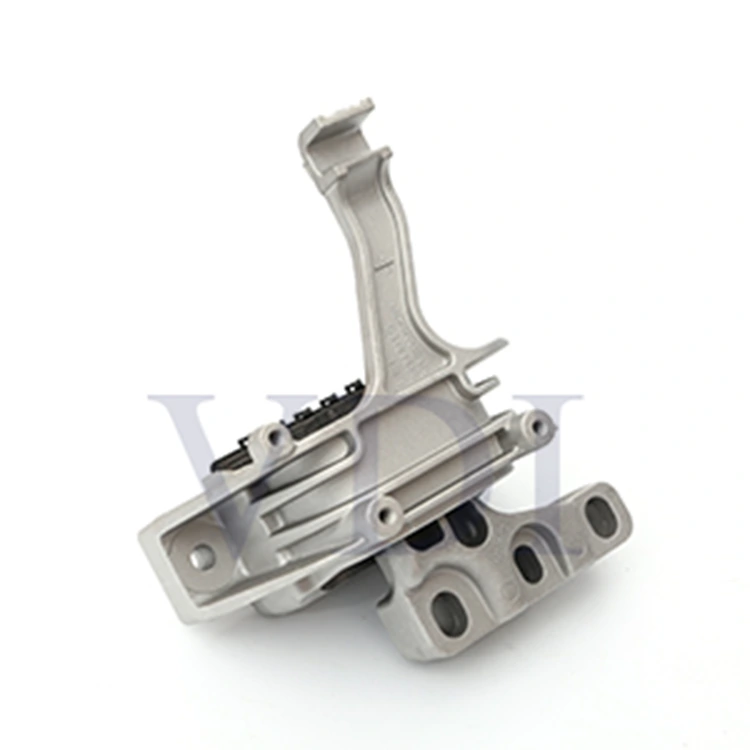
Welcome to purchase the VDI Transmission Mount 1K0199555AC.