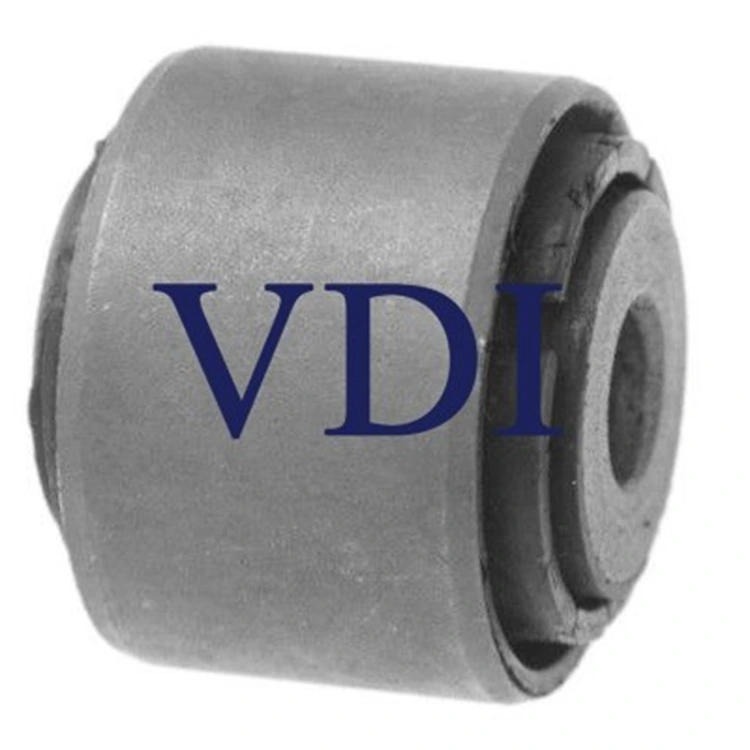

There are two main types of automatic transmissions: hydraulic-mechanical and electronic. Older mechanical units use engine speed, throttle cables, governors, and valves to shift gears. Modern electronic automatic transmissions use engine RPM and sensor inputs to control solenoids, which route internal fluid pressure to shift gears. Key inputs include throttle position, engine load (vacuum), vehicle speed, and other data sent to the Transmission Control Module (TCM) or Powertrain Control Module (PCM). The TCM may be mounted on the transmission, in the engine bay, or integrated with the PCM. It often communicates with the ABS and traction control systems to adjust operation as needed.
Most automatic transmissions connect to the engine via a torque converter, a fluid coupling mounted on the flywheel. It transfers and multiplies engine torque to the transmission, acting like reduction gears. Inside, a three-piece set of blades (turbine, stator, and impeller) moves fluid to drive the input shaft and planetary gears. Most converters feature a lockup clutch, engaged by an electronic solenoid valve. This physically couples the engine and transmission in higher gears to eliminate slippage, improving fuel economy. Some newer models use an electromechanical clutch. The torque converter holds about one-third of the total Automatic Transmission Fluid (ATF). A faulty converter causes poor acceleration and may lead to engine stalling. For performance applications, high-stall torque converters are available to improve off-the-line acceleration, though they may reduce fuel efficiency.
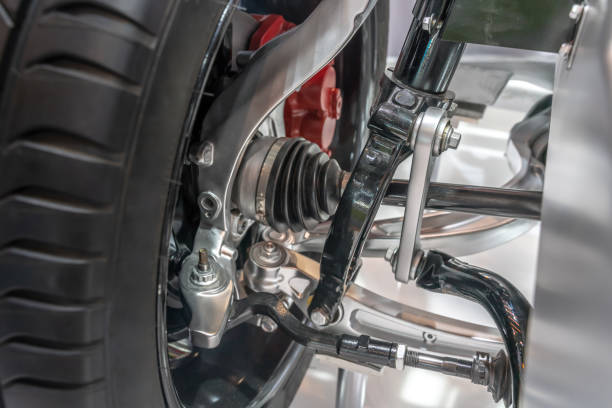
Troubleshooting automatic transmission problems requires an OBD2 scan tool to read diagnostic trouble codes (DTCs) and a pressure gauge to monitor line pressure. Internal issues usually require a transmission rebuild or replacement. While specialists handle most rebuilds, individual components like filters, gaskets, and seals are widely available from aftermarket sources. When replacing a transmission, related parts such as engine mounts, transmission mounts, U-joints, CV joints, and half-shafts may also need replacement.
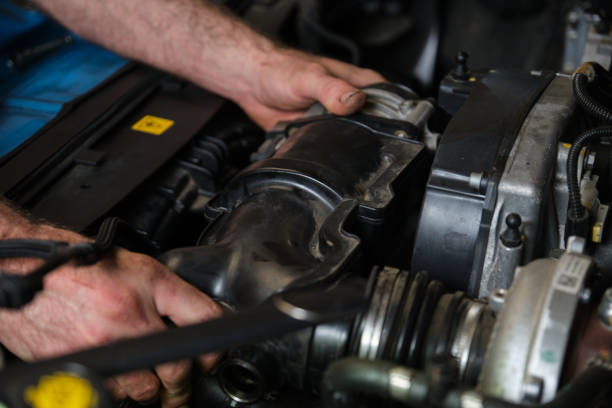
Most transmission failures stem from fluid breakdown. ATF lubricates the system, carries hydraulic pressure for shifting, and transfers torque within the converter. ATF is a lightweight mineral or synthetic oil with specific additives and friction modifiers defined by the manufacturer. Over time, ATF oxidizes and degrades, leading to failure. Regular ATF changes extend transmission life. While many new vehicles use "long-life" ATF (rated for 100,000+ miles), severe conditions like towing, aggressive driving, or extreme temperatures cause premature breakdown, requiring earlier changes.
Using the correct ATF type is crucial. Many automakers have specific requirements (e.g., Dexron, Mercon, ATF+4). Using the wrong fluid causes shifting issues and potential failure. If using a "universal" fluid, ensure it meets the OEM specifications. Always replace the transmission filter and pan gasket during a fluid change. Leaks may require replacing input/output shaft seals. The ATF cooler, typically located inside the radiator, regulates fluid temperature. A leak here can mix coolant and ATF ("strawberry milkshake"), causing severe damage. For heavy-duty towing, installing an auxiliary ATF cooler is highly recommended.
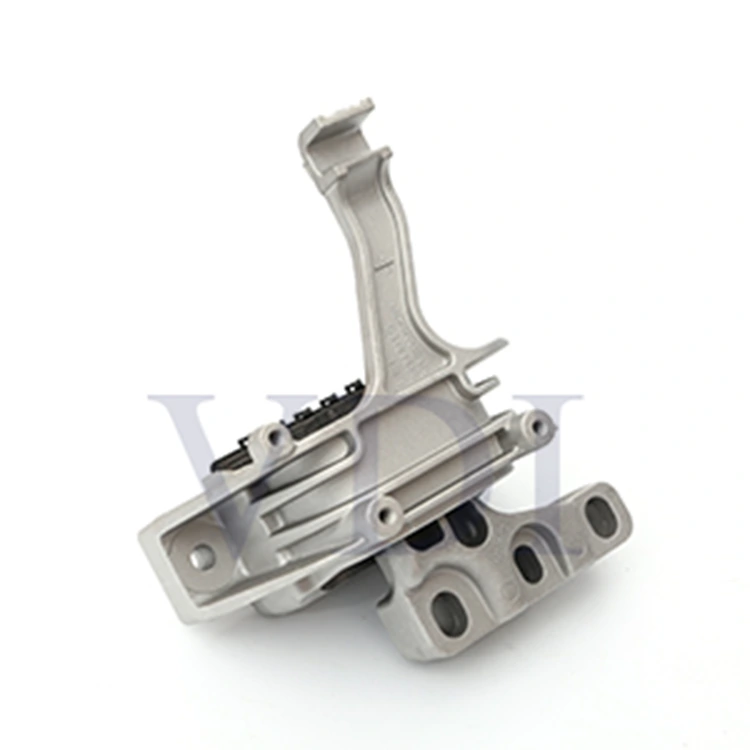
Welcome to purchase the VDI Transmission Mount 8D0399151H.