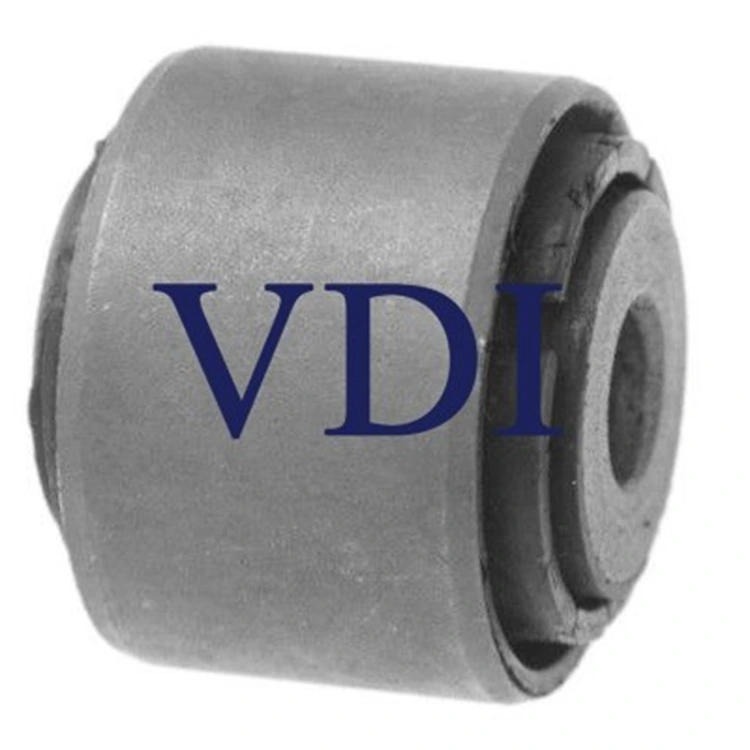

Control arm bushings are required to function dependably in a broad temperature spectrum, which includes freezing winter environments to high heat near engine areas or warm road surfaces during the summer season. The VDI Control Arm Bushing 191407181A is engineered to meet this exact requirement—formulated with a thermally stable elastomer compound that maintains consistent preload and radial stiffness from -40°C to +120°C, ensuring reliable suspension geometry across all climates.The elastomer substance, generally rubber, used in these bushings has a noticeably greater coefficient of thermal expansion compared to the metal parts that surround it, resulting in noticeable performance variations as temperatures change.
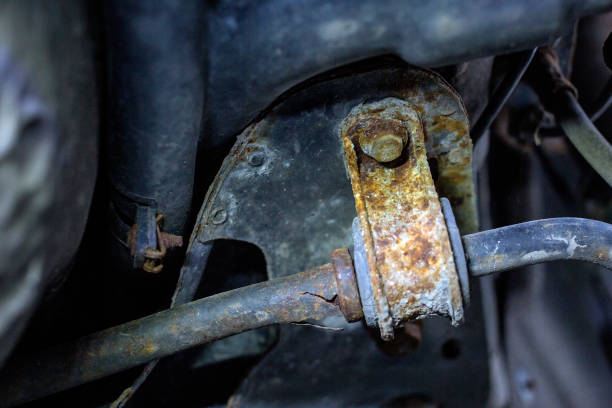
The thermal expansion coefficient for rubber is generally 10 to 20 times higher than that of steel, with standard rubber materials exhibiting a range of about 150 to 250 × 10⁻⁶/°C, while steel has a value of roughly 12 × 10⁻⁶/°C. This significant difference indicates that when temperatures increase, the rubber core expands in volume significantly more than the metal sleeve or inner insert does. In areas with high temperatures—like close to the engine compartment (where temperatures can surpass 100°C) or on roadway surfaces exceeding 60°C in warm climates—the bushing experiences a noticeable increase in volume.
This increase in temperature leads to immediate mechanical effects. The elastomer exerts outward pressure on the rigid metal casing, which lessens the starting preload (compressive interference fit) that keeps the bushing in a tensed position. As the preload drops, the radial stiffness diminishes since the elastomer can more readily deform when lateral forces are applied. Consequently, there is a noticeable decline in the accuracy of suspension geometry: greater movement in the control arm, minor alterations in camber and toe angles, and diminished lateral stability during turning or braking. In severe instances, excessive thermal expansion might even lead to the elastomer bulging slightly from the metal casing, which accelerates edge wear.
Prolonged exposure to high temperatures accelerates the breakdown of materials on a microscopic level. Heat speeds up the collapse of polymer chains and lowers the density of cross-linking in the vulcanized rubber framework. This occurrence may lead to either hardening (as a result of increased cross-linking or oxidative degradation) or softening (due to the cutting of chains and the displacement of plasticizers), depending on the particular compound. Hardening causes increased brittleness and raises the chances of cracking, while softening leads to too much flexibility and faster creep when under pressure.
Various rubber mixtures demonstrate significantly distinct stiffness reduction patterns when exposed to higher temperatures. For instance, compounds made from EPDM (ethylene propylene diene monomer) are designed with a focus on resisting heat and safeguarding against ozone, resulting in a much more gradual decrease in stiffness at elevated temperatures than that observed in natural rubber or styrene-butadiene rubber (SBR). The variations in these thermal stability patterns emphasize the importance of choosing the right materials, especially for automobiles functioning in warm environments or subjected to substantial heat in the engine compartment. The VDI Control Arm Bushing 191407181A leverages an advanced, ozone-resistant EPDM-based compound to minimize stiffness drift and prevent hardening or softening under prolonged thermal stress, making it ideal for demanding thermal environments.
Temperature dependency continues to be a primary obstacle in the design of bushings. Designers are required to find a compromise between flexibility in low temperatures (to prevent becoming overly rigid during cold conditions) and stability in high temperatures (to stop a decrease in preload and geometric consistency when exposed to heat). The choices made regarding material composition, the optimization of shapes, and the selection of bonding methods all contribute to mitigating the negative impacts of thermal expansion and aging, which helps maintain reliable suspension functionality throughout the entire range of operational temperatures.