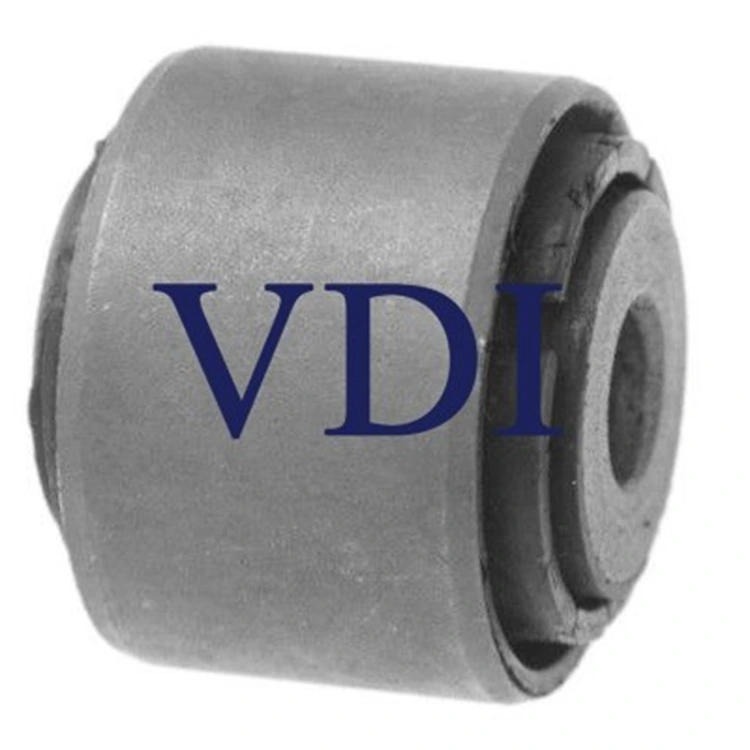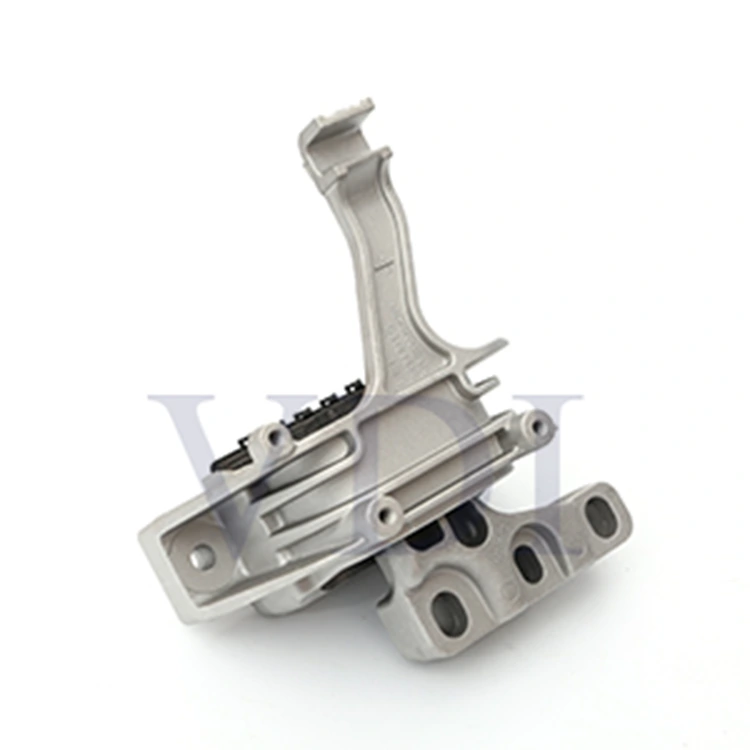

The angle of vehicle tilt (roll angle) when turning is mainly determined by the overall resistance to rolling (roll stiffness) of the suspension system. Roll stiffness refers to how much the suspension resists body movement during side forces, and it results from the combined effects of springs, anti-roll bars, tire sidewall rigidity, and suspension bushings. In this context, the stiffness in the radial direction of control arm bushings is especially significant as a variable factor in the overall roll stiffness calculation.
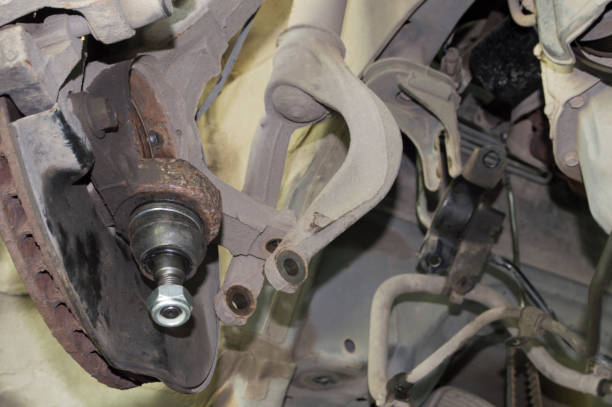
When a vehicle approaches a turn, side forces impact the tires, creating a moment that causes the body to lean away from the turn. The bushings of the control arm, located where the control arm connects to the chassis or subframe, undergo radial stress that is at a right angle to their axis. If the radial stiffness is not very high, the bushing compresses under this stress, which allows for more outward movement of the control arm. This added flexibility significantly lowers the total roll stiffness since the suspension alignment changes more than expected, allowing increased body roll for a specific lateral acceleration.
Conversely, increasing the radial stiffness of the bushings limits this deformation. A stiffer bushing effectively addresses lateral forces, which diminishes unwanted movement of the control arm and consequently enhances the overall roll stiffness. For instance, the VDI Control Arm Bushing 4H0407183 is engineered with precisely tuned radial stiffness to optimize front suspension response, delivering predictable understeer characteristics for enhanced driving safety. Suspension experts regularly apply this characteristic to modify the distribution of roll stiffness between the front and rear axles. By augmenting the radial stiffness in the front while reducing it at the rear, the front suspension can be calibrated to manage roll more efficiently than the rear suspension. This modification creates an intended tendency for understeering, in which the front tires lose traction before the rear tires, resulting in handling behavior that is safer and more predictable for everyday driving.
The capacity to adjust roll characteristics via the radial stiffness of bushings represents an essential resource for suspension engineers aiming to optimize a vehicle's steering dynamics. In contrast to springs or anti-roll bars, which mainly influence vertical and twisting rigidity, bushings provide specific, directional management of side-to-side flexibility. Minor adjustments to radial stiffness—typically accomplished by modifying the hardness of the rubber material, altering the thickness of the walls, or changing design elements like gaps or irregular shapes—can lead to significant variations in understeer behavior without necessitating significant alterations to the suspension framework. The VDI Control Arm Bushing 4H0407183 leverages these design principles, offering a calibrated solution for OEMs and performance tuners seeking refined handling balance through passive bushing technology.
This method is particularly significant in manufactured cars, where it's essential to find a balance between expenses, space limitations, and comfort while driving against performance goals. Accurate distribution of bushing rigidity enables designers to reach targeted dynamic traits while ensuring tolerable levels of separation from road impacts, which makes it a crucial factor in current suspension adjustments.