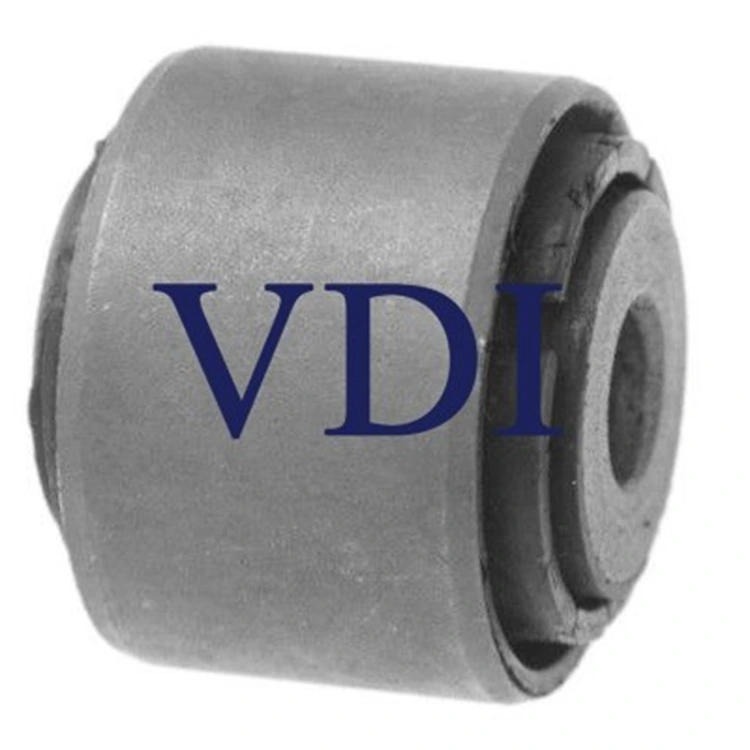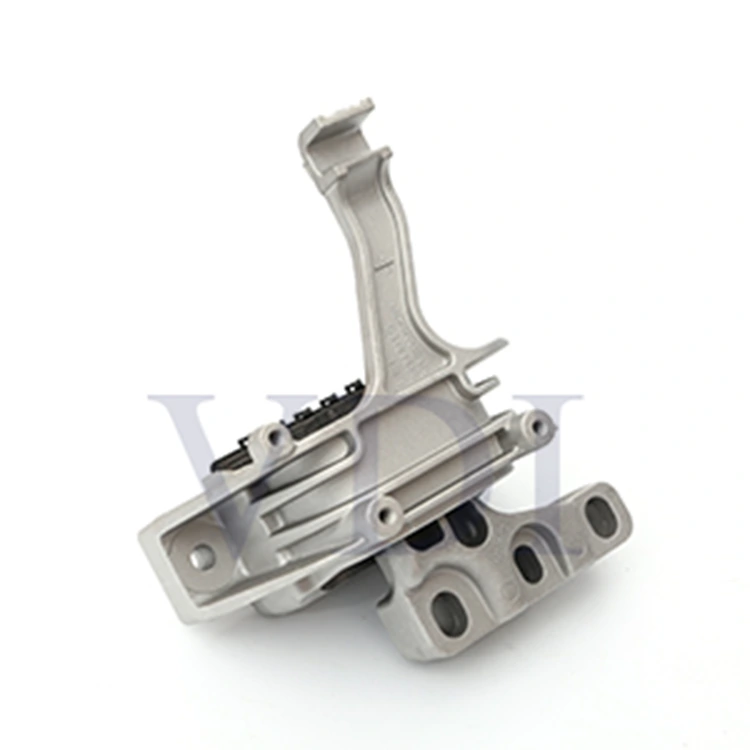

Durability stands out as a vital performance criterion for control arm bushings because they need to endure countless load cycles, harsh environmental factors, and long periods of wear without notable degradation in functionality. To guarantee dependability, producers put bushings through a range of standardized tests designed to evaluate durability, mimicking actual operating scenarios within a compressed timeline. High-specification components such as the VDI Control Arm Bushing 4B0407515 are engineered to meet or exceed these rigorous test protocols, ensuring long-term reliability under extreme conditions.
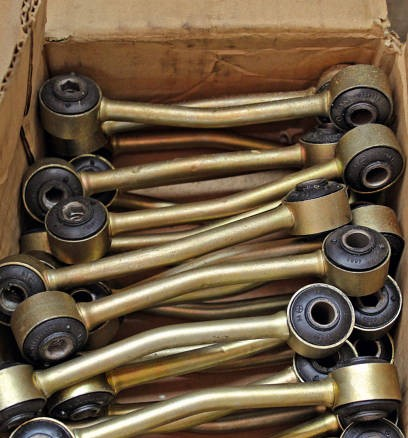
The most prevalent and thorough assessments consist of:
● Dynamic multi-axis fatigue evaluation: Bushings experience combined or sequential radial (perpendicular to the axis), axial (along the axis), and torsional (twisting) stress. These evaluations generally continue for millions of cycles with regulated amplitudes and frequencies to mimic vibrations caused by roads, cornering forces, and braking pressures.
● Fatigue from thermal cycling: Components are subjected to recurrent temperature changes (such as -40°C to +120°C or more extensive ranges) while under static or dynamic loads, replicating seasonal and operational temperature fluctuations that influence material characteristics.
● Tests for ozone aging: Specimens are placed inside a controlled ozone environment (typically with 50–200 parts per hundred million ozone concentration) at heightened temperature and humidity to expedite surface cracking, a frequent failure mechanism in rubber-based elastomers exposed to environmental conditions.
● Simulation of corrosive environments: Bushings are tested with salt spray (neutral or acetic acid), humidity, and exposure to chemicals to assess their resistance against road salt, de-icing substances, and contaminants beneath the vehicle that can harm both rubber and metal parts.
The main assessment indicators obtained from these evaluations offer numerical analysis regarding lasting performance:
● Peel strength: Assesses the pressure needed to detach the elastomer from the metal casing. Typically represented in N/mm or pli (pounds per linear inch). A higher peel strength suggests strong chemical adhesion at the interface.
● Compression set: Measures the lasting deformation that remains following a defined compressive force and duration at high temperature. Lower measurements signify improved elastic recovery and greater resistance to flattening under continuous pressure.
● Dynamic stiffness degradation percentage: Monitors the extent to which radial or axial stiffness diminishes after numerous cycles. Excessive decline results in increased looseness and diminished control of suspension geometry.
● Crack propagation rate: Examined during fatigue or ozone aging assessments, commonly through microscopic analysis or crack growth tracking methods. Slow propagation reflects enhanced resistance to fatigue.
For control arm bushings that meet high standards, industry standards after 10 million fatigue cycles generally indicate:
● A reduction in radial stiffness not exceeding 15%, maintaining precise handling and stability in alignment.
● Peel strength maintained at 80% or above of the original measurement, guaranteeing that the essential bond between metal and elastomer remains secure during continuous shear and peel forces.
The levels of performance are a direct indication of the quality of the elastomer mix (type of polymer, additives, stabilizers, curing system) as well as the efficiency of the adhesion process (choice of adhesive, surface treatment, curing conditions). Producers rely on these criteria to confirm designs prior to manufacturing and to distinguish high-quality parts from regular substitutes. The VDI Control Arm Bushing 4B0407515 exemplifies this commitment to material science and adhesion integrity, validated through full-cycle fatigue and environmental testing.
In conclusion, thorough testing for durability...
In conclusion, thorough testing for durability alongside transparent and measurable metrics offers concrete proof of a bushing's capacity to uphold functionality over the entire lifespan of the vehicle, even in harsh operating situations.