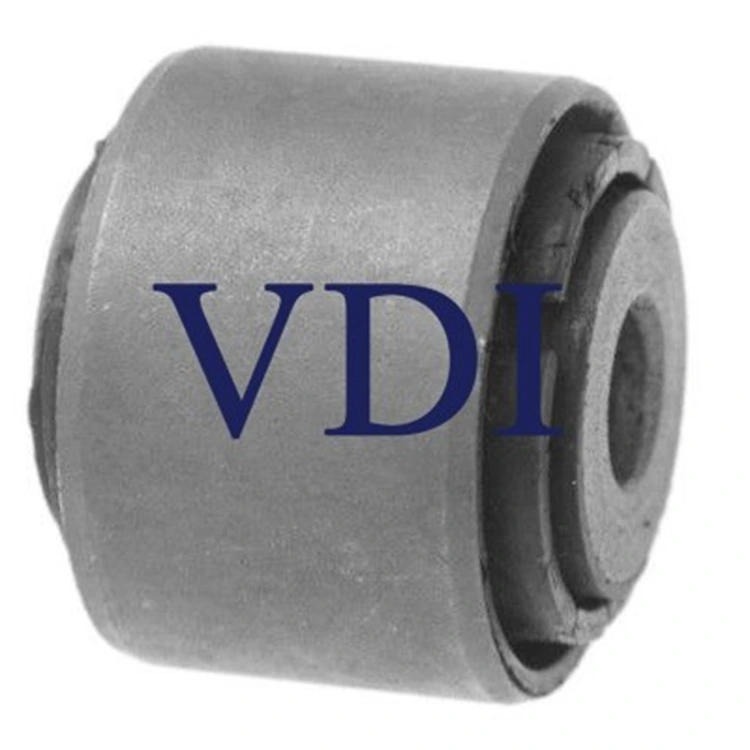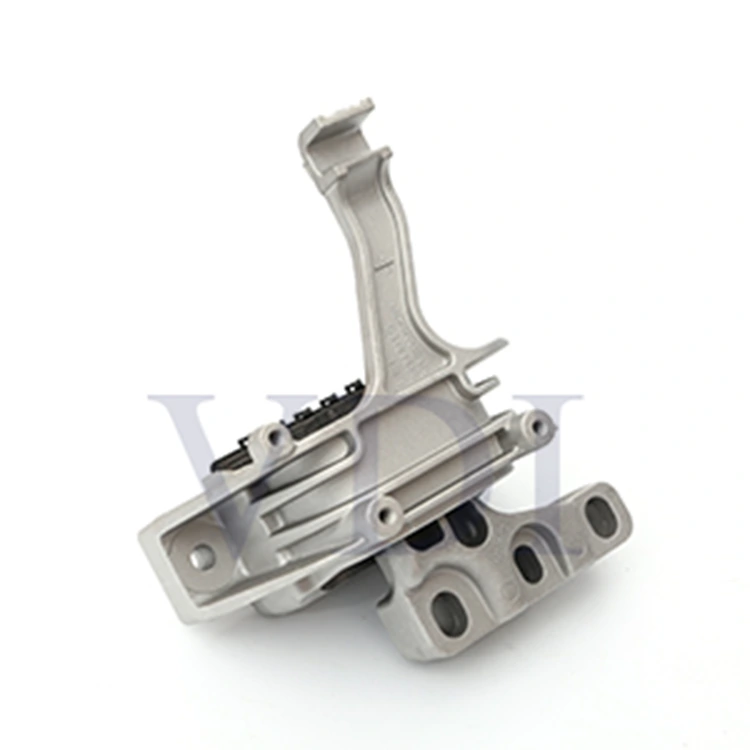

Control arm bushings are specially designed components created to endure millions of stress cycles while absorbing vibrations and maintaining the configuration of the suspension system. A typical bushing consists of an outer metallic shell (often constructed from steel for its strength or aluminum to minimize weight in premium applications) along with an inner elastomeric core (made from rubber or high-quality synthetic substances). The metal shell acts as a robust connection point for the chassis or subframe, whereas the elastomer is responsible for absorbing and dispersing energy from impacts with surfaces. The crucial link between these two materials—metal and elastomer—is not achieved through simple mechanical interference or basic press-fitting; rather, it relies on a chemical bond that is formed during the manufacturing process.VDI Control Arm Bushing 7L0525337B exemplifies this approach, engineered with full chemical bonding to ensure long-term integrity under demanding driving conditions.
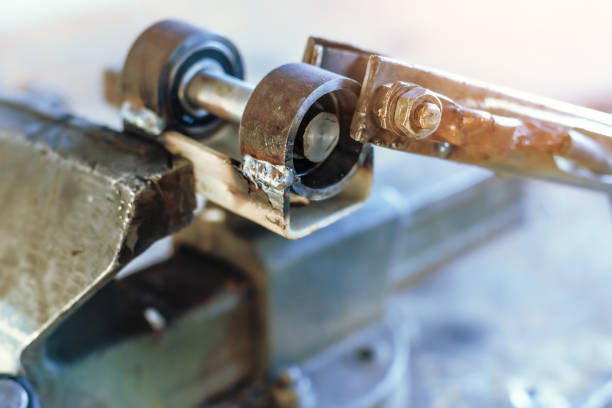
The first phase in the bonding process is to prepare the metal sleeve's surface. The steel or aluminum part is subjected to cleaning followed by degreasing, and generally involves either grit-blasting or a chemical etching method to create a micro-rough surface that enhances microscopic interlocking. Next, a specific adhesive primer, often from the Chemlok line produced by Lord Corporation or equivalent products, is applied to the metal surface through spraying or dipping. Chemlok-style adhesives function through a two-coat system: the primer forms a strong chemical bond with the metal oxide layer, while the top coat is formulated to react chemically with the elastomer during the vulcanization stage. These adhesives contain organosilanes, phenolic resins, along with various bonding agents that promote covalent bonds at the junction.
After the adhesive has been applied and has dried, the metal sleeve is positioned in a mold, and uncured rubber material is either injected or compressed into the space. The assembly then experiences a process of high-temperature vulcanization, usually ranging from 150 to 180 degrees Celsius under pressure for several minutes. In this stage, the rubber cross-links using curing systems like sulfur or peroxide and creates robust chemical connections with the layer of adhesive. The outcome is an integration at the molecular level: the elastomer chains chemically adhere to the adhesive, which then secures itself to the metallic substrate. This results in a bond strength that significantly surpasses that of mechanical press-fit configurations, which can experience separation when subjected to shear or peel stresses.
The strength of adhesion represents a vital factor influencing the longevity of bushings. Both peel strength, measured in N/mm or pli, and shear strength must withstand constant dynamic loads, varying temperatures, and exposure to environmental conditions. Insufficient adhesion leads to delamination over time; the elastomer separates from the metal, creating an air gap or void. This detachment results in increased movement, generates sounds during load transitions (especially when traversing bumps), and leads to gradual misalignment of the control arm. Such misalignment alters the suspension geometry—impacting camber, caster, or toe angles—thereby hastening tire wear and reducing handling stability.
High-quality bushings undergo extensive validation processes to ensure the strength of the bond. Standard evaluations include:
●Thermal cycling ranging from -40°C to +120°C (or higher) for numerous cycles to simulate extreme seasonal variations.
●Dynamic fatigue testing (axial and radial oscillation while loaded) conducted for millions of cycles to replicate real driving conditions.
●Assessments of salt spray and ozone exposure to evaluate resistance to corrosion and cracking.
In real-world applications, high-quality aftermarket and original equipment manufacturer bushings that successfully complete these evaluations show almost no bond breakage during the vehicle's operational life under typical usage scenarios. The method of chemical bonding continues to be the benchmark in the industry, as it offers a dependable, robust connection that mechanical techniques are unable to rival, guaranteeing steady operation and reducing noise, vibration, and harshness challenges over the entire life of the bushing. VDI Control Arm Bushing 7L0525337B has passed rigorous validation including thermal cycling (-40°C to +120°C), 2 million-cycle dynamic fatigue testing, and 500-hour salt spray exposure—delivering OEM-equivalent durability for global markets.