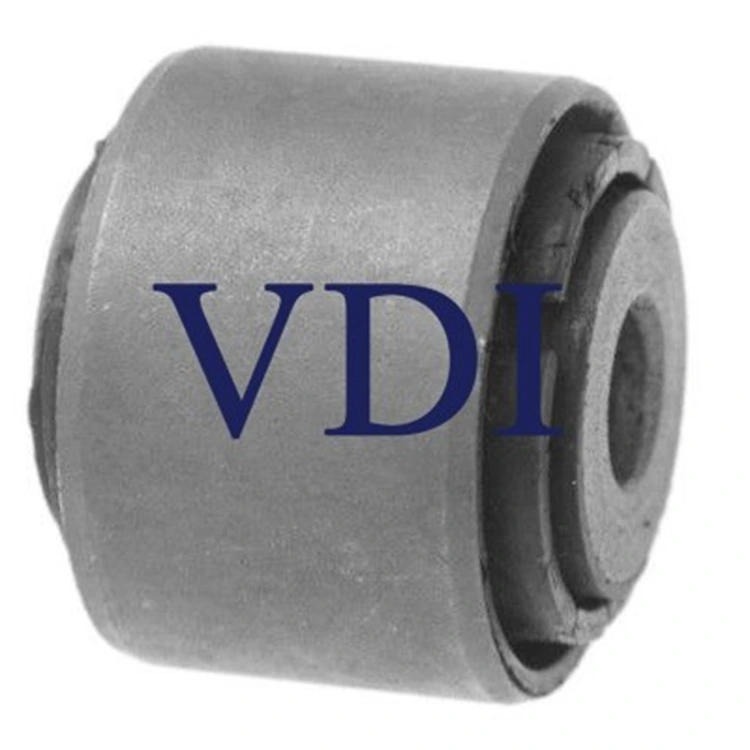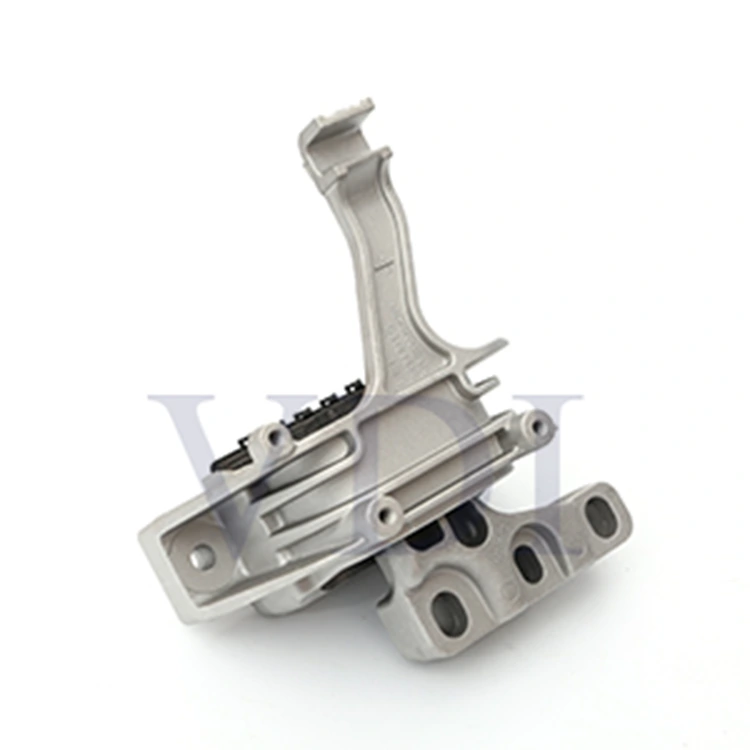

Control arm bushings play a crucial role in a vehicle's suspension system, linking the control arm to the chassis or subframe. They act as adaptable joints that allow for controlled movement, absorb vibrations, and assist in maintaining wheel alignment when the vehicle is under dynamic conditions. The evolution of these bushings reflects progress in automotive technology, moving from solid connections toward advanced damping mechanisms to tackle issues related to ride comfort, noise, and longevity.
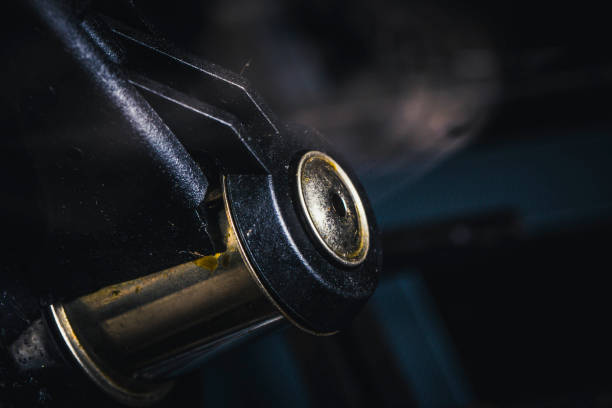
In the late 19th century and early 20th century, the initial automotive suspension systems used simple metal pivots or leaf springs with little insulation from road impacts. These configurations allowed intense vibrations and noise from the road to directly affect both the chassis and passengers. The use of rubber as a damping agent represented a significant advancement. By the 1940s and 1950s, many vehicles adopted natural rubber bushings as a common feature. The primary characteristic of natural rubber is its ability to dissipate energy from vibrations through hysteresis damping, which converts the energy into heat during the deformation process. This viscoelastic property, which incorporates both elasticity for returning to shape and viscosity for absorbing energy, offered excellent isolation against low-frequency road inputs, greatly decreasing the harshness transmitted when compared to metal connections.
As automotive design progressed in the post-war era, demands for lighter vehicles and improved durability exposed limitations in natural rubber. It was susceptible to degradation from ozone cracking, oil exposure, and temperature extremes, which could lead to hardening or cracking over time. By the 1980s, synthetic rubbers gained prominence to mitigate these issues. Chloroprene rubber (neoprene) offered enhanced resistance to ozone and weathering, while nitrile rubber (NBR) provided superior oil and fuel resistance, making it suitable for environments near engine compartments or underbodies exposed to contaminants. These materials maintained the damping advantages of natural rubber but extended service life in harsher conditions, aligning with trends toward vehicle lightweighting and extended warranties.
By the 2000s, with progress in vehicle electronics and active systems, bushing technology began to include composite materials to achieve improved performance. Designs featuring multiple layers of rubber, with different hardness levels, allowed for a range of stiffness properties: flexible under lighter weights to absorb vibrations, while becoming firmer under heavier loads to manage movement and avoid excessive flexibility. Some advancements integrated metallic supports or textiles within the rubber to boost resistance to shear forces and extend durability. This development reflects a wider transition in NVH management from solely relying on passive isolation—which depends on the properties of materials—to employing semi-active or active systems capable of real-time adjustments, even though passive bushings continue to be essential.
In contemporary situations, the design of bushings is still advancing through the use of finite element analysis simulations to forecast their performance under certain loads, making sure they work well with sophisticated suspension systems such as those found in electric cars, where increased weights and torque distributions require improved damping mechanisms.
VDI has always adhered to the principle that quality drives business growth, continuously researching and upgrading product technologies—solely to deliver a comfortable driving experience for our customers. We welcome you to order VDI Control Arm Bushing 4M0407515A.