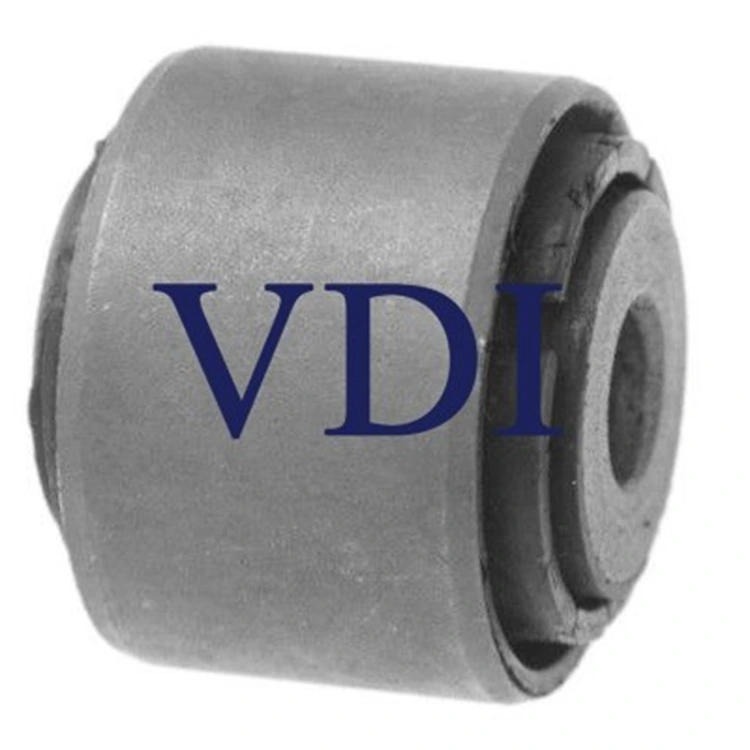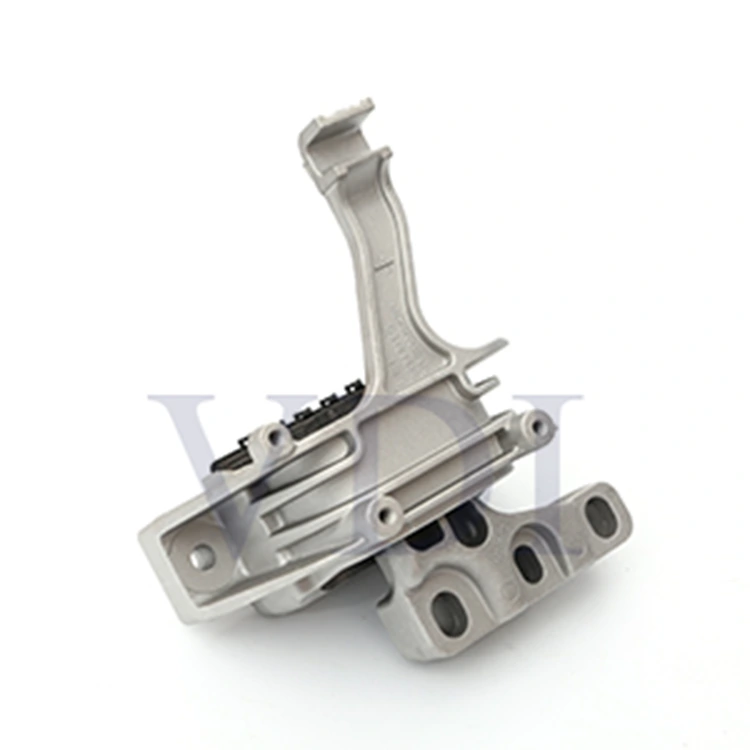

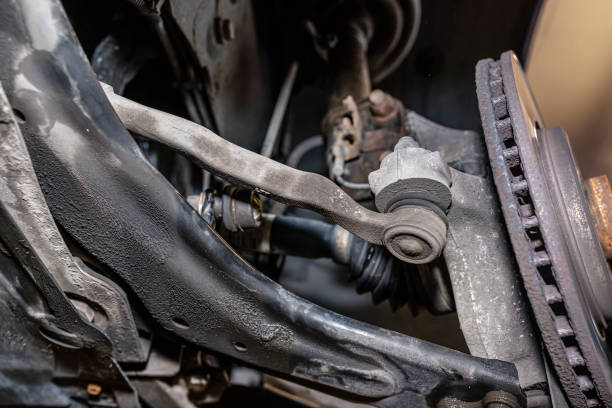
A control arm bushing can be described as a cylindrical device that reduces vibration, generally positioned at the junction where the control arm meets the frame or subframe of a vehicle. It is often made with a flexible rubber core and a strong metal exterior. This clever construction helps to avoid direct contact and friction between metal surfaces, while efficiently dampening vibrations and noise that originate from the road—thereby minimizing unwanted disturbances and preventing them from heavily resonating within the cabin.(VDI Control Arm Bushing 7L0407077 delivers a comfortable driving experience for you.)
The function of bushings shows some variation depending on the type of suspension system used. In a double-wishbone suspension system, which is sometimes referred to as double A-arm or double wishbone, the upper bushing is mainly responsible for ensuring accurate wheel alignment and experiences minimal vertical load, while the lower bushing supports the majority of the vehicle’s weight and the dynamic forces. This separation indicates that the upper bushing is centered around lateral stability, while the lower one offers enhanced vertical shock absorption. On the other hand, a MacPherson strut suspension lacks an independent upper control arm—the strut serves as the upper connection—resulting in the presence of only the lower control arm along with its bushings. These lower bushings endure almost all road shocks, directly absorbing the vibrations generated by the vertical movement of the tire.
The charm of a bushing is found in its adaptability. When a car encounters a bump or irregular terrain, the control arm must shift either upward or downward. The material of the bushing permits this movement through its ability to deform elastically, while effectively regulating the extent and direction of the motion. This interplay of forces depends entirely on the inherent characteristics of the bushing material: it bends temporarily when compressed or twisted to absorb energy, then rapidly reverts back to its initial form after the force is lifted. This recuperative force guarantees that the suspension configuration remains consistent—maximizing steering responsiveness and overall vehicle control while taking turns.
From an engineering perspective, a bushing functions as more than just a basic cushion; it maintains a careful equilibrium between isolating vibrations and controlling motion. The inherent flexibility of rubber makes it a superb dampening material, proficiently minimizing both high-frequency sounds and low-frequency jolts, all while ensuring that the control arm remains stable and does not become overly soft. Some designs utilize non-symmetrical forms or specially designed gaps to adjust stiffness: more yielding in some directions to enhance ride quality, yet more rigid in essential directions to preserve wheel alignment. This equilibrium significantly influences the driving experience—excessive softness results in unclear steering and excessive vehicle sway, whereas too much rigidity transfers an excessive amount of road impact into the passenger area.
In conclusion, the bushing of the control arm—with its distinctive cylindrical isolating design and flexible material—dampens road irregularities while accurately restricting the movement of the control arm. This system is essential for the way contemporary suspension systems provide both comfort and steadiness, particularly in the two primary configurations: double-wishbone and MacPherson strut. Welcome to purchase VDI Control Arm Bushing 7L0407077.