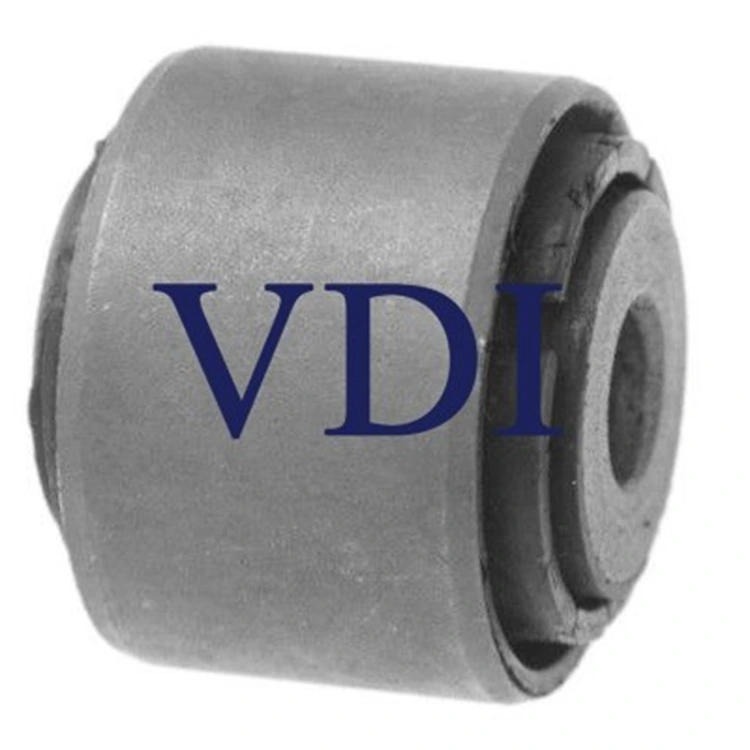

Rubber bushings represent the most common type, frequently found in a majority of vehicles produced by original equipment manufacturers. Their natural flexibility and elastic properties allow them to effectively dampen vibrations—efficiently protecting the chassis from direct road shocks. This material performs exceptionally well in typical driving conditions, striking a perfect balance between ride comfort and long-lasting durability. The inherent qualities of rubber enable it to absorb vibrations across a wide range of frequencies, while also reducing noise that enters the interior, leading to a markedly quieter driving environment.
When evaluated, polyurethane bushings show a notably greater stiffness. This material provides better resistance to loads and has a faster return to its original shape when under pressure. In cases involving high-performance driving or significant weight, polyurethane clearly has an edge over rubber, as it effectively preserves suspension rigidity, minimizes tire bouncing on uneven terrain, and lessens body roll during turns. Consequently, this allows the vehicle to offer quicker responses and improved handling accuracy across various conditions. However, because of its increased stiffness, polyurethane conveys more feedback from the road to the interior, resulting in a less comfortable ride compared to rubber, which may elevate vibrations and noise in certain circumstances.
While creating bushings, engineers often incorporate specific voids (intentional gaps) to modify the stiffness characteristics. These gaps allow for controlled flexibility in certain directions, enabling the suspension to respond differently to forces coming from the front or the sides. This approach enhances the vehicle's stability and the precision of steering. Nonetheless, these same voids can become potential weak points, acting as spots where stress can build up or where fractures might occur with frequent use, especially under significant stress or as the material wears down with time.
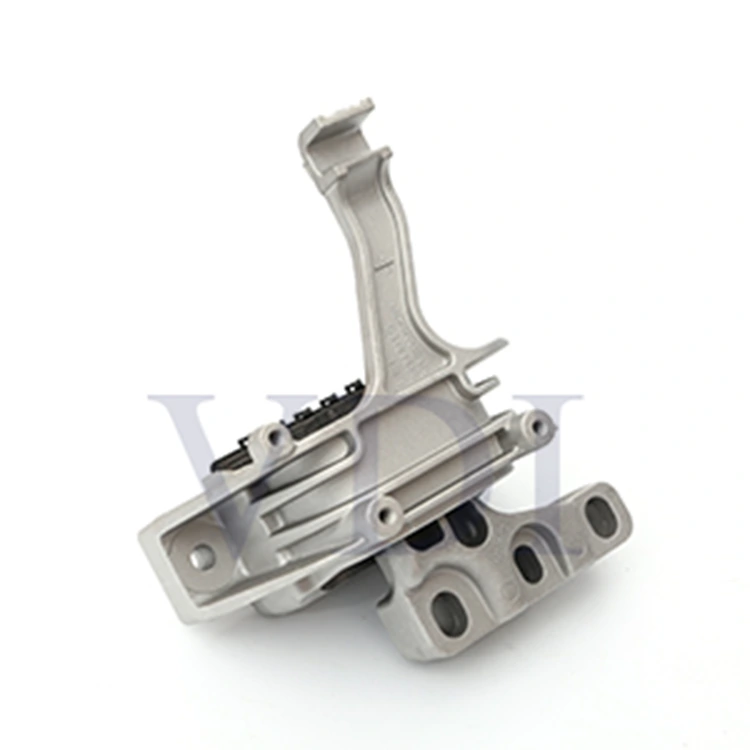
To address these issues, successful bushing designs emphasize a strong connection between rubber and metal components( like VDI Control Arm Bushing 7P0407077 ). This robust bonding method guarantees that the rubber and metal elements remain securely linked under pressure, rotational movements, and damage, reducing the risk of separation or failure. Even in harsh environments such as high heat, contact with oils, or ozone damage, the reliability of the bond holds firm, greatly enhancing resilience against degradation. Steady dynamic stiffness aids in effortless operation: it stops lasting changes in the suspension system, ensuring correct wheel positioning and overall vehicle stability for a prolonged period.
From the viewpoint of vehicle dynamics, the characteristics of these materials establish the vital balance between isolating vibrations and managing movement. Rubber focuses on enhancing comfort and minimizing noise, whereas polyurethane is more oriented towards stiffness and quick reaction. Engineers can finely adjust performance for particular uses by integrating void design with improved rubber-to-metal adhesion, resulting in the best possible response for various driving conditions. This degree of material engineering directly influences the stability of the vehicle, the feedback from steering, and the general dynamic attributes. Welcome to purchase VDI Control Arm Bushing 7P0407077.