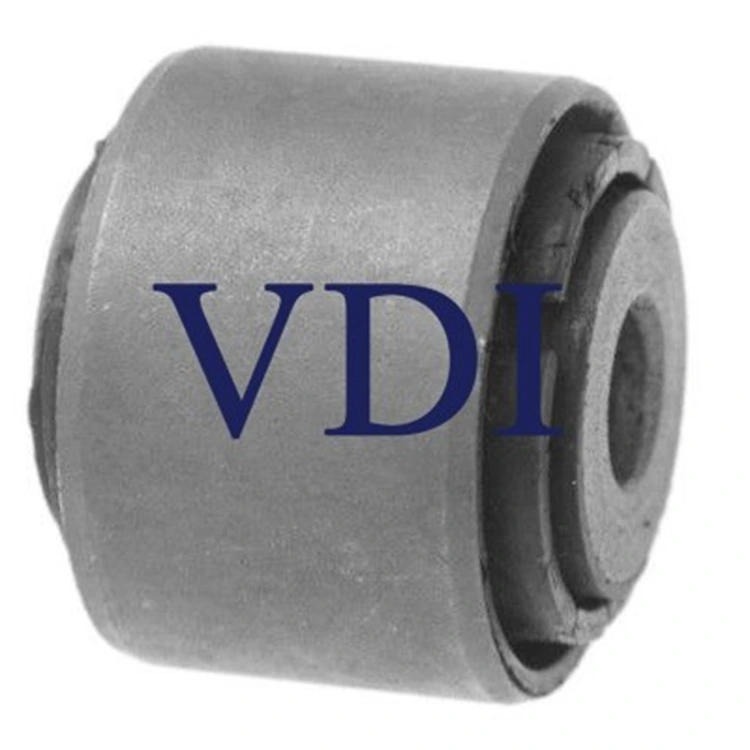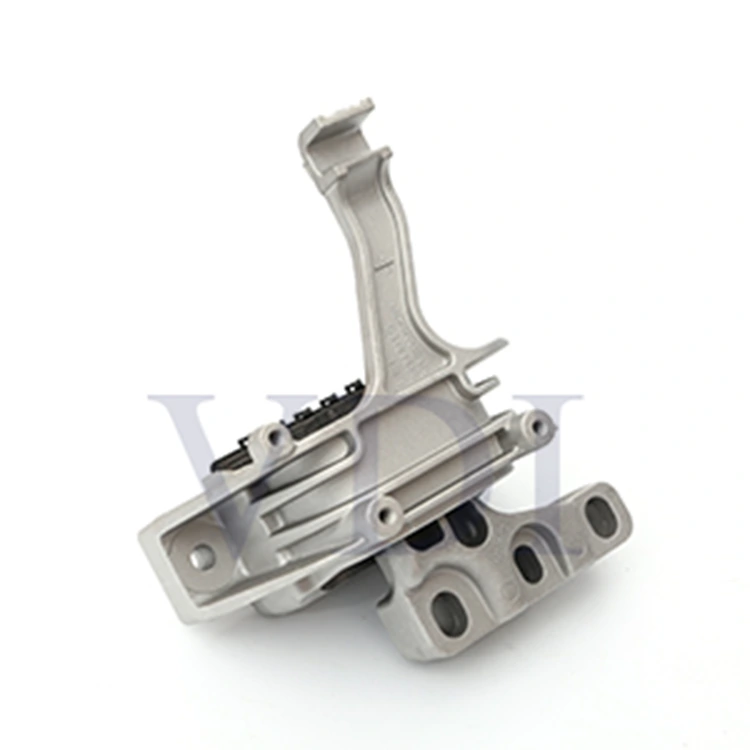

Suspension bushings—like Control Arm Bushings, Stabilizer link Bushings, and strut mount bushings—are tiny chassis parts most people ignore. But install them wrong, and you’ll hear squeaks, feel clunks, lose steering precision, and even risk unsafe handling.
Check the numbers from RepairPal, CarParts.com, and active tech forums like r/MechanicAdvice and E46Fanatics—and it’s hard to ignore: over 90% of shops mess up at least one step when installing suspension bushings.
It’s rarely on purpose. More often, it’s a rushed job, a tech who’s never seen the MOOG bulletin, or skipping a tiny detail like ride-height torque.
And that’s why the car’s back in two weeks—squeaking, clunking, or pulling weird. Not because the part failed… but because the install did.
We’ve pulled together the 5 most common bushing installation mistakes—straight from MOOG and Energy Suspension’s official guides, plus real fixes from thousands of verified installs. Know these, and you’ll save yourself noise, comebacks, and wasted labor.
(Pro tip: Install the VDI Control Arm Bushing 4F0407183A right, and you’ll feel a smoother ride, tighter cornering, and zero clunk—even on rough roads.)
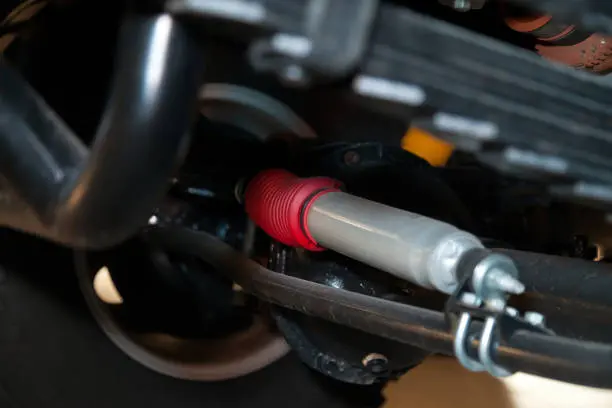
Yeah, it’s tempting—most techs grab lithium grease or a quick spray of WD-40 to slide rubber bushings in faster. But here’s the problem: petroleum-based lubes eat away at rubber. They make it swell, go mushy, or crack early.
Result? Your bushings could be dead in half the time—30% to 50% shorter life, just from one bad habit. And that clunk you hear six months later? This is why.
Experts on Mechanics Stack Exchange and BobIsTheOilGuy agree: rubber bushings are designed for "dry fit" installation. Only soapy water or silicone-based lube should be used for pressing in.
Real case: A Reddit user reported bushing cracking and noise within 6 months after using petroleum grease—resulting in a costly return visit.
If you tighten control arm or Control Arm Bushing bolts while the car’s on a lift—before it’s back on the ground—you’re locking the bushing in a twisted position.
Once the car drops, the suspension settles… but the bushing’s still fighting that artificial angle. Over time, it rips, cracks, or starts clunking—sometimes in weeks.
MOOG’s been clear for years: always torque at ride height. Tires on the ground. Weight on the suspension. No shortcuts.
Case studies from Suspension.com and Cruzetalk show this error is common in rushed or DIY repairs, cutting bushing life by 20–30% and causing vibrations.
Do it right: Only torque the bolts once the car’s back on the ground—with full weight on the suspension. That’s not opinion—that’s straight from MOOG’s installation instructions.
Slapping on spacers and cranking the bolts till they “feel tight”? That’s how you crush a polyurethane bushing before it even hits the road.
Guys on OdyClub and RidgelineOwnersClub report: “Installed new Control Arm Bushings—drove 10 miles, and it’s clunking like a loose axle.” Why? Over-torqued spacer bolts squeezed the bushing into a pancake.
And GruvenParts isn’t shy about it: polyurethane needs just enough torque to hold—no more. Too much = dry friction, internal tearing, and noise that won’t quit.
Left old rust, grime, or sharp metal edges in the control arm bore? You might as well be installing your new bushing on a cheese grater.
Those jagged holes gouge the rubber or polyurethane the second you press it in—so it never seats evenly. Result? Premature wear, binding, or sudden tear.
Powerflex has been screaming this for years: clean the bore, chamfer the edge, then press. Skip it, and you’re setting up your customer for a comeback.
Many bushings feature directional designs (e.g., eccentric shapes, asymmetric durometer). Installing them backward alters suspension geometry—leading to uneven tire wear or handling issues.
Reports from Reddit r/MINI and r/e46 confirm: wrong orientation causes asymmetric body roll or persistent noise.
MOOG and Powerflex manuals clearly mark orientation—ignoring these marks is a common pitfall.
Though these errors seem minor, they account for the vast majority of bushing-related comebacks (per RepairPal data). Professional technicians recommend:
●Don’t guess—go by the book.
●MOOG, Powerflex, Energy Suspension—they all publish clear install steps. Read them.
●And skip the “feel-tight” method. Use a calibrated torque wrench and the right pressing tools. Your customer’s ride—and your shop’s reputation—depends on it.
As a car owner, ask your mechanic: “Are you installing bushings at ride height? Are you using the right lubricant?”—this simple check can save you time, money, and frustration.
When installed correctly, high-quality bushings like the VDI Control Arm Bushing 4F0407183A deliver smoother handling, longer service life, and enhanced safety.
Remember: details determine reliability.
Upgrade your suspension with VDI Control Arm Bushing 4F0407183A today!
Disclaimer: This article is for informational purposes only. Always consult a certified technician for vehicle-specific repair procedures.