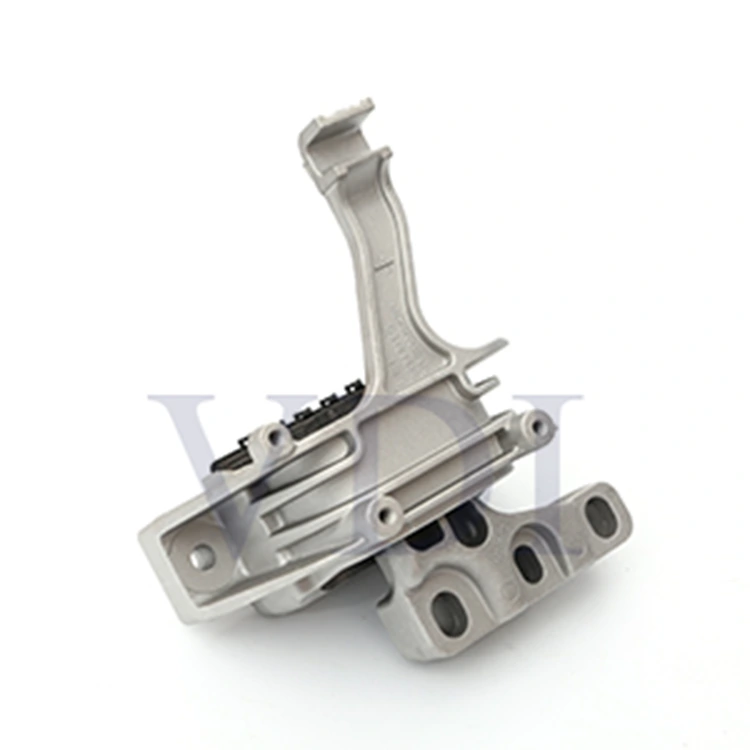

In September 2025, a real-world case shared in a Kia EV9 owner Facebook group drew widespread attention: an EV9 with an astonishing 282,000 miles (≈454,000 km) began suffering from severe front suspension noise—persistent “clunk-clunk” impacts when driving over speed bumps or cornering, accompanied by noticeable vibrations.
Diagnosis confirmed complete failure of the lower control arm bushings. Notably, during the repair, the owner didn’t just replace the control arm bushings—they also upgraded the stabilizer links (sway bar end links). This points directly to a long-overlooked yet critical component: the sway bar bushing.
As electric vehicles like the EV9 routinely surpass 200,000+ miles, their factory rubber sway bar bushings face unprecedented wear. This case highlights a growing need: high-mileage EV owners should proactively inspect—and consider upgrading to durable polyurethane sway bar bushings to maintain ride quality, handling precision, and long-term suspension reliability.
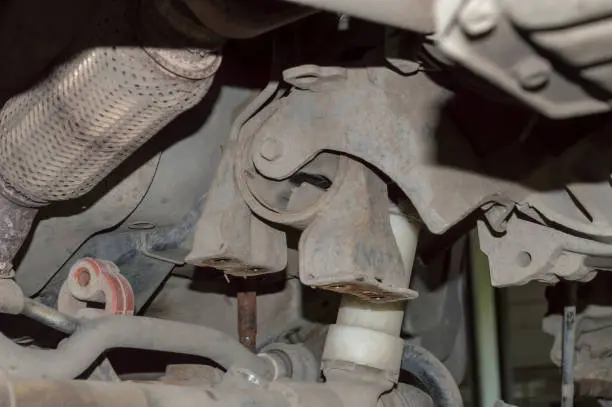
The Kia EV9, as a large all-electric SUV, has a curb weight exceeding 2,300 kg (over 5,000 lbs)—significantly heavier than comparable gas-powered models. This “weight penalty” places unprecedented stress on chassis rubber components:
High-Frequency Load Cycles: Instant EV torque, frequent stop-and-go driving, and aggressive regenerative braking dramatically increase dynamic suspension loads.
Higher Static Load: The heavy battery pack keeps bushings under constant compression, accelerating rubber aging and permanent deformation.
Thermal Stress: Heat from the electric motor and power electronics can raise temperatures in the front subframe area, further degrading rubber longevity.
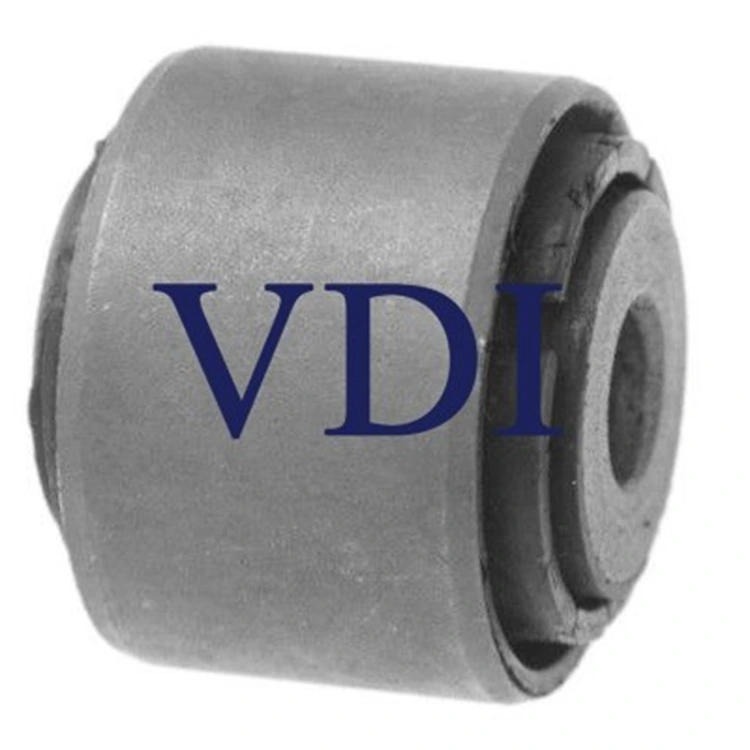
The sway bar bushing is a critical flexible link between the sway bar and subframe. Its job is to allow smooth bar rotation during body roll while preventing metal-to-metal contact—eliminating noise, vibration, and harshness (NVH).
When it fails due to aging, cracking, or compression set, the consequences are immediate:
“Clunking” or “knocking” metal-on-metal noises during cornering
Sluggish steering response and reduced lateral support
Accelerated wear on sway bar end links (stabilizer links), potentially leading to ball joint deformation or failure
This explains why the high-mileage EV9 owner had to replace both control arm bushings and stabilizer links—the early failure of the sway bar bushings had already caused irreversible damage to the entire sway bar assembly.
For EV owners, upgrading to high-durometer polyurethane sway bar bushings isn’t just a performance tweak—it’s a necessary durability fix for the electric era.
Recent real-world incidents reveal that bushing failure is far more dangerous than just annoying squeaks or clunks:
A 2017 Nissan Altima crashed into a highway barrier after a ruptured front control arm bushing caused sudden front axle instability at high speed.
In 2014, another Altima owner drove over 1,000 miles with visibly cracked bushings—only to lose vehicle control during a low-speed turn.
Cases documented on Reddit and major repair forums show that loose or degraded bushings cause abnormal ball joint wear, leading to high-speed shaking, lane drifting, and even multi-vehicle rear-end collisions.
These incidents expose a critical yet overlooked truth: suspension bushings—including control arm bushings and sway bar bushings—are silent safety components. Unlike brake pads or tires, they offer no clear wear indicators, yet can fail without warning.
And electric vehicles—especially heavy EV SUVs like the Kia EV9—are multiplying this risk by several times due to their extreme weight, instant torque, and constant suspension loads. Ignoring bushing health isn’t just about comfort—it’s a serious safety blind spot in the EV era.
Schedule Regular Inspections for High-Mileage or Heavy-Duty Vehicles
Inspect front suspension bushings every 30,000 miles or 2 years. Pay close attention to the sway bar bushings—look for cracks, deformation, dried-out grease, or exposed metal, all early warning signs of failure.
Choose High-Performance Materials
OEM rubber bushings degrade rapidly under heavy loads. Upgrade to high-density polyurethane, such as the market-leading VDI Sway Bar Bushing 97034379400, which delivers significantly better wear resistance and anti-creep performance than standard rubber.
Replace as a Complete System—Not in Isolation
If your sway bar bushings have failed, always inspect sway bar end links, control arm bushings, and ball joints at the same time. Degraded bushings transfer excess stress to adjacent components, causing hidden overload. Replacing only one part often leads to repeat failures and recurring noise.
Pay Attention to Installation Details
Upgraded polyurethane bushings typically feature a tighter inner diameter. Always verify bracket compatibility (e.g., VW MK4 requires bracket 1J0-411-336-D) and use waterproof silicone-based grease during assembly to prevent dry friction, binding, and premature wear.
This Kia EV9 with 454,000 km (282,000 miles) is both a powerful testament to electric vehicle reliability—and a wake-up call about the durability limits of chassis rubber components. While the industry races toward longer range and smarter tech, it’s the materials science and structural design of foundational suspension parts that truly determine whether a vehicle can go the distance—safely and smoothly.
That small but critical sway bar bushing deserves far more attention from high-mileage fleet operators, repair shops, and auto parts buyers—because its failure is rarely an isolated issue. It’s often the first link in a chain reaction of suspension damage.
Upgrade your fleet with VDI Sway Bar Bushing 97034379400—engineered specifically for the extreme demands of today’s heavy-duty electric SUVs. Built to last, designed for silence, and tested for real-world endurance.