
The bushings between your vehicle’s suspension components are critical for both ride comfort and handling responsiveness. Factory-installed bushings are engineered to balance compliance and performance. Once they age, crack, or degrade, you lose both. Upgrading to polyurethane bushings is indeed a straightforward way to sharpen your car’s response—but before you install them, you need to understand what you’re giving up in return.

The car world is full of people telling you what to do, what to think, and what to like. Manufacturers claim their performance models are already perfect and that you’ll never need to upgrade. Meanwhile, aftermarket ads make it seem like your car is practically junk unless you bolt on their latest product. Clearly, someone’s exaggerating. The real solution? Do your own research, understand how things actually work, and don’t get swept up in hype.
Thanks to today’s easy access to information, it’s harder to fall for marketing fluff—but not impossible. If you’re unfamiliar with a topic, brochures and ads rarely give you straight answers.
Take polyurethane bushings, for example. Companies say they’ll “seamlessly and unquestionably” improve your car’s handling and performance. Is it really that simple? Not quite.
Like any modification, polyurethane bushings involve trade-offs. They excel in some areas but can hurt others. That means you need to do your homework—and we’re here to help you decide whether polyurethane bushings belong on your vehicle.
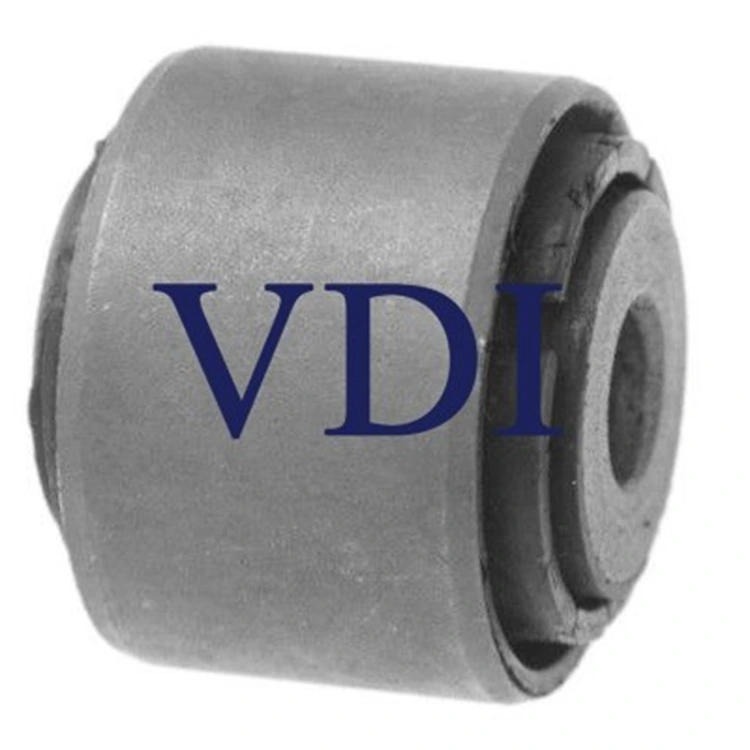
Bushings come in all shapes and sizes and serve different roles across your vehicle’s systems. In the suspension and driveline, they’re used at nearly every mounting point to reduce vibration, noise, and friction. You’ll find them on shock absorbers, control arms, sway bars, and almost every other suspension component.
From the factory, most cars use rubber bushings. Rubber performs well in many ways—but it has clear weaknesses when it comes to performance driving. Polyurethane is used as a replacement because it’s stiffer and far more resistant to the environmental and mechanical stresses bushings face daily.
The result? A bushing better suited to high-stress conditions like aggressive cornering or heavy off-road use. It deflects far less than rubber and doesn’t break down from repeated cycling. That’s why performance builds often swap rubber for polyurethane. But it’s not universally superior—you need to know the pros and cons before installing it on every joint.
When it comes to handling, stiffness matters. Polyurethane has a much higher durometer (hardness) than rubber, meaning it deforms less under load. This improved rigidity helps keep suspension components properly aligned. On the road, that translates to reduced body roll, sharper turn-in, and better traction—especially when cornering or accelerating hard.
Durability is another big plus. Over thousands of miles, rubber degrades from exposure to UV rays, road salt, oil, and ozone. Polyurethane resists these elements far better, maintaining performance for years longer.
Installation is often easier too. Many polyurethane bushings feature a floating metal inner sleeve and split design, allowing you to assemble them in place without pressing. Rubber bushings, by contrast, are molded as a single unit and usually require special tools for removal and installation. (Note: Some polyurethane bushings do come pre-assembled and still require pressing—always check before buying.)
Polyurethane isn’t perfect. Its biggest drawback is ride comfort. Because it’s stiffer, it transmits more road vibration into the cabin—meaning your spine absorbs what the bushing no longer cushions.
Noise is another common concern. The floating inner sleeve can squeak if not properly lubricated. The fix is simple: apply high-quality silicone-based or lithium grease during installation, and re-lubricate if noise returns. But this also means polyurethane bushings require occasional maintenance—something rubber bushings never need.
Then there’s cost. While not exorbitant, polyurethane bushings are more expensive than OEM rubber. If your original bushings are still functional, this is a discretionary upgrade—not a necessity.
It depends entirely on how you use your vehicle and what you value. Keep in mind: swapping just the bushings won’t magically transform your car. The real benefit shows up when your factory setup is already soft or worn—and even more so if you’re upgrading other suspension parts like control arms, springs, or shocks. In that case, sticking with rubber bushings undermines your other investments.
If you’re chasing maximum precision—on track, on trail, or just for a tighter feel—polyurethane is absolutely worth it. Even small reductions in flex add up to noticeable improvements in control.
But if daily comfort is your priority, factory rubber is perfectly adequate. Automakers don’t ship unsafe or sloppy suspensions. They’re tuned for real-world driving, not lap times. You’ll be fine—unless you start adding other performance mods. Then that “loose” feeling might nag at you… and you’ll know why.
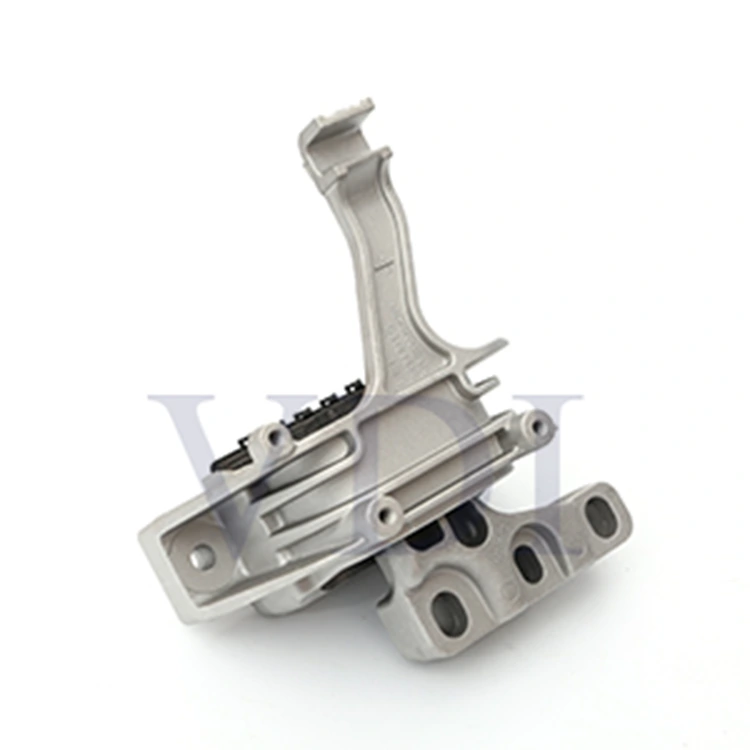
For those ready to upgrade, the VDI Sway Bar Bushing 97034379206 delivers proven durability, precise fit, and consistent performance—engineered for drivers who demand more from their suspension without compromising reliability.