
According to Verified Market Reports (Report ID 268578, published February 2025), the global sway bar bushing market was worth USD 1.5 billion in 2024 and is on track to hit USD 2.7 billion by 2033. That’s a 7.0% annual growth rate from 2026 onward.
This isn’t speculative. The growth comes from real pressures: automakers are tuning suspensions tighter to meet handling benchmarks, and safety protocols (like those from Euro NCAP) now penalize excessive body roll. Even a small component like a bushing affects how a car scores in those tests.
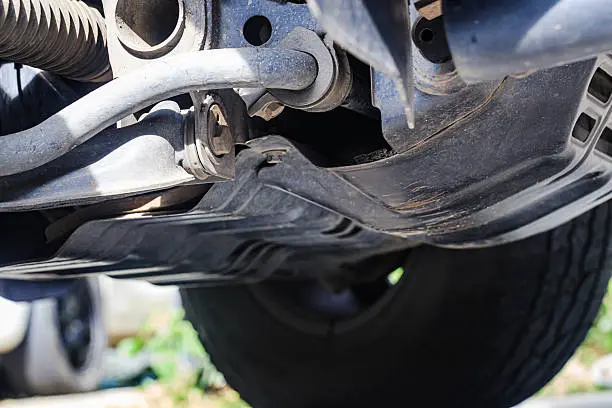
The sway bar bushing isn’t a fancy part. It’s a sleeve—usually rubber or polyurethane—that holds the anti-roll bar in place while letting it twist slightly when the suspension moves.
If it’s working right:
●The bar stays centered in its mounts.
●Road vibrations don’t rattle the subframe.
●The car leans less in corners, so tires stay flatter on the road.
When it wears out (typically after 50,000–100,000 miles, depending on climate and road salt), you’ll hear clunks over bumps or feel the steering go vague. It’s not a safety-critical failure like a ball joint, but it degrades the whole suspension’s precision.
Most factory cars use rubber. It’s quiet, cheap, and absorbs noise well. But in hot climates or if oil leaks onto it, rubber hardens and cracks.
Polyurethane lasts longer and holds tighter tolerances—popular with tuners and off-road builders. But it’s stiffer, so if the mounting surface isn’t clean or the clamp bolt is over-torqued, it can squeak or transmit more road noise. It’s not “better”—just different.
The metal bracket matters too. Poor plating or thin steel can corrode, especially in winter regions, leading to loose fit even if the elastomer is fine.
There’s no sensor inside a bushing. But modern cars with chassis control systems can spot anomalies:
●If wheel-speed sensors show unequal suspension travel during a turn, the system might flag “chassis imbalance.”
●Workshop alignment racks can measure play in the sway bar mounts.
●In fleet vehicles, uneven tire wear or post-alignment drift often points to worn bushings.
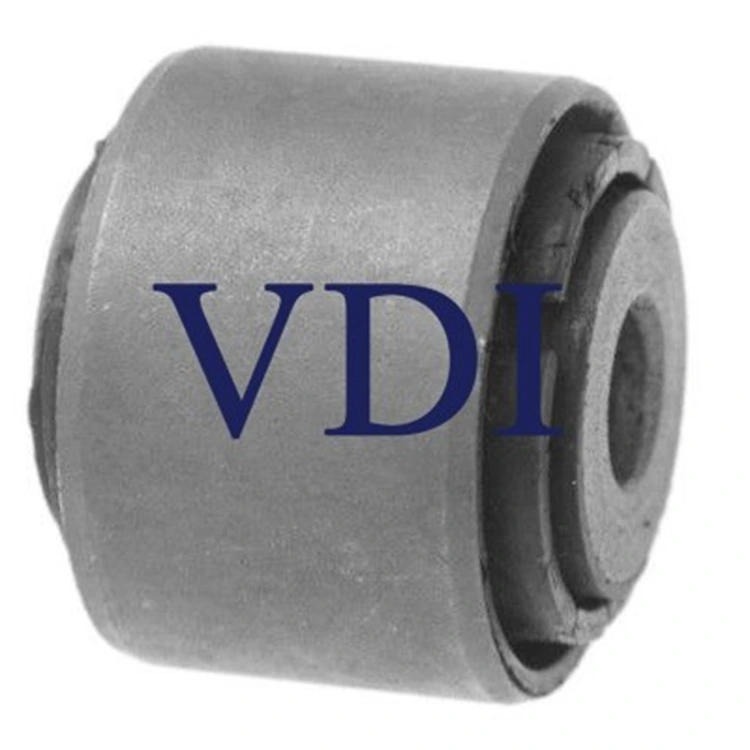
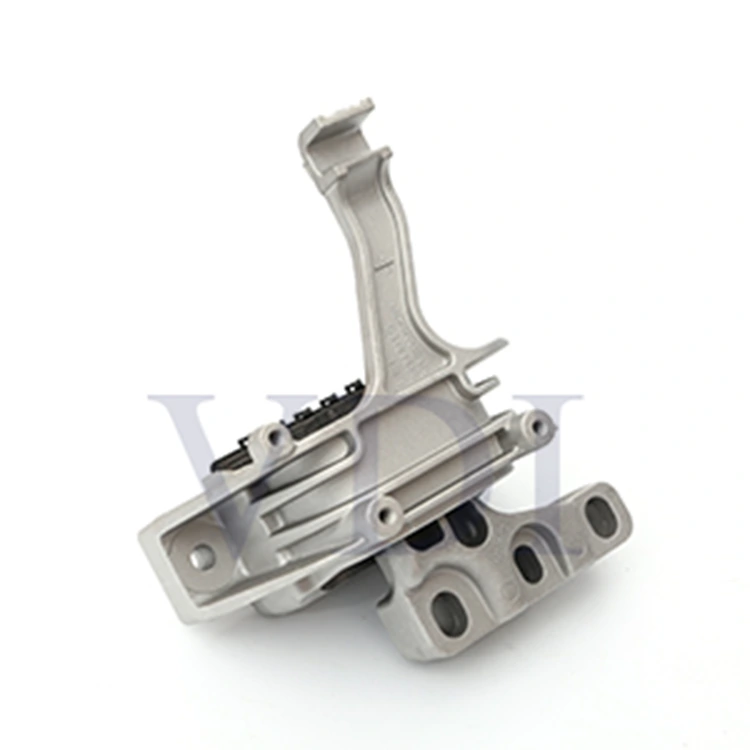
When it’s time to replace, matching the original bar diameter and bracket shape is critical. A part like the VDI Sway Bar Bushing 7L8411313B is made to OEM dimensions—no guesswork, no shimming.
OEM suppliers follow SAE and ISO material specs for temperature resistance, tensile strength, and fluid compatibility. But in the aftermarket, “universal fit” bushings often cut corners—using recycled rubber, undersized sleeves, or soft metal brackets.
Environmental rules are tightening too. In Europe and California, elastomers must resist ozone and meet low-VOC requirements. That’s why top-tier brands now use proprietary rubber blends instead of off-the-shelf compounds.
A $10 rubber bushing might last 3 years in Michigan (thanks to road salt) but 6 in Arizona. A $22 polyurethane set could go 8 years but may need a second look if it starts squeaking.
Given that labor to replace suspension parts often costs $100+/hour, the “cheap” part isn’t always cheaper long-term.
●Daily drivers: Stick with OEM-style rubber. Replaced during routine service.
●Enthusiasts: Swap to polyurethane for sharper turn-in—common on track or canyon cars.
●Commercial fleets: Prioritize durability over comfort—often use reinforced rubber with thicker brackets.
●Off-road: Need serviceable designs—some use split bushings that can be replaced without removing the bar.
●EVs and robotaxis: Favor long-life materials since unscheduled maintenance disrupts operations.
Don’t expect “smart bushings” with chips anytime soon. But material science is shifting:
●Some suppliers are testing bio-based rubbers (from castor oil or guayule plants).
●Hybrid compounds blend rubber damping with polyurethane strength—without the noise penalty.
●As ADAS systems rely more on predictable chassis behavior, suspension components must perform consistently over time.
The market is growing not because the part is revolutionary, but because everything around it is getting more precise. Handling matters more now—in safety tests, in EV dynamics, in consumer reviews.
For buyers and shops, the rule hasn’t changed: inspect regularly, replace with dimensionally accurate parts, and pick material based on actual driving conditions.
Looking to upgrade? The VDI Sway Bar Bushing 7L8411313B is built to deliver solid performance, reliable durability, and the kind of peace of mind that comes from knowing your suspension is working the way it should.