
Let’s be honest: nobody buys a car because of the sway bar bushings. You don’t see them in ads. They don’t show up in spec sheets. But if you’ve ever driven a Hilux that feels “loose” in the corners, or a Tesla that clunks over speed bumps, there’s a good chance the problem starts with a tiny, forgotten ring of rubber—or polyurethane—called a sway bar bushing.

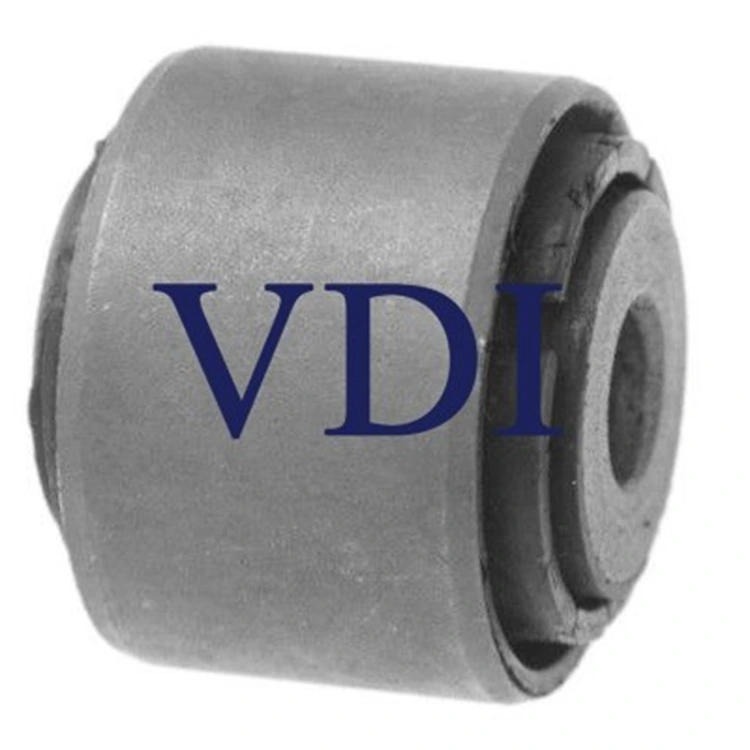
Take Sway Bar Bushing 8K0411327C. On paper, it’s just a part number. But in practice, it’s the bit that holds your anti-roll bar snug against the frame. Its job? Keep the bar from wobbling, reduce body lean in turns, and stop vibrations from turning into noise. Simple, right? Only it’s not that simple anymore.
For years, OEMs used rubber. It’s quiet, cheap, and forgiving. Most factory cars—including those using 8K0411327C—came with rubber from day one. And honestly, for city driving in, say, Berlin or Toronto, it’s fine. But try running that same setup through the Saudi desert in summer, or a Russian winter, and things fall apart fast. Rubber doesn’t like heat. It dries out, cracks, loses elasticity. Cold’s no better—it turns brittle. I’ve seen rubber bushings in Oman that looked like charcoal after 18 months. In Siberia, they just snap.
Now throw EVs into the mix. They’re heavier—300, 400, even 500 kilos heavier—thanks to battery packs mounted low in the chassis. That extra weight means more force on every suspension component, especially during cornering or when hitting a pothole. And because there’s no engine rumble to mask it, even a slight rattle from a worn bushing becomes annoying. Suddenly, that “quiet luxury” EV feels cheap.
So what’s the fix? A lot of shops and fleet managers are switching to polyurethane. It’s not magic—it’s just better suited to modern demands. Polyurethane (often shortened to “poly”) is denser, stiffer, and far more resistant to temperature swings. Typical hardness runs around Shore A 80–95, compared to rubber’s 60–70. That means under load—like when you’re taking a highway on-ramp at speed—it deflects less. The anti-roll bar stays put, the chassis responds more directly, and the car feels more planted.
But here’s the thing people get wrong: stiffer doesn’t automatically mean harsher ride. The sway bar only really works when the car is leaning—i.e., not when you’re cruising straight. So unless you’re autocrossing every weekend, the daily comfort hit is minimal. In fact, some Tesla owners tell me their cabin feels smoother after switching, because there’s no slop for parts to knock against.
I’ve watched this shift play out in real time. A contact in Riyadh who manages a delivery fleet told me they used to replace rubber bushings every 70,000 km. Now, with polyurethane, they’re seeing 150,000+ km with no issues. Same in Moscow—mechanics there say poly versions of 8K0411327C hold up through freeze-thaw cycles that turn rubber into dust.
Of course, installation matters. Poly doesn’t compress like rubber, so you can’t just hammer it in dry. Most pros use a silicone-based lube and torque the brackets to spec—especially in cold weather, when the material’s even less forgiving. Skip that step, and you might end up with squeaks or premature wear. It’s not hard, just a bit more fiddly.
And don’t forget: the bushing doesn’t work alone. It’s tied to the sway bar links (sometimes called end links or stabilizer links). When a rubber bushing wears out, the bar shifts slightly, putting uneven stress on those links. Over time, that kills the ball joints. I’ve seen entire suspensions replaced because someone ignored a $20 bushing. In places where parts aren’t easy to get—like rural Kazakhstan—that’s a real problem. So smart operators replace both bushings and links as a set.
Looking ahead, materials keep evolving. Some shops now use hybrid composites—rubber on the outside for noise, poly in the core for strength. Others are testing bio-based polyurethanes made from castor oil, which break down cleaner. Not mainstream yet, but coming. And with Euro 7 regulations starting to look at microplastic wear from tires and suspension parts, this stuff might matter more than we think.
None of this means rubber is useless. For a commuter car in a mild climate? Sure, stick with OEM. But if your vehicle lives in extremes—if it’s hauling gear across the Empty Quarter, bouncing down Siberian logging roads, or just carrying a ton of battery—you’re better off upgrading.
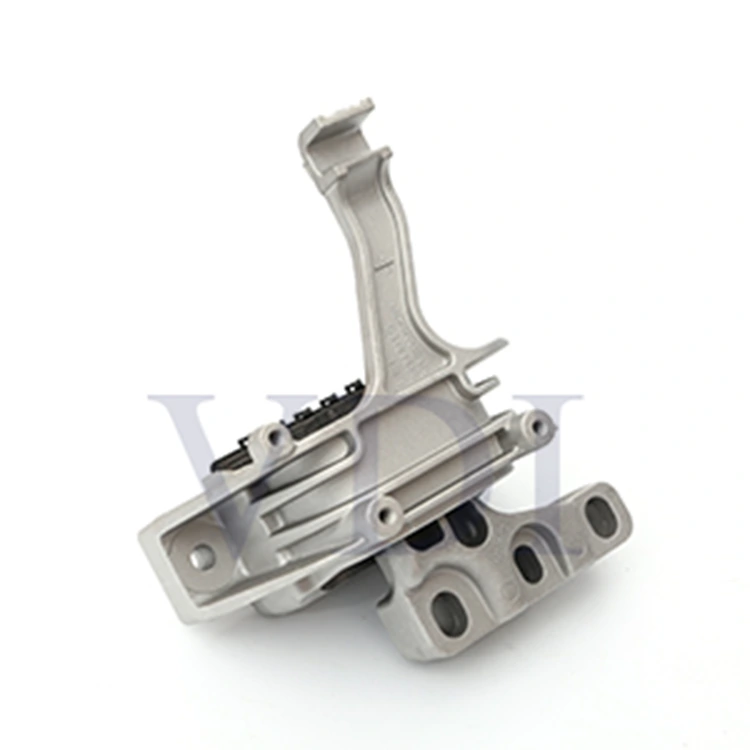
VDI Sway Bar Bushing 8K0411327C is a perfect example. It’s the same mounting points, same fit—but what’s inside makes all the difference. It’s not about going faster. It’s about making the car behave predictably, mile after mile, season after season.
That’s the quiet truth about suspension: the best parts aren’t the ones you notice. They’re the ones you don’t notice—because they’re just doing their job.