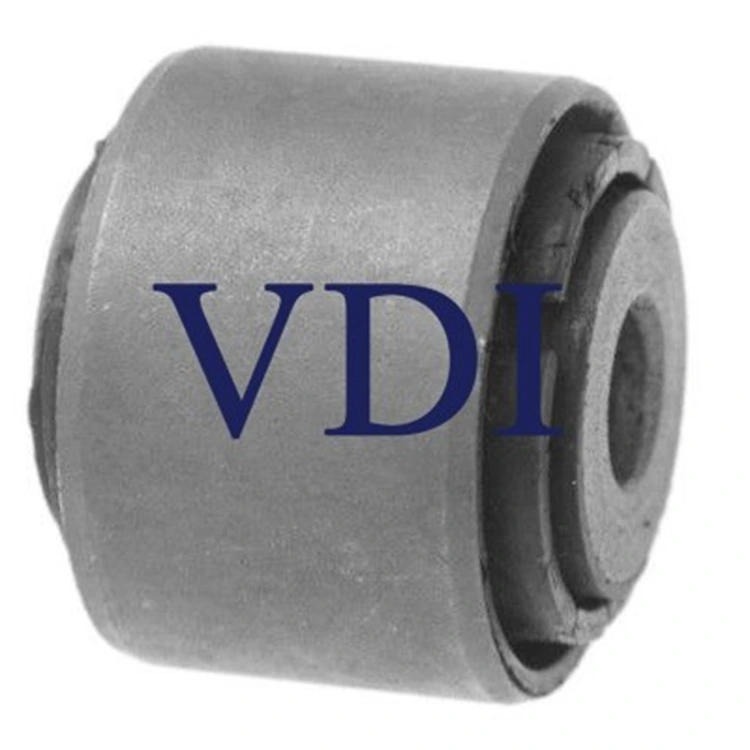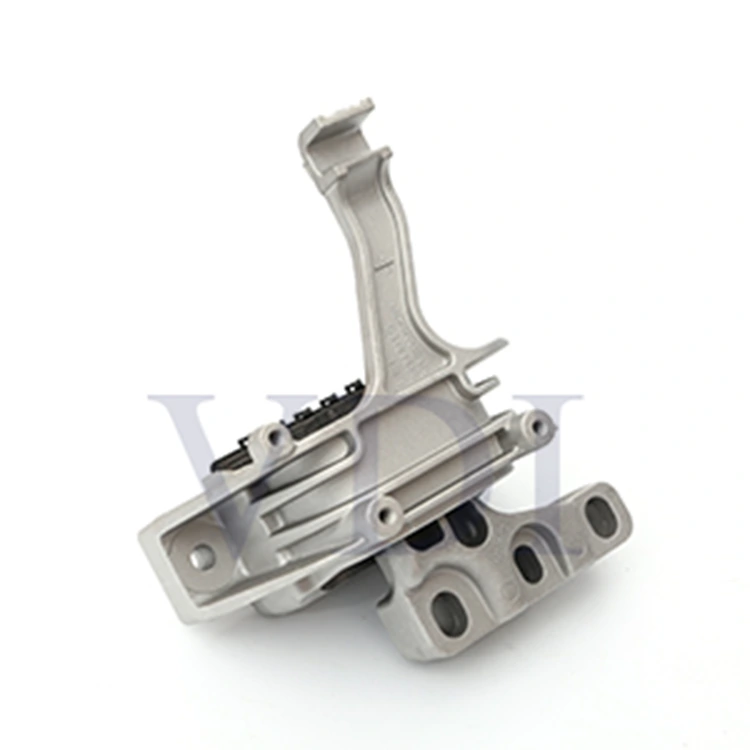

Transmission mounts secure the transmission to the chassis, similar to how engine mounts support the engine. Their primary function is to absorb road vibrations and driving forces, ensuring a smoother, quieter ride while keeping the transmission properly aligned . By holding the transmission firmly in place, they also reduce stress on other drivetrain components; excessive vibration from a worn mount can lead to mechanical issues that increase wear and the need for repairs.
Most vehicles have one to three transmission mounts. Front-wheel-drive cars often use two, especially when the engine and transmission are mounted transversely, while rear-wheel-drive vehicles may have only one. Heavy-duty vehicles can have up to four mounts, sometimes integrated with the engine mounts for added stability .
Transmission mounts are not a routine maintenance item and do not wear out frequently. They typically last over five years or around 60,000 miles. Failure is usually caused by prolonged exposure to vibration and oxidation, though harsh driving conditions and extreme weather can accelerate wear
When transmission mounts start to fail, you'll suddenly notice more vibration than normal, especially when idling or accelerating. You may also hear banging or clunking noises as the transmission shifts around—these sounds are most common during gear changes or sudden speed changes .
If the transmission isn't held firmly in place by the mounts, gear shifts can become rough or jerky. This happens because the transmission becomes misaligned. You might also notice strange noises when driving in reverse .

A quick visual check can often reveal a failing mount. Watch to see if the transmission tilts or moves excessively when you accelerate. You'll need a helper for this: have them sit in the driver's seat, foot on the brake, and lightly press the gas while the transmission is in Drive or Reverse. From outside, watch the transmission for excessive movement or odd shaking .
It's not a good idea to drive more than a few miles with a bad transmission mount. A failing mount can throw the transmission out of alignment, leading to damaged gears and added stress on other drivetrain components like shift linkages, driveshafts, and CV joints .
Yes, over time. While a bad mount won't instantly destroy your transmission, it creates ongoing vibration and misalignment that can damage seals and gaskets, causing fluid leaks, overheating, and eventually gear grinding or failure .
Follow our step-by-step guide and video to replace your transmission mount. It's an intermediate-level DIY job that typically takes one to two hours .

Replacement transmission mounts on eBay typically range from $25 to $100. For example, a mount for a 2013–2019 Nissan Sentra is listed around $70, while a 2014–2017 Jeep Cherokee mount is priced at about $45. Many listings include free shipping, and some sellers offer warranties. Prices are higher for OEM transmission mounts and those designed for performance or luxury vehicles .
If you have a shop handle the replacement, expect to pay an additional $100 to $200 for labor, plus a markup on the parts .
In addition to the new mount, you'll need basic tools like a floor jack, jack stands, socket wrenches, and a pry bar. Some vehicles may require specialty tools depending on the model .
What other parts should be replaced with transmission mounts?
When replacing transmission mounts, it's a good idea to inspect related components that can wear out at the same time. Consider checking or replacing:
● Engine mounts – since they work together with transmission mounts, worn engine mounts can put extra stress on the transmission side
● Transmission fluid – while the transmission is supported, it's a convenient time for a fluid change
● Driveshaft or CV axles – misalignment from a bad mount can accelerate wear on these components
● Exhaust hangers or brackets – excessive drivetrain movement can damage nearby exhaust parts
A thorough inspection during mount replacement can help you catch other issues early and avoid additional repairs down the road .
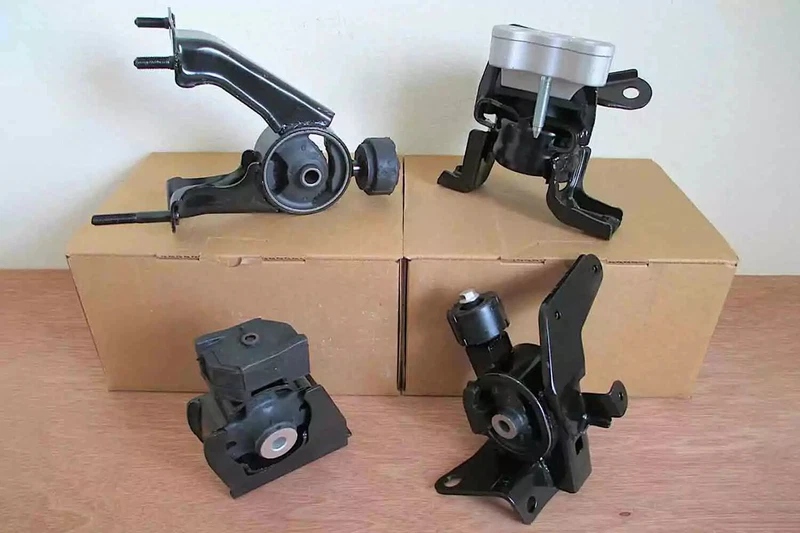
Before replacing transmission mounts, start with a thorough inspection of the surrounding area to ensure everything is in good shape. Engine mounts work closely with transmission mounts to stabilize the drivetrain, so be sure to check them as well—worn engine mounts can put extra stress on the transmission side .
Nearby exhaust components can also suffer from excessive movement caused by failing mounts. Inspect the exhaust hardware for signs of wear or looseness, and replace any damaged parts as needed .
If you're performing routine transmission maintenance at the same time, consider replacing the transmission fluid, which is typically recommended every 40,000 to 100,000 miles depending on your vehicle .
For rear-wheel drive or all-wheel drive vehicles, it's also a good opportunity to inspect the driveshaft and U-joints. When the transmission becomes misaligned due to worn mounts, these components can experience faster wear. Welcome to choose VDI Transmission Mount 4F0399151AM.