
When it comes to auto repair after a collision or maintaining your vehicle appearance, the question of whether to use OEM auto parts (Original Equipment Manufacturer) or aftermarket car parts often arises. Selecting the right car parts for your vehicle is crucial for ensuring vehicle longevity, safety standards, and maintaining resale value. This OEM vs aftermarket guide will help you understand the main differences between OEM parts and aftermarket parts, their advantages and disadvantages, and which option might be best for your auto repair needs.
Genuine OEM parts are made by the same manufacturer that produced the factory original parts for your car. They are essentially identical to the parts your vehicle was built with at the factory. For example, if you drive a Toyota, OEM auto parts are made by Toyota or an approved supplier, ensuring a perfect fit, OEM quality, and factory specifications.
Aftermarket car parts are manufactured by third-party manufacturers and are not tied to the vehicle's original manufacturer. While these parts are designed to function similarly to OEM components, they may vary in quality standards, fitment, and competitive pricing depending on the aftermarket brand and supplier.
OEM Parts: Since genuine OEM parts are factory-spec replacements, they provide a guaranteed fitment and maintain the same quality standards set by the manufacturer. This eliminates the guesswork when selecting auto parts.
Aftermarket Parts: The quality of aftermarket parts can vary widely. Some offer excellent performance and precise fitment, but others may not meet the same production specifications, potentially causing fitment problems or performance issues.
OEM Parts: OEM auto parts tend to have premium pricing than aftermarket components due to their brand authenticity and guaranteed compatibility. However, their reliability can make the extra cost worthwhile for some vehicle owners.
Aftermarket Parts: Generally, aftermarket car parts are more cost-effective and widely available. With a range of pricing options, you can find budget-friendly auto parts that still deliver solid performance.
OEM Parts: Auto manufacturers typically back genuine OEM parts with a manufacturer warranty, giving you added warranty assurance. This can be particularly important if your vehicle is still under factory warranty and needs collision repairs.
Aftermarket Parts: While aftermarket components also come with warranty protection, the warranty terms and coverage can vary significantly between aftermarket brands. Choosing a reputable manufacturer is key to ensuring long-term reliability.
OEM Parts: These parts are usually available through OEM dealerships or certified service centers. While this ensures part authenticity, it can sometimes mean longer lead times if parts need to be special ordered.
Aftermarket Parts: With a wider distribution network, aftermarket car parts are often more readily available, providing a broader selection of options. This makes them a convenient choice when you're looking for quick availability and customization options.
When deciding between OEM auto parts and aftermarket components, consider your specific repair needs, priorities, and auto repair budget. Here are a few practical tips to make an informed decision:
Prioritize Quality for Critical Safety Repairs: For essential safety components like brake systems, airbag modules, or frame components, genuine OEM parts may be the better choice due to their guaranteed compatibility.
Look for Value in Appearance Repairs: If you're fixing non-essential parts, such as interior trim pieces or cosmetic accessories, aftermarket options can help save money without significant downside.
Seek Professional Auto Repair Advice: A trusted collision repair center can provide expert guidance on which parts are best suited for your vehicle model and repair type.
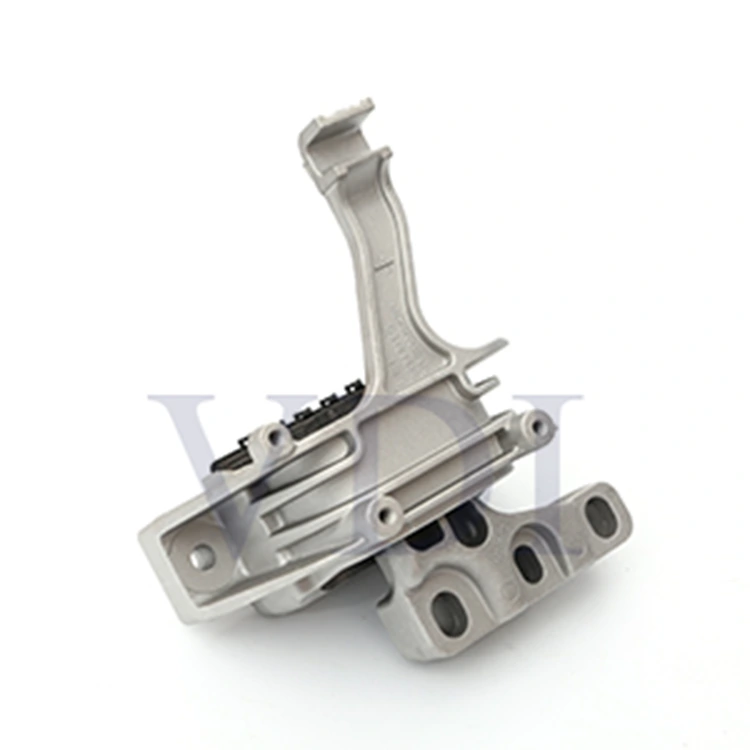
Whether you choose OEM auto parts or aftermarket car parts, the expertise of the auto body specialist handling the professional installation is essential. A certified repair shop will make sure the parts are installed with proper fitting, ensuring your vehicle's performance and appearance are restored to factory condition. Welcome to order the VDI Transmission Mount 191199402A.