
You feel a thud when you shift into drive. Your steering wheel vibrates at a red light. You might think it's the engine or the suspension—but the real problem could be a bad motor mount. These parts are small but critical. When they fail, your engine shifts around under the hood, and the symptoms get worse quickly . This guide covers the symptoms of a bad motor mount, how to confirm which one is failing, and what it costs to fix.
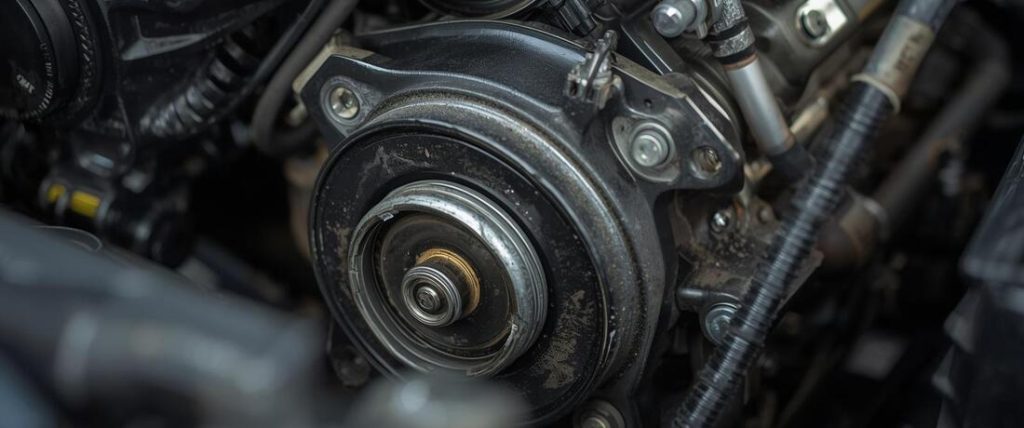
A motor mount bolts the engine to the frame and stops vibrations from shaking the car . It's a simple part with a big job .
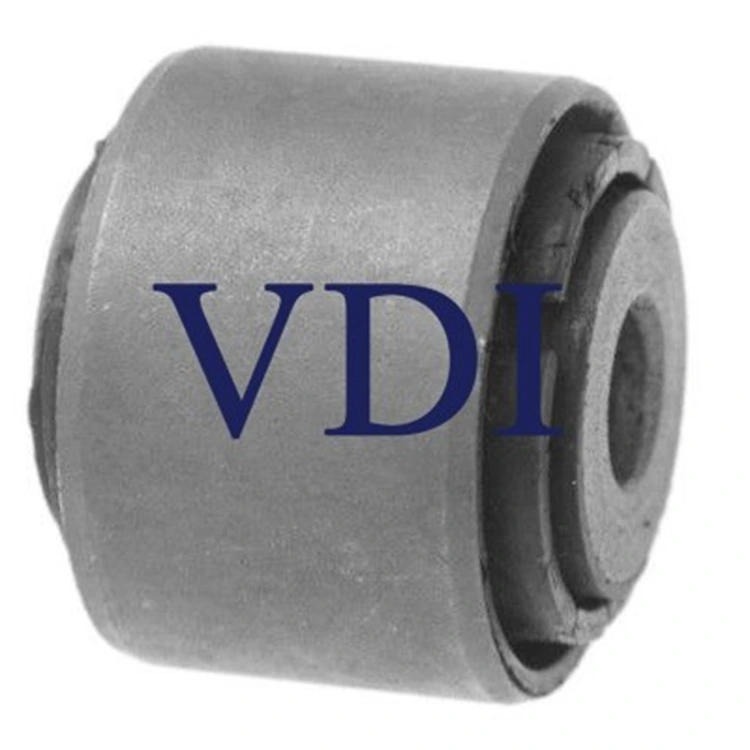
Most cars have three or four mounts . They hold the engine in place and keep it aligned with the drivetrain . The mount is usually made of metal and rubber . The metal bolts to the engine and the frame, while the rubber sits in the middle to absorb the engine's shake . This keeps the ride smooth . Without good mounts, the engine would rock back and forth .
There are three main types used in cars today . Each type works a bit differently .
Rubber Motor Mounts
This is the most common type . It's simple and cheap . It uses a block of rubber to soak up vibration . Over time, heat and age make the rubber hard or crack .
Hydraulic (Fluid-Filled) Motor Mounts
These use liquid inside to stop vibration . They work better than rubber . You see these on many Honda, Acura, and Toyota vehicles . They are very smooth when new, but they can leak . When the fluid leaks out, the mount fails fast .
Solid / Polyurethane Motor Mounts
These are hard and used in race cars . They don't absorb vibration well, which makes the ride rough . But they are very strong and don't break easily .
You will likely hear noises or feel vibrations when a motor mount breaks . Here are the seven warning signs .
1. Clunking or Banging Noises
This is the most common sign . You'll hear a thud or clunk coming from under the hood when you speed up, slow down, or shift gears . The engine lifts up and then slams down .
2. Excessive Vibration
Bad mounts let the engine shake the whole car . You feel it in the seat and the steering wheel . It's worst when the car is idling and can feel like the engine is misfiring .
3. Engine Rocking or Moving in the Bay
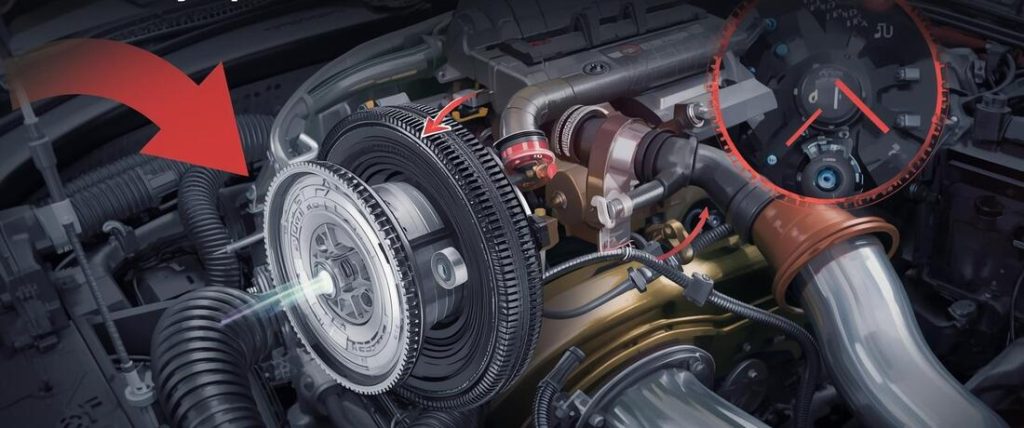
Open the hood and watch the engine while someone revs it . A good mount holds the engine still . A bad mount lets it rock or twist . If it moves more than an inch, the mount is likely broken .
4. Jerking or Lurching When Shifting Gears
You feel a jolt when shifting from Park to Drive . The car lunges forward or back and doesn't feel smooth . This often feels like a transmission problem, but check the mounts first—it's a much cheaper fix .
5. Engine Misalignment or Tilting
Look at the engine . Does it sit straight? A broken mount lets the engine sag on one side, making it look tilted . This can damage the exhaust and other parts .
6. Damage to Nearby Components
A moving engine pulls on things—stretching wires and pulling on hoses . You might see cracked coolant hoses, worn belts, or the fan hitting the shroud . If you keep replacing belts, check the mounts .
7. Lurch on Startup or Shutdown
When you start the car, does the engine jump? When you turn it off, does it shake? This is a sign of a broken mount—the engine twists because it's not held tight .
Replace mounts in pairs if the car has high mileage.
Motor Mount Symptoms vs. Transmission Mount Symptoms
You can tell the difference by when the noise or movement happens . Motor mounts react to engine load . Transmission mounts react to gear changes .
| Symptom | Motor Mount | Transmission Mount | Both |
| Clunking | Yes | Yes | Yes |
| Vibration at idle | Yes | No | No |
| Noise when shifting gears | Yes | Yes | Yes |
| Noise when accelerating | Yes | No | No |
| Engine rocking | Yes | No | No |
Transmission mounts fail too . But motor mount issues are more about the engine moving .
You can test your motor mounts at home with a helper and a careful eye . Do not touch the engine while it runs .
The Visual Rev Test
Open the hood and stand to the side . Have a friend start the car, let it idle, then rev the engine . Watch the engine—it should stay still . If it jumps or twists, a mount is broken . Keep your hands away from moving parts .
The Brake Torque Test
Start the car, put your foot on the brake, and shift to Drive . Press the gas slightly for just a second—do not let the car move . Watch the engine—it should not move much . Repeat this in Reverse . If the engine lifts a lot, the mount is bad .
Visual Inspection on Ground
Turn the car off and look at the mounts with a flashlight . Look for cracks in the rubber . Look for oil leaks on hydraulic mounts . Check if the metal bracket is touching the frame—it should have a gap .
Age and heat are the main reasons motor mounts stop working . They wear out like tires or brakes .
● Age – Rubber gets hard and cracks over time .
● Oil leaks – Oil rots the rubber .
● Hard driving – Fast starts and hard braking stress the mounts .
● Accidents – Even a small bump can crack a mount .
Most mounts last 60,000 to 100,000 miles . Hydraulic mounts may fail sooner .
You can drive short distances, but it is not safe for long . The engine moves more as the mount gets worse .
This movement is dangerous . The engine can hit the frame . Hoses can break . Wires can snap . This can leave you stranded—or even cause a fire if a fuel line breaks . If you feel a clunk every time you move the car, get it fixed now.
Replacing a motor mount is usually an affordable repair compared to engine work . The cost depends on the car and the shop .
| Cost Factor | Estimate |
| Parts (Rubber) | $25 – $150 each |
| Parts (Hydraulic) | $80 – $300 each |
| Labor | $100 – $350 each |
| Total Pro Cost | $150 – $600 per mount |
| DIY Difficulty | Moderate |
Independent shops are cheaper than dealers . Labor is the biggest cost—the mechanic has to support the engine to change the mount .
You don't always need to replace all mounts, but you should check them all . They all age at the same speed .
If one fails, the others work harder . If your car has high miles, replace them all—it saves labor costs because the mechanic only has to lift the engine once . If you have a hydraulic mount, replace them in pairs . If only one rubber mount is cracked, you can just replace that one .
Can a bad motor mount cause shaking at idle?
Yes . If the rubber or fluid fails, the engine shakes the car . You feel it in the steering wheel and seats when the car stops .
Can a bad motor mount cause a check engine light?
Not usually . But a moving engine can pull wires, which might trip a sensor . If you have weird electrical glitches, check the mounts .
How do I know if it's a motor mount or transmission mount?
Motor mounts make the engine rock . Transmission mounts cause clunks when you shift gears . A mechanic can tell for sure by watching the engine move .
How much does motor mount replacement cost?
Expect to pay $150 to $600 per mount at a shop . Dealers cost more . Replacing all mounts can cost over $1,000 on some cars .
What happens if you don't replace bad motor mounts?
The engine will move too much . It will damage belts, hoses, and wires . The engine could hit the radiator or firewall, causing very expensive damage .
The top symptoms of a bad motor mount are clunking, shaking, and engine movement . These signs start small but get worse .
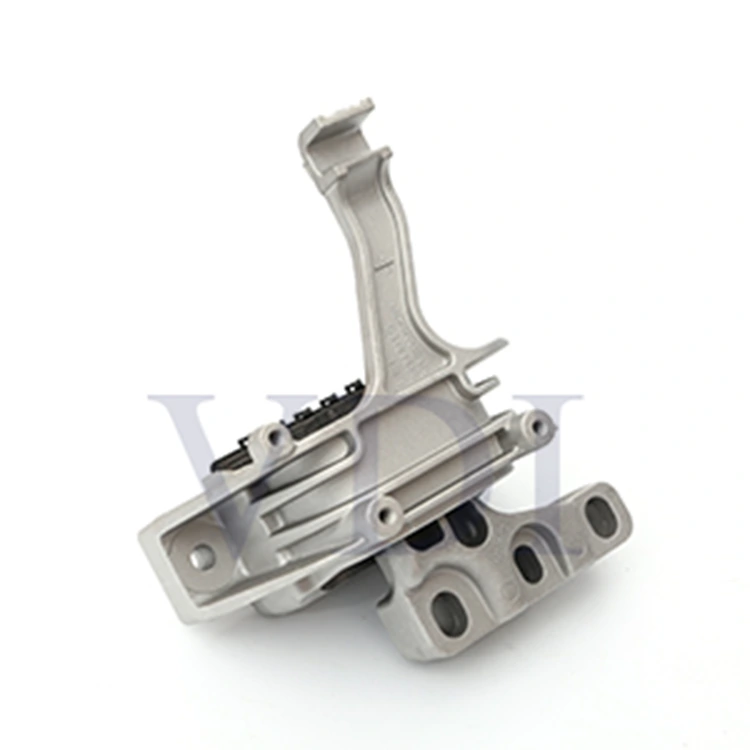
A failing mount hurts your car—it damages belts and hoses and makes the car hard to drive . Fixing it early costs a few hundred dollars . Waiting costs much more . If your car feels wrong, trust your gut and get it checked . Welcome to choose VDI Transmission Mount 8J0199555K.