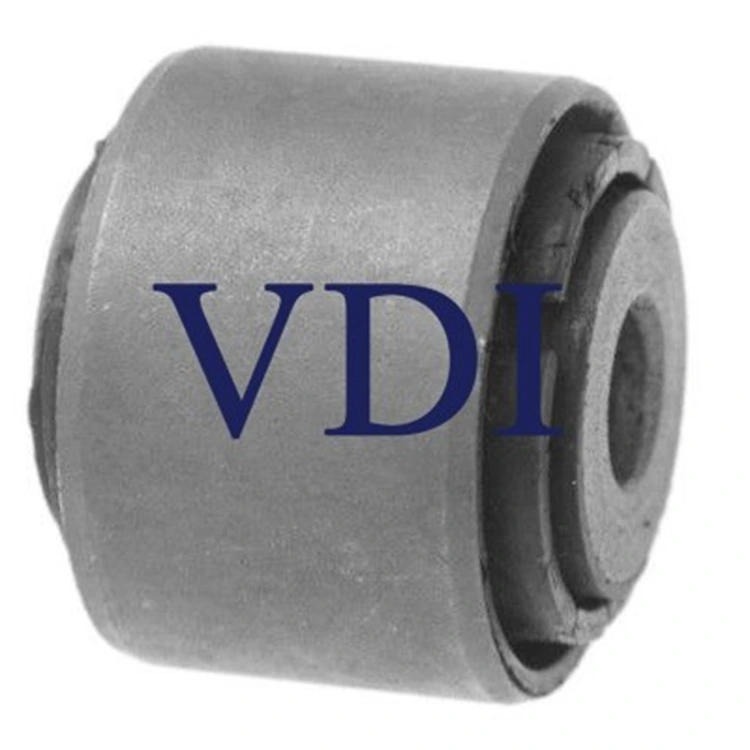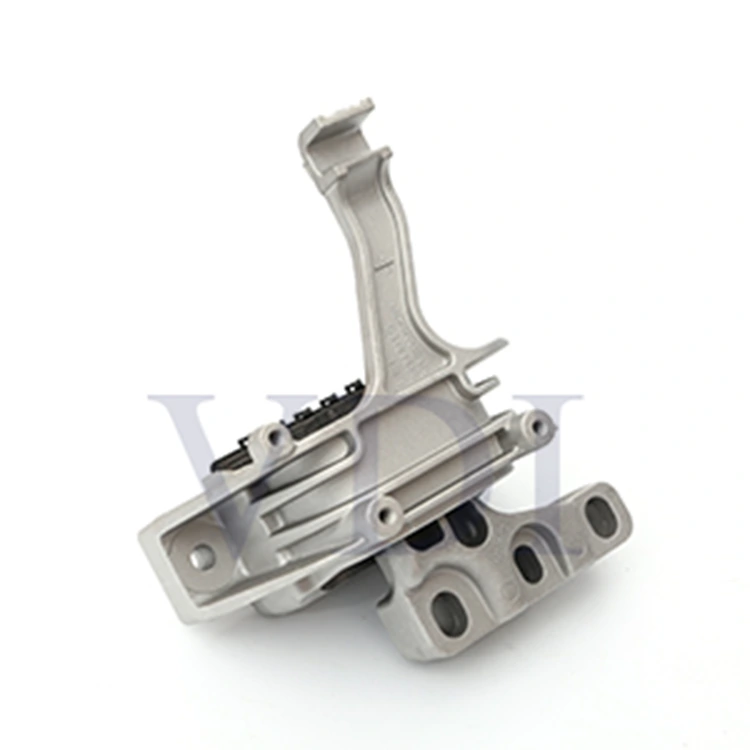

Feeling a clunk when you shift gears? You might have a bad transmission mount. A transmission mount holds your transmission in place and uses rubber to absorb vibrations . We know the symptoms of a failing transmission mount very well. In this guide, we’ll show you 8 clear signs, cover replacement costs, and explain how to fix it. Read on to see if your car needs help.
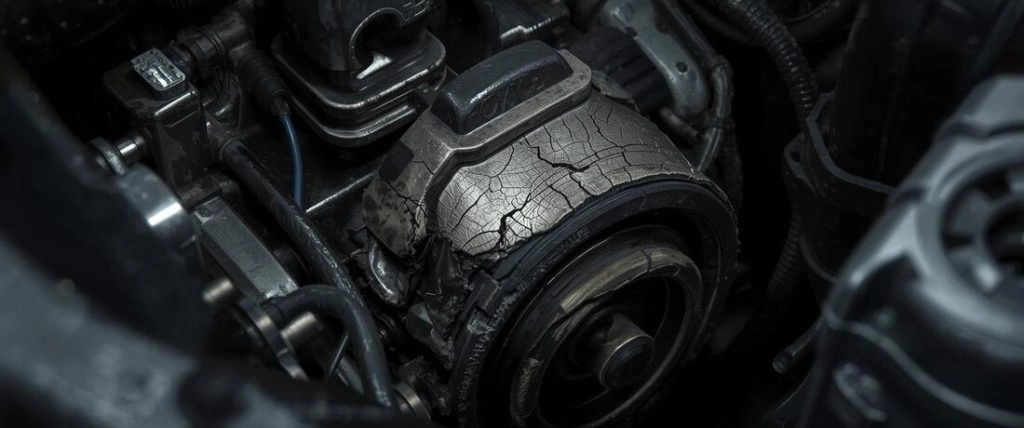
A transmission mount is a part made of rubber and metal that connects your transmission to the car frame. This part keeps the transmission stable, prevents the gearbox from moving around too much, and absorbs shakes from the road and engine. Without it, your car would vibrate a lot. It works with the engine mounts to support the whole powertrain .
This part secures the transmission to the frame using a rubber bushing to soak up vibration. The rubber sits between two metal plates, stopping the shakes from reaching you inside the car. It also allows the engine to move a tiny bit when it gets hot. It is often called a trans mount or gearbox mount .
The mount keeps the transmission steady while you drive. When the car runs, the engine shakes, and the rubber in the mount absorbs this movement. It lets the transmission twist slightly when you step on the gas, protecting metal parts from breaking. If the rubber breaks, the transmission moves too much, causing loud clunks and damage to other parts .
Most cars use a simple rubber mount. Solid rubber mounts are very common—just a block of rubber and metal that is cheap and lasts a long time. Hydraulic mounts have fluid inside for a smoother ride but can leak. Some luxury cars use electronic mounts that change stiffness as you drive. Polyurethane mounts are used in performance cars—they are stiffer but last longer .
They look similar but hold different parts .
Feature Transmission Mount Motor/Engine Mount
Location Supports transmission (under vehicle center) Supports engine (engine bay)
Number Usually 1-2 mounts Typically 3-4 mounts
Failure symptoms Clunking when shifting, movement when changing gears Vibration at idle, engine rocking
When symptoms occur During gear changes, acceleration/braking At idle, when revving engine
Replacement cost $150-$600 (single mount) $100-$400 per mount × 3-4
Lifespan 60,000-100,000 miles 60,000-100,000 miles
DIY difficulty Moderate (requires jack/stands) Easy to Hard (depends on location)
The main difference is when you feel the problem. Transmission mounts act up when you shift. Engine mounts shake when the car is sitting still. Often, they fail at the same time because they are the same age .
You will feel or hear these signs if the mount is bad .
1. Excessive Vibration (Especially During Acceleration)
You will feel a strong shake in the car, mostly when you speed up. You might feel it in the seat or the steering wheel. The shifter might vibrate in your hand. The rubber is worn out and cannot absorb the shakes, making the ride feel rough .
2. Clunking or Banging Noise When Shifting Gears
A loud bang often means the mount has failed. You hear this sound when shifting gears—especially going from Park to Drive—or when stopping. The transmission moves and hits the metal frame. This is one of the most common signs of a bad mount .
3. Visible Engine/Transmission Movement
Open the hood while a friend shifts gears. Watch the engine and transmission. They should move just a little. If they jump or rock a lot, the mount is broken. It should not move more than an inch .
4. Transmission Sag or Misalignment
Look under the car from the side. The transmission should sit level. If it is tilted or sagging, the mount has collapsed. This can damage other parts like the axles and is a clear sign the rubber is destroyed .
5. Rough or Delayed Gear Shifts
Bad mounts can make shifting feel hard. The car might jerk when it changes gears or pause before moving. This happens because the transmission is not lined up right. Fixing the mount often restores smooth shifting .
6. Transmission Fluid Leaks
If the transmission shakes too much, it stresses the seals. Fluid can leak out. You might see red puddles under the car. If you notice transmission fluid, check the mounts .
7. Jerking or Lurching During Acceleration/Deceleration
The car might jerk when you speed up or slow down—like someone bumped into you. This happens because the transmission is loose and lurches forward or back suddenly .
8. Unusual Noises from Transmission Area
Listen for strange sounds like rattling or whining from under the car. These come from metal hitting metal, or the exhaust rattling against the frame. Address strange car noises quickly to avoid damage .
Most mounts fail because of old age or stress .
Normal Wear and Tear (Age)
The rubber gets old and cracks after years of use. Heat from the engine makes it dry; cold weather can make it brittle. They usually last between 60,000 and 100,000 miles. After that, they can fail at any time .
Oil and Fluid Contamination
If your engine or transmission leaks, oil drips on the mount. The rubber soaks up the oil, becoming soft and mushy and losing its strength. Fix leaks fast to save your mounts .
Aggressive Driving Habits
Hard driving hurts the mounts. Speeding fast from a stop or slamming on the gas makes the engine twist and tears the rubber. Towing heavy loads does the same. Smooth driving helps parts last longer .
Impact Damage
Hitting a deep pothole or a speed bump too fast can tear the rubber instantly. Even a small accident can bend the mount bracket, causing immediate failure .
Manufacturing Defects or Poor Quality
Some parts are poorly made—using weak rubber or bad glue—and fail very early. Always buy good quality parts .
High Mileage and Lack of Maintenance
If you never check the mounts, you miss the early signs. Driving on a broken mount hurts other parts. Check your mounts when you change your oil—catching a crack early saves money .
You can check the mounts yourself in a few minutes .
Visual Inspection (5-10 Minutes)
Jack up the car safely and look at the rubber part of the mount with a flashlight. If it has cracks or is separated from the metal, it is bad. Also check for oil or fluid—oily rubber is weak rubber .
Movement Test (Shift Test)
Have a friend sit in the driver's seat, hold the brake, and shift from Park to Drive. Watch the engine from the side of the car. If it rocks a lot, the mount is bad. It should stay mostly still .
Brake and Rev Test
Put the car in Drive, hold the brake firmly, and rev the engine a little to 2,000 RPM. Watch the transmission. If it tilts or bounces, the mount is worn out. Do this in Reverse as well .
Road Test
Drive the car to feel for problems. Listen for clunks when shifting. Feel for shakes when speeding up. Drive over bumps to hear for rattles. If the symptoms match the list, the mount is likely the cause .
Professional Diagnostic Procedures
A mechanic can check for sure by putting the car on a lift and using a pry bar to test the rubber strength. If you're unsure, ask a pro—it's better to be safe with car repairs .
The cost depends on your car and the shop .
| Vehicle Type | Mount Parts (OEM) | Mount Parts (Aftermarket) | Labor Cost | Total Cost (Shop) | Total Cost (DIY) |
| Economy Cars | $60-$120 | $40-$80 | $80-$150 | $140-$270 | $40-$120 |
| Domestic Sedans | $70-$150 | $50-$100 | $100-$180 | $170-$330 | $50-$150 |
| Trucks/SUVs | $80-$180 | $60-$120 | $120-$200 | $200-$380 | $60-$180 |
| Luxury/European | $150-$300 | $100-$200 | $150-$300 | $300-$600 | $100-$300 |
| Performance/Hydraulic | $100-$250 | $80-$180 | $100-$250 | $200-$500 | $80-$250 |
Big trucks cost more to fix than small cars. Front-wheel drive cars are often easier to work on. Luxury cars need expensive parts. Hydraulic mounts cost more than rubber ones. Labor rates also vary by location .
Additional Costs and Considerations
You might need new bolts if the old ones are rusty. You might need to top off transmission fluid. Sometimes the exhaust must be moved to do the job. Ask the shop about extra fees first .
OEM vs Aftermarket Mounts
OEM parts come from the car maker—they fit perfectly but cost more. Aftermarket parts are cheaper; some are just as good as OEM. Avoid the cheapest options online. Good brands like Anchor or DEA are reliable .
Ways to Save on Transmission Mount Replacement
DIY installation saves the most money—you only pay for the part. You can also shop around for quotes, call three different shops, or buy your own parts to save cash. Sometimes you can replace the mount during other repairs .
They usually last for many years .
Expected Lifespan by Mount Type
· Rubber mounts: about 60,000 to 100,000 miles
· Hydraulic mounts: about 50,000 to 80,000 miles (fluid can leak)
· Polyurethane mounts: over 100,000 miles (harder, take longer to wear down)
Factors That Affect Mount Lifespan
Smooth driving makes parts last longer. Hard driving breaks them fast. Extreme heat or cold hurts the rubber. Oil leaks are very bad for mounts. Keep your car clean and drive gently .
Inspection and Replacement Schedule
Check mounts every time you change your oil—it only takes a minute. Have a mechanic check them every 30,000 miles. If you plan a long trip, check them first. It's better to replace them before they break completely .
You can drive for a short time, but be careful .
Short-Term Driving (Days to Weeks)
You can drive to the repair shop. Keep the trip short. Avoid the highway if possible. Don't accelerate fast. Listen for new sounds. Don't let it go for more than a week or two if you can avoid it .
Risks of Driving with Failed Mount
Driving too long causes more damage. The shaking can break other parts like axles or the driveshaft, costing much more to fix. The transmission case could even crack. It's safer to fix it right away .
Emergency Driving Tips
If you must drive, take it easy—drive slowly and gently, don't tow anything, and take back roads instead of the highway. If the car starts shaking violently, stop driving and call a tow truck .
You can do this job yourself with some tools .
Difficulty Level and Requirements
This is a medium difficulty job. You need to know how to use tools safely, lift the car properly, and be comfortable working under the car. It usually takes a few hours .
Step-by-Step Replacement Procedure
1. Get Ready – Park on flat ground, set the parking brake, gather tools (jack, jack stands, sockets).
2. Lift the Car – Jack up the car using frame points, place jack stands, never rely only on the jack. Shake the car to make sure it's stable.
3. Support the Transmission – Place a jack with a wood block under the transmission pan and lift until it touches—this holds the weight.
4. Remove the Old Mount – Unscrew the bolts (usually on the frame and transmission). Remove the old mount carefully.
5. Clean and Inspect – Clean metal surfaces, look for rust or cracks, check other nearby mounts.
6. Install New Mount – Put the new mount in place, start all bolts by hand, make sure it sits straight, then tighten.
7. Torque the Bolts – Use a torque wrench if possible. Check your car manual for specs.
8. Lower and Test – Lower the car, start the engine, shift through gears—clunks should be gone. Take a short test drive .
Never get under a car held only by a jack—always use jack stands. Don't over-tighten bolts and crack the new mount. Don't forget to support the transmission weight. Always test drive to check your work .
Transmission Mount vs Motor Mount: How to Tell Which Failed
The symptoms help you tell them apart .
| Symptom | Bad Transmission Mount | Bad Motor/Engine Mount |
| When symptoms occur | During gear changes, acceleration, braking | At idle, when revving in park/neutral |
| Vibration timing | Increases with acceleration | Worst at idle, decreases when driving |
| Clunking sound | When shifting gears (P→D→R) | When starting or turning off engine |
| Visible movement | Transmission rocks when shifting | Engine rocks at idle or when revving |
| Affected by load | Worse when towing, hard acceleration | Worse with A/C on, electrical load |
| Shifter feel | Sloppy, moves excessively | Usually normal |
| Location of noise | Center/front undercarriage | Engine bay, sides of engine |
Do the shift test to be sure: watch the engine when a friend shifts gears. If the transmission moves, it's a trans mount. If the engine moves, it's a motor mount .
Good habits make your car parts last longer .
Driving Habits That Extend Mount Life
Drive smoothly—don't floor the gas from a stop, stop gently instead of slamming the brakes, wait for the car to stop before shifting to Reverse, don't race the engine in Park, and respect your car's towing limits .
Regular Maintenance for Mount Longevity
Check mounts during every oil change. Fix any oil leaks right away—oil ruins rubber quickly. Have a pro inspect them if the car has high miles. Prevention is cheaper than repair .
When to Replace Proactively
If one mount fails, the others are probably old too. Replace them all at once to save on labor costs later. Do this if you're replacing the engine or transmission, or before a long trip .
1. How do you know if your transmission mount is bad?
A bad transmission mount can cause unusual vibrations, loud clunking noises, or difficulty shifting gears. You might also notice the car feels unstable when idling or accelerating .
2. What are the signs of a failing transmission mount?
Signs include loud noise when shifting, unusual vibrations, and the feeling of the engine or transmission moving excessively when accelerating or decelerating .
3. What happens right before your transmission goes out?
Before your transmission goes out, you may experience slipping gears, delayed acceleration, strange noises, or difficulty shifting. Address these symptoms immediately to avoid further damage .
4. Can you drive with a broken transmission mount?
Driving with a broken transmission mount is not recommended. It can cause excessive vibrations, affect handling, and lead to further damage to the transmission or other components .
5. How much does it cost to replace a transmission mount?
The cost typically ranges from $200 to $600, depending on your vehicle and labor costs. It's a relatively affordable repair that can prevent major transmission damage .
Bottom Line: Don't Ignore Transmission Mount Symptoms
Do not wait if you hear clunks. Ignoring the signs leads to big repair bills. A new mount costs a few hundred dollars; a damaged transmission costs thousands. Fix it within a week or two of seeing symptoms. Check the rubber for cracks often. Drive gently to make them last longer. You can fix it yourself to save money. A smooth ride depends on these small parts. Welcome to choose VDI Transmission Mount 8E0399105JD.
● Look for Clunks: Loud bangs when shifting mean a bad mount .
● Feel the Shake: Vibration in the seat or wheel is a sign .
● Check the Rubber: Cracks or separation mean it needs replacement .
● Act Fast: Fix it in 1-2 weeks to stop more damage .
● Cost Varies: Expect to pay $150-$600 at a shop .
● DIY Option: You can do it yourself with jack stands .
● Prevent It: Drive smooth and fix oil leaks .