
A holistic aftermarket strategy, underpinned by an operational excellence framework, enables B2B industrial manufacturers to unlock profit potential from MRO (Maintenance, Repair, and Operations) and service offerings.
Whether serving end-consumers, enterprise clients, or public sector entities, aftermarket services are critical. For many OEMs, what originated as legacy spare parts sales has evolved into a primary profit driver: margins in this sector can be up to 4x higher than those from new equipment sales. This trend is pronounced among industry leaders; companies that have mastered aftermarket monetization have seen significantly higher shareholder value creation over the past 15 years, delivering double the ROI compared to peers neglecting service-centric strategies (see Exhibit).
The strategic importance of aftermarket revenue streams has become increasingly differentiating amid macroeconomic volatility. With inflationary pressures and rising interest rates causing many firms to delay CAPEX on new production lines, investment in installed base management—such as predictive maintenance and retrofitting upgrades—offers a lower-cost, high-return alternative to greenfield projects.

Simultaneously, the widespread adoption of Over-the-Air (OTA) updates and digital twin technologies across industries has significantly reduced the CAPEX typically required for aftermarket services, while minimizing operational downtime in manufacturing. Consequently, companies facing cost optimization pressures are shifting spend from new equipment acquisition (CAPEX) to aftermarket solutions (OPEX), thereby elevating the role of service-led growth in their overall recurring revenue models.
Despite its commercial value, the aftermarket potential remains largely under-monetized. Implementing a robust Customer Success Management (CSM) framework—defined as delivering continuous, high-value post-sales support beyond the initial transaction—can unlock this value.
In Part 1 of this report, we present a five-stage framework for optimizing the aftermarket customer journey, from concept to cash:
R&D Commercialization Stage: Spans product development through to go-to-market strategy execution.
Lead-to-Order Stage: Covers sales pipeline management, from business development to order confirmation.
Order-to-Fulfillment Stage: Encompasses supply chain optimization, procurement, and logistics delivery.
Cash Collection Stage: Completes the cycle via revenue cycle management and automated accounts receivable processes.
Digital Enablers: The technological and organizational capabilities ensuring end-to-end success.
For each stage, we analyze key factors OEMs must consider and discuss emerging trends like AI-driven diagnostics and predictive analytics. For methodology details, see the sidebar, “About the Research.”
Conversely, companies lacking a clear aftermarket roadmap often struggle to achieve target ROI on substantial initial investments. To secure high returns, leading OEMs leverage aftermarket offerings to drive customer retention, enable upsell/cross-sell opportunities, and enhance product performance—delivering tangible benefits such as increased operational efficiency and reduced energy consumption. In Part 2, we overview the strategic priorities executives are adopting to achieve these outcomes.
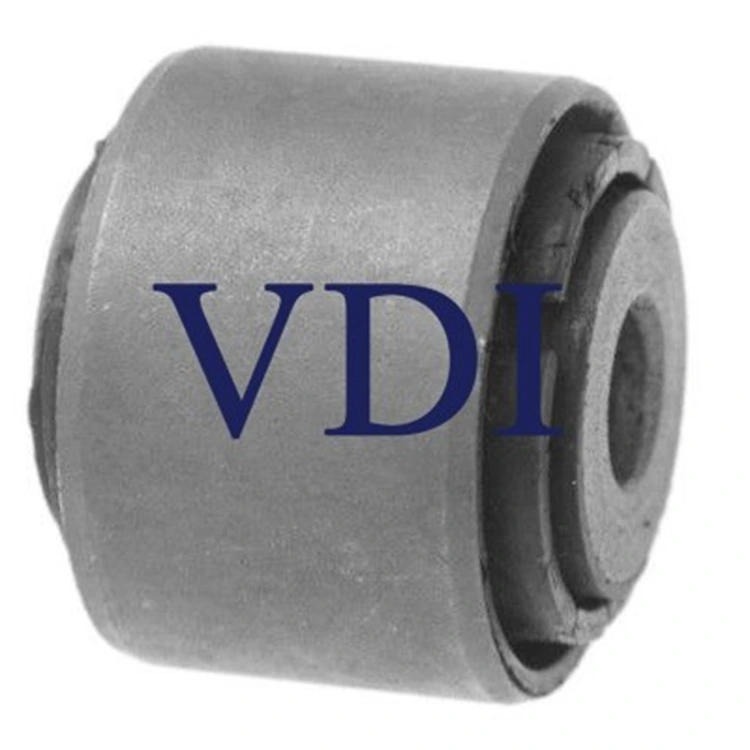
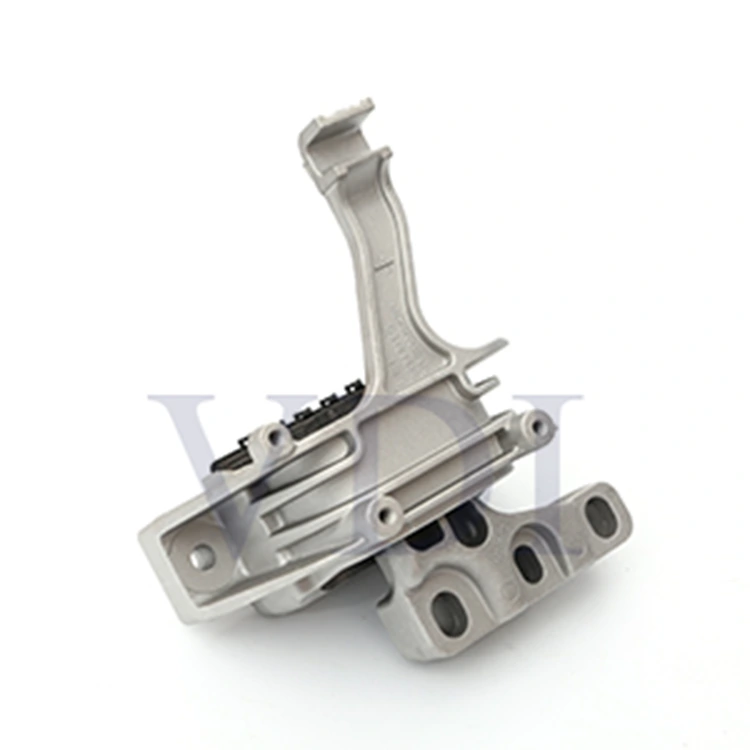
Welcome to purchase VDI products. The VDI Transmission Mount 5N0199555 is your best choice for cost-effectiveness.