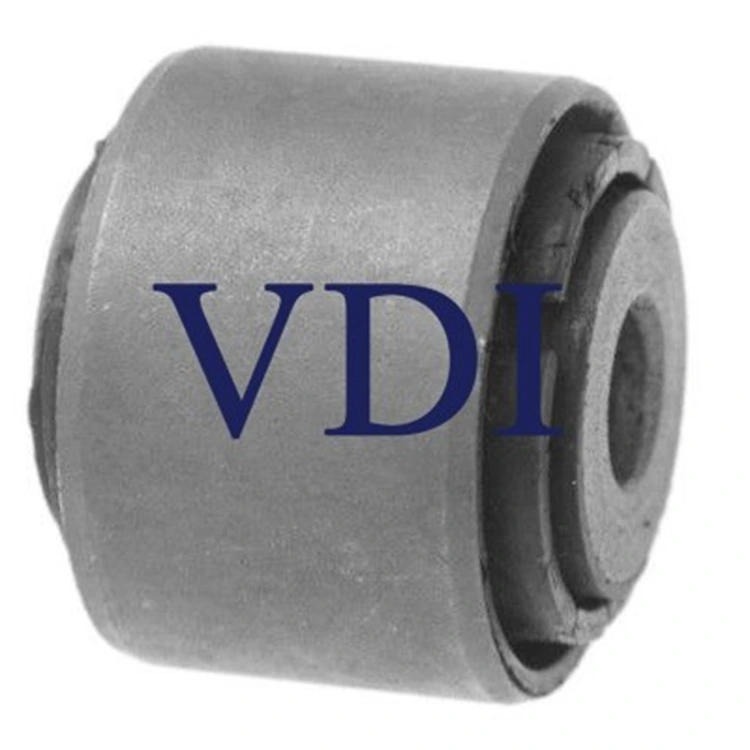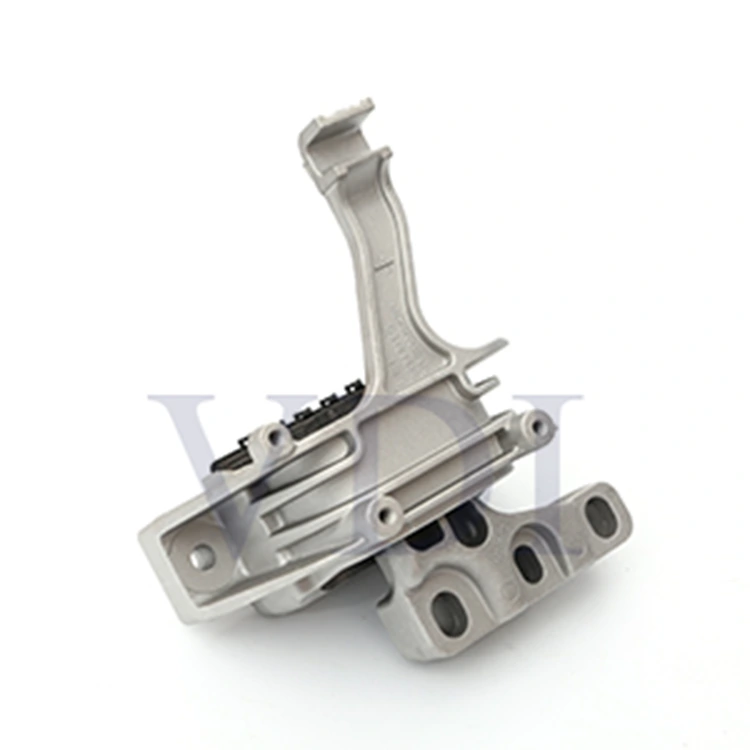

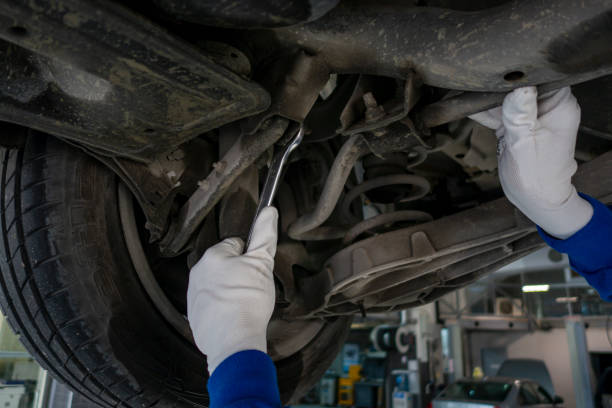
Control arm bushings serve a vital and discreet function in managing the NVH (Noise, Vibration, and Harshness) aspects of a vehicle. Their main task is to mitigate the small vibrations resulting from slight irregularities in the road surface—generally characterized by high-frequency and low-amplitude disturbances. Due to the natural characteristics of pliable materials such as rubber or various elastomers, these bushings proficiently absorb these high-frequency vibrations by transforming vibrational energy into heat or internal changes, thereby considerably diminishing the level of vibration that is transmitted into the cabin.
In the system responsible for managing suspension, the main springs and shock absorbers play a vital role in handling significant bumps and impacts that occur at low frequencies. On the other hand, control arm bushings are specifically designed to diminish minor disturbances from slight road imperfections. This differentiation in responsibilities emphasizes the important function of bushings in reducing noise, vibrations, and discomfort levels. They act as flexible cushions that stop small irregularities in the road from being directly passed on to the vehicle structure via rigid metal connections. Should the bushings be poorly constructed or replaced with hard mounts, these small jolts can result in persistent metal-on-metal sounds or direct energy transfer, leading to ongoing distractions for the driver and increased noise inside the vehicle, especially noticeable when driving on highways. High-quality bushings effectively address these problems, providing a significantly smoother and quieter driving experience, even on surfaces that appear flat.
The fundamental mechanism that governs vibration control is shaped by the thickness, material elasticity, and internal structure of the bushing. A thicker layer of rubber can absorb more energy, while hysteresis of the material—referring to energy lost during continuous deformation—causes a gradual decrease in vibrations over time. Additionally, different shapes of bushings, whether cylindrical or tapered, create varying damping effects in both radial and axial directions, enhancing energy dissipation efficiency. Engineers need to find a proper balance between isolating vibrations and ensuring the precision of suspension systems: bushings that are too soft may cause excessive give, resulting in unclear steering feedback or changes in alignment; on the other hand, an optimal level of elasticity can greatly reduce noise and vibrations while preserving handling accuracy.
From the viewpoint of NVH engineering, control arm bushings play a role in multiple frequency responses. Cabin resonance can be easily triggered by high-frequency road excitations, such as the texture of asphalt or joints in the pavement. The bushing's ability to flex serves as a mechanical low-pass filter, effectively diminishing these frequencies. Real-world evaluations indicate that optimally designed bushings provide considerable damping within the 10 to 200 Hz range, which is the frequency range where human sensitivity is heightened. This level of attenuation enhances ride quality while minimizing structural wear and potential causes of squeaks and rattles. In contemporary vehicle development, NVH simulation software—like those found in CarSim or ADAMS—regards bushing models as essential components for anticipating and refining sound pressure levels and vibration acceleration inside the cabin.
To conclude, through its focus on reducing micro-vibrations, the control arm bushing has become a crucial component in the NVH management framework. In collaboration with springs, dampers, and soundproofing materials, it contributes to the creation of a layered isolation system that ensures a serene and comfortable ride on any type of roadway—while also keeping suspension dynamics intact. VDI Control Arm Bushing 857407181 delivers exceptional vibration damping for a smoother, quieter ride. Welcome to order!