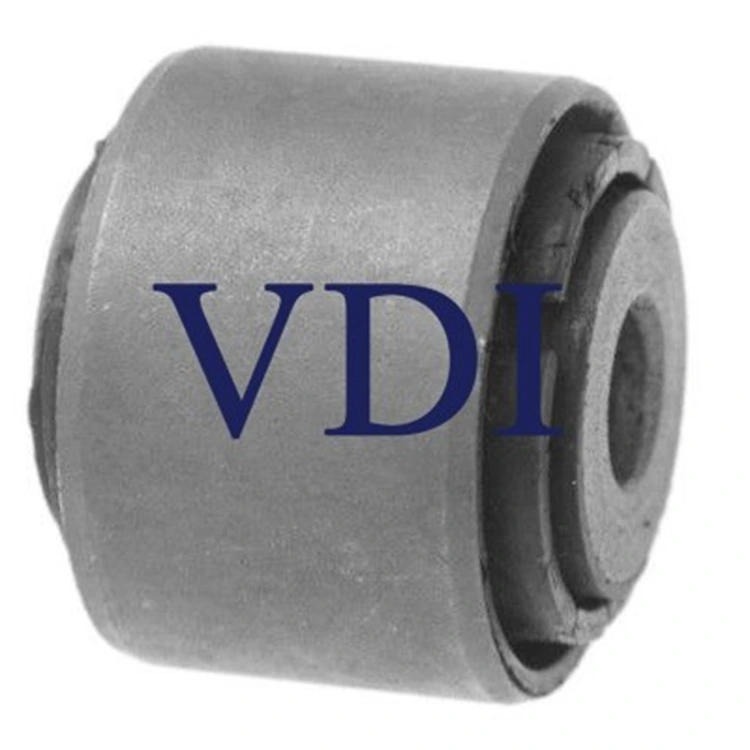

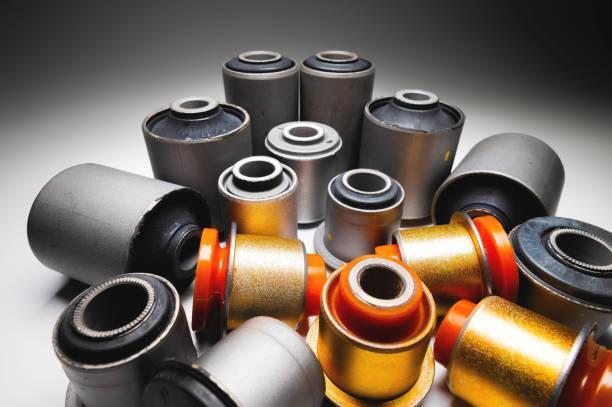
Toyota Highlander owners, especially those with models from 2008–2019, often encounter discussions about front lower control arm bushings developing surface cracks. These rubber bushings connect the lower control arm to the subframe, absorbing road vibrations, reducing noise, and helping maintain proper wheel alignment and stable handling. Over time, the rubber naturally ages, leading to visible surface cracking—commonly referred to as "ozone cracking" due to exposure to environmental factors like heat, UV rays, ozone, and road contaminants.
Many dealers and mechanics flag these cracks during routine inspections, recommending immediate replacement of the bushings or the entire control arm assembly, with quotes ranging from $1,500 to $3,000 for both sides (including labor and alignment). However, community consensus on forums like Reddit (r/Toyota, r/ToyotaHighlander, r/MechanicAdvice) and Toyota Nation is that pure surface cracks are typically normal and not an urgent safety concern.
Rubber bushings harden and develop superficial cracks as part of natural aging. This is exacerbated by:
Ozone and UV exposure causing dry rot on the surface.
Heat cycles from engine bay proximity and driving conditions.
Minor flexing during normal operation.
These cracks are cosmetic in early stages and do not immediately compromise the bushing's structural integrity or performance.
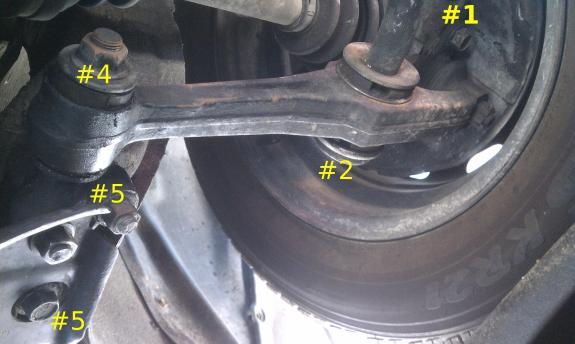
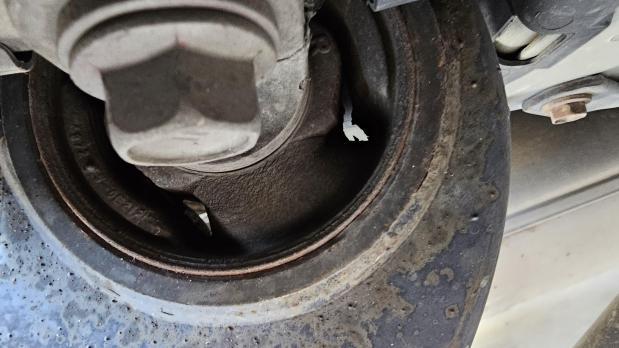
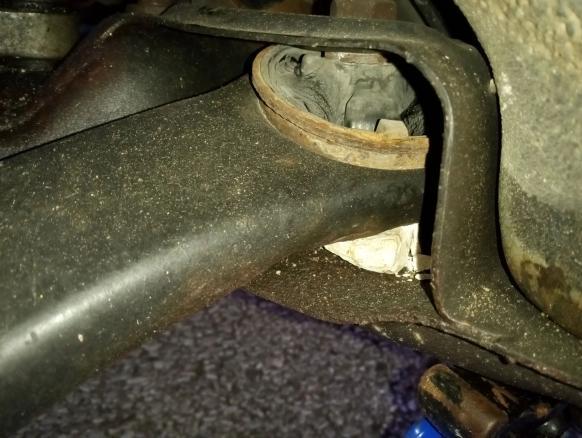
(Examples of typical surface cracking on Highlander control arm bushings—note the fine, shallow lines without deep tears.)
Monitor for these signs of actual wear:
Deep tears or separation of rubber from the metal sleeve.
Excessive play (test with a pry bar—more than minimal movement indicates failure).
Symptoms like clunking noises over bumps, steering vibrations, pulling, or uneven tire wear.
If only surface cracks are present with no symptoms, many owners report driving tens of thousands of miles without issues.
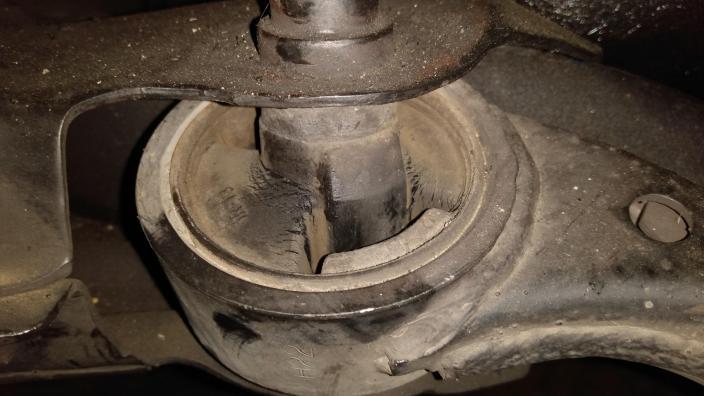
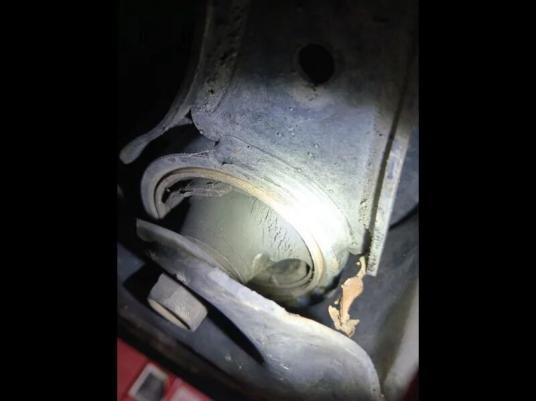
(Comparisons: New or lightly worn bushings vs. those with advanced cracking or tears.)
Toyota often sells bushings integrated into the control arm (not separately serviceable on many models), making full arm replacement common. Options include:
OEM arms for reliability.